



الألومنيوم هو أحد المعادن الهندسية الأكثر استخدامًا في العالم, ويرجع ذلك إلى حد كبير إلى وفرة, طبيعة خفيفة الوزن, المقاومة للتآكل, والتنوع. باعتباره العنصر المعدني الأكثر وفرة في القشرة الأرضية, يخدم الألومنيوم الصناعات التي تتراوح بين الكهرباء والبناء والفضاء, تجهيز الأغذية, والطاقة المتجددة.
عن طريق صناعة سبائك الألومنيوم بكميات محكومة من العناصر الأخرى, يمكن للمصنعين تصميم ميكانيكيتها, بدني, والخصائص الكيميائية لتطبيقات محددة. يتم تصنيف هذه السبائك إلى سلسلة ودرجات, تم تصميم كل منها لتحقيق التوازن بين القوة, القابلية للتشكيل, الموصلية, ومقاومة التآكل.
من بين هؤلاء, 1050 سبيكة الألومنيوم تبرز كدرجة ألومنيوم نقية تجاريًا. مع نسبة عالية من الألومنيوم بشكل استثنائي, فهو يعطي الأولوية للموصلية, ليونة, ومقاومة التآكل على القوة الميكانيكية. توفر هذه المقالة نظرة فنية شاملة للألمنيوم 1050, بما في ذلك تكوينه, ملكيات, سلوك التصنيع, والتطبيقات الصناعية.
ما هو 1050 سبائك الألومنيوم?
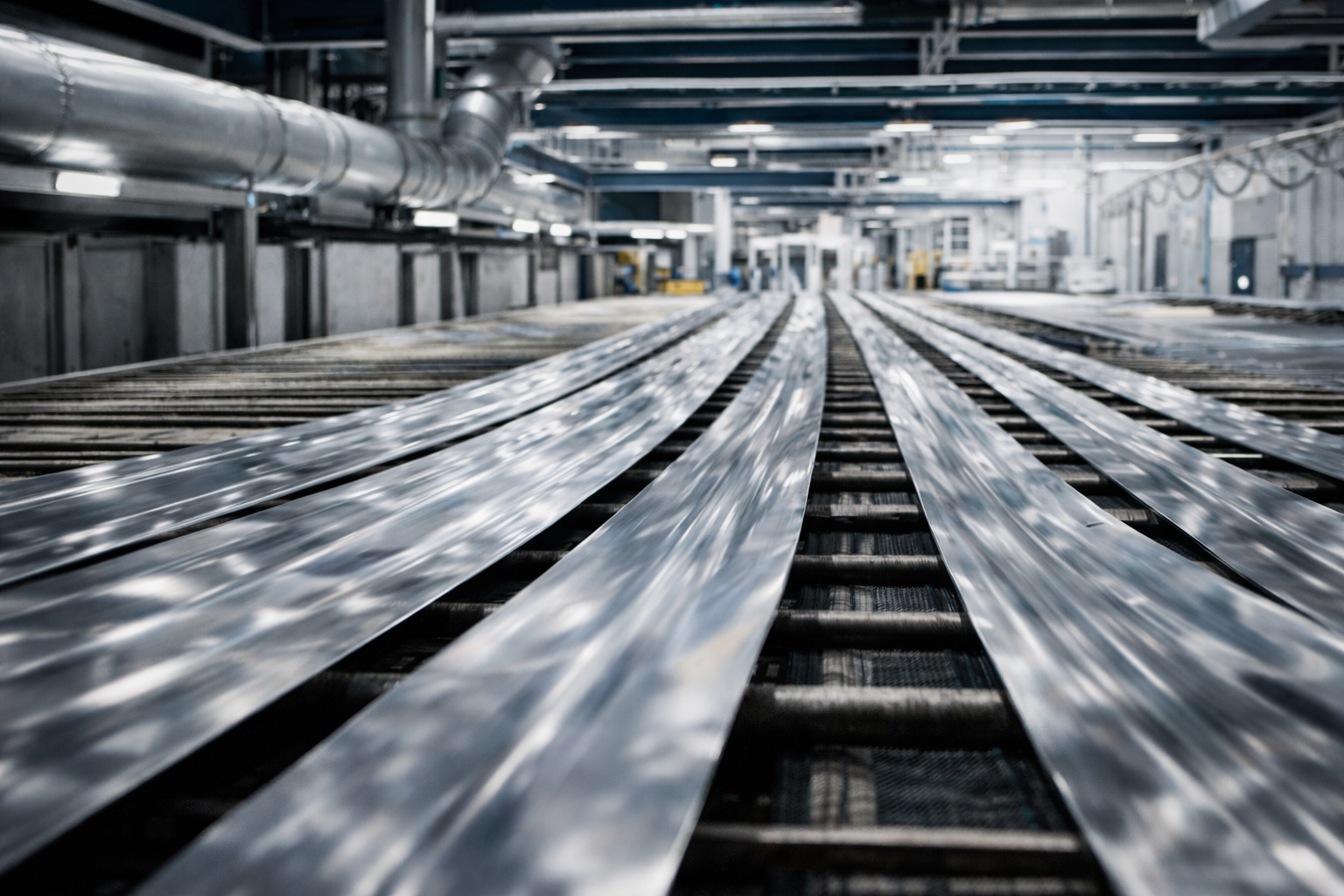
1050 تنتمي سبائك الألومنيوم إلى 1سلسلة الثلاثون, والذي يمثل سبائك الألومنيوم النقية تجاريًا والتي تحتوي على الحد الأدنى من 99.0% الألومنيوم. خاصة, 1050 يحتوي على الألومنيوم على الأقل 99.5% الألومنيوم, مما يجعلها واحدة من أنقى الدرجات المستخدمة في التصنيع الصناعي.
يتم تصنيفها على أنها أ سبيكة غير قابلة للمعالجة بالحرارة, مما يعني أنه لا يمكن زيادة قوتها من خلال تصلب الهطول. بدلاً من, يتم تحقيق تعديلات القوة من خلال العمل البارد (تصلب الإجهاد), والسبيكة متوفرة في درجات حرارة متعددة لتناسب متطلبات التشكيل والخدمة المختلفة.
التسميات الدولية
1050 الألومنيوم معترف به عالميًا بموجب عدة معايير:
ايزو / في: Al99.5, إن AW-1050A
هو: A1050
من: 3.0255 (يشار إليها عادة)
الخصائص الرئيسية
درجة نقاء الألومنيوم عالية للغاية
الموصلية الحرارية والكهربائية ممتازة
مقاومة التآكل المعلقة
ليونة متفوقة والقابلية للتشكيل
قوة ميكانيكية منخفضة نسبيا
بسبب هذا التوازن الملكية, 1050 الألومنيوم هو الأنسب للتطبيقات حيث الموصلية, المقاومة للتآكل, وسهولة تشكيلها أكثر أهمية من القدرة على التحمل.
الألومنيوم 1050 التركيب الكيميائي
باعتبارها سبائك الألومنيوم النقي تجاريا, التركيب الكيميائي ل 1050 يتم التحكم في الألومنيوم بإحكام للحفاظ على خصائصه المميزة.
تكوين نموذجي
الألومنيوم (آل): ≥ 99.5%
حديد (الحديد): ≥ 0.40%
السيليكون (و): ≥ 0.25%
نحاس (النحاس): ≥ 0.05%
المنغنيز (من): ≥ 0.05%
الزنك (الزنك): ≥ 0.05%
التيتانيوم (ل): ≥ 0.03%
يعتبر الحديد والسيليكون من الشوائب الأساسية ويساهمان بشكل متواضع في القوة دون إضعاف الموصلية أو مقاومة التآكل بشكل كبير. تعد المستويات المنخفضة للغاية لعناصر صناعة السبائك هي السبب الرئيسي لنعومة السبائك وقابلية التشغيل الممتازة.
الألومنيوم 1050 الخواص الميكانيكية
الألومنيوم 1050 يعتبر أ قوة منخفضة ولكن ليونة عالية مادة. خصائصه الميكانيكية تختلف تبعا لدرجة الحرارة (يا, ح12, ح14, إلخ.), ولكن يتم تلخيص القيم النموذجية أدناه.
الخصائص الميكانيكية والفيزيائية النموذجية
كثافة: 2.71 جم/سم3
نقطة الانصهار: ~650 درجة مئوية
معامل مرن: ~70 جيجا باسكال
نسبة بواسون: ~0.33
صلابة برينل: 20-30 حصان
قوة الشد القصوى: 60-105 ميجا باسكال
قوة العائد: 20-30 ميجا باسكال
استطالة عند الاستراحة: 25-40 ٪
قوة القص: ~25 ميجا باسكال
قوة التعب: ~ 30 ميجا باسكال
توضح قيم الاستطالة العالية بوضوح مدى ملاءمة السبيكة للسحب العميق, الانحناء, المتداول, وغيرها من عمليات التشكيل الخطيرة. لكن, إن قوة الإنتاجية والشد المنخفضة نسبيًا تحد من استخدامه في التطبيقات الهيكلية أو ذات الأحمال العالية.
تصنيع سبائك الألومنيوم 1050
قابلية اللحام
1050 معارض الألومنيوم قابلية اللحام ممتازة, ويرجع ذلك في المقام الأول إلى نقائه العالي وغياب عناصر السبائك الحساسة للتشقق مثل المغنيسيوم أو الزنك.
عمليات اللحام المناسبة:
تيج (GTAW)
أنا (GMAW)
من أجل صفائح رقيقة وعمل دقيق, لحام AC TIG يستخدم عادة, إنتاج حبات اللحام النظيفة مع التحكم الجيد. يتم استخدام غازات التدريع الأرجون أو الهيليوم لمنع الأكسدة أثناء اللحام.
للحصول على أقسام أكثر سمكًا أو إنتاجية أعلى, لحام ميغ هو المفضل. يساعد استخدام سلك الحشو ذو التركيبة المطابقة أو المتوافقة في الحفاظ على مقاومة التآكل والليونة. عادة ما تقترب قوة اللحام من قوة المادة الأساسية.
إعداد السطح المناسب, بما في ذلك الإزالة الميكانيكية أو الكيميائية لطبقة أكسيد الألومنيوم, أمر بالغ الأهمية لتجنب نقص الانصهار والمسامية.
مختلط
مختلط 1050 الألومنيوم أكثر صعوبة من اللحام بسبب:
طبقة الأكسيد المستقرة على أسطح الألمنيوم
فرق درجة الحرارة الضيق نسبيًا بين معدن الحشو والمعدن الأساسي
عادةً ما تكون التدفقات التي تحتوي على مركبات الفلورايد أو الكلوريد مطلوبة لتعطيل طبقة الأكسيد. يجب إزالة هذه التدفقات تمامًا بعد اللحام بالنحاس لمنع التآكل.
يعد اللحام بالفراغ طريقة بديلة تقضي على استخدام التدفق وتنتج وصلات أنظف, على الرغم من ارتفاع تكلفة المعالجة. المفاصل النحاسية بشكل عام انخفاض القوة الميكانيكية مقارنة بالمفاصل الملحومة.
لحام
يتضمن اللحام الانضمام عند درجات حرارة أقل عادة 450 درجة مئوية وهو ممكن تقنيًا مع الألومنيوم 1050, رغم أنه كذلك ليست مثالية لمتطلبات القوة العالية.
تشمل التحديات:
تبديد الحرارة السريع بسبب الموصلية الحرارية العالية
تشكيل طبقة أكسيد المستمر
مطلوب التدفقات الخاصة واللحامات القائمة على القصدير, جنبا إلى جنب مع إعداد السطح الدقيق. توفر الوصلات الملحومة أداءً ميكانيكيًا محدودًا وتقتصر عادةً على التطبيقات الكهربائية أو تطبيقات الختم ذات التحميل المنخفض.
المعالجة الحرارية
الألومنيوم 1050 يكون لا يمكن علاجها بالحرارة بمعنى التقوية التقليدي لأنه يفتقر إلى عناصر صناعة السبائك اللازمة للتصلب بالترسيب.
لكن, الصلب يتم إجراؤه عادةً لـ:
استعادة الليونة بعد العمل البارد
تقليل الضغوط الداخلية
تحسين القابلية للتشكيل
يتم تنفيذ الصلب النموذجي في 360-400 درجة مئوية, تليها تبريد الهواء. تعمل هذه العملية على تليين المادة وإعادتها إلى حالة قابلة للتطبيق بدرجة كبيرة.
التطبيقات الرئيسية ل 1050 سبائك الألومنيوم
بسبب مزيجها الفريد من الخصائص, 1050 يستخدم الألومنيوم على نطاق واسع في المجالات التالية:
صناعة كهربائية: الموصلات, أشرطة التوصيل, مكونات المحولات
المعالجة الكيميائية والغذائية: الدبابات, حاويات, الأنابيب, وبطانات
البناء والهندسة المعمارية: لوحات زخرفية, تسقيف, وامض
الطاقة المتجددة: العاكسات الشمسية والمكونات العاكسة للضوء
التصنيع الصناعي: المبادلات الحرارية, دروع الحرارة, تسميات, مواد التعبئة والتغليف
إن مقاومتها الممتازة للتآكل وطبيعتها الآمنة للطعام تجعلها مناسبة بشكل خاص للبيئات الصحية والخارجية.
خاتمة
الألومنيوم 1050 هي مادة هندسية متعددة الاستخدامات عندما لا تكون القوة هي المطلب الأساسي. الموصلية متفوقة, المقاومة للتآكل, وقابلية التشكيل الاستثنائية تجعله لا غنى عنه في مجال الكهرباء, كيميائية, وتشكيل التطبيقات المكثفة.
لضمان الجودة والأداء المستمر, فمن الضروري مصدر الألومنيوم 1050 من الشركات المصنعة والمصنعين ذوي السمعة الطيبة مع التركيب الصارم والتحكم في العمليات.
الأسئلة الشائعة
ما هي مميزات الألمنيوم 1050?
مقاومة التآكل المعلقة
القابلية للتشكيل والليونة ممتازة
الموصلية الحرارية والكهربائية العالية
فعالة من حيث التكلفة وقابلة لإعادة التدوير بالكامل
ما هو الفرق بين الألومنيوم 6061 و 1050?
| وجه | 6061 الألومنيوم | 1050 الألومنيوم |
| محتوى الألومنيوم | ≥ 98.85% | ≥ 99.5% |
| عناصر صناعة السبائك الرئيسية | المغنيسيوم, السيليكون | حديد, السيليكون |
| يمكن علاج الحرارة | نعم | لا |
| قوة | عالي | قليل |
| الاستخدام النموذجي | الأجزاء الهيكلية | الأجزاء الكهربائية والمشكله |
هو الألومنيوم 5055 أفضل من 1050?
ولا يعتبر أي منهما "أفضل" على مستوى العالم. الألومنيوم 5055 يوفر قوة أعلى وأكثر ملاءمة للتطبيقات الهيكلية, بينما 1050 الألومنيوم يتفوق في الليونة, الموصلية, ومقاومة التآكل.
ما هو ما يعادل الألومنيوم 1050?
أستم: 1350 / A91050 (يشار إليها عادة)
من: 3.0255
في: إن AW-1050A
ايزو: Al99.5
هو: A1050
ما هو سعر الالمنيوم 1050?
اعتمادا على ظروف السوق, استمارة, والمورد, الألومنيوم 1050 تتراوح عادة من دولار أمريكي 2,000 ل 3,500 لكل طن متري.


