



يعد اختيار سمك صفائح الألمنيوم الصحيح أمرًا مهمًا جدًا في التصنيع, تلفيق, والمشتريات. يمكن أن يؤدي خطأ بسيط في اختيار المقياس إلى فشل هيكلي, التكلفة المفرطة, صعوبات المعالجة, أو رفض المنتج.
و aluminum gauge thickness chart provides a standardized, مرجع موثوق يربط أرقام القياس بقيم السُمك الدقيقة بالبوصات والمليمترات. This guide explains how the aluminum gauge system works, how to use it correctly, how it compares with steel gauge charts, and how professionals can select the optimal thickness for real-world applications.
Whether you are an engineer designing parts, a buyer sourcing materials, or a manufacturer optimizing production, this article gives you a complete, practical framework for accurate gauge selection.
الوجبات السريعة الرئيسية
Aluminum gauge numbers represent sheet thickness, لكن higher gauge = thinner sheet
الألومنيوم uses a different gauge system than steel
Always verify thickness using decimal values (inches or millimeters)
International standards (أستم, ايزو, هو) ensure consistency and compliance
Proper gauge selection improves product quality, يقلل التكلفة, and prevents rework
Supplier consultation is essential when gauges or tolerances are critical
What Is Aluminum Sheet Gauge?
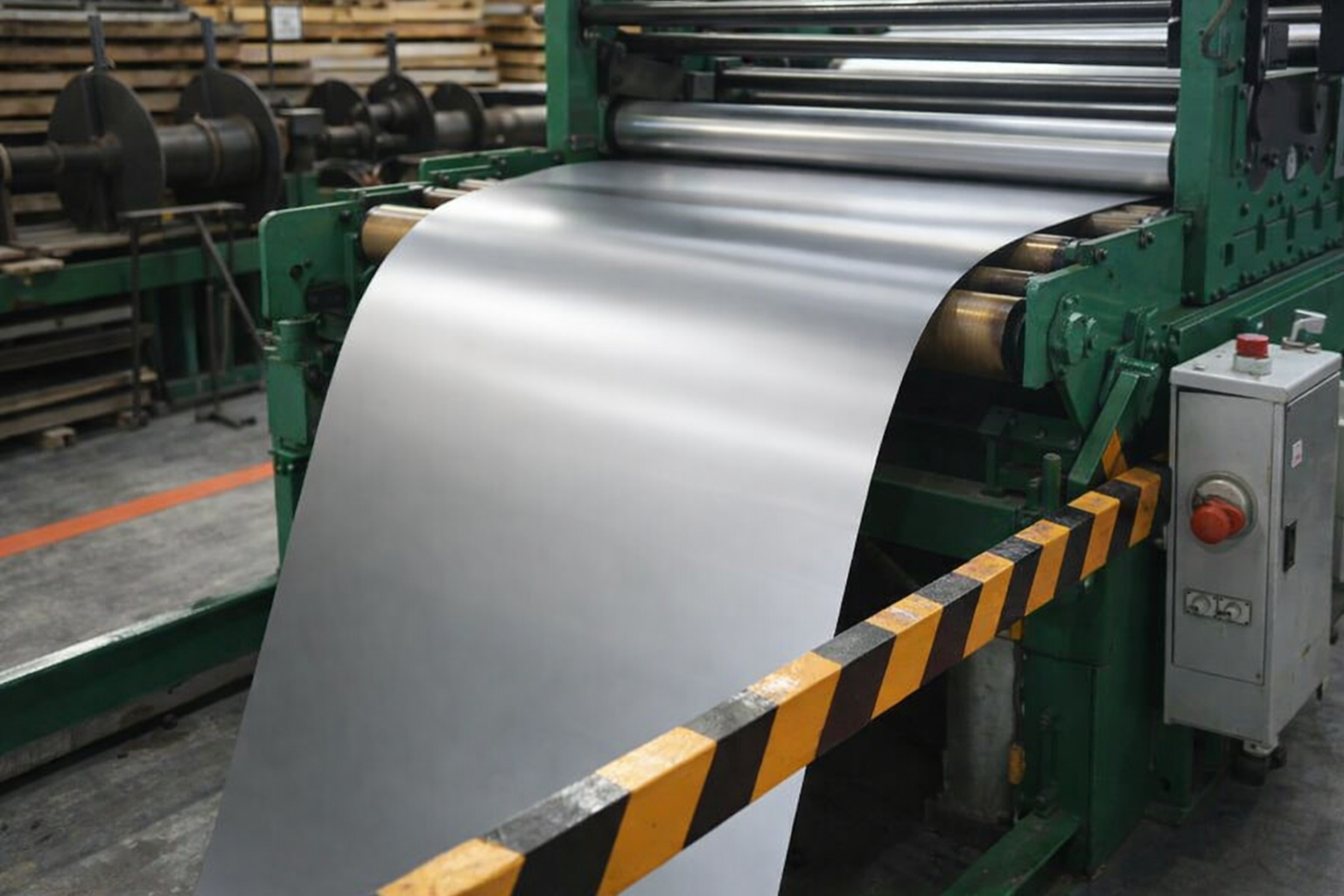
و aluminum sheet gauge is a numerical system used to describe the thickness of aluminum sheets. Unlike direct thickness measurements, gauge numbers are not linear—each number corresponds to a predefined thickness value.
Key characteristics of the aluminum gauge system:
Lower gauge number = thicker aluminum
Higher gauge number = thinner aluminum
Typical aluminum sheet gauge range: 8 gauge to 30 كَيّل
Gauge thickness is commonly converted to:
Inches (في)
Millimeters (مم)
على سبيل المثال:
10 gauge aluminum is much thicker than 20 gauge aluminum
The same gauge number means different thicknesses for aluminum and steel
بسبب هذا, gauge numbers alone should never be used without referencing an aluminum gauge thickness chart.
How the Sheet Metal Gauge System Works for Aluminum
The sheet metal gauge system originated from historical manufacturing practices and was later standardized. For aluminum, each gauge corresponds to a specific thickness, independent of alloy type.
Important principles:
Gauge numbers do لا represent weight or strength directly
Gauge-to-thickness relationships are fixed by standard charts
Mechanical strength depends on:
سماكة
سبيكة (على سبيل المثال, 6061, 5052, 7075)
حِدّة (يا, ح, T conditions)
When precision matters—as it does in aerospace, كهربائي, السيارات, and industrial fabrication—engineers rely on decimal thickness, not gauge numbers alone.
How to Use an Aluminum Gauge Thickness Chart
An aluminum gauge thickness chart is a practical decision-making tool used throughout design, sourcing, والإنتاج.
Step-by-Step Usage
Define project requirements
Load-bearing needs
Bending or forming requirements
التعرض البيئي
Cost constraints
Identify required thickness
Use engineering calculations or standards
Determine minimum acceptable thickness
Convert thickness to gauge
Use the aluminum gauge thickness chart
Confirm thickness in inches or millimeters
Compare materials
Aluminum vs. الصلب مقابل. الفولاذ المقاوم للصدأ
Weight and corrosion considerations
Confirm with supplier
Verify availability
Confirm tolerances
Avoid non-standard gauges if possible
Using the chart early prevents redesigns, تأخير, and unnecessary material cost.
Aluminum Thickness–Based International Standards
Aluminum sheet thickness is governed by internationally recognized standards that define allowable tolerances, خصائص المواد, ودقة الأبعاد.
Major Standards You Should Know
| معيار | منطقة | نِطَاق |
| ASTM B209 | United States | Aluminum sheet and plate thickness tolerances |
| ايزو | International | Global manufacturing and quality standards |
| هو | اليابان | Aluminum sheet sizes and tolerances |
| ANSI H35 | الولايات المتحدة الأمريكية | Aluminum alloy and dimensional specifications |
تضمن هذه المعايير:
Interchangeability between suppliers
Reliable mechanical performance
Compliance with regulatory and customer requirements
Always verify that your aluminum sheets meet the latest version of the applicable standard, as tolerances are periodically updated.
How to Check the Gauge of an Aluminum Sheet
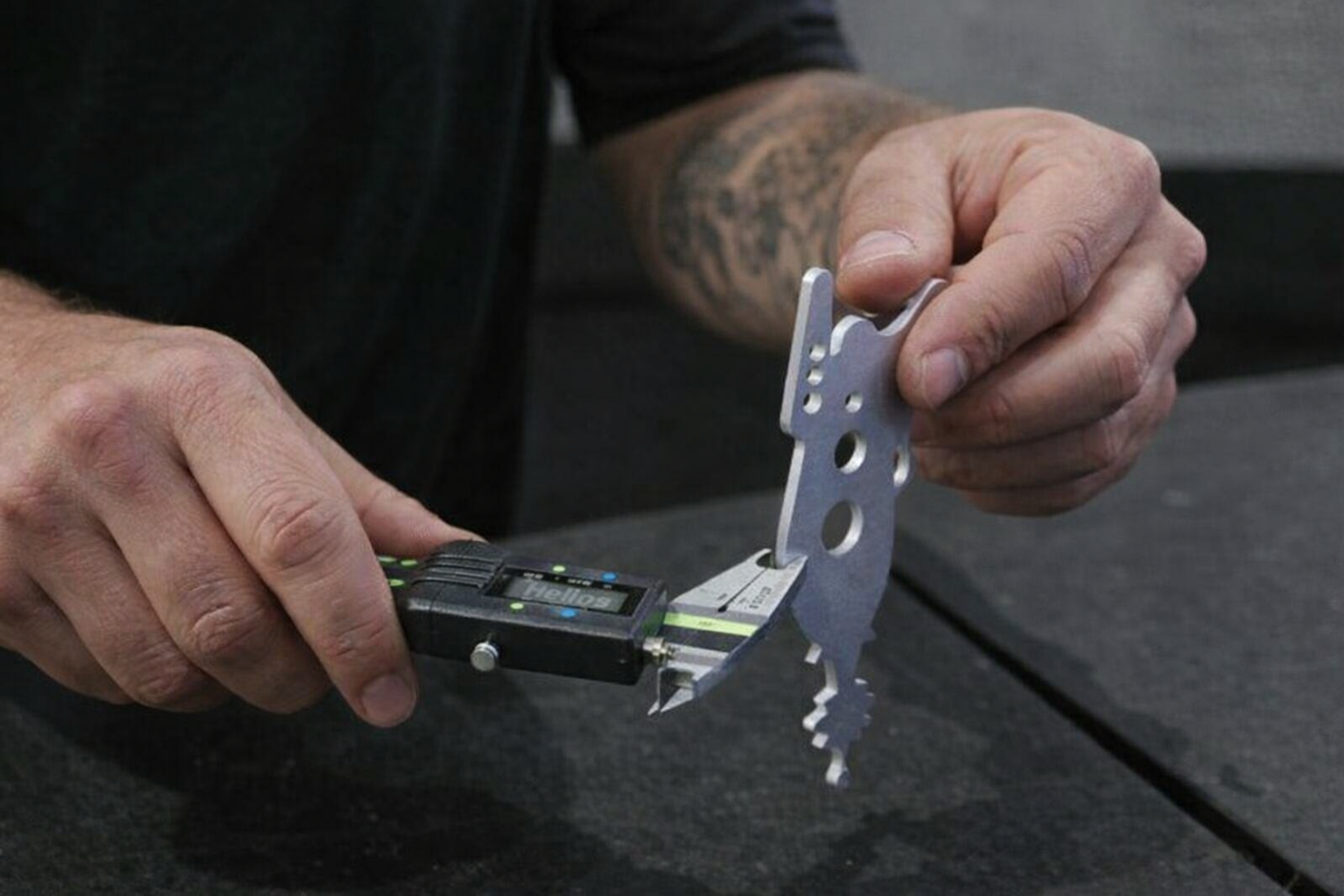
Gauge charts are references—but physical measurement is mandatory for quality control.
Recommended Measurement Methods
Digital calipers
دقة عالية
Suitable for engineering and inspection
ميكرومتر
Best for thin gauges
Extremely precise
Gauge wheels
Fast checks
Lower accuracy than calipers
Avoid using tape measures or rulers—they are not suitable for gauge verification.
Modern industrial thickness gauges now offer:
Alloy-independent measurement
دقة عالية (±1.5 μm)
Resistance to coolant, بخار, والغبار
Minimal maintenance requirements
مخطط سمك قياس الألومنيوم
التعريف والغرض
An aluminum gauge thickness chart links gauge numbers to exact thickness values. It is used to:
Select appropriate sheet thickness
Verify supplier specifications
Estimate material cost and weight
Support design and manufacturing decisions
Standard Aluminum Gauge Thickness Table
| Gauge | سماكة (في) | سماكة (مم) |
| 30 | 0.0100 | 0.25 |
| 28 | 0.0126 | 0.32 |
| 26 | 0.0159 | 0.40 |
| 24 | 0.0201 | 0.51 |
| 22 | 0.0253 | 0.64 |
| 20 | 0.0320 | 0.81 |
| 18 | 0.0403 | 1.02 |
| 16 | 0.0508 | 1.29 |
| 14 | 0.0641 | 1.63 |
| 12 | 0.0808 | 2.05 |
| 10 | 0.1019 | 2.59 |
| 7 | 0.1443 | 3.67 |
Importance for Professionals
Engineers and manufacturers use gauge charts to:
Select thickness for bending, ختم, واللحام
Translate gauge values into CAD drawings
Compare aluminum with steel alternatives
Optimize material usage and cost
Different alloys behave differently at the same thickness:
| سبيكة | صفات | التطبيقات النموذجية |
| 6061 | Balanced strength and machinability | الهيكلية, الفضاء الجوي |
| 5052 | مقاومة ممتازة للتآكل | البحرية, حاويات |
| 7075 | قوة عالية جدا | الفضاء الجوي, دفاع |
Gauge Thickness Chart Comparison
Aluminum vs. Steel Gauge Thickness
Gauge numbers are not universal across metals.
مثال:
| Gauge | Steel Thickness (في) | Aluminum Thickness (في) |
| 10 | 0.135 | 0.102 |
Steel is significantly thicker at the same gauge number. Using the wrong chart can lead to:
Excessive weight
Overdesign
Increased cost
Processing difficulties
How to Read the Chart Correctly
Always select the correct material chart
Confirm thickness in inches or millimeters
Use decimal thickness for cross-material comparison
Reference regional standards when required
Manufacturing Uses and Benefits
Industry Standards and Compliance
Using the correct aluminum gauge thickness helps ensure compliance with:
ASTM B209
Customer drawings and specifications
Internal quality control systems
Compliance reduces rejection rates and builds long-term supplier trust.
Process Optimization and Cost Control
Correct gauge selection improves:
Cutting efficiency
Forming accuracy
Welding quality
Shipping cost control
| Gauge Range | الاستخدامات النموذجية | فوائد |
| 10–16 | الهيكلية, الفضاء الجوي | قوة عالية |
| 18–22 | حاويات, لوحات | Weight reduction |
| 24-30 | التعبئة والتغليف, أغطية | انخفاض تكلفة المواد |
Incorrect gauge choices can increase costs by 30–50% due to scrap and rework.
Gauge Selection Guide
Project Requirements
Evaluate:
Load and strength needs
التعرض البيئي
Weight limitations
Cost targets
Fabrication methods
Matching Specifications
Use decimal thickness in drawings
Verify thickness with calipers
Align material with design intent
Comparing Materials
| مادة | 10 Gauge Thickness (في) | الاستخدام النموذجي |
| الألومنيوم | 0.102 | Lightweight panels |
| فُولاَذ | 0.135 | Heavy structural parts |
Decimal thickness avoids confusion across materials.
Supplier Consultation
Before finalizing designs:
Confirm stock gauges
Ask about tolerances
Verify lead times
Discuss custom thickness availability
Step-by-Step Gauge Selection
Define requirements
Use aluminum gauge chart
Convert to decimal thickness
Verify with measurement tools
Confirm supplier availability
Finalize order
What If the Required Thickness Is Not Listed?
Order custom thickness
Adjust design
Specify decimal thickness instead of gauge
Flexibility prevents delays and cost overruns.
التطبيقات
التصنيع
| Gauge | سماكة (مم) | طلب |
| 12 | 2.05 | Heavy frames |
| 14 | 1.63 | حاويات |
| 16 | 1.29 | Cabinets |
Procurement
Gauge affects availability and price
Non-standard gauges increase lead time
Decimal thickness improves sourcing accuracy
رقابة جودة
Thickness measurement
Alloy verification
Surface inspection
Documentation review
التعليمات
What is sheet metal gauge and why does it matter?
Gauge defines thickness, which directly affects strength, وزن, والأداء.
How does gauge affect strength?
Lower gauge (thicker sheet) generally provides higher load capacity.
Why do aluminum and steel use different gauge charts?
Each metal has its own historical and standardized thickness definitions.
How do you verify gauge accuracy?
Measure with calipers and compare to the aluminum gauge chart.
What if the required gauge is unavailable?
Use decimal thickness or consult suppliers for alternatives.
خاتمة
An aluminum gauge thickness chart is not just a reference—it is a critical decision-making tool. By understanding gauge systems, المعايير, and measurement methods, engineers and buyers can avoid costly mistakes, improve product quality, and streamline manufacturing.
For best results:
Always use decimal thickness
Follow international standards
Measure before fabrication
Work closely with qualified suppliers
Accurate gauge selection leads to reliable performance, انخفاض التكاليف, and successful projects.


3 افكار عن "مخطط سمك قياس الألومنيوم: الدليل العملي الكامل للمهندسين, المشترين, والمصنعين”