

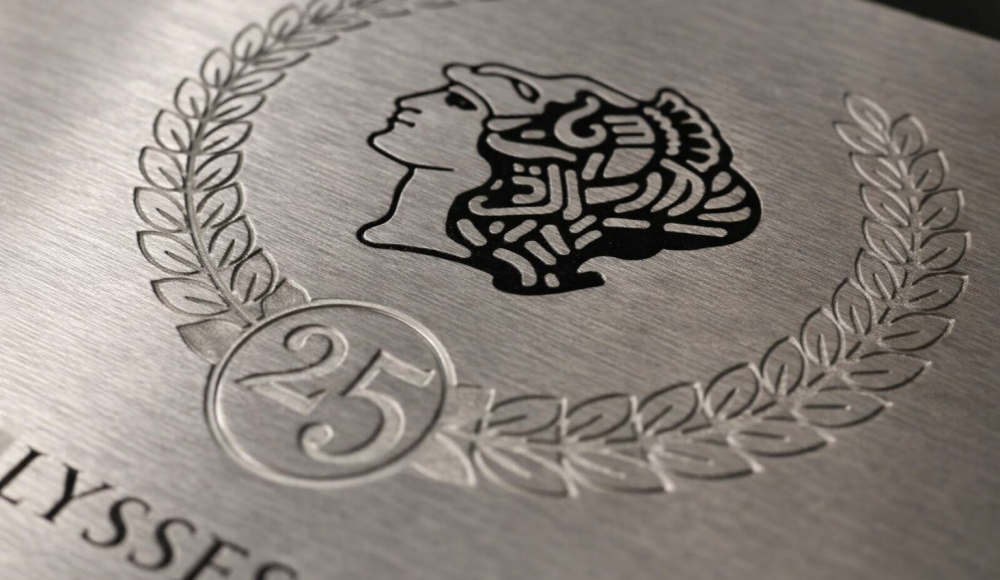
تعد الطباعة المعدنية مهمة جدًا عبر التصنيع الحديث, التعريف الصناعي, العلامات التجارية, والإنتاج الإبداعي. من وضع العلامات الدائمة على الأجزاء في الفضاء الجوي إلى اللوحات الزخرفية كاملة الألوان في الهندسة المعمارية, توفر الطباعة على المعدن متانة لا مثيل لها, دقة, وتأثير بصري متميز.
لكن, ليست كل طرق الطباعة المعدنية متساوية. تختلف كل تقنية بشكل كبير من حيث المتانة, القدرة على اللون, cost structure, كفاءة الإنتاج, والتوافق المادي. Choosing the wrong method can result in poor adhesion, تآكل مبكر, regulatory non-compliance, or unnecessary capital investment.
يوفر هذا الدليل ملف شامل, اِصطِلاحِيّ, and practical overview of the most widely used metal printing methods today—helping engineers, الشركات المصنعة, and buyers make informed decisions while maximizing performance, compliance, and ROI.
1. Introduction to Metal Printing
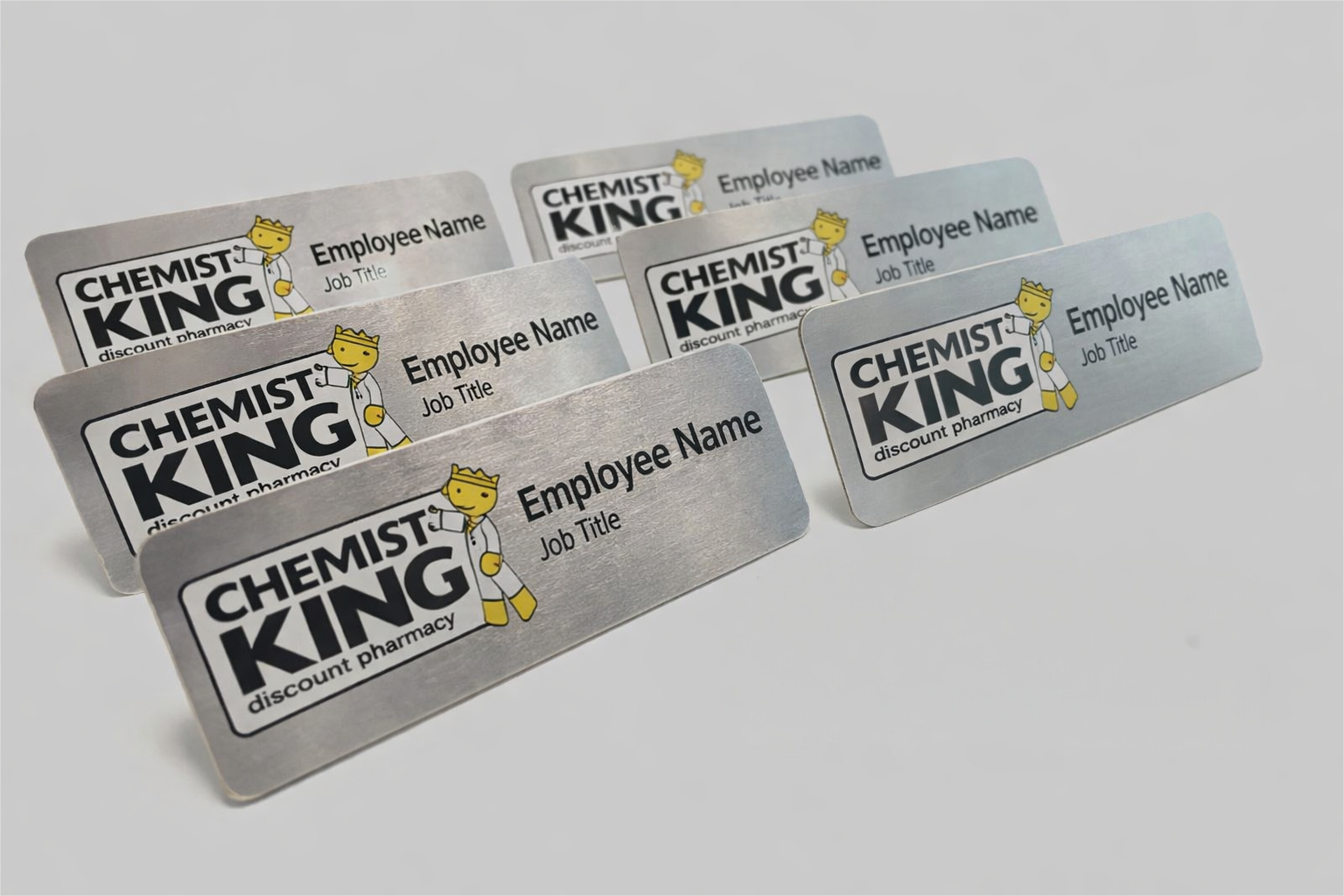
Metal printing refers to the process of creating permanent or semi-permanent markings, images, or text directly on metal surfaces. Unlike paper or plastic printing, metal printing must withstand harsh environments such as:
High temperatures
Chemical exposure
Mechanical abrasion
UV radiation
Long service lifecycles
Why Metal Printing Matters
Industrial traceability: Serial numbers, barcodes, Data Matrix codes
Regulatory compliance: الفضاء الجوي, طبي, automotive standards
Brand differentiation: الشعارات, لوحات, لوحات تحمل أسماء
Functional labeling: لوحات التحكم, warnings, تعليمات
Artistic and decorative uses: Photography, لافتات, بنيان
Modern metal printing bridges functional engineering requirements و visual aesthetics, making it indispensable across industries.
2. Direct Part Marking (DPM) ملخص
Direct Part Marking (DPM) is the practice of marking information directly onto a component rather than using labels or tags.
Why DPM Is Critical
Marks remain readable throughout the product lifecycle
Resistant to heat, زيت, مواد كيميائية, وارتداء
Enables automated machine vision inspection
Required by many quality and traceability standards (ايزو, فرقة العمل المشتركة بين الوكالات, FDA)
Common DPM technologies include:
Laser marking
Dot peen marking
Chemical etching
Mechanical engraving
3. Laser Printing on Metal
3.1 How Laser Marking Works
Laser printing on metal is a non-contact process using a highly focused laser beam to alter the metal surface.
There are three primary laser interactions:
نقش: Removes material to create deep, permanent marks
النقش: Melts the surface to create contrast
التلدين: Changes surface color through controlled heat without material removal
Each method offers different durability, عمق, and contrast characteristics.
3.2 Types of Lasers Used
ليزر الألياف (1064 nm)
Industry standard for metal marking; excellent speed, دقة, وطول العمر.
ليزر CO₂
Primarily used for coated metals and non-metals.
UV Lasers
Ultra-fine marking for electronics and micro-components.
ليزر ياج
Older technology, now largely replaced by fiber lasers.
3.3 Suitable Metals
Aluminum and anodized aluminum
Stainless steel and carbon steel
التيتانيوم
Copper and brass (lower absorption, requires tuning)
Precious metals (ذهب, فضة)
3.4 التطبيقات الصناعية
Automotive parts and VIN marking
Aerospace structural components
Medical instruments and implants
العلب الالكترونيات
Tool and mold identification
Jewelry personalization
3.5 Advantages and Disadvantages
مزايا
Extremely high precision (±0.003–0.006 mm)
Permanent, wear-resistant marking
No consumables (ink-free)
Fast cycle times
Ideal for automation and inline production
سلبيات
Higher initial equipment cost
Skilled operation required
Limited color options (except MOPA systems)
Reflective metals require parameter optimization
4. طباعة الشاشة على المعدن
How Screen Printing on Metal Works
في جوهرها, screen printing is a stencil-based printing method. Ink is pushed through a fine mesh screen and transferred directly onto the metal surface.
Here is a simple breakdown of the process:
Artwork preparation
The design (logo, نص, الرموز) is created digitally and prepared for printing.
Screen creation
A fine mesh screen is coated with a light-sensitive layer. The design is exposed onto the screen, leaving open areas where ink can pass through.
Positioning the metal part
The metal sheet or component is placed under the screen.
Ink application
Ink is spread across the screen and pushed through the open areas using a rubber squeegee.
Drying or curing
The printed metal is dried naturally or cured using heat or UV light, depending on the ink type.
Once cured, the ink bonds firmly to the metal surface.
Ink Types Commonly Used for Metal
Choosing the right ink is critical for performance and durability. Several ink types are commonly used in metal screen printing:
Solvent-based inks
Good adhesion and durability for general industrial use.
UV-cured inks
Dry instantly under UV light and offer strong resistance to chemicals and abrasion.
Epoxy inks
Extremely durable and resistant to harsh environments.
Two-component inks
Often used for outdoor or heavy-duty applications.
Heat-cured inks
Designed for metal parts exposed to high temperatures or extreme conditions.
Each ink type is selected based on بيئة, الاستخدام, and lifespan requirements.
Where Screen Printing on Metal Is Commonly Used
Screen printing is widely used across many industries because it is reliable and scalable.
وتشمل التطبيقات النموذجية:
Industrial control panels
Labels, الرموز, and instructions that must remain readable over time.
مكونات السيارات
Printed markings on metal panels and parts.
Electrical and electronic equipment
Front panels, حاويات, and identification plates.
Signage and nameplates
Durable indoor and outdoor metal signs.
Promotional metal products
Branded water bottles, سلاسل المفاتيح, والأدوات.
Decorative metal pieces
Simple artwork and design elements on flat metal surfaces.
Advantages of Screen Printing on Metal
Screen printing continues to be popular because it offers several practical benefits:
قوي, vibrant colors
Ideal for logos, warnings, and brand graphics.
Good durability
When properly cured, prints resist wear, مواد كيميائية, والتعرض للأشعة فوق البنفسجية.
فعال من حيث التكلفة لكميات كبيرة
The more parts you print, the lower the cost per unit.
Works on many metals
Including aluminum, الفولاذ المقاوم للصدأ, and coated metals.
Suitable for flat and slightly curved surfaces
Useful for panels and housings.
Limitations to Consider
While screen printing is reliable, it is not perfect for every application:
وقت إعداد أطول
Screens must be prepared before printing begins.
Not ideal for very fine details
Extremely small text or complex patterns may lose sharpness.
Each color requires a separate pass
Multi-color designs increase time and cost.
Surface preparation may be needed
Some metals require primers for proper ink adhesion.
المخاوف البيئية
Certain inks contain VOCs and require controlled handling.
When Screen Printing Is the Right Choice
Screen printing on metal is a smart option when:
تحتاج واضح, bold graphics
The design does not require ultra-fine detail
You are producing medium to high volumes
Color consistency and durability are important
The metal surface is mostly flat
For applications requiring permanent traceability marks or extremely fine detail, laser marking may be a better option. لكن, ل color-rich, readable, and cost-efficient metal printing, screen printing remains a proven solution.
5. Direct UV Printing on Metal
How Direct UV Printing on Metal Works
Direct UV printing uses UV-curable inks and inkjet printheads to apply designs straight onto the metal surface.
Here is how the process works in simple terms:
Surface preparation
The metal surface is cleaned to remove oil, تراب, أو الأكسدة. في بعض الحالات, a primer is applied to improve ink adhesion.
Inkjet printing
The UV ink is sprayed directly onto the metal using precise inkjet nozzles.
Instant UV curing
As soon as the ink hits the surface, UV lamps expose it to ultraviolet light.
Ink hardening
The UV light causes the ink to harden immediately, bonding it firmly to the metal.
Ready for handling
The printed metal part can be handled right away, with no drying time needed.
This makes UV printing especially useful for short lead times and quick production cycles.
Metals and Surfaces Suitable for UV Printing
Direct UV printing works on many common metals, especially when the surface is smooth and properly prepared.
وتشمل المواد المشتركة:
Aluminum and anodized aluminum
الفولاذ المقاوم للصدأ
نحاس
التيتانيوم
Galvanized steel
Powder-coated or painted metals
UV printing works best on flat or slightly curved surfaces. Very rough or uneven surfaces may affect print quality.
Common Uses of Direct UV Printing on Metal
Because of its flexibility and color quality, UV printing is used in both industrial and creative applications.
تشمل الاستخدامات النموذجية:
Product labels and nameplates
Clear text and logos printed directly on metal parts.
Control panels and equipment panels
الرموز, تعليمات, and branding on metal housings.
لافتات
Durable indoor and outdoor metal signs.
Promotional metal products
Custom water bottles, سلاسل المفاتيح, أدوات, and giveaways.
Architectural and decorative metal
Printed metal panels for interiors and displays.
Art and photography
High-resolution images printed on metal surfaces.
Benefits of Direct UV Printing on Metal
Direct UV printing offers several strong advantages:
Full-color printing
Ideal for logos, images, and detailed graphics.
Fast production
Ink cures instantly, تقليل الوقت المستغرق.
High image quality
Sharp details and smooth gradients.
Strong durability
UV inks resist fading, مواد كيميائية, and light wear.
Low environmental impact
UV inks typically have low VOC emissions.
No heat required
Suitable for thin or heat-sensitive metal parts.
Limitations to Be Aware Of
While UV printing is versatile, it is not the best choice for every situation:
Ink flexibility is limited
If the metal bends after printing, the ink may crack.
Surface preparation is critical
Poor cleaning can lead to peeling or weak adhesion.
Higher equipment cost
UV printers require a higher upfront investment.
Size limitations
Print size is limited by the printer bed.
Color matching challenges
Colors may look different depending on the metal’s surface and finish.
When Direct UV Printing Is the Right Choice
Direct UV printing on metal is a great option when:
تحتاج bright, full-color designs
The metal part will remain mostly flat and rigid
Fast turnaround is important
Visual appearance matters as much as durability
You want to avoid labels or stickers
For applications that require عميق, permanent markings أو lifetime traceability, laser marking may be a better solution. لكن, ل color-rich, high-impact metal printing, UV printing is one of the most flexible and efficient options available today.
6. Dye Sublimation on Metal
How Dye Sublimation on Metal Works
Dye sublimation uses heat and pressure to transfer ink into a specially coated metal surface.
Here is the process in simple terms:
Design preparation
The image is created digitally and printed onto special sublimation transfer paper using sublimation ink.
Metal preparation
The metal—usually aluminum—is coated with a polyester layer that can absorb sublimation ink.
Heat transfer
The printed paper is placed on the metal surface and pressed under high heat and pressure.
Ink sublimation
The solid ink turns directly into gas (without becoming liquid) and penetrates the polyester coating.
Permanent bonding
As the metal cools, the ink solidifies inside the coating, locking the image in place.
والنتيجة هي أ سلس, durable image that will not peel or crack.
Metals Commonly Used for Dye Sublimation
Dye sublimation works only on metals that have a polyester coating.
The most common materials include:
الألومنيوم (most popular choice)
وزن خفيف, مقاومة للتآكل, and ideal for photo printing.
Coated stainless steel
Stronger than aluminum but requires proper coating.
النحاس والنحاس (less common)
Can be used with special surface treatments.
من بين هؤلاء, aluminum sublimation panels are by far the most widely used in commercial and artistic applications.
Common Uses of Dye Sublimation on Metal
Because of its excellent image quality, dye sublimation is widely used in visual and decorative applications.
تشمل الاستخدامات النموذجية:
Metal photo prints
Fine art, commercial photography, and gallery displays.
لافتات
Indoor signs and light-duty outdoor signage.
Awards and plaques
Trophies, recognition plates, and memorial plaques.
Interior decoration
Wall art, لوحات زخرفية, and custom metal décor.
Promotional items
Branded metal products with high visual appeal.
Benefits of Dye Sublimation on Metal
Dye sublimation offers several clear advantages:
Photo-quality image reproduction
Excellent detail, gradients, and color depth.
Long-lasting prints
Images resist fading, تقشير, and scratching.
سلس, نهاية رائعة
Premium look and feel.
No raised ink layer
The surface remains flat and clean.
Good UV resistance
Suitable for many indoor and light outdoor uses.
Limitations to Consider
Despite its visual strengths, dye sublimation has some important limitations:
Requires coated metal
Cannot be used on raw or uncoated metals.
Not ideal for harsh industrial environments
Less resistant to heavy abrasion or chemicals.
Size limitations
Print size depends on the heat press capacity.
Color variation
Colors may look slightly different compared to paper or screens.
Higher setup cost for small batches
Less economical for very low volumes.
7. Etching and Engraving Techniques
How Etching on Metal Works
Etching is a chemical process that removes parts of the metal surface to create a design or text.
إليك كيفية عملها:
Design preparation
A photoresist mask of your design is created. This mask protects the areas you don’t want etched.
Applying the photoresist
The mask is applied to the metal surface.
Exposure
The metal with the photoresist is exposed to UV light, which hardens the exposed areas.
Developing
The unhardened photoresist is removed, revealing the metal that will be etched.
النقش
The metal is placed in an acid bath (or chemical etchant), which removes the exposed metal areas.
تنظيف
Remaining photoresist is removed, and the metal is neutralized to stop the etching process.
والنتيجة هي أ دقيق, recessed design on the metal surface.
How Engraving on Metal Works
Engraving is a mechanical process that cuts or carves into the metal. It does not use chemicals.
Common techniques include:
Rotary engraving
Uses a spinning cutting tool to carve shapes or text into the metal.
Diamond drag engraving
A diamond-tipped stylus is dragged across the metal to create fine, precise lines.
Laser engraving
A high-powered laser removes metal to create detailed marks (combines engraving precision with modern automation).
Engraving is ideal when عمق, نَسِيج, or high precision مطلوب.
Metals Suitable for Etching and Engraving
Most metals can be etched or engraved, but some are easier to work with:
الفولاذ المقاوم للصدأ
الألومنيوم
النحاس والنحاس
التيتانيوم
Precious metals like silver and gold
The choice of metal often depends on the desired durability, ينهي, والمظهر.
Common Uses of Etching and Engraving
Etching and engraving are used in صناعي, فني, and commercial applications:
Industrial marking
Serial numbers, أرقام الأجزاء, and identification codes.
Signage and nameplates
Raised or recessed letters for a professional, durable look.
Jewelry and awards
Personalized text or logos on metal gifts and trophies.
إلكترونيات
Marking circuit boards, لوحات, and metal components.
Decorative metalwork
Patterns or designs on architectural metal panels and artistic pieces.
Benefits of Etching and Engraving
Permanent marks
Resistant to wear, مواد كيميائية, والحرارة.
دقة عالية
Ideal for fine details and complex designs.
براعه
Works on a wide variety of metals and finishes.
Depth control
You can vary the depth to create different visual effects.
Professional appearance
Adds a tactile, premium feel to products.
Limitations to Consider
Color options are limited
عادة, the mark is the natural color of the metal unless filled with ink or paint.
Surface damage risk
Incorrect technique can warp or weaken thin metals.
Chemical handling
Etching involves acids and requires proper safety precautions.
Higher equipment cost
High-quality engraving machines and lasers can be expensive.
When Etching and Engraving Are the Right Choice
Etching and engraving are ideal when you need:
طويلة الأمد, permanent markings
Fine details or complex designs
Industrial compliance or traceability
A premium, نظرة احترافية
For color-rich, ديكور, or quick-turnaround prints, UV printing or screen printing may be better. لكن ل متين, دقيق, and permanent marks, etching and engraving remain the gold standard.
8. How to Choose the Right Metal Printing Method
Key decision factors:
Required durability
Color complexity
حجم الإنتاج
Capital vs. operating cost
Metal type
Compliance requirements
Environmental regulations
9. Comparison of Metal Printing Methods
| متطلبات | Best Method |
| Permanent traceability | Laser marking |
| Full-color branding | UV printing / طباعة الشاشة |
| High-volume panels | طباعة الشاشة |
| Photo-quality images | Dye sublimation |
| Deep, tactile marks | نقش |
10. Best Practices for Successful Metal Printing
تحضير السطح
Cleaning and degreasing
Priming or coating
Flatness control
تحسين التصميم
Vector files for laser
Color calibration
Contrast management
صيانة & طول العمر
Gentle cleaning
الطلاءات الواقية
Environmental awareness
11. خاتمة
Metal printing is no longer a single-process decision—it is a strategic manufacturing choice. As automation, eco-friendly inks, and smart marking technologies evolve, businesses that understand and select the correct metal printing method gain a clear competitive advantage.
By aligning application requirements, خصائص المواد, and production goals, manufacturers can achieve durable performance, الامتثال التنظيمي, and strong brand impact—now and in the future. اتصل بنا للمزيد من المعلومات.
الأسئلة الشائعة
- What are the main methods of printing on metal?
The primary methods include laser marking, screen printing, direct UV printing, dye sublimation, and etching/engraving. Each differs in terms of finish, القدرة على اللون, يكلف, والتطبيقات المثالية. - Which metal printing method produces the most durable marks?
Laser marking and mechanical engraving produce the most permanent, wearresistant marks suitable for traceability and industrial use. - Can you print fullcolor images directly on metal?
نعم. Direct UV printing and dye sublimation can produce fullcolor images, with UV printing offering immediate cure and sublimation offering photoquality finishes on coated metals. - Is screen printing good for outdoor metal signs?
نعم, screen printed metal signs can last outdoors when the correct inks and curing processes are used, offering durable, vibrant graphics. - What metals work best for dye sublimation printing?
Aluminum with a polyester coating is the most common choice, while coated stainless steel can also work with proper surface preparation. - How do I choose between laser marking and UV printing?
Choose laser marking for permanent, high precision text and codes. Select UV printing for vibrant fullcolor logos or images on relatively flat surfaces. - Do all metal printing methods require special surface preparation?
Most methods perform better with clean, degreased surfaces. بعض, like screen printing and dye sublimation, often require primers or coatings to improve adhesion. - What are the typical costs of metal printing equipment?
Costs vary widely: desktop UV printers may start in the lower range, while industrial laser marking systems and etching lines can represent significant capital investment. - Can metal printing resist chemicals and abrasion?
Methods like laser marking, نقش, and properly cured UV prints offer high resistance to chemicals and abrasion; dye sublimation and screen prints vary based on ink type and environment. - Is one metal printing method suitable for all applications?
لا. The best method depends on factors like durability needs, color requirements, حجم الإنتاج, ميزانية, and metal type.


