



التشطيب السطح plays a critical role in metal fabrication, not only enhancing visual appeal but also improving durability, المقاومة للتآكل, and service life. Among the many coating options available, enamel paint for metal remains one of the most widely used and trusted solutions across industrial, commercial, and decorative applications.
Enamel paint is valued for its hard finish, long-lasting gloss, and protective properties. Whether applied to fabricated steel components, aluminum enclosures, household appliances, or decorative metal crafts, enamel coatings provide both functional and aesthetic advantages.
يوفر هذا الدليل ملف detailed and practical overview of enamel paint for metal, covering its definition, فوائد, القيود, application methods, paint classifications, selection criteria, and real-world fabrication uses.
What Is Enamel Paint for Metal?
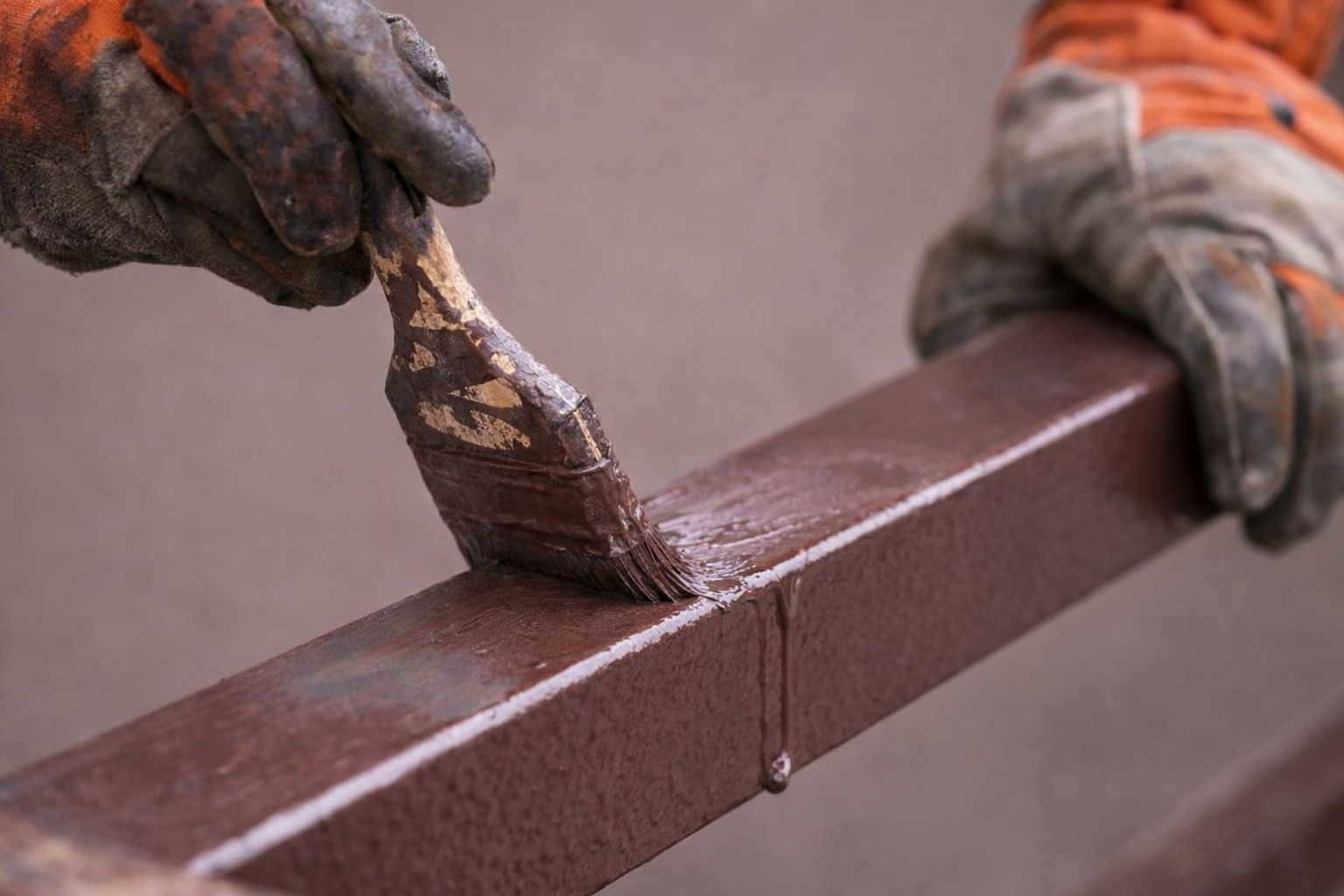
Enamel paint for metal is a protective coating formulated to cure into a hard, سلس, and durable surface. Traditionally oil-based, modern enamel paints are now available in both oil-based and water-based formulations, making them suitable for a wide range of applications and regulatory requirements.
Key characteristics of enamel paint include:
High gloss or controlled sheen finish
Strong adhesion to metal substrates
Enhanced resistance to abrasion, رُطُوبَة, والمواد الكيميائية
Decorative and protective functionality
Enamel paints are commonly used for both interior and exterior metal surfaces, especially where appearance, متانة, and environmental exposure are important considerations.
Advantages of Using Enamel Paint on Metals
Enamel paint offers numerous performance and aesthetic benefits that make it a preferred choice in metal fabrication.
Smooth and Uniform Surface Finish
Enamel paint levels exceptionally well during application, resulting in a smooth, even surface without visible brush strokes, blemishes, or surface irregularities.
Scratch and Abrasion Resistance
Once fully cured, enamel coatings form a hard protective layer that resists scratches, تأثير, and general wear better than many conventional paints.
Long-Lasting Gloss
The gloss produced by enamel paint remains stable over time, maintaining its shine and reflective quality even after extended use.
Superior Color Vibrancy
Enamel paints deliver rich, vibrant colors that resist fading, making them ideal for decorative and branding-focused applications.
Minimal Brush Marks
Due to their thin and self-leveling nature, enamel paints significantly reduce visible brush marks, especially when applied correctly.
Resistance to Yellowing and Aging
High-quality enamel paints retain color accuracy, including whites and light tones, without yellowing or discoloration over time.
Broad Metal Compatibility
Enamel paint can be applied to a wide variety of metals, بما في ذلك الصلب, الألومنيوم, نحاس, والفولاذ المقاوم للصدأ.
Heat and Temperature Resistance
Specialized enamel formulations, such as epoxy and polyurethane enamels, can withstand high or fluctuating temperatures, making them suitable for ovens, مشاوي, والمعدات الصناعية.
Limitations of Enamel Paint on Metal
على الرغم من مزاياها, enamel paint is not without drawbacks.
Difficulty of Application
Enamel paint can be challenging to apply due to:
Strong odors, particularly in oil-based versions
High sensitivity to application technique
Tendency to run or sag if applied too thickly
Proper ventilation, protective equipment, and experience are often required.
اعتبارات التكلفة
Compared to basic metal paints, enamel coatings are generally more expensive due to their advanced formulations and enhanced performance characteristics.
Drying and Curing Requirements
Some enamel paints require baking or controlled curing conditions to achieve full hardness. Industrial curing ovens and equipment may be necessary, increasing operational costs.
Metals Suitable for Enamel Paint
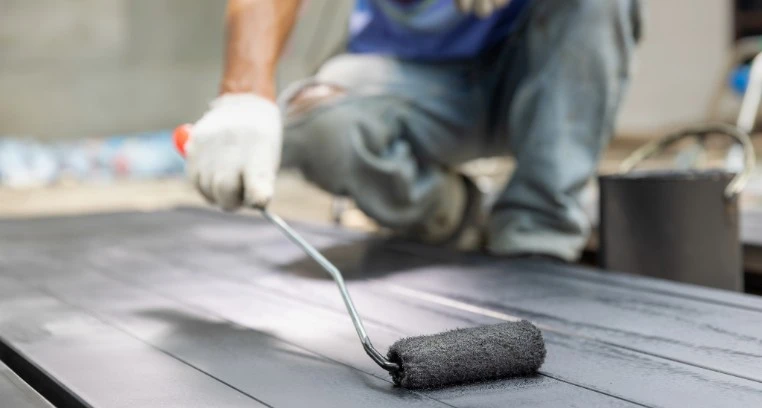
فُولاَذ
Steel is the most commonly enamel-painted metal. A high-quality primer is essential to prevent corrosion and improve adhesion.
الألومنيوم
Aluminum can be enamel-painted successfully after proper surface preparation, such as sanding or chemical treatment to enhance adhesion.
نحاس
Enamel paint is often used on copper for decorative purposes, providing a vintage or artistic appearance while protecting the surface.
الفولاذ المقاوم للصدأ
Stainless steel has low surface energy and poor paint adhesion. Acrylic or specially formulated enamel paints with strong bonding properties are recommended.
Preparing Metal Surfaces for Enamel Paint
Surface preparation is critical to achieving a durable and professional enamel finish.
Key preparation steps include:
Sanding with approximately 120-grit sandpaper to roughen the surface
Using scuff pads to remove shine and improve mechanical adhesion
Cleaning the surface to remove dust, زيت, شحم, and debris
نظيف, matte surface ensures proper bonding and prevents defects such as peeling or uneven texture.
Ways to Apply Enamel Paint to Metal
تحضير السطح
Mechanical and chemical adhesion mechanisms require a properly roughened and contaminant-free surface.
Applying Primer
Primer improves adhesion, blocks stains, and creates a uniform base for the enamel topcoat. The primer color should closely match the intended enamel color to avoid visual inconsistencies.
Painting Tools and Accessories
High-quality brushes for even application
Sandpaper for surface leveling between coats
Painter’s tape for masking and multi-color designs
Drop cloths to protect surrounding areas
Painting Process
Apply a thin undercoat as a base layer
Allow sufficient drying time between coats
Apply one or more topcoats for durability and appearance
Applying enamel paint too quickly or before previous layers have dried can cause smearing or surface defects.
Finishing Steps
Painter’s tape should be removed before the paint fully cures to prevent chipping. Final inspection ensures consistency and quality.
Types of Metal Enamel Paints
Enamel Paints by Composition
Alkyd Enamel – Cost-effective with good durability
Epoxy Enamel – Exceptional chemical and heat resistance
Acrylic Enamel – Fast-drying and UV-resistant
Polyurethane Enamel – Superior abrasion and weather resistance
Enamel Paints by Solvent
Oil-based enamel paints
Water-based enamel paints with low VOCs
Enamel Paints by Color
Available in a wide range of standard and custom colors, including metallic finishes.
Enamel Paints by Application
Industrial enamel paints
Spray enamel paints
High-resistance and quick-dry enamels
Food-safe and craft enamels
Exterior and gloss enamels
How to Choose the Best Enamel Paint for Metal
Key selection factors include:
Available budget
Indoor or outdoor environment
Application method (spray or brush)
Required performance properties such as heat or moisture resistance
Desired surface finish (لمعان, satin, مادة)
Matching the paint properties to the operating environment ensures long-term performance.
Uses of Enamel Paint in Metal Fabrication
تشمل التطبيقات الشائعة:
Household appliances and fixtures
Decorative metal crafts and jewelry
Outdoor grills and equipment
Architectural doors and frames
Dish refinishing and restoration
Model fabrication for vehicles, trains, والطائرات
الأسئلة الشائعة
Do metal enamel paints require primer?
ليس دائما, but primer is recommended for improved adhesion and corrosion protection.
Are spray enamel paints available?
نعم. Spray enamels provide even coverage and eliminate brush marks.
Is enamel painting durable?
نعم. Properly applied enamel coatings are long-lasting and resistant to wear.
Does enamel paint offer weather resistance?
Certain formulations, especially acrylic and polyurethane enamels, provide excellent weather and UV resistance.
Is enamel paint eco-friendly?
Modern water-based enamels feature low VOC content and reduced environmental impact.
خاتمة
Enamel paint remains a vital surface finishing solution in metal fabrication due to its durability, جاذبية بصرية, and protective qualities. While proper preparation and application are essential, the results justify the effort, particularly for high-value or exposed metal components.
By selecting the right enamel paint formulation and following best practices, manufacturers and fabricators can achieve professional-grade finishes that enhance both performance and aesthetics.


