



3تمثل المنحوتات المطبوعة ثلاثية الأبعاد تحولًا أساسيًا في كيفية تصور فن النحت, أنتجت, وتوزيعها. من خلال الجمع بين الإبداع الفني وتقنيات التصنيع المضافة, يمكن للفنانين والمصنعين تحويل الأفكار الرقمية إلى أفكار ملموسة, أشكال فيزيائية معقدة للغاية بكفاءة ودقة غير مسبوقة.
على عكس طرق النحت التقليدية مثل النحت, صب, بالقطع أو النمذجة اليدوية - تتيح الطباعة ثلاثية الأبعاد تصنيع طبقة تلو الأخرى مباشرة من الملفات الرقمية. وهذا يسمح بالحرية الهندسية القصوى, التكرار السريع, إنتاج قابل للتطوير, والتخصيص السلس. نتيجة ل, 3تُستخدم المنحوتات المطبوعة ثلاثية الأبعاد بشكل متزايد في الفنون الجميلة, ترفيه, بنيان, تعليم, الحفاظ الثقافي, والتصميم الصناعي.
يقدم هذا الدليل نظرة عامة كاملة ومهنية على المنحوتات المطبوعة ثلاثية الأبعاد, تقنيات التغطية, مواد, المزايا والقيود, سير عمل الإنتاج, التطبيقات, الاتجاهات المستقبلية, والاعتبارات العملية.
أساسيات تكنولوجيا الطباعة ثلاثية الأبعاد
ما هي تقنية الطباعة ثلاثية الأبعاد?
3الطباعة د, المعروف أيضًا باسم التصنيع الإضافي (أكون), هي عملية تصنيع تقوم ببناء كائنات ثلاثية الأبعاد عن طريق إضافة مادة طبقة تلو الأخرى بناءً على نموذج رقمي. على عكس التصنيع الطرحي - حيث تتم إزالة المادة من كتلة صلبة - يستخدم التصنيع الإضافي المادة المطلوبة فقط, الحد بشكل كبير من النفايات.
تبدأ العملية بنموذج رقمي ثلاثي الأبعاد تم إنشاؤه باستخدام برنامج CAD أو برنامج النحت. يتم بعد ذلك تقطيع هذا النموذج إلى طبقات رقيقة بواسطة برامج متخصصة, الذي يقوم بإنشاء تعليمات قابلة للقراءة آليًا للطابعة. تقوم الطابعة بإيداع المواد أو ترسيخها وفقًا لهذه التعليمات حتى يكتمل الكائن النهائي.
تطبيق الطباعة ثلاثية الأبعاد في فن النحت
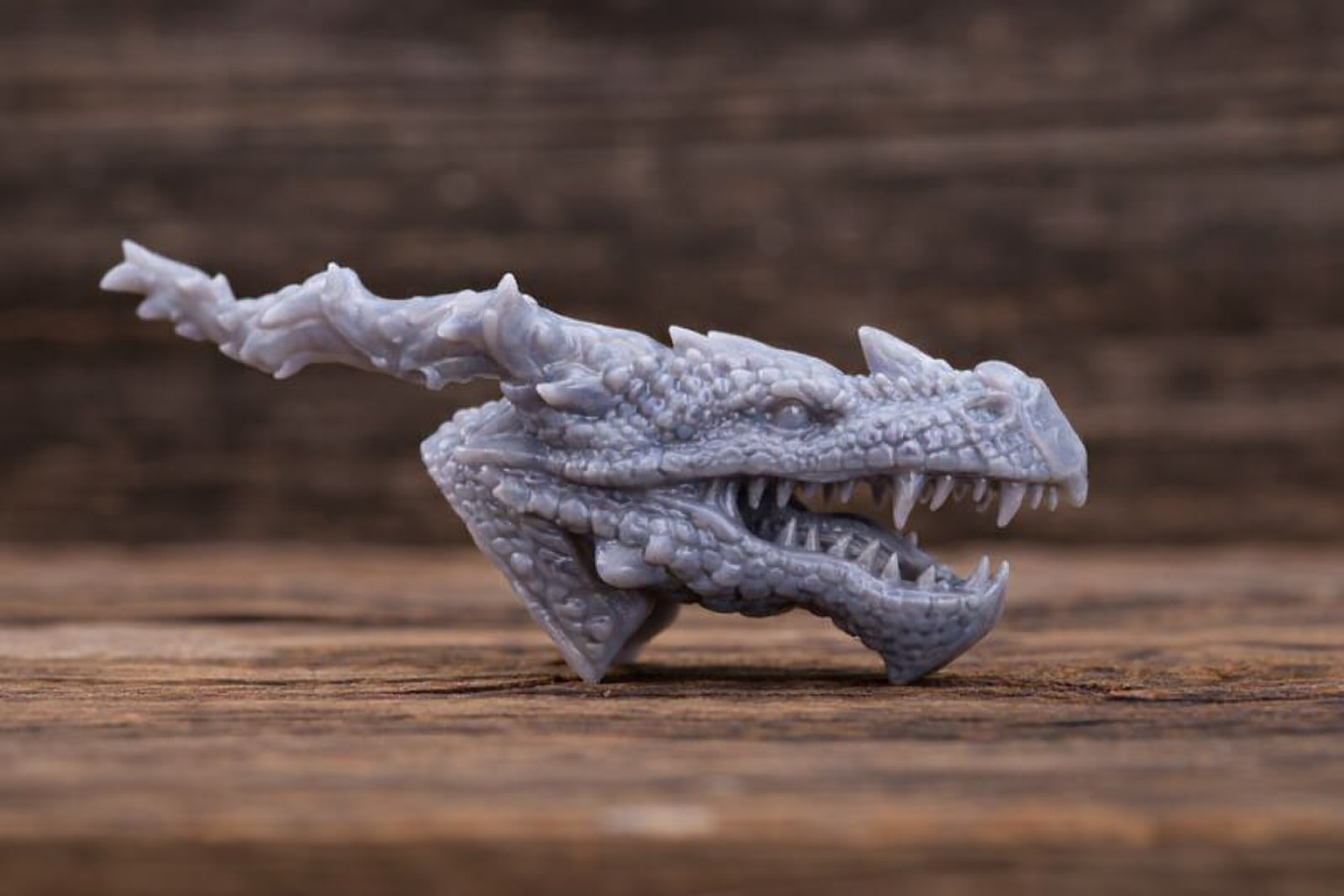
أحدث إدخال الطباعة ثلاثية الأبعاد في النحت ثورة في الإبداع الفني. فهو يزيل العديد من القيود المادية والفنية التي تفرضها الطرق التقليدية, تمكين الفنانين من إنشاء هياكل مجوفة معقدة, المشابك الداخلية, تقف, والأشكال العضوية التي كانت في السابق غير عملية أو مستحيلة.
أبعد من الحرية الإبداعية, 3توفر الطباعة ثلاثية الأبعاد حلولاً قوية لـ:
الحفظ الرقمي للتحف الثقافية
ترميم وتقليد المنحوتات التالفة
النماذج الأولية السريعة للفن العام والمنشآت
إضفاء الطابع الديمقراطي على إنتاج النحت من خلال أدوات يمكن الوصول إليها
من خلال سد العوالم الرقمية والمادية, 3تسمح الطباعة ثلاثية الأبعاد لتطور النحت جنبًا إلى جنب مع التصميم الحديث, هندسة, والفن الحسابي.
دمج النحت التقليدي والطباعة ثلاثية الأبعاد
إن ظهور المنحوتات المطبوعة ثلاثية الأبعاد لا يلغي تقنيات النحت التقليدية. بدلاً من, يتم تحقيق النتائج الأكثر نجاحًا من خلال سير العمل الهجين الذي يجمع بين الحرفية اليدوية والدقة الرقمية.
يتضمن النهج المشترك:
إنشاء ماكيت فيزيائي باستخدام الطين, الشمع, أو الورق
رقمنة التمثال باستخدام المسح ثلاثي الأبعاد أو التصوير المساحي
تكرير الهندسة, النسب, وتفاصيل السطح رقميا
3د طباعة النموذج المكرر
تنفيذ التشطيب اليدوي, تلميع, تلوين, أو الصب
يحافظ هذا التكامل على التعبير العاطفي للنحت التقليدي مع الاستفادة من الدقة, التكرار, وقابلية التوسع في التصنيع الرقمي.
التقنيات المستخدمة في المنحوتات المطبوعة ثلاثية الأبعاد
تقنيات الطباعة البوليمرية والمركبة
الطباعة النافثة للحبر
تعمل الطباعة ثلاثية الأبعاد المستندة إلى نفث الحبر على ترسيب مواد رابطة سائلة أو بوليمرات ضوئية طبقة تلو الأخرى. إنها مناسبة بشكل خاص للإنتاج على نطاق واسع, منحوتات كاملة الألوان مع متطلبات تفاصيل معتدلة.
FDM / FFF (نمذجة الترسيب المنصهر)
FDM هي التكنولوجيا الأكثر سهولة والأكثر استخدامًا. فهو يقذف خيوط اللدائن الحرارية المنصهرة من خلال فوهة لبناء الأجزاء طبقة تلو الأخرى. إنها فعالة من حيث التكلفة ومثالية للنماذج الأولية, منحوتات زخرفية, والمطبوعات واسعة النطاق, على الرغم من أن خطوط الطبقة المرئية تتطلب عادة معالجة لاحقة.
جيش تحرير السودان / منع فقدان البيانات (مجسم)
يقوم SLA وDLP بمعالجة راتنجات البوليمر الضوئي السائل باستخدام الضوء. توفر هذه التقنيات دقة استثنائية, الأسطح الملساء, والتفاصيل الدقيقة, مما يجعلها مثالية للتماثيل, نماذج فنية, وقوالب الصب.
SLS (تلبيد الليزر الانتقائي)
يستخدم SLS الليزر لدمج مسحوق النايلون بدون هياكل داعمة. إنها تتفوق في إنتاج المجمع, منحوتات متينة ذات قوة ميكانيكية ممتازة وحرية التصميم.
النفث بيندر (بجت)
يتم استخدام Binder Jetting على نطاق واسع في منحوتات الحجر الرملي أو الجبس ذات الألوان الكاملة. في حين مثيرة للإعجاب بصريا, الأجزاء المطبوعة هشة وتتطلب عادةً التسلل لتحسين قوتها.
تقنيات الطباعة المعدنية ثلاثية الأبعاد
حركة تحرير السودان / DMLS (مسحوق معدني للسرير)
تستخدم الطباعة المعدنية ثلاثية الأبعاد أشعة ليزر عالية الطاقة لدمج المساحيق المعدنية في أجزاء كثيفة بالكامل. مواد مثل الفولاذ المقاوم للصدأ, الألومنيوم, التيتانيوم, والسبائك الفائقة تمكن من إنتاج مواد متينة, المنحوتات الراقية والمنشآت الفنية الهيكلية.
ما بعد المعالجة والتصنيع الهجين
التصنيع باستخدام الحاسب الآلي
غالبًا ما يتم استخدام التشطيب باستخدام الحاسب الآلي بعد الطباعة ثلاثية الأبعاد لتحقيق التفاوتات الدقيقة, الأسطح المكررة, أو واجهات وظيفية, خاصة بالنسبة للمنحوتات الكبيرة أو المعدنية.
مواد للمنحوتات المطبوعة ثلاثية الأبعاد
3يمكن تصنيع المنحوتات المطبوعة ثلاثية الأبعاد من مجموعة واسعة من المواد, لكل منها خصائص مميزة:
البلاستيك: جيش التحرير الشعبى الصينى, عضلات المعدة, بيتغ, الوركين – بأسعار معقولة, متنوع القدرات, سهلة المعالجة
راتنجات: فوتوبوليمير وراتنجات مركبة – تفاصيل عالية, الأسطح الملساء
البلاستيك الهندسي: نايلون, ألوميد, نظرة خاطفة - القوة, متانة, المقاومة الكيميائية
المعادن: فُولاَذ, برونزية, الألومنيوم, إنكونيل - القوة, طول العمر, جماليات متميزة
سيراميك: مقاومة للحرارة, فني, التطبيقات الراقية
الشمع: تستخدم لصنع القوالب وصب الاستثمار
خيوط الخشب والورق: ديكور, القوام العضوي
الحجر الرملي / الجبس: منحوتات فنية كاملة الألوان
يؤثر اختيار المواد بشكل مباشر على التكلفة, متانة, جودة السطح, وملاءمة التطبيق.
مزايا وعيوب المنحوتات المطبوعة ثلاثية الأبعاد
مزايا
حرية التصميم القصوى
دقة عالية وقابلية للتوسعة
التكرار السريع والنماذج الأولية
التخصيص والإنتاج حسب الطلب
تقليل النفايات المادية
حواجز دخول أقل للمبدعين
الأرشفة الرقمية والتكرار
سلبيات
محدودية توافر المواد مقارنة بالطرق التقليدية
التصاق الطبقة وقوة متباينة الخواص
تعقيد ما بعد المعالجة
تخفيض محدود في التكلفة بكميات كبيرة
الملكية الفكرية ومخاطر الترخيص
ممارسة تقنية النحت باستخدام الطباعة ثلاثية الأبعاد
3تمكن الطباعة ثلاثية الأبعاد النحاتين من ممارسة التقنيات بكفاءة من خلال إنتاج تكرارات متعددة بسرعة, تجربة النماذج رقميا, والحفاظ على التصاميم لتحسينها في المستقبل، كل ذلك مع تقليل هدر المواد.
عملية منحوتات الطباعة ثلاثية الأبعاد
اقتناء النماذج الرقمية
تنزيل النماذج المرخصة
إنشاء تصميمات أصلية باستخدام برامج CAD أو النحت
3د- مسح الأشياء المادية
تحسين النموذج
إصلاح أخطاء الشبكة
تحسين سمك الجدار والدعامات
تجهيز النماذج للطباعة
التصنيع المضافة
طباعة النحت طبقة بعد طبقة
مراقبة جودة الطباعة واستقرارها
المعالجة البعدية
إزالة الدعم
الصنفرة والتلميع
تلوين, طلاء, والختم
تطبيقات المنحوتات المطبوعة ثلاثية الأبعاد
3تُستخدم المنحوتات المطبوعة ثلاثية الأبعاد في مجالات متعددة:
الفنون الجميلة والأعمال ذات الإصدار المحدود
ترفيه, الألعاب, فيلم, والتلفزيون
التعليم الطبي والتشريحي
العمارة والفن العام
ترميم التراث الثقافي
المنتجات الاستهلاكية وإكسسوارات الموضة
الاحتمالات المستقبلية للمنحوتات المطبوعة ثلاثية الأبعاد
سيتم تشكيل مستقبل المنحوتات المطبوعة ثلاثية الأبعاد:
طباعة متعددة المواد ومتعددة الألوان
التصميم التوليدي بمساعدة الذكاء الاصطناعي
الطباعة الحيوية والهياكل العضوية
منحوتات تفاعلية محسنة بالواقع المعزز/الواقع الافتراضي
التعاون الرقمي العالمي والإنتاج المحلي
ستعيد هذه التطورات تعريف التأليف الفني, إمكانية الوصول, والمشاركة العامة.
نصائح عملية لمنحوتات الطباعة ثلاثية الأبعاد
نماذج كبيرة مجوفة لتقليل التكلفة والتشوه
تتضمن فتحات تصريف لمطبوعات الراتنج
معايرة المواد الجديدة قبل الإنتاج الكامل
تنظيف الأسطح وتحضيرها جيداً قبل الطلاء
اتبع بروتوكولات السلامة عند التعامل مع الراتنجات
صيانة الطابعات بانتظام لضمان الجودة المتسقة
التعليمات
هل يمكن طباعة المنحوتات الحركية بتقنية ثلاثية الأبعاد؟?
نعم. عادةً ما تتم طباعة المكونات الثابتة بتقنية ثلاثية الأبعاد, بينما تتم إضافة الحركة باستخدام الأنظمة الميكانيكية أو الإلكترونية.
كم من الوقت تستغرق طباعة تمثال ثلاثي الأبعاد؟?
من عدة ساعات إلى عدة أسابيع, اعتمادا على الحجم, التفاصيل, مادة, وما بعد المعالجة.
ما الذي يحدد التكلفة?
مقاس, مادة, دقة, تعقيد, التشطيب, والكمية.
من هم المنحوتات المطبوعة ثلاثية الأبعاد؟?
الفنانين, المصممون, المهندسين المعماريين, المعارض, المتاحف, مطوري IP, المربين, والمصنعين.
هل يجوز بيع المنحوتات المطبوعة بتقنية الطباعة ثلاثية الأبعاد؟?
نعم, بشرط أن يسمح الترخيص النموذجي بالاستخدام التجاري واحترام حقوق الملكية الفكرية.


