


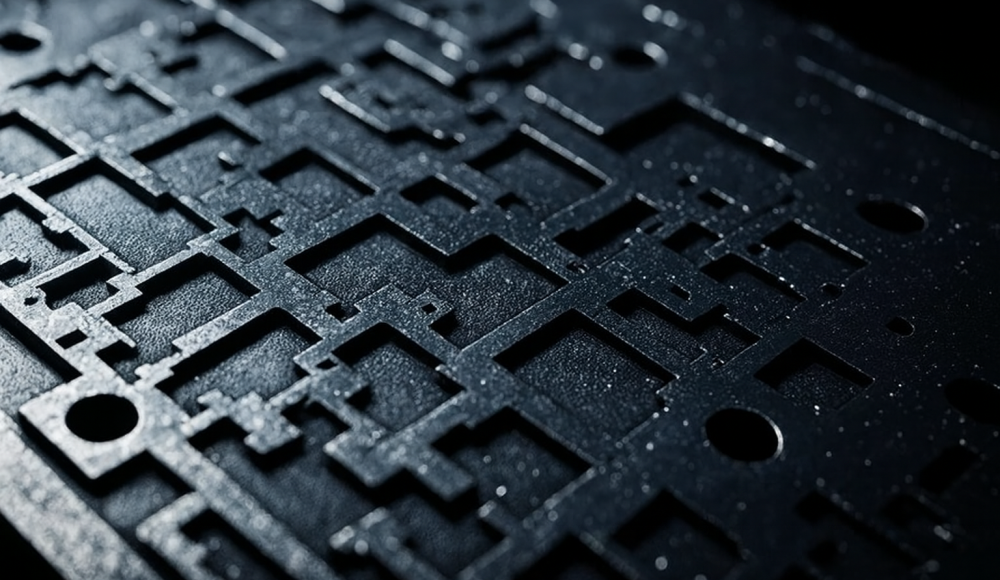
بروز المعادن المصبوبة في التصنيع الحديث ارتفع بسبب مزيجها الاستثنائي من القوة العالية, متانة, استقرار, وفعالية ملحوظة من حيث التكلفة في الإنتاج بكميات كبيرة. إن قدرة عملية الصب بالقالب على إنتاج أشكال معقدة باستمرار مع تفاوتات أبعاد ضيقة تجعلها لا غنى عنها للمكونات المهمة في جميع أنحاء السيارة, إلكتروني, والقطاعات الصناعية.
يقدم هذا الدليل تحليلاً شاملاً لقوة المعادن المصبوبة, تفصيل العوامل التي تؤثر على الأداء وفحص المزايا الميكانيكية الفريدة للسبائك الأولية المستخدمة.
نظرة عامة وتعريف المعادن المصبوبة
على المدى يموت الصب يصف السريع, طريقة تصنيع بكميات كبيرة حيث يتم حقن السبائك غير الحديدية المنصهرة في قالب فولاذي (يموت) تحت ضغط شديد. إن بيئة الضغط العالي هذه هي ما يمنح المنتج النهائي سلامته الداخلية الفائقة وجودة سطحه.
معادن مصبوبة نكون, لذلك, السبائك المختارة خصيصًا لهذه العملية, تشتمل بشكل أساسي على مواد ذات نقاط انصهار منخفضة نسبيًا لضمان طول عمر قوالب الفولاذ المتصلب. وتشمل الأمثلة الشائعة الألومنيوم (آل), الزنك (الزنك), والمغنيسيوم (ملغ) سبائك.
تحديد قوة المعادن المصبوبة
إن قوة المكون المصبوب ليست متأصلة في العملية نفسها, ولكن يتم تحديده بشكل أساسي من خلال عاملين حاسمين:
أ. تركيبة السبائك المحددة
ترتبط القوة بشكل مباشر بجودة ونوع السبائك المختارة. على سبيل المثال, سبائك الألومنيوم عالية السيليكون (مثل A380) تقدم خصائص صب ممتازة وقوة جيدة, بينما السبائك الهيكلية مخصصة (مثل A390) توفر قوة شد نهائية أكبر ولكن قد يكون من الصعب صبها.
ب. السلامة الهيكلية والمسامية
ال عملية الصب يموت يعزز بشكل كبير القوة الفعالة للمعدن:
الحقن بالضغط العالي: يقلل الضغط الشديد من تكوين الفراغات الداخلية ومسامية الغاز, مما أدى إلى أ أكثر كثافة, جزء أكثر تجانسا. تؤدي المسامية المنخفضة إلى خواص ميكانيكية أكثر اتساقًا ومقاومة أكبر للفشل تحت الضغط.
التصلب السريع: الاتصال مع القالب الفولاذي البارد يسبب التبريد السريع, في كثير من الأحيان إنتاج بنية دقيقة الحبيبات ("منطقة البرد") بالقرب من السطح, مما يساهم في زيادة صلابة السطح وتعزيز مقاومة التعب.
مقارنة قوة الصناعة:
بينما تعتبر الأجزاء المصبوبة بالفولاذ عمومًا الخيار الأكثر توافقًا للأقصى, التطبيقات الحاملة الهامة (بسبب قوة الصلب الخام), غالبًا ما تتفوق سبائك الألومنيوم والزنك المصبوبة على المعادن الأخرى من حيث نسبة القوة إلى الوزن وكفاءة التصنيع.
السبائك المعدنية الأساسية المصبوبة ومزاياها
الصناعة تفضل إلى حد كبير الألومنيوم, المغنيسيوم, وسبائك الزنك, يوفر كل منها ملف تعريف أداء فريدًا مصممًا خصيصًا لمتطلبات هندسية محددة.
الألومنيوم (آل) يموت الصب مزايا
سبائك الألومنيوم هي العمود الفقري لصناعة الصب بالقالب, توفير توازن ممتاز للخصائص:
كثافة منخفضة ومقاومة للتآكل: يوفر الألومنيوم تخفيضًا كبيرًا في الوزن مقارنة بالفولاذ ويمتلك مقاومة طبيعية للتآكل, مما يجعلها مثالية لجسم السيارات ومكونات المحرك.
دقة أبعاد عالية: تنتج هذه العملية دقة عالية وتكرارًا ممتازًا وهو أمر ضروري للمرفقات الإلكترونية المعقدة والمبيتات الميكانيكية.
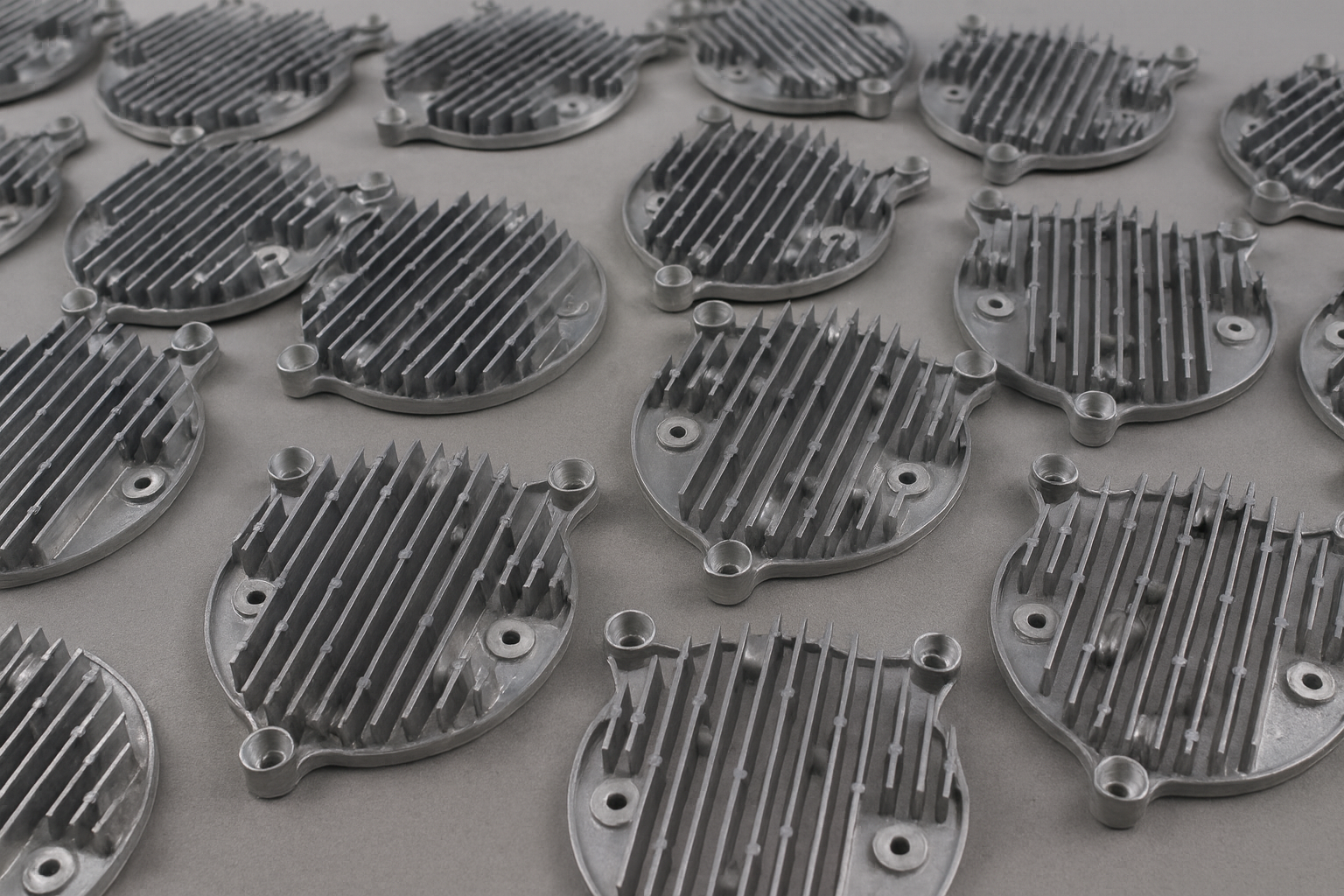
الأداء الحراري: يعرض تبديد الحرارة متفوقة, تمكين استخدامه على نطاق واسع في تطبيقات درجات الحرارة العالية مثل المشتتات الحرارية, الاسطوانات, ومشعبات المحرك.
متانة: توفر الصلابة المتأصلة للعديد من سبائك الألومنيوم المصبوبة متانة قوية, مما يسمح لهم بتحمل ظروف التشغيل والبيئية القاسية.
المغنيسيوم (ملغ) يموت الصب مزايا
يتم اختيار المغنيسيوم عندما يكون تقليل الكتلة هو الأولوية المطلقة:
أخف سبيكة هيكلية: إنه لا مثيل له في كثافته المنخفضة, تقديم أفضل ما هو متاح نسبة القوة إلى الوزن لأي مادة مصبوبة.
قوة الشد استثنائية: على الرغم من خفته, يحتفظ المغنيسيوم بخصائص ميكانيكية قوية.
يعالج: غالبًا ما يكون أكثر ليونة من الألومنيوم, مما يجعلها أسهل للآلة (العمليات الثانوية) ومفيد للغاية للمكونات في الأجهزة الإلكترونية المحمولة والديكورات الداخلية المعقدة للفضاء.
الزنك (الزنك) يموت الصب مزايا
سبائك الزنك هي الحصان الأسود, غالبًا ما يتم تجاهلها ولكنها تمتلك نقاط قوة حرجة:
أعلى قوة في نهاية المطاف: من بين السبائك غير الحديدية, الزنك (وخاصة سلسلة زاماك) يعرض عادة أقوى قوة لتحمل التطبيقات الحاملة والمقاومة تأثير.
قوة عالية العائد: مثالي للمكونات التي يجب أن تقاوم التشوه الدائم تحت الضغط المتكرر.
قابلية صب فائقة للتعقيد: تسمح نقطة انصهار الزنك المنخفضة وقابلية التدفق الممتازة بصبه فلاش صفر في الميزات الأكثر تعقيدًا ورقيقة الجدران, مما يجعله الخيار الأفضل للتعقيد الشديد, المسبوكات الصغيرة حيث الدقة أمر بالغ الأهمية.
خاتمة
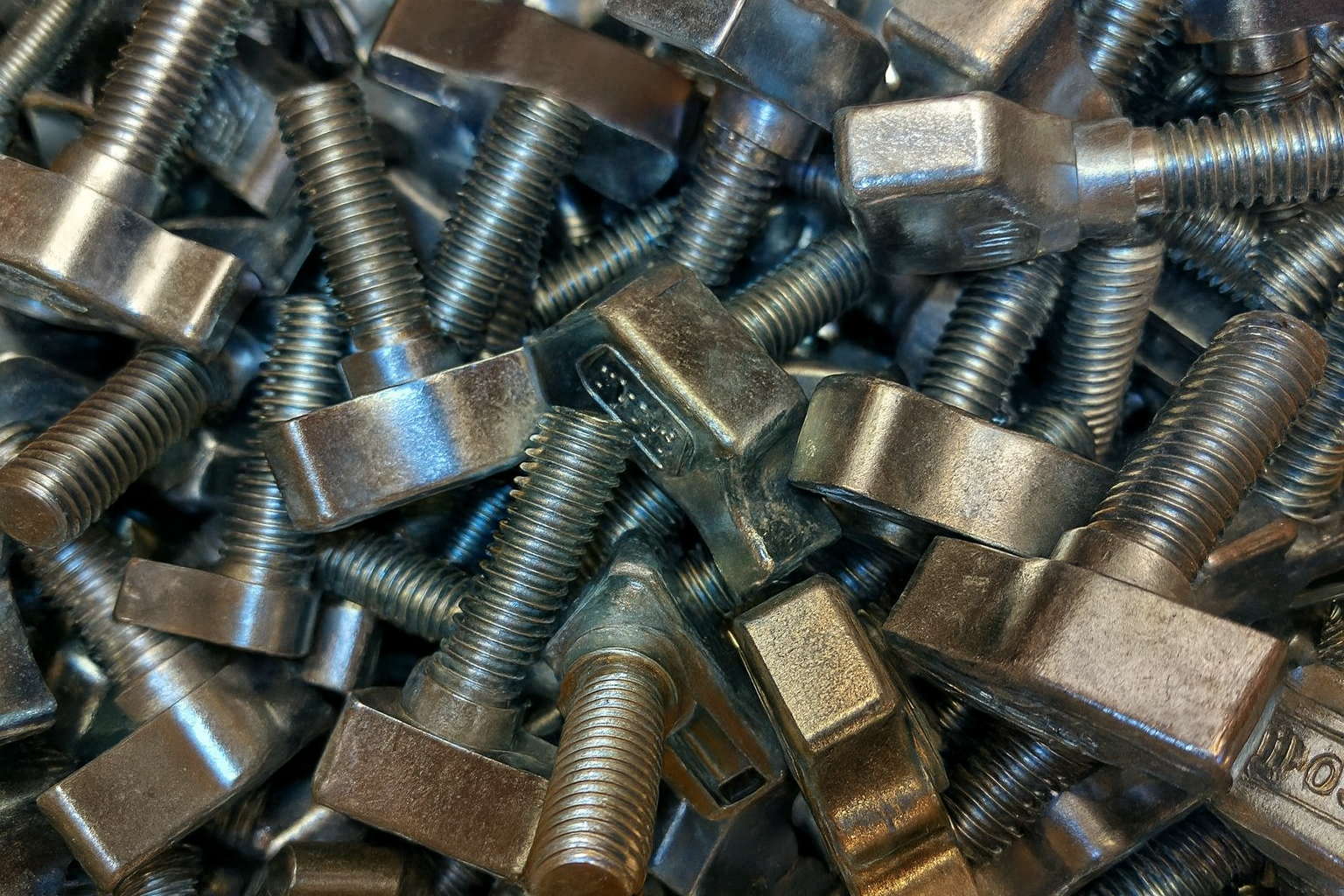
إن القوة النهائية للمكون المعدني المصبوب هي نتيجة مباشرة لموازنة خصائص المواد مع متطلبات التصنيع. يجب أن تتوافق عملية الاختيار مع احتياجات المشروع، بما في ذلك الحجم, ميزانية, التوافق البيئي, المتانة المطلوبة, والتعقيد الهندسي - مع مزايا الأداء المحددة التي يقدمها الألومنيوم, المغنيسيوم, أو الزنك. من خلال الاستفادة من القوة الكامنة في السبيكة المختارة من خلال عملية الصب بالقالب عالي الضغط, يضمن المصنعون أن المكونات تلبي أعلى معايير الأداء والموثوقية.
الأسئلة الشائعة
1. كيف يمكن مقارنة "نسبة القوة إلى الوزن" للألمنيوم والمغنيسيوم بالفولاذ?
تعد نسبة القوة إلى الوزن مقياسًا مهمًا لمهندسي الطيران والسيارات. بينما يتمتع الفولاذ بقوة نهائية أعلى, توفر سبائك الألومنيوم والمغنيسيوم نسب قوة إلى وزن أفضل بكثير. المغنيسيوم هو الأخف وزنا, توفير أفضل نسبة بين المعادن المصبوبة. وهذا يعني أنه يمكنك تحقيق الأداء الهيكلي المطلوب بجزء أخف بكثير باستخدام هذه السبائك, مما يؤدي مباشرة إلى تحسين كفاءة استهلاك الوقود وتقليل القصور الذاتي.
2. لماذا يفضل صب الزنك في الحالات المعقدة جدا؟, مكونات صغيرة على الرغم من شعبية الألومنيوم?
الزنك لديه الكثير انخفاض نقطة الانصهار ومتفوقة قابلية التدفق مقارنة بالألمنيوم. وهذا يسمح للزنك المنصهر بملء الأجزاء المعقدة, ميزات ذات جدران رقيقة وتجويفات دقيقة معقدة داخل القالب بشكل أكثر اكتمالًا وسلاسة. تضمن قابلية الصب الفائقة إمكانية إنتاج الأجزاء المعقدة تفاصيل استثنائية والحد الأدنى من العيوب, مما يجعل الزنك الخيار الأمثل للتفاصيل الدقيقة أو الصغيرة, مكونات دقيقة (مثل آليات القفل أو الموصلات الإلكترونية).
3. هل الضغط العالي في عملية الصب يجعل المعدن أقوى مما لو كان مصبوباً بالجاذبية؟?
نعم, بشكل غير مباشر. الضغط العالي (ما يصل الى 4,500 رطل لكل بوصة مربعة) أمر بالغ الأهمية لأنه يقلل من المسامية الداخلية (فقاعات الهواء والفراغات) التي تحدث بشكل طبيعي في عملية الصب التي تغذيها الجاذبية (مثل صب الرمل). من خلال إنشاء أ أكثر كثافة, هيكل داخلي أكثر اتساقا, الجزء لديه خصائص ميكانيكية أكثر اتساقا, زيادة القدرة الفعالة على التحمل, وتحسين مقاومة التعب والتشقق بشكل ملحوظ.
4. لماذا يتم استخدام الألومنيوم المصبوب في التطبيقات ذات درجات الحرارة العالية مثل أجزاء المحرك?
سبائك الألومنيوم المصبوبة, وخاصة تلك التي تحتوي على السيليكون, الحفاظ على سلامتها الهيكلية وصلابتها بشكل جيد حتى عند التشغيل ارتفاع درجات الحرارة (تصل إلى 300 درجة مئوية). بالإضافة إلى ذلك, الألومنيوم الموصلية الحرارية الممتازة يسمح لها بتبديد الحرارة بكفاءة بعيدًا عن مكونات المحرك المهمة, المساهمة في الإدارة الحرارية الشاملة ومنع ارتفاع درجة الحرارة.
5. ما هي المفاضلة الرئيسية عند اختيار المغنيسيوم على الألومنيوم؟?
المقايضة الرئيسية هي التكلفة ومقاومة التآكل. سبائك المغنيسيوم أغلى بكثير من الألومنيوم. بالإضافة إلى, بينما يتمتع المغنيسيوم بمقاومة جيدة للتآكل في العديد من البيئات, فهو أكثر عرضة ل التآكل الجلفاني عندما يقترن مع معادن أخرى (مثل السحابات الفولاذية) ويتطلب تشطيبًا أو طلاءًا أكثر دقة للسطح من الألومنيوم.
6. لماذا نادرا ما يستخدم الحديد والصلب في عملية الصب بالقالب?
الحديد والصلب لديهما للغاية درجات حرارة انصهار عالية (أكثر من 1500 درجة مئوية). تسبب درجات الحرارة هذه بسرعة التعب الحراري والضرر (المعروف باسم فحص الحرارة) إلى يموت الصلب صلابة. تكاليف الصيانة الناتجة وانخفاض عمر القالب بشكل كبير تجعل عملية صب القالب غير مجدية اقتصاديا للمعادن الحديدية, والتي يتم تصنيعها عادةً باستخدام صب الرمل أو صب الاستثمار بدلاً من ذلك.
7. ما هي الخاصية المحددة التي تجعل السبائك المصبوبة مثالية للحاويات الإلكترونية?
معادن مصبوبة, وخاصة الألومنيوم والمغنيسيوم, تعتبر مثالية للمرفقات الإلكترونية بسبب خاصيتين: حماية EMI/RFI و تبديد الحرارة. كما المعادن, فهي تحجب بشكل طبيعي التداخل الكهرومغناطيسي والترددات الراديوية (إيمي/RFI). بالإضافة إلى, تعمل الموصلية الحرارية العالية على نقل الحرارة بكفاءة بعيدًا عن المكونات الداخلية الحساسة, حماية الإلكترونيات من أضرار الحرارة.


1 فكرت في "قوة المعدن المصبوب: الغوص العميق في السبائك, ملكيات, والأداء”