



تعد الطباعة بالأشعة فوق البنفسجية على المعدن تقنية مبتكرة أحدثت ثورة في صناعة الطباعة, وخاصة في تصنيع وتخصيص الأجزاء المعدنية. تستخدم عملية الطباعة الرقمية المتقدمة هذه الأشعة فوق البنفسجية (الأشعة فوق البنفسجية) ضوء لعلاج الحبر على السطح المعدني, مما أدى إلى حادة, متين, ومطبوعات عالية الجودة. سواء للأجزاء الصناعية, العلامات التجارية, أو التطبيقات الفنية, توفر الطباعة بالأشعة فوق البنفسجية حلاً متعدد الاستخدامات وفعالاً لمختلف الأسطح المعدنية.
توفر هذه المقالة دليلاً شاملاً لفهم الطباعة بالأشعة فوق البنفسجية على المعدن, بما في ذلك العملية, فوائد, القيود, والتطبيقات المشتركة.
1. ما هي الطباعة فوق البنفسجية?
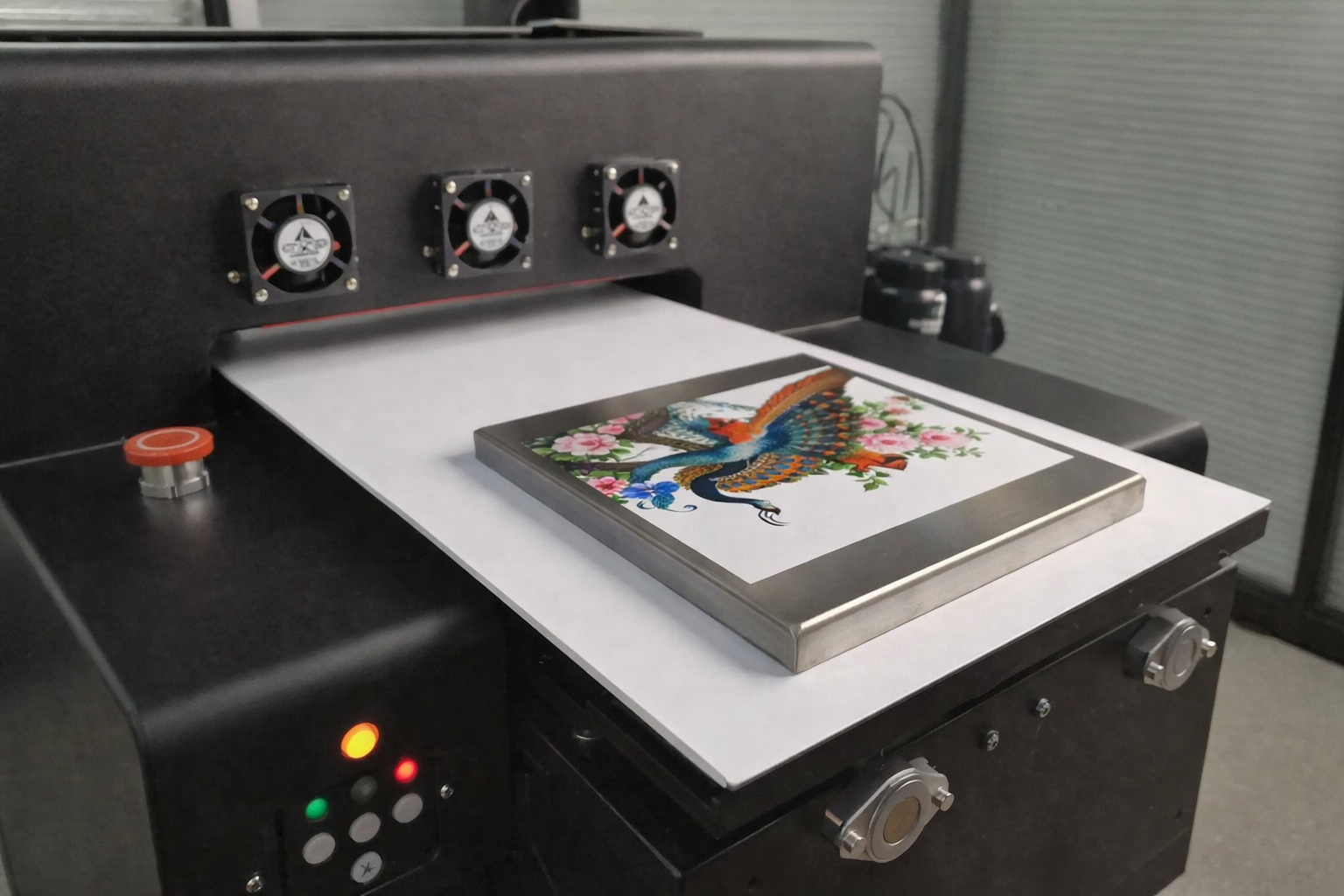
الطباعة بالأشعة فوق البنفسجية هي شكل من أشكال الطباعة الرقمية حيث يتم استخدام الضوء فوق البنفسجي لعلاج الحبر أو تجفيفه أثناء تطبيقه على السطح المطبوع. تختلف هذه الطريقة عن طرق الطباعة التقليدية لأن الحبر يجفف على الفور بواسطة ضوء الأشعة فوق البنفسجية, بدلاً من الحرارة أو تجفيف الهواء. وهذا يجعل الطباعة بالأشعة فوق البنفسجية فعالة بشكل خاص على الأسطح غير المسامية مثل المعادن, البلاستيك, والزجاج.
تم تصميم حبر الأشعة فوق البنفسجية المستخدم في هذه العملية خصيصًا للربط بإحكام على الأسطح المعدنية, ضمان طويلة الأمد, مطبوعات عالية الجودة. تعمل عملية المعالجة على تعزيز متانة التصميم المطبوع ومقاومته للتآكل, الخدوش, ويتلاشى.
2. فوائد الطباعة بالأشعة فوق البنفسجية على المعادن
أصبحت الطباعة بالأشعة فوق البنفسجية على المعدن شائعة بشكل متزايد نظرًا لمزاياها العديدة مقارنة بطرق الطباعة التقليدية. فيما يلي بعض الفوائد الرئيسية:
فعالة من حيث التكلفة: على الرغم من أن الاستثمار الأولي في معدات الطباعة بالأشعة فوق البنفسجية يمكن أن يكون مرتفعًا, فهو يوفر المال في النهاية بسبب انخفاض تكاليف التشغيل. هذه العملية أسرع, مما يقلل من تكاليف العمالة, كما أنها أقل هدرًا حيث لا يتطلب الأمر وقتًا للإعداد أو لوحات طباعة.
صديقة للبيئة: تعد الطباعة بالأشعة فوق البنفسجية خيارًا أكثر مراعاة للبيئة مقارنة بالطرق الأخرى. الأحبار المستخدمة خالية من المركبات العضوية المتطايرة (المركبات العضوية المتطايرة), مما يجعل العملية أكثر أمانًا وأكثر مسؤولية بيئيًا.
سريع وفعال: يؤدي العلاج الفوري لأحبار الأشعة فوق البنفسجية إلى تسريع عملية الطباعة, مما يؤدي إلى أوقات تسليم أسرع. بالإضافة إلى ذلك, لا تتطلب المطبوعات مزيدًا من وقت التجفيف, تمكين جداول الإنتاج أسرع.
المرونة: تسمح الطباعة بالأشعة فوق البنفسجية بالطباعة على مجموعة واسعة من المواد, بما في ذلك المعادن, البلاستيك, خشب, جلد, والمنسوجات. هذه المرونة تجعلها مثالية للشركات المصنعة التي تحتاج إلى الطباعة على ركائز مختلفة.
مطبوعات عالية الجودة: الطباعة بالأشعة فوق البنفسجية تنتج حيوية, عالية الدقة, ومطبوعات حادة على الأسطح المعدنية. الألوان واضحة ومشرقة, تقدم إمكانية الألوان الكاملة التي تلبي أعلى المعايير للتطبيقات الصناعية والفنية.
متانة: يرتبط حبر الأشعة فوق البنفسجية جيدًا بالأسطح المعدنية, إنشاء مطبوعات شديدة المقاومة للبهتان, خدش, والأضرار البيئية, مما يجعلها مناسبة للتطبيقات الداخلية والخارجية.
3. حدود الطباعة بالأشعة فوق البنفسجية على المعادن
بينما توفر الطباعة بالأشعة فوق البنفسجية العديد من الفوائد, هناك بعض القيود التي يجب مراعاتها:
ارتفاع الاستثمار الأولي: يمكن أن تكون التكلفة الأولية لطابعات ومعدات الأشعة فوق البنفسجية مرتفعة, مما قد يشكل عائقًا أمام الشركات الصغيرة أو تلك التي تدخل الصناعة للتو.
نطاق ألوان محدود: بينما تدعم الطباعة بالأشعة فوق البنفسجية المطبوعات بالألوان الكاملة, قد يكون نطاق الألوان المتاح محدودًا مقارنة بطرق الطباعة الأخرى مثل طباعة الشاشة.
التعرض للأشعة فوق البنفسجية: تتطلب أحبار الأشعة فوق البنفسجية ضوء الأشعة فوق البنفسجية للمعالجة, والتي قد تشكل مخاطر صحية إذا لم يتم التعامل معها بشكل صحيح. التعرض الطويل للأشعة فوق البنفسجية يمكن أن يسبب تهيج الجلد وتلفه, لذلك يجب اتخاذ تدابير السلامة الكافية.
عملية تجفيف الحبر: بينما يعالج حبر الأشعة فوق البنفسجية بسرعة, يجب أن يتعرض الحبر للأشعة فوق البنفسجية, والتي قد تتطلب معالجة ومعدات خاصة في بيئات عمل معينة.
ورغم هذه التحديات, تظل الطباعة بالأشعة فوق البنفسجية خيارًا فعالاً وشائعًا للغاية لتصنيع المعادن والديكور.
4. عملية الطباعة بالأشعة فوق البنفسجية المعدنية خطوة بخطوة
تعد عملية الطباعة بالأشعة فوق البنفسجية على المعدن بسيطة نسبيًا ولكنها تتطلب الاهتمام بالتفاصيل. إليك دليل خطوة بخطوة:
خطوة 1: تحضير الأدوات والملحقات
الخطوة الأولى هي اختيار المادة المراد الطباعة عليها. تعد المعادن مثل الفولاذ المقاوم للصدأ والألومنيوم من الخيارات الشائعة للطباعة بالأشعة فوق البنفسجية, ولكن كل مادة تتطلب إعدادًا مختلفًا:
ل الفولاذ المقاوم للصدأ, تعد المعالجة السطحية مثل معالجة اللهب أو تطبيق التمهيدي ضرورية لتعزيز التصاق حبر الأشعة فوق البنفسجية.
ل الألومنيوم, يجب توخي الحذر بشكل خاص لاختيار حبر UV مناسب يلتصق جيدًا بسطحه.
من المهم أيضًا أن يكون لديك طابعة UV عالية الجودة قادرة على الطباعة على الأسطح المعدنية. بالإضافة إلى ذلك, تأكد من أن الطابعة تستخدم متينة, أحبار عالية الأداء للحصول على أفضل النتائج.
خطوة 2: تصميم النمط
قبل أن تبدأ الطباعة, تصميم النمط الذي ترغب في طباعته. يمكن أن يكون هذا الشعارات, الرسومات, أو النص. التأكد من دقة أبعاد التصميم ومن حفظ الملف بتنسيق متوافق مع الطابعة UV. تتطلب العديد من الطابعات ملفات بتنسيقات مثل PDF, PNG, أو تيف.
خطوة 3: تحضير السطح المعدني
يعد الإعداد المناسب للسطح أمرًا أساسيًا لتحقيق أفضل النتائج. قم بتنظيف المعدن جيدًا لإزالة أي غبار, شحم, أو الملوثات التي يمكن أن تتداخل مع قدرة الحبر على المعالجة. لهذا, يمكنك استخدام الكحول أو منظف معتدل. بعد التنظيف, تطبيق مروج السطح (مثل التمهيدي) لضمان التصاق قوي للحبر فوق البنفسجية. قد تتطلب هذه الخطوة إجراء اختبارات للتأكد من توافق المروج والسطح المعدني.
خطوة 4: ابدأ عملية الطباعة بالأشعة فوق البنفسجية
بمجرد أن يصبح التصميم جاهزًا ويتم إعداد السطح المعدني, حان الوقت لبدء عملية الطباعة. ابدأ بطباعة اختبارية للتحقق من جودة الطباعة, تنسيق, والمظهر العام. ضبط المعلمات مثل كثافة الحبر, سرعة الطباعة, والقرار حسب الحاجة.
بمجرد رضاك عن طباعة الاختبار, تابع عملية الطباعة الكاملة. تأكد من الحفاظ على مراقبة الجودة طوال فترة الإنتاج, فحص المطبوعات على فترات منتظمة لضمان الحصول على نتائج متسقة.
5. أفضل المعادن للطباعة بالأشعة فوق البنفسجية
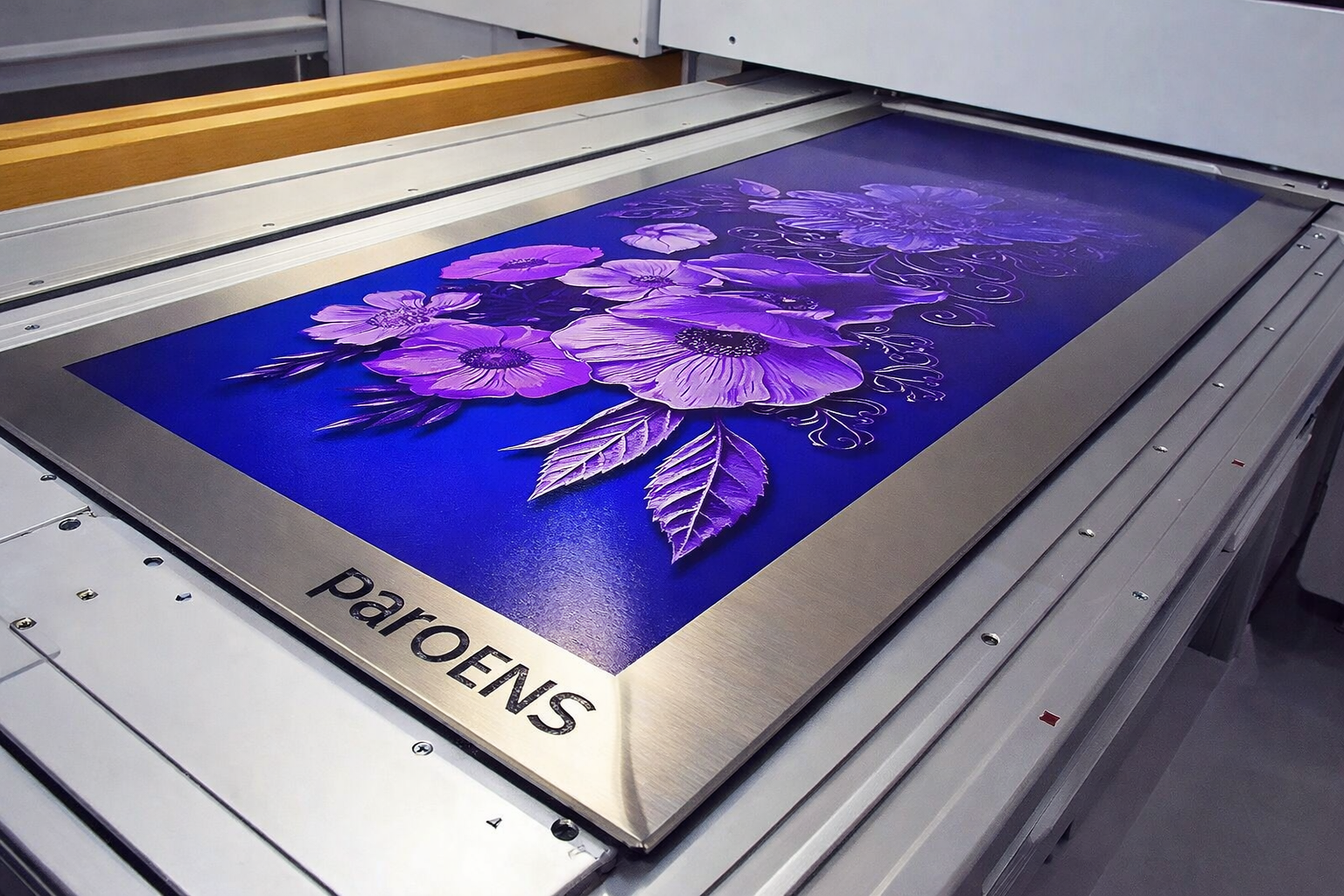
تعمل الطباعة بالأشعة فوق البنفسجية بشكل جيد على مجموعة متنوعة من المعادن. تشمل بعض المعادن الأكثر شيوعًا المستخدمة في الطباعة بالأشعة فوق البنفسجية:
الفولاذ المقاوم للصدأ: شعبية بسبب متانتها, مقاومة التآكل, وسطح أملس.
الألومنيوم: مادة خفيفة الوزن ذات لمسة نهائية ناعمة, مثالية للطباعة بالأشعة فوق البنفسجية.
نحاس: معروف بمظهره المميز ومتانته, كثيرا ما تستخدم في اللافتات.
النحاس والبرونز: تستخدم للتطبيقات الفنية والزخرفية.
التيتانيوم: يوفر القوة والمقاومة للتآكل, مما يجعلها خيارًا متميزًا للطباعة المتخصصة.
6. تطبيقات الطباعة المعدنية بالأشعة فوق البنفسجية
الطباعة بالأشعة فوق البنفسجية على المعدن لها نطاق واسع من التطبيقات, مشتمل:
العلامة التجارية: تستخدم الشركات الطباعة فوق البنفسجية لإنشاء لافتات ذات جودة عالية تحمل العلامة التجارية, الشعارات, والملصقات على المنتجات المعدنية.
علامات التحذير: تُستخدم الطباعة بالأشعة فوق البنفسجية بشكل شائع لإنتاج مواد متينة, علامات تحذيرية مقاومة للطقس للمناطق الخطرة.
ديكور فني: يستخدم الفنانون والمصممون الطباعة فوق البنفسجية لإنشاء أعمال فنية معقدة على الأسطح المعدنية.
الترميز الشريطي: تسمح الطباعة بالأشعة فوق البنفسجية للمصنعين بطباعة الرموز الشريطية ورموز QR مباشرة على الأجزاء المعدنية لسهولة التتبع.
أجزاء الآلة: تُستخدم الطباعة فوق البنفسجية بشكل متكرر في القطاع الصناعي لطباعة الأرقام التسلسلية, أرقام الأجزاء, وتفاصيل أخرى عن مكونات الآلة.
التعبئة والتغليف: الطباعة على العبوات المعدنية, مثل العلب أو الحاويات, غالبًا ما يتم ذلك باستخدام الطباعة فوق البنفسجية نظرًا لمتانتها.
7. مقارنة: الطباعة فوق البنفسجية مقابل. الطباعة بالتسامي على المعادن
بينما يتم استخدام كل من الطباعة فوق البنفسجية والطباعة بالتسامي للطباعة على المعدن, إنهم يختلفون بشكل كبير في نهجهم:
الطباعة بالأشعة فوق البنفسجية: يستخدم ضوء الأشعة فوق البنفسجية لمعالجة الحبر مباشرة على السطح المعدني, مما أدى إلى حادة, مطبوعات نابضة بالحياة تدوم طويلاً.
الطباعة التسامي: يتضمن تحويل الحبر إلى غاز وربطه بالسطح المعدني. تعمل هذه الطريقة بشكل أفضل على المعادن ذات الألوان الفاتحة وتنتج صورًا أقل وضوحًا مقارنة بالطباعة بالأشعة فوق البنفسجية.
الطباعة بالأشعة فوق البنفسجية أسرع بشكل عام, تنتج مطبوعات أكثر متانة, وتوفر حيوية ألوان فائقة مقارنةً بالطباعة بالتسامي.
8. مقارنة: الطباعة فوق البنفسجية مقابل. طباعة الشاشة على المعدن
طباعة الشاشة هي طريقة تقليدية للطباعة على المعدن, ويتضمن استخدام الإستنسل (شاشات) لنقل الحبر إلى السطح المعدني. بينما توفر الطباعة بالأشعة فوق البنفسجية المزيد من التنوع والمطبوعات عالية الجودة, غالبًا ما تُفضل طباعة الشاشة للإنتاج بكميات كبيرة نظرًا لسرعتها وانخفاض تكلفتها لكل وحدة.
الطباعة بالأشعة فوق البنفسجية: يوفر جودة أعلى, ضد للماء, ومطبوعات متينة مع مجموعة واسعة من الألوان.
طباعة الشاشة: أكثر فعالية من حيث التكلفة للكميات الكبيرة, لكن الألوان تتلاشى بسرعة أكبر وتكون العملية أبطأ.
9. المشاكل والحلول الشائعة في الطباعة المعدنية بالأشعة فوق البنفسجية
أثناء عملية الطباعة بالأشعة فوق البنفسجية المعدنية, قد تنشأ القضايا المشتركة. فيما يلي بعض المشاكل وحلولها:
انحراف اللون: تأكد من أن التصميم في وضع الألوان الصحيح وتنسيق الملف.
نقاط الحبر المتناثرة: تحقق من خراطيش الحبر ورأس الطباعة بحثًا عن أي مشكلات, وإجراء دورة التنظيف.
طباعة القطرات: ابحث عن تسرب الهواء أو السدادات في الفوهة.
مطبوعات ضبابية: قم بزيادة دقة الصورة لضمان الوضوح, مطبوعات واضحة.
الخطوط الأفقية: قم بتنظيف رأس الطباعة لتجنب الانسداد.
10. خاتمة
أصبحت الطباعة بالأشعة فوق البنفسجية على المعدن سريعًا واحدة من أكثر الطرق شيوعًا وموثوقية للطباعة عالية الجودة على مجموعة متنوعة من الأسطح المعدنية. مزاياها, بما في ذلك السرعة, متانة, ودقة الألوان, جعله اختيارا ممتازا لمجموعة من الصناعية, تجاري, والتطبيقات الفنية. على الرغم من بعض القيود, توفر هذه التقنية العديد من الفوائد التي يصعب مطابقتها مع تقنيات الطباعة التقليدية.
لكل من يبحث عن إنتاج نابض بالحياة, مطبوعات طويلة الأمد على المعدن, الطباعة بالأشعة فوق البنفسجية هي الخيار المثالي.
الأسئلة الشائعة
- ما هو الفرق الرئيسي بين الطباعة بالأشعة فوق البنفسجية والطباعة بالتسامي على المعدن?
تستخدم الطباعة بالأشعة فوق البنفسجية ضوء الأشعة فوق البنفسجية لمعالجة الحبر على المعدن, إنتاج مطبوعات نابضة بالحياة وطويلة الأمد. طباعة التسامي تصبغ الحبر في المعدن, والتي تعمل بشكل أفضل على المعادن الخفيفة ولكنها قد لا توفر مطبوعات واضحة أو متينة مثل الطباعة فوق البنفسجية. - هل يمكن إجراء الطباعة بالأشعة فوق البنفسجية على أي نوع من المعادن?
يمكن إجراء الطباعة بالأشعة فوق البنفسجية على معادن مختلفة, بما في ذلك الفولاذ المقاوم للصدأ, الألومنيوم, نحاس, نحاس, والتيتانيوم. لكن, إعداد السطح أمر بالغ الأهمية للالتصاق, خاصة مع المعادن مثل الفولاذ المقاوم للصدأ, والتي قد تتطلب علاجات إضافية. - ما نوع الأحبار المستخدمة في الطباعة فوق البنفسجية على المعادن?
أفضل الأحبار للطباعة بالأشعة فوق البنفسجية على المعادن تشمل الأحبار المائية للحصول على تشطيبات نابضة بالحياة, أحبار قابلة للمعالجة من أجل المتانة, والأحبار المذيبة للالتصاق القوي بالسطح. يعتمد اختيار الحبر على المعدن المحدد والنتيجة المرجوة. - هل الطباعة بالأشعة فوق البنفسجية على المعدن صديقة للبيئة?
نعم, تعد الطباعة بالأشعة فوق البنفسجية صديقة للبيئة لأنها تستخدم أحبارًا خالية من المركبات العضوية المتطايرة (المركبات العضوية المتطايرة), مما يجعلها أكثر أمانًا لكل من العمال والبيئة مقارنة بطرق الطباعة الأخرى. - كم تدوم الطباعة فوق البنفسجية على المعدن؟?
تتميز مطبوعات الأشعة فوق البنفسجية على المعدن بأنها متينة للغاية ومقاومة للبهتان, خدش, والأضرار البيئية. يمكن أن تستمر لسنوات, مما يجعلها مثالية للتطبيقات الداخلية والخارجية. - ما هي أنواع التصاميم التي يمكن طباعتها باستخدام الطباعة فوق البنفسجية على المعدن؟?
يمكن للطباعة بالأشعة فوق البنفسجية على المعدن التعامل مع مجموعة واسعة من التصاميم, من النصوص والشعارات البسيطة إلى الرسومات والصور الفوتوغرافية المعقدة. تدعم هذه التقنية المطبوعات بالألوان الكاملة, مما يجعلها مناسبة لمختلف الصناعات, العلامات التجارية, والتطبيقات الفنية. - هل أحتاج إلى القيام بأي شيء خاص بالمعدن قبل الطباعة بالأشعة فوق البنفسجية؟?
نعم, تتطلب الأسطح المعدنية عادة التنظيف والمعالجة المسبقة في بعض الأحيان (مثل العلاج باللهب أو تطبيق التمهيدي) لضمان التصاق مناسب لحبر الأشعة فوق البنفسجية. يعد إعداد السطح أمرًا أساسيًا لتحقيق نتائج عالية الجودة. - ما هي المشاكل الشائعة في الطباعة فوق البنفسجية على المعدن?
تشمل المشكلات الشائعة انحراف اللون, نقاط الحبر المتناثرة, مطبوعات ضبابية, طباعة القطرات, والخطوط الأفقية. غالبًا ما يمكن إصلاح هذه المشكلات عن طريق ضمان تنسيق الملف المناسب, الحفاظ على رأس الطباعة, وتنظيف الجهاز بانتظام.


