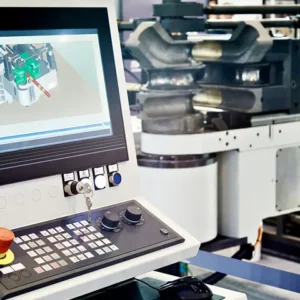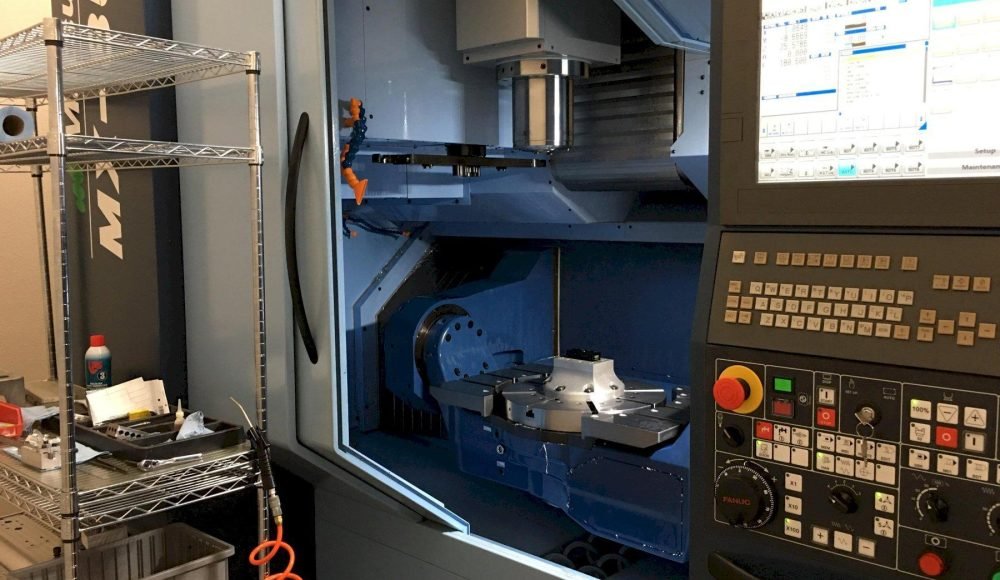
Nel mondo della produzione moderna, I centri di lavorazione sono diventati indispensabili. Da automobili e aeromobili a intricati dispositivi medici, i centri di lavoro garantiscono una precisione senza eguali, flessibilità, ed efficienza. Questa guida completa approfondisce il mondo dei centri di lavoro, dettagliando i loro componenti, tipi, applicazioni, e altro ancora.
Cos'è un centro di lavorazione?
UN centro di lavoro (MC) è un avanzato, macchina utensile controllata da computer in grado di eseguire molteplici operazioni di lavorazione. A differenza delle macchine convenzionali, che richiedono regolazioni manuali per i cambi di utensile, i centri di lavoro sono dotati di sistemi automatizzati come i cambi utensili automatici (ATC), riducendo significativamente i tempi di inattività e aumentando l’efficienza produttiva.
I centri di lavoro gestiscono numerose attività, tra cui:
Fresatura
Perforazione
Noioso
Toccando
Rettifica
Alesatura
La loro versatilità consente alle industrie di produrre parti complesse con estrema precisione.
Contesto storico

L'idea del centro di lavoro risale ai primi anni '50. Inventori John T. Parsons E Frank L. Rubato collaborò alla realizzazione della prima fresatrice a controllo numerico. Il loro lavoro pionieristico è stato ulteriormente perfezionato dal Laboratorio di Servomeccanismi del Massachusetts Institute of Technology, gettando le basi per gli odierni centri di lavoro CNC. Questa tecnologia rivoluzionaria ha introdotto l’automazione, aumentando notevolmente la precisione e la produttività nella produzione.
Componenti principali di un centro di lavoro
I centri di lavoro comprendono vari componenti complessi, ciascuno cruciale per operazioni accurate ed efficienti:
1. Area del mandrino principale
Contiene gli utensili da taglio e fornisce la velocità di rotazione necessaria.
Determina la precisione della lavorazione e la qualità della finitura superficiale.
2. Meccanismo di alimentazione conica
Posiziona con precisione gli utensili da taglio.
Garantisce profondità e angolo accurati dell'utensile durante la lavorazione.
3. Cambio di strumento automatico (ATC)
Passa da uno strumento all'altro in modo rapido ed efficiente.
Riduce i tempi di cambio utensile manuale, ottimizzando la produttività.
4. Rivista di strumenti
Memorizza vari utensili da taglio necessari durante le operazioni.
Facilita la selezione e la sostituzione rapida degli utensili.
5. Cambio pallet automatico (APC)
Automatizza il carico/scarico dei pezzi.
Riduce significativamente i tempi di inattività e aumenta la produttività.
6. Sistema di gestione dei trucioli e del refrigerante
Rimuove i trucioli e fornisce refrigerante per mantenere l'efficienza e la longevità dell'utensile.
Mantiene l'area di lavoro pulita e migliora la sicurezza.
7. Rilevatori di sovraccarico e usura
Monitora le condizioni degli strumenti e della macchina.
Previene i danni rilevando anomalie come carico eccessivo o usura dell'utensile.
8. Funzionamento automatico della porta
Fornisce un accesso comodo e sicuro all'area di lavorazione.
Assi di un centro di lavoro
I centri di lavoro operano tipicamente su più assi, consentendo un controllo preciso del movimento dell'utensile e del pezzo:
Asse X.: Movimento orizzontale (sinistra-destra)
Asse y: Movimento orizzontale (fronte-retro)
Asse Z.: Movimento verticale (su-giù)
A-ASIS: Rotazione attorno all'asse X
Asse B.: Rotazione attorno all'asse Y
Asse C: Rotazione attorno all'asse Z
Insieme, questi assi consentono movimenti complessi necessari per attività di lavorazione complesse.
Tipologie di centri di lavoro
1. Centri di lavoro orizzontali (HMC): Precisione da lato a lato
Cos'è:
Queste macchine hanno il mandrino posizionato orizzontalmente, ciò significa che lo strumento taglia dal lato anziché dall'alto.
Perché usarlo?
Ideale per i più pesanti, pezzi più grandi perché la gravità aiuta a eliminare i trucioli, mantenendo la tua area di lavoro più pulita.
Meglio per:
Parti automobilistiche di grandi dimensioni, componenti di attrezzature pesanti, e produzione di massa in cui velocità e forza sono fondamentali.
2. Centri di lavoro verticali (VMC): Versatilità su e giù
Cos'è:
Qui, il perno punta verso il basso, con l'utensile che taglia la parte superiore del pezzo.
Perché usarlo?
Ottimo per parti più piccole e lavori dettagliati. Queste macchine si adattano perfettamente agli spazi più ristretti e spesso sono più facili da utilizzare e configurare.
Meglio per:
Progetti di piccole e medie dimensioni, muffe, incisioni, lavorazione di precisione dettagliata, e lavoro di prototipo.
3. Centri di lavoro universali (UMC): Flessibilità tutto in uno
Cos'è:
Queste macchine possono ruotare il mandrino sia in orizzontale che in verticale. Spesso sono macchine a 5 assi, il che significa che possono tagliare da quasi ogni angolazione.
Perché usarlo?
Perfetto per forme complesse o parti che richiedono più operazioni senza spostare il pezzo su un'altra macchina.
Meglio per:
Parti aerospaziali, stampi complessi, attrezzature mediche, e componenti di precisione che necessitano di tagli ad angoli multipli.
Operazioni di lavorazione tipiche
1. Fresatura: Taglio e modellatura
Cos'è: Utilizzo di strumenti di filatura per tagliare materiale e modellare un pezzo in disegni dettagliati.
Perché è utile: Perfetto per creare forme complesse come le fessure, tasche, o superfici curve.
2. Perforazione: Fare buchi
Cos'è: Creazione di fori precisi utilizzando punte da trapano che ruotano e spingono nel materiale.
Perché è utile: Essenziale per qualsiasi progetto che richieda precisione, fori puliti per le viti, bulloni, o raccordi.
3. Noioso: Miglioramento dei buchi esistenti
Cos'è: Allargamento e perfezionamento dei fori per migliorarne la precisione e la levigatezza.
Perché è utile: Garantisce che i fori esistenti siano perfettamente dimensionati, Dritto, e pronto per raccordi precisi.
4. Toccando: Creazione di discussioni
Cos'è: Taglio delle filettature interne all'interno di un foro per adattare saldamente viti o bulloni.
Perché è utile: Fondamentale per l'assemblaggio di parti che devono essere fissate insieme saldamente e saldamente.
5. Rettifica: Ottenere superfici lisce
Cos'è: Utilizzando ruote abrasive per rimuovere con attenzione il materiale, creando superfici ultra lisce.
Perché è utile: Ottimo per la finitura di parti in cui la levigatezza e le misurazioni esatte sono estremamente importanti.
6. Alesatura: Finitura di precisione dei fori
Cos'è: Regolazione fine dei fori precedentemente praticati su dimensioni precise, la levigatezza, e rotondità.
Perché è utile: Essenziale quando la dimensione esatta del foro e la finitura sono importanti, come nei componenti automobilistici o aerospaziali.
Applicazioni dei centri di lavoro per settore
I centri di lavoro hanno ampie applicazioni in vari settori:
Settore automobilistico
Componenti del motore, ingranaggi di trasmissione, parti del telaio, sistemi frenanti.
Aerospaziale
Lame a turbina, carrelli di atterraggio, componenti strutturali complessi.
Medico
Strumenti chirurgici, impianti, dispositivi protesici.
Petrolio e gas
Corpi valvola, strumenti di perforazione, componenti robusti della pompa.
Elettronica
Componenti di precisione come connettori, alloggiamenti per semiconduttori, dissipatori di calore.
Marino
Eliche, parti idrauliche, componenti strutturali per navi e sottomarini.
Energia
Componenti per turbine eoliche, telai solari, parti di reattori nucleari.
Costruzione
Parti di macchinari pesanti come ingranaggi, articolazioni, ed elementi strutturali.
Costo dei centri di lavoro
Il costo varia notevolmente in base al tipo di macchina, misurare, funzionalità, e marchio:
Centro di lavoro orizzontale: $150,000–$600.000
Centro di lavoro verticale: $50,000- $ 200.000
Centro di lavoro universale: $200,000–$700.000
5-Centri di lavoro ad assi: $200,000–$1.000.000
Centri di tornitura CNC: $60,000–$350.000
Personalizzazioni, reputazione del marchio, e le funzionalità avanzate influenzano ulteriormente i prezzi.
Programmazione e controllo dei centri di lavoro
I centri di lavoro utilizzano software e controlli avanzati:
CAD (Design assistito da computer): Crea modelli 3D precisi di componenti.
CAMMA (Produzione assistita da computer): Traduce i progetti CAD in codice G.
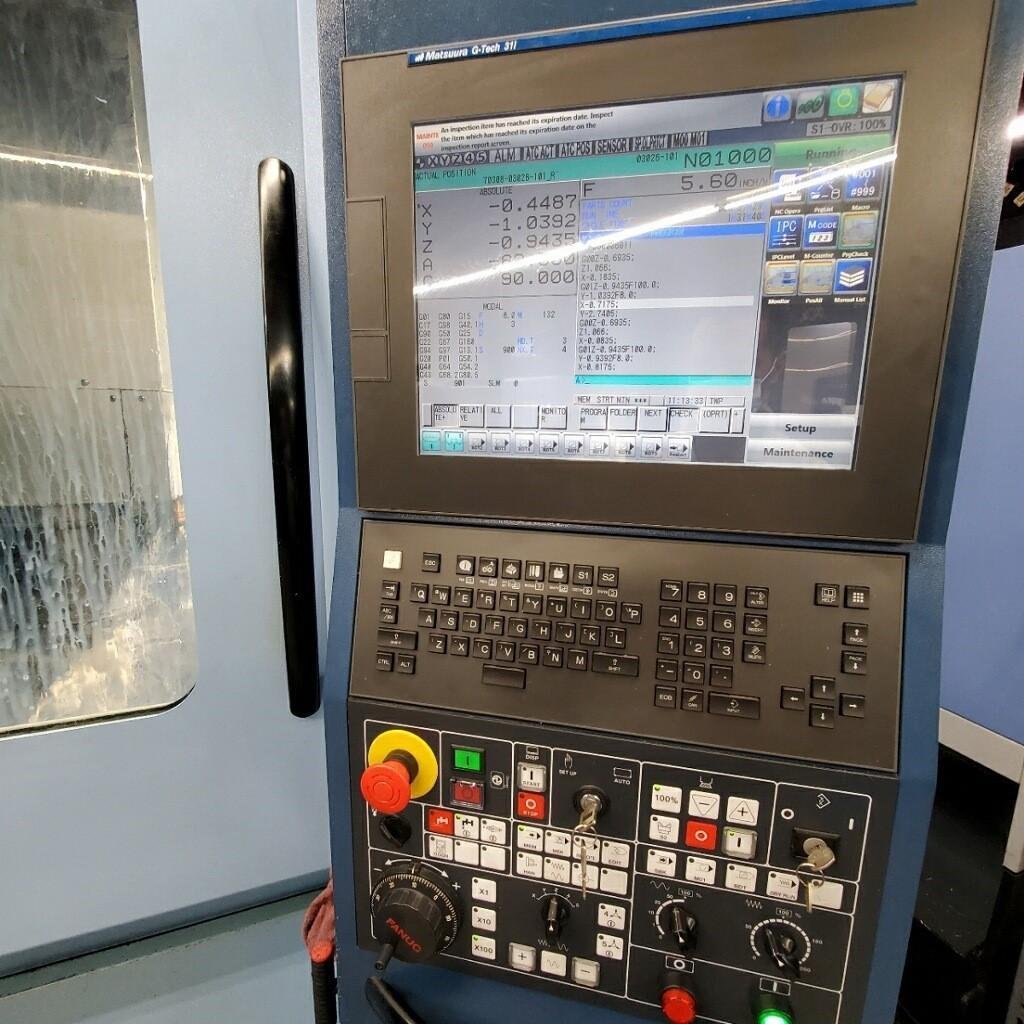
Codice G: Istruzioni leggibili dalla macchina che controllano i movimenti, velocità, e percorsi degli strumenti.
Pannello di controllo: Interfaccia utente per la gestione delle operazioni della macchina e degli input del programma.
Servo Motors & Unità: Converti i segnali elettrici in movimenti meccanici precisi.
Sistemi di feedback: Monitoraggio e aggiustamenti continui durante la lavorazione.
Problemi comuni e soluzioni
I problemi tipici includono:
Usura degli strumenti: Causato da un utilizzo errato o da un raffreddamento inadeguato.
Vibrazione (Chiacchiere): Risultati di impostazioni o selezione di strumenti errati.
Problemi di refrigerante: Una quantità insufficiente di refrigerante può causare surriscaldamento.
Perdita di precisione: A causa di componenti meccanici usurati.
Errori di programmazione: Errori nei processi G-code o CAM.
Manutenzione preventiva, formazione adeguata, e un'attenta configurazione mitigano questi problemi in modo efficace.
Differenze: Centro di lavoro vs. Macchine Tradizionali
I centri di lavoro differiscono notevolmente dalle macchine tradizionali:
Automazione: I centri di lavoro sono dotati di cambio utensili e cambio pallet automatici, riduzione del lavoro manuale.
Precisione: I controlli CNC migliorano la precisione e la ripetibilità.
Versatilità: In grado di eseguire più operazioni all'interno di un'unica configurazione.
Efficienza: Alti ritmi di produzione e tempi di fermo ridotti al minimo.
Conclusione
I centri di lavoro hanno trasformato radicalmente la produzione, migliorando la precisione, efficienza, e flessibilità. Dall'automotive all'aerospaziale e alle applicazioni mediche, il loro ruolo nella produzione di componenti complessi è indispensabile. Con continui progressi nella tecnologia e nel software, i centri di lavoro svolgeranno senza dubbio un ruolo fondamentale nel plasmare la futura produzione industriale.
Domande frequenti
1: È un centro di lavoro uguale a una macchina CNC?
UN: Un centro di lavoro è un tipo di macchina CNC appositamente attrezzata per molteplici operazioni (per esempio., fresatura, perforazione) con cambi utensili automatici e sistemi pallet.
2: Con quale frequenza i centri di lavoro dovrebbero essere sottoposti a manutenzione?
UN: Manutenzione preventiva regolare (ispezioni settimanali, controlli dettagliati mensili, tagliando completo annuale) garantisce affidabilità e prestazioni a lungo termine.
3: I centri di lavoro possono gestire più materiali?
UN: SÌ, i centri di lavoro sono progettati per gestire materiali diversi, compresi i metalli, plastica, e compositi, regolando gli strumenti, velocità di taglio, e tipi di refrigerante.