


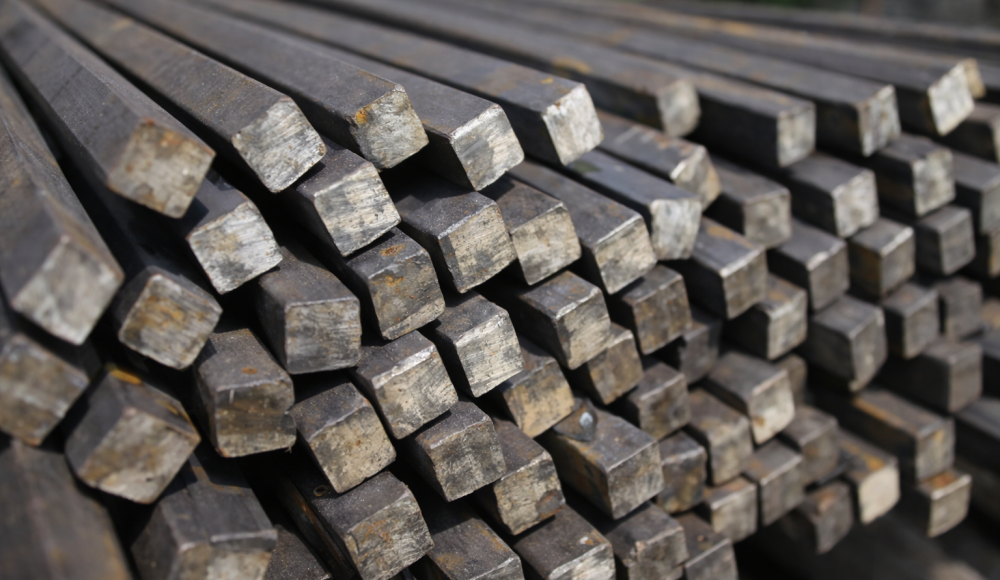
素材を選ぶときは、 CNC加工, 板金加工, およびスタンピング, manufacturability often matters more than ultimate strength. 1006 炭素鋼, with its ultra-low carbon content, is widely favored in production environments where 成形性, 溶接性, and process stability 重要です.
This article examines 1006 carbon steel specifically from a manufacturing and process-engineering perspective, helping CNC shops, sheet metal fabricators, and stamping manufacturers determine when and why this material is the right choice.
1. とは何ですか 1006 炭素鋼?
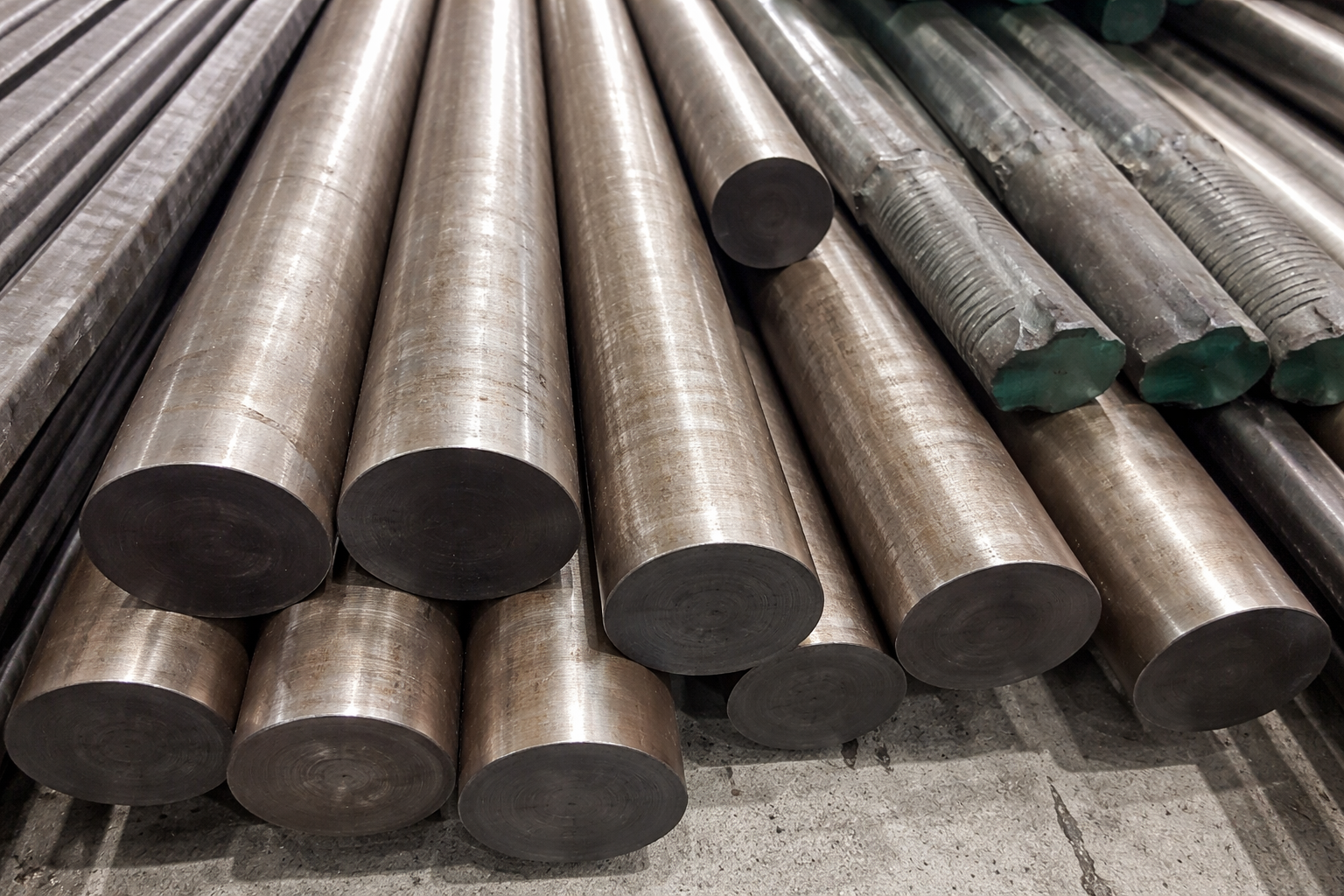
1006 carbon steel is classified as an ultra-low carbon steel, containing no more than 0.08% 炭素. Unlike higher-carbon or alloy steels, it is not designed for high-load structural performance. その代わり, it is optimized for:
Cold forming and bending
High-volume stamping
Welded assemblies
Cost-sensitive manufacturing
For CNC and fabrication shops, 1006 steel is often selected not for strength, but for process reliability and ease of production.
2. Chemical Composition and Manufacturing Impact
The simplified chemistry of 1006 steel directly explains its behavior in machining and forming operations.
| 要素 | コンテンツ (%) | Manufacturing Significance |
| 鉄 (鉄) | 99.43–99.75 | Provides a uniform, predictable base material |
| 炭素 (C) | ≤ 0.08 | Enables high ductility, low hardness, 優れた溶接性 |
| マンガン (ん) | 0.25–0.40 | Improves strength slightly and supports deoxidation |
| リン (P) | ≤ 0.040 | Controlled to prevent brittleness |
| 硫黄 (S) | ≤ 0.050 | Low levels preserve ductility and weld quality |
Key takeaway for manufacturers:
Low carbon = soft material + stable forming + minimal welding defects.
3. Mechanical Properties Relevant to CNC & 形にする
From a production standpoint, these mechanical values explain how 1006 steel behaves on machines and presses:
抗張力: ~330 MPa (48,000 psi)
降伏強さ: ~285 MPa (41,300 psi)
伸長: ~20% (50 mm gauge length)
ブリネル硬度: ~95 HB
弾性率: 190–210GPa
These properties make 1006 鋼鉄:
Easy to bend without cracking
Suitable for deep drawing and progressive dies
Forgiving during setup and high-volume runs
4. Performance in CNC Machining
From a CNC machining perspective, 1006 carbon steel is easy to cut but requires process optimization.
CNC Machining Characteristics
利点
Low hardness reduces cutting forces
Minimal tool wear under proper conditions
Suitable for simple milled or turned components
課題
Low carbon content can cause 構築されたエッジ (弓)
Chip control may be inconsistent
Surface finish may require optimized speeds, フィード, とツーリング
CNC Best Practices
Use sharp carbide tooling
Optimize cutting speed to reduce BUE
Apply appropriate coolant or lubrication
Avoid overly aggressive feed rates
5. Advantages in Sheet Metal Fabrication
1006 carbon steel is particularly well-suited for sheet metal processes, 含む:
レーザー切断
パンチング
曲げ
Roll forming
Why Fabricators Prefer 1006 鋼鉄
Excellent bend radius capability
Low springback during forming
Consistent results across batches
Easy post-form welding
これにより、次のような用途に最適です。 エンクロージャ, 括弧, パネル, およびハウジング.
6. なぜ 1006 Steel Excels in Stamping & 深い絵
In stamping operations, material ductility directly affects die life and part quality.
Stamping Advantages
High elongation supports deep drawing
Reduced cracking and tearing risk
Stable behavior in progressive dies
Suitable for thin-wall and complex geometries
For high-volume stamped parts, 1006 steel helps:
Reduce scrap rates
Extend tooling life
Improve dimensional consistency
7. Welding and Assembly Considerations
Thanks to its ultra-low carbon content, 1006 スチールオファー exceptional weldability.
Suitable Welding Methods
ミグ溶接
TIG溶接
スティック溶接
Welding Benefits
No preheating required
Low risk of hydrogen cracking
クリーン, stable weld pools
これにより、 1006 steel ideal for welded frames, 括弧, and multi-part assemblies.
8. Typical CNC & Fabrication Applications
From a manufacturing standpoint, 1006 carbon steel is commonly used for:
CNC-machined brackets and spacers
Stamped automotive body components
Sheet metal appliance panels
Welded enclosures and frames
Wire-formed and bent components
の組み合わせ 低コスト, easy processing, and stable behavior makes it a reliable production material.
9. 結論
CNC加工用, 板金加工, and stamping operations, 1006 carbon steel is a process-friendly material rather than a high-strength alloy. Its ultra-low carbon composition delivers:
Outstanding formability
Excellent weldability
Predictable machining behavior
Cost efficiency for mass production
If your project prioritizes manufacturing efficiency, forming performance, and weld quality, 1006 carbon steel remains a practical and proven choice.
よくある質問
Q1: は 1006 carbon steel suitable for precision CNC parts?
はい, for low-load components. Tooling and parameters must be optimized to control built-up edge.
第2四半期: なぜですか 1006 steel preferred for stamping?
Its high ductility and low hardness reduce cracking, improve die life, and ensure consistent forming.
Q3: Does 1006 steel require heat treatment?
いいえ. Heat treatment does not significantly increase strength due to its low carbon content.
Q4: Is surface finishing compatible with 1006 鋼鉄?
はい. It works well with plating, 絵画, 粉体塗装, and galvanizing.
Q5: When should I choose 1006 以上 1018 鋼鉄?
選ぶ 1006 for better formability and stamping performance; 選ぶ 1018 for higher strength and better machinability.