エンジニアリング & DFM
Review drawings, 製造可能性, critical features and the production requirements before agreeing a route.


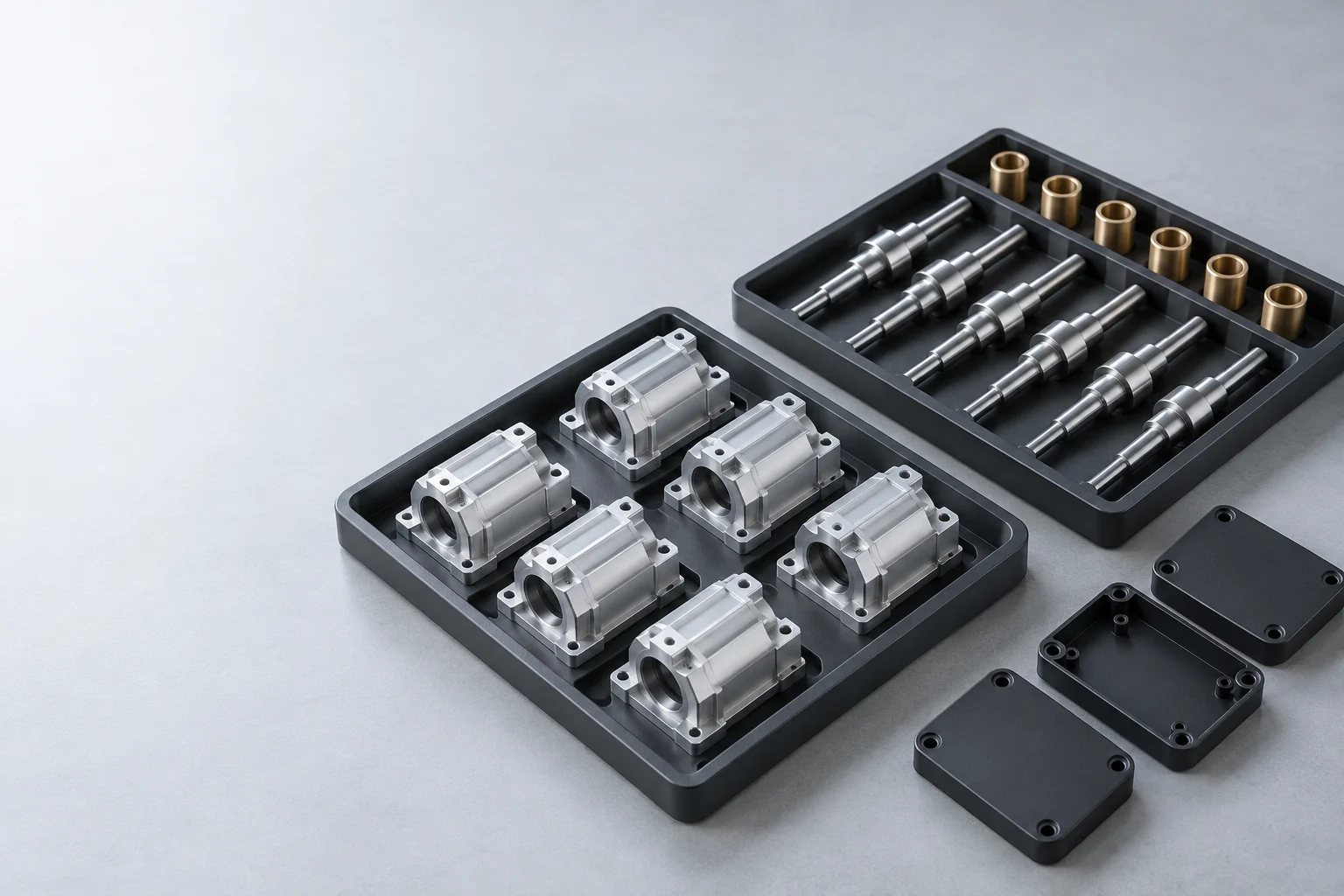
OEM COMPONENT PROGRAMS · DONGGUAN, CHINA
Metal and plastic component production, coordinated from DFM review to repeat orders and delivery.
TOPS Precision supports OEMs, engineering companies and industrial equipment manufacturers worldwide with in-house CNC machining, ダイカスト, sheet metal fabrication and injection molding.
From a prototype or pilot run to recurring orders, we help simplify supplier coordination and manufacture against your approved drawings and specifications.
Share drawings, 年間生産量, 材料, quality requirements and delivery location for an engineering review.
More than individual machining operations
Contract manufacturing lets an original equipment manufacturer outsource a defined scope of component production to a specialist partner. TOPS focuses on custom-engineered metal and plastic parts, connecting manufacturing with production planning, quality verification and international order fulfilment.
Review drawings, 製造可能性, critical features and the production requirements before agreeing a route.
Source the specified grade and condition, review availability and define the required material evidence.
Plan and carry out machining, 鋳造, fabrication or molding for the agreed part numbers and quantities.
Define inspection checkpoints, critical dimensions and acceptance criteria before production begins.
Manufacture recurring orders against approved specifications and clearly identified revisions.
Prepare agreed packaging, order identification and shipping documents, then coordinate delivery arrangements.
Explore our precision manufacturing capabilities for detailed process, material and tolerance information. This page explains how those capabilities support a managed OEM production program.
Core production performed in-house
Choose the manufacturing route for the program, not just the first part. ツーリング, inspection and secondary operations are assessed with the drawing, forecast and expected order pattern.
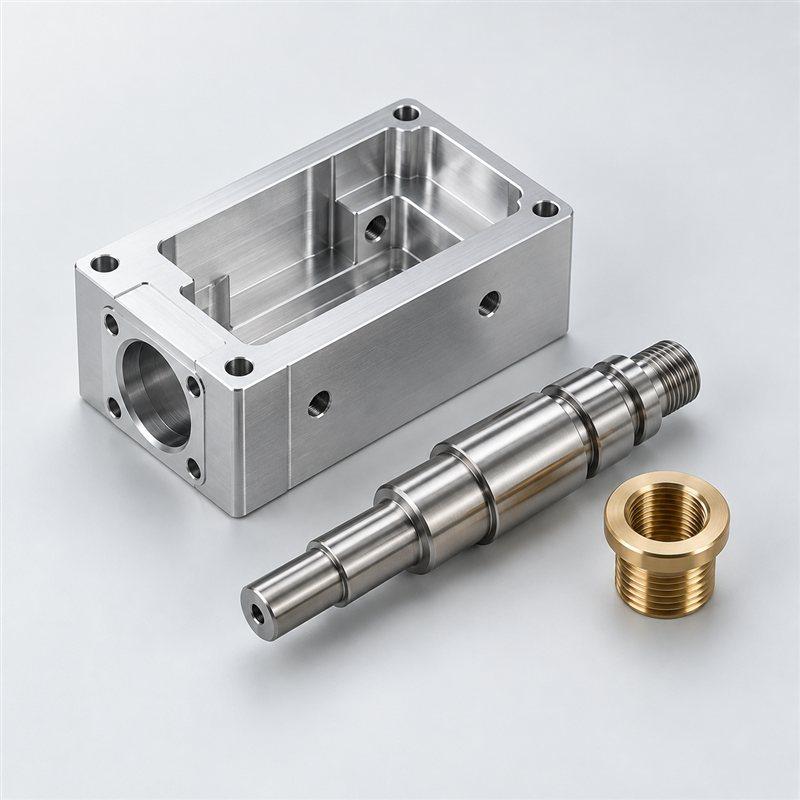 IN-HOUSE CORE PROCESS
Precision milling, turning and secondary machining for repeat OEM components with drawing-defined features.
Program fit: プロトタイプ, 備品, tight-tolerance components and recurring machined parts.
Explore CNC Machining →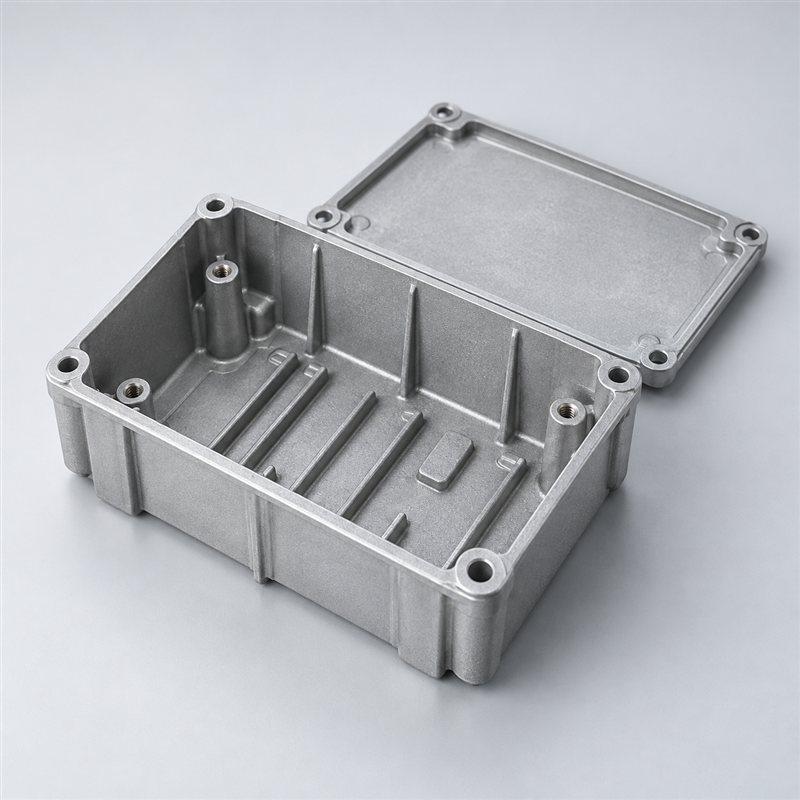 IN-HOUSE CORE PROCESS
ツーリング, casting and post-machining coordinated around a repeat-production metal component program.
Program fit: Aluminum housings, brackets and cast components where tooling economics fit the forecast.
Explore Die Casting →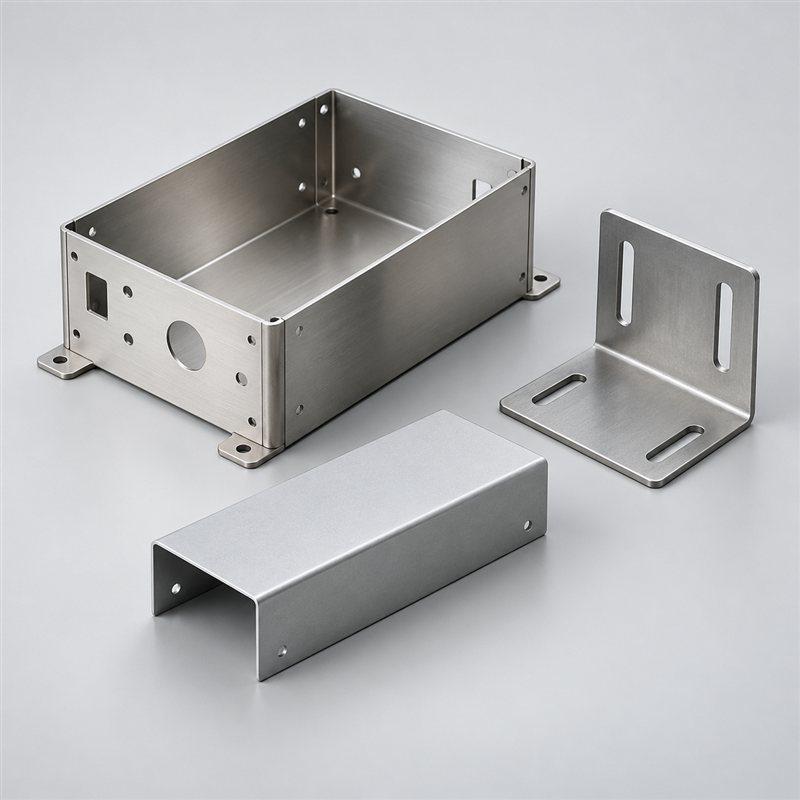 IN-HOUSE CORE PROCESS
切断, 曲げ, forming and fabrication of panels, enclosures and mechanical structures.
Program fit: 機器カバー, 電子機器の筐体, brackets and repeat fabricated assemblies.
Explore Sheet Metal →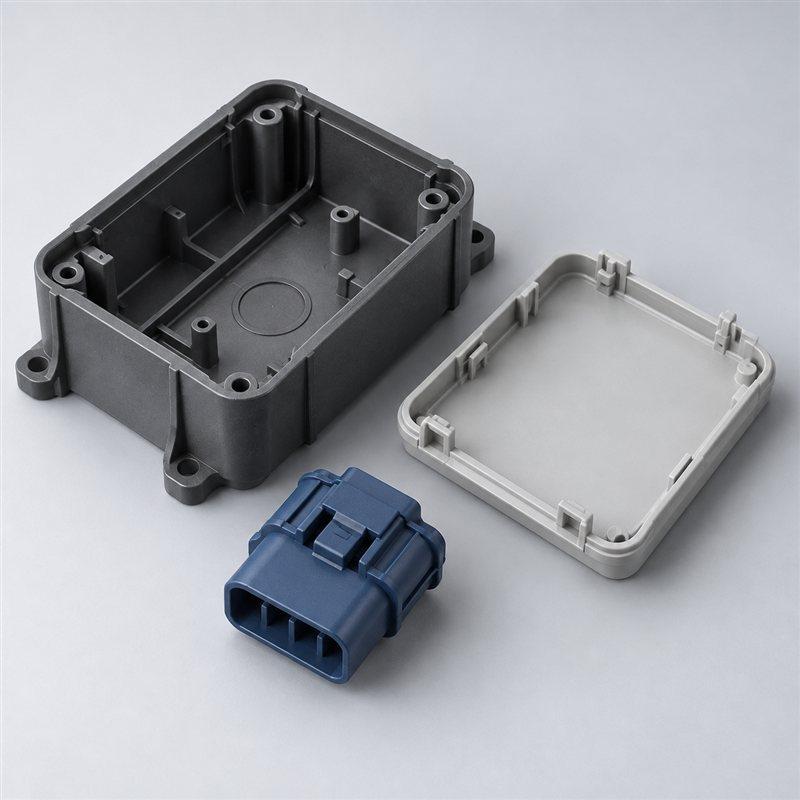 IN-HOUSE CORE PROCESS
Mold development and plastic component production with defined resin, appearance and dimensional requirements.
Program fit: Molded housings, 構造部品, covers and recurring thermoplastic component orders.
Explore Injection Molding →*Tolerances down to ±0.005 mm apply to suitable CNC-machined features after review. They are not a general tolerance for every cast, molded or formed part. Surface-finishing location and any outside processing are identified in the quotation rather than assumed to be in-house.
Make responsibilities visible before an order
A useful outsourcing agreement defines the work, the approval points and the evidence needed to accept a batch. The table below provides the starting framework for that conversation.
| Program activity | TOPS coordination scope | Buyer approval / input |
|---|---|---|
| Engineering review | Drawing and tolerance review, material selection and DFM. | Release current drawings; identify application and critical features. |
| 調達 | Specified raw material procurement, verification requirements and supplier coordination. | Approve grade, condition and any nominated material source. |
| ツーリング | 型, fixture and machining setup preparation where required. | Agree tooling scope, ownership, approval criteria and any changes. |
| Production planning | Quantities, ルーティング, milestones and production scheduling. | Confirm forecast, release quantities and required dates. |
| 製造業 | In-house CNC, 鋳造, molding and sheet metal; agreed secondary operations. | Approve the route and identify any restricted or nominated processes. |
| 品質 | Inspection planning, dimensional checks and agreed material/process records. | Define acceptance criteria, sampling and report requirements. |
| Engineering changes | Review revision changes before implementing a changed specification. | Approve the new revision and disposition of existing stock or WIP. |
| Order fulfilment | 包装, 識別, shipping documents and international delivery coordination. | Confirm destination, packaging requirements and commercial delivery terms. |
CNC加工, ダイカスト, sheet metal fabrication and injection molding are completed in-house at TOPS. The agreed program scope connects these processes with engineering review and quality control.
Raw materials and secondary processes follow the approved specification. Finishing location and any external processing responsibilities are confirmed during quotation, including how requirements and acceptance records are passed between operations.
From a first build to recurring releases
Establish fit, function and the features that control the component’s performance.
範囲: CAD and drawing review, 材料の選択, prototype manufacture and DFM adjustments.
Check the proposed manufacturing route before relying on it for recurring releases.
範囲: 小さなバッチ, tooling or fixture validation where relevant, critical-feature inspection and report review.
Support recurring part orders against a controlled manufacturing baseline.
範囲: Approved drawing revisions, 材料要件, production planning, repeat checks and coordinated shipments.
CNC machining can suit lower quantities or complex features. Die casting and injection molding become attractive when volume, geometry and tooling economics justify them. The production forecast should inform the process decision.
Repeatability is a program requirement
One acceptable prototype is not enough for a recurring program. Quality requirements must connect material, プロセス, critical dimensions and final acceptance across subsequent batches.
Review the specified grade, condition and certificates. Agree incoming checks and traceability requirements.
Verify agreed critical dimensions against the approved drawing and review the first-article record.
Check designated characteristics during production, using intervals and methods suited to the process risk.
Confirm the manufactured parts against the agreed acceptance criteria in the required final condition.
Prepare the agreed dimensional reports, material evidence and batch-related documentation for release.

三次元測定機, optical measurement and suitable gauges are selected around the feature. XRF may support appropriate alloy screening. Specify FAI, 寸法レポート, マテリアル証明書, RoHS documentation and CoC during quotation.
Specify report format, critical characteristics and traceability requirements at RFQ stage. Availability and disclosure of sample inspection records are agreed within the project scope.
ISO 9001:2015 is a quality management system certification. It does not automatically guarantee a particular tolerance or aerospace, medical or automotive approval. Specialist requirements must be identified and agreed for the project.
Keep scope and revisions under control
OEM購入者向け, supply continuity depends on practical decisions: the correct material, an approved revision, defined checks and a schedule that reflects the actual scope.

Review specified alloys and engineering plastics against the forecast. Identify stock condition, procurement lead times and any source restrictions before confirming a schedule.
Agree production milestones, release quantities and required dates. Establish the contact and communication points for order status and changes.
Review material, ツーリング, inspection and WIP effects before implementing a new drawing revision. Agree the effective order or batch and treatment of existing parts.
Reference the approved drawing, 材料, route and inspection requirements on each repeat release. Discuss changes rather than substituting an assumption for approval.
Coordinate heat treatment, 陽極酸化処理, メッキ, powder coating and other agreed operations. Review dimensional effects and which requirements apply after finishing.
Define packaging, part identification, shipping documents and international delivery arrangements. Confirm destination, commercial terms and any special protection needs.
Program-specific arrangements are agreed during quotation. This page does not advertise VMI, consignment stock, blanket purchase-order programs, ERP integrations or guaranteed supply agreements.
Coordinate the finished component
Material and finishing requirements belong in the program scope. State the exact grade, 状態, coating and final inspection requirements rather than relying on a general material family.
| Material category | 例 | Typical application / レビュー |
|---|---|---|
| アルミニウム | 6061, 5052, 7075, A380 | ハウジング, brackets and lightweight components; wrought and casting grades are process-specific. |
| ステンレス鋼 | 304, 316, 17-4 PH | Industrial components and parts requiring specified corrosion resistance. |
| 炭素 / alloy steels | 1045, 工具鋼 | シャフト, fixtures and machine components with agreed condition or hardness. |
| 真鍮 & 銅 | C360, C260, 銅 | 継手, conductive parts and mechanical components. |
| Advanced alloys | チタン, インコネル | Specialized engineering components, subject to exact alloy and route review. |
| エンジニアリングプラスチック | ABS, POM, パソコン, ピーク, ナイロン | ハウジング, 絶縁体, sliding components and other material-appropriate parts. |
We review how secondary operations affect fit, surface condition and acceptance. Finishing location and any external process responsibilities are confirmed with the quotation.
Defined component scope for industrial buyers
Metal housings, brackets and drivetrain-related mechanical components.
Explore Automotive Components →機械部品, 備品, frames and specified mechanical assemblies.
Explore Industrial Automation →Actuator components, ジョイント, grippers and precision motion-system parts.
Explore Automation Applications →機械的ハウジング, mounting components and precision fixtures.
Explore Medical Components →Structural and mechanical components, subject to the applicable project requirements.
Explore Aerospace Machining →Power-equipment components, enclosures and mounting systems.
Explore Electronics Applications →Applications describe component families, not a claim of industry-specific certification or product approval. Actual customer projects and any special requirements should be reviewed separately.
Make the sourcing decision easier
A long-term manufacturing relationship needs visible responsibilities and evidence. These are the buyer concerns we work through when defining the program.
| Customer concern | TOPS response | Evidence to agree |
|---|---|---|
| Too many suppliers | Coordinate CNC, 鋳造, sheet metal and molding through one supplier relationship. | A defined part list, scope of supply and named contact for the program. |
| Difficult-to-machine components | Apply DFM and multi-axis machining to review critical geometry. | An agreed manufacturing route and clarified critical features. |
| Prototype-to-production transition | Review the production method as demand and design maturity change. | Prototype and pilot acceptance criteria before repeat production. |
| Dimensional inconsistency | Define inspection requirements and production checkpoints. | An agreed inspection plan, first-article record and required reports. |
| Complex materials and finishes | Coordinate material sourcing and secondary processing. | Approved grade, 状態, coating and final-condition requirements. |
| Overseas communication | Identify a contact for technical and commercial coordination. | Clear drawing revision, milestones and order-status communication points. |
| Repeated purchase orders | Manufacture against controlled, approved specifications. | Part numbers, 改訂, release quantities and change approvals. |
Review relevant process and equipment information, agree inspection records, and request a redacted report sample or an approved project example where available. Customer names, testimonials and performance statistics require permission and supporting records.
Evidence that belongs to your business
See how an OEM component program can connect the drawing, manufacturing route, inspection requirements and repeat-order plan.
PROGRAM EXAMPLE 1
An aluminum housing program connects material selection, machined interfaces, finishing and the inspection plan before repeat releases.
MANUFACTURING ROUTE EXAMPLEDefine the aluminum grade, release quantity, critical interfaces, 仕上げ, 検査方法, drawing revision and repeat-order requirements.
PROGRAM EXAMPLE 2
A cast component program connects tooling approval, the casting route and secondary machining of critical interfaces.
MANUFACTURING ROUTE EXAMPLEDefine alloy, tooling responsibility, casting route, machining datums, acceptance criteria, annual quantity and final finish.
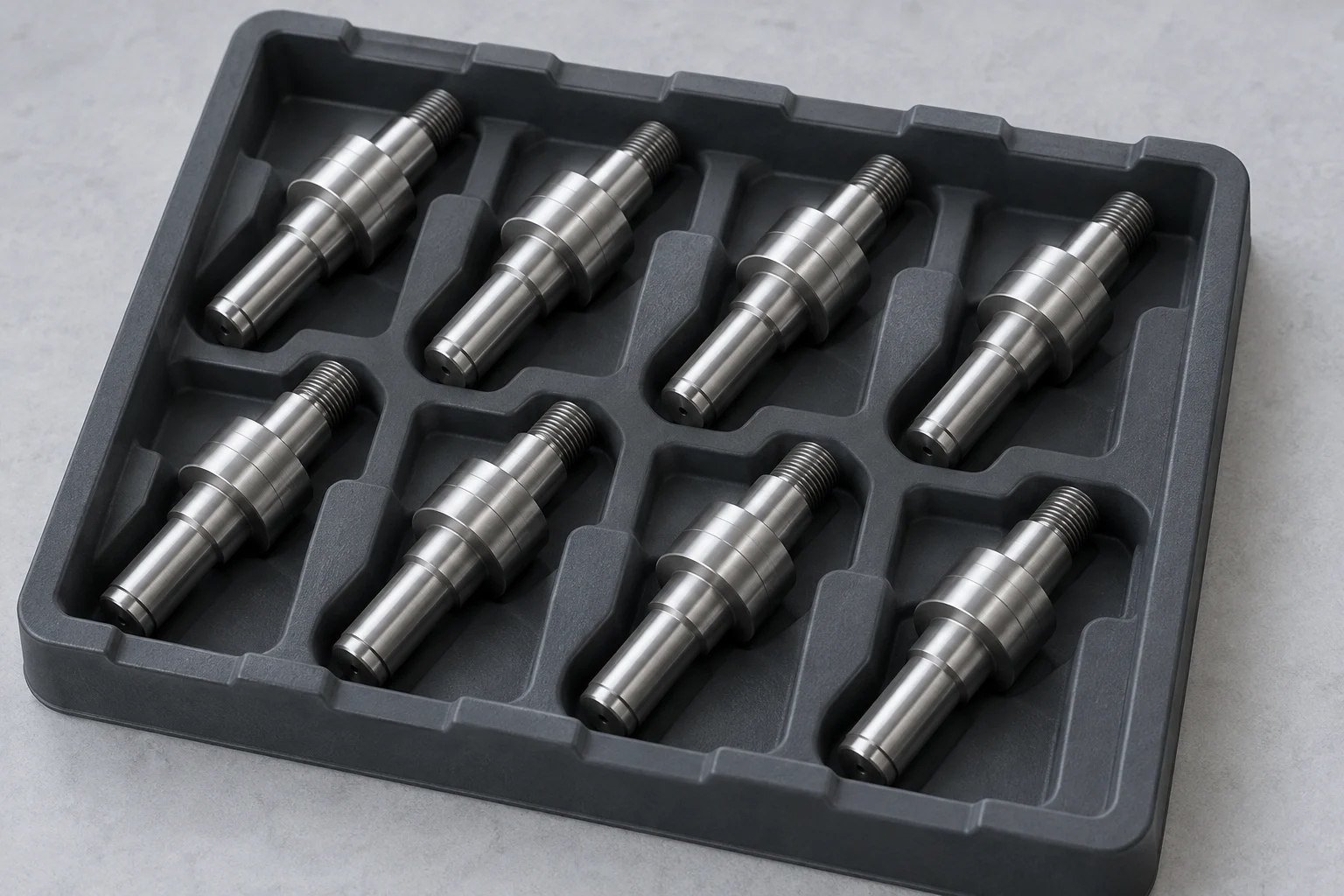
PROGRAM EXAMPLE 3
A repeat component program connects the approved drawing revision, batch quantities and designated inspection checkpoints.
MANUFACTURING ROUTE EXAMPLEDefine material, release quantities, 年間需要, 重要な寸法, approved revision, inspection checkpoints and packaging.
From requirements to a released batch
Share drawings, part numbers and revisions, 材料, annual quantities, tolerances and quality requirements.
Evaluate manufacturability, プロセス, tooling needs and the technical and commercial scope.
Confirm pricing, estimated lead times, 仕様, documentation and production responsibilities.
Arrange approved materials, ツーリング, 備品, inspection requirements and the production plan.
Produce the components and verify the agreed critical characteristics using the approved plan.
Complete final acceptance, part identification, packaging and the agreed shipping arrangements.
Direct answers for sourcing teams
Contract manufacturing is an arrangement in which an OEM outsources defined production responsibilities to a manufacturing partner. The scope can include material procurement, ツーリング, component production, 検査, secondary processing and delivery. A useful manufacturing agreement identifies the approved drawings, quality responsibilities, deliverables and change-approval process. TOPS focuses on custom-engineered metal and plastic components rather than making an undefined promise to supply every type of finished product.
TOPS Precision provides CNC machining, ダイカスト, sheet metal fabrication and plastic injection molding in-house. Contract manufacturing support includes engineering and DFM review, material procurement, production preparation, inspection planning and coordination of repeat orders and delivery. The quotation identifies the agreed scope, required documentation, secondary operations and any outside processing so responsibility is clear before production starts.
Precision manufacturing describes making components to defined dimensional, material and surface requirements. Contract manufacturing describes the wider outsourcing relationship: who procures materials, prepares tooling, controls revisions, manufactures, verifies quality and fulfils recurring orders. TOPS’s precision manufacturing page explains technical processes and tolerances; this page explains how those capabilities are coordinated for an OEM production program.
はい. TOPS supports custom metal and plastic components manufactured to customer-approved drawings and specifications. Send the intended application, 図面の修正, material grade, critical dimensions and expected demand. Engineering review establishes the manufacturing route and acceptance requirements; the quotation then defines tooling, 生産, inspection and delivery responsibilities. Product design ownership, confidentiality and tooling ownership should be agreed where relevant rather than assumed.
はい. TOPS combines in-house CNC machining, ダイカスト, sheet metal fabrication and injection molding for metal and plastic component programs. Each part is assessed separately for material behavior, ツーリング, geometry and inspection. Where a project includes several part numbers, provide a part list with quantities and drawing revisions so the scope and dependencies can be reviewed together. Secondary processing responsibilities are identified in the quotation.
はい. TOPS supports prototypes, pilot or low-volume batches and repeat production. Early builds establish fit, function and critical requirements. Pilot production reviews the proposed manufacturing route and inspection checkpoints. Subsequent orders follow the approved specification and revision. Tooling is considered when geometry and demand justify its cost; not every lower-volume component needs a casting or injection mold.
TOPS uses material verification, 最初の商品検査, in-process measurement and final dimensional inspection according to the project’s agreed quality requirements. 三次元測定機, optical measurement and suitable gauges are selected around the characteristics being checked. 材料証明書, ファイ, 寸法レポート, RoHS documentation and CoC are specified during quotation. ISO 9001:2015 concerns quality management; it does not automatically establish a particular tolerance or a specialist industry approval.
The current approved drawing and revision are identified before manufacture. A proposed change is reviewed for effects on material, ツーリング, features, 検査, work in progress, cost and schedule. The revised scope should be approved before changed parts are produced. Buyers should state the effective order or batch and how existing stock or work in progress is to be handled; those decisions are not assumed from a new drawing alone.
はい. 仕上げ, 検査, packaging and international delivery can be included in the agreed manufacturing scope. Specify coating type and thickness, マスクされた領域, final-condition inspection, 梱包, documentation and shipping destination. Any outside secondary processing should be identified with the manufacturing responsibilities. Incoterms, freight arrangements and delivery schedules are confirmed in the quotation or order; the page does not promise a fixed lead time or guaranteed delivery for every project.
Provide your 2D drawings and 3D models, part numbers and revisions, material grades, quantity per release and expected annual demand, 公差, 終わります, quality documents, target delivery dates and destination. For a multi-part program, include a BOM or part list and identify assembly or packaging requirements. Note confidentiality or tooling-ownership requirements early. ステップ, STP, IGES, PDF, DWG and DXF are suitable starting formats for review.
Start with the program, not just the part
Share the drawing and the production context. We will review the process, 材料, quality requirements and responsibilities needed to quote your OEM program.
ステップ | STP | IGES | PDF | dwg | DXF
Discuss confidentiality early.
State any NDA, drawing-handling or tooling-ownership requirements before sending restricted project information.
Prefer email?
info@tops-precision.com