

Quick Answer
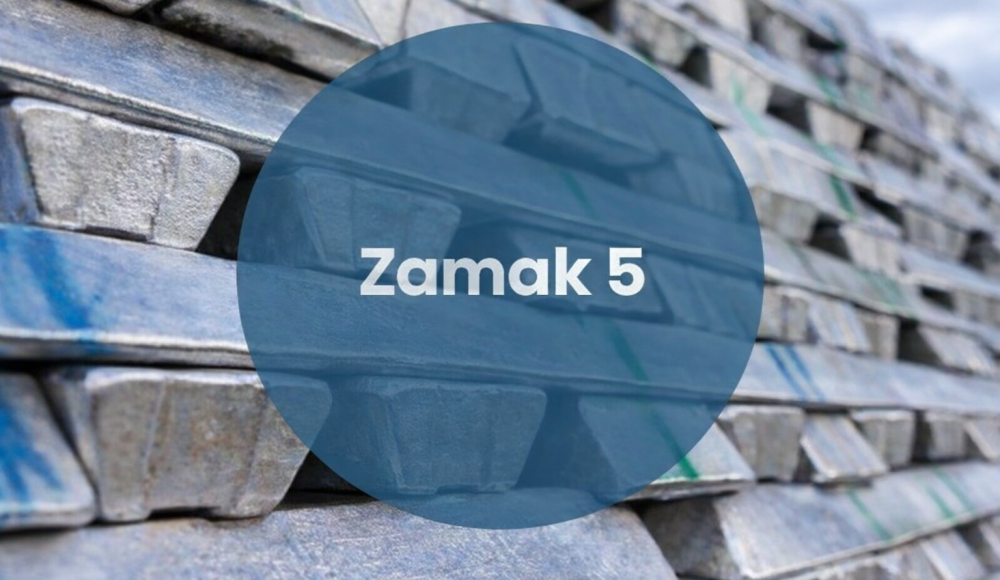
重荷 5 is a zinc-based alloy widely used in ダイカスト due to its excellent strength, 硬度, 寸法安定性. Compared to other Zamak alloys, it contains higher copper content, which enhances wear resistance and mechanical performance. It is commonly used in automotive, エレクトロニクス, ハードウェア, and lighting applications where precision and durability are required.
導入
重荷 5 is one of the most widely used zinc alloys in high-volume die casting applications. Known for its balance of 強さ, castability, とコスト効率, it has become a preferred material across industries such as automotive, エレクトロニクス, and construction hardware.
What sets Zamak 5 apart is its enhanced copper content, which improves hardness and wear resistance compared to other Zamak alloys like Zamak 3. This makes it suitable for components that require both structural integrity and long-term durability.
このガイドでは, we will explore the composition, physical and mechanical properties, 利点, アプリケーション, and selection considerations of Zamak 5—helping engineers and buyers make informed decisions.
Composition of Zamak 5
Chemical Composition Overview
重荷 5 is primarily composed of zinc, with carefully controlled additions of alloying elements:
| 要素 | Percentage | 関数 |
| 亜鉛 (亜鉛) | 94.39% – 95.75% | Base metal providing structure |
| アルミニウム (アル) | 3.9% – 4.3% | Improves strength and hardness |
| 銅 (銅) | 0.75% – 1.25% | Enhances wear resistance and tensile strength |
| マグネシウム (マグネシウム) | 0.03% – 0.06% | Improves mechanical stability |
| Trace Elements | 最小限 | Controlled to maintain quality |
Role of Key Elements
亜鉛: Forms the foundation of the alloy, enabling excellent castability
アルミニウム: Strengthens the alloy and improves hardness
銅: The key differentiator—boosts durability and wear resistance
マグネシウム: Enhances structural integrity and reduces brittleness
👉 Engineering Insight:
Even small variations in composition can significantly affect performance, especially in high-precision applications.
Physical Properties of Zamak 5
重荷 5 offers a combination of thermal, 電気, and structural characteristics:
| 財産 | 価値 | Engineering Significance |
| 密度 | 6.6 g/cm3 | Suitable for lightweight yet strong components |
| 融点 | 380–386 °C | Enables efficient die casting |
| 熱伝導率 | 109 W/m・K | Good heat dissipation |
| 電気抵抗率 | 6.54 µΩ·cm | Moderate electrical performance |
| 熱膨張 | 27.4 µm/m·°C | Important for dimensional stability |
Why These Properties Matter
熱伝導率 supports heat dissipation in electronic housings
低融点 reduces manufacturing energy costs
Dimensional stability ensures precision in complex parts
Mechanical Properties of Zamak 5
重荷 5 is known for its strong mechanical performance:
| 財産 | 価値 | 意味 |
| 抗張力 | 331 MPa | Resistance to pulling forces |
| 降伏強さ | 295 MPa | Resistance to permanent deformation |
| 硬度 | 91 HB | 耐摩耗性 |
| 衝撃強度 | 52 j | Ability to absorb sudden forces |
| 疲労強度 | 57 MPa | Performance under repeated stress |
Interpretation for Real Applications
高い 抗張力 → suitable for load-bearing parts
良い 硬度 → ideal for wear-resistant components
適度 延性 → less flexible than Zamak 3
Key Advantages of Zamak 5
1. High Strength and Hardness
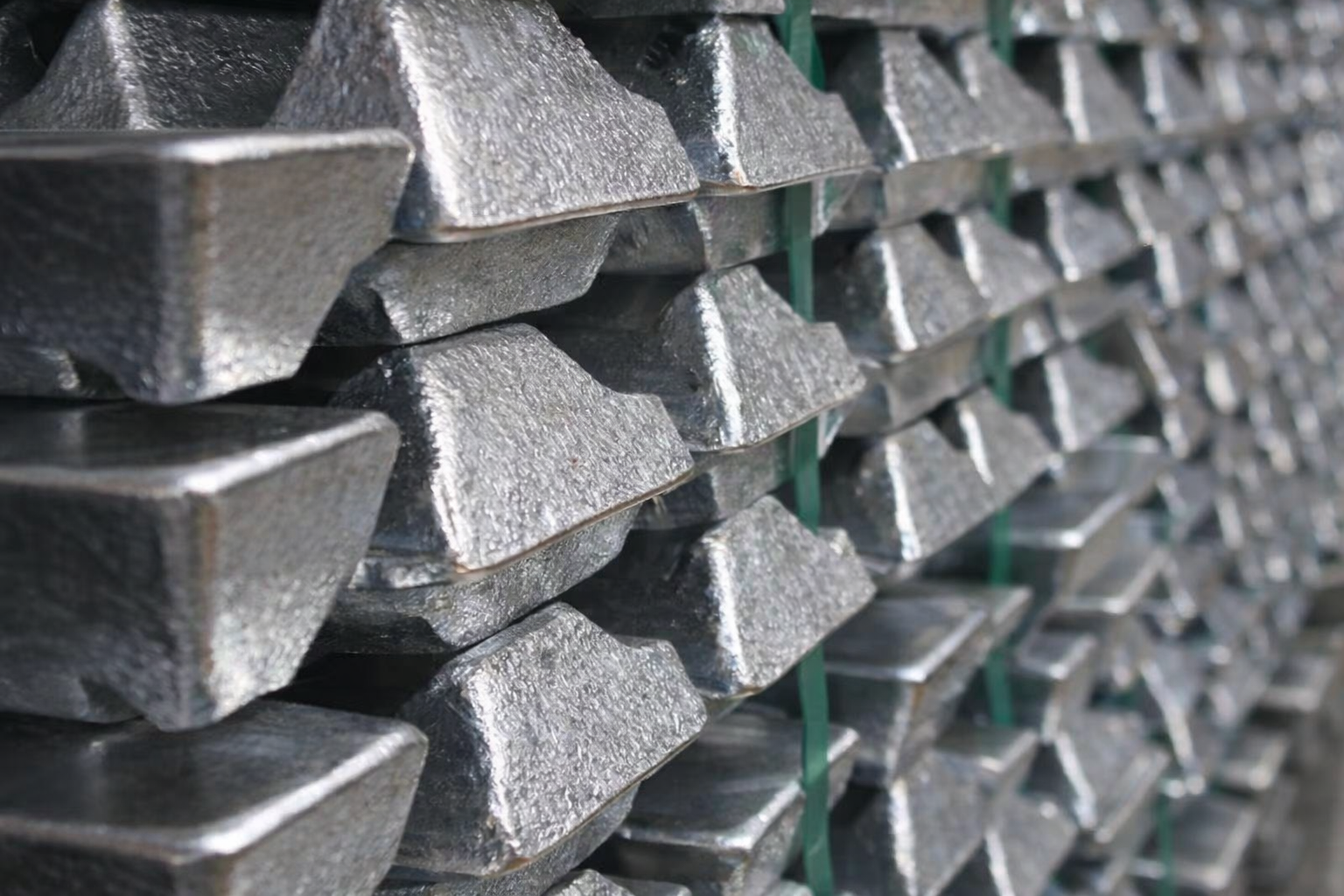
The addition of copper improves strength by approximately 10% compared to Zamak 3, making it ideal for demanding applications.
2. Good Corrosion Resistance
重荷 5 performs well in both indoor and moderate outdoor environments, especially when combined with surface treatments.
3. 優れた被削性
The alloy supports secondary operations such as drilling, たたく, and precision machining.
4. Superior Castability
低融点
High fluidity
👉 Enables complex shapes and thin-wall designs
5. 寸法安定性
Maintains tight tolerances even under temperature variation and mechanical stress.
Applications of Zamak 5
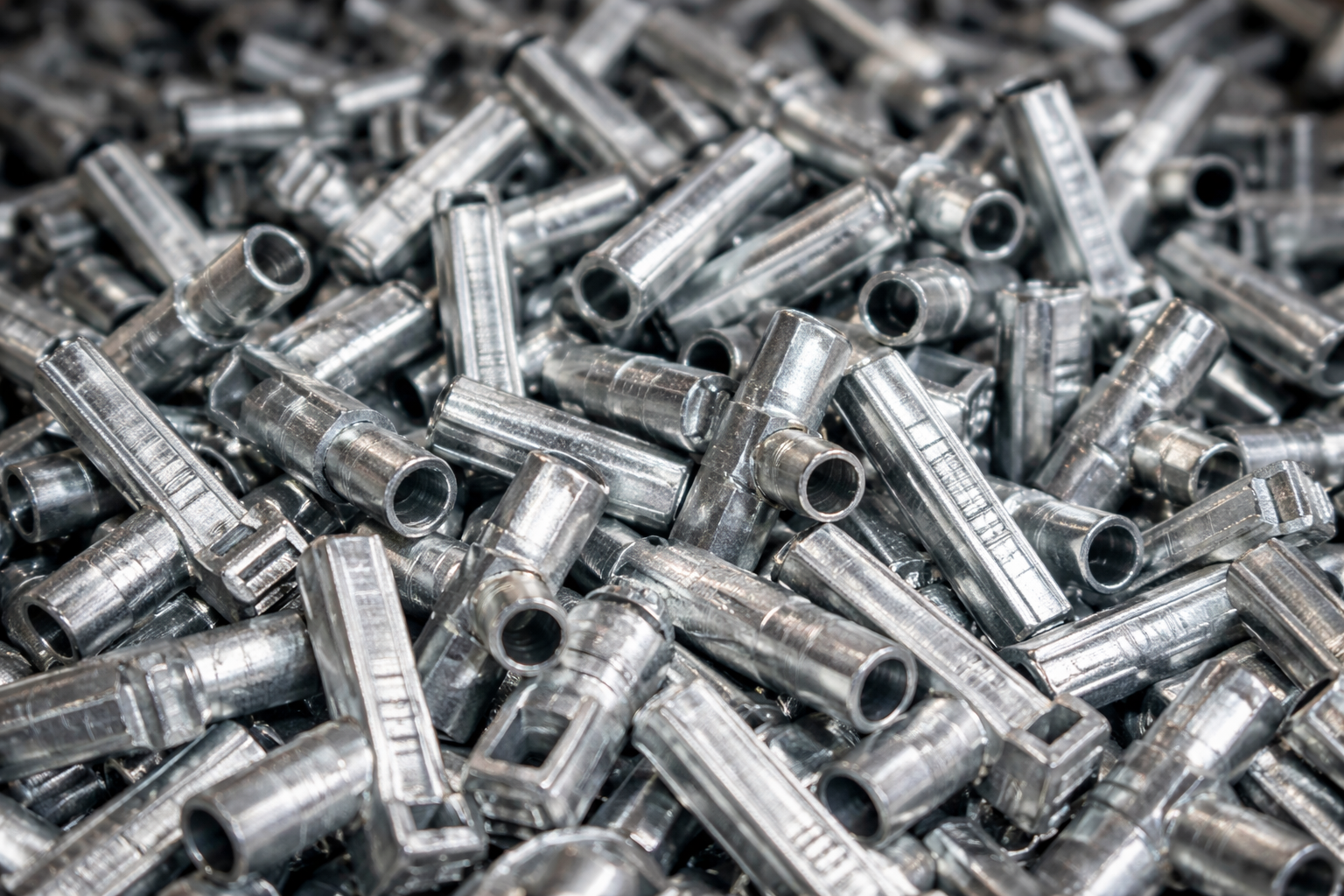
1. 自動車部品
で使用されます:
ドアハンドル
Lock systems
Gear housings
👉 Reason: 高強度 + 耐摩耗性
2. 電子ハウジング
Protective enclosures
コントロールパネル
👉 Benefit: EMI shielding + dimensional precision
3. 装飾ハードウェア
Bathroom fittings
Furniture hardware
Architectural trims
👉 Advantage: Easy plating + 美的仕上げ
4. 航空宇宙 (Non-Structural Parts)
ブラケット
Interior fittings
👉 Benefit: 軽量 + 精度
5. 照明器具
LED housings
構造コンポーネント
👉 Benefit: Heat dissipation + design flexibility
重荷 5 vs Zamak 3
| 財産 | 重荷 5 | 重荷 3 |
| 強さ | より高い | より低い |
| 硬度 | より高い | 適度 |
| 延性 | より低い | より高い |
| 耐摩耗性 | より良い | 適度 |
👉 結論:
選ぶ 重荷 5 for strength and durability
選ぶ 重荷 3 for flexibility and formability
Limitations of Zamak 5
Not suitable for high-temperature environments
Lower ductility compared to some alloys
Potential brittleness under extreme stress
👉 Understanding limitations improves design reliability
表面仕上げ & Plating Compatibility
重荷 5 offers excellent surface finishing capabilities:
Common Finishes:
ニッケルメッキ
クロムメッキ
パウダーコーティング
絵画
なぜそれが重要なのか:
耐食性を改善します
Enhances appearance
Extends product lifespan
👉 Manufacturing Insight:
High-quality surface preparation and plating control are essential for achieving consistent results.
How to Choose Zamak 5 for Your Project
Consider the Following:
- Mechanical Requirements
High strength needed → Zamak 5 is suitable
- 環境条件
Humidity or corrosion → apply protective coatings
- 設計の複雑さ
Complex shapes → excellent die casting performance
- コストに関する考慮事項
Balance between performance and budget
結論
重荷 5 is a versatile and high-performance zinc alloy that offers an excellent balance of strength, castability, コスト効率. Its enhanced copper content makes it particularly suitable for applications requiring durability and wear resistance.
For engineers and buyers, selecting the right material is critical. 重荷 5 stands out as a reliable choice for complex, high-precision components across multiple industries.
If your project requires precision die-cast components, custom machining, or advanced surface finishing, working with an experienced manufacturer can significantly improve product performance and consistency.
よくある質問
1. What makes Zamak 5 stronger than Zamak 3?
The addition of copper increases strength and hardness.
2. Is Zamak 5 機械加工が簡単?
はい, it supports various machining processes with good precision.
3. Can Zamak 5 be electroplated?
はい, it has excellent plating compatibility and surface finish quality.
4. What industries use Zamak 5?
自動車, エレクトロニクス, ハードウェア, 航空宇宙, and lighting industries.
5. What are its main limitations?
It is not suitable for high-temperature applications and has lower ductility.