



على عكس المزيد من التشكيلات الزخرفية, يتميز صب التجويف عادةً بـ مقعر, الملف الشخصي التقويس إلى الداخل. هندستها البسيطة نسبيًا تجعلها مناسبة لكل من التطبيقات القياسية والمخصصة للغاية. اعتمادا على المشروع, يمكن تصنيع قالب التجويف من الخشب, يمول, بولي كلوريد الفينيل, البولي يوريثان, الألومنيوم, الفولاذ المقاوم للصدأ, وغيرها من المواد.
للمصنعين, مصنعي المعدات الأصلية, شركات الأثاث, المقاولون, ومصممي المنتجات, يتضمن اختيار القالب المناسب أكثر من مجرد اختيار ملف تعريف مرئي. خصائص المواد, أبعاد, التسامح, عمليات التصنيع, الانتهاء من السطح, حجم الإنتاج, متطلبات الأدوات, وطريقة التثبيت يمكن أن تؤثر جميعها على النتيجة النهائية.
يشرح هذا الدليل ما هو صب كوف, المواد والأنواع الأكثر شيوعا, كيف يتم تصنيعها, ما يمكن تخصيصه, وكيفية اختيار الشركة المصنعة لقوالب التجويف الموثوقة.
ما هو صب كوف?
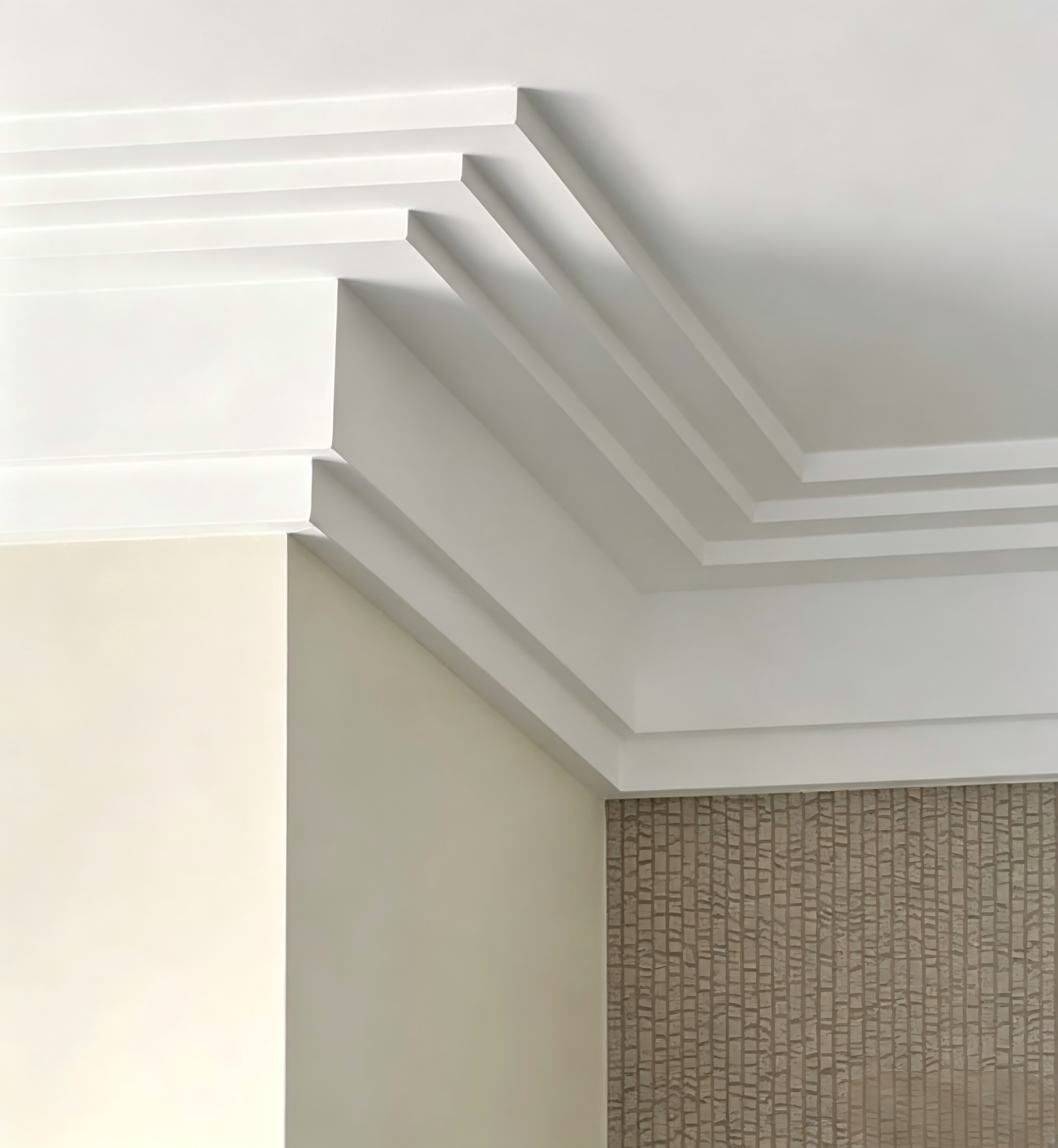
صب كوف هو عبارة عن قطع أو ملف تعريف مع أ سطح منحني مقعر, يستخدم عادة لإنشاء انتقال سلس بين سطحين متقاطعين.
أحد تطبيقاته الأكثر شهرة هو عند التقاطع بين الجدار والسقف. لكن, يتم أيضًا استخدام صب التجويف على نطاق واسع حول الخزانات, أثاث, رفوف, الهياكل المضمنة, أبواب, النوافذ, واللوحات الزخرفية.
يميز المنحنى الداخلي صب التجويف عن صب ربع دائري, والتي لديها منحنى خارجي محدب. بسبب شكلها المقعر, يمكن لقولبة التجويف أن تخلق خط ظل دقيق مع تجنب المظهر الأثقل للزخرفة المعمارية المتقنة.
صب كوف متاح في العديد من الأحجام والمواد. قد تكون المنتجات القياسية متاحة للتطبيقات الشائعة, بينما يمكن تطوير ملفات التعريف المخصصة من الرسومات الهندسية, ملفات CAD, العينات المادية, أو متطلبات التطبيق.
لمحات بلاستيكية مخصصة, يمكن للمصنعين إنتاج مقاطع عرضية مستمرة لأبعاد محددة ومتطلبات المواد من خلال البثق.
ما هو استخدام صب كوف?
تشمل التطبيقات الشائعة:
- التحولات من الجدار إلى السقف
- تزيين الخزانات والأثاث
- الحواف العلوية والسفلية للخزانة
- رفوف وأثاث مدمج
- تقليم الباب والنافذة
- لوحات الحائط الزخرفية
- التشطيب الداخلي المعماري
- المعدات والضميمة تقليم
- تشطيب الحافة الواقية
- مكونات OEM مخصصة
وبالتالي يمكن أن يخدم الملف الشخصي إما بشكل أساسي وظيفة زخرفية, وظيفة وظيفية, أو كليهما.
كوف صب مقابل. ملامح صب أخرى
يعد فهم هندسة الملف الشخصي أمرًا مهمًا عند تحديد قالب مخصص.
كوف صب مقابل. صب ربع دائري
صب كوف لديه الداخل, منحنى مقعر, في حين أن القالب ربع الدائري له مظهر خارجي, منحنى محدب.
غالبًا ما يتم اختيار قالب التجويف عندما يكون الهدف هو إنشاء انتقال بصري غائر أو خط ظل. يُستخدم القالب ربع الدائري عمومًا لتغطية أو تنعيم الحافة أو الزاوية الخارجية.
كوف صب مقابل. صب التاج
عادة ما يكون صب التاج أكثر تفصيلاً وقد يشتمل على منحنيات متعددة, خطوات, أو الميزات الزخرفية. يتميز قالب Cove بمظهر مقعر أبسط.
وهذا يجعل القولبة المجوفة مفيدة بشكل خاص عندما يتطلب المشروع التنظيف, انتقال بسيط بدلاً من المظهر المعماري المزخرف.
أنواع صب كوف
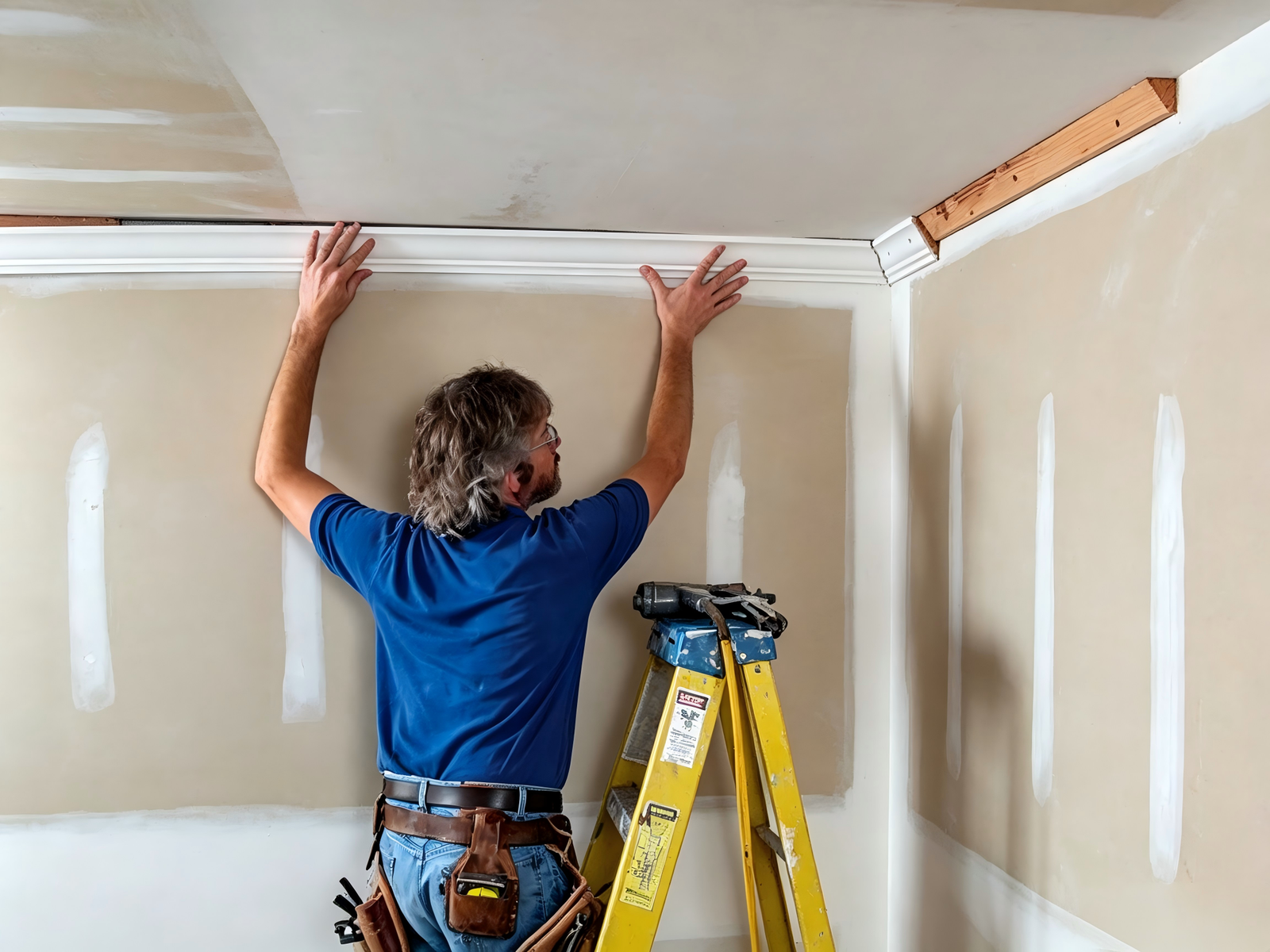
أفضل نوع من صب كوف يعتمد على المظهر المطلوب, بيئة, الأداء الميكانيكي, حجم الإنتاج, والميزانية.
صب الخشب كوف
يعد الخشب أحد المواد التقليدية المستخدمة في صناعة الأثاث والهندسة المعمارية.
يمكن أن تشمل أنواع الخشب الشائعة الصنوبر, للملوثات العضوية الثابتة, بلوط, القيقب, الكرز, وغيرها من الأخشاب الصلبة أو الأخشاب اللينة, اعتمادا على التطبيق.
مزايا
- المظهر الطبيعي
- خصائص التصنيع الجيدة
- يمكن رسمها أو تلطيخها
- مناسبة للأثاث والخزائن
- متوفر في العديد من أنواع الخشب
- يمكن مطابقتها مع المكونات الخشبية الموجودة
محددات
يمكن أن يتأثر الخشب بالرطوبة, التغيرات في درجات الحرارة, والظروف البيئية. لذلك ينبغي أخذ حركة الأبعاد بعين الاعتبار عند تركيب القالب في البيئات الرطبة أو الخارجية.
يعتبر صب الخشب مناسبًا بشكل خاص عندما يكون المظهر الطبيعي والتوافق مع الأثاث الخشبي أو العناصر المعمارية أمرًا مهمًا.
صب كوف MDF
اللوح الليفي متوسط الكثافة, أو يمول, هو خيار شائع آخر للتطبيقات الداخلية.
يوفر MDF سطحًا أملسًا وموحدًا نسبيًا وهو مناسب بشكل خاص عند طلاء القالب النهائي.
مزايا
- فعالة من حيث التكلفة
- هيكل مادي موحد
- سطح أملس
- سهلة الآلة
- مناسبة للتطبيقات المطلية
- مظهر متناسق
محددات
لا يعد MDF القياسي الخيار الأفضل لبيئات الرطوبة العالية. يمكن اعتبار MDF المتخصص المقاوم للرطوبة عندما يكون التعرض البيئي أعلى.
صب البلاستيك كوف
يمكن أن يوفر صب التجويف البلاستيكي مزيجًا مفيدًا من اتساق الأبعاد, مقاومة الرطوبة, متانة, ومرونة التصميم.
حسب الأداء المطلوب, قد يستخدم المصنعون مواد مثل PVC, عضلات المعدة, ص, بي, الكمبيوتر, PMMA, TPE, تي بي يو, أو غيرها من اللدائن الحرارية الهندسية. عادةً ما يقوم مصنعو المقاطع البلاستيكية المخصصة باختيار الراتينج وفقًا لمتطلبات مثل المرونة, مقاومة التأثير, مقاومة الأشعة فوق البنفسجية, المقاومة الكيميائية, مظهر, والتكلفة.
مزايا
- مقاومة ممتازة للرطوبة للمواد المناسبة
- اتساق الأبعاد جيدة
- مجموعة واسعة من الألوان
- مناسبة لإنتاج الملف الشخصي المستمر
- المقاطع العرضية المخصصة
- مناسبة للتطبيقات الداخلية والخارجية, اعتمادا على المواد
- يمكن أن تدعم القطع والتصنيع الثانوي
لذلك يمكن أن يكون صب القوالب البلاستيكية خيارًا قويًا للأثاث, الخزائن, بناء, إضاءة, التصميمات الداخلية للسيارات, المعدات الصناعية, والتطبيقات الأخرى التي تتطلب ملفات تعريف متسقة.
صب المعادن كوف
يمكن تصنيع قوالب التجويف المعدني من الألومنيوم, الفولاذ المقاوم للصدأ, أو غيرها من المعادن المناسبة.
عادة ما يتم اختيار الملامح المعدنية عند القوة, متانة, المقاومة للتآكل, الأداء الحراري, أو مطلوب مظهر معين.
صب كوف الألومنيوم
يوفر الألومنيوم مزيجًا جيدًا من الوزن المنخفض, المقاومة للتآكل, قوة, والمظهر.
تشمل خيارات التشطيب النموذجية:
- أنودة
- طلاء مسحوق
- تلوين
- تنظيف الأسنان بالفرشاة
- تلميع
صب كوف الفولاذ المقاوم للصدأ
الفولاذ المقاوم للصدأ مناسب للتطبيقات التي تتطلب مقاومة أعلى للتآكل, متانة, أو مظهر معدني متميز.
يمكن استخدامه في التصميمات الداخلية التجارية, المشاريع المعمارية, مطابخ, معدات, وغيرها من البيئات الصعبة.
مواد صب كوف: كيفية اختيار الحق
يجب أن يعتمد اختيار المواد على بيئة التشغيل الفعلية بدلاً من المظهر وحده.
| مادة | المزايا الرئيسية | التطبيقات النموذجية |
| خشب | المظهر الطبيعي, قابل للبقع, يمكن تشكيله | أثاث, الخزائن, التصميمات الداخلية |
| يمول | اقتصادية, سلس, قابل للطلاء | تقليم داخلي, أثاث |
| بولي كلوريد الفينيل | مقاومة الرطوبة, خيارات المواد المرنة | بناء, مطابخ, الحمامات |
| عضلات المعدة | مقاومة التأثير, مظهر, قابلية المعالجة | الأثاث والمكونات الصناعية |
| الألومنيوم | وزن خفيف, متين, مقاومة للتآكل | التطبيقات المعمارية والصناعية |
| الفولاذ المقاوم للصدأ | متانة عالية ومقاومة للتآكل | التطبيقات التجارية والصناعية |
عند اختيار مادة, يعتبر:
- درجة حرارة التشغيل
- الرطوبة والتعرض للماء
- التعرض للأشعة فوق البنفسجية
- التعرض الكيميائي
- التأثير والارتداء
- الصلابة أو المرونة المطلوبة
- المظهر السطحي
- متطلبات أداء النار
- عمر الخدمة المتوقع
- كمية الإنتاج
- التكلفة المستهدفة
لقذف البلاستيك المخصص, عادةً ما يتم أخذ اختيار المواد في الاعتبار جنبًا إلى جنب مع هندسة المظهر الجانبي ومتطلبات الإنتاج لأن الراتينج يؤثر على المرونة, قوة, مظهر, سلوك المعالجة, والأداء على المدى الطويل.
كيف يتم تصنيع قوالب كوف?
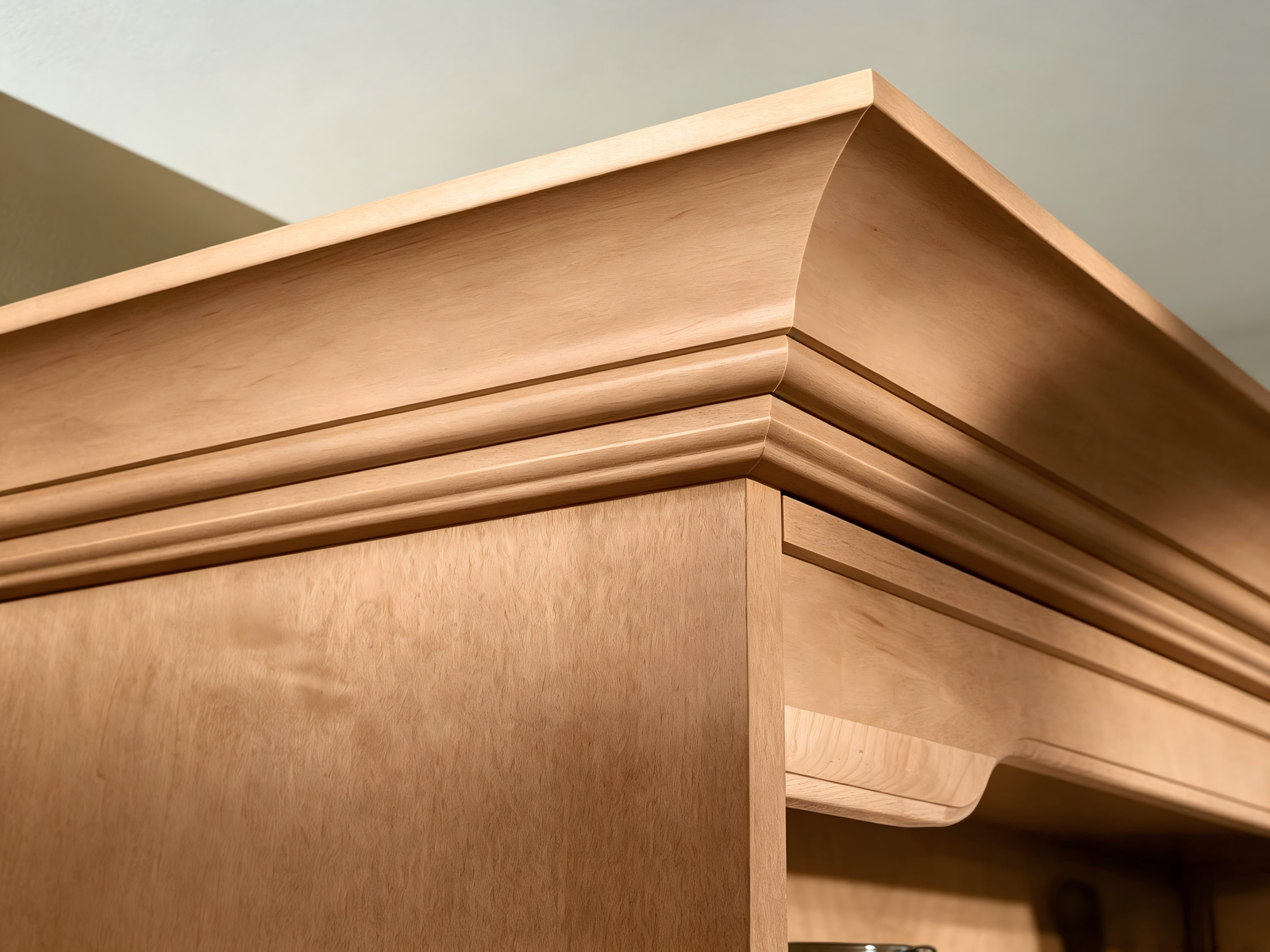
تعتمد عملية التصنيع بشكل كبير على المواد المختارة وهندسة المظهر الجانبي.
يمكن تشكيل مقطع خشبي بسيط باستخدام أجهزة التوجيه أو القوالب, بينما يمكن تصنيع المقاطع البلاستيكية المستمرة من خلال البثق. قد تتطلب التشكيلات المعدنية التشكيل, قذف, ختم, بالقطع, أو مجموعة من العمليات.
يتضمن سير عمل التصنيع المخصص النموذجي المراحل التالية.
خطوة 1: قم بمراجعة متطلبات التصميم
تقوم الشركة المصنعة أولاً بمراجعة العميل:
- 2د الرسم الهندسي
- 3نموذج D CAD
- العينة المادية
- أبعاد الملف الشخصي
- متطلبات المواد
- التسامح
- الانتهاء من السطح
- الطول المطلوب
- الحجم السنوي
- متطلبات التطبيق
إذا كان الرسم غير متوفر, قد تكون العينة أو الرسم التفصيلي في بعض الأحيان كافية لتقييم الجدوى الأولي.
خطوة 2: تصميم الملف الشخصي ومراجعة سوق دبي المالي
للمشاريع المخصصة, تقوم الشركة المصنعة بتقييم المقطع العرضي قبل بدء الأدوات أو الإنتاج.
وتشمل الاعتبارات الهامة:
- سمك الجدار
- نصف القطر الداخلي والخارجي
- التماثل الشخصي
- زوايا حادة
- مسودة أو متطلبات التشكيل
- تدفق المواد
- متطلبات القطع
- طريقة التجميع
- تحمل الأبعاد
لقذف البلاستيك, يعد المقطع العرضي للملف مهمًا بشكل خاص لأن قالب البثق يجب أن يعيد إنتاج الشكل الهندسي المطلوب بشكل ثابت طوال الإنتاج المستمر.
يمكن لمصنعي البثق المحترفين دعم العملاء بدءًا من تصميم التشكيل الجانبي واختيار المواد وحتى تطوير القالب, الإنتاج التجريبي, والإنتاج الضخم.
خطوة 3: تطوير الأدوات
إذا كان ملف التعريف المطلوب ليس منتجًا قياسيًا, قد تكون هناك حاجة إلى أدوات مخصصة.
على سبيل المثال, يتطلب بثق البلاستيك المخصص عمومًا قالبًا جانبيًا مصممًا حول المقطع العرضي المطلوب.
تعتمد تكلفة الأدوات على عوامل مثل:
- تعقيد الملف الشخصي
- مادة
- متطلبات الأبعاد
- يموت البناء
- عدد التجاويف أو قنوات التدفق
- حجم الإنتاج المطلوب
- متطلبات المعالجة الثانوية
للبرامج ذات الحجم الكبير, يمكن أن يؤدي الاستثمار في الأدوات المخصصة إلى تحسين اتساق الإنتاج واقتصاديات الوحدة بشكل كبير.
خطوة 4: تشكيل أو بالقطع
تعتمد عملية التصنيع الفعلية على المادة.
وتشمل العمليات المحتملة:
- التصنيع باستخدام الحاسب الآلي
- التوجيه
- صب الخشب
- قذف البلاستيك
- البثق المشترك
- صب الحقن
- قذف المعادن
- تشكيل لفة
- ختم
- قطع المنشار
لمحات بلاستيكية ذات مقطع عرضي ثابت, يعتبر البثق فعالاً بشكل خاص لأنه يمكن إنتاج المقطع بشكل مستمر قبل قطعه إلى الطول المطلوب.
خطوة 5: المعالجة الثانوية
تتطلب بعض مشاريع صب القوالب عمليات إضافية بعد عملية التشكيل الأولية.
قد تشمل هذه:
- قطع دقيق
- حفر
- اللكم
- التصنيع باستخدام الحاسب الآلي
- الشق
- الإحراز
- الترابط
- حَشد
- إنهاء التشطيب
يتيح ذلك للشركة المصنعة توفير مكون نهائي بدلاً من مجرد قذف طويل أو قولبة غير مكتملة.
خطوة 6: التشطيب السطح
النهاية المطلوبة تعتمد على المواد والتطبيق.
تشمل التشطيبات المحتملة:
- تلوين
- تلطيخ
- طلاء مسحوق
- أنودة
- تلميع
- تنظيف الأسنان بالفرشاة
- النسيج
- الانتهاء من الحبوب الخشبية
- مطابقة الألوان المخصصة
لتطبيقات تصنيع المعدات الأصلية, يجب تحديد تناسق اللون ومظهر السطح بوضوح في المواصفات.
خطوة 7: فحص الجودة
يجب أن تغطي مراقبة الجودة متطلبات الأبعاد والبصرية.
تشمل نقاط التفتيش النموذجية:
- أبعاد الملف الشخصي
- سمك الجدار
- نصف القطر
- طول
- استقامة
- العيوب السطحية
- لون
- لمعان
- التحقق من المواد
- الملاءمة والوظيفة
قد تستخدم الشركات المصنعة لملفات التعريف المخصصة أيضًا فحص المادة الأولى, فحوصات الأبعاد أثناء العملية, إمكانية تتبع المواد, وفحص التغليف النهائي للحفاظ على اتساق الإنتاج.
صب كوف مخصص: ما يمكن تخصيصه?
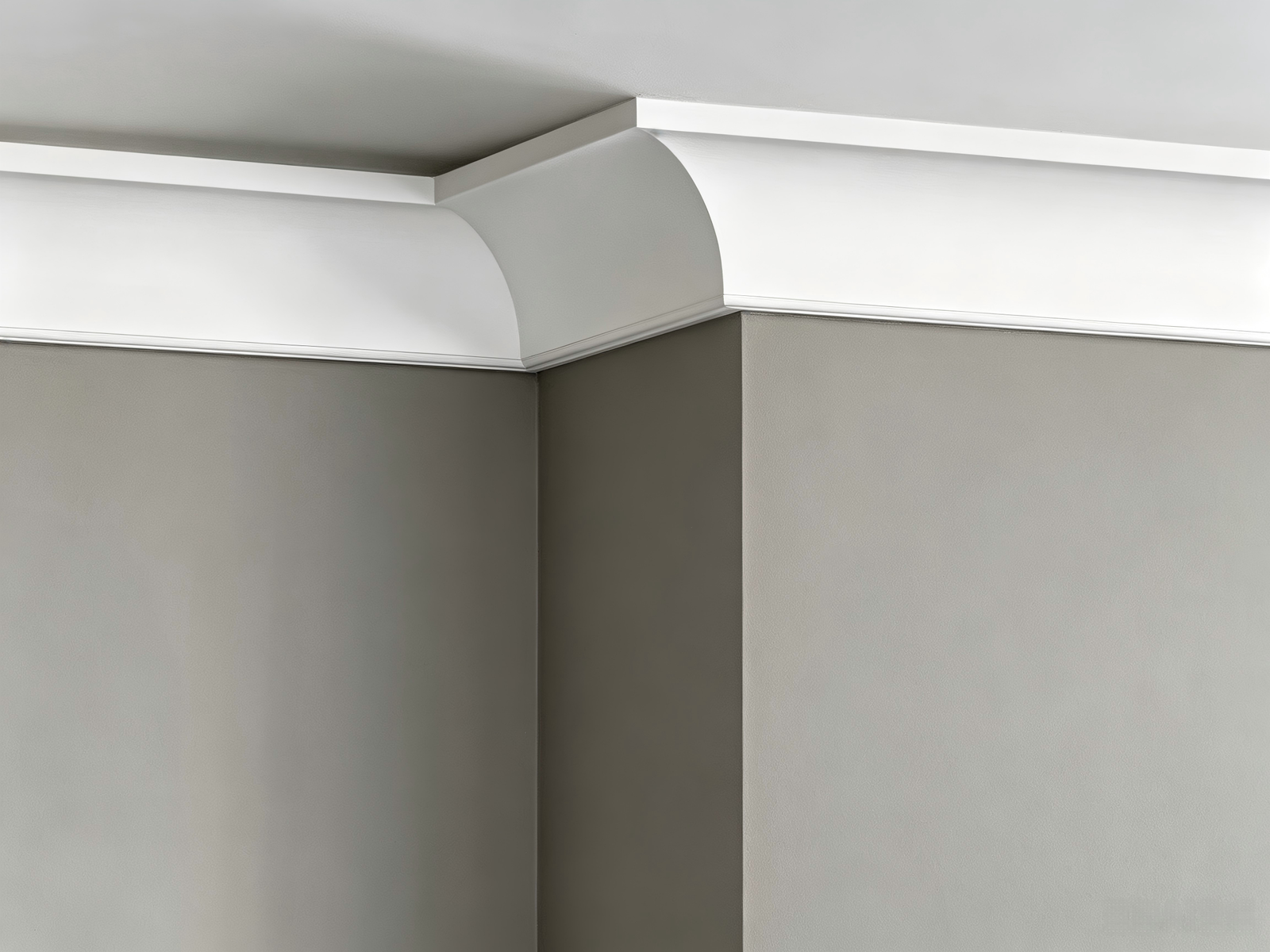
للمشترين OEM والصناعية, غالبًا ما يكون التصنيع المخصص أكثر أهمية من منتجات الكتالوج القياسية.
يمكن تطوير قالب مجوف مخصص وفقًا لمتطلبات التثبيت أو التجميع الفعلية للعميل.
هندسة الملف الشخصي
يمكنك تحديد:
- العرض الكلي
- الارتفاع الكلي
- نصف قطر المنحنى
- سمك الجدار
- الأبعاد الداخلية
- الأبعاد الخارجية
- ميزات التركيب
- فتحات
- الثقوب
- ميزات متشابكة
مادة
يمكن للشركة المصنعة أن توصي بالمواد المناسبة بناءً على ذلك:
- قوة
- المرونة
- درجة حرارة
- التعرض للأشعة فوق البنفسجية
- المقاومة الكيميائية
- التعرض للرطوبة
- مظهر
- يكلف
طول
يمكن توفير القوالب القياسية بأطوال ثابتة, بينما يمكن في كثير من الأحيان قص ملفات التعريف المخصصة وفقًا لمتطلبات العملاء.
لمحات طويلة مستمرة, تصبح دقة القطع والتعبئة من الاعتبارات المهمة أثناء الإنتاج والنقل.
اللون والانتهاء
ألوان مخصصة, القوام, مستويات اللمعان, ويمكن تحديد المعالجات السطحية لتطبيقات OEM.
تدعم بعض الشركات المصنعة لبثق البلاستيك مطابقة الألوان من العينات أو معايير الألوان المحددة.
التسامح
ليس كل البعد يحتاج إلى نفس التسامح.
النهج الهندسي الأفضل هو تحديد الأبعاد الحرجة التي تؤثر على التجميع أو الوظيفة وتعيين التفاوتات المناسبة لها.
يمكن أن تؤدي التفاوتات الصارمة بشكل مفرط إلى زيادة تكاليف الأدوات والإنتاج دون توفير فوائد وظيفية ذات معنى.
تطبيقات صب كوف
صناعة الأثاث
يستخدم صب كوف على نطاق واسع في:
- خزائن
- رفوف
- الجداول
- أثاث التخزين
- أثاث المطبخ
- لوحات زخرفية
- أثاث مدمج
يمكنه إخفاء المفاصل وإنشاء انتقال نهائي بين المكونات المختلفة.
التصميمات الداخلية المعمارية
وتشمل التطبيقات المعمارية:
- التحولات من الجدار إلى السقف
- تقليم الزخرفية
- اللوحات الداخلية
- محيط الباب والنافذة
- جدران مميزة
- التصميمات الداخلية التجارية
خشب, يمول, البولي يوريثان, والـ PVC من بين المواد المستخدمة في تطبيقات القولبة المعمارية.
تطبيقات المطبخ والحمام
ويمكن مراعاة المواد المقاومة للرطوبة للمناطق المعرضة للماء أو الرطوبة العالية.
تعتبر المقاطع البلاستيكية مفيدة بشكل خاص عندما يكون استقرار الأبعاد ومقاومة الرطوبة أمرًا مهمًا.
التطبيقات الصناعية والتجارية
يمكن أيضًا تكييف التشكيلات الجانبية على طراز Cove مع المنتجات الصناعية, معدات, عروض, حاويات, وتطبيقات تصنيع المعدات الأصلية الأخرى.
في هذه الحالات, قد يخدم الملف الشخصي غرضًا وظيفيًا بالإضافة إلى دوره الزخرفي, مثل:
- تغطية الحافة
- حماية أحد المكونات
- توفير التحول
- دعم الجمعية
- تحسين مظهر المنتج
مزايا استخدام صب كوف
يوفر صب كوف العديد من المزايا العملية.
1. مظهر نظيف
يخلق المظهر المقعر انتقالًا بصريًا سلسًا بين الأسطح.
2. يخفي الفجوات والمفاصل
يمكنه تغطية العيوب البصرية البسيطة وإنشاء مظهر أكثر اكتمالًا.
3. خيارات المواد المرنة
يمكن إنتاجه من الخشب, يمول, بلاستيك, الألومنيوم, الفولاذ المقاوم للصدأ, وغيرها من المواد.
4. مناسبة للتصاميم المخصصة
إن هندسة الملف الشخصي البسيطة نسبيًا تجعل قولبة التجويف قابلة للتكيف مع الأبعاد والتطبيقات المخصصة.
5. مناسبة للإنتاج الضخم
اعتمادا على المواد والتصميم, قذف, صب, تشكيل, أو يمكن أن توفر عمليات التصنيع إنتاجًا قابلاً للتكرار.
6. تشطيبات سطحية متعددة
يمكن للعملاء اختيار التشطيبات وفقًا للمظهر والمتطلبات البيئية.
مشاكل تصنيع قوالب التجويف الشائعة
حتى الملف الشخصي البسيط يمكن أن يخلق تحديات تصنيعية إذا كان التصميم, مادة, الأدوات, أو لم يتم التحكم في العملية بشكل صحيح.
عدم تناسق الأبعاد
التباين في العرض, ارتفاع, سمك الجدار, أو نصف القطر يمكن أن يسبب مشاكل في التجميع.
حل: تحديد الأبعاد الحرجة بوضوح وتنفيذ فحص الأبعاد أثناء العملية.
تشوه الملف الشخصي
يمكن أن تتشوه الملامح البلاستيكية بسبب الاختيار غير المناسب للمواد, ظروف التبريد, تصميم الأدوات, أو معلمات الإنتاج.
حل: قم بمراجعة هندسة الملف الشخصي والمواد قبل الأدوات والتحقق من صحة العملية أثناء أخذ العينات.
تزييف
يمكن أن يحدث الالتواء عندما تكون ضغوط المواد غير متساوية أو عندما لا يتم التحكم في عملية التصنيع بشكل صحيح.
حل: تحسين الأدوات, اختيار المواد, تبريد, تشكيل, وإجراءات التعامل.
العيوب السطحية
يمكن أن تشمل العيوب الشائعة:
- الخدوش
- تلوث
- نسيج غير متساوي
- اختلاف اللون
- علامات الغرق أو التشوه
- علامات المعالجة
حل: وضع مواصفات سطحية واضحة وفحص العينات الأولى ودفعات الإنتاج.
سوء اللياقة
حتى عندما يبدو الملف الشخصي صحيحًا, يمكن أن تتسبب الأبعاد أو التفاوتات غير الصحيحة في حدوث مشكلات أثناء التثبيت.
حل: اختبر القالب باستخدام مكون التزاوج الفعلي كلما أمكن ذلك.
ما هي المعلومات التي تحتاجها لطلب عرض أسعار لقوالب القولبة?
يمكن للشركة المصنعة عادةً تقديم عرض أسعار أكثر دقة عندما يتضمن طلب عرض الأسعار المعلومات التالية:
- 2رسم ثلاثي الأبعاد أو ملف CAD ثلاثي الأبعاد
- مواصفات المواد
- أبعاد الملف الشخصي
- التفاوتات المطلوبة
- الانتهاء من السطح
- متطلبات اللون
- طول القطع
- كمية الطلب
- الحجم السنوي المقدر
- بيئة التطبيق والتشغيل
- متطلبات التغليف
- جدول التسليم المستهدف
إذا لم يكن لديك رسم كامل, تقديم عينة مادية, رسم, صور فوتوغرافية, أو الأبعاد الأساسية. يمكن للشركة المصنعة القادرة بعد ذلك تحديد ما إذا كان يمكن تطوير التصميم إلى ملف تعريف جاهز للإنتاج.
الأسئلة الشائعة حول تصنيع قوالب كوف
ما هو صب كوف المستخدمة ل?
يستخدم صب كوف في المقام الأول لإنشاء انتقالات سلسة بين الأسطح, إخفاء المفاصل والفجوات, حماية الحواف, وتوفير التشطيب الزخرفي. وتشمل التطبيقات الشائعة السقوف, الجدران, خزائن, أثاث, رفوف, والديكورات الداخلية المعمارية.
ما هو الفرق بين صب كوف وصب التاج?
عادةً ما يكون لقولبة التجويف منحنى مقعر بسيط, بينما يستخدم صب التاج عادةً شكلًا زخرفيًا أكثر تعقيدًا. غالبًا ما يُفضل صب القوالب في التحولات البسيطة وتفاصيل التشطيب البسيطة.
ما هي المواد التي يمكن استخدامها لصب كوف?
تشمل الخيارات الشائعة الخشب, يمول, بولي كلوريد الفينيل, عضلات المعدة, البولي يوريثان, الألومنيوم, والفولاذ المقاوم للصدأ. أفضل المواد تعتمد على المظهر المطلوب, الخصائص الميكانيكية, المقاومة البيئية, حجم الإنتاج, والتكلفة.
يمكن أن يكون صب كوف حسب الطلب?
نعم. يمكن تصنيع قوالب التجويف المخصصة وفقًا لرسومات CAD, الرسومات الهندسية, عينات, الرسومات, أو الأبعاد المحددة. قد يشمل التخصيص هندسة الملف الشخصي, مادة, طول, لون, الانتهاء من السطح, والتسامح.
ما هي أفضل المواد لصب كوف في الهواء الطلق?
لا توجد مادة واحدة أفضل لكل تطبيق خارجي. يجب أن يأخذ اختيار المواد بعين الاعتبار التعرض للأشعة فوق البنفسجية, درجة حرارة, رُطُوبَة, تأثير, التعرض الكيميائي, ومدة الخدمة المطلوبة. المواد البلاستيكية المستقرة للأشعة فوق البنفسجية, المعادن المناسبة, ويمكن أخذ الأخشاب المعالجة بشكل مناسب بعين الاعتبار اعتمادًا على التطبيق.
كيف يتم تصنيع قوالب البلاستيك?
عادةً ما يتم إنتاج قالب التجويف البلاستيكي ذو المقطع العرضي الثابت باستخدام بثق البلاستيك. تتضمن العملية عمومًا إعداد المواد, تصميم يموت, قذف, التبريد والتحجيم, قطع, تقتيش, والمعالجة الثانوية الاختيارية.
ما هي المعلومات اللازمة لاقتباس صب كوف?
رسم أو عينة, مادة, أبعاد, التسامح, الانتهاء من السطح, طول القطع, كمية, ومتطلبات التطبيق هي معلومات البداية الأكثر فائدة.
هل يمكن للشركة المصنعة إنتاج نماذج أولية قبل الإنتاج الضخم؟?
نعم. عادةً ما يقوم مصنعو ملفات التعريف المخصصة بتطوير الأدوات وإنتاج عينات تجريبية قبل الشروع في الإنتاج بكميات كبيرة. يتيح ذلك للعميل التحقق من التصميم والملاءمة قبل الالتزام بعملية إنتاج كبيرة.
ما هو موك لصب كوف مخصص?
موك يعتمد على المواد, الأدوات, عملية التصنيع, تعقيد الملف الشخصي, واقتصاديات الإنتاج. للبثق أو صب مخصص, وينبغي مناقشة حجم الإنتاج المطلوب خلال مرحلة عرض الأسعار.
كيف يمكنني تقليل تكلفة صب التجويف المخصص?
النهج الأكثر فعالية هو تحسين التصميم قبل الأدوات. تجنب التحمل الضيق غير ضروري, استخدام مادة مناسبة, تبسيط الملف الشخصي حيثما أمكن ذلك, وتقديم تنبؤات سنوية دقيقة للحجم. يمكن أن تساعد كميات الإنتاج الأعلى أيضًا في توزيع تكاليف الأدوات عبر أجزاء أكثر.
خاتمة
صب كوف هو ملف تعريف بسيط نسبيًا, لكن متطلبات التصنيع الخاصة بها يمكن أن تختلف بشكل كبير اعتمادًا على المادة, أبعاد, طلب, وحجم الإنتاج.
إذا كنت تقوم بشراء قوالب مخصصة, نقطة البداية الأكثر كفاءة هي توفير رسم, متطلبات المواد, أبعاد, التسامح, كمية, الانتهاء من السطح, ومعلومات التطبيق. قمم الدقة ويمكن بعد ذلك تقييم قابلية التصنيع, التوصية بالمواد والعمليات المناسبة, تقدير متطلبات الأدوات, وتقديم اقتباس الإنتاج.


