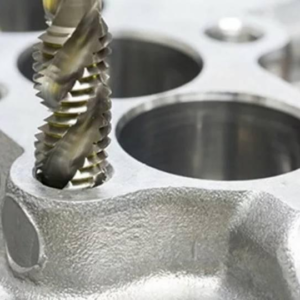



يوفر اختبار الصلابة سرعة, موثوق, وطريقة فعالة من حيث التكلفة لتقييم مقاومة المادة للمسافة البادئة, خدش, وتشوه السطح. يستخدم المصنعون اختبار الصلابة طوال دورة الإنتاج - بدءًا من فحص المواد الواردة والتحقق من المعالجة الحرارية وحتى مراقبة الجودة النهائية.
في هذا الدليل, سنستكشف كل ما تحتاج لمعرفته حول اختبار صلابة المعادن, بما في ذلك طرق الاختبار الشائعة, المعايير الدولية, إجراءات الاختبار, التطبيقات الصناعية, وأفضل الممارسات لتحقيق نتائج دقيقة.
ما هي صلابة المعادن?
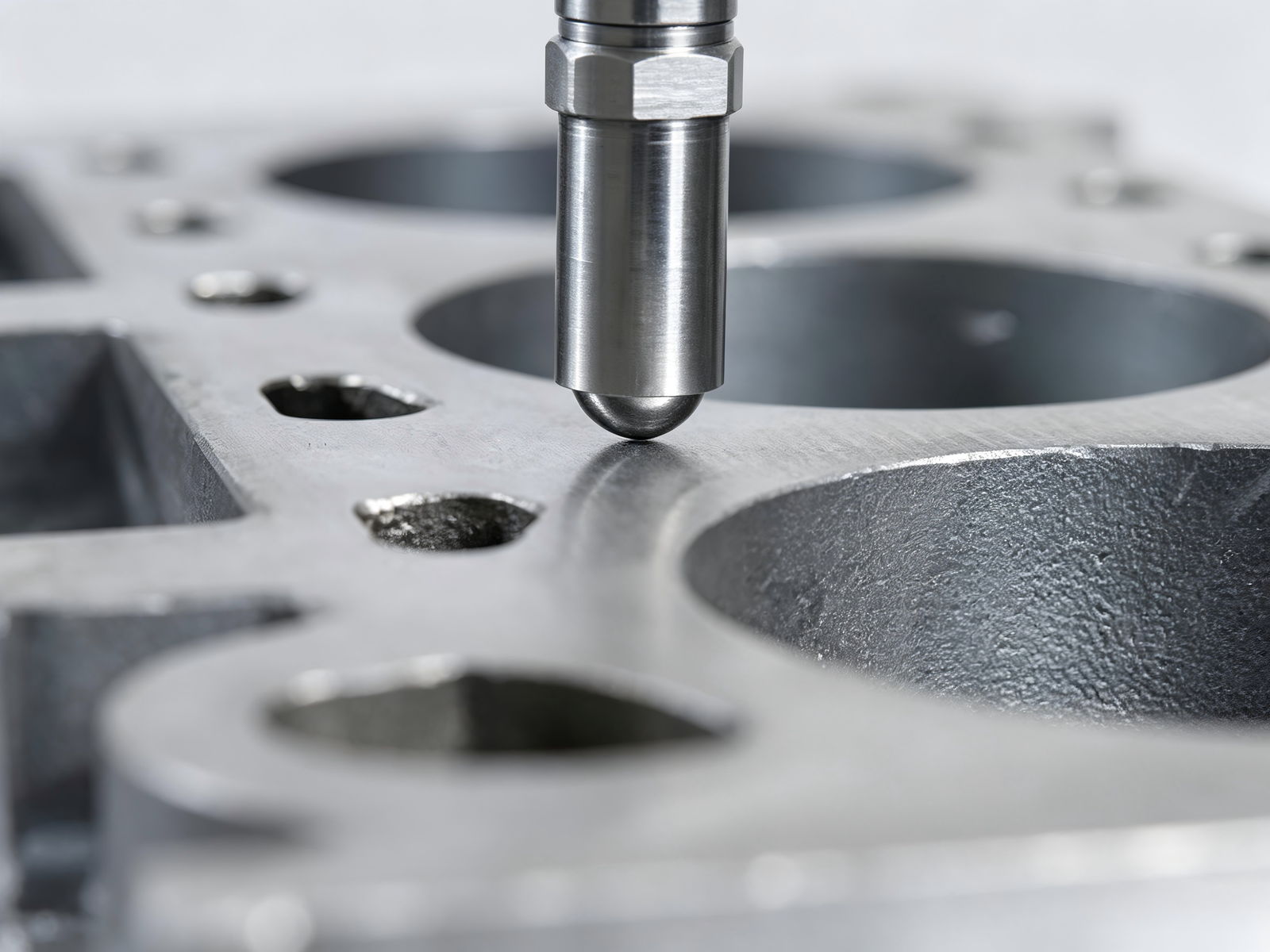
تشير صلابة المعدن إلى قدرة المادة على مقاومة التشوه الدائم عند تعرضها لقوة خارجية.
من الناحية العملية, تقيس الصلابة مدى مقاومة المعدن:
- المسافة البادئة
- الخدش
- كشط
- يرتدي
- تشوه السطح
كلما كانت المادة أصعب, كلما كانت أكثر مقاومة للضرر الميكانيكي أثناء التشغيل.
لماذا يهم صلابة
صلابة تؤثر بشكل مباشر:
- ارتداء المقاومة
- خدمة الحياة
- القدرة على التحمل
- أداء التعب
- القدرة على التصنيع
- المقاومة للتآكل (في بعض التطبيقات)
على سبيل المثال, يجب أن تحافظ الترس الفولاذي المتصلب المستخدم في نظام النقل على صلابة كافية لمقاومة التآكل خلال ملايين دورات التشغيل. بصورة مماثلة, تتطلب مثبتات الفضاء الجوي مستويات صلابة يتم التحكم فيها بعناية لضمان السلامة الهيكلية.
صلابة مقابل القوة مقابل المتانة
غالبا ما يتم الخلط بين هذه المصطلحات, لكنها تمثل خصائص مادية مختلفة.
| ملكية | تعريف |
| صلابة | مقاومة المسافة البادئة وتشوه السطح |
| قوة | القدرة على تحمل الضغوط التطبيقية دون فشل |
| صلابة | القدرة على امتصاص الطاقة قبل التكسير |
قد تكون المادة صلبة للغاية ولكنها هشة. على العكس من ذلك, يمكن أن تكون المادة شديدة الصلابة بينما تتمتع بصلابة منخفضة نسبيًا.
يعد فهم هذه الاختلافات أمرًا بالغ الأهمية عند اختيار المواد للتطبيقات الهندسية.
لماذا يعد اختبار الصلابة ضروريًا في التصنيع
رقابة جودة
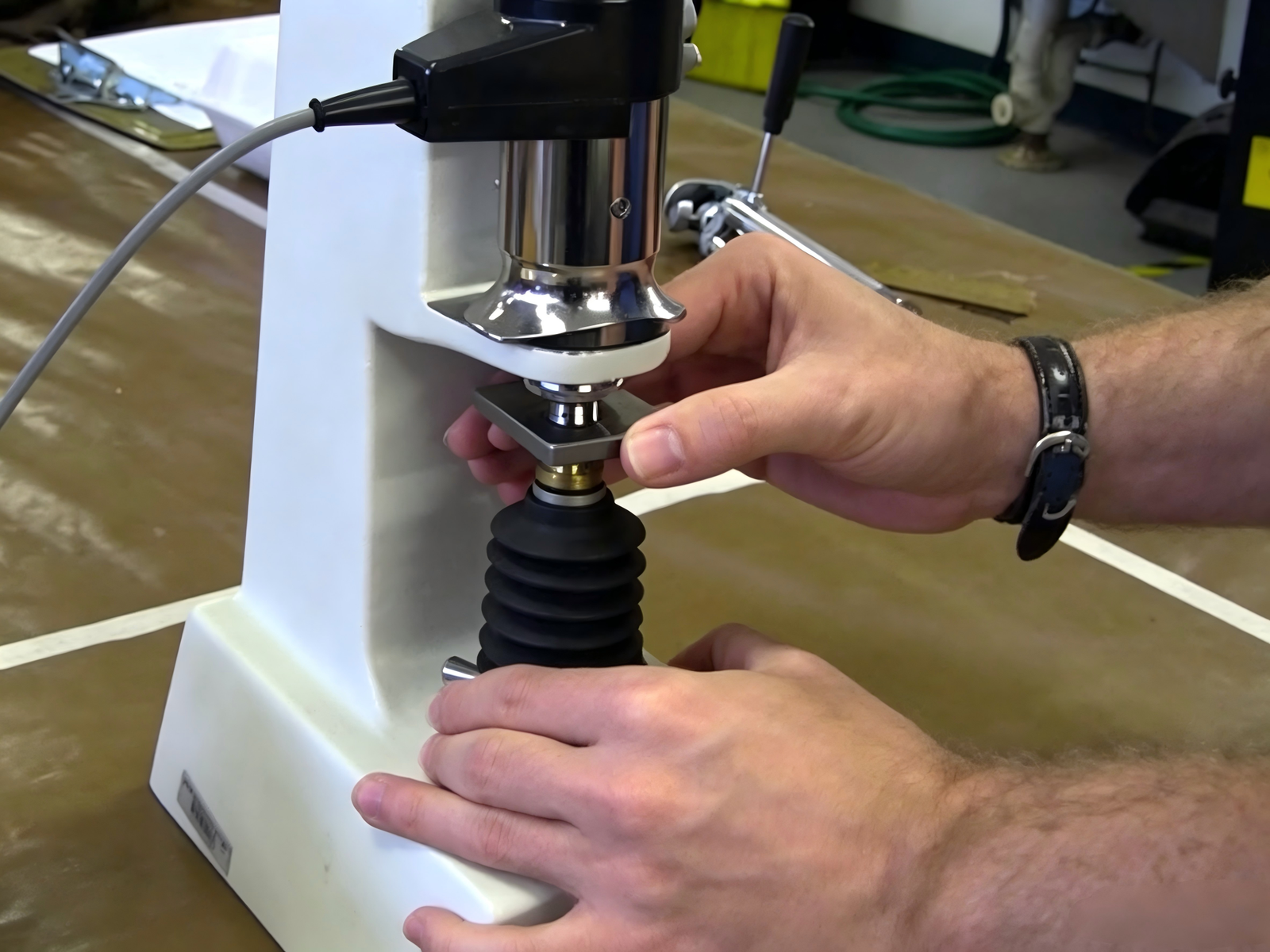
يستخدم المصنعون اختبار الصلابة للتحقق من أن المواد الخام تلبي المواصفات قبل بدء الإنتاج.
يساعد الاختبار في تحديد:
- درجات المواد غير صحيحة
- المعالجة الحرارية غير المناسبة
- تناقضات الموردين
- عيوب مادية
التحقق من المعالجة الحرارية
يعد اختبار الصلابة أحد أكثر الطرق فعالية لتأكيد نجاح عمليات المعالجة الحرارية, مشتمل:
- التلدين
- التطبيع
- التبريد
- هدأ
- تصلب القضية
- نيترة
على سبيل المثال, إذا فشل مكون الفولاذ المتصلب في الوصول إلى نطاق الصلابة المستهدف, قد تحتاج عملية المعالجة الحرارية إلى التعديل.
تقييم أداء المنتج
تؤثر الصلابة بشكل مباشر:
- ارتداء المقاومة
- مقاومة التآكل
- حياة التعب
- المتانة الهيكلية
يستخدم المصنعون قيم الصلابة للتنبؤ بكيفية أداء المكونات في ظل ظروف التشغيل الواقعية.
الامتثال التنظيمي
صناعات مثل الفضاء, السيارات, دفاع, طاقة, وغالبًا ما يتطلب التصنيع الطبي اختبار الصلابة للوفاء بمعايير الجودة الصارمة.
طرق اختبار الصلابة الشائعة
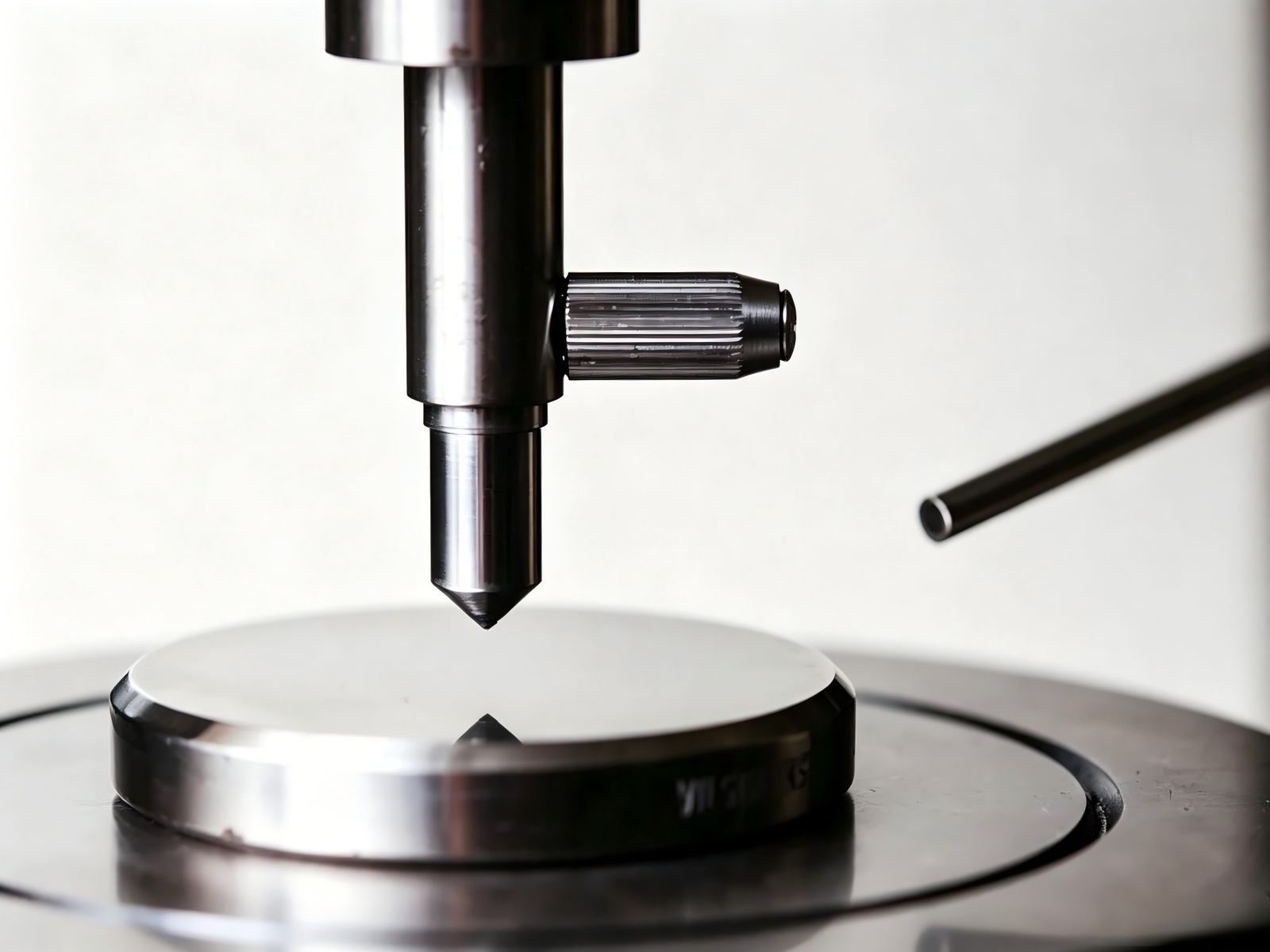
يتم استخدام العديد من طرق اختبار الصلابة في جميع أنحاء العالم. ولكل منها مزايا حسب نوع المادة, سماكة, ومتطلبات التطبيق.
اختبار صلابة روكويل
يعد اختبار روكويل أكثر طرق اختبار الصلابة استخدامًا في التصنيع.
كيف يعمل
يتم ضغط مخروط الماس أو المسافة البادئة الكروية الفولاذية الصلبة في المادة تحت حمل محدد.
تقوم الآلة بقياس عمق الاختراق وتقوم تلقائيًا بحساب قيمة الصلابة.
تشمل المقاييس الشائعة:
- لجنة حقوق الإنسان (روكويل ج)
- HRB (روكويل ب)
- HRA (روكويل أ)
مزايا
- اختبار سريع
- قراءة الصلابة المباشرة
- الحد الأدنى من تأثير المشغل
- مناسبة لبيئات الإنتاج
التطبيقات
- تصلب الصلب
- أداة الصلب
- الفولاذ المقاوم للصدأ
- المكونات المعالجة بالحرارة
اختبار صلابة برينل
تستخدم طريقة برينل كرة كربيد التنغستن لإنشاء مسافة بادئة على سطح المادة.
مزايا
- ممتاز للمكونات الكبيرة
- مناسبة للمسبوكات والمطروقات
- فعالة للمواد الخشنة الحبيبات
محددات
- حجم المسافة البادئة أكبر
- غير مناسب للمواد الرقيقة
التطبيقات
- الحديد الزهر
- مسبوكات الألومنيوم
- الفولاذ الهيكلي
- مكونات الآلات الثقيلة
اختبار صلابة فيكرز
يستخدم اختبار فيكرز إندينتر الهرم الماسي.
مزايا
- دقيق للغاية
- نطاق اختبار واسع
- مناسبة لكل من المواد الصلبة والناعمة
التطبيقات
- مكونات الفضاء الجوي
- الغرسات الطبية
- الأجزاء الهندسية الدقيقة
- مختبرات البحوث
بسبب تنوعها, غالبًا ما تعتبر طريقة فيكرز هي تقنية اختبار الصلابة الأكثر دقة.
اختبار صلابة نوب
تم تصميم طريقة Knoop خصيصًا لاختبار الصلابة الدقيقة.
أفضل التطبيقات
- الطلاء الرقيق
- المكونات الإلكترونية
- مواد السيراميك
- المعالجات السطحية
تعمل المسافة البادئة الماسية الطويلة على تقليل الأضرار المادية مع توفير قياسات دقيقة للغاية.
اختبار صلابة ليب
اختبار صلابة ليب هو طريقة اختبار محمولة.
كيف يعمل
يضرب جسم الصدمات المحمل بنابض سطح الاختبار.
يتم قياس سرعة الارتداد وتحويلها إلى قيمة الصلابة.
مزايا
- محمول
- سريع
- مثالية لعمليات التفتيش الميدانية
الاستخدامات الشائعة
- الآلات الكبيرة
- خطوط الأنابيب
- أوعية الضغط
- المعدات الثقيلة
مقارنة طرق اختبار الصلابة
| طريقة | دقة | سرعة | الأفضل ل |
| روكويل | عالي | سريع جدًا | اختبار الإنتاج |
| برينل | عالي | معتدل | المسبوكات & المطروقات |
| فيكرز | عالية جدًا | معتدل | مكونات دقيقة |
| زر | عالية جدًا | بطيئة | مواد رقيقة |
| لي | معتدل | سريع جدًا | الاختبار الميداني |
معايير اختبار الصلابة
إن اتباع المعايير المعترف بها دوليًا يضمن الاتساق والموثوقية.
معايير ASTM
أستم E18
اختبار صلابة روكويل.
أستم E10
اختبار صلابة برينل.
أستم E92
اختبار صلابة فيكرز.
أستم E384
إجراءات اختبار الصلابة الدقيقة.
معايير ISO
ايزو 6508
اختبار روكويل.
ايزو 6506
اختبار برينل.
ايزو 6507
اختبار فيكرز.
ايزو 4545
اختبار الأزرار.
يساعد الامتثال لهذه المعايير الشركات المصنعة على تلبية متطلبات العملاء والمتطلبات التنظيمية في جميع أنحاء العالم.
العوامل المؤثرة على دقة اختبار الصلابة
عدة عوامل يمكن أن تؤثر على النتائج.
صقل الأسطح
يمكن أن تنتج الأسطح الخشنة قراءات غير دقيقة.
يؤدي الطحن والتلميع المناسبان إلى تحسين موثوقية القياس.
سمك العينة
قد تتشوه المواد الرقيقة بشكل مفرط أثناء الاختبار.
تأكد دائمًا من السُمك المناسب بالنسبة لعمق المسافة البادئة.
اختيار التحميل
قد يؤدي اختيار حمل اختبار خاطئ إلى تشويه النتائج.
يجب أن تتوافق أحمال الاختبار مع معايير ASTM أو ISO المعمول بها.
تباعد المسافة البادئة
يمكن أن تتداخل المسافات البادئة الموضوعة بالقرب من بعضها البعض مع بعضها البعض.
التباعد المناسب يضمن قراءات دقيقة.
معايرة المعدات
المعايرة المنتظمة ضرورية للحفاظ على دقة الاختبار.
إجراء اختبار الصلابة خطوة بخطوة
خطوة 1: حدد طريقة الاختبار المناسبة
اختر روكويل, برينل, فيكرز, زر, أو Leeb بناءً على المادة والتطبيق.
خطوة 2: تحضير العينة
تأكد من أن السطح:
- ينظف
- مستوي
- خالية من الحجم
- خالية من التلوث
خطوة 3: تطبيق تحميل الاختبار
قم بتطبيق القوة المطلوبة باستخدام آلة اختبار الصلابة المعايرة.
خطوة 4: قياس المسافة البادئة
اعتمادا على الطريقة, يقيس:
- عمق المسافة البادئة
- قطر المسافة البادئة
- المسافة البادئة طول قطري
خطوة 5: حساب الصلابة
تحويل القياسات إلى قيم الصلابة باستخدام المعيار المعمول به.
خطوة 6: سجل النتائج
وثيقة:
- تحديد المواد
- طريقة الاختبار
- تم تطبيق الحمل
- قيمة الصلابة
- موقع الاختبار
اختبار الصلابة للمواد المعدنية المختلفة
الكربون الصلب
تم اختباره بشكل شائع باستخدام أساليب روكويل وبرينل.
تختلف نطاقات الصلابة النموذجية بشكل كبير اعتمادًا على المعالجة الحرارية.
الفولاذ المقاوم للصدأ
يتم استخدام أساليب روكويل وفيكرز بشكل متكرر.
سبائك الألومنيوم
ويفضل عادة اختبار برينل وفيكرز.
سبائك التيتانيوم
يوفر اختبار فيكرز نتائج دقيقة للغاية.
الحديد الزهر
يظل اختبار برينل هو المعيار الصناعي.
اختبار الصلابة في التصنيع باستخدام الحاسب الآلي والتصنيع الدقيق
يلعب اختبار الصلابة دورًا حاسمًا في التصنيع الدقيق.
قبل بدء التشغيل, يتحقق المصنعون من خصائص المواد لضمان الامتثال لمواصفات العميل.
بعد المعالجة الحرارية, يؤكد اختبار الصلابة أن المكونات قد حققت الخصائص الميكانيكية المطلوبة.
شركات تقدم التصنيع باستخدام الحاسب الآلي المخصصة غالبًا ما تقوم الخدمات بدمج اختبار الصلابة في أنظمة إدارة الجودة الخاصة بها لضمان دقة الأبعاد, ارتداء المقاومة, وموثوقية المنتج على المدى الطويل.
لصناعات مثل الطيران, طبي, السيارات, والأتمتة الصناعية, غالبًا ما يكون التحقق من الصلابة أحد متطلبات الفحص الإلزامية.
التحديات المشتركة لاختبار الصلابة
قراءات غير متناسقة
سببها:
- سوء إعداد السطح
- خطأ المشغل
- مشاكل معايرة المعدات
الأسطح المنحنية
تم تصميم العديد من اختبارات الصلابة للأسطح المسطحة.
قد تكون هناك حاجة إلى تركيبات خاصة أو عوامل تصحيح.
مواد رقيقة
قد يؤدي اختيار حمل غير مناسب إلى حدوث تشويه.
غالبًا ما توفر طرق اختبار الصلابة الدقيقة نتائج أفضل.
الاتجاهات المستقبلية في اختبار الصلابة
أصبح مستقبل اختبار الصلابة آليًا بشكل متزايد.
وتشمل التقنيات الناشئة:
- رسم خرائط الصلابة الآلي
- تحليل الصور المدعوم بالذكاء الاصطناعي
- قياس المسافة البادئة الرقمية
- صناعة 4.0 اندماج
- أنظمة مراقبة الجودة الذكية
تعمل هذه التقنيات على تحسين الدقة, تقليل تبعية المشغل, وزيادة كفاءة التفتيش.
الأسئلة الشائعة
1.ما هو اختبار الصلابة الأكثر شيوعا?
يعد اختبار روكويل للصلابة هو الأكثر استخدامًا نظرًا لسرعته وبساطته.
2.ما هو اختبار الصلابة الأكثر دقة؟?
يعتبر اختبار صلابة فيكرز بشكل عام هو الأكثر دقة وتنوعًا.
3.يمكن أن تشير الصلابة إلى قوة المادة?
في العديد من المعادن, ترتبط الصلابة وقوة الشد ارتباطًا وثيقًا, على الرغم من أنها ليست خصائص متطابقة.
4.كم مرة يجب معايرة أجهزة اختبار الصلابة؟?
يجب أن تتبع فترات المعايرة توصيات الشركة المصنعة ومعايير ASTM أو ISO المعمول بها.
5.ما هو اختبار الصلابة الأفضل للمواد الرقيقة؟?
عادةً ما تُفضل طرق Knoop وVickers في المقاطع الرقيقة والطلاءات.
خاتمة
عن طريق اختيار طريقة الاختبار الصحيحة, اتباع معايير ASTM وISO, وتنفيذ إجراءات الاختبار المناسبة, يمكن للمصنعين تحسين جودة المنتج, التحقق من فعالية المعالجة الحرارية, تقليل حالات الفشل, والتأكد من الامتثال لمتطلبات العملاء.
للشركات العاملة في مجال الآلات الدقيقة, تلفيق, والتصنيع المتقدم, إن اختبار الصلابة ليس مجرد عملية فحص، بل هو عنصر أساسي في تقديم منتجات موثوقة, منتجات عالية الأداء تلبي متطلبات الأسواق الصناعية اليوم.