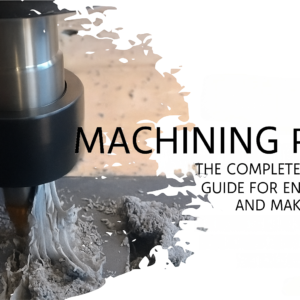


polyether ether ketone (نظرة خاطفة) هي واحدة من اللدائن الحرارية عالية الأداء الأكثر تنوعًا والمستخدمة في الهندسة الحديثة. معروف بقوته الاستثنائية, المقاومة الكيميائية, والاستقرار الحراري, يتم اختيار PEEK على نطاق واسع للتطبيقات الصعبة في مجال الطيران, أجهزة طبية, والمعدات الصناعية ذات التحميل العالي.
على الرغم من أن آلات PEEK جيدة نسبيًا مقارنة بالبلاستيك الهندسي الآخر, لها خصائص فريدة تتطلب تخطيطًا دقيقًا للعملية. بدون التقنيات الصحيحة, مشاكل مثل التكسير الحراري, عدم الاستقرار الأبعاد, أو يمكن أن يحدث سوء تشطيب السطح. تستكشف هذه المقالة ما الذي يجعل PEEK مميزًا, فوائدها وتحدياتها في التصنيع, نصائح عملية للحصول على نتائج أفضل, والتطبيقات الصناعية الرئيسية.
ما هو نظرة خاطفة (polyether ether ketone)?
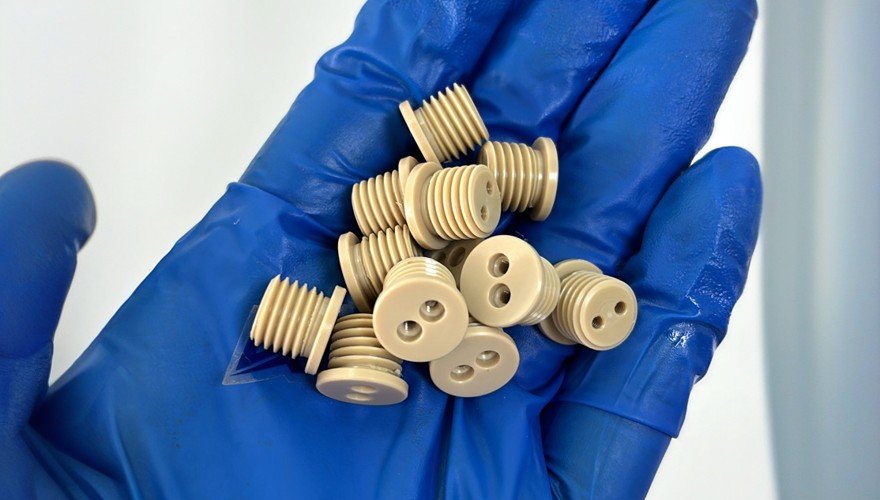
PEEK عبارة عن لدن بالحرارة شبه بلورية ينتمي إلى polyaryletherketone (بايك) عائلة. إنه يوفر توازن الأداء الميكانيكي, الاستقرار الكيميائي, والتحمل الحراري الذي لا يمكن أن يضاهيه سوى عدد قليل من المواد البلاستيكية الأخرى.
الخصائص الرئيسية
قوة عالية & ارتداء المقاومة – يمكن مقارنته ببعض المعادن مع الاحتفاظ بفوائد البوليمر خفيف الوزن.
نقطة انصهار عالية – ~343 درجة مئوية (649 درجة فهرنهايت), تمكين الاستخدام في الخدمة المستمرة حتى 250 درجة مئوية (482 درجة فهرنهايت).
مقاومة كيميائية ممتازة – لا يتأثر بمعظم المواد الكيميائية العضوية وغير العضوية.
امتصاص منخفض للرطوبة – يحافظ على ثبات الأبعاد في البيئات الرطبة أو الرطبة.
مقاومة الإشعاع – يتحمل التعرض لأشعة جاما والأشعة السينية دون تدهور كبير.
التوافق الحيوي - تتوافق بعض معايير PEEK الطبية مع ISO 10993 ومعايير USP الفئة السادسة.
النماذج المتاحة
حبيبات – للقولبة بالحقن والبثق.
خيوط - للتصنيع الإضافي.
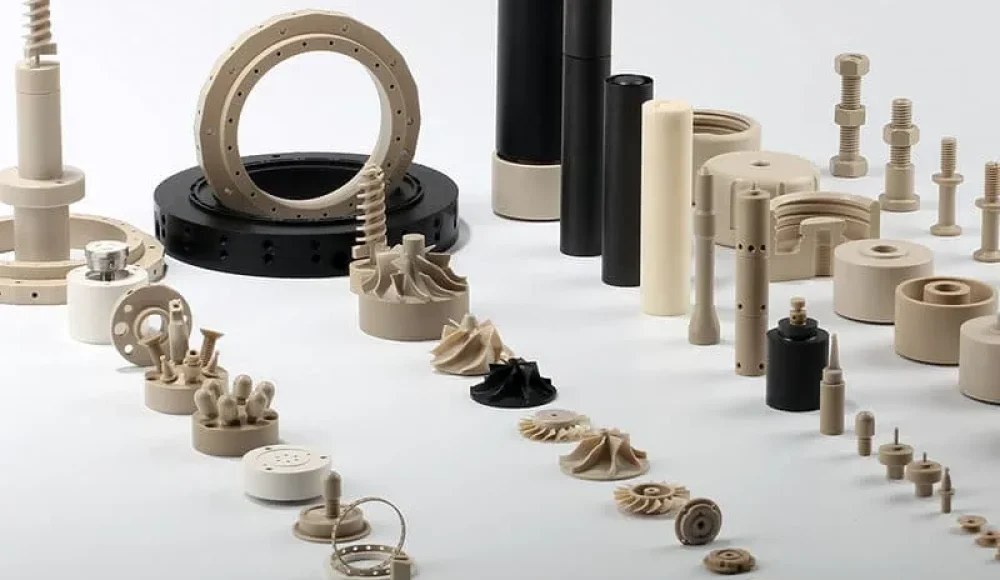
قضبان, الحانات, واللوحات - الأشكال الأولية الشائعة للتصنيع باستخدام الحاسب الآلي.
نظرة خاطفة متاحة في الدرجات الشاغرة للتطبيقات العامة, و الدرجات المعززة (الألياف الزجاجية, ألياف الكربون, أو مملوءة بـ PTFE) لتعزيز الارتداء, قوة, أو الخصائص الحرارية.
مزايا الآلات نظرة خاطفة
قوي للغاية, حتى تحت الضغط
نظرة خاطفة صعبة. فهو يحتفظ بشكله وقوته حتى عندما يتعرض للضغط أو يحمل أحمالًا ثقيلة, مما يجعلها مثالية للأجزاء التي تحتاج إلى العمل الجاد كل يوم.
يمكن التعامل مع الحرارة
في حين أن العديد من المواد البلاستيكية تصبح طرية أو تتشوه عندما تصبح الأشياء ساخنة, يمكن لـ PEEK التعامل مع درجات حرارة مستمرة تصل إلى حوالي 250 درجة مئوية (480درجة فهرنهايت) دون كسر العرق.
يقاوم المواد الكيميائية مثل المحترفين
زيوت, الوقود, الأحماض - نظرة خاطفة لا تهتم. إنه مقاوم للعديد من المواد الكيميائية القاسية, لذلك تظل موثوقة في البيئات التي من شأنها أن تلحق الضرر بالمواد الأخرى.
خفيف الوزن ولكنه متين
تحصل على قوة المعدن ولكن بجزء صغير من الوزن. ولهذا السبب تحبها صناعات الطيران والسيارات - فالأجزاء الأخف وزنًا تعني كفاءة أفضل في استهلاك الوقود.
مقاومة التآكل ممتازة
تدوم الأجزاء المصنوعة من PEEK آليًا لفترة طويلة لأنها تستطيع التعامل مع الاحتكاك دون أن تتآكل بسرعة.
من السهل تشكيلها في أشكال معقدة
على الرغم من أنها صعبة, آلات PEEK جيدة باستخدام الأدوات المناسبة, حتى تتمكن من إنشاء أجزاء مفصلة ودقيقة للغاية دون أي مشاكل كبيرة.
متوافق حيويا وآمن للاستخدام الطبي
نظرة خاطفة من الدرجة الطبية آمنة للاستخدام داخل جسم الإنسان, ولهذا السبب يتم استخدامه غالبًا في الغرسات والأدوات الجراحية.
حدود المعالجة الخاطفة
إنه ليس الخيار الأرخص
نظرة خاطفة باهظة الثمن مقارنة بالعديد من المواد البلاستيكية الأخرى. إذا كنت تصنع الكثير من الأجزاء أو تعمل في مشروع حساس للميزانية, التكلفة المادية يمكن أن تكون عاملا كبيرا.
يحتاج إلى أدوات حادة وتصنيع دقيق
على الرغم من آلات نظرة خاطفة بشكل جيد, لا يزال الأمر صعبًا على أدوات القطع. سوف تحتاج حادة, أدوات عالية الجودة وسرعات/تغذية مناسبة للحصول على لمسة نهائية ناعمة دون إتلاف الجزء.
يمكن أن يكون تراكم الحرارة مشكلة
يمكن لـ PEEK التعامل مع درجات الحرارة المرتفعة, ولكن أثناء المعالجة, الكثير من الحرارة الموضعية من أداة القطع يمكن أن تسبب الذوبان, تزييف, أو عيوب السطح. التبريد الجيد ضروري.
خيارات ألوان محدودة
معظم النظرات الخاطفة تكون باللون البيج أو الأسمر بشكل طبيعي. إذا كنت بحاجة إلى أجزاء ملونة للتصميم أو العلامة التجارية, قد تضطر إلى النظر في الطلاءات, الأصباغ, أو غيرها من المواد البلاستيكية.
ليس دائمًا الخيار الأفضل للأجزاء الناعمة جدًا أو المرنة
نظرة خاطفة جامدة وقوية, وهو أمر رائع بالنسبة للأجزاء الهيكلية, ولكنها ليست مثالية إذا كنت بحاجة إلى المرونة أو التوسيد.
مهلة طويلة للدرجات الخاصة
عادةً ما يكون من السهل العثور على نظرة خاطفة قياسية, ولكن درجات خاصة (مثل مليئة بالكربون أو الصف الطبي) قد يستغرق وقتا أطول للمصدر, تباطؤ الإنتاج.
كيف يمكنك إلقاء نظرة خاطفة على الآلة?
الطحن باستخدام الحاسب الآلي
رائعة لإنشاء أسطح مستوية, فتحات, جيوب, والأشكال ثلاثية الأبعاد المعقدة. استخدام أدوات كربيد حادة وسرعات دوران عالية يساعد على الحفاظ على الحواف نظيفة ويمنع الذوبان.
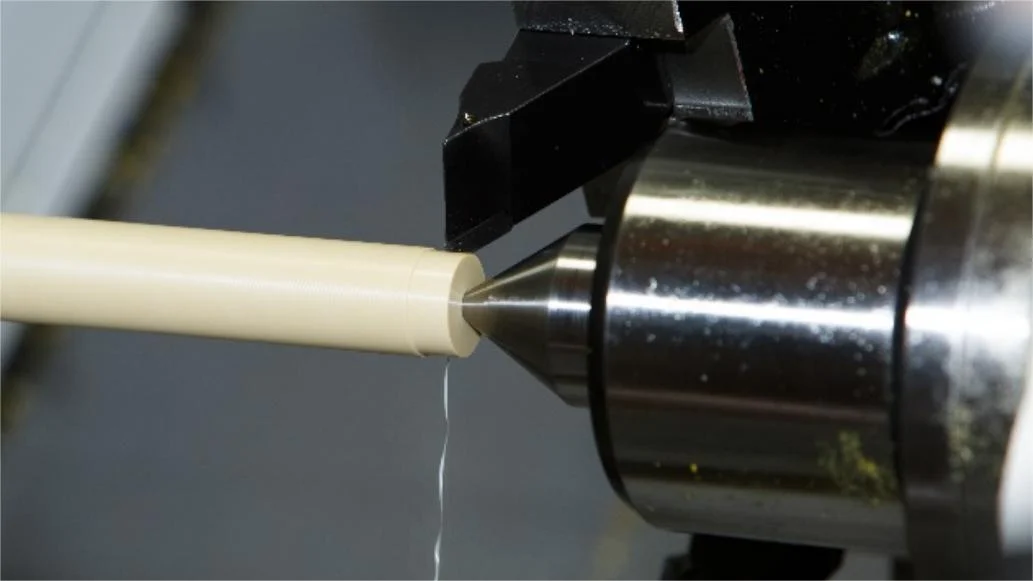
مثالية للأجزاء المستديرة مثل البطانات, قضبان, والأختام. يعمل تحويل PEEK بشكل جيد مع تخفيضات خفيفة ومعدلات تغذية ثابتة لتجنب تراكم الحرارة والحفاظ على التحمل الصارم.
حفر
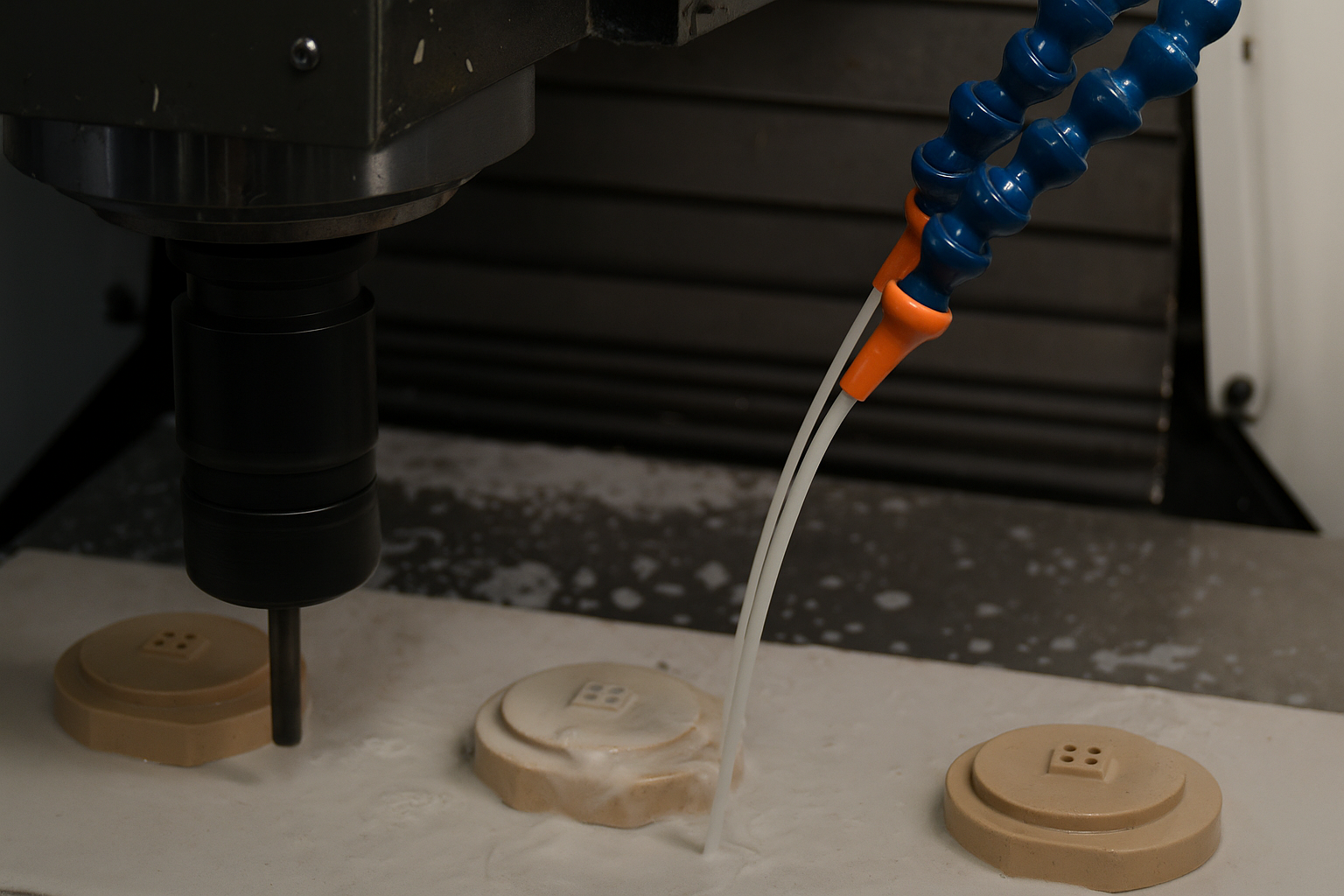
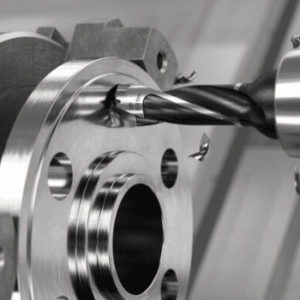
يمكنك حفر نظرة خاطفة بشكل نظيف باستخدام المثاقب الملتوية القياسية, لكن إخلاء الشريحة هو المفتاح. إذا لم يتم مسح الرقائق بسرعة, يمكن أن تتراكم الحرارة وتسبب تلف السطح.
التنصت والخيوط
يمكن قطع الخيوط الداخلية والخارجية في نظرة خاطفة باستخدام أداة التشحيم المناسبة. غالبًا ما يستخدم هذا للمثبتات الميكانيكية أو التركيبات المخصصة.
التشطيب السطح
بعد الآلات, يمكن تلميع أجزاء نظرة خاطفة, انتقد حبة, أو مطلي حسب التطبيق - سواء كنت تريد لمسة نهائية عملية أو مظهرًا أنيقًا.
ما هي التشطيبات السطحية التي يمكنك الحصول عليها عند إجراء نظرة خاطفة على التصنيع باستخدام الحاسب الآلي?
تشطيب نموذجي بآلة CNC
تتمتع معظم أجزاء PEEK مباشرة من CNC بسلاسة, تشطيب مطفي. يعد هذا أمرًا جيدًا بالنسبة للمكونات الميكانيكية حيث لا يكون المظهر هو الأولوية. خشونة السطح هنا عادة ما تكون موجودة را 1.6-3.2 ميكرومتر.
التصنيع الدقيق للحصول على لمسة نهائية أفضل
باستخدام أدوات كربيد حادة, معدلات تغذية أبطأ, والتخفيضات الخفيفة, يمكنك تحسين السطح إلى حوالي را 0.8-1.6 ميكرومتر, إعطائها نظافة, نظرة أكثر دقة.
تلميع للتطبيقات المتطورة
إذا كنت بحاجة إلى سطح لامع أو قريب من المرآة – على سبيل المثال, في الغرسات الطبية أو الأجزاء الفضائية المرئية - يمكن تلميع نظرة خاطفة بعد التصنيع. يمكن أن يؤدي التلميع إلى تقليل خشونة السطح را 0.2-0.4 ميكرومتر.
المعالجات السطحية الأخرى
تفجير حبة للزي الرسمي, نسيج غير لامع
الطلاءات لارتداء إضافي أو المقاومة الكيميائية
وضع العلامات بالليزر للحصول على ملصقات دائمة دون الإضرار بالسطح
ما هو التسامح مع نظرة خاطفة في التصنيع?
التسامح النموذجي:
في معظم الحالات, يمكنك تحمل التسامح ± 0.05 ملم (±0.002 بوصة) دون الكثير من المتاعب. مع المعدات المضبوطة, يمكنك حتى أن تصبح أكثر إحكاما, وصولاً إلى ± 0.025 ملم (± 0.001 في).
العوامل التي تؤثر على التسامح:
تراكم الحرارة – الحرارة الزائدة يمكن أن تسبب تمددًا طفيفًا, تؤثر على الدقة.
رُطُوبَة – يمتص PEEK بعض الماء مع مرور الوقت, والتي يمكن أن تغير الأبعاد. تجفيفه يساعد أولا.
أداة ارتداء الأداة - الأدوات الباهتة تقلل من الدقة والانتهاء من السطح.
استقرار الآلة - جامدة, تعد آلة CNC ذات المعايرة الجيدة أمرًا أساسيًا للعمل عالي الدقة.
تطبيقات نظرة خاطفة تشكيله
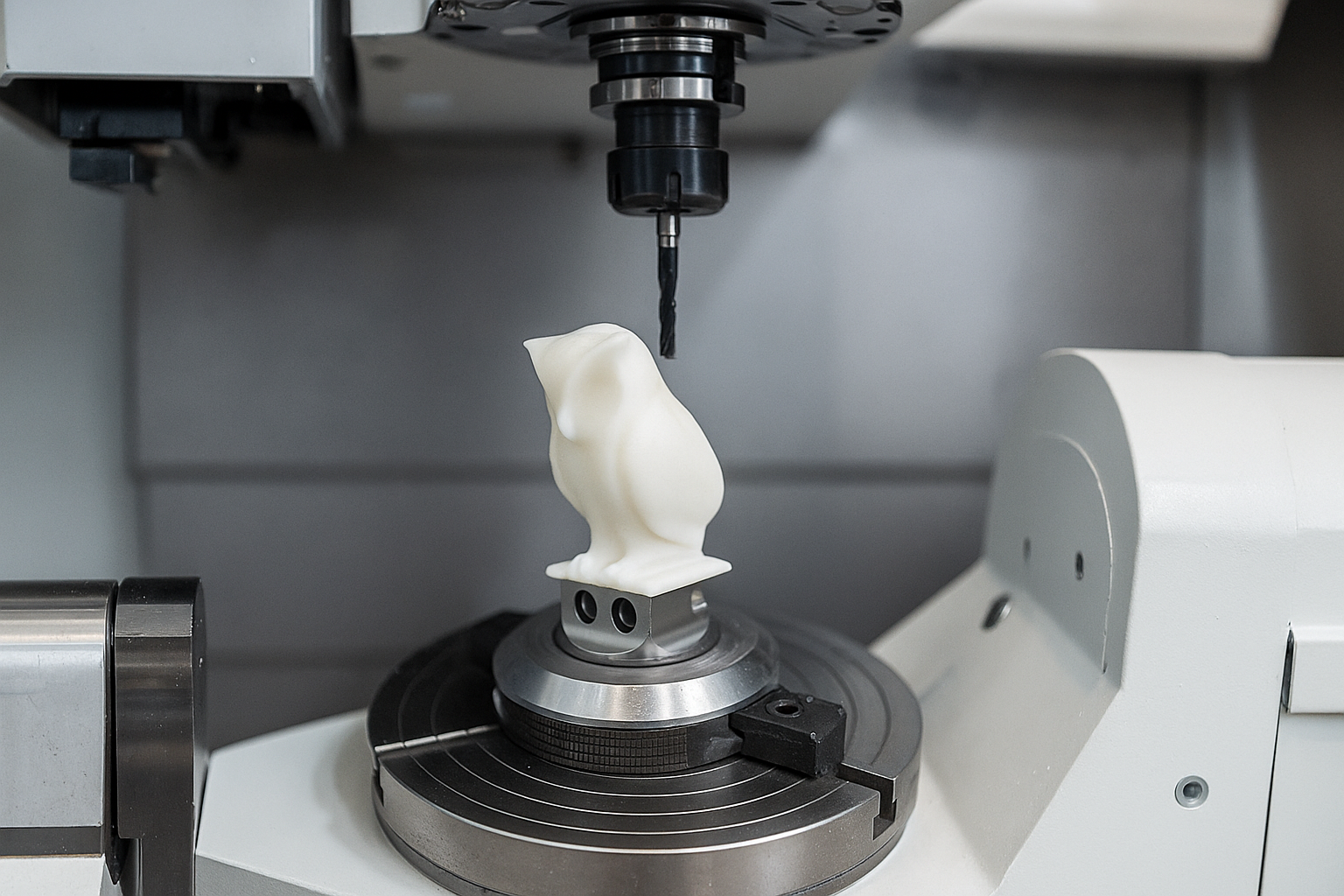
أجزاء الفضاء الجوي
يمكن لـ PEEK التعامل مع الضغط العالي, اهتزاز, ودرجات الحرارة القصوى, مما يجعلها مثالية لمكونات الطائرات خفيفة الوزن مثل الأقواس, المشابك, الأختام, وأجزاء العزل.
أجهزة طبية
لأنه متوافق حيويا (آمنة لجسم الإنسان), يستخدم نظرة خاطفة للأدوات الجراحية, أجزاء الأسنان, يزرع العمود الفقري, وغيرها من المعدات الطبية التي يجب أن تكون قوية, ضوء, وقابلة للتعقيم.
مكونات السيارات
في السيارات, يتم استخدام نظرة خاطفة للتروس عالية الأداء, البطانات, والأختام التي يمكنها تحمل الحرارة الناتجة عن المحركات والاحتكاك الناتج عن الأجزاء المتحركة.
الإلكترونيات والمعدات الكهربائية
نظرة خاطفة هو عازل كهربائي ممتاز, لذلك يتم استخدامه في الموصلات, يدعم لوحة الدوائر, ومكونات العزل لأنظمة الجهد العالي.
زيت, الغاز, وصناعة الطاقة
نظرة خاطفة تقاوم المواد الكيميائية القاسية, الضغط العالي, والحرارة الشديدة – ولهذا السبب يتم استخدامه في مقاعد الصمام, مكونات المضخة, والأختام لمعدات الحفر.
الآلات الصناعية
في مصانع التصنيع, مقاومة التآكل في PEEK تجعلها خيارًا رائعًا للمحامل, بكرات, والأجزاء التي تواجه الإجهاد الميكانيكي المستمر.
نصائح لتصنيع نظرة خاطفة
استخدم شارب, أدوات عالية الجودة
نظرة خاطفة كاشطة, لذا فإن الأدوات الباهتة سوف تبلى بسرعة وتترك أسطحًا رديئة. تدوم الأدوات المصنوعة من الكربيد أو الماس لفترة أطول وتقطع بشكل أنظف.
السيطرة على الحرارة
يمكن أن تنعم PEEK إذا أصبحت ساخنة جدًا أثناء التشغيل الآلي. استخدم سائل التبريد أو نفاثات الهواء المناسبة للحفاظ على درجات الحرارة منخفضة ومنع تزييفها.
لا تتعجل في معدل التغذية
قد يؤدي التحرك بسرعة كبيرة إلى ارتفاع درجة حرارة المادة, أثناء السير ببطء شديد يمكن أن يسبب فرك الأداة. تهدف إلى سرعة متوازنة وتغذية لقطع سلس.
ثبت المادة بشكل آمن
نظرة خاطفة صعبة ولكنها ليست هشة – لا تزال, الاهتزازات يمكن أن تدمر الدقة. استخدم شركة, حتى لقط للحفاظ على الجزء الخاص بك مستقرًا أثناء القطع.
قبل التجفيف قبل التشغيل الآلي (إذا لزم الأمر)
نظرة خاطفة يمكن أن تمتص الرطوبة مع مرور الوقت, مما قد يسبب فقاعات أو بقع خشنة أثناء المعالجة. جففها في الفرن قبل التقطيع للحصول على أفضل النتائج.
انتهى بعناية
إذا كنت بحاجة إلى سطح فائق النعومة, ضع في اعتبارك التلميع الدقيق أو الطحن بعد التشغيل الآلي. يمكن لـ PEEK تحقيق لمسة نهائية لامعة تقريبًا بلمسة صحيحة.
انتبه لتراكم الرقائق
يمكن أن تكون رقائق PEEK خيطية وقد تلتف حول الأدوات. استخدم طرقًا مناسبة لإزالة الرقائق حتى تظل حواف القطع نظيفة.
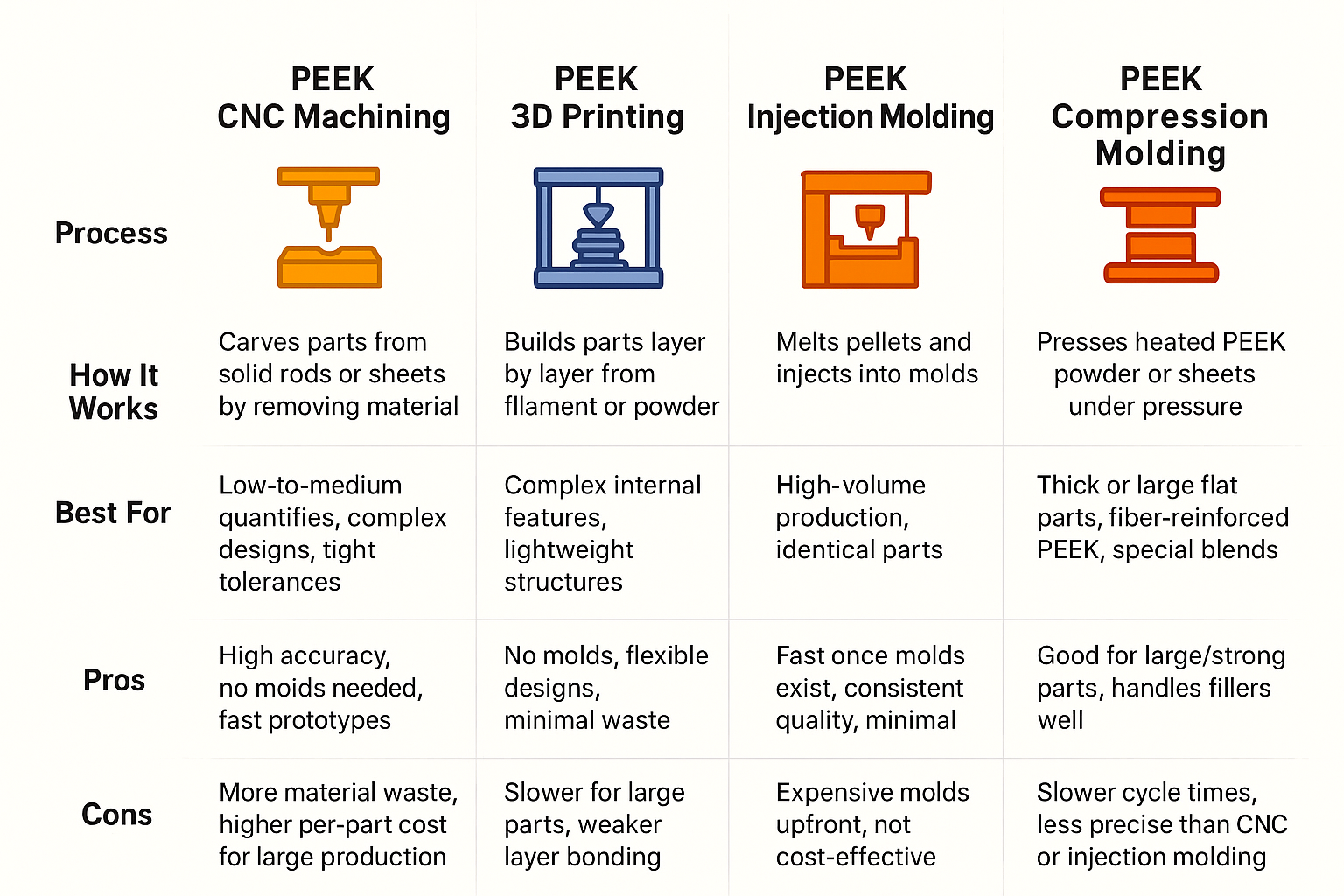
مقارنة طرق التصنيع لـ PEEK
خاتمة
مزيج PEEK الفريد من القوة, المقاومة الكيميائية, والتوافق الحيوي يجعلها مادة مفضلة للصناعات التي لا يكون الفشل فيها خيارًا. من خلال فهم تحديات التصنيع - خاصة إدارة الحرارة وتخفيف الضغط - يمكن للمصنعين إنتاج مكونات عالية الجودة ذات أداء ممتاز وعمر افتراضي طويل.
يعتمد اختيار طريقة التصنيع الصحيحة على أهداف الإنتاج الخاصة بك: التصنيع باستخدام الحاسب الآلي من أجل الدقة والتنوع, 3الطباعة ثلاثية الأبعاد لتعقيد التصميم, وقولبة الحقن للإنتاج الضخم. مع استراتيجية العملية الصحيحة, يمكن لـ PEEK تقديم نتائج رائعة في كل من المجالات الصناعية والطبية.
الأسئلة الشائعة
1. لماذا يعد التحكم في الحرارة أمرًا بالغ الأهمية عند معالجة PEEK?
على الرغم من أن PEEK لديها درجة حرارة خدمة عالية للغاية, يعد التحكم في الحرارة الموضعية أثناء المعالجة أمرًا بالغ الأهمية منع عدم الاستقرار الأبعاد والتكسير الحراري. يمكن أن يؤدي الاحتكاك المفرط الناتج عن أداة القطع إلى ذوبان المادة قليلاً أو تشوهها بالقرب من منطقة القطع, مما يؤدي إلى سوء تشطيب السطح وصعوبة تحمل التفاوتات الصارمة. استخدام المبرد أو انفجارات الهواء ضروري لإدارة هذا التراكم الحراري.
2. هل يجب تخفيف الضغط على أجزاء PEEK؟ (صلب) قبل أو بعد المعالجة?
يوصى بشدة بذلك تخفيف التوتر (يصلب) نظرة خاطفة على المواد المخزونة قبل التصنيع. تطلق هذه العملية الضغوط الداخلية الناتجة أثناء قذف المخزون أو صبه, استقرار البنية البلورية للبوليمر. يقلل هذا التثبيت من خطر تشوه الجزء أو تشوهه بمجرد إزالة مادة مهمة, التأكد من أن المكون النهائي يلبي التسامح المطلوب.
3. ما هو الفرق بين النظرة الخاطفة "الفارغة" والنظرة الخاطفة "المعززة"., وكيف يؤثر على الآلات?
غير مملوء (أو العذراء) نظرة خاطفة هي الدرجة القياسية, تقديم أقصى قدر من المتانة والليونة, وهو الأسهل في الماكينة. نظرة خاطفة معززة يحتوي على مواد مضافة مثل ألياف الكربون, الألياف الزجاجية, أو بتف.
-
نظرة خاطفة مليئة بالألياف الكربونية/الزجاجية: يوفر قوة وصلابة معززة ولكنه عالي الجودة كاشط, تتطلب أدوات كربيد مطلية بالماس أو متخصصة, لأنه يسبب تآكلًا أسرع للأداة.
-
نظرة خاطفة مملوءة بـ PTFE: يستخدم لتحسين مقاومة التآكل وتقليل الاحتكاك.
4. ما هي أضيق التفاوتات التي يمكن الاحتفاظ بها عادةً عند استخدام الآلات باستخدام الحاسب الآلي PEEK?
مع التحضير السليم (تخفيف التوتر, تجفيف) وجامدة, معدات CNC عالية الدقة, يمكن عادةً الاحتفاظ بالتسامح ± 0.05 ملم (±0.002 في). للمتخصصة, تطبيقات عالية الدقة, يمكن في بعض الأحيان تشديد التفاوتات إلى ± 0.025 مم (± 0.001 في), يتم التحكم بدقة في درجة الحرارة طوال العملية.
5. هل يمكن تعقيم PEEK للتطبيقات الطبية بعد التصنيع?
نعم. إحدى المزايا الرئيسية لـ PEEK هي مقاومتها لطرق التعقيم المختلفة. يمكن لـ PEEK من الدرجة الطبية أن يتحمل الدورات المتكررة لتقنيات التعقيم الشائعة, مشتمل التعقيم (التعقيم بالبخار), تشعيع جاما, والتعقيم الكيميائي, دون تدهور كبير في خواصه الميكانيكية أو توافقه الحيوي.
6. لماذا تتم مقارنة PEEK غالبًا بالمعادن مثل الفولاذ المقاوم للصدأ?
تتم مقارنة PEEK بالمعادن لأنها تقدم نسبة عالية من القوة إلى الوزن ويحافظ على أدائه الميكانيكي عند درجات حرارة مرتفعة حيث تفشل معظم المواد البلاستيكية الأخرى. إنه يوفر صلابة وقوة مماثلة لبعض المعادن ولكنه أخف بكثير, خاملة كيميائيا, وغير التآكل, مما يجعلها بديلاً عالي الأداء قابلاً للتطبيق في مجال الطيران, السيارات, والمجالات الطبية.
7. متى يجب أن أختار حقن صب على التصنيع باستخدام الحاسب الآلي لأجزاء نظرة خاطفة?
يعتمد الاختيار على الحجم والتعقيد:
-
التصنيع باستخدام الحاسب الآلي: الأفضل ل كميات منخفضة إلى متوسطة, النماذج الأولية, الهندسة المعقدة, وعندما تكون هناك حاجة إلى أقصى درجات التحمل المطلقة. تكاليف الأدوات منخفضة.
-
صب الحقن: مطلوب ل إنتاج ضخم بكميات كبيرة يدير (آلاف الوحدات). في حين أن الأدوات باهظة الثمن, تكلفة الجزء الواحد أقل بشكل كبير, وهي أسرع طريقة لإنتاج أجزاء بسيطة بكميات كبيرة.