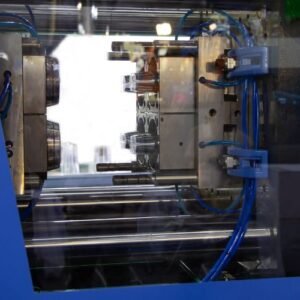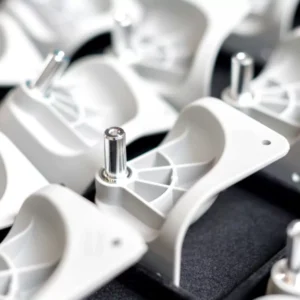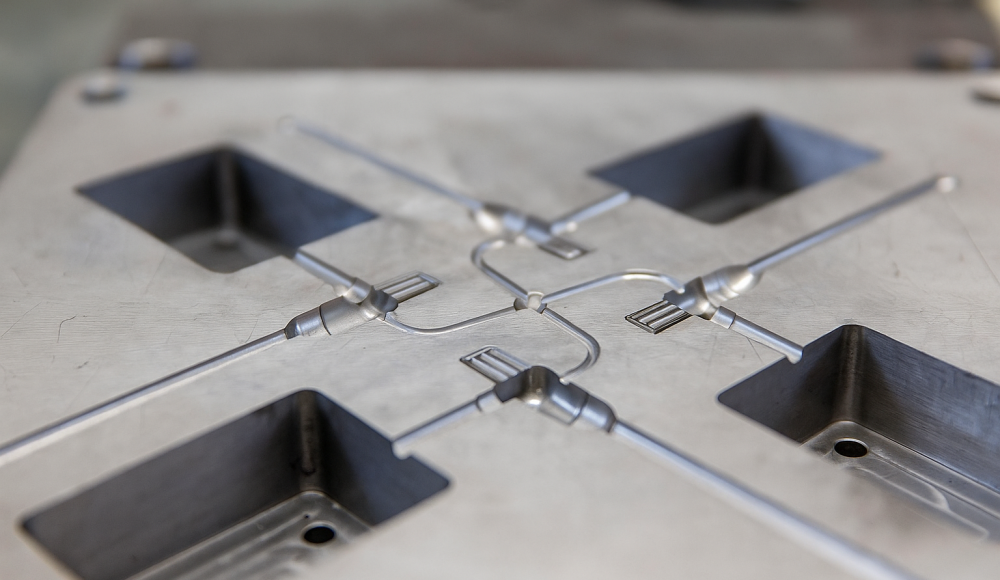
تلعب القوالب متعددة التجاويف دورًا حاسمًا في التوسع صب حقن البلاستيك إنتاج. من خلال إنتاج أجزاء متعددة في دورة صب واحدة, يمكن للمصنعين تحسين الكفاءة بشكل كبير, تقليل التكلفة لكل وحدة, وتقصير المهل الزمنية. لكن, يتطلب تصميم وتحسين القوالب متعددة التجاويف دراسة متأنية للهندسة, تدفق المواد, وتعقيد الأدوات لضمان الاتساق, أجزاء عالية الجودة.
ما هي القوالب متعددة التجاويف؟?
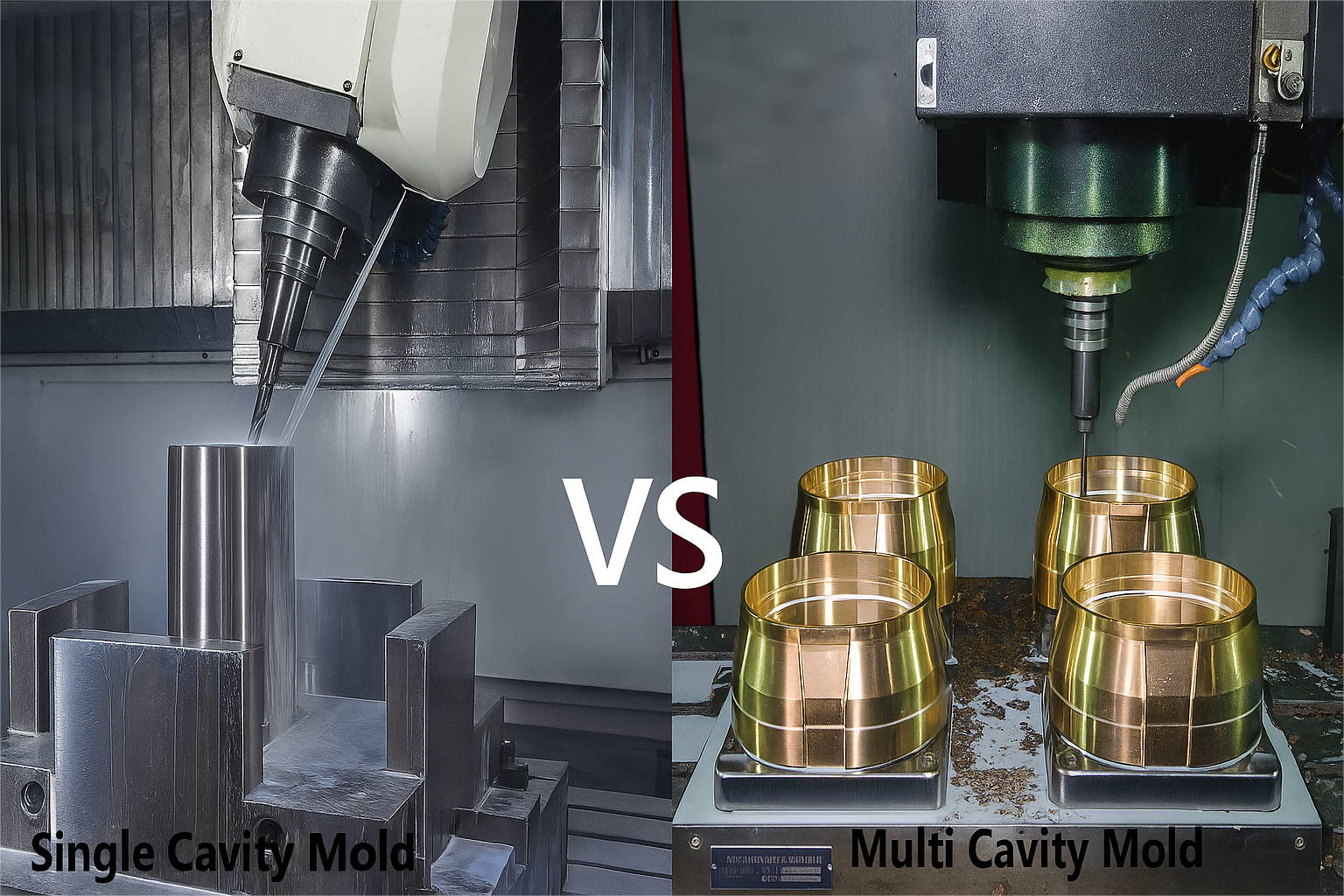
ما هي القوالب متعددة التجاويف؟
أ قالب متعدد التجاويف هو نوع من قوالب الحقن يحتوي على تجاويف متعددة متطابقة داخل قاعدة قالب واحدة. ينتج كل تجويف جزءًا واحدًا متطابقًا خلال كل دورة قولبة. الميزة الرئيسية هي القدرة على إنتاج عدة أجزاء في وقت واحد - تتراوح عادةً من قطعتين إلى عشرات - اعتمادًا على حجم الجزء, قدرة الآلة, وخصائص المواد.
يستخدم هذا النهج على نطاق واسع في الصناعات التحويلية كبيرة الحجم مثل السلع الاستهلاكية, المكونات الطبية, وقطع غيار السيارات, حيث تعتبر كفاءة الإنتاج ومراقبة التكاليف ضرورية.
متعدد التجاويف مقابل. قوالب العائلة
من الشائع الخلط بين القوالب متعددة التجاويف قوالب العائلة, ولكنها تخدم أغراضًا مختلفة ولها اعتبارات تصميمية متميزة.
قوالب متعددة التجاويف:
تنتج جميع التجاويف أجزاء متطابقة باستخدام نفس الهندسة. يضمن هذا التكوين تعبئة موحدة, تبريد, والطرد, مما يؤدي إلى جودة جزء متسقة وأوقات دورة يمكن التنبؤ بها.
قوالب العائلة:
تحتوي قوالب العائلة على تجاويف متعددة مصممة لذلك مختلف ولكن الأجزاء ذات الصلة - مثل المبيت الأيسر والأيمن لنفس المنتج. يجب أن يشتركوا في نفس المادة واللون للعمل معًا بكفاءة.
في حين أن القوالب العائلية يمكن أن تكون فعالة من حيث التكلفة, أنها تأتي مع زيادة خطر تباين الجودة. يمكن أن تؤدي أحجام التجويف غير المتساوية إلى عدم التوازن في التعبئة والتبريد, مما يؤدي إلى عدم تناسق الأبعاد أو عيوب تجميلية.
في معظم الحالات, تُفضل القوالب متعددة التجاويف للإنتاج على نطاق واسع نظرًا لبساطتها, تناسق, وسهولة الصيانة.
الفوائد الرئيسية للقوالب متعددة التجاويف
1. انخفاض الاستثمار الإجمالي
عادةً ما يكون بناء قالب واحد ينتج أجزاء متعددة أكثر فعالية من حيث التكلفة من إنتاج عدة قوالب ذات تجويف واحد. على الرغم من أن تكلفة الأدوات الأولية قد تكون أعلى, تنخفض التكلفة طويلة المدى للجزء الواحد مع زيادة حجم الإنتاج.
2. مهلة أقصر وإنتاجية أعلى
حيث يتم إنتاج أجزاء متعددة في كل دورة, يمكن للمصنعين تلبية الطلب المرتفع بشكل أسرع دون المساس بالجودة. يؤدي قصر وقت الإنتاج الإجمالي إلى تحسين جداول التسليم وكفاءة التصنيع.
3. انخفاض تكلفة الجزء
تعمل القوالب متعددة التجاويف على تحسين استخدام الماكينة وتقليل تكاليف الإعداد والعمالة. يتم تقليل الطاقة والوقت المطلوب لكل جزء بشكل كبير, مما يؤدي إلى انخفاض التكلفة لكل وحدة.
4. قابلية التوسع المبسطة
يصبح توسيع القدرة الإنتاجية أسهل باستخدام الأدوات متعددة التجاويف. بدلاً من الاستثمار في آلات أو قوالب متعددة, يمكن لآلة واحدة تقديم مخرجات أكبر, مما يجعلها مثالية لبرامج التصنيع طويلة المدى.
اعتبارات التصميم للقوالب متعددة التجاويف
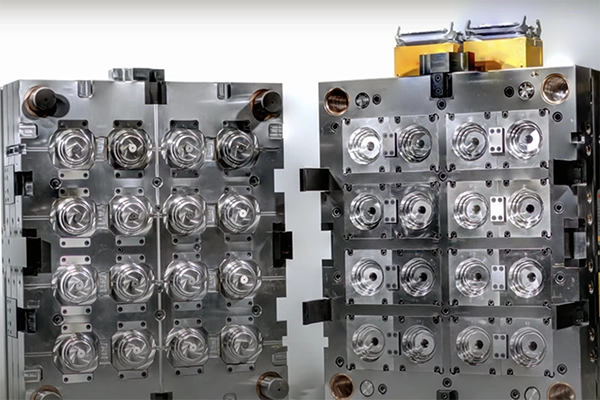
اعتبارات التصميم للقوالب متعددة التجاويف
إن تصميم قالب متعدد التجاويف ليس سهلاً مثل نسخ تجويف واحد عدة مرات. كل تجويف إضافي يزيد من تعقيد الحشو, تبريد, والطرد. لتحقيق نتائج موحدة, يجب على المهندسين تحليل تخطيط القالب بعناية, توازن العداء, وخصائص المواد.
1. تجنب الإجراءات الجانبية عندما يكون ذلك ممكنًا
غالبًا ما تُستخدم الإجراءات الجانبية لإنشاء ثقوب أو قطع سفلية في الأجزاء المقولبة. لكن, عند دمجها في أداة متعددة التجاويف, تقدم الإجراءات الجانبية تعقيدًا ميكانيكيًا كبيرًا وتزيد من احتمالية التآكل أو عدم المحاذاة.
كلما كان ذلك ممكنا, أعد تصميم الجزء لتجنب الإجراءات الجانبية - باستخدام الشرائح أو الرافعات فقط عند الضرورة القصوى. تضمن الأدوات الأبسط إنتاجًا أكثر استقرارًا وموثوقية.
2. اختر نوع البوابة الصحيحة
يلعب تصميم البوابة دورًا حيويًا في كيفية تدفق البلاستيك المنصهر إلى كل تجويف. يمكن أن يؤدي الاختيار غير الصحيح للبوابة إلى ملء غير متساوٍ, اختلافات الضغط, أو صفحة الحرب.
للقوالب متعددة التجاويف, بوابات التبويب (بوابات الحافة) يتم تفضيلها بشكل شائع لأنها تسمح بوضع مرن وتوفر قدرة تعبئة قوية.
أنواع البوابة الأخرى مثل بوابات دبوس أو بوابات الطرف الساخن هي أكثر ملاءمة للقوالب أحادية التجويف أو الأشكال الهندسية المعقدة حيث يكون الجمال والتحكم في التدفق أمرًا بالغ الأهمية.
يضمن نظام العداء والبوابة المتوازن توزيعًا موحدًا للضغط ودرجة الحرارة عبر جميع التجاويف.
3. حدد المواد المناسبة
يعد اختيار المواد عاملاً حاسماً آخر في نجاح القولبة متعددة التجاويف. البوليمرات المختلفة لها معدلات تدفق مختلفة, سلوكيات الانكماش, وخصائص التبريد. قد لا يتم توزيع المواد عالية اللزوجة بالتساوي عبر تجاويف متعددة, مما تسبب في اختلال التوازن ملء.
اعمل مع صانعي القوالب ذوي الخبرة أو موردي المواد لاختبار وتحديد الراتينج الأمثل لهندسة الجزء الخاص بك, سمك الجدار, ومتطلبات الانتهاء من السطح. يؤدي اختيار المواد المناسبة أيضًا إلى تقليل صفحة الالتواء, علامات بالوعة, وتقلب وقت الدورة.
4. التركيز على تفاصيل التصميم الهامة
عند الارتقاء إلى قوالب متعددة التجاويف, فحتى التناقضات البسيطة يمكن أن تتضاعف في جميع التجاويف. أصبح الاهتمام بالتفاصيل أثناء التصميم والتصنيع أكثر أهمية من أي وقت مضى. العناصر الرئيسية لتحسين تشمل:
سمك الجدار: الحفاظ على سمك موحد لضمان التدفق والتبريد المستمر.
زوايا المشروع: يمنع السحب الكافي التصاق الأجزاء ويسهل عملية الطرد السلس.
صقل الأسطح: تأكد من تلميع جميع التجاويف لمنع العيوب التجميلية.
الأضلاع والتعزيزات: قم بتحسين سمك الضلع والتباعد لتجنب علامات الحوض وتحسين قوة الجزء.
تصنيع الآلات الدقيقة, التهوية المناسبة, ويجب التحقق من دقة الأبعاد من خلال عمليات محاكاة مفصلة لتدفق القالب وتجارب الأدوات.
تحسين أداء القالب متعدد التجاويف
لضمان إنتاج موثوق, غالبا ما يستخدم المهندسون تحليل تدفق العفن لمحاكاة سلوك الراتنج وتحديد الاختلالات المحتملة في درجة الحرارة أو الضغط. تصميم قناة التبريد, موازنة العداء, ويتم ضبط موضع البوابة بشكل دقيق لتحقيق ملء تجويف متزامن.
تعد الصيانة الدورية أمرًا بالغ الأهمية أيضًا، حيث يتم التحقق من تآكل التجويف, تآكل البوابة, ويساعد انسداد العداء في الحفاظ على الجودة خلال فترات الإنتاج الطويلة.
خاتمة
تعد القوالب متعددة التجاويف تقنية أساسية لعمليات قولبة الحقن ذات الحجم الكبير. أنها توفر معدلات إنتاج أسرع, انخفاض تكاليف كل جزء, وقابلية توسع أفضل مقارنةً بالقوالب ذات التجويف الفردي أو القوالب العائلية. لكن, يعتمد نجاحها بشكل كبير على التصميم الدقيق, أنظمة البوابات المتوازنة, واختيار المواد.
إن العمل مع شريك ذو خبرة في مجال القولبة بالحقن يضمن أن تصميم القالب الخاص بك يلبي متطلبات الإنتاج والجودة. سواء كان مشروعك يتضمن عددًا قليلًا من التجاويف أو العشرات, يمكن أن تساعدك التوجيهات الهندسية المتخصصة في تحقيق نتائج تصنيع متسقة وفعالة.
مهتم بحلول القوالب متعددة التجاويف?
شراكة مع شركة تصنيع قوالب حقن مؤهلة لتحسين القدرة الإنتاجية وجودة الأجزاء. يمكن لدعم الخبراء في التصميم والتوصيات المادية أن يحدث فرقًا كبيرًا في تحقيق فعالية التكلفة, نتائج عالية الحجم.
التعليمات
- كم عدد التجاويف التي يمكن أن يحتوي عليها القالب?
يعتمد عدد التجاويف على حجم الجزء, أبعاد قاعدة القالب, وقدرة آلة صب الحقن. الأجزاء الصغيرة قد تسمح بتكوين العشرات من التجاويف, بينما قد تقتصر المكونات الأكبر على اثنين أو أربعة. - هل تصنيع القوالب متعددة التجاويف أكثر تكلفة؟?
عادة ما تكون تكلفة الأدوات الأولية أعلى, ولكنها تقلل التكاليف طويلة المدى عن طريق خفض سعر الجزء الواحد وزيادة كفاءة الإنتاج، مما يجعلها أكثر فعالية من حيث التكلفة بالنسبة للمشاريع كبيرة الحجم.. - كيف يضمن المصنعون ملء جميع التجاويف بشكل متساوٍ؟?
أداء المهندسين محاكاة تدفق العفن لتحليل تدفق البلاستيك وضبط تصميم العداء, حجم البوابة, وتخطيط التبريد للحفاظ على ضغط موحد, درجة حرارة, وملء الوقت عبر كل تجويف. - هل يمكن استخدام مواد مختلفة في قالب واحد متعدد التجاويف؟?
لا. يجب أن تستخدم جميع التجاويف الموجودة في القالب متعدد التجاويف نفس المواد ومعلمات المعالجة لضمان الجودة المتسقة وتجنب اختلافات التدفق أو الانكماش. - ما هو العمر الافتراضي للقالب متعدد التجاويف؟?
يعتمد العمر الافتراضي على اختيار المواد, صلابة العفن الصلب, صيانة, وحجم الإنتاج. مع الرعاية المناسبة, يمكن للقالب الفولاذي عالي الجودة إنتاج مئات الآلاف إلى ملايين الأجزاء قبل الحاجة إلى التجديد.