



سإن اختيار النيكل لمكون هندسي ليس مجرد مسألة اختيار مادة تحتوي على نسبة عالية من النيكل. المادة الصحيحة تعتمد على درجة سبيكة دقيقة, التركيب الكيميائي, الحالة المادية, شكل المنتج, بيئة التشغيل, عملية التصنيع, ومعايير التفتيش المطلوبة.
للمصنعين والمهندسين, تصبح هذه الفروق ذات أهمية خاصة عند إنتاج مكونات النيكل الدقيقة من خلال التصنيع باستخدام الحاسب الآلي, تحول, طحن, طحن, لحام, تشكيل, أو طلاء النيكل.
يشرح هذا الدليل ما هو النيكل, كيف يتم تصنيف سبائك النيكل, ما هي الخصائص المهمة في الهندسة, حيث يتم استخدام النيكل, كيفية اختيار الصف المناسب, كيف يتم تشكيل سبائك النيكل, وما هي المعلومات التي ينبغي تضمينها في طلب عرض أسعار تصنيع النيكل.
ما هو النيكل?
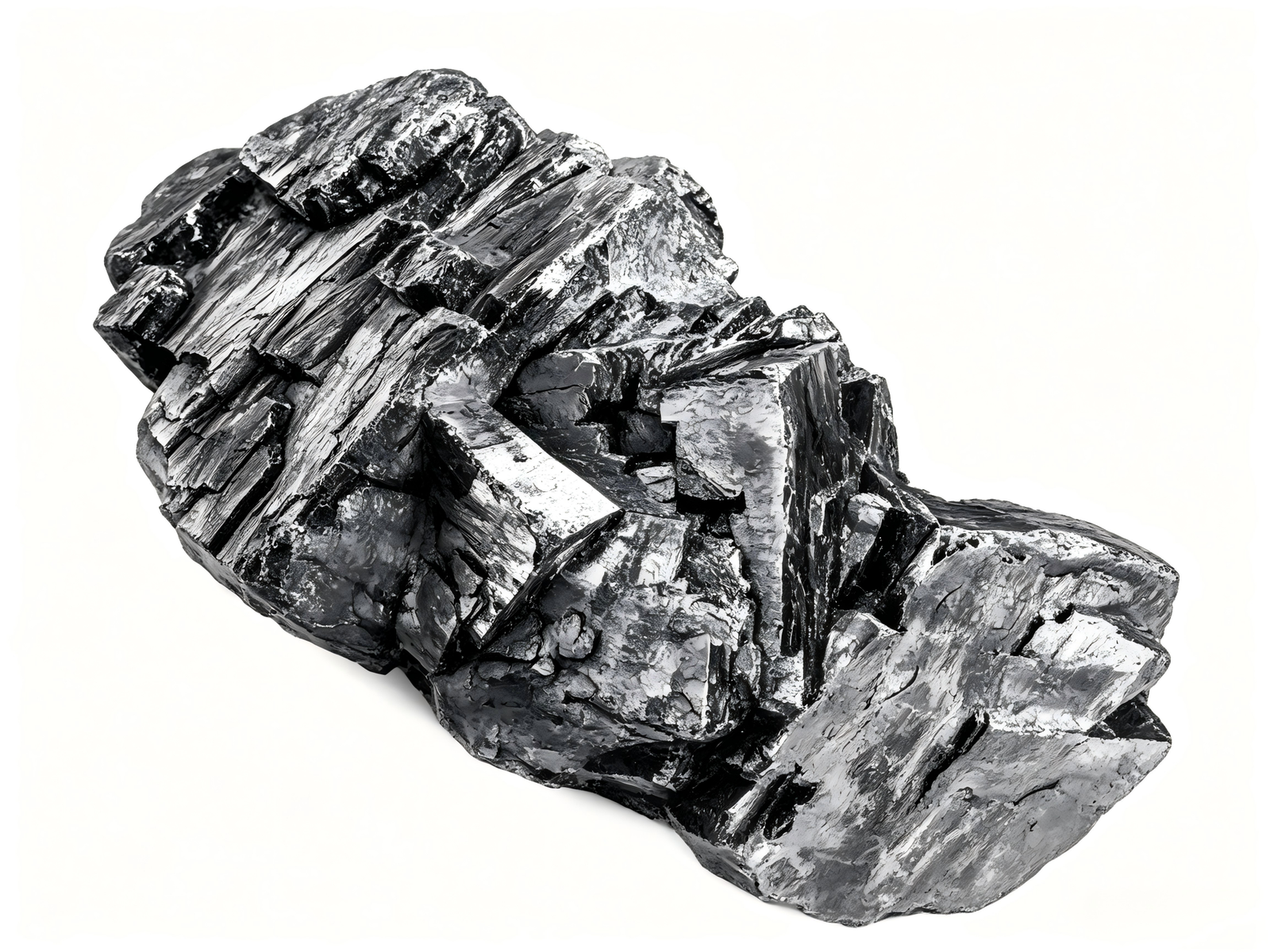
النيكل عنصر معدني له العدد الذري 28. النيكل النقي له مظهر فضي وهو ذو مغناطيسية حديدية بالقرب من درجة حرارة الغرفة. أعظم قيمتها الصناعية, لكن, يأتي من الطريقة التي يعدل بها النيكل خصائص أنظمة السبائك.
يمكن أن يساهم النيكل في مقاومة التآكل, أداء درجات الحرارة العالية, صلابة, والاستقرار الهيكلي. هذه الخصائص تجعلها ذات قيمة في المعالجة الكيميائية, الفضاء الجوي, توليد الطاقة, المعدات البحرية, إلكترونيات, أنظمة الطاقة, وغيرها من التطبيقات الصعبة.
النقطة المهمة للمهندسين هي ذلك محتوى النيكل وحده لا يحدد مادة هندسية قابلة للاستخدام.
يجب أن تحدد مواصفات الرسم أو الشراء التسمية الكاملة للمادة, المعيار المطبق, شكل المنتج, والحالة. يمكن أن تحتوي نفس عائلة النيكل العامة على مواد ذات ميكانيكية مختلفة إلى حد كبير, الحرارية, تآكل, وخصائص الآلات.
على سبيل المثال, النيكل النقي تجاريا 200 والنيكل 201 هي مواد وثيقة الصلة, لكن النيكل 201 يحتوي على محتوى منخفض من الكربون يمكن التحكم فيه مما يجعله أكثر ملاءمة لبعض تطبيقات درجات الحرارة المرتفعة.
طرق مادة النيكل الشائعة
يمكن بشكل عام تقسيم مواد النيكل المستخدمة في التصنيع إلى عدة مجموعات:
|
العائلة المادية |
الغرض النموذجي |
اعتبارات اختيار المفتاح |
|
النيكل النقي تجاريا |
المكونات المقاومة للتآكل والمعدات الكيميائية |
درجة, مستوى الكربون, درجة حرارة الخدمة |
|
الفولاذ المقاوم للصدأ المحتوي على النيكل |
الهياكل العامة المقاومة للتآكل |
تسمية كاملة غير القابل للصدأ |
|
سبائك ذات قاعدة النيكل |
ارتفاع درجة الحرارة, قوة عالية, أو تطبيقات التآكل الشديد |
حالة السبائك والمعالجة الحرارية بالضبط |
|
سبائك النحاس والنيكل |
أنظمة النقل البحري والحراري |
كيمياء المياه وظروف التشغيل |
|
طلاءات النيكل |
حماية السطح ومقاومة التآكل/التآكل |
نظام الطلاء, سماكة, الركيزة |
ولذلك ينبغي تحديد مسار المواد قبل أن تقوم الشركة المصنعة بإعداد عرض الأسعار.
خصائص النيكل التي تهم في الهندسة
يعد فهم الخصائص الهندسية للنيكل أمرًا ضروريًا عند تحديد ما إذا كان مناسبًا لمكون معين.
كثافة
تبلغ كثافة النيكل النقي حوالي 8.90 جم/سم3. يمكن أن تؤثر هذه الكثافة العالية نسبيًا على وزن المكونات, استهلاك المواد, الجمود, وتكلفة الشحن.
لمكونات الدقة, لكن, يجب استخدام كثافة السبيكة المحددة بدلاً من تطبيق قيمة النيكل النقي تلقائيًا.
نقطة الانصهار والأداء الحراري
يذوب النيكل النقي عند درجة تقريبية 1,455درجة مئوية (2,651درجة فهرنهايت).
هذه القيمة مفيدة لفهم الخصائص الحرارية العامة للنيكل, ولكن لا ينبغي استخدامه كحد أقصى لدرجة حرارة الخدمة لسبائك النيكل.
تم تصميم سبائك النيكل خصيصًا لمجموعات مختلفة من قوة درجات الحرارة العالية, مقاومة الأكسدة, مقاومة زحف, ومقاومة التآكل. يمكن أن تختلف درجات حرارة المواد الصلبة والسائلة بشكل كبير عن النيكل النقي.
لذلك:
لا تستخدم نقطة انصهار النيكل النقي كدرجة حرارة التشغيل القصوى لمكون سبائك النيكل.
يجب أن يعتمد اختيار المواد دائمًا على البيانات المعتمدة الخاصة بالسبيكة والحالة الدقيقة.
المقاومة للتآكل
تعد مقاومة التآكل إحدى أهم المزايا الهندسية للنيكل.
يتم استخدام النيكل والسبائك القائمة على النيكل في البيئات التي تنطوي على:
· المعالجة الكيميائية
· المحاليل الكاوية
· البيئات البحرية
· غازات ذات درجة حرارة عالية
· العمليات البتروكيميائية
· معدات توليد الطاقة
· أنظمة تجهيز الأغذية
· إنتاج الملح
· بعض البيئات الحمضية أو القلوية
لكن, من غير الصحيح القول بأن النيكل مقاوم لكل البيئات المسببة للتآكل.
يعتمد أداء التآكل على:
· التركيب الكيميائي
· درجة سبائك
· درجة حرارة
· تركيز
· سرعة التدفق
· ضغط
· وقت التعرض
· الملوثات
· حالة اللحام
· حالة السطح
النيكل 200 والنيكل 201, على سبيل المثال, معروفة بمقاومتها للتآكل في مجموعة من البيئات, الخدمة الكاوية بشكل خاص, ولكن لا يزال يتعين تحديد الدرجة الصحيحة وفقًا لظروف التشغيل الفعلية.
الخصائص المغناطيسية
النيكل النقي مغناطيسي حديدي بالقرب من درجة حرارة الغرفة.
يمكن أن يكون هذا مهمًا في:
· أجهزة الاستشعار
· التجمعات الكهرومغناطيسية
· المعدات الكهربائية
· الأدوات العلمية
· أجهزة دقيقة
لكن, ليس بالضرورة أن يكون للسبائك المحتوية على النيكل نفس السلوك المغناطيسي للنيكل النقي.
العمل البارد, المعالجة الحرارية, كيمياء السبائك, درجة حرارة, وحالة المواد النهائية يمكن أن تؤثر جميعها على الاستجابة المغناطيسية.
إذا كان الأداء غير المغناطيسي أحد متطلبات التصميم, ينبغي تحديد السبيكة الدقيقة والحالة النهائية والتحقق منها.
الأداء الحراري والميكانيكي
تعتبر السبائك ذات قاعدة النيكل ذات قيمة خاصة لأن العديد منها يحتفظ بقوة مفيدة عند درجات الحرارة حيث تفقد المعادن الهندسية التقليدية أداء ميكانيكيًا كبيرًا.
وهذا يجعلها جذابة ل:
· مكونات التوربينات
· أنظمة العادم
· صمامات ذات درجة حرارة عالية
· مكونات الاحتراق
· معدات المعالجة الكيميائية
· معدات النفط والغاز
· الأجهزة الفضائية
تعتمد الخواص الميكانيكية المحددة على درجة السبائك, المعالجة الحرارية, شكل المنتج, وحالة الاختبار.
لهذا السبب, لا ينبغي للرسومات الهندسية أن تذكر ببساطة "سبائك النيكل". يجب عليهم تحديد المواصفات الدقيقة.
أشكال مادة النيكل وعائلات السبائك
يتوفر النيكل في العديد من عائلات المواد وأشكال المنتجات, مشتمل:
· ملزمة
· طبق
· حاجِز
· عصا
· أنبوب
· ماسورة
· سلك
· المطروقات
· مسحوق
· الفراغات الآلية
يمكن أن تتغير عملية التصنيع حسب شكل المادة الموردة.
النيكل النقي تجاريا
النيكل 200 والنيكل 201 هما درجتان مهمتان من النيكل النقي تجاريًا.
النيكل 200 يوفر خصائص ميكانيكية جيدة ومقاومة للتآكل على نطاق واسع من درجات الحرارة.
النيكل 201 لديه حد الكربون أقل من النيكل 200. يصبح هذا الاختلاف مهمًا بشكل خاص في درجات الحرارة المرتفعة لأن الكربون الزائد يمكن أن يساهم في آليات التقصف في ظروف خدمة معينة.
وتشمل التطبيقات النموذجية:
· المعالجة الكيميائية
· التعامل مع الكاوية
· معدات تجهيز الأغذية
· المعدات البحرية
· إلكترونيات
· معدات الطلاء الكهربائي
· معدات معالجة عالية النقاء
النيكل في الفولاذ المقاوم للصدأ
يعد النيكل أيضًا عنصرًا مهمًا في صناعة السبائك في العديد من الفولاذ المقاوم للصدأ الأوستنيتي.
يمكن أن يشمل دورها تثبيت الهيكل الأوستنيتي والمساهمة في مقاومة التآكل والمتانة.
لكن, محتوى النيكل في حد ذاته لا يضمن مقاومة التآكل.
على سبيل المثال, يجب أن يأخذ اختيار الفولاذ المقاوم للصدأ للبيئات المحتوية على الكلوريد في الاعتبار كيمياء السبائك الكاملة وآلية التعرض الفعلية.
سبائك النيكل ذات القاعدة
تستخدم سبائك النيكل النيكل كمصفوفة أساسية وتضيف عناصر مثل:
· الكروم
· الموليبدينوم
· حديد
· الكوبالت
· التيتانيوم
· الألومنيوم
· التنغستن
· النيوبيوم
تم تصميم مجموعات مختلفة لمتطلبات هندسية مختلفة.
تشمل عائلات السبائك الشائعة القائمة على النيكل:
· إنكونيل
· هاستلوي
· مونيل
· إنكولوي
· النيكل 200/201
غالبًا ما يتم اختيار هذه المواد لمقاومة درجات الحرارة العالية, المقاومة للتآكل, مقاومة الأكسدة, أو مزيج من هذه الخصائص.
سبائك النحاس والنيكل
ترتبط سبائك النحاس والنيكل عادة بالتطبيقات البحرية وتطبيقات نقل الحرارة.
يمكن استخدامها في:
· أنظمة مياه البحر
· المبادلات الحرارية
· المكثفات
· الأنابيب البحرية
· معدات تحلية المياه
كيمياء المياه الفعلية, سرعة, درجة حرارة, ويجب مراعاة شروط التشغيل عند اختيار السبيكة.
طلاءات النيكل
يمكن أيضًا استخدام النيكل كطلاء بدلاً من استخدامه كمادة سائبة.
يمكن أن يوفر طلاء النيكل:
· حماية التآكل
· ارتداء المقاومة
· صلابة السطح
· تحسين خصائص السطح
· استعادة الأبعاد في تطبيقات مختارة
لا يحول الطلاء الركيزة إلى نيكل سائب.
لذلك يجب أن يحدد الرسم كلاً من متطلبات الركيزة والطلاء.
التطبيقات الصناعية للنيكل
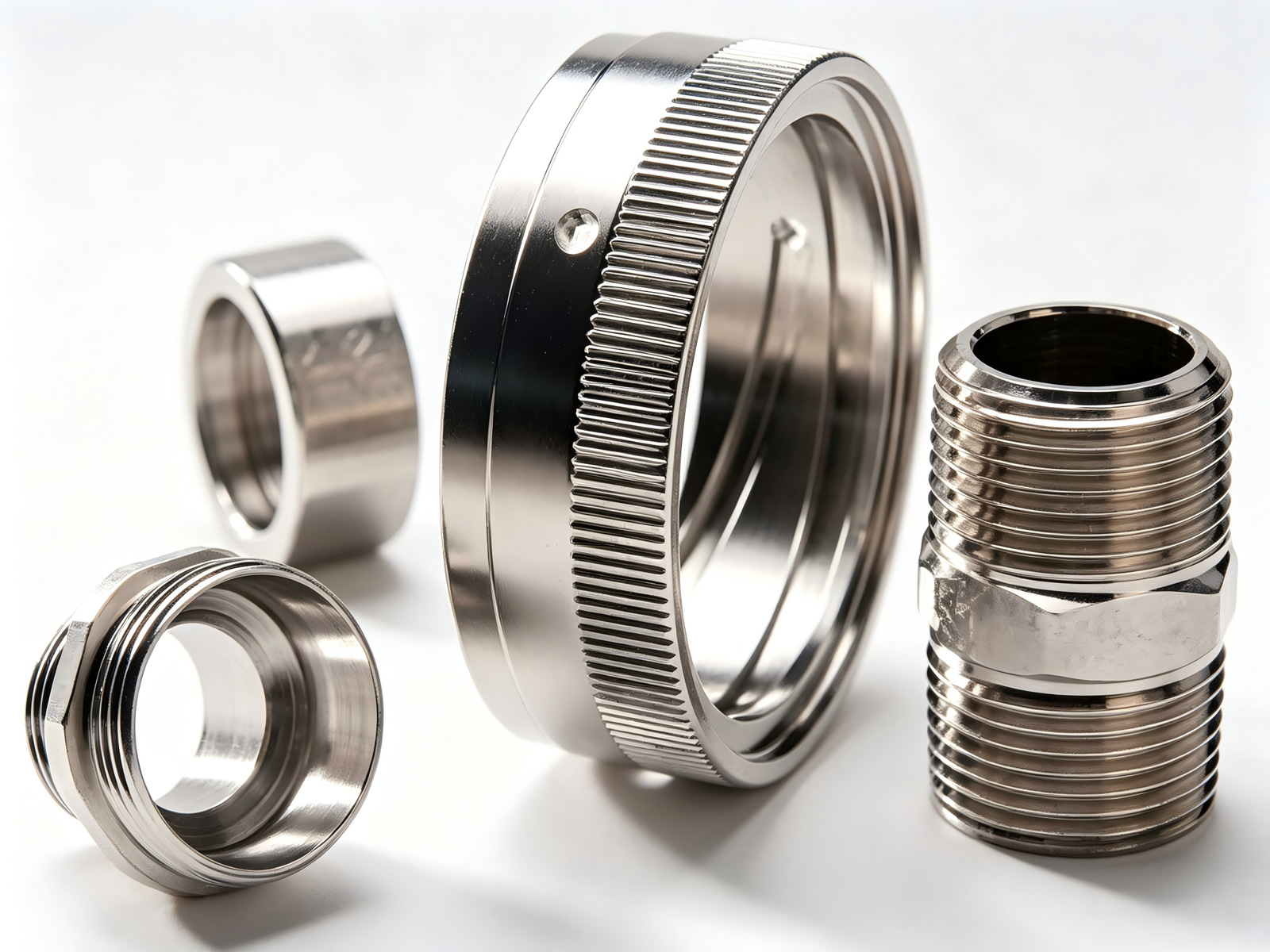
يستخدم النيكل في العديد من الصناعات لأنه يمكن أن يحل العديد من المشاكل الهندسية المختلفة.
المعالجة الكيميائية
يتم أخذ سبائك النيكل وسبائك النيكل في الاعتبار على نطاق واسع عندما يجب أن تتحمل المعدات المواد الكيميائية العدوانية, ارتفاع درجات الحرارة, أو المحاليل الكاوية.
وتشمل المكونات النموذجية:
· الصمامات
· مضخات
· توصيلات
· فوهات
· مكونات المفاعل
· مهمات الربط
· المبادلات الحرارية
يجب اختيار المادة وفقًا للبيئة الكيميائية الفعلية بدلاً من مجرد اختيار أعلى محتوى متاح من النيكل.
الفضاء الجوي
تعتبر السبائك الفائقة القائمة على النيكل مهمة في مجال الطيران لأن الكثير منها يحتفظ بقوته عند درجات حرارة مرتفعة.
وتشمل التطبيقات النموذجية:
· مكونات التوربينات
· أجهزة المحرك
· مكونات الاحتراق
· السحابات ذات درجة الحرارة العالية
· تجهيزات الطيران الدقيقة
يمكن أن تكون متطلبات التصنيع صعبة لأن الخصائص التي تجعل سبائك النيكل الفائقة ذات قيمة في الخدمة تجعل من الصعب أيضًا قطعها.
النفط والغاز
تُستخدم سبائك النيكل في تطبيقات النفط والغاز المختارة حيث تواجه المكونات مجموعات من:
· الضغط العالي
· ارتفاع درجة الحرارة
· السوائل المسببة للتآكل
· البيئات الحامضة
· متطلبات الخدمة الطويلة
يجب أن يعتمد اختيار المواد على سائل العملية الفعلي ومواصفات الصناعة المعمول بها.
التطبيقات البحرية
يمكن استخدام سبائك النيكل والنحاس والنيكل:
· الأنابيب البحرية
· المبادلات الحرارية
· مضخات
· الصمامات
· المعدات البحرية
· أنظمة مياه البحر
يجب اختيار السبيكة الدقيقة وفقًا للبيئة البحرية وظروف التشغيل المتوقعة.
الطاقة وتوليد الطاقة
تُستخدم سبائك النيكل في بيئات توليد الطاقة الصعبة حيث قد تتعرض المكونات لدرجات حرارة عالية, ركوب الدراجات الحرارية, ضغط, والتآكل.
وتشمل التطبيقات المحتملة:
· مكونات التوربينات
· المعدات المتعلقة بالغلايات
· المبادلات الحرارية
· الصمامات
· السحابات ذات درجة الحرارة العالية
الإلكترونيات والمعدات الكهربائية
يمكن أيضًا استخدام النيكل النقي تجاريًا في الأماكن الكهربائية, الحرارية, تآكل, أو الخصائص المغناطيسية مهمة.
يمكن أن تشمل التطبيقات:
· الاتصالات الكهربائية
· المكونات المتعلقة بالبطارية
· الأجهزة الإلكترونية
· معدات الطلاء الكهربائي
· مكونات موصلة دقيقة
كيفية اختيار مادة النيكل المناسبة
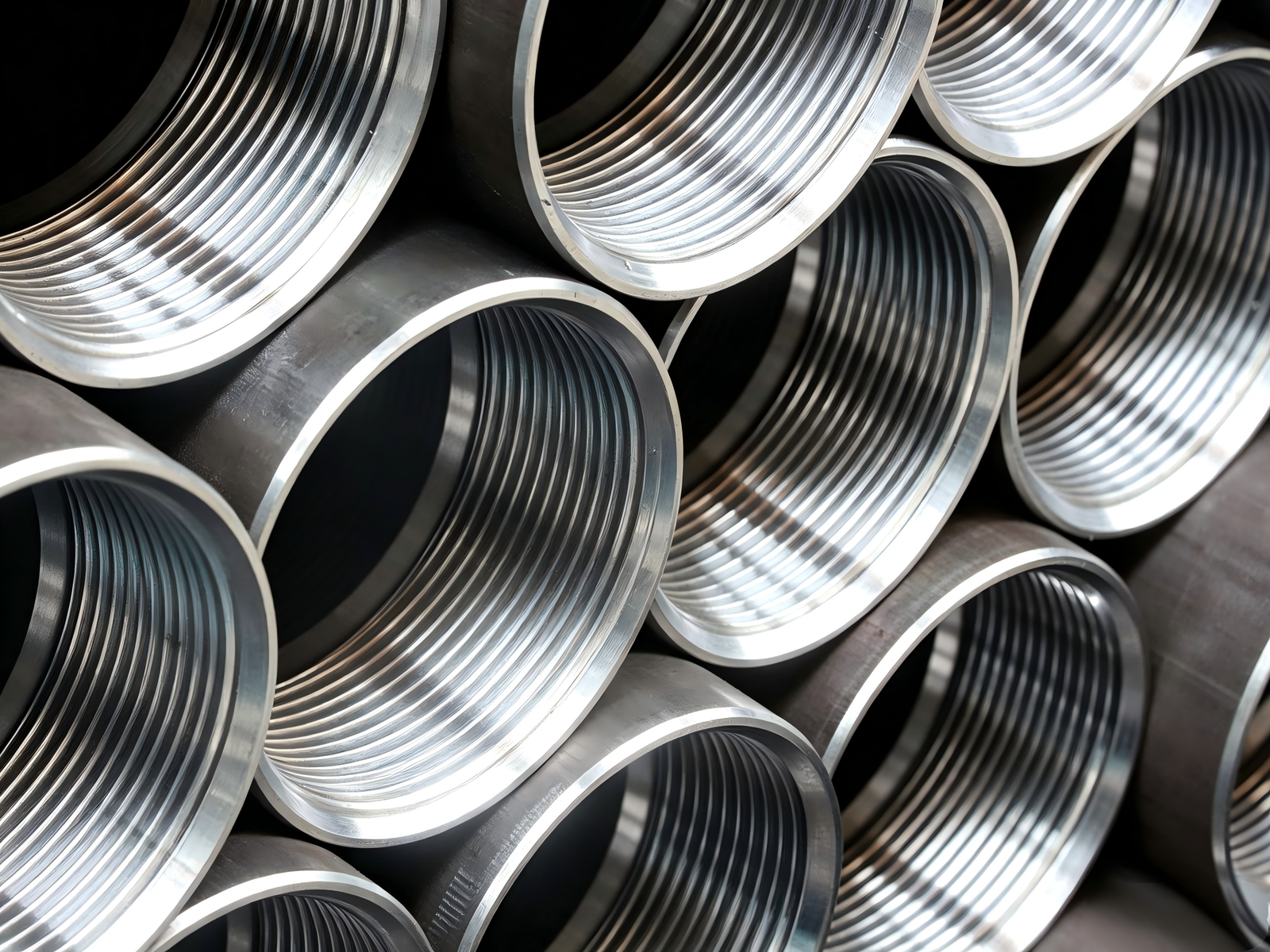
اختيار سبائك النيكل الصحيحة يجب أن يتبع عملية هندسية منهجية.
خطوة 1: تحديد بيئة الخدمة
ابدأ بتحديد:
· درجة حرارة التشغيل
· ضغط
· التعرض الكيميائي
· رطوبة
· الوسائط المسببة للتآكل
· الحمل الميكانيكي
· اهتزاز
· عدد دورات التشغيل
· مدة الخدمة المطلوبة
إن المادة التي تعمل بشكل جيد في بيئة ما قد تفشل في بيئة أخرى.
خطوة 2: تحديد وضع الفشل الأساسي
اسأل ما الذي قد يتسبب في فشل المكون.
تتضمن أوضاع الفشل المحتملة:
· تآكل
· يرتدي
· تعب
· التدهور الحراري
· تكسير
· تشويه
· عدم الاستقرار الأبعاد
· التدخل المغناطيسي
يعد هذا النهج أكثر موثوقية من اختيار المواد بناءً على السعر أو نسبة النيكل فقط.
خطوة 3: حدد عائلة المواد
تحديد ما إذا كان المكون يتطلب:
· النيكل النقي تجاريا
· سبائك النيكل
· الفولاذ المقاوم للصدأ
· سبائك النحاس والنيكل
· طلاء النيكل
الهدف هو اختيار المادة الأقل تكلفة التي توفر الأداء المناسب, بدلاً من اختيار أغلى السبائك تلقائيًا.
خطوة 4: النظر في عملية التصنيع
يجب تقييم عملية المواد والتصنيع معًا.
وتشمل العمليات المحتملة:
· الطحن باستخدام الحاسب الآلي
· تحول باستخدام الحاسب الآلي
· التصنيع باستخدام الحاسب الآلي السويسرية
· طحن
· موسيقى الرقص الإلكترونية
· تشكيل
· لحام
· المعالجة الحرارية
· طلاء النيكل
قد تلبي المادة متطلبات الخدمة ولكن تصنيعها لا يزال صعبًا أو مكلفًا.
خطوة 5: تحديد معايير القبول
يجب أن تحدد مواصفات الشراء الأدلة المطلوبة.
يمكن أن يشمل ذلك:
· شهادات المواد
· التركيب الكيميائي
· PMI
· صلابة
· اختبار الشد
· فحص الأبعاد
· خشونة السطح
· NDT
· سمك الطلاء
· التفتيش المقال الأول
خطوة 6: تقييم التكلفة الإجمالية
إن أدنى سعر للمادة لا ينتج بالضرورة أقل تكلفة إجمالية.
يعتبر:
مادة + بالقطع + الأدوات + تقتيش + التشطيب + خردة + صيانة + خدمة الحياة
للمكونات الصناعية ذات القيمة العالية, يمكن أن تكون تكلفة دورة الحياة أكثر أهمية من سعر الشراء الأولي.
التصنيع باستخدام الحاسب الآلي سبائك النيكل والنيكل
يمكن أن تكون سبائك النيكل أكثر صعوبة في التصنيع من المواد الشائعة مثل الألومنيوم والفولاذ الطري.
وتشمل التحديات الرئيسية:
· تصلب العمل
· درجات حرارة القطع العالية
· الموصلية الحرارية المنخفضة
· أداة ارتداء الأداة
· تشكيل رقاقة صعبة
· التشطيب السطحي الصعب
· عدم الاستقرار الأبعاد
تحدد الأدبيات الفنية وإرشادات التصنيع الحالية باستمرار تصلب العمل وتركيز الحرارة كعوامل رئيسية في تصنيع سبائك النيكل.
لماذا تعمل سبائك النيكل بشكل تصلب؟
تتصلب العديد من سبائك النيكل بسرعة عند تعرضها للتشوه الميكانيكي.
إذا احتكت أداة القطع بالمادة بدلاً من إزالة المادة بكفاءة, يمكن أن يصبح السطح أصعب.
ثم يواجه مسار القطع التالي طبقة صلبة.
هذا يمكن أن يؤدي إلى:
· تسارع تآكل الأداة
· التقطيع
· الإحراز
· سوء الانتهاء من السطح
· تباين الأبعاد
لذلك, يجب أن تقلل استراتيجية التصنيع من الاحتكاك والسكن غير الضروري.
إدارة الحرارة أثناء التصنيع باستخدام الحاسب الآلي
تتمتع سبائك النيكل عمومًا بموصلية حرارية منخفضة نسبيًا مقارنة بالعديد من مواد التصنيع التقليدية.
نتيجة ل, يمكن أن يظل المزيد من الحرارة مركزًا بالقرب من منطقة القطع وحافة الأداة.
تحدد مراجع الآلات الحالية تركيز الحرارة كمساهم رئيسي في تآكل الأدوات عند تصنيع سبائك النيكل.
لذلك تحتاج عملية التصنيع الاحترافية إلى التحكم:
· سرعة القطع
· معدل التغذية
· عمق القطع
· هندسة الأداة
· تسليم المبرد
· مشاركة الأداة
· صلابة العمل
يجب تطوير معلمات القطع الدقيقة للسبائك المحددة, أداة, آلة, وهندسة المكونات بدلاً من نسخها من طاولة تصنيع النيكل العامة.
اعتبارات الأدوات
يعد اختيار الأداة أمرًا بالغ الأهمية عند تصنيع سبائك النيكل.
اعتمادا على سبيكة والتطبيق, قد يتم تقييم الشركات المصنعة:
· أدوات كربيد
· كربيد المغلفة
· أدوات السيراميك
· إدراجات متخصصة عالية الأداء
يجب أن توفر هندسة الأداة الصحيحة إجراء قطع ثابتًا مع التحكم في الحرارة وتجنب الاحتكاك المفرط.
يجب أيضًا مراقبة تآكل الأداة أثناء الإنتاج.
ثبات العمل وصلابة الماكينة
تعتبر عملية العمل الصلبة ذات أهمية خاصة بالنسبة لتصنيع النيكل.
يمكن للإعداد المرن أن ينتج:
· الثرثرة
· اهتزاز
· سوء الانتهاء من السطح
· أخطاء الأبعاد
· كسر الأداة
تتطلب مكونات النيكل ذات الجدران الرقيقة اهتمامًا إضافيًا لأن قطعة العمل نفسها يمكن أن تصبح العامل المحدد.
ولذلك ينبغي تصميم استراتيجية التصنيع حول هندسة المكونات النهائية بدلاً من المواد الخام فقط.
تصنيع النيكل باستخدام الحاسب الآلي للمكونات ذات التسامح المحكم
لمكونات النيكل الدقيقة, وينبغي النظر في خطة التصنيع:
1. شهادة المواد الخام
2. الحالة المادية
3. عقد العمل
4. الآلات الخام
5. الإجهاد والتحكم الحراري
6. نصف تشطيب
7. التشطيب
8. فحص الأبعاد
9. فحص السطح
10. الوثائق النهائية
أشد التسامح, كلما أصبح استقرار العملية أكثر أهمية.
مشاكل التصنيع باستخدام الحاسب الآلي النيكل المشتركة
مشكلة 1: تصلب العمل
سبب: فرك الأداة, المسكن, أو القطع المتكرر على سطح صلب بالفعل.
حل: حافظ على مشاركة القطع الفعالة واستخدم معلمات القطع الخاصة بالسبائك.
مشكلة 2: الإفراط في ارتداء الأدوات
سبب: تركيز الحرارة, مكونات سبائك جلخ, أو أدوات غير مناسبة.
حل: تحسين الأدوات, معلمات القطع, وتسليم المبرد.
مشكلة 3: الانتهاء من سوء السطح
سبب: الثرثرة, الأدوات البالية, عمل غير مستقر, أو معلمات التشطيب غير مناسبة.
حل: تحسين صلابة الآلة, حالة الأدوات, واستراتيجية التشطيب.
مشكلة 4: تباين الأبعاد
سبب: التمدد الحراري, أداة ارتداء الأداة, حركة الشغل, أو ظروف التصنيع غير المستقرة.
حل: التحكم في درجة حرارة العملية, عقد العمل, حالة الأداة, وفترات التفتيش.
مشكلة 5: تشويه الجدار الرقيق
سبب: قوة القطع المفرطة أو الدعم غير الكافي.
حل: تحسين استراتيجية إزالة المواد وتوفير الدعم المناسب لقطع العمل.
لحام وتصنيع النيكل
يمكن لحام النيكل وسبائك النيكل, لكن قابلية اللحام تعتمد بشكل كبير على السبيكة المحددة.
ينبغي النظر في عملية اللحام المؤهلة:
· المادة الأساسية
· مادة حشو
· الهندسة المشتركة
· التنظيف المسبق
· معلمات اللحام
· مدخلات الحرارة
· شروط العبور
· متطلبات ما بعد اللحام
· طريقة التفتيش
النظافة مهمة بشكل خاص.
زيت, التلوث المحتوي على الكبريت, وغيرها من المواد الأجنبية يمكن أن تؤثر سلبا على جودة اللحام.
للتطبيقات الحرجة, يجب أن يكون إجراء اللحام مؤهلاً وفقًا للكود أو المواصفات المعمول بها.
طلاء النيكل وهندسة الأسطح
يتم استخدام طلاء النيكل عندما يحتاج المهندسون إلى خصائص السطح دون تصنيع المكون بالكامل من النيكل الصلب.
هناك نهجان شائعان:
طلاء النيكل كهربائيا
يستخدم طلاء النيكل كهربائيا التيار الكهربائي لترسيب النيكل على الركيزة.
يمكن استخدامه ل:
· حماية التآكل
· التشطيبات الزخرفية
· ارتداء المقاومة
· التحكم في الأبعاد
طلاء النيكل اللاكهربائي
يستخدم النيكل غير الكهربائي عملية اختزال كيميائية بدلاً من التيار الكهربائي المباشر.
يمكن أن يكون مفيدًا للمكونات ذات الأشكال الهندسية المعقدة التي تتطلب ترسيبًا موحدًا نسبيًا.
هل يؤثر طلاء النيكل على التسامح؟?
نعم.
يضيف طلاء النيكل مادة إلى السطح النهائي.
هذا يمكن أن يؤثر:
· قطر الثقب
· قطر رمح
· تناسب الموضوع
· تحمل المقاعد
· أسطح التزاوج
· أسطح الختم
لذلك, يجب أن يوضح الرسم الدقيق ما إذا كانت الأبعاد موجودة أم لا:
· قبل الطلاء
· بعد الطلاء
· أو السيطرة عليها في كلا المرحلتين
يؤكد المصدر الأصلي بشكل صحيح على أنه يجب دمج سمك الطلاء في التحكم في الأبعاد بدلاً من التعامل معه كفكرة لاحقة.
مراقبة جودة النيكل والتفتيش
تتطلب عملية تصنيع النيكل الموثوقة أكثر من مجرد فحص الأبعاد النهائي.
التحقق من المواد
قد تتضمن المستندات المهمة:
· شهادة اختبار الطاحونة
· شهادة المطابقة
· رقم الحرارة
· درجة المادة
· التركيب الكيميائي
· الخصائص الميكانيكية
· شكل المنتج
· حالة المعالجة الحرارية
تحديد المواد الإيجابية
يمكن أن يكون مؤشر مديري المشتريات (PMI) مفيدًا للتحقق من أن السبائك الموردة متوافقة مع عائلة المواد المطلوبة.
لكن, لا تحل شركة PMI محل شهادة المواد تلقائيًا عندما تتطلب المواصفات الحاكمة بيانات كيميائية أو ميكانيكية معتمدة.
ولذلك ينبغي أن تكون طريقة التفتيش مطابقة لمتطلبات القبول.
التفتيش الأبعاد
اعتمادا على المكون, قد يشمل فحص الأبعاد:
· التفتيش CMM
· ميكرومتر
· الفرجار
· مقاييس تتحمل
· القياس البصري
· مقاييس الموضوع
· قياس خشونة السطح
لمكونات النيكل شديدة التحمل, يجب دمج التفتيش في عملية التصنيع بدلاً من إجرائه عند الشحن النهائي فقط.
اختبار إضافي
اعتمادا على متطلبات التطبيق, قد يشمل الاختبار:
· اختبار الصلابة
· اختبار الشد
· التحليل الكيميائي
· PMI
· NDT
· اختبار التآكل
· اختبار سمك الطلاء
· اختبار الالتصاق
· فحص خشونة السطح
كيفية تقليل تكلفة الأجزاء المصنعة بالنيكل باستخدام الحاسب الآلي
غالبًا ما تكون معالجة النيكل أكثر تكلفة من معالجة المعادن التقليدية, لذا فإن تحسين التصميم والتصنيع يمكن أن يحدث فرقًا كبيرًا.
تقليل التسامح الصارم غير الضروري
لا تحدد ±0.005 مم عندما يكون ±0.02 مم مقبولًا وظيفيًا.
يمكن أن تزيد التفاوتات الضيقة للغاية:
· وقت التصنيع
· متطلبات التفتيش
· تكلفة الأدوات
· خطر الخردة
استخدم التفاوتات الصارمة فقط عند الحاجة للوظيفة.
تجنب الجدران الرقيقة المفرطة
يمكن أن تزيد المقاطع الرقيقة من صعوبة المعالجة ومخاطر التشويه.
إذا كان التصميم يسمح بذلك, استخدام سمك الجدار المناسب والدعم الهيكلي.
تقليل الميزات المعقدة غير الضرورية
تجاويف عميقة, فتحات ضيقة, نصف قطر داخلي صغير, والميزات التي يصعب الوصول إليها يمكن أن تزيد بشكل كبير من وقت المعالجة.
يمكن لمراجعة سوق دبي المالي قبل الإنتاج تحديد الفرص المتاحة لتبسيط التصميم.
توحيد عمليات التصنيع
حيثما كان ذلك مناسبا, قد تقلل آلة CNC متعددة المحاور:
· عدد الاعدادات
· أخطاء إعادة التموضع
· متطلبات المباراة
· وقت التعامل
لكن, يعتمد أفضل طريق للتصنيع على الشكل الهندسي, تسامح, كمية, والمعدات المتاحة.
اختيار مادة النيكل: الأخطاء الشائعة التي يجب تجنبها
خطأ 1: تحديد "النيكل" فقط
إن كلمة "نيكل" لا تشير إلى مادة هندسية كاملة.
أحسن: تحديد الدرجة الدقيقة, معيار, استمارة, والحالة.
خطأ 2: اختيار الدرجة بناءً على نسبة النيكل فقط
لا تعني نسبة النيكل الأعلى أداءً أفضل تلقائيًا.
أحسن: حدد السبيكة بناءً على وضع الفشل الفعلي وبيئة الخدمة.
خطأ 3: تجاهل حالة المواد
يمكن أن تؤثر المعالجة الحرارية والعمل البارد على الخصائص الميكانيكية والتشغيلية.
أحسن: قم بتضمين الحالة المادية المطلوبة في المواصفات.
خطأ 4: معالجة جميع سبائك النيكل بنفس الطريقة أثناء التصنيع باستخدام الحاسب الآلي
النيكل 200, إنكونيل, هاستلوي, وسبائك النيكل الأخرى يمكن أن يكون لها سلوك تصنيع مختلف تمامًا.
أحسن: تطوير العملية حول السبيكة الدقيقة.
خطأ 5: تجاهل سمك الطلاء
طلاء يغير الأبعاد النهائية.
أحسن: تحديد الأبعاد ومتطلبات الفحص المتعلقة بعملية الطلاء.
خطأ 6: مقارنة أسعار الموردين دون مقارنة النطاق
قد يتم استبعاد سعر الوحدة الأقل:
· شهادات المواد
· التفتيش الخاص
· المعالجة الحرارية
· المعالجة السطحية
· التعبئة والتغليف
· اختبار
أحسن: مقارنة الأسعار على أساس فني متطابق.
أسئلة متكررة حول النيكل
ما هو النيكل المستخدم أساسا ل?
يستخدم النيكل بشكل رئيسي في أنظمة السبائك والمواد الهندسية حيث مقاومة التآكل, أداء درجات الحرارة العالية, صلابة, أو غيرها من الخصائص المتخصصة المطلوبة. وتشمل التطبيقات الرئيسية المعالجة الكيميائية, الفضاء الجوي, المعدات البحرية, توليد الطاقة, إلكترونيات, وأنظمة الطاقة.
هل النيكل مادة جيدة لتصنيع الآلات باستخدام الحاسب الآلي؟?
يمكن تشكيل النيكل باستخدام الحاسب الآلي, لكن العديد من سبائك النيكل تمثل تحديًا أكبر للآلة من الألومنيوم أو الفولاذ الطري. تصلب العمل, تركيز الحرارة, أداة ارتداء الأداة, وتتطلب صلابة المواد استراتيجيات تصنيع يتم التحكم فيها بعناية.
لماذا يصعب تصنيع سبائك النيكل؟?
وتشمل الأسباب الرئيسية تصلب العمل السريع, قوة عالية, الموصلية الحرارية المنخفضة, تركيز الحرارة عند حافة القطع, وارتداء الأداة. تتطلب هذه الخصائص إعدادات صارمة, الأدوات المناسبة, معلمات القطع التي تسيطر عليها, والإدارة الفعالة لسائل التبريد.
ما هو النيكل 200?
النيكل 200 عبارة عن سبيكة نيكل مطاوع نقية تجاريًا معروفة بمقاومتها للتآكل وخصائصها الميكانيكية المفيدة عبر نطاق واسع من درجات الحرارة. يتم استخدامه في المعالجة الكيميائية, التعامل مع الكاوية, تجهيز الأغذية, التطبيقات البحرية, وغيرها من البيئات المتخصصة.
ما هو الفرق بين النيكل 200 والنيكل 201?
النيكل 201 لديه حد الكربون أقل من النيكل 200. وهذا يجعل النيكل 201 أكثر ملاءمة لبعض التطبيقات ذات درجات الحرارة المرتفعة حيث يجب التحكم في التقصف المرتبط بالكربون.
يتميز النيكل بأنه مقاوم للتآكل?
نعم, يوفر النيكل والعديد من سبائك النيكل مقاومة ممتازة للتآكل في بيئات مختارة. لكن, لا توجد درجة من النيكل مقاومة عالميًا لكل بيئة كيميائية. يجب اختيار الدرجة الصحيحة وفقًا للوسيط الفعلي, تركيز, درجة حرارة, وظروف التشغيل.
هو النيكل المغناطيسي?
النيكل النقي مغناطيسي حديدي بالقرب من درجة حرارة الغرفة. لكن, يمكن أن يختلف السلوك المغناطيسي للسبائك المحتوية على النيكل وفقًا لكيمياء السبائك, المعالجة الحرارية, العمل البارد, ودرجة الحرارة.
هل طلاء النيكل يغير الأبعاد؟?
نعم. يضيف طلاء النيكل مادة إلى السطح المطلي ويمكن أن يؤثر على ملاءمة الأبعاد, ثقوب, مهاوي, الخيوط, ومكونات التزاوج.
ما هي المعلومات التي يجب أن أقدمها عند طلب عرض أسعار لتصنيع النيكل؟?
على الأقل, يمد:
· 2رسم د
· 3نموذج D CAD إذا كان متاحًا
· درجة المواد بالضبط
· معيار المواد
· الحالة المادية
· كمية
· التسامح
· الانتهاء من السطح
· المعالجة السطحية
· متطلبات التفتيش
· متطلبات الشهادة
· متطلبات التسليم
يسمح طلب عرض الأسعار الكامل للشركة المصنعة بتقييم كليهما الجدوى الفنية وتكلفة الإنتاج بشكل أكثر دقة.
هل يمكن استخدام سبائك النيكل في التطبيقات ذات درجات الحرارة العالية؟?
نعم. تم تصميم العديد من السبائك ذات قاعدة النيكل خصيصًا للخدمة في درجات الحرارة المرتفعة وتحتفظ بالخصائص الميكانيكية المفيدة في درجات الحرارة التي قد تفقد فيها المواد التقليدية قوتها. يجب تقييم درجة حرارة التشغيل الدقيقة ودرجة السبائك معًا.
كيف يمكنني تقليل تكلفة قطع غيار الآلات النيكل?
ابدأ بعملية الرسم والتصنيع بدلاً من مجرد التفاوض على سعر المادة. التفاوتات المناسبة, هندسة مبسطة, حجم المواد الخام المناسبة, عمليات التصنيع الأمثل, ومتطلبات الفحص الواقعية يمكن أن تقلل من إجمالي تكلفة التصنيع.
خاتمة: اختيار وتصنيع مكونات النيكل بشكل صحيح
تبدأ عملية اختيار المواد الصحيحة بـ بيئة الخدمة ووضع الفشل, ثم ينتقل عبر الأسرة المادية, الصف الدقيق, الحالة المادية, عملية التصنيع, متطلبات التفتيش, وتكلفة دورة الحياة.
ل التصنيع باستخدام الحاسب الآلي, تتطلب سبائك النيكل اهتمامًا خاصًا لتصلب العمل, توليد الحرارة, الأدوات, استراتيجية المبرد, عقد العمل, والتحكم في الأبعاد. يجب دائمًا تحديد معلمات المعالجة الدقيقة وفقًا للسبائك المحددة وهندسة المكونات بدلاً من معاملة جميع مواد النيكل على قدم المساواة.
لشراء الفرق والمهندسين, يجب أن يحدد طلب عرض الأسعار الجيد درجة المادة بوضوح, المعيار المطبق, مراجعة الرسم, التسامح, كمية, الانتهاء من السطح, متطلبات التفتيش, شهادة, وتوقعات التسليم.
أخيرًا, الهدف ليس مجرد العثور على مورد يقدم أقل سعر لمكونات النيكل. الهدف الأفضل هو تحديد شريك التصنيع(قمم الدقة) التي يمكن أن توفر المادة الصحيحة, عملية تصنيع قابلة للتكرار, الجودة التي تسيطر عليها, توثيق كامل, والتكلفة الإجمالية التنافسية.


