



من بين جميع خصائصه المادية, ال melting point of polypropylene is one of the most important factors influencing product design, عمليات التصنيع, الأداء الحراري, والموثوقية على المدى الطويل. المهندسون, مصممي المنتجات, and manufacturers must understand how polypropylene behaves under elevated temperatures to ensure optimal performance and efficient production.
في هذا الدليل الشامل, we will explore the melting temperature of polypropylene, factors that influence it, testing methods, processing recommendations, والتطبيقات الصناعية.
What Is the Melting Point of Polypropylene?
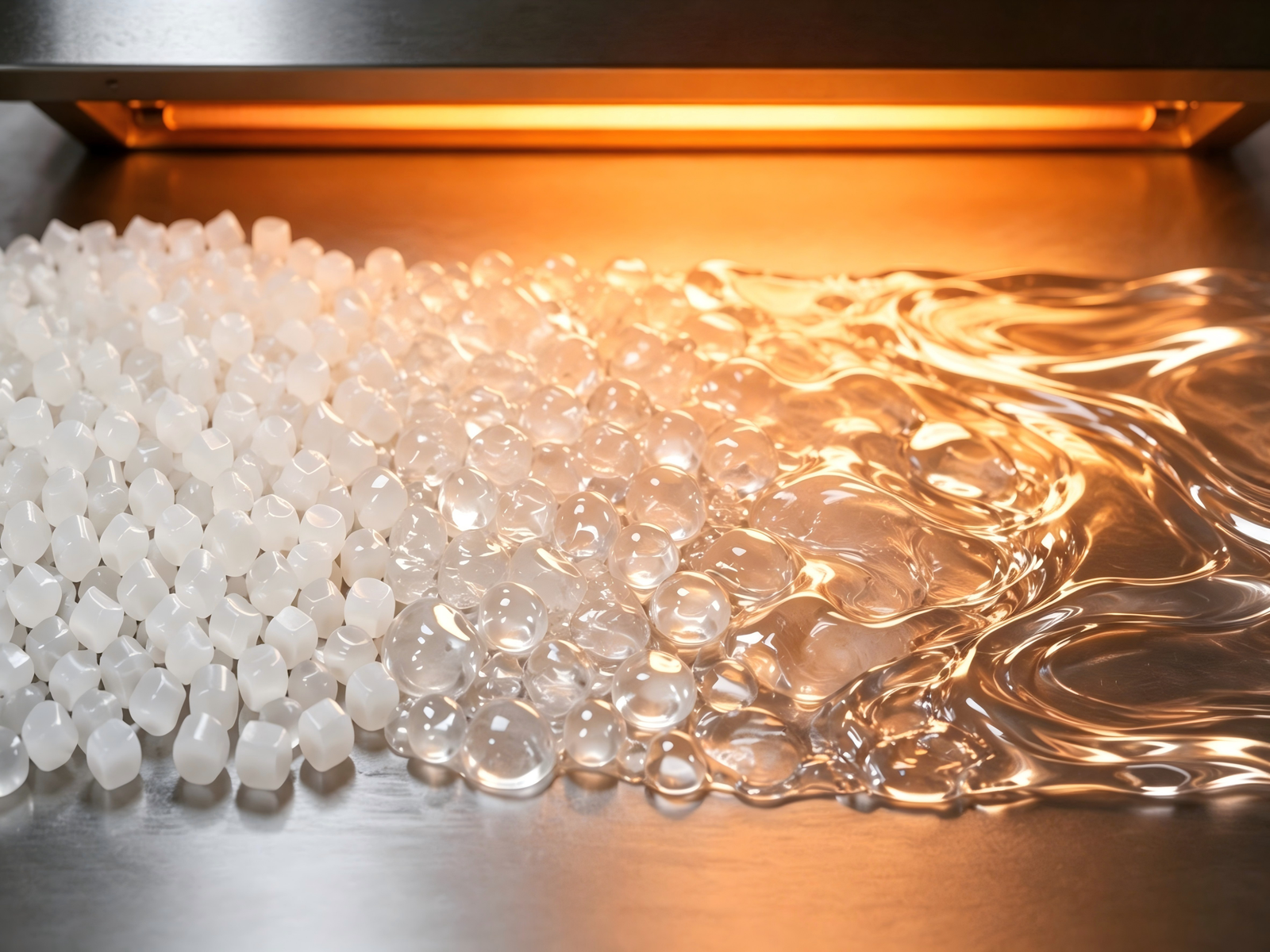
The typical melting point of polypropylene ranges between:
160°C to 170°C (320°F to 338°F)
لكن, the exact melting temperature depends on several factors, مشتمل:
Polymer structure
Crystallinity level
Molecular weight
Additives and fillers
Copolymer composition
Processing history
Unlike amorphous plastics that gradually soften over a wide temperature range, polypropylene is a semi-crystalline polymer. This means it has a relatively well-defined melting point where its crystalline regions transition from solid to liquid.
Typical Melting Temperatures of Different Polypropylene Types
| Polypropylene Type | نقطة الانصهار |
| هوموبوليمر PP | 165°C – 170°C |
| كوبوليمر عشوائي PP | 140°C – 160°C |
| كتلة كوبوليمر PP | 150°C – 165°C |
| Glass-Filled PP | 165°C – 175°C |
Melting Point vs. Softening Point
Many people mistakenly use melting point and softening point interchangeably.
لكن, they describe different thermal behaviors.
نقطة الانصهار
The temperature at which polypropylene’s crystalline regions completely melt and become liquid.
Softening Point
The temperature at which the material begins losing rigidity and starts deforming under load.
For polypropylene:
Softening temperature: 120°C–150°C
Melting temperature: 160°C–170°C
Understanding this distinction is essential when designing products exposed to heat.
Key Thermal Properties of Polypropylene
| ملكية | القيمة النموذجية |
| نقطة الانصهار | 160–170°C |
| درجة حرارة انتقال الزجاج | -10°C to 0°C |
| Heat Deflection Temperature | 90–120°C |
| Continuous Service Temperature | 80–100°C |
| توصيل حراري | 0.1–0.22 W/m·K |
| السعة الحرارية المحددة | 1.8–2.0 kJ/kg·K |
These thermal properties make polypropylene suitable for applications requiring moderate heat resistance while maintaining lightweight performance.
Why the Melting Point of Polypropylene Matters
Manufacturing Efficiency
The melting point directly affects:
Injection molding parameters
Extrusion temperatures
Blow molding operations
Welding processes
Thermoforming conditions
Incorrect temperature settings can cause:
Poor mold filling
العيوب السطحية
صفحة الحرب
التدهور الحراري
Product Reliability
Products operating near elevated temperatures must maintain structural integrity.
ومن الأمثلة:
Automotive engine compartment components
العلب الكهربائية
Industrial containers
Medical sterilization trays
Knowing polypropylene’s melting behavior helps engineers prevent premature product failure.
اختيار المواد
The melting point helps determine whether polypropylene is the right material compared to alternatives such as:
بولي ايثيلين (بي)
عضلات المعدة
نايلون (السلطة الفلسطينية)
بولي كلوريد الفينيل
For many applications, polypropylene provides the ideal balance between cost and thermal performance.
Factors That Affect Polypropylene Melting Point
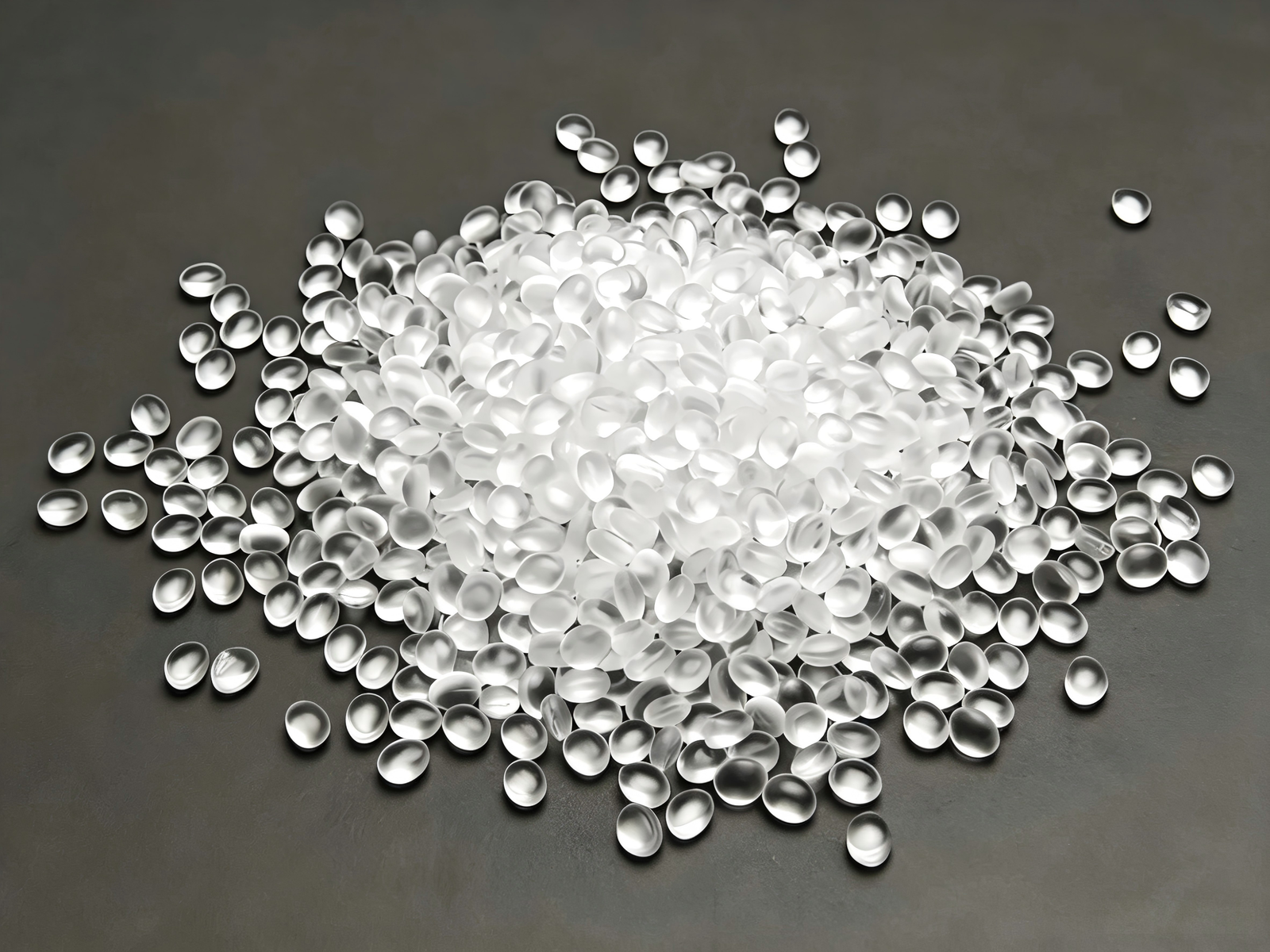
Crystallinity
Crystallinity is the most significant factor affecting polypropylene’s melting temperature.
Polypropylene contains both:
Crystalline regions
Amorphous regions
The crystalline regions require more energy to melt.
Higher Crystallinity Results In:
Higher melting point
Increased stiffness
مقاومة كيميائية أفضل
تحسين استقرار الأبعاد
Lower Crystallinity Results In:
Lower melting point
Increased flexibility
Better transparency
Reduced rigidity
Manufacturers often adjust crystallinity to achieve specific performance goals.
Molecular Weight
Molecular weight refers to the length of polymer chains.
Longer polymer chains create:
Stronger intermolecular bonding
Increased thermal stability
Higher melting temperatures
Higher molecular weight polypropylene grades typically offer:
Better impact resistance
تعزيز المتانة
Improved heat resistance
لكن, they may also require higher processing temperatures.
Thermal History
The way polypropylene has been heated and cooled previously significantly affects its crystalline structure.
Rapid Cooling
Rapid cooling creates:
Smaller crystals
More amorphous regions
Lower melting temperatures
Slow Cooling
Slow cooling promotes:
Larger crystalline structures
Higher crystallinity
Higher melting temperatures
This is particularly important in injection molding and extrusion operations.
Additives and Modifiers
Manufacturers frequently modify polypropylene formulations using additives.
Common Additives Include:
Plasticizers
Antioxidants
مثبتات الأشعة فوق البنفسجية
مثبطات اللهب
Impact modifiers
Some additives disrupt crystal formation and lower the melting point, while others improve thermal stability.
Copolymer Composition
Not all polypropylene materials are identical.
Homopolymer Polypropylene
Offers:
أعلى نقطة انصهار
Highest stiffness
Best chemical resistance
Random Copolymer Polypropylene
Offers:
تحسين الشفافية
مرونة أفضل
Lower melting temperature
Block Copolymer Polypropylene
Offers:
تحسين مقاومة التأثير
Better low-temperature performance
Moderate melting temperature
Selecting the appropriate PP grade is critical for achieving desired product performance.
How to Measure Polypropylene Melting Point
المسح الضوئي التفاضلي (DSC)
The most widely used technique for measuring polypropylene melting temperature is Differential Scanning Calorimetry (DSC).
How DSC Works
A small sample of polypropylene is heated at a controlled rate.
The instrument measures:
Heat flow
Thermal transitions
Crystallization behavior
Melting temperature
The peak observed on the DSC curve indicates the melting point.
Advantages of DSC
Highly accurate
Repeatable results
Small sample size required
Industry-standard testing method
Thermomechanical Analysis (TMA)
TMA measures dimensional changes as temperature increases.
It helps engineers evaluate:
Softening behavior
Expansion characteristics
Thermal deformation
Dynamic Mechanical Analysis (DMA)
DMA provides insights into:
Material stiffness
Damping properties
Temperature-dependent mechanical behavior
This method is particularly useful for advanced engineering applications.
Recommended Processing Temperatures for Polypropylene
صب الحقن
Polypropylene is one of the most commonly injection-molded thermoplastics.
Recommended Parameters
| المعلمة | النطاق النموذجي |
| درجة حرارة الذوبان | 200–260°C |
| درجة حرارة العفن | 20–80°C |
| Barrel Temperature | 180-250 درجة مئوية |
| Nozzle Temperature | 200-250 درجة مئوية |
Proper temperature control ensures:
تدفق ممتاز
Complete mold filling
Reduced cycle times
High-quality surface finish
Extrusion Processing
Typical extrusion temperatures include:
| Zone | درجة حرارة |
| Feed Zone | 180-200 درجة مئوية |
| Compression Zone | 200–220°C |
| Metering Zone | 220–240°C |
| يموت | 220-250 درجة مئوية |
Extrusion applications include:
الأنابيب
أوراق
Films
الملفات الشخصية
صب النفخ
Blow molding generally requires:
Melt temperatures between 200°C and 240°C
Uniform melt distribution
Controlled cooling rates
This process is widely used for containers and industrial packaging.
How to Improve Polypropylene Heat Resistance
Nucleating Agents
Nucleating agents accelerate crystal formation.
وتشمل الفوائد:
Higher crystallinity
تحسين الصلابة
Enhanced thermal resistance
Shorter molding cycles
Glass Fiber Reinforcement
Glass-filled polypropylene can significantly improve:
مقاومة الحرارة
القوة الهيكلية
الاستقرار الأبعاد
تشمل التطبيقات:
مكونات السيارات
العلب الكهربائية
قطع غيار الآلات الصناعية
Talc-Filled Polypropylene
Talc improves:
Thermal performance
صلابة
Warpage resistance
Many automotive interior parts use talc-filled polypropylene compounds.
Copolymer Engineering
Advanced copolymer technologies enable manufacturers to tailor:
مقاومة الحرارة
Impact strength
Processability
Surface appearance
These specialized materials often outperform conventional PP grades.
Polypropylene vs Other Common Plastics
Thermal Performance Comparison
| مادة | نقطة الانصهار |
| البولي بروبلين (ص) | 160–170°C |
| البولي إثيلين عالي الكثافة | 120–130°C |
| البولي إثيلين المنخفض الكثافة | 105–115°C |
| نايلون 6 | 220درجة مئوية |
| البولي | 230درجة مئوية |
| عضلات المعدة | No True Melting Point |
| بولي كلوريد الفينيل | Begins Degrading Before Melting |
Why Choose Polypropylene?
وتشمل المزايا:
تكلفة أقل
بناء خفيف الوزن
مقاومة كيميائية ممتازة
Good thermal stability
Easy processing
These benefits make PP one of the most versatile engineering thermoplastics available today.
Industrial Applications of Polypropylene Based on Its Melting Point
صناعة السيارات
تشمل التطبيقات الشائعة:
Battery cases
Interior trim panels
Air ducts
Fluid reservoirs
The material’s thermal resistance allows it to perform reliably under elevated temperatures.
صناعة التعبئة والتغليف
Polypropylene is extensively used in:
حاويات الطعام
أغطية الزجاجات
Flexible packaging films
Microwave-safe packaging
Its melting point provides excellent heat tolerance during food processing and storage.
الصناعة الطبية
Medical-grade polypropylene is used for:
Syringes
Sample containers
معدات المختبرات
Sterilization trays
Its thermal stability supports various sterilization methods.
المنتجات الاستهلاكية
ومن الأمثلة:
Storage bins
الأجهزة المنزلية
Furniture components
Reusable containers
Electrical and Electronics
تشمل التطبيقات:
Connector housings
Cable insulation components
صناديق الوصلات
حاويات البطارية
Its combination of electrical insulation and thermal resistance makes it highly valuable in electronic systems.
Common Processing Problems Related to Melting Temperature
لقطات قصيرة
الأسباب
Melt temperature too low
ضعف تدفق المواد
الحلول
زيادة درجة حرارة الذوبان
Improve gate design
صفحة الحرب
الأسباب
التبريد غير المتكافئ
Excessive shrinkage
الحلول
Optimize cooling channels
Adjust mold temperature
علامات بالوعة
الأسباب
Inadequate packing pressure
Thick wall sections
الحلول
Increase holding pressure
Improve part design
Thermal Degradation
الأسباب
Excessive processing temperatures
Long residence times
الحلول
Lower barrel temperature
Reduce cycle times
Future Trends in High-Temperature Polypropylene Materials
The demand for advanced polypropylene compounds continues to grow.
Key industry trends include:
Lightweight Automotive Components
Vehicle manufacturers increasingly replace metal components with reinforced polypropylene to reduce weight and improve fuel efficiency.
Electric Vehicle Applications
Battery systems require lightweight materials with excellent thermal performance.
Modified polypropylene compounds are becoming increasingly important in EV designs.
Sustainable Polypropylene
Recycled polypropylene technologies are improving rapidly, helping manufacturers meet environmental goals while maintaining performance.
Advanced Reinforced Composites
New generations of:
Glass fiber PP
Mineral-filled PP
Long-fiber reinforced PP
are enabling applications previously reserved for engineering plastics.
خاتمة
The melting point of polypropylene, typically ranging from 160°C to 170°C, is one of the most important properties influencing material selection, product design, and manufacturing performance. Factors such as crystallinity, molecular weight, إضافات, and processing history all contribute to variations in thermal behavior.
By understanding polypropylene’s melting characteristics and recommended processing conditions, يمكن للمصنعين تحسين جودة المنتج, reduce production defects, and maximize long-term performance.
سواء كنت تقوم بتصميم مكونات السيارات, packaging products, أجهزة طبية, أو الأجزاء الصناعية, selecting the right polypropylene grade and processing parameters is essential for achieving optimal results. اتصل بنا للمزيد من المعلومات.
Fعبد القديرس
1.What is the exact melting point of polypropylene?
Most polypropylene grades melt between 160°C and 170°C, although specialized formulations may vary slightly.
2.Can polypropylene withstand boiling water?
نعم. Polypropylene can generally withstand boiling water at 100°C without melting, although prolonged exposure may affect mechanical properties.
3.What temperature does polypropylene begin to soften?
Polypropylene typically begins to soften between 120°C and 150°C.
4.Is polypropylene microwave safe?
Many food-grade polypropylene products are microwave safe because their melting point is significantly higher than typical microwave heating temperatures.
5.What processing temperature is used for injection molding polypropylene?
Most polypropylene grades are processed between 200°C and 260°C during injection molding.
6.Which polypropylene grade has the highest heat resistance?
Homopolymer polypropylene generally provides the highest melting point and thermal resistance among standard PP grades.
7.Can fillers increase polypropylene heat resistance?
نعم. Glass fiber, talc, and other mineral fillers can significantly improve heat resistance and dimensional stability.
8.Is polypropylene suitable for automotive applications?
قطعاً. Polypropylene is widely used in automotive interiors, علب البطارية, air ducts, and various under-the-hood components due to its excellent balance of weight, قوة, والأداء الحراري.


