عند مقارنة المواد المعدنية للمجوهرات, الأدوات الطبية, الأجزاء الصناعية, أو المنتجات الاستهلاكية, يظهر سؤال شائع مرارًا وتكرارًا:
ما هو الفرق بين الفولاذ الجراحي والفولاذ المقاوم للصدأ?
كثير من الناس يستخدمون هذين المصطلحين كما لو أنهما يعنيان نفس الشيء. في الواقع, الفولاذ الجراحي هو نوع محدد من الفولاذ المقاوم للصدأ, ولكن ليس كل درجة من الفولاذ المقاوم للصدأ مؤهلة للفولاذ الجراحي.
إن فهم الفرق مهم عند اختيار المواد مجوهرات الجسم, الأدوات الطبية, أجزاء من CNC الآلي, معدات الغذاء, تصنيع مخصص, أو مكونات مقاومة للتآكل.
في هذا الدليل, نفسر الاختلافات الحقيقية بين الفولاذ الجراحي والفولاذ المقاوم للصدأ, بما في ذلك الدرجات, المقاومة للتآكل, التطبيقات, يكلف, وكيفية اختيار أفضل المواد لمشروعك.
ما هو الفولاذ المقاوم للصدأ?
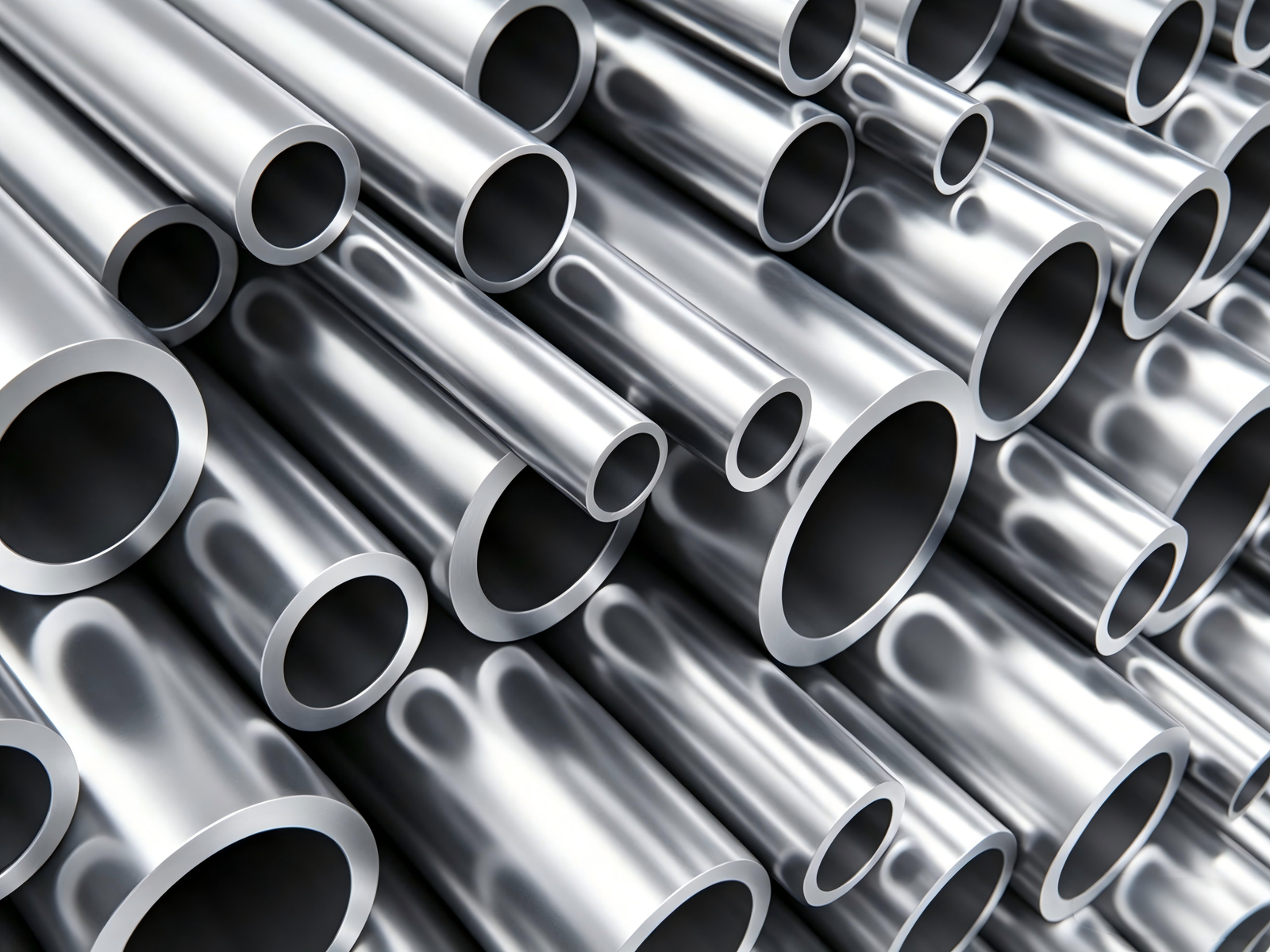
الفولاذ المقاوم للصدأ هي عائلة من السبائك ذات الأساس الحديدي والتي تحتوي على الأقل 10.5% الكروم, مما يخلق طبقة أكسيد واقية على السطح. تساعد هذه الطبقة السلبية على مقاومة الصدأ, أكسدة, والتآكل.
اعتمادا على الصف, قد يحتوي أيضًا على الفولاذ المقاوم للصدأ:
النيكل
الموليبدينوم
الكربون
المنغنيز
التيتانيوم
نتروجين
تعمل هذه العناصر المضافة على تحسين القوة, المقاومة للتآكل, قابلية اللحام, مقاوم للحرارة, أو إمكانية التشغيل الآلي.
درجات الفولاذ المقاوم للصدأ الشائعة
تشمل بعض درجات الفولاذ المقاوم للصدأ الأكثر استخدامًا على نطاق واسع:
201 الفولاذ المقاوم للصدأ - اقتصادية, استخدام داخلي
304 الفولاذ المقاوم للصدأ - متعددة الاستخدامات وشعبية
316 الفولاذ المقاوم للصدأ – مقاومة فائقة للتآكل
430 الفولاذ المقاوم للصدأ - مغناطيسي, انخفاض التكلفة
420 الفولاذ المقاوم للصدأ - صلابة عالية
440 الفولاذ المقاوم للصدأ - صعب جدا, مقاومة للتآكل
الاستخدامات الشائعة للفولاذ المقاوم للصدأ
يستخدم الفولاذ المقاوم للصدأ في:
أحواض المطبخ وأدوات الطبخ
السحابات والأجهزة
مكونات السيارات
مواد البناء
معدات تجهيز الأغذية
قطع غيار الآلات الصناعية
منتجات الديكور
لأن هناك العديد من الدرجات المتاحة, يمكن تحسين الفولاذ المقاوم للصدأ بالنسبة للسعر, قوة, مظهر, أو مقاومة التآكل.
ما هو الفولاذ الجراحي؟?
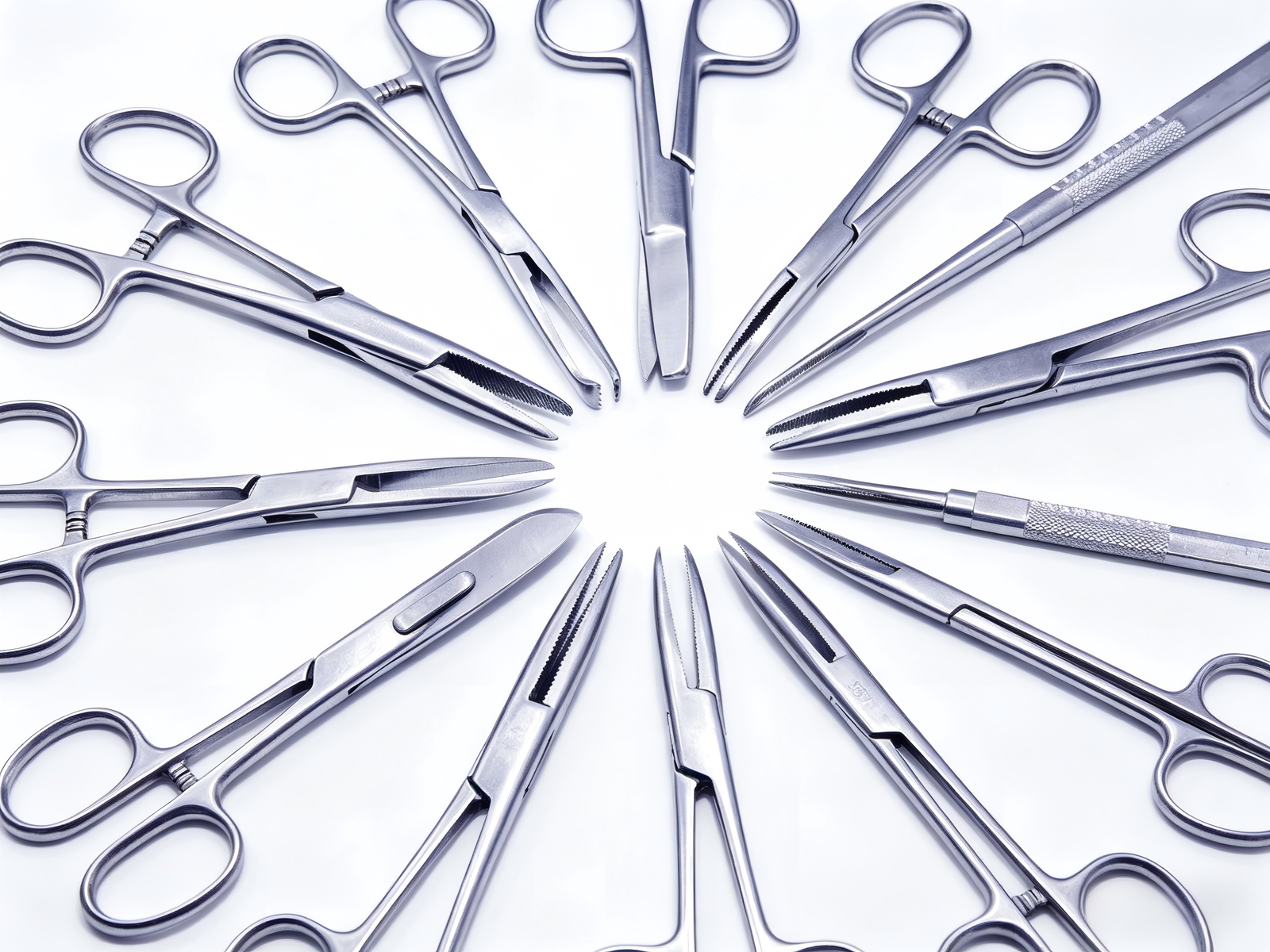
الفولاذ الجراحي ليست فئة معدنية منفصلة. يشير إلى درجات محددة من الفولاذ المقاوم للصدأ تم اختيارها للأغراض الطبية, الجراحية, صحية, أو تطبيقات الاتصال بالجسم.
يتم اختيار هذه المواد لأنها تقدم:
مقاومة ممتازة للتآكل
متانة جيدة
أسطح مصقولة ناعمة
القدرة على تحمل التعقيم
ملاءمة أفضل لملامسة الجلد أو الجسم
درجات الفولاذ الجراحية الشائعة
تشمل المواد الفولاذية الجراحية الأكثر شيوعًا:
316الفولاذ المقاوم للصدأ
316LVM الفولاذ المقاوم للصدأ (فراغ ذاب, جودة الزرعات الطبية)
420 الفولاذ المقاوم للصدأ
440 الفولاذ المقاوم للصدأ
درجات مختلفة تخدم أغراض مختلفة.
على سبيل المثال:
316ل شائع في المجوهرات والغرسات
420 / 440 تستخدم في المباضع, مقص, وأدوات القطع بسبب صلابتها
الفولاذ الجراحي مقابل الفولاذ المقاوم للصدأ: الاختلافات الرئيسية
1. فئة المواد
وهذا هو التمييز الأكثر أهمية.
الفولاذ المقاوم للصدأ = عائلة واسعة من السبائك
الفولاذ الجراحي = درجات مختارة من الفولاذ المقاوم للصدأ بمعايير أعلى
لذلك من الناحية الفنية:
جميع الفولاذ الجراحي مصنوع من الفولاذ المقاوم للصدأ, ولكن ليس كل الفولاذ المقاوم للصدأ هو الفولاذ الجراحي.
2. المقاومة للتآكل
يوفر الفولاذ المقاوم للصدأ العام مقاومة جيدة للتآكل, لكن الأداء يختلف حسب الدرجة.
على سبيل المثال:
201 = مقاومة أقل للتآكل
304 = مقاومة عامة جيدة جداً
316L = مقاومة ممتازة, وخاصة في الرطوبة والمواد الكيميائية
يستخدم الفولاذ الجراحي عادة درجات متميزة مثل 316ل, مما يجعلها أكثر مقاومة:
يعرق
المياه المالحة
تنظيف المواد الكيميائية
سوائل الجسم
البيئات الرطبة
ولهذا السبب يُفضل الفولاذ الجراحي في التطبيقات الطبية والمجوهرات.
3. التوافق الحيوي وسلامة الجلد
تم تصميم معظم الفولاذ المقاوم للصدأ القياسي للاستخدام الهيكلي أو الصناعي.
غالبًا ما يتم اختيار الفولاذ الجراحي:
الأقراط
ثقب الجسم
الأدوات الجراحية
أدوات الأسنان
أجهزة تقويم العظام
خصوصاً 316L الفولاذ الجراحي, والذي يستخدم على نطاق واسع بسبب انخفاض محتوى الكربون وسلوك التآكل الأفضل.
بالنسبة للمنتجات التي تنطوي على اتصال بشري مباشر, عادةً ما يكون الفولاذ الجراحي هو الخيار الأكثر أمانًا.
4. التشطيب السطحي والنظافة
يتطلب الفولاذ الجراحي في كثير من الأحيان:
تلميع أكثر سلاسة
أسطح أكثر نظافة
عيوب سطحية أقل
تعقيم أسهل
وهذا مهم لأن الأسطح الخشنة يمكن أن تحبس البكتيريا, رُطُوبَة, أو الملوثات.
قد لا يتطلب الفولاذ المقاوم للصدأ الصناعي نفس جودة التشطيب.
5. القوة والصلابة
ليس كل الفولاذ الجراحي أكثر ليونة أو صلابة، فالنتيجة تعتمد على الدرجة.
أمثلة:
316ل = صلابة جيدة, مقاومة للتآكل
420 = أصعب, المستخدمة في السكاكين والأدوات
440ج = صعب جدًا, احتفاظ ممتاز بالحافة
إذا كان أداء القطع مهمًا, الدرجات الجراحية مثل 420 أو 440 يتم اختيارها في كثير من الأحيان.
6. فرق السعر
عادةً ما يكون الفولاذ الجراحي أكثر تكلفة بسبب ذلك:
محتوى سبائك أعلى
مقاومة أفضل للتآكل
معايير جودة أكثر صرامة
المزيد من التلميع/المعالجة
متطلبات الصف الطبي
إذا كان تطبيقك لا يحتاج إلى أداء متميز, قد يكون الفولاذ المقاوم للصدأ القياسي أكثر اقتصادا.
جدول المقارنة السريعة
| ميزة | الفولاذ المقاوم للصدأ | الصلب الجراحي |
| تعريف | عائلة سبائك كبيرة | درجات مختارة من الفولاذ المقاوم للصدأ |
| المقاومة للتآكل | جيد إلى ممتاز | أعلى |
| استخدام الاتصال البشري | يعتمد على الدرجة | المفضل |
| صقل الأسطح | قياسي إلى ممتاز | عادة أكثر سلاسة |
| الاستخدام الطبي | درجات محدودة | شائع |
| يكلف | أقل إلى معتدلة | أعلى |
| درجات مشتركة | 201, 304, 430 | 316ل, 420, 440 |
التطبيقات المشتركة
تطبيقات الفولاذ المقاوم للصدأ
تستخدم ل:
أجهزة المطبخ
أجهزة الأثاث
تقليم السيارات
الخزانات والأنابيب
مهمات الربط
الأجزاء الهيكلية
المنتجات الاستهلاكية
تطبيقات الصلب الجراحية
تستخدم ل:
مقص جراحي
ملقط
مقابض مشرط
أدوات الأسنان
يزرع
ثقب المجوهرات
ساعات متميزة
أدوات صحية
أي واحد يجب أن تختار?
اختر الفولاذ المقاوم للصدأ إذا كنت بحاجة إلى ذلك:
انخفاض تكلفة المواد
مقاومة التآكل العامة
المنتجات المنزلية
مركبات اساسيه
التصنيع باستخدام الحاسب الآلي للأجزاء الصناعية
إنتاج بكميات كبيرة
اختر الفولاذ الجراحي إذا كنت بحاجة إليه:
منتجات آمنة على البشرة
الأدوات الطبية
المجوهرات والثقب
مقاومة أفضل للتآكل
مظهر ممتاز
الأسطح الصحية
متانة طويلة الأمد
نصيحة هامة للشراء: اسأل عن الدرجة الدقيقة
على المدى "الصلب الجراحي" يستخدم أحيانًا بشكل فضفاض في التسويق.
اسأل دائمًا الموردين عن درجة المادة الدقيقة:
316ل
316LVM
420
440أ / 440ج
يمنحك هذا وضوحًا تقنيًا حقيقيًا.
للمشترين الصناعيين, طلب أيضا:
شهادة المواد
روهز / الوصول إلى الامتثال
تقرير الانتهاء من السطح
بيانات الصلابة
اختبار رش الملح إذا لزم الأمر
الفولاذ الجراحي للتصنيع والتصنيع باستخدام الحاسب الآلي
إذا كنت بحاجة إلى أجزاء مخصصة, يمكن تشكيل الفولاذ الجراحي إلى:
المساكن الطبية الدقيقة
مكونات العظام
أجزاء المجوهرات المخصصة
تجهيزات صحية
السحابات المقاومة للتآكل
لكن, بعض الدرجات مثل 316ل يمكن أن يكون أكثر صعوبة في الماكينة من المعيار 304 الصلب بسبب صلابته.
العمل مع ذوي الخبرة مورد التصنيع باستخدام الحاسب الآلي يساعد على تقليل تآكل الأدوات والحفاظ على دقة التسامح.
لماذا يختار المشترون العالميون الأجزاء الفولاذية الجراحية؟
غالبًا ما يختار مشترو OEM الفولاذ الجراحي لأنه يساعد في إنشاء منتجات تقدم ذلك العرض:
وضع أفضل في السوق
صورة عالية الجودة
انخفاض شكاوى التآكل
متانة أفضل
تجربة عملاء أكثر أمانًا
للعلامات التجارية التي تبيع المجوهرات, أدوات التجميل, الملحقات الطبية, أو الأجهزة الفاخرة, وهذا يمكن أن يبرر ارتفاع تكلفة المواد.
خاتمة
الفرق بين الفولاذ الجراحي والفولاذ المقاوم للصدأ بسيط:
الفولاذ المقاوم للصدأ هي عائلة مواد واسعة تستخدم في العديد من الصناعات.
الفولاذ الجراحي هي مجموعة فرعية متميزة تم اختيارها لتطبيقات أكثر صرامة.
إذا كانت أولويتك هي القدرة على تحمل التكاليف والاستخدام العام, الفولاذ المقاوم للصدأ ممتاز.
إذا كانت أولويتك هي مقاومة التآكل, سلامة الاتصال بالجسم, صحة, والأداء المتميز, الفولاذ الجراحي هو الخيار الأفضل.
تعتمد أفضل المواد دائمًا على متطلبات منتجك, بيئة, والميزانية.
تحتاج إلى أجزاء مخصصة من الفولاذ المقاوم للصدأ أو الفولاذ الجراحي?
إذا كنت بحاجة مكونات التصنيع باستخدام الحاسب الآلي, تصنيع المعادن المخصصة, أجزاء من الدرجة الجراحية, أو تصنيع الفولاذ المقاوم للصدأ OEM, العمل مع مورد يمكنه توفيره:
درجات المواد بالضبط
التحمل الضيق
خيارات التشطيب السطحي
دفعة صغيرة أو الإنتاج الضخم
تقارير فحص الجودة
أرسل لنا رسوماتك اليوم للحصول على عرض أسعار سريع.
التعليمات
1.هل الفولاذ الجراحي أفضل من الفولاذ المقاوم للصدأ؟?
للطب, مجوهرات, أو استخدام ملامسة الجلد, نعم. للاستخدام الصناعي العام, قد يكون الفولاذ المقاوم للصدأ القياسي كافيًا.
2.هل يصدأ الفولاذ الجراحي؟?
لديها مقاومة ممتازة للتآكل ولكنها ليست كذلك 100% مقاوم للصدأ في جميع الظروف.
3.هل يعتبر 316L فولاذًا جراحيًا؟?
نعم. 316L هي واحدة من درجات الفولاذ الجراحية الأكثر شيوعًا.
4.هل يمكن استخدام الفولاذ الجراحي للمجوهرات؟?
نعم. يستخدم على نطاق واسع للأقراط, الساعات, الخواتم, ومجوهرات ثقب الجسم.
5.لماذا يعتبر الفولاذ الجراحي أكثر تكلفة؟?
لأنه غالبًا ما يستخدم سبائك أفضل, معايير أكثر صرامة, والمزيد من أعمال التشطيب.
6.يكون 304 الفولاذ المقاوم للصدأ الفولاذ الجراحي?
عادة لا. 304 ممتاز الفولاذ المقاوم للصدأ, ولكن يتم تصنيف 316L بشكل أكثر شيوعًا على أنه فولاذ جراحي.
7.أيهما أفضل للاستخدام الخارجي?
316عادة ما يكون أداء الفولاذ الجراحي L أفضل في البيئات الرطبة أو المالحة.