


يعتبر الصب بالطرد المركزي من أكثر طرق التصنيع كفاءة وموثوقية لإنتاج مكونات معدنية أسطوانية عالية القوة. من أنابيب الفولاذ المقاوم للصدأ والأكمام المصنوعة من السبائك إلى بطانات الأسطوانات وحلقات المحمل, تُستخدم هذه العملية على نطاق واسع في الصناعات التي تتطلب خصائص ميكانيكية استثنائية, السلامة الهيكلية, واتساق الأبعاد.
بالمقارنة مع طرق الصب التقليدية, يوفر الصب بالطرد المركزي مزايا كبيرة من حيث الكثافة, صقل الحبوب, انخفاض المسامية, وكفاءة الإنتاج. إنها مناسبة بشكل خاص لتصنيع المكونات الأنبوبية والمتماثلة دورانيًا حيث يكون الأداء والمتانة أمرًا بالغ الأهمية.
في هذا الدليل الشامل, سوف تتعلم:
ما هو الصب بالطرد المركزي
كيف تتم عملية الصب بالطرد المركزي
الأنواع الرئيسية من الصب بالطرد المركزي
إجراءات الإنتاج خطوة بخطوة
المزايا والقيود
المواد والعيوب الشائعة
التطبيقات الصناعية
الاختلافات بين الصب بالطرد المركزي وطرق الصب الأخرى
كيفية اختيار المورد المناسب لصب الطرد المركزي
ما هو الصب بالطرد المركزي?
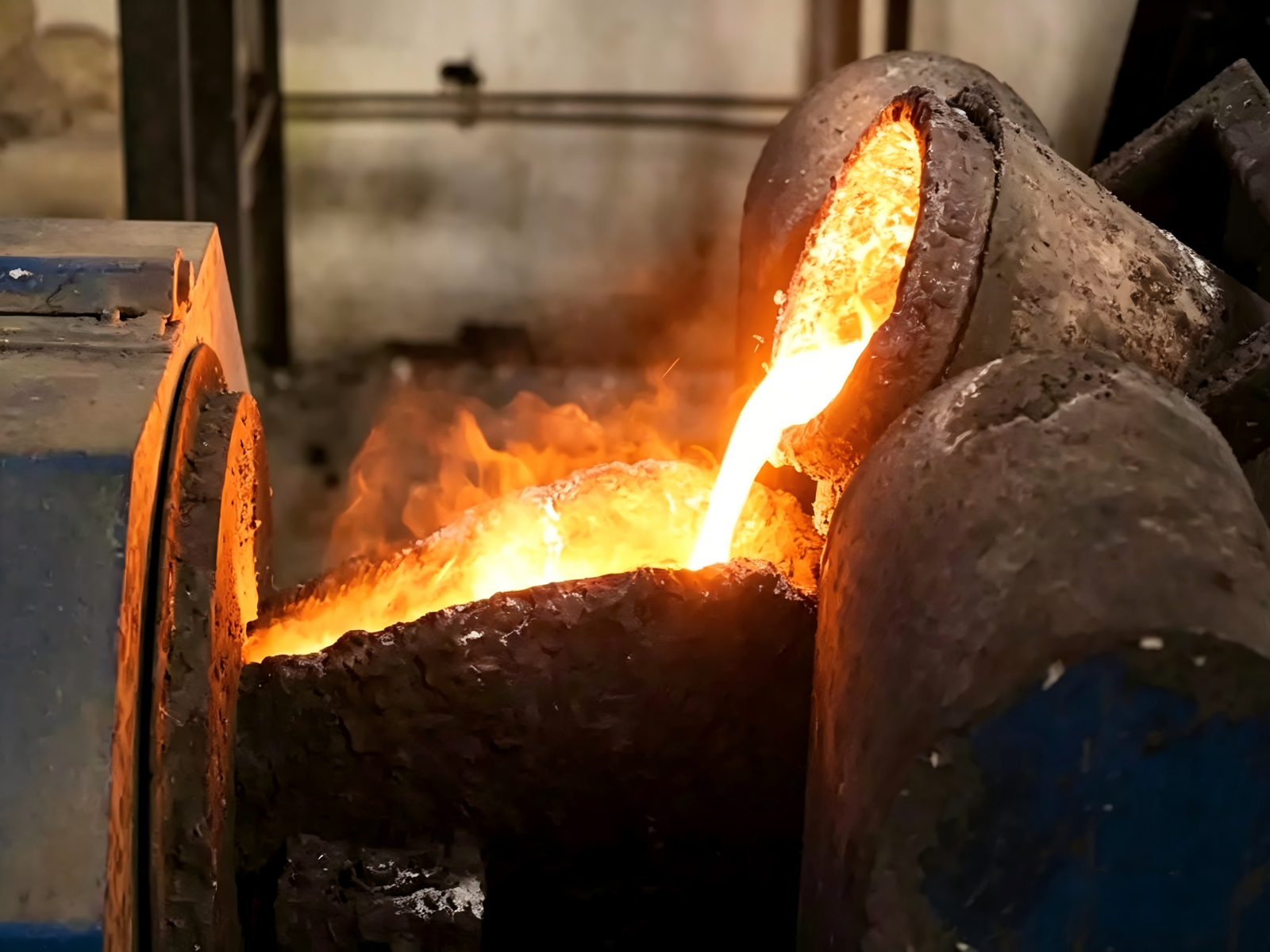
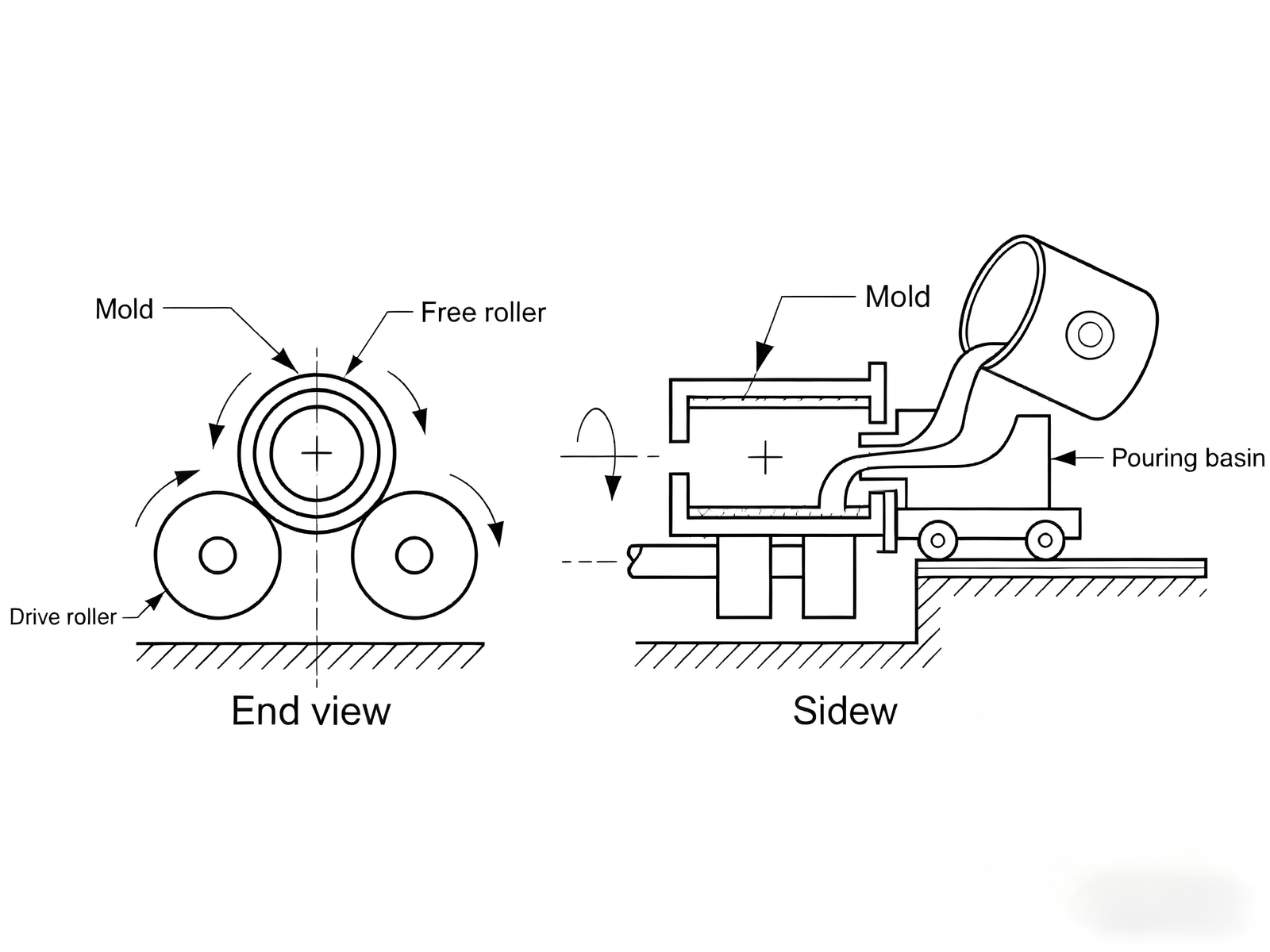
الصب بالطرد المركزي هو عملية صب المعادن حيث يتم صب المعدن المنصهر في قالب دوار. قوة الدوران الناتجة عن قالب الغزل تدفع المعدن المنصهر نحو جدار القالب, حيث يصلب تحت ظروف خاضعة للرقابة.
تُعرف العملية أيضًا باسم:
تدور الصب
صب التناوب
صب روتو
على عكس صب الجاذبية التقليدية, يستخدم صب الطرد المركزي قوة الطرد المركزي لتوزيع المعدن المنصهر بالتساوي في جميع أنحاء تجويف القالب. وهذا يخلق هياكل كثيفة ودقيقة مع الحد الأدنى من العيوب الداخلية.
يتم استخدام هذه العملية في المقام الأول لتصنيع:
الأنابيب
الأنابيب
البطانات
الأكمام
الخواتم
تحمل المساكن
بطانات الاسطوانة
الفراغات والعتاد
بسبب قدرتها على إنتاج أجزاء موثوقة للغاية ذات خصائص معدنية ممتازة, يتم اعتماد الصب بالطرد المركزي على نطاق واسع في صناعات مثل النفط والغاز, الفضاء الجوي, السيارات, التعدين, توليد الطاقة, والآلات الثقيلة.
لماذا يعتبر الصب بالطرد المركزي مهمًا في التصنيع الحديث
تتطلب الأنظمة الصناعية الحديثة مكونات يمكنها الصمود:
درجات حرارة عالية
الأحمال الثقيلة
تقلبات الضغط
البيئات المسببة للتآكل
ارتداء جلخ
تكافح عمليات الصب التقليدية أحيانًا لتلبية هذه المتطلبات بسبب المسامية, عيوب الانكماش, وهياكل الحبوب غير متناسقة. يعالج الصب بالطرد المركزي هذه التحديات من خلال تحسين كثافة المعادن وتقليل الشوائب.
تشمل الأسباب الرئيسية التي تجعل الصب بالطرد المركزي مهمًا ما يلي::
قوة ميكانيكية ممتازة
تعمل قوة الطرد المركزي على ضغط المعدن المنصهر أثناء عملية التصلب, إنتاج هياكل مجهرية كثيفة وتحسين الخواص الميكانيكية.
انخفاض المسامية
تميل فقاعات الغاز والشوائب إلى الهجرة نحو القطر الداخلي, السماح للمصنعين بإزالة الأجزاء المعرضة للعيوب من خلال التصنيع.
هيكل الحبوب متفوقة
يعمل التصلب الاتجاهي على تحسين صقل الحبوب, مما يعزز المتانة, مقاومة التعب, والمتانة.
كفاءة التكلفة
تقلل هذه العملية من هدر المواد وتقلل من متطلبات المعالجة الثانوية للأجزاء الأسطوانية.
صب جوفاء بدون قلب
على عكس العديد من طرق الصب التقليدية, يمكن للصب بالطرد المركزي إنتاج أنابيب وأسطوانات مجوفة دون استخدام النوى.
كيف تعمل عملية الصب بالطرد المركزي
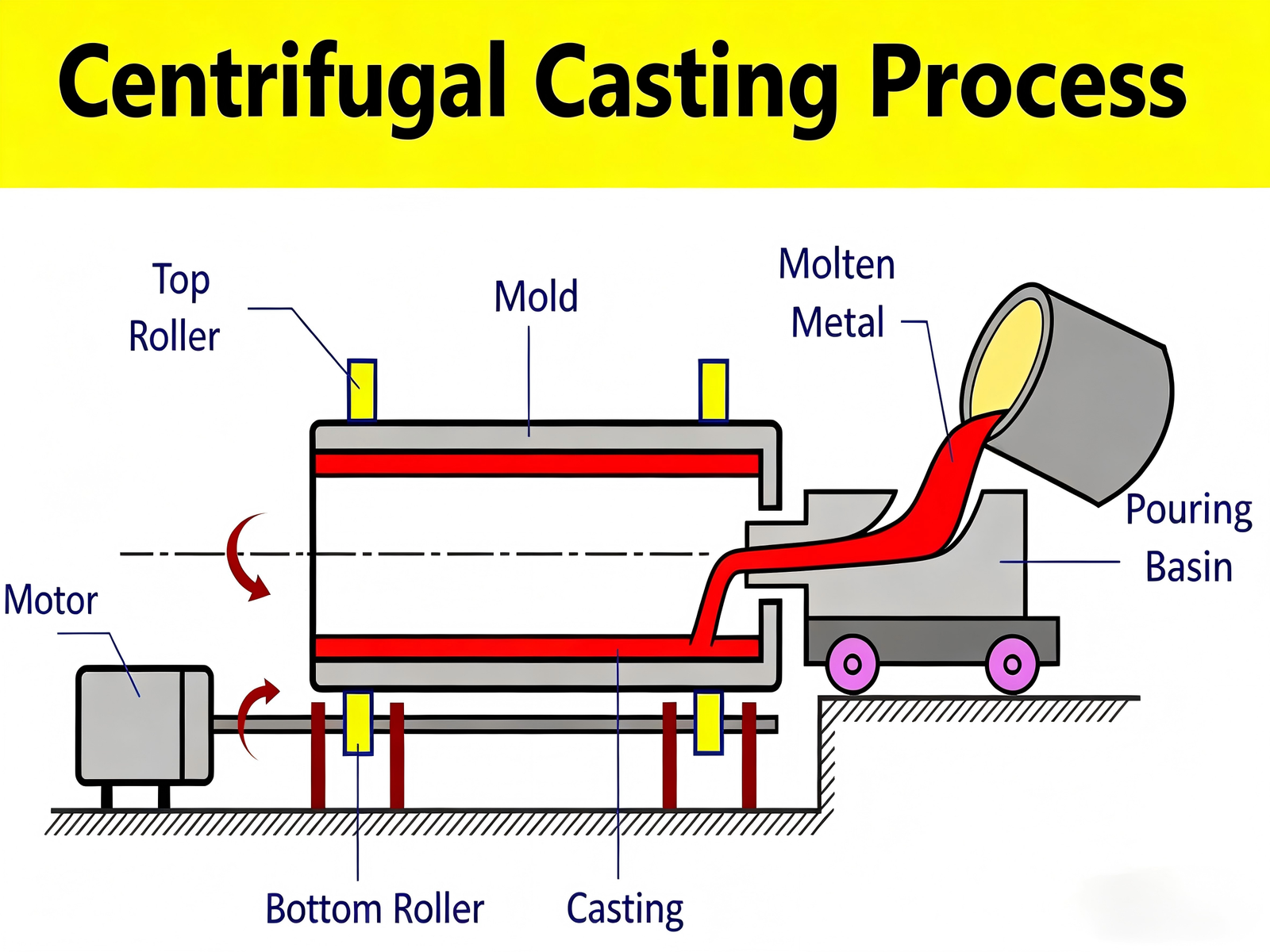
تعتمد عملية الصب بالطرد المركزي على قوة الدوران المتحكم فيها والتصلب الاتجاهي.
مبدأ العمل الأساسي
تتبع العملية عادةً هذه الخطوات:
يدور القالب بسرعة عالية.
يُسكب المعدن المنصهر في القالب الدوار.
قوة الطرد المركزي تدفع المعدن المنصهر نحو جدار القالب.
يتصلب المعدن من القطر الخارجي إلى الداخل.
يتم استخراج الصب النهائي وتشكيله.
كلما كان دوران القالب أسرع, كلما كانت قوة الطرد المركزي المؤثرة على المعدن المنصهر أقوى.
هذه القوة تساعد:
ضغط الهيكل المعدني
إزالة جيوب الغاز
تحسين الكثافة
تقليل الادراج
دور قوة الطرد المركزي في تصلب المعادن
قوة الطرد المركزي هي الآلية الأساسية وراء هذه العملية.
أثناء الدوران:
تتحرك الجزيئات المعدنية الأثقل والأكثر كثافة إلى الخارج
تهاجر الشوائب الأخف إلى الداخل
تتحرك جيوب الغاز نحو السطح الداخلي
وهذا يخلق العديد من الفوائد:
تحسين النقاء
تصبح المنطقة الخارجية للصب أنظف وأكثر كثافة.
تكوين الحبوب الدقيقة
يعمل التبريد الاتجاهي السريع على تحسين الهيكل المعدني.
تقليل عيوب الانكماش
تعوض هذه العملية بشكل طبيعي الانكماش أثناء التصلب.
أداء ميكانيكي أفضل
تظهر الأجزاء الناتجة:
قوة الشد أعلى
تحسين مقاومة التأثير
أداء أفضل للتعب
المواد المستخدمة في الصب بالطرد المركزي
واحدة من المزايا الرئيسية للصب بالطرد المركزي هو توافقه مع مجموعة واسعة من المعادن والسبائك.
وتشمل المواد المشتركة:
الفولاذ المقاوم للصدأ
تستخدم على نطاق واسع ل:
أنابيب مقاومة للتآكل
معدات المعالجة الكيميائية
أنابيب صالحة للطعام
الدرجات الشعبية:
304 الفولاذ المقاوم للصدأ
316 الفولاذ المقاوم للصدأ
دوبلكس من الفولاذ المقاوم للصدأ
الكربون الصلب
مناسبة ل:
التطبيقات الهيكلية
المعدات الصناعية الثقيلة
أنظمة الضغط
الحديد الزهر
شائع ل:
بطانات اسطوانة المحرك
طبول الفرامل
الأنابيب
سبائك النيكل
تستخدم في:
الفضاء الجوي
الأنظمة البحرية
البيئات ذات درجات الحرارة المرتفعة
أمثلة:
إنكونيل
هاستلوي
سبائك الكوبالت
مناسبة ل:
تطبيقات مقاومة للاهتراء
بيئات درجة الحرارة القصوى
سبائك النحاس
تستخدم ل:
البطانات
رمان
الأجهزة البحرية
الأنواع الرئيسية من الصب بالطرد المركزي
يمكن تصنيف الصب بالطرد المركزي بطريقتين رئيسيتين:
بواسطة اتجاه القالب
بطريقة الصب
التصنيف حسب اتجاه القالب
صب الطرد المركزي الأفقي
في صب الطرد المركزي الأفقي, يدور القالب على طول محور أفقي.
هذه الطريقة مثالية للتصنيع:
أنابيب طويلة
الأنابيب
الأكمام
قذائف أسطوانية
مزايا
اتساق الأبعاد ممتازة
إنتاجية عالية
سمك الجدار موحد
مثالية للأجزاء ذات نسبة L/D العالية
التطبيقات النموذجية
أنابيب الصلب
أنابيب الفرن المقاومة للحرارة
اسطوانات هيدروليكية
أنابيب حقول النفط
يحظى الصب بالطرد المركزي الأفقي بشعبية خاصة في صناعات النفط والغاز وتوليد الطاقة.
صب الطرد المركزي العمودي
في الصب بالطرد المركزي العمودي, يدور القالب حول محور عمودي.
هذه العملية مناسبة أكثر للمكونات ذات الأطوال الأقصر والأقطار الأكبر.
مزايا
مناسبة للمكونات على شكل حلقة
أفضل للأشكال المتناظرة المعقدة
انخفاض تعقيد الأدوات لبعض التطبيقات
المنتجات النموذجية
حلقات تحمل
الفراغات والعتاد
الحذافات
بطانات الاسطوانة
لتقليل التشويه الناجم عن الجاذبية, غالبًا ما يستخدم المصنعون قوالب مصممة خصيصًا وسرعات دوران محسنة.
التصنيف حسب طريقة الصب
صب الطرد المركزي الحقيقي
يتم استخدام الصب بالطرد المركزي الحقيقي في المقام الأول للأجزاء الأسطوانية المجوفة.
ليست هناك حاجة إلى نوى لأن قوة الطرد المركزي تشكل بشكل طبيعي المركز المجوف.
نظرة عامة على العملية
يدخل المعدن المنصهر إلى القالب الدوار
تعمل قوة الطرد المركزي على توزيع المعدن على طول جدار القالب
يحدث التصلب من الخارج إلى الداخل
يتم التخلص من الشوائب الداخلية
مزايا
كثافة ممتازة
خصائص ميكانيكية متفوقة
تقليل العيوب الداخلية
المنتجات المشتركة
الأنابيب
الأنابيب
البطانات
الأكمام
صب شبه الطرد المركزي
يتم استخدام الصب شبه الطارد المركزي للأجزاء الصلبة المتناظرة دورانيًا.
على عكس الصب بالطرد المركزي الحقيقي, تقوم هذه الطريقة بإنشاء مكونات صلبة بدلاً من المقاطع المجوفة.
المنتجات النموذجية
الحذافات
طبول الفرامل
الفراغات والعتاد
البكرات
فائدة رئيسية
تعمل القوة الدورانية على تحسين الكثافة وخصائص التغذية أثناء التصلب.
صب الطرد المركزي
يتم استخدام الصب بالطرد المركزي لتصنيع أجزاء أصغر وأكثر تعقيدًا.
يتدفق المعدن المنصهر من ذرب مركزي من خلال العدائين إلى تجاويف العفن المتعددة.
التطبيقات
مجوهرات
مكونات الأسنان
البطانات الصغيرة
الأجزاء الصناعية الدقيقة
تسمح هذه العملية للمصنعين بإنتاج مكونات متعددة في وقت واحد مع خصائص تعبئة ممتازة.
عملية الصب بالطرد المركزي خطوة بخطوة
على الرغم من أن تفاصيل العملية تختلف اعتمادًا على هندسة المكونات واختيار المواد, يتضمن سير العمل الإجمالي عمومًا المراحل التالية.
1. تحضير العفن
يعد إعداد القالب المناسب أمرًا ضروريًا لتحقيق مصبوبات عالية الجودة.
تنظيف
يجب أن يكون سطح القالب خاليًا من:
تراب
أكاسيد
المواد المتبقية
الملوثات
التسخين
يمنع التسخين المسبق:
الصدمة الحرارية
التصلب المبكر
العيوب السطحية
تطبيق طلاء حراري
يتم تطبيق طلاء السيراميك أو الحراريات:
حماية القالب
التحكم في نقل الحرارة
تحسين الانتهاء من السطح
تسهيل إزالة جزء
سمك الطلاء المناسب أمر بالغ الأهمية لاستقرار العملية.
2. صب المعدن المنصهر
يتم نقل المعدن المنصهر من الفرن باستخدام مغارف أو أنظمة صب آلية.
تتضمن متغيرات العملية الهامة:
درجة حرارة الصب
ارتفاع درجات الحرارة بشكل مفرط قد يسبب:
أكسدة
خشونة الحبوب
العيوب السطحية
درجات الحرارة المنخفضة قد تسبب:
يخطئ
تعبئة غير مكتملة
سرعة الصب
الصب المستقر يقلل من الاضطراب وانحباس الغاز.
تزامن دوران القالب
القالب قد:
تدوير قبل صب
ابدأ بالتدوير أثناء الصب
التزامن الدقيق يحسن توزيع المعادن.
3. التصلب الدوراني
بعد صب, يستمر القالب في الدوران بينما يتصلب المعدن.
التصلب الاتجاهي
يبدأ التبريد عند جدار القالب ويتقدم نحو الداخل.
هذا يخلق:
هياكل الحبوب الدقيقة
تحسين الكثافة
خصائص معدنية أفضل
فصل الشوائب
تتحرك الشوائب الأخف نحو القطر الداخلي, حيث يمكن إزالتها لاحقًا عن طريق التصنيع.
4. التبريد واستخراج الجزء
بعد التصلب, يتم تبريد المكون في ظل ظروف خاضعة للرقابة.
التبريد غير السليم يمكن أن يؤدي إلى:
تكسير
تشويه
الإجهاد المتبقي
يمكن استخدام معدات استخراج خاصة لإزالة الجزء بأمان.
5. عمليات ما بعد المعالجة
تتطلب معظم مصبوبات الطرد المركزي معالجة ثانوية.
تشمل العمليات النموذجية:
المعالجة الحرارية
يعزز:
قوة
صلابة
ارتداء المقاومة
بالقطع
يتحسن:
دقة الأبعاد
الانتهاء من السطح
تركيز
المعالجة السطحية
أمثلة:
طحن
تلميع
طلاء
التفجير بالرصاص
تقتيش
قد تشمل طرق مراقبة الجودة:
اختبار بالموجات فوق الصوتية
فحص الأشعة السينية
اختبار نفاذية الصبغة
فحص الأبعاد
مزايا الصب بالطرد المركزي
يوفر الصب بالطرد المركزي العديد من المزايا الهامة مقارنة بعمليات الصب التقليدية.
خصائص ميكانيكية متفوقة
تخلق هذه العملية هياكل حبوب كثيفة ومكررة.
وتشمل الفوائد:
قوة الشد أعلى
مقاومة أفضل للتعب
تحسين صلابة التأثير
تقليل عيوب الصب
يتم تقليل قوة الطرد المركزي:
مسامية الغاز
انكماش التجاويف
الادراج
وهذا يحسن موثوقية المنتج.
تشطيب سطحي ممتاز
يعمل جدار القالب كسطح تشكيل أملس, الحد من الخشونة ومتطلبات الآلات.
كفاءة إنتاج عالية
وتشمل المزايا:
أوقات دورة أسرع
تقليل النفايات المادية
انخفاض معدلات الرفض
لا حاجة للنوى
يمكن إنتاج المكونات المجوفة بدون نوى داخلية, تبسيط الأدوات وخفض التكاليف.
سمك الجدار المرن
يمكن للمصنعين إنتاج:
أنابيب رقيقة الجدران
اسطوانات ذات جدران سميكة
هياكل متعددة الطبقات
القدرة على الصب متعدد الطبقات
يدعم الصب بالطرد المركزي الهياكل ثنائية المعدن والمركبة.
على سبيل المثال:
طبقات خارجية مقاومة للاهتراء
طبقات داخلية مقاومة للتآكل
وهذا مهم بشكل خاص في الصناعات التعدينية والكيميائية.
حدود الصب بالطرد المركزي
على الرغم من مزاياها, الصب بالطرد المركزي له أيضًا قيود معينة.
قدرة محدودة على الشكل
تعمل هذه العملية بشكل أفضل مع المكونات المتناظرة دورانيًا.
الأشكال المعقدة غير الأسطوانية عادة ما تكون غير مناسبة.
ارتفاع تكلفة المعدات الأولية
يجب على الشركات المصنعة الاستثمار في:
آلات الصب الدورانية
قوالب متخصصة
أنظمة التحكم
تحديات دقة القطر الداخلي
قد يتطلب السطح الداخلي تصنيعًا لتحقيق التفاوتات الدقيقة.
تعقيد التحكم في العمليات
تشمل المعلمات الحرجة:
سرعة الدوران
صب درجة الحرارة
معدل التبريد
موازنة العفن
يمكن أن يؤدي سوء التحكم إلى حدوث عيوب.
معلمات العملية الرئيسية التي تؤثر على جودة الصب
هناك عدة عوامل تؤثر بشكل مباشر على أداء الصب بالطرد المركزي.
سرعة الدوران
بطيء جدا:
توزيع المعادن غير مكتمل
سريع جدا:
الاضطراب
الفصل
درجة حرارة الصب
يجب أن تتطابق:
خصائص السبائك
حجم القالب
هندسة الجزء
طلاء العفن
تحسين الطلاءات الحرارية المناسبة:
الانتهاء من السطح
التحكم الحراري
حياة العفن
معدل التبريد
يؤثر التبريد:
هيكل الحبوب
الإجهاد المتبقي
الخصائص الميكانيكية
نظافة المعادن
المعدن المنصهر عالي النقاء يقلل من الشوائب والعيوب.
العيوب الشائعة في الصب بالطرد المركزي
حتى العمليات المتقدمة قد تواجه عيوبًا في الصب.
مسامية الغاز
الأسباب
غاز محبوس
الاضطراب الزائد
صب غير لائق
الحلول
التفريغ
صب تسيطر عليها
سرعة القالب الأمثل
الفصل
الأسباب
تصلب غير لائق
قوة الدوران المفرطة
الحلول
التحكم السليم في السرعة
تحسين السبائك
تكسير
الأسباب
الإجهاد الحراري
التبريد غير المتكافئ
الحلول
تبريد متحكم فيه
التسخين السليم للقالب
العيوب السطحية
الأسباب
طلاء العفن الفقراء
العفن الملوث
الحلول
تحضير أفضل للعفن
التطبيق الصحيح للحرارة
التطبيقات الصناعية للصب بالطرد المركزي
يخدم الصب بالطرد المركزي العديد من الصناعات التي تتطلب مكونات أسطوانية متينة.
صناعة النفط والغاز
تشمل المنتجات:
أنظمة الأنابيب
الأكمام الحفر
أنابيب مقاومة للتآكل
يجب أن تصمد هذه المكونات:
الضغط العالي
السوائل الكاشطة
البيئات المسببة للتآكل
صناعة السيارات
تشمل التطبيقات:
طبول الفرامل
بطانات الاسطوانة
تحمل المساكن
تعمل هذه العملية على تحسين مقاومة التآكل والسلامة الهيكلية.
صناعة الطيران
يتم استخدام مصبوبات الطرد المركزي من سبائك النيكل والكوبالت:
أنظمة درجات الحرارة المرتفعة
تطبيقات التوربينات
مكونات المحرك
صناعة توليد الطاقة
تشمل المنتجات:
أنابيب مقاومة للحرارة
مكونات الغلاية
الأكمام التوربينية
التعدين والمعدات الثقيلة
تتطلب تطبيقات التعدين:
مقاومة التآكل
متانة الحمل الثقيل
المنتجات المشتركة:
البطانات
بكرات
ارتداء الأكمام
الصب بالطرد المركزي مقابل عمليات الصب الأخرى
إن فهم الاختلافات بين طرق الصب يساعد الشركات المصنعة على اختيار الحل الصحيح.
صب الطرد المركزي مقابل صب الرمل
| ميزة | صب الطرد المركزي | صب الرمل |
| كثافة | أعلى | أدنى |
| المسامية | الحد الأدنى | أكثر شيوعا |
| صقل الأسطح | أحسن | خشن |
| القوة الميكانيكية | أعلى | معتدل |
| الأفضل ل | أجزاء أسطواني | الأشكال المعقدة |
صب الطرد المركزي مقابل صب الاستثمار
صب الاستثمار هو الأفضل ل:
هندسات معقدة
التحمل الضيق
يعتبر الصب بالطرد المركزي أفضل:
أجزاء أنبوبية
الهياكل الكثيفة
مكونات أسطوانية كبيرة الحجم
صب الطرد المركزي مقابل يموت الصب
الصب بالقالب مناسب ل:
سبائك غير حديدية
أجزاء معقدة ذات جدران رقيقة
يفضل الصب بالطرد المركزي:
مكونات أسطوانية أكبر
تطبيقات عالية القوة
كيفية اختيار المورد المناسب لمعدات الصب بالطرد المركزي
يؤثر اختيار شريك التصنيع المناسب بشكل مباشر على جودة المنتج ونجاح المشروع.
القدرة الهندسية
يجب أن يقدم المورد المؤهل:
تحليل سوق دبي المالي
توصيات مادية
تحسين العملية
الخبرة المادية
يجب أن يفهم المورد:
صب الفولاذ المقاوم للصدأ
سبائك النيكل
مواد مقاومة للحرارة
سبائك مقاومة للاهتراء
أنظمة فحص الجودة
بحث:
شهادات ISO
قدرات NDT
الاختبارات المعدنية
القدرة على الآلات
تتطلب العديد من المشاريع:
تحول باستخدام الحاسب الآلي
ممل
طحن
طحن
خدمات التصنيع المتكاملة تقلل من المهلة والتكلفة.
القدرة الإنتاجية
يعتبر:
نطاق حجم الصب
الناتج الشهري
القدرة على الأدوات
مرونة التخصيص
خاتمة
يظل الصب بالطرد المركزي أحد أكثر طرق التصنيع فعالية لإنتاج مكونات معدنية أسطوانية عالية القوة وبكثافة فائقة, هيكل الحبوب ممتازة, والحد الأدنى من العيوب الداخلية.
بالمقارنة مع طرق الصب التقليدية, فهو يقدم مزايا كبيرة في:
الأداء الميكانيكي
كفاءة الإنتاج
الاستفادة من المواد
الحد من العيوب
وتستخدم هذه العملية على نطاق واسع في صناعات مثل النفط والغاز, السيارات, الفضاء الجوي, التعدين, وتوليد الطاقة بسبب قدرتها على تصنيع مكونات متينة وموثوقة في ظل ظروف التشغيل الصعبة.
لكن, يتطلب تحقيق الجودة المتسقة مراقبة دقيقة:
سرعة الدوران
صب درجة الحرارة
تحضير القالب
معدل التبريد
تكوين المواد
للشركات التي تبحث عن مكونات معدنية مصبوبة عالية الأداء, يعد العمل مع شركة تصنيع صب الطرد المركزي ذات الخبرة أمرًا ضروريًا.
يمكن للمورد الموثوق أن يساعد في التحسين:
اختيار المواد
تصميم الصب
عمليات التصنيع
إجراءات التفتيش
كفاءة الإنتاج
سواء كنت تحتاج إلى أنابيب الفولاذ المقاوم للصدأ, الأكمام سبائك, بطانات الاسطوانة, أو المسبوكات الصناعية المخصصة, يوفر الصب بالطرد المركزي حل تصنيع عالي الكفاءة وفعال من حيث التكلفة للتطبيقات الصعبة.
الأسئلة الشائعة
ما هو الصب بالطرد المركزي المستخدم بشكل رئيسي?
يستخدم الصب بالطرد المركزي في المقام الأول لتصنيع المكونات المعدنية الأسطوانية مثل الأنابيب, أنابيب, الأكمام, البطانات, وبطانات الاسطوانة.
ما هي المعادن التي يمكن استخدامها في الصب بالطرد المركزي?
تشمل المواد الشائعة الفولاذ المقاوم للصدأ, الصلب الكربوني, الحديد الزهر, سبائك النيكل, سبائك الكوبالت, وسبائك النحاس.
ما هو الفرق بين الصب بالطرد المركزي الحقيقي والصب شبه الطرد المركزي?
ينتج الصب بالطرد المركزي الحقيقي أجزاء أسطوانية مجوفة, بينما يتم استخدام الصب شبه الطارد المركزي للمكونات الدورانية الصلبة مثل الحذافات وأسطوانات المكابح.
هل الصب بالطرد المركزي مكلف؟?
الاستثمار الأولي في المعدات مرتفع نسبيًا, لكن العملية تصبح فعالة من حيث التكلفة بالنسبة للمتوسط- وإنتاج مكونات أسطوانية كبيرة الحجم.
ما هي المزايا الرئيسية للصب بالطرد المركزي?
وتشمل المزايا الرئيسية:
كثافة عالية
انخفاض المسامية
خصائص ميكانيكية ممتازة
تحسين هيكل الحبوب
انخفاض تكاليف التصنيع
هل يتطلب الصب بالطرد المركزي النوى؟?
لا. غالبًا ما يمكن إنتاج المكونات الأسطوانية المجوفة بدون قلب لأن قوة الطرد المركزي تخلق بشكل طبيعي القسم المجوف.
ما هي الصناعات التي تستخدم الصب بالطرد المركزي?
وتشمل الصناعات:
النفط والغاز
السيارات
الفضاء الجوي
توليد الطاقة
التعدين
تصنيع المعدات الثقيلة
ما الذي يسبب عيوب في الصب بالطرد المركزي?
تشمل الأسباب الشائعة:
سرعة دوران غير مناسبة
سوء تحضير القالب
درجة حرارة صب غير صحيحة
عدم كفاية التحكم في التبريد
هل يمكن صب الفولاذ المقاوم للصدأ بالطرد المركزي?
نعم. يعد الفولاذ المقاوم للصدأ أحد أكثر المواد استخدامًا في عمليات الصب بالطرد المركزي نظرًا لمقاومته للتآكل وقوته الميكانيكية.
ما مدى دقة الصب بالطرد المركزي?
توفر العملية اتساقًا جيدًا للأبعاد, على الرغم من أن المعالجة الثانوية غالبًا ما تكون مطلوبة للتفاوتات الحرجة والأقطار الداخلية.
الروابط ذات الصلة:
دليل كامل ليموت الصب مقابل. صب الرمل: اختيار عملية التصنيع الصحيحة;
دليل كامل إلى صب ألمنيوم يموت: عملية, سبائك, التشطيب & التطبيقات;
صب الزنك: العمليات, سبائك, الآلات, والمزايا الصناعية;