



تعتبر الجمالونات الفولاذية من أهم الأنظمة الإنشائية المستخدمة في البناء الحديث. من الأسقف السكنية وورش العمل الصناعية إلى جسور السكك الحديدية وحظائر الطائرات, توفر الجمالونات الفولاذية قوة استثنائية, استقرار, والدعم طويل المدى مع الحفاظ على الوزن الهيكلي المنخفض نسبيًا.
يؤثر اختيار نوع الجمالون الفولاذي الصحيح بشكل مباشر:
السلامة الهيكلية
تكاليف المواد
القدرة على التحمل
المرونة المعمارية
كفاءة البناء
متانة طويلة الأمد
في هذا الدليل الكامل, سوف تتعلم:
ما هي الجمالونات الفولاذية
أنواع مختلفة من الجمالونات الفولاذية
مزاياها وعيوبها
نطاقات النطاق النموذجية
مجالات التطبيق في العالم الحقيقي
العوامل الرئيسية عند اختيار تصميم الجمالون الصلب
سواء كنت مهندسا, مقاول, مهندس معماري, أو الشركة المصنعة OEM, ستساعدك هذه المقالة على فهم نظام الجمالون الفولاذي الذي يناسب متطلبات مشروعك بشكل أفضل.
ما هو الجمالون الصلب?
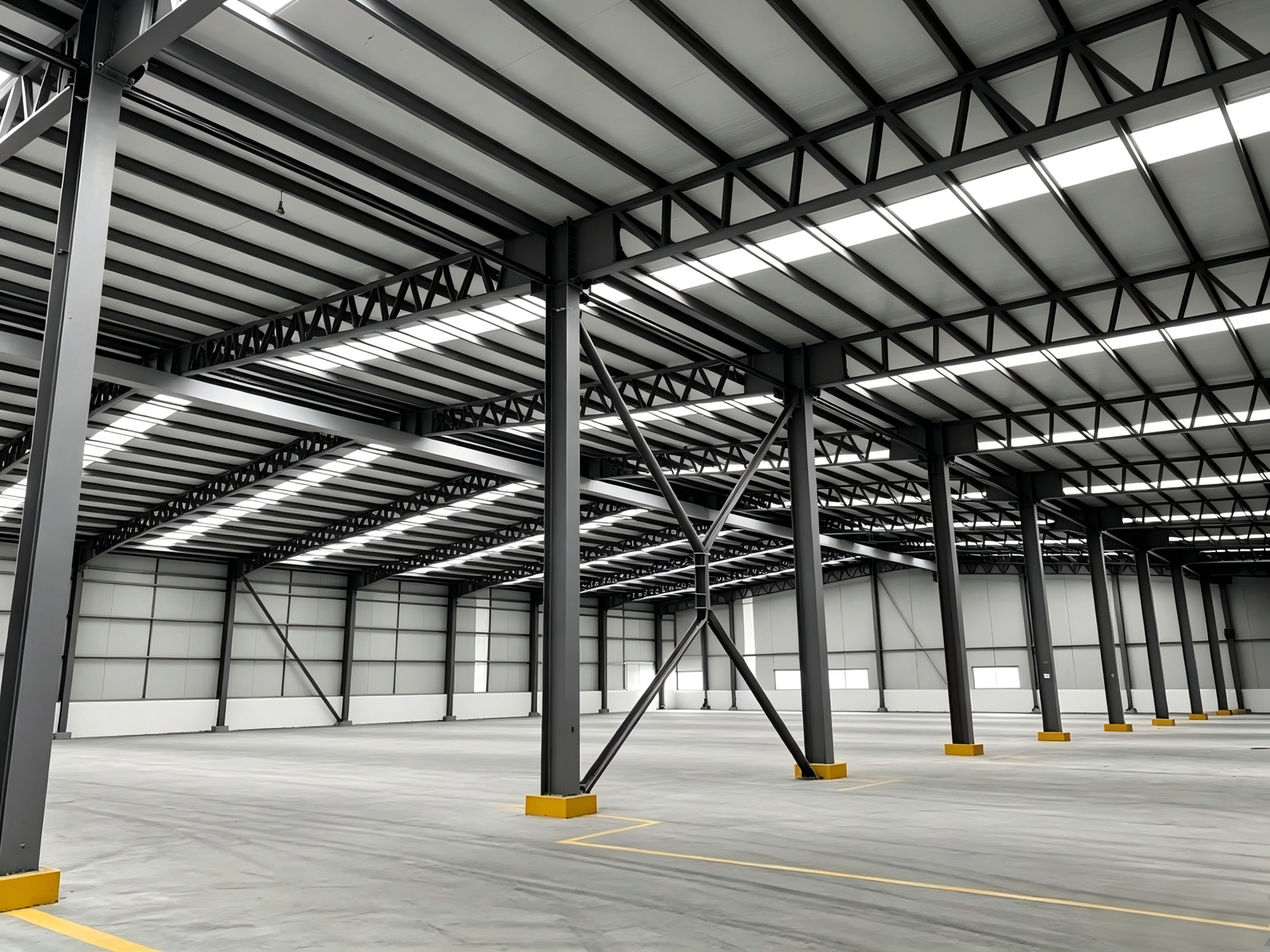
الجمالون الفولاذي عبارة عن إطار هيكلي مصنوع من أعضاء فولاذية مترابطة مرتبة في تكوينات مثلثة لتوزيع الأحمال بكفاءة عبر الهيكل.
عادة ما يتم تصنيع الجمالونات الفولاذية باستخدام:
أنابيب الصلب الهيكلية
زوايا فولاذية
قنوات فولاذية
أقسام جوفاء
مكونات فولاذية ملحومة أو مثبتة بمسامير
يسمح الترتيب المثلث للجمالون بنقل كل من قوى الضغط والشد بكفاءة مع تقليل استخدام المواد.
بسبب نسبة القوة إلى الوزن المتفوقة, دعامات الصلب تستخدم على نطاق واسع في:
أنظمة السقف
الجسور
المباني الصناعية
المستودعات
أبراج
الملاعب
حظائر الطائرات
للأجزاء الهيكلية الفولاذية المصنعة حسب الطلب وحلول تصنيع المعادن الدقيقة, يمكنك أيضًا استكشاف TOPS خدمات التصنيع باستخدام الحاسب الآلي الدقيقة و خدمات تصنيع الصفائح المعدنية.
المكونات الرئيسية للتروس الفولاذية
يساعد فهم المكونات الأساسية للجمالون الفولاذي في شرح كيفية تعامل الهيكل مع الأحمال.
أعلى الوتر
العضو العلوي الأفقي أو المائل الذي يتعرض في المقام الأول لقوى الضغط.
الوتر السفلي
العضو السفلي الذي يتعرض عادةً لقوى الشد.
الأعضاء العمودية
مكونات فولاذية عمودية تربط الحبال العلوية والسفلية.
أعضاء قطري
أعضاء فولاذية مائلة مسؤولة عن توزيع قوى الشد والضغط.
المفاصل أو العقد
نقاط الاتصال حيث يتم لحام الأعضاء أو ربطها معًا.
مزايا الجمالونات الفولاذية
تُفضل الجمالونات الفولاذية على الأنظمة الإنشائية التقليدية لأنها توفر العديد من المزايا المهمة.
نسبة عالية من القوة إلى الوزن
يوفر الفولاذ قوة هيكلية ممتازة دون زيادة الوزن.
القدرة على المدى الطويل
يمكن أن تمتد الدعامات الفولاذية لمسافات كبيرة دون الحاجة إلى دعامات وسيطة.
بناء أسرع
تعمل الدعامات الفولاذية الجاهزة على تقليل وقت العمل والتركيب في الموقع.
مرونة التصميم
يمكن للدعائم الفولاذية أن تستوعب أنماطًا معمارية مختلفة وملامح السقف.
متانة ممتازة
دعامات الصلب تقاوم:
النمل الأبيض
تعفن
أضرار الرطوبة
تزييف
انخفاض نفايات المواد
تعمل طرق التصنيع الحديثة على تحسين كفاءة التصنيع وتقليل النفايات.
للمكونات الفولاذية المصنعة بدقة ودعم التصنيع, يزور TOPS التصنيع الدقيق.
العوامل التي يجب مراعاتها عند اختيار الجمالون الفولاذي
يعتمد اختيار تصميم الجمالون الفولاذي المناسب على عوامل هندسية ومعمارية متعددة.
طول المدى
تم تحسين تصميمات الجمالون المختلفة لفترة قصيرة, واسطة, أو مسافات طويلة.
الأحمال الهيكلية
يجب على المهندسين التقييم:
الأحمال الميتة
الأحمال الحية
أحمال الرياح
أحمال الثلوج
الأحمال الديناميكية
شكل السقف
تؤثر هندسة السقف على تكوين الجمالون المناسب.
ارتفاع السقف
توفر بعض الجمالونات أسقفًا مقببة أو مرتفعة.
التهوية والإضاءة الطبيعية
قد تتطلب المباني الصناعية دعامات متخصصة لضوء النهار وتدفق الهواء.
ميزانية
بعض تصميمات الجمالون أكثر كفاءة من الناحية المادية واقتصادية.
تعقيد التصنيع
قد تتطلب الجمالونات المعقدة عمليات لحام وتصنيع CNC متقدمة.
للأجزاء الفولاذية المصنعة عالية الدقة المستخدمة في الأنظمة الهيكلية, يفحص خدمات تصنيع المعادن المخصصة.
الأنواع الشائعة للجمالونات الفولاذية وتطبيقاتها
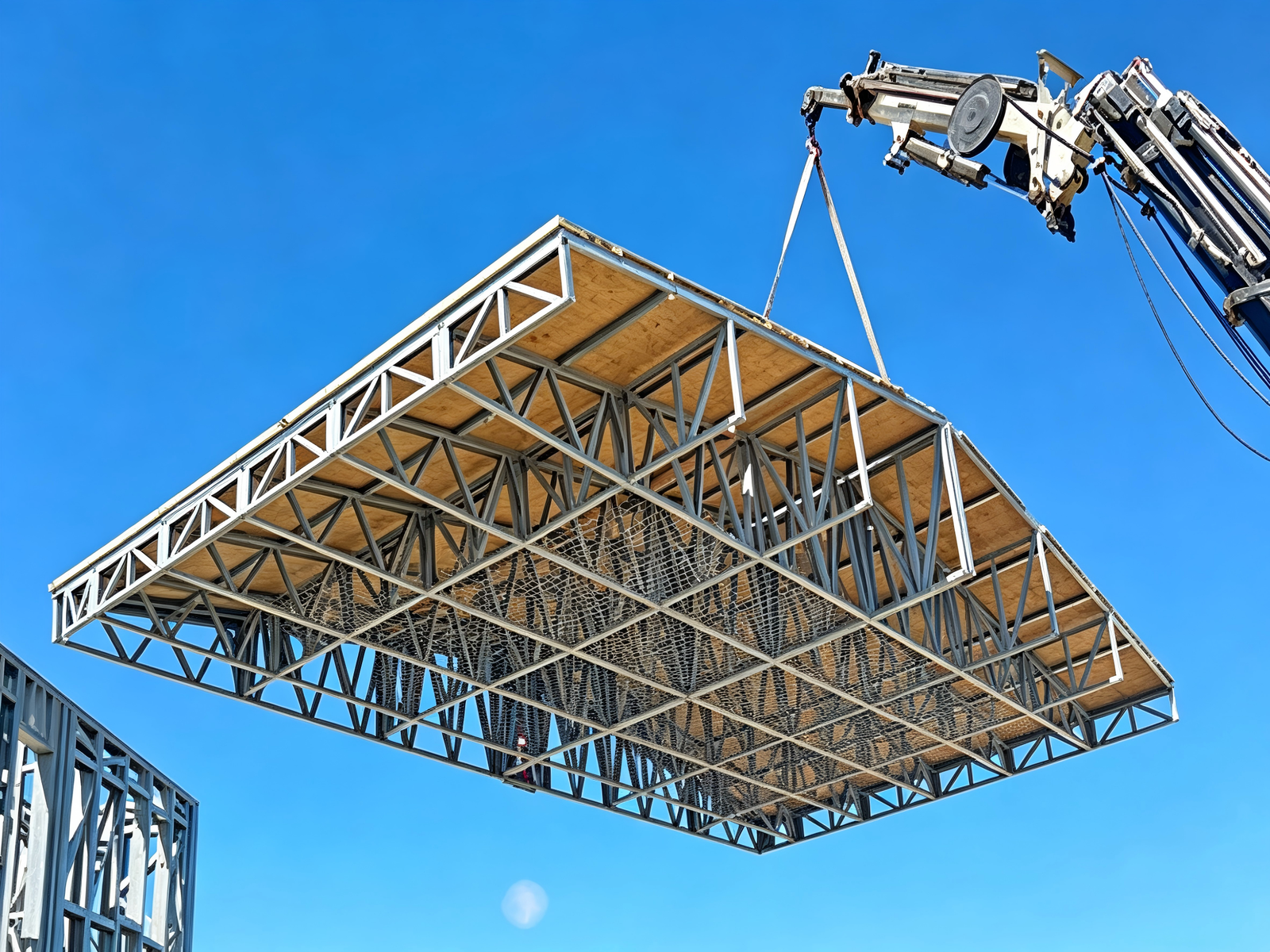
فينك ستيل تروس
تعتبر دعامات Fink الفولاذية واحدة من دعامات السقف الأكثر استخدامًا للمباني السكنية.
ويتميز:
أعضاء الويب على شكل W
منحدر أعلى الحبال
توزيع الحمل ممتاز
فترة نموذجية
5– 9 أمتار
مزايا
تصميم خفيف الوزن
نسبة القوة إلى الوزن ممتازة
تصنيع فعال من حيث التكلفة
تركيب سهل
التطبيقات
منازل سكنية
الكراجات
المباني التجارية الصغيرة
أنظمة دعم السقف
يتعامل تروس Fink بكفاءة:
الأحمال الميتة على السقف
تراكم الثلوج
أحمال الرياح
الأحمال المرورية للصيانة
برات الصلب تروس
مميزات تروس برات:
أعضاء الضغط العمودي
أعضاء التوتر القطري
تكوين ويب مميز على شكل حرف "N".
إنها واحدة من أنظمة الجمالون طويلة المدى الأكثر كفاءة.
فترة نموذجية
20– 100 متر
مزايا
تقليل استهلاك المواد
كفاءة في ظل الأحمال الديناميكية
استقرار هيكلي ممتاز
انخفاض وزن التصنيع
التطبيقات
حظائر الطائرات
مستودعات كبيرة
المباني الصناعية
الجسور
أنظمة التسقيف طويلة المدى
تعتبر دعامات برات مناسبة بشكل خاص للهياكل المعرضة لقوى الرفع والرياح.
وارن ستيل تروس
يستخدم الجمالون وارن سلسلة من المثلثات متساوية الأضلاع لتوزيع الأحمال بالتساوي عبر الهيكل.
سميت على اسم المهندس جيمس وارن, لا يزال هذا التصميم يحظى بشعبية كبيرة في البناء الحديث.
مزايا
توزيع موحد للقوة
هيكل خفيف الوزن
تلفيق بسيط
تصميم اقتصادي
التطبيقات
جسور السكك الحديدية
أنظمة الناقل
المباني التجارية
تسقيف صناعي
فترة نموذجية
20– 100 متر
بسبب بساطته وكفاءته, يتم استخدام تروس Warren على نطاق واسع في أنظمة الجسور المعيارية.
هاو ستيل تروس
يشبه تروس Howe من الناحية الهيكلية تروس برات ولكن مع سلوك القوة المعاكس.
ويتميز:
أعضاء ضغط قطري
أعضاء التوتر العمودي
فترة نموذجية
7– 30 مترا
مزايا
دعم ممتاز للأحمال الثقيلة
مقاومة ضغط قوية
استقرار هيكلي موثوق
التطبيقات
جسور السكك الحديدية
أنظمة السقف الصناعية
هياكل المستودعات
مشاريع البناء الثقيلة
يعمل تروس Howe بشكل جيد للغاية حيث تتركز الأحمال الثقيلة على الوتر العلوي.
الملك بوست تروس الصلب
يعد تروس King Post واحدًا من أبسط تكوينات الجمالون.
ويشمل:
عمود عمودي مركزي واحد
اثنين من الحبال العلوية الزاوية
هيكل ثلاثي بسيط
فترة نموذجية
5– 10 أمتار
مزايا
انخفاض تكلفة التصنيع
تركيب بسيط
الحد الأدنى من استخدام المواد
التطبيقات
أسطح سكنية
ملاجئ صغيرة
الكراجات
الجسور قصيرة المدى
يعتبر تروس King Post اقتصاديًا للغاية بالنسبة لمشاريع البناء الصغيرة.
الملكة بوست تروس الصلب
تتوسع تروس Queen Post على تصميم King Post باستخدام وظيفتي دعم رأسيتين.
فترة نموذجية
8– 12 متر
مزايا
قدرة أطول على المدى
تحسين الاستقرار
مظهر جذاب
هيكل خفيف الوزن
التطبيقات
تسقيف السكنية
الجسور المغطاة
الهياكل التجارية الصغيرة
يقلل تصميمه المزدوج من تركيز الضغط في وسط الوتر السفلي.
نورث لايت تروس الصلب
تم تصميم دعامات الضوء الشمالي خصيصًا للمباني الصناعية التي تتطلب ضوء النهار الطبيعي.
أنها تتميز:
الأسطح الرأسية الزجاجية
لمحات السقف غير المتكافئة
تحسين القدرة على التهوية
فترة نموذجية
20– 30 مترا
مزايا
انخفاض تكاليف الإضاءة
كفاءة الطاقة
تحسين ظروف العمل الداخلية
التطبيقات
مصانع التصنيع
الورش الصناعية
المستودعات
مرافق الإنتاج
عادة ما يتم توجيه الجانب المزجج نحو الشمال لتقليل اكتساب الحرارة الشمسية.
الجمالون الصلب ذو الأسنان المنشارية
تشبه دعامات الأسنان المنشارية دعامات الضوء الشمالي ولكنها تتميز بأنماط متكررة من التلال.
مزايا
توزيع ضوء النهار ممتاز
تحسين التهوية
تقليل تراكم الحرارة الشمسية
التطبيقات
المباني الصناعية متعددة الخليج
المصانع
ورش التصنيع
قاعات إنتاج كبيرة
تُستخدم هذه الجمالونات بشكل شائع عندما تكون هناك حاجة إلى إضاءة طبيعية ثابتة.
تروس الصلب المسطح
تستخدم الجمالونات الفولاذية المسطحة الحبال العلوية والسفلية المتوازية المتصلة بواسطة أعضاء قطرية.
مزايا
تلفيق بسيط
تصميم اقتصادي
مناسبة للمباني منخفضة الخلوص
التطبيقات
المباني ذات الأسطح المسطحة
أنظمة دعم الأرضية
المنصات الصناعية
الهياكل التجارية
تعتبر الجمالونات المسطحة مثالية عندما يكون ارتفاع البناء محدودًا.
مقص الصلب تروس
تستخدم دعامات المقص الحبال السفلية المتقاطعة لإنشاء أسقف مقببة.
فترة نموذجية
يصل إلى 50 متر
مزايا
زيادة ارتفاع السقف الداخلي
تحسين الجماليات
مرونة معمارية أفضل
التطبيقات
الكنائس
القاعات
منازل سكنية
قاعات تجارية
بسبب هندستها المعقدة, تعتبر دعامات المقص أكثر تكلفة من أنظمة الجمالون الأبسط.
تروس من الفولاذ للمروحة
يشبه الجمالون المروحة الجمالون Fink ولكنه يتضمن أعضاء ويب إضافيين لتحسين توزيع الأحمال.
فترة نموذجية
10– 40 مترا
مزايا
قدرة تحمل أعلى
تحسين الكفاءة الهيكلية
مناسبة لفترات أكبر
التطبيقات
المباني التجارية
تسقيف صناعي
المباني السكنية الكبيرة
العلية سقف الجمالون
تم تصميم دعامات العلية لإنشاء مساحة سقف داخلية قابلة للاستخدام.
مزايا
مساحة تخزين متكاملة
منطقة معيشة إضافية
تصميم موفر للمساحة
التطبيقات
منازل سكنية
تحويلات العلية
المباني التي تتطلب غرف التخزين
يجمع هذا الجمالون بين الدعم الهيكلي والمساحة الداخلية الوظيفية.
جدول مقارنة الجمالون الصلب
| نوع الجمالون | فترة نموذجية | الميزة الرئيسية | التطبيقات المشتركة |
| فينك تروس | 5-9 م | تسقيف اقتصادي | منازل سكنية |
| برات تروس | 20-100 م | دعم فعال طويل المدى | حظائر الطائرات, الجسور |
| وارن تروس | 20-100 م | توزيع الحمل الموحد | الجسور, الرافعات |
| هاو تروس | 7-30 م | مقاومة الحمل الثقيل | المباني الصناعية |
| كينغ بوست | 5-10 م | تصميم بسيط | أسطح صغيرة |
| كوين بوست | 8-12 م | قدرة أطول على المدى | تسقيف السكنية |
| شمال الضوء | 20-30 م | الإضاءة الطبيعية | المصانع |
| سن المنشار | عامل | تحسين ضوء النهار | النباتات الصناعية |
| تروس مسطحة | عامل | ملف تعريف منخفض الارتفاع | أسطح مسطحة |
| تروس مقص | يصل إلى 50 م | أسقف مقببة | القاعات |
| تروس المروحة | 10-40 م | قدرة تحميل محسنة | المباني التجارية |
| العلية تروس | عامل | خلق الفضاء الداخلي | منازل سكنية |
تصنيع وتصنيع الجمالون الصلب
تتطلب الجمالونات الفولاذية الحديثة تصنيعًا دقيقًا لضمان ذلك:
النزاهة الهيكلية
دقة الأبعاد
متانة طويلة الأمد
تشمل عمليات التصنيع الشائعة:
قطع CNC
القطع بالليزر
لحام
الانحناء
التشطيب السطح
طلاء مسحوق
الجلفنة
تحسين تقنيات التصنيع المتقدمة:
دقة
التكرار
سرعة الإنتاج
لمشاريع تصنيع الصلب المخصصة, يستكشف:
اعتبارات تصميم الجمالون الصلب
قبل اختيار نظام الجمالون الصلب, يجب على المهندسين تقييم العديد من المتطلبات الفنية.
الأحمال الهيكلية
احسب:
الأحمال الميتة
الأحمال الحية
أحمال الثلوج
ضغط الرياح
الأحمال الزلزالية
اختيار المواد
وتشمل المواد المشتركة:
الفولاذ الطري
الصلب الكربوني
الصلب المجلفن
الفولاذ المقاوم للصدأ
حماية التآكل
تعمل الطلاءات الواقية على تحسين عمر الخدمة في البيئات القاسية.
قوانين البناء
يجب أن تمتثل جميع أنظمة الجمالون للمعايير الهيكلية المحلية ولوائح السلامة.
مميزات الجمالونات الفولاذية عن الجمالونات الخشبية
قوة أعلى
يدعم الفولاذ الأحمال الثقيلة والامتدادات الأطول.
مقاومة أفضل للحريق
الفولاذ لا يشتعل كالخشب.
عمر أطول
الهياكل الفولاذية تقاوم التعفن وأضرار الحشرات.
صيانة أقل
تتطلب الجمالونات الفولاذية صيانة أقل على المدى الطويل.
التصنيع الدقيق
يعمل التصنيع باستخدام الحاسب الآلي على تحسين اتساق الأبعاد.
التطبيقات الصناعية الشائعة للجمالونات الفولاذية
يتم استخدام الجمالونات الفولاذية في العديد من الصناعات.
المباني السكنية
أنظمة تأطير السقف
المستودعات
أنظمة التسقيف واسعة النطاق
مصانع التصنيع
هياكل الورش الصناعية
حظائر الطائرات
الهياكل المفتوحة طويلة المدى
جسور السكك الحديدية
الدعم الهيكلي للحمل الثقيل
الملاعب
يمتد سقف كبير غير مدعوم
المباني الزراعية
الحظائر ومرافق التخزين
خاتمة
تظل الجملونات الفولاذية واحدة من أكثر الأنظمة الهيكلية موثوقية وكفاءة في البناء الحديث. من الأسطح السكنية الصغيرة إلى المباني الصناعية والجسور الضخمة, يقدم كل نوع من أنواع الجمالون مزايا فريدة اعتمادًا على نوع الجمالون:
متطلبات النطاق
الأحمال الهيكلية
التصميم المعماري
ميزانية
الاحتياجات الوظيفية
يتم تحسين اختيار تصميم الجمالون الفولاذي المناسب:
الأداء الهيكلي
كفاءة البناء
متانة طويلة الأمد
فعالية تكلفة المشروع بشكل عام
إذا كان مشروعك يتطلب تصنيعًا معدنيًا دقيقًا مخصصًا, التصنيع باستخدام الحاسب الآلي, أو تصنيع المكونات الهيكلية, TOPS التصنيع الدقيق توفر دعمًا هندسيًا احترافيًا وحلول تصنيع مخصصة للتطبيقات الصناعية والتجارية.
Fأسئلة وأجوبة
1.ما هو أقوى أنواع الجمالون الفولاذي?
تعتبر دعامات Pratt and Warren من بين الأقوى والأكثر كفاءة للتطبيقات طويلة المدى.
2.أي الجمالون الفولاذي هو الأفضل للمستودعات?
برات, وارن, تُستخدم دعامات Howe بشكل شائع لبناء المستودعات بسبب أدائها الممتاز على المدى الطويل.
3.هل الجملونات الفولاذية أفضل من الجمالونات الخشبية؟?
عروض الجمالونات الفولاذية:
قوة أعلى
متانة أفضل
عمر أطول
تحسين مقاومة الحريق
صيانة أقل
4.ما هو الفرق بين دعامات برات وهاو?
والفرق الرئيسي يكمن في توزيع القوة:
سراويل برات: أعضاء التوتر القطري
هاو الجمالون: أعضاء ضغط قطري
5.كم من الوقت تستمر الجمالونات الفولاذية?
مع الحماية والصيانة المناسبة من التآكل, دعامات الصلب يمكن أن تستمر عدة عقود.


