


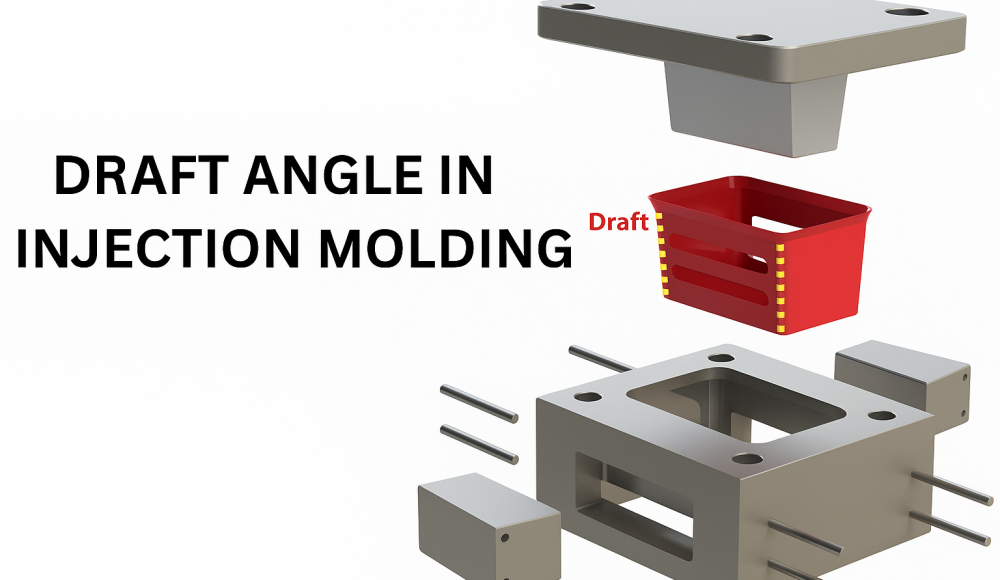
عند تصميم أجزاء ل صب الحقن, واحدة من أكثر التفاصيل التي تم التغاضي عنها ولكنها حاسمة هي مسودة زاوية. زاوية المسودة ليست مجرد ميزة تجميلية أو اختيارية، فهي تؤثر بشكل مباشر على مدى جودة تحرير الجزء من القالب, كم من الوقت تستمر الأدوات الخاصة بك, ومدى اتساق دورة الإنتاج لديك.
بدون مسودة كافية, يمكن أن تلتصق الأجزاء المقولبة بتجويف القالب, تسبب علامات السحب, تشوه, أو حتى تلف العفن. تؤدي هذه المشكلات إلى أوقات دورة أطول, إصلاحات أداة مكلفة, وانخفاض جودة الجزء. لكفاءة, إنتاج عالي الجودة, يعد فهم وتطبيق زوايا المسودة المناسبة أمرًا ضروريًا.
سيشرح هذا الدليل ماهية زاوية المسودة, لماذا هو أمر بالغ الأهمية, وكيفية التقديم مسودة أفضل ممارسات التصميم للحصول على الأداء الأمثل للقالب وجودة الجزء.
ما هي زاوية المسودة?
ما هي زاوية المسودة
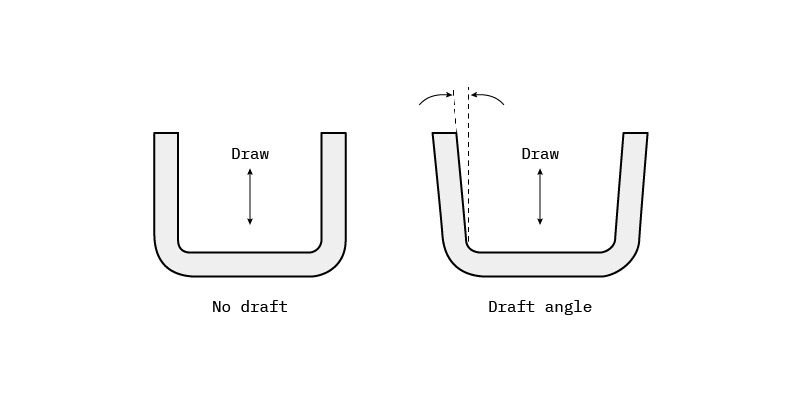
أ مسودة زاوية هو يتم تطبيق تفتق على الجدران العمودية من جزء مصبوب بالحقن لمساعدته على التحرير بسلاسة من القالب. يتم قياسه عادةً درجات (°) ويضمن أنه عندما يفتح القالب, الأجزاء لا تسحب أو تخدش جدران التجويف.
فكر في الأمر بهذه الطريقة: إذا كانت جدران الكوب المقولب مستقيمة تمامًا, سيخلق الجزء فراغًا أو قفل احتكاك ضد القالب. تعمل زاوية المسودة على توسيع الجزء العلوي قليلاً, مما يسهل على الجزء إخراجه بشكل نظيف.
باختصار, زوايا مسودة:
تقليل الاحتكاك بين الجزء والعفن
تقليل قوة القذف
منع تلف السطح
السماح بشكل أسرع, دورات إنتاج أكثر موثوقية
فوائد دمج مسودة الزوايا
يؤدي تضمين زوايا المسودة في تصميم الجزء الخاص بك إلى فوائد عديدة, سواء بالنسبة لكفاءة التصنيع وجودة المنتج:
يقلل من قوة القذف والاحتكاك بين القالب وسطح الجزء
يمنع الجرجرة, علامات السحب, أو تزييفها, ضمان الانتهاء من أكثر سلاسة
يزيد من عمر العفن عن طريق تقليل التآكل أثناء القذف
يسرع أوقات الدورة من خلال السماح بإطلاق العفن بشكل أسهل
يحسن اتساق الجزء عبر عمليات الإنتاج الكبيرة
يقلل من معدلات الرفض والخردة, تقليل تكلفة التصنيع الإجمالية
باختصار, إضافة مسودة لا يحسن فقط الجماليات ودقة الأبعاد من أجزائك ولكن أيضًا كفاءة التكلفة من العملية بأكملها.
مسودة قواعد الزاوية وأفضل الممارسات
1. الحد الأدنى لزاوية المسودة: 1.5درجة إلى 2 درجة
الحد الأدنى من 1.5°–2° يوصى به عمومًا للأجزاء التي يصل عمق العفن فيها إلى 2 بوصة (50 مم).
وهذا يكفي لمنع علامات السحب والسماح بالإخراج الموثوق.
في جريس تسخير, يوصي مهندسونا عادة 2° أو أكثر لتوفير هامش أمان - خاصة عند الانتهاء من السطح, الهندسة المعقدة, أو تشارك التفاوتات الصارمة.
2. مشروع الاتجاه: نحو فتح القالب
قم دائمًا بتطبيق المسودة في اتجاه حركة العفن. عندما يفتح القالب, يتحرك جانب التجويف لأعلى أو بعيدًا, لذلك يجب أن تتبع المسودة هذا الاتجاه.
على سبيل المثال, في جزء مجوف على شكل مربع, ال يجب أن يكون الفتح العلوي أوسع قليلاً من القاع. وهذا يضمن أنه عندما يتم إخراج الجزء, لا تلتصق بالجدران الأساسية أو التجويف.
3. أضف 1 درجة مسودة لكل بوصة من العمق
مع زيادة عمق الميزة المصبوبة, وكذلك مساحة السطح والاحتكاك أثناء القذف.
القاعدة الأساسية الجيدة هي أن أضف 1 درجة من المسودة لكل 25 مم (1 بوصة) من عمق التجويف.
مثال:
إذا كانت ميزتك هي 75 مم عميق, يجب أن تشمل على الأقل 3° من المسودة للطرد السلس والحد الأدنى من تآكل الأدوات.
4. زيادة المسودة للأسطح المنسوجة أو المحفورة
الأسطح محكم, مثل تلك مع ماتي, قمح, أو التشطيبات الجلدية, زيادة الاحتكاك أثناء القذف. للتعويض, أضف مسودة إضافية بناءً على خشونة السطح.
| نوع تشطيب السطح | المسودة الموصى بها |
| سطح أملس أو مصقول | 1°–2° |
| نسيج خفيف | 3° |
| نسيج متوسط | 4° |
| نسيج ثقيل أو حفر عميق | 5° أو أكثر |
نصيحة: تأكد دائمًا من عمق الملمس (تقاس بالميكرون) مع مورد القالب الخاص بك لتحديد زيادة المسودة الصحيحة.
5. حساب انكماش المواد والمرونة
تتصرف المواد البلاستيكية المختلفة بشكل مختلف عندما تبرد. المواد التي يتقلص أكثر سوف قبضة القالب أكثر إحكاما, تتطلب زاوية مشروع أكبر.
| مادة | الحد الأدنى من المسودة (°) | المسودة الموصى بها (°) | ملحوظات |
| نايلون (السلطة الفلسطينية) | 0° | 1° | مرن, يطلق بسهولة |
| بولي ايثيلين (بي) | 0.5° | 1.5° | انكماش منخفض, تدفق جيد |
| بولي كلوريد الفينيل | 0.5° | 1.5° | جامد, يحتاج إلى مشروع طفيف |
| البولي بروبلين (ص) | 1° | 2° | انكماش معتدل |
| البولي (الكمبيوتر) | 1.5° | 2° | هش, يستفيد من مشروع أعلى |
القاعدة العامة:
كلما زاد انكماش أو تصلب المادة, ال أكبر مشروع تحتاج.
6. قم بتطبيق المسودة على جميع ميزات الاتصال بالقالب
لا يقتصر المسودة على الجدران الخارجية —كل ميزة مصبوبة يجب أن يكون لدى جهات الاتصال بالقالب مسودة لضمان الإطلاق المناسب.
| نوع الميزة | المسودة الموصى بها (°) |
| ضلوع | ≥ 0.5 درجة |
| بوس القطر الداخلي | ≥ 0.25 درجة |
| بوس القطر الخارجي | ≥ 0.5 درجة |
| مجمعات أو اللوفرات | ≥ 1° |
وهذا ينطبق على النوى الداخلية, تجاويف خارجية, وتعزيز الميزات مثل الأضلاع التي تقوي الجدران الرقيقة.
7. مسودة مزدوجة الجوانب للأجزاء المتناظرة
للأجزاء التي تنقسم على طول خط الوسط (مثل الاسطوانات أو القباب), يجب تطبيق المسودة على كلا الجانبين من خط الفراق.
كل جانب من القالب له اتجاه التحرير الخاص به, لذلك يحتاج كلا السطحين إلى زوايا مسودة مناسبة لمنع الالتصاق.
8. الحد الأدنى من المسودة: لا تذهب أبدًا إلى أقل من 0.5 درجة
حتى في الحالات التي تحتاج فيها إلى جدران عمودية مستقيمة تقريبًا, يجب عليك تشمل ما لا يقل عن 0.5 درجة من المسودة على جميع الوجوه العمودية.
إذا كان تصميمك يتطلب هندسة مستقيمة تمامًا, استشر صانع القالب الخاص بك لمعرفة ما إذا كان الملمس, تلميع, أو يمكن أن تساعد تعديلات خط الفراق في التعويض.
يتذكر: بعض المسودة دائمًا أفضل من لا شيء.
أخطاء التصميم الشائعة التي يجب تجنبها
نسيان تطبيق المسودة على الجدران الداخلية أو الأضلاع
تصميم نماذج CAD بدون مسودة متكاملة (مما تسبب في إعادة العمل في وقت لاحق)
لا يمكن ضبط الملمس أو سمك الطلاء
تجاهل سلوك انكماش المواد
تعقيد هندسة الجزء دون النظر في اتجاه تحرير القالب
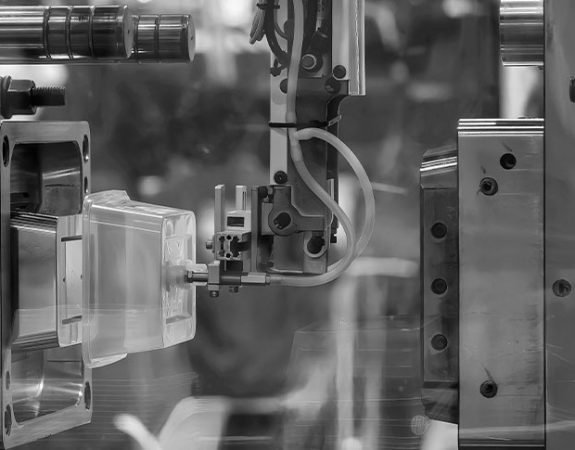
المسودة مطلب, ليس اقتراحا
المسودة مطلب, ليس اقتراحا
يركز المصممون غالبًا على الهندسة الجزئية, جماليات, أو الوظيفة مع التغاضي عن قابلية التصنيع.
لكن, بغض النظر عن مدى الكمال الذي يبدو عليه تصميمك على CAD, لا يمكن تشكيلها بكفاءة بدون مسودة مناسبة.
مشروع غير كاف يؤدي إلى:
التصاق الجزء أو تمزيقه
تلف العفن والتوقف
سوء السطح ينتهي
زيادة تكاليف الخردة والصيانة
قم دائمًا بإعطاء الأولوية للمسودة في مراحل التصميم المبكرة، فهي جزء أساسي منها تصميم للتصنيع (سوق دبي المالي).
نصائح متقدمة من قمم الدقة
دمج المسودة مبكرًا:
أضف زوايا مسودة أثناء مرحلة نمذجة CAD. وهذا يضمن أن النموذج الأولي أو الطباعة ثلاثية الأبعاد تعكس بالفعل هندسة واقعية قابلة للتشكيل.
إجراء تحليل سوق دبي المالي:
قبل تصنيع القالب, قم بإجراء فحص سوق دبي المالي لتحديد مناطق الإصدار غير الكافية أو المعقدة. يقدم فريقنا تحليل سوق دبي المالي مجانًا لمساعدتك على تحسين تصميم القالب.
التعاون مع صانعي الأدوات:
مناقشة مشروع الاتجاه, وضع خط الفراق, وطرق القذف المبكر. يمكن لصانعي الأدوات في كثير من الأحيان اقتراح تعديلات طفيفة تعمل على تحسين قابلية التصنيع بشكل كبير.
اختبار مع النماذج الأولية:
استخدم الطباعة ثلاثية الأبعاد أو الأدوات الناعمة للتحقق من صحة مسودة التصميم الخاصة بك قبل الالتزام بالإنتاج على نطاق واسع.
ملخص مرجعي سريع لزاوية المسودة
| عامل | المسودة الموصى بها (°) |
| سطح أملس | 1°–2° |
| نسيج خفيف | 3° |
| نسيج ثقيل | 5°+ |
| عمق ضحل (<25 مم) | 1°–2° |
| تجويف عميق (>75 مم) | 3°–4° |
| مادة PP أو PC | 2° |
| النايلون أو البلاستيك المرن | 1° |
| ضلوع / الزعماء | 0.25°–0.5° |
خاتمة
قد تبدو زوايا المسودة بمثابة تفاصيل تصميمية صغيرة, لكن تأثيرها على قابلية التصنيع هائل. أنها تحمي القالب الخاص بك, تحسين مظهر الجزء, وخفض تكاليف الإنتاج.
لنجاح عملية الحقن:
يضيف على الأقل 1.5 درجة -2 درجة مسودة حيثما أمكن ذلك
زيادة للأجزاء المزخرفة أو العميقة
حساب المواد والهندسة
قم بتطبيق مسودة على كل ميزة تتلامس مع القالب
عندما تكون في شك, يتذكر: المزيد من المسودة = مشاكل أقل.
اقرأ المزيد:
كل شيء عن أساسيات صب حقن البلاستيك
أنواع قوالب الحقن: فئات, سمات, والتطبيقات الصناعية
الأضلاع البلاستيكية لتصميم الحقن: أفضل الممارسات والإرشادات
الأسئلة الشائعة
1. لماذا تعتبر زاوية المسودة مهمة في قولبة الحقن؟?
تعتبر زوايا السحب ضرورية لضمان إخراج الأجزاء بسلاسة من القالب. بدون مشروع, يمكن أن تلتصق الأجزاء, الاعوجاج, أو إتلاف الأداة, مما يؤدي إلى توقف مكلف ومنتجات ذات جودة رديئة.
2. ماذا يحدث إذا قمت بتصميم جزء بدون مسودة?
الجزء الذي لا يحتوي على مسودة سيخلق احتكاكًا عاليًا أثناء الطرد, غالبا ما يسبب علامات السحب, تشويه, أو حتى أجزاء متشققة. كما أنه يزيد من تآكل الأداة, مما يقصر عمر العفن ويرفع تكاليف الصيانة.
3. ما مقدار المسودة التي يجب أن أضيفها للأسطح المزخرفة?
للأجزاء المزخرفة أو ذات اللمسات النهائية للحبوب, زيادة زاوية المسودة بمقدار 1°–2° تتجاوز القيمة الأساسية. قد تتطلب الأسطح ذات النسيج الثقيل ما يصل إلى 5 درجات أو أكثر اعتمادا على عمق النمط.
4. هل تؤثر زاوية المسودة على مظهر الجزء الخاص بي؟?
نعم, ولكن بشكل إيجابي. تضمن المسودة المصممة بشكل صحيح لمسة نهائية أكثر سلاسة, علامات أقل, ولون أو نسيج ثابت بعد التشكيل. بصريا, الفرق بين 1° و 2° بالكاد يمكن ملاحظته بالعين المجردة.
5. هل يمكنني تطبيق مسودة صفرية لأسباب جمالية?
بينما ممكن في حالات نادرة, إنه أمر محفوف بالمخاطر. إذا كان يجب عليك استخدام المسودة الصفرية (للمتطلبات البصرية البحتة), قد يستخدم صانع القوالب طلاءات خاصة أو أنظمة طرد, ولكن هذا يزيد من تكلفة الأدوات والصيانة. حتى 0.5° مشروع ينصح بشدة كحد أدنى.
6. متى يجب علي إضافة مسودة في عملية التصميم?
أضف مسودة في أقرب وقت ممكن في مرحلة تصميم CAD. قد يؤدي تطبيقه لاحقًا إلى حدوث تعارضات هندسية, إعادة صياغة, والتأخير المكلف قبل الأدوات. يضمن دمج المسودة من البداية سير عمل أسرع من التصميم إلى الإنتاج.

2 افكار عن "دليل تصميم الزاوية & أفضل الممارسات: كيفية التصميم من أجل إطلاق أفضل للقالب”