


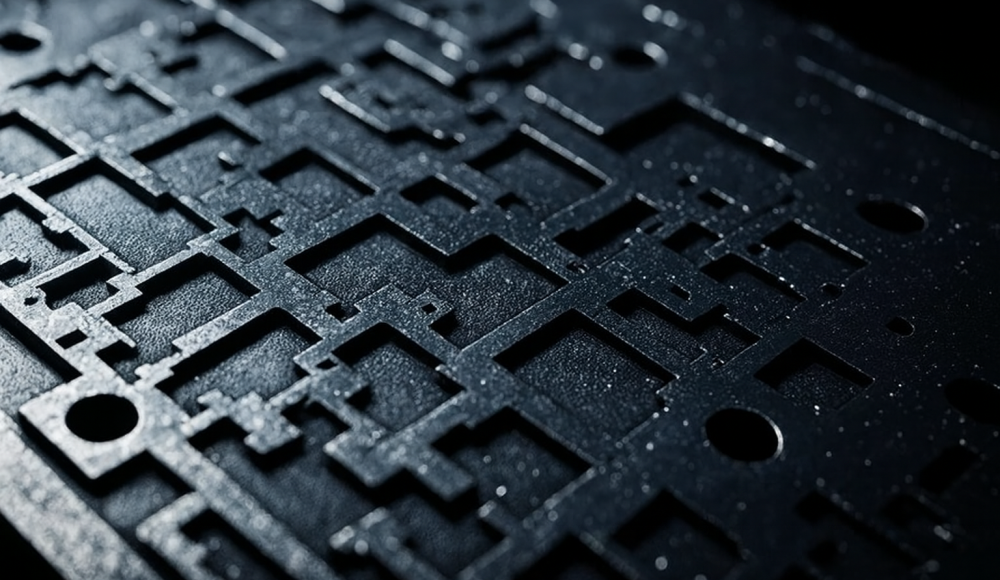
の卓越性 die-cast metals in modern manufacturing has surged due to their exceptional blend of high strength, 耐久性, 安定性, and remarkable cost-effectiveness in high-volume production. The ability of the die casting process to consistently produce complex shapes with tight dimensional tolerances makes it indispensable for critical components across the automotive, 電子, および産業部門.
This guide provides a comprehensive analysis of the strength of die-cast metals, detailing the factors that influence performance and examining the unique mechanical advantages of the primary alloys used.
Overview and Definition of Die Cast Metals
The term ダイカスト describes a rapid, high-volume manufacturing method where molten non-ferrous alloys are injected into a steel mold (死ぬ) under extreme pressure. This high-pressure environment is what gives the final product its superior internal integrity and surface quality.
Die-Cast Metals は, したがって, the alloys specifically chosen for this process, primarily comprising materials with relatively low melting points to ensure the longevity of the hardened steel dies. Common examples include Aluminum (アル), 亜鉛 (亜鉛), and Magnesium (マグネシウム) 合金.
Determining the Strength of Die Cast Metals
The strength of a die-cast component is not inherent to the process itself, but is fundamentally determined by two critical factors:
あ. The Specific Alloy Composition
Strength is directly linked to the quality and type of alloy selected. 例えば, high-silicon aluminum alloys (like A380) offer excellent casting properties and good strength, while dedicated structural alloys (like A390) provide greater ultimate tensile strength but may be harder to cast.
B. Structural Integrity and Porosity
の die casting process significantly enhances the effective strength of the metal:
High-Pressure Injection: The extreme pressure minimizes the formation of internal voids and gas porosity, resulting in a denser, more homogenous part. Low porosity leads to more consistent mechanical properties and greater resistance to failure under stress.
Rapid Solidification: Contact with the cold steel die causes rapid cooling, often producing a fine-grained structure (a “chill zone”) near the surface, which contributes to higher surface hardness and enhanced fatigue resistance.
Industry Strength Comparison:
While steel-cast parts are generally considered the most compatible choice for the most extreme, critical load-bearing applications (due to steel’s raw strength), die-cast aluminum and zinc alloys frequently outperform other metals in terms of strength-to-weight ratio and manufacturing efficiency.
Primary Die Cast Metal Alloys and Their Advantages
The industry largely favors Aluminum, マグネシウム, and Zinc alloys, each providing a unique performance profile tailored to specific engineering demands.
アルミニウム (アル) ダイカスト 利点
Aluminum alloys are the workhorses of the die casting industry, providing an excellent balance of properties:
Low Density and Corrosion Resistance: Aluminum offers substantial weight reduction compared to steel and possesses natural corrosion resistance, making it ideal for automotive body and engine components.
高次元精度: The process yields high precision and excellent repeatability crucial for complex electronic enclosures and mechanical housings.
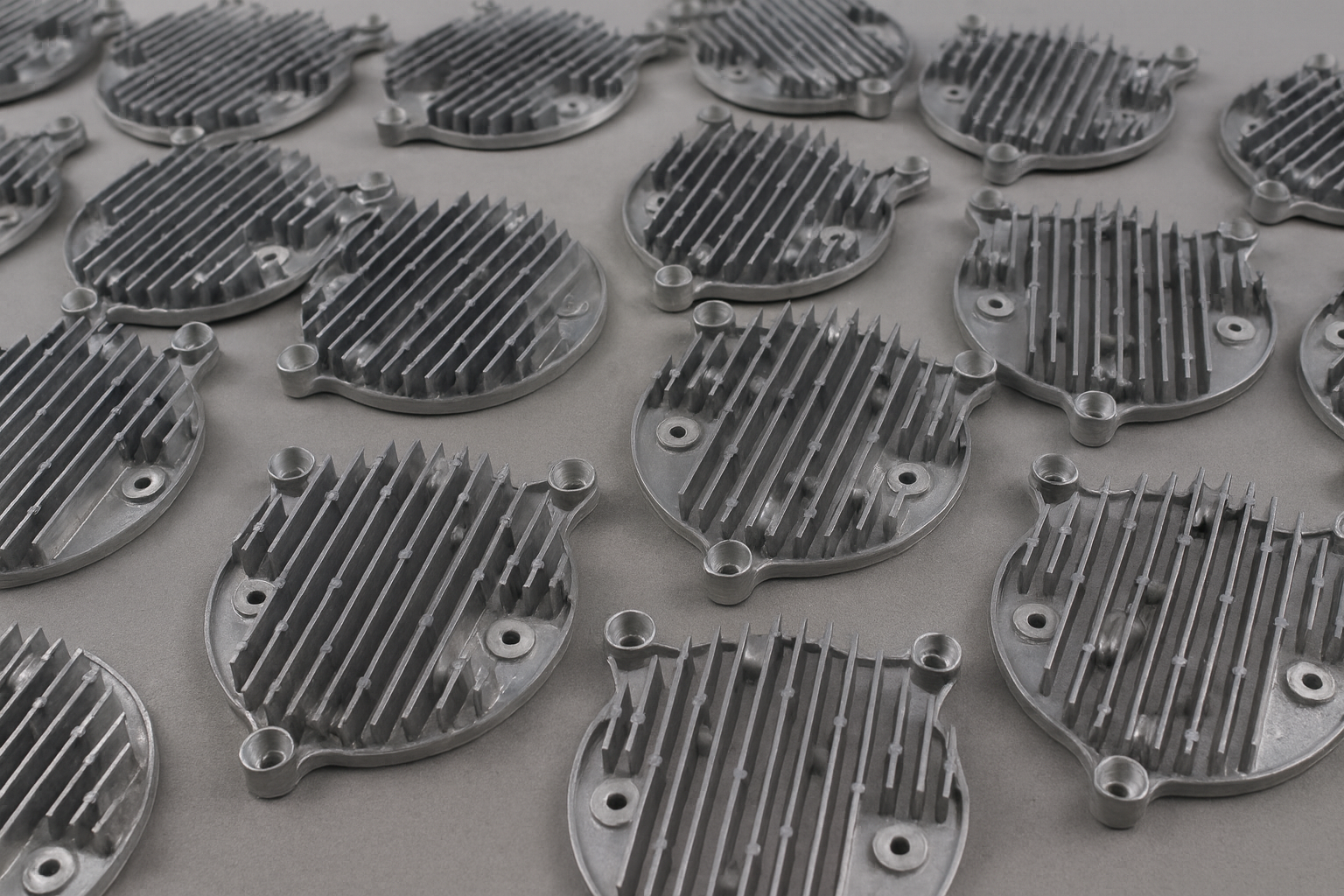
Thermal Performance: Exhibits superior heat dissipation, enabling its widespread use in 高温用途 such as heat sinks, シリンダーヘッド, and engine manifolds.
耐久性: The inherent hardness of many aluminum die-cast alloys provides strong durability, allowing them to withstand harsh operating and environmental conditions.
マグネシウム (マグネシウム) ダイカスト 利点
Magnesium is chosen when minimizing mass is the absolute priority:
The Lightest Structural Alloy: It is unmatched in its low density, offering the best available 強度対重量比 for any die-cast material.
Exceptional Tensile Strength: Despite its lightness, magnesium maintains strong mechanical properties.
Processing: It is often softer than aluminum, making it easier to machine (二次的な操作) and highly beneficial for components in portable electronics and complex aerospace interiors.
亜鉛 (亜鉛) ダイカスト 利点
Zinc alloys are the dark horse, often overlooked but possessing critical strengths:
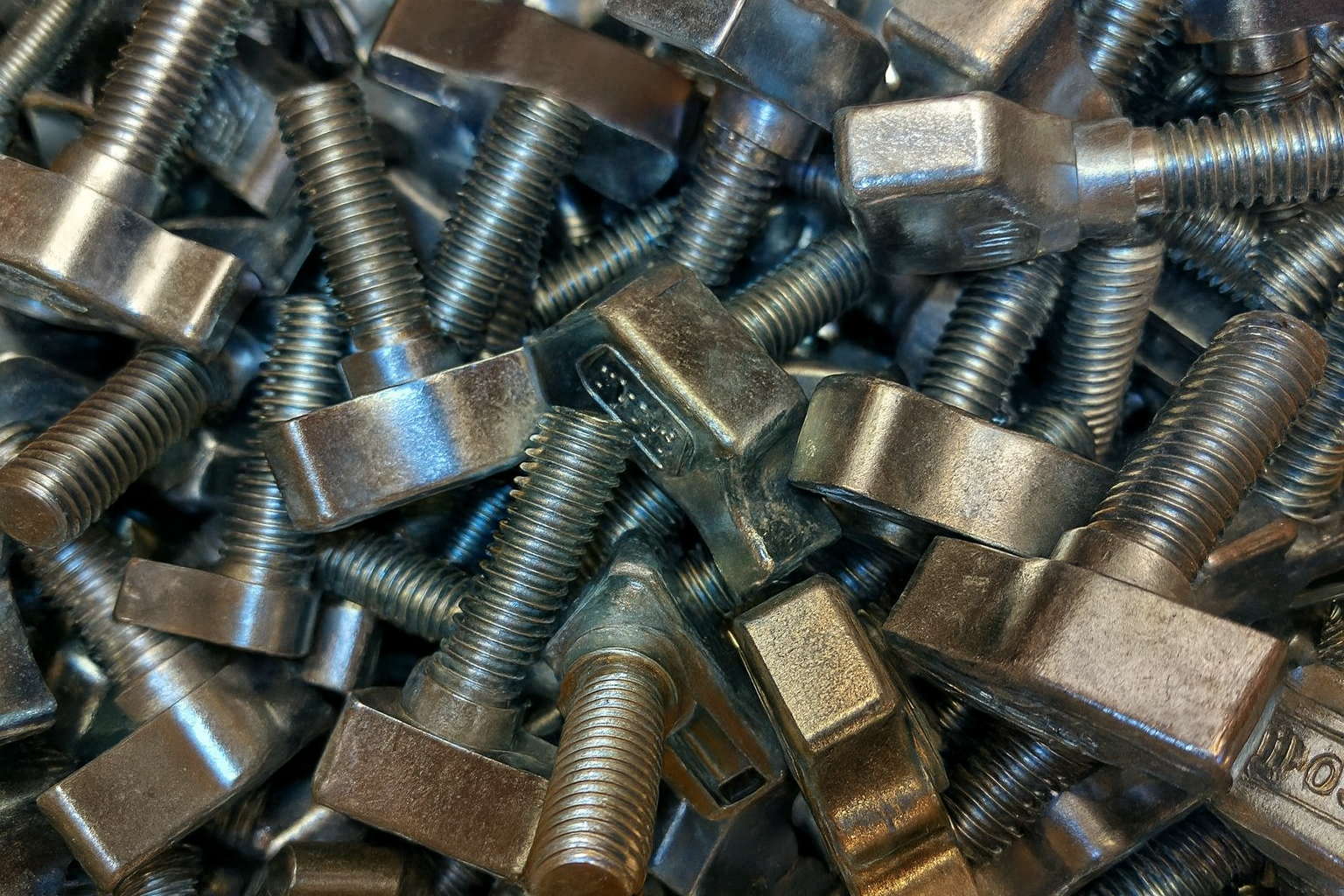
Highest Ultimate Strength: Among the non-ferrous die-cast alloys, 亜鉛 (particularly Zamak series) typically exhibits the strongest strength to withstand load-bearing applications そして耐衝撃性.
High Yield Strength: Ideal for components that must resist permanent deformation under repeated stress.
Superior Castability for Complexity: Zinc’s low melting point and excellent flowability allow it to be cast with zero flash into the most intricate and thin-walled features, making it the best choice for highly complex, small castings where precision is critical.
結論
The definitive strength of a die-cast metal component is a direct result of balancing material properties with manufacturing requirements. The selection process must align the needs of the project—including volume, 予算, environmental compatibility, required durability, and geometric complexity—with the specific performance advantages offered by Aluminum, マグネシウム, or Zinc. By leveraging the inherent strength of the chosen alloy through the high-pressure die casting process, manufacturers ensure components meet the highest standards of performance and reliability.
よくある質問
1. How does the “strength-to-weight ratio” of aluminum and magnesium compare to steel?
The strength-to-weight ratio is a critical metric for aerospace and automotive engineers. While steel has a higher ultimate strength, aluminum and magnesium alloys offer significantly better strength-to-weight ratios. マグネシウムが一番軽い, providing the best ratio among die-cast metals. This means you can achieve the required structural performance with a much lighter part by using these alloys, leading directly to improved fuel efficiency and reduced inertia.
2. Why is Zinc casting preferred for very complex, small components despite Aluminum’s popularity?
Zinc has a much 融点が低い and superior flowability compared to aluminum. This allows the molten zinc to fill intricate, thin-walled features and complex micro-cavities within the die more completely and smoothly. This superior castability ensures that complex parts can be produced with exceptional detail 最小限の欠陥, making zinc the ideal choice for highly detailed or small, precise components (like locking mechanisms or electronic connectors).
3. Does the high pressure in die casting make the metal stronger than if it were cast by gravity?
はい, indirectly. The high pressure (まで 4,500 psi) is crucial because it minimizes internal porosity (air bubbles and voids) that naturally occur in gravity-fed casting (like sand casting). By creating a denser, more uniform internal structure, the part has more consistent mechanical properties, increased effective load-bearing capacity, and significantly improved resistance to fatigue and cracking.
4. Why is die-cast aluminum used for high-temperature applications like engine parts?
Die-cast aluminum alloys, particularly those containing silicon, maintain their structural integrity and stiffness well even when operating at 高温 (up to 300℃). さらに, aluminum’s excellent thermal conductivity allows it to efficiently dissipate heat away from critical engine components, contributing to overall thermal management and preventing overheating.
5. What is the main trade-off when choosing Magnesium over Aluminum?
The main trade-off is cost and corrosion resistance. Magnesium alloy is significantly more expensive than aluminum. さらに, while magnesium has good corrosion resistance in many environments, it is more susceptible to 電気腐食 when coupled with other metals (like steel fasteners) and requires more careful surface finishing or plating than aluminum.
6. Why are Iron and Steel rarely used in the die casting process?
Iron and Steel have extremely high melting temperatures (over 1,500℃). These temperatures cause rapid thermal fatigue and damage (known as heat checking) to the hardened steel dies. The resulting maintenance costs and dramatically reduced die lifespan make the die casting process economically unfeasible for ferrous metals, which are typically manufactured using sand casting or investment casting instead.
7. What specific property makes die-cast alloys ideal for electronic enclosures?
Die-cast metals, especially aluminum and magnesium, are ideal for electronic enclosures due to two properties: EMI/RFI Shielding そして 熱散逸. As metals, they naturally block electromagnetic and radio-frequency interference (EMI/RFI). さらに, their high thermal conductivity efficiently transfers heat away from sensitive internal components, protecting the electronics from heat damage.


1 「」について考えましたダイカストメタルの強さ: 合金の詳細, プロパティ, とパフォーマンス”