


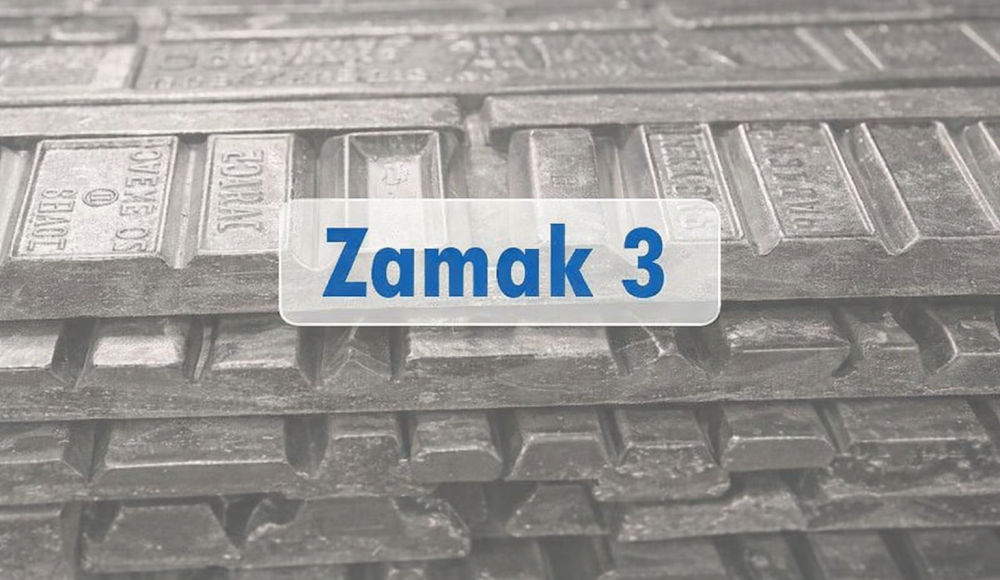
亜鉛合金 3, commonly known as 重荷 3, is the most widely used zinc alloy in the ダイカスト 業界. Thanks to its excellent balance of **mechan industry. Thanks to its excellent balance of 機械的性能, castability, 費用対効果, and surface finishing capability, it has become the default choice for manufacturers across automotive, エレクトロニクス, 消費財, および産業部門.
実際には, over 70–80% of zinc die-cast components in North America are made from Zamak 3, making it the industry benchmark material.
This guide is designed for:
OEM product designers
Mechanical and electrical engineers
Procurement and sourcing professionals
If you are evaluating materials for 精密コンポーネント, コネクタ, ハウジング, または構造部品, this article will help you understand whether Zamak 3 is the right choice.
What is Zinc Alloy 3 (重荷 3)?
重荷 3 aです zinc-based alloy primarily used in high-pressure die casting. It belongs to the Zamak family, which derives its name from the German words:
Zink
あluminium
Magnesium
Kupfer (銅)
Among all Zamak alloys, 重荷 3 is considered the standard grade due to its excellent combination of 強さ, 延性, 寸法安定性.
Why Zamak 3 Dominates the Market
Exceptional casting performance
Stable mechanical properties over time
Minimal internal stresses
大量生産に向けたコスト効率の高い製品
Compared to other zinc alloys, 重荷 3 offers a balanced profile, making it suitable for a wide range of applications without requiring material upgrades.
Chemical Composition of Zinc Alloy 3
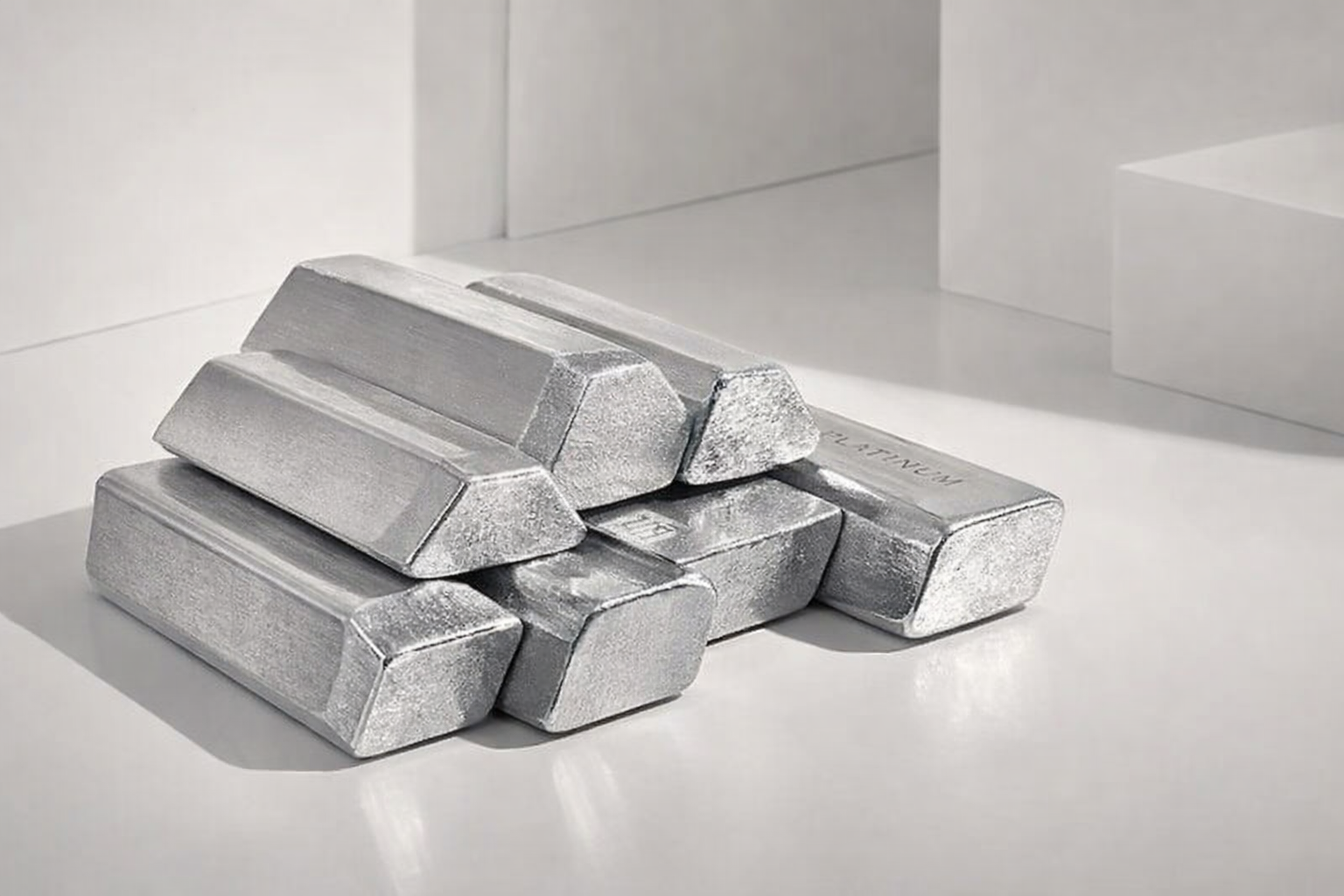
Standard Composition
| 要素 | コンテンツ (%) |
| 亜鉛 (亜鉛) | ~96% |
| アルミニウム (アル) | 3.9 – 4.3% |
| マグネシウム (マグネシウム) | 0.03 – 0.06% |
| 銅 (銅) | ≤ 0.1% |
| 鉄 (鉄) | 0.03 – 0.035% |
| 鉛 (鉛) | ≤ 0.004% |
| 錫 (SN) | ≤ 0.0015% |
| ケイ素 (そして) | ≤ 0.02% |
| ニッケル (で) | ≤ 0.001% |
Role of Each Element
Understanding the role of each element is critical for engineers making material decisions:
亜鉛 (亜鉛):
Acts as the base metal, providing corrosion resistance and excellent castability.
アルミニウム (アル):
Enhances strength, 硬度, and fluidity during casting.
マグネシウム (マグネシウム):
Improves corrosion resistance and reduces oxidation.
銅 (銅):
Increases strength and wear resistance but is kept low to maintain ductility.
Trace Elements (鉄, 鉛, SN, で, そして):
Carefully controlled to prevent impurities and ensure long-term stability.
Key Properties of Zinc Alloy 3
物理的特性
| 財産 | 価値 |
| Melting Range | 381 – 387°C |
| 密度 | ~6.6 g/cm³ |
| 熱伝導率 | ~113 W/m·K |
| 電気伝導性 | ~27% IACS |
| 熱膨張 | ~27.4 µm/m·K |
Engineering Significance
低融点 → reduced energy consumption in casting
高い熱伝導率 → ideal for heat dissipation components
Dimensional stability → suitable for tight tolerance parts
機械的性質
| 財産 | 価値 |
| 抗張力 | ~283 MPa |
| 降伏強さ | ~221 MPa |
| 硬度 | ~82 HB |
| 伸長 | ~10% |
Performance Insights
Good balance of strength and ductility
に適しています 耐荷重コンポーネント
Maintains performance over time due to aging stability
Why These Properties Matter
For OEMs and engineers, these properties translate into:
ストレス下でも信頼性の高いパフォーマンスを発揮
Capability to produce 複雑なジオメトリ
Reduced risk of deformation over time
Consistent quality in mass production
Advantages of Zamak 3
Superior Castability
重荷 3 offers excellent fluidity, allowing it to:
Fill complex molds easily
Produce thin-wall structures
Achieve high dimensional accuracy
This reduces machining requirements and lowers overall production costs.
Long-Term Dimensional Stability
Unlike some metals that deform over time, 重荷 3:
Maintains tight tolerances
Resists creep and fatigue
Ensures long service life
これにより、次のような用途に最適です。 精密コンポーネント.
Excellent Surface Finishing
重荷 3 is highly compatible with:
電気めっき (ニッケル, クロム, 亜鉛)
パウダーコーティング
絵画
Chromate treatment
This is critical for industries requiring aesthetic and corrosion-resistant finishes.
費用対効果
From a procurement perspective, 重荷 3 offers:
Lower raw material cost than many alternatives
High production efficiency in die casting
リサイクル性 (reducing waste and cost)
This makes it a high ROI material for mass production.
高い耐食性
重荷 3 performs well in:
Humid environments
Outdoor conditions (with coating)
Industrial applications
Its corrosion resistance reduces maintenance and extends product lifespan.
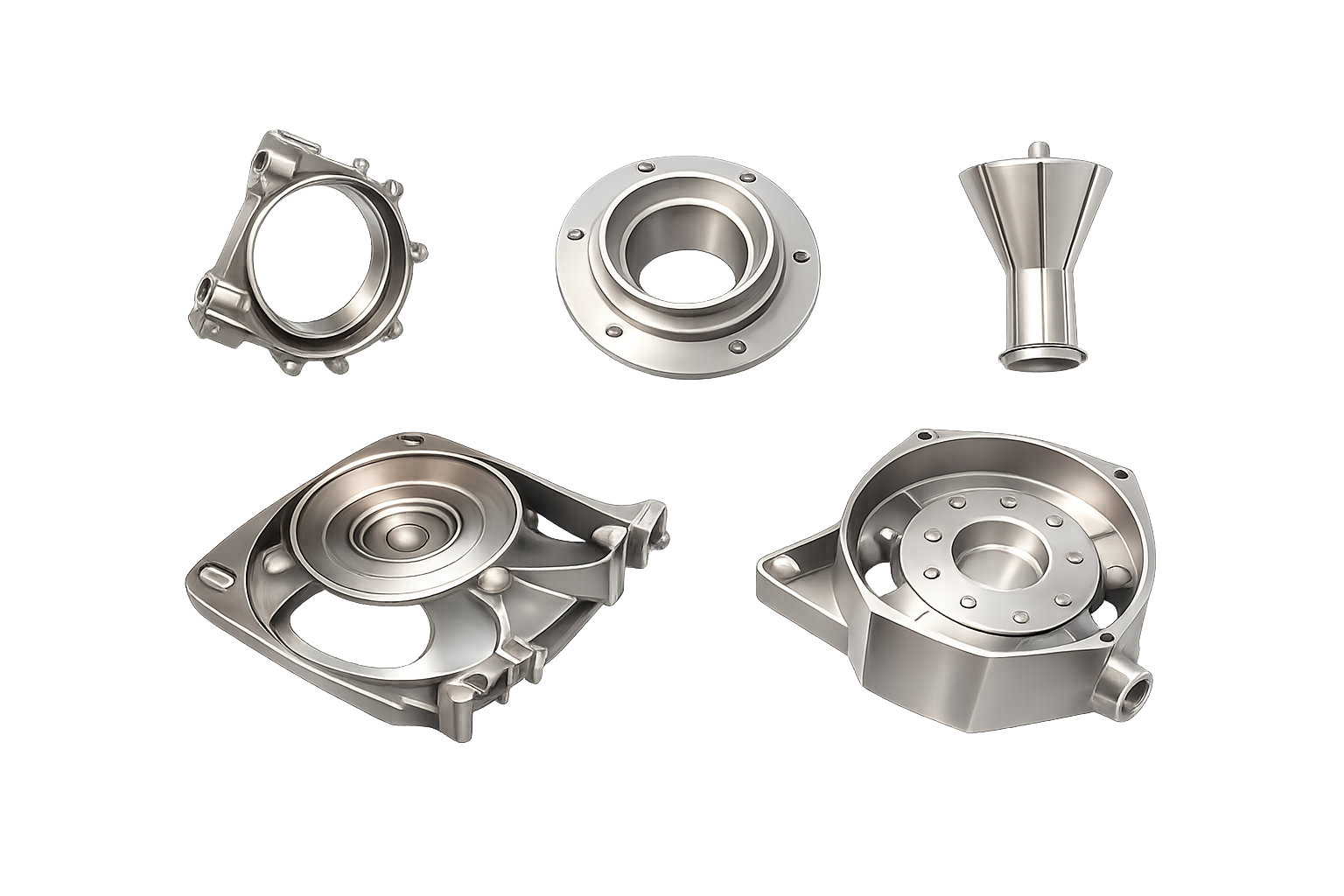
Applications of Zinc Alloy 3
電気 & エレクトロニクス産業
重荷 3 is widely used for:
コネクタと端子
スイッチハウジング
電気筐体
なぜ?
It offers 良好な導電性, 精度, and shielding performance.
自動車産業
Typical applications include:
ブラケット
ドアハンドル
Interior components
Engine-related parts
Key advantage: 強さ + dimensional stability under vibration and stress.
消費財
重荷 3 is used in:
ハードウェア (ロック, ヒンジ)
装飾品
Jewelry and accessories
スポーツ用品
Its ability to achieve high-quality finishes makes it ideal for visible parts.
産業機器
アプリケーションには以下が含まれます:
Precision mechanical parts
Assemblies and housings
Functional components requiring tight tolerances
重荷 3 vs Other Zinc Alloys
重荷 3 対 重荷 5
| 特徴 | 重荷 3 | 重荷 5 |
| 強さ | 適度 | より高い |
| 延性 | より高い | より低い |
| 応用 | General use | High strength parts |
結論:
Choose Zamak 5 when strength is critical, but Zamak 3 for balanced performance.
重荷 3 対 重荷 7
| 特徴 | 重荷 3 | 重荷 7 |
| Fluidity | 良い | 素晴らしい |
| Casting Complexity | 標準 | Thin-wall/complex |
| 純度 | 標準 | より高い |
結論:
重荷 7 is better for ultra-thin or complex designs, but Zamak 3 remains more cost-effective.
When to Choose Zamak 3
重荷 3 is the best choice when you need:
コスト効率
Reliable performance
Standard structural strength
大量生産
Manufacturing Considerations
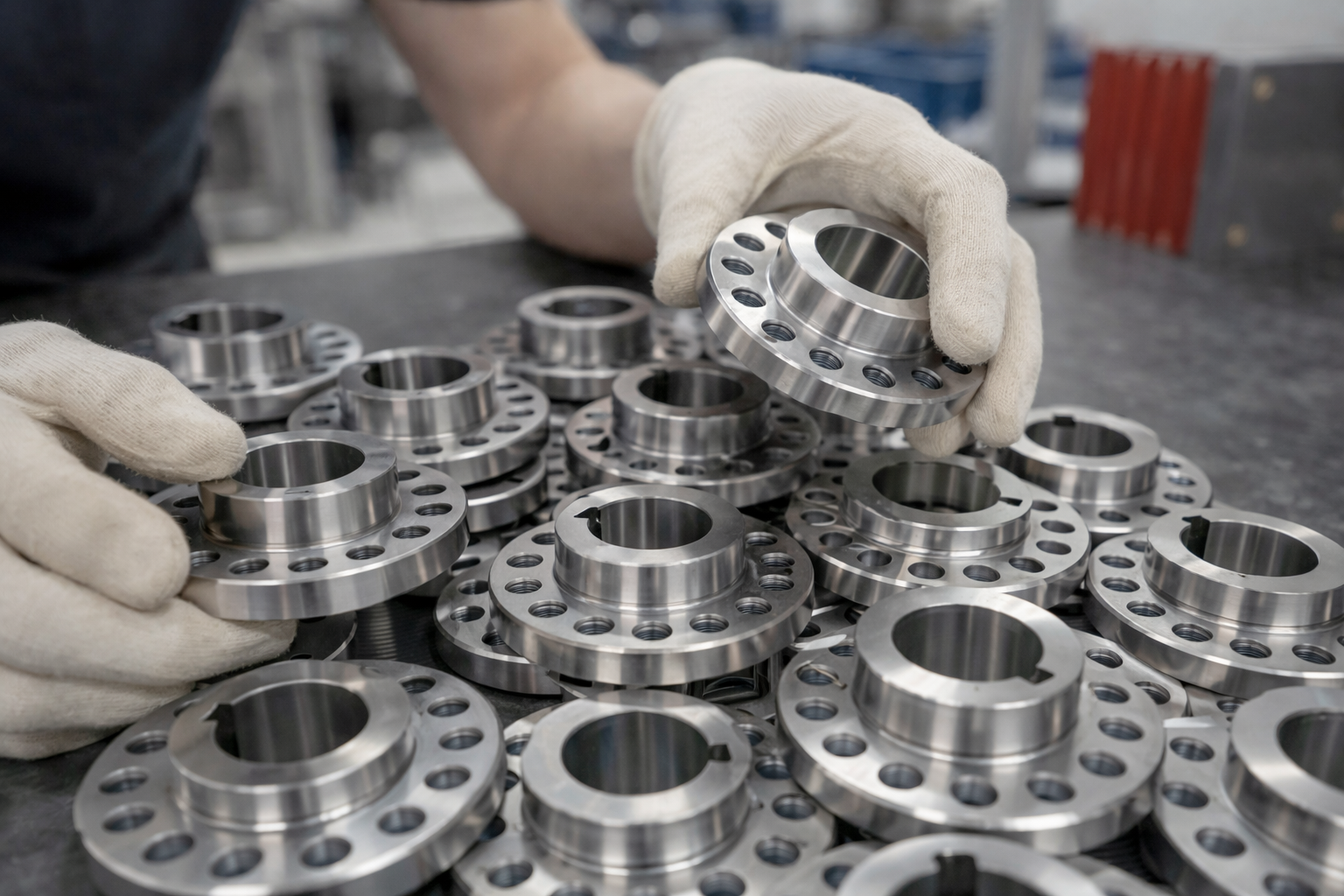
Die Casting Process
重荷 3 is primarily used in 高圧ダイカスト (HPDC):
Molten metal injected into steel molds
Rapid cooling for high productivity
優れた表面仕上げ
Tooling and Mold Design
Initial mold cost is higher
に最適です large production volumes
Long mold life reduces cost per part
Shrinkage and Tolerance
Low shrinkage rate (~0.007 in/in)
Supports tight tolerances
Reduces secondary machining
表面仕上げオプション
電気めっき (ニッケル, クロム)
パウダーコーティング
絵画
These enhance appearance and corrosion resistance.
よくある質問s
1. What is Zamak 3 used for?
重荷 3 is used for die-cast components in 自動車, エレクトロニクス, ハードウェア, および消費財産業.
2. Is Zamak 3 耐食性?
はい, especially when combined with surface treatments like plating or coating.
3. Can Zamak 3 be plated or painted?
絶対に. It is one of the best zinc alloys for surface finishing processes.
4. What is the difference between Zamak 3 そしてザマック 5?
重荷 5 offers higher strength, while Zamak 3 provides better ductility and cost efficiency.
5. Is Zamak 3 suitable for electrical components?
はい. It offers good conductivity and precision, making it ideal for connectors and housings.
結論
亜鉛合金 3 (重荷 3) remains the industry standard for zinc die casting そのため:
バランスのとれた機械的特性
優れたキャスティブ可能性
コスト効率
Versatility across industries
Whether you are designing a connector, ブラケット, ハウジング, or decorative component, 重荷 3 provides a reliable and scalable solution.
選ぶ理由 精度の高いトップ for Zamak 3 部品
When sourcing Zamak 3 コンポーネント, choosing the right manufacturer is critical.
で 精度の高いトップ, we offer:
Advanced die casting capabilities
Strict quality control (ISO standards)
Custom OEM/ODM solutions
Engineering support from design to production
Competitive pricing for bulk orders
Request a Quote Today
Looking for a reliable supplier for 重荷 3 die casting parts?
Contact us today to:
Get a fast quotation
Optimize your design for manufacturing
Reduce your production costs


