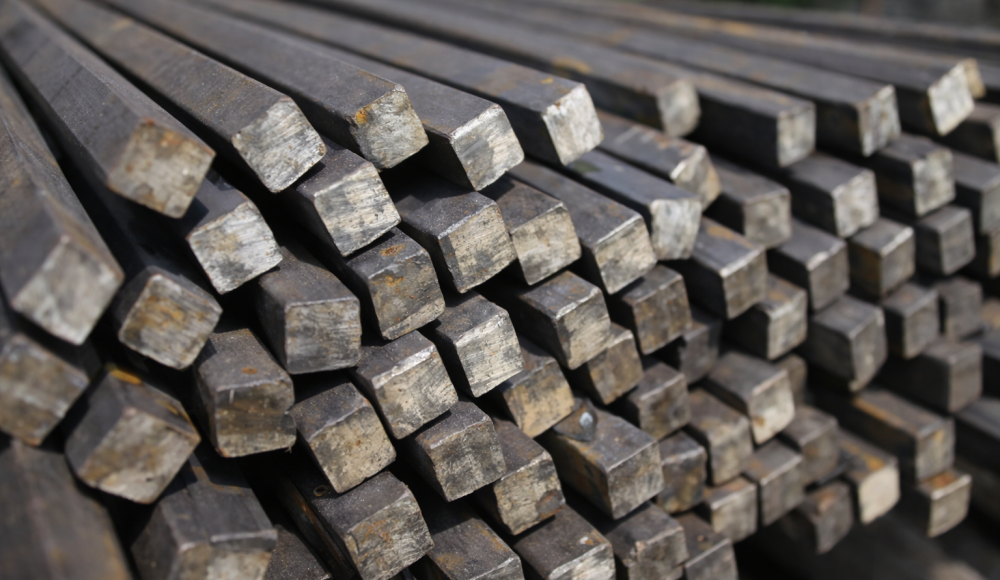
Ao selecionar materiais para Usinagem CNC, fabricação de chapas metálicas, e estampagem, a capacidade de fabricação geralmente é mais importante do que a resistência final. 1006 Aço carbono, com seu teor de carbono ultrabaixo, é amplamente favorecido em ambientes de produção onde conformabilidade, soldabilidade, e estabilidade do processo são críticos.
Este artigo examina 1006 aço carbono especificamente de um perspectiva de fabricação e engenharia de processos, ajudando oficinas CNC, fabricantes de chapas metálicas, e fabricantes de carimbos determinam quando e por que esse material é a escolha certa.
1. O que é 1006 Aço carbono?
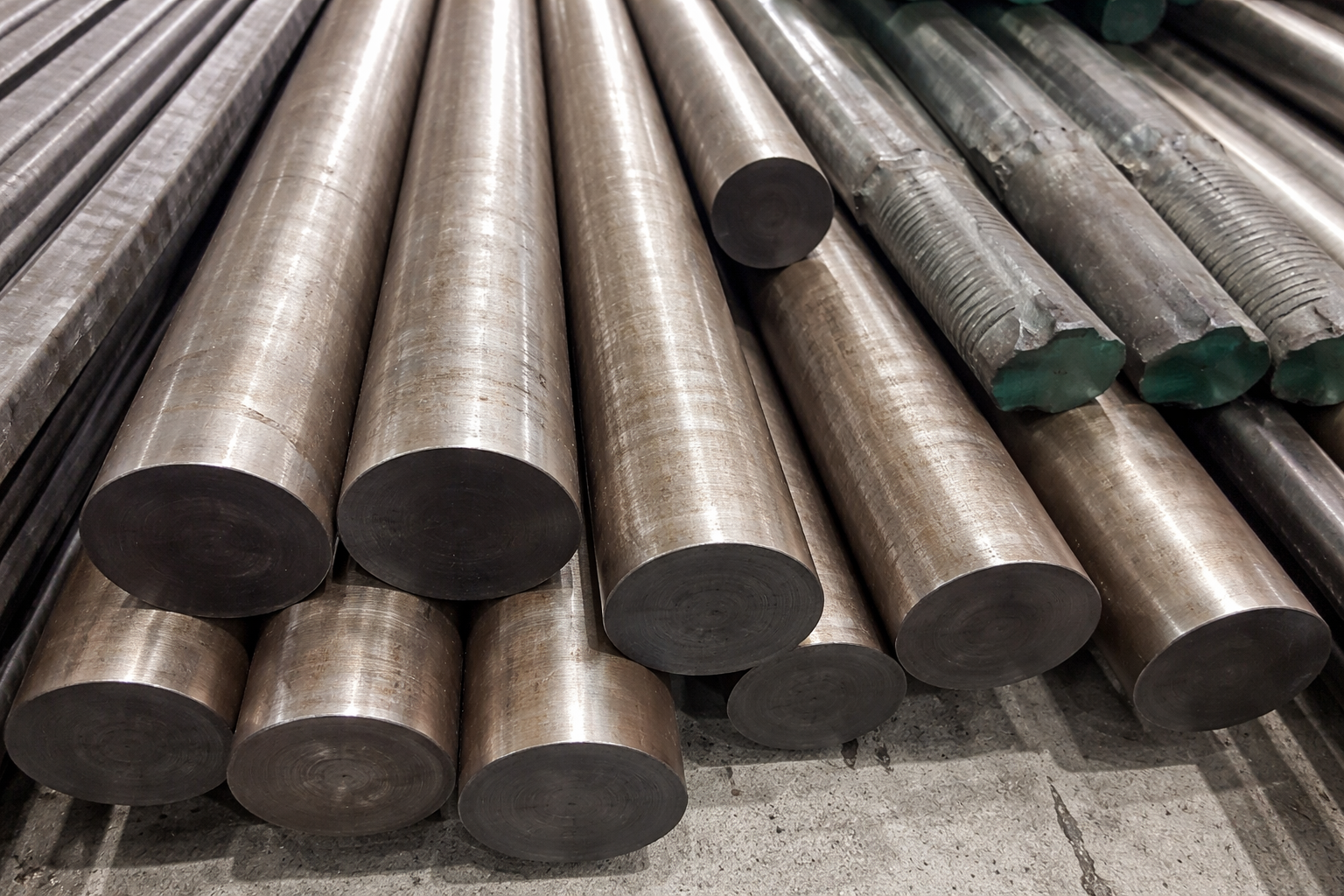
1006 o aço carbono é classificado como aço de ultrabaixo carbono, contendo não mais do que 0.08% carbono. Ao contrário dos aços com alto teor de carbono ou ligas, não foi projetado para desempenho estrutural de alta carga. Em vez de, é otimizado para:
Conformação e dobra a frio
Estampagem de alto volume
Conjuntos soldados
Fabricação sensível ao custo
Para oficinas CNC e de fabricação, 1006 o aço é frequentemente selecionado não pela força, mas para confiabilidade do processo e facilidade de produção.
2. Composição Química e Impacto na Fabricação
A química simplificada de 1006 o aço explica diretamente seu comportamento nas operações de usinagem e conformação.
| Elemento | Contente (%) | Importância da Fabricação |
| Ferro (Fé) | 99.43–99,75 | Fornece um uniforme, material base previsível |
| Carbono (C) | ≤ 0.08 | Permite alta ductilidade, baixa dureza, excelente soldabilidade |
| Manganês (Mn) | 0.25–0,40 | Melhora ligeiramente a resistência e suporta a desoxidação |
| Fósforo (P) | ≤ 0.040 | Controlado para evitar fragilidade |
| Enxofre (S) | ≤ 0.050 | Níveis baixos preservam a ductilidade e a qualidade da solda |
Conclusão importante para os fabricantes:
Baixo carbono = material macio + formação estável + defeitos mínimos de soldagem.
3. Propriedades mecânicas relevantes para CNC & Formando
Do ponto de vista da produção, esses valores mecânicos explicam como 1006 o aço se comporta em máquinas e prensas:
Resistência à tracção: ~330MPa (48,000 psi)
Força de rendimento: ~285MPa (41,300 psi)
Alongamento: ~20% (50 mm comprimento de medida)
Dureza Brinell: ~95 HB
Módulo Elástico: 190–210GPa
Essas propriedades fazem 1006 aço:
Fácil de dobrar sem rachar
Adequado para estampagem profunda e matrizes progressivas
Perdoando durante a configuração e execuções de alto volume
4. Desempenho em Usinagem CNC
Do ponto de vista da usinagem CNC, 1006 aço carbono é fácil de cortar, mas requer otimização do processo.
Características de usinagem CNC
Vantagens
A baixa dureza reduz as forças de corte
Desgaste mínimo da ferramenta em condições adequadas
Adequado para peças simples fresadas ou torneadas
Desafios
Baixo teor de carbono pode causar borda construída (ARCO)
O controle de cavacos pode ser inconsistente
O acabamento superficial pode exigir velocidades otimizadas, Feeds, e ferramentas
Melhores Práticas CNC
Use ferramentas afiadas de metal duro
Otimize a velocidade de corte para reduzir BUE
Aplique líquido refrigerante ou lubrificação apropriado
Evite taxas de avanço excessivamente agressivas
5. Vantagens na fabricação de chapas metálicas
1006 o aço carbono é particularmente adequado para processos de chapa metálica, Incluindo:
Corte a laser
Soco
Dobrando
Formação de rolo
Por que os fabricantes preferem 1006 Aço
Excelente capacidade de raio de curvatura
Baixo retorno elástico durante a conformação
Resultados consistentes em lotes
Soldagem pós-forma fácil
Isto o torna ideal para recintos, colchetes, painéis, e alojamentos.
6. Por que 1006 Aço se destaca em estamparia & Desenho profundo
Em operações de estampagem, a ductilidade do material afeta diretamente a vida útil da matriz e a qualidade da peça.
Vantagens de estampagem
Alto alongamento suporta estampagem profunda
Risco reduzido de rachaduras e rasgos
Comportamento estável em matrizes progressivas
Adequado para paredes finas e geometrias complexas
Para peças estampadas de alto volume, 1006 aço ajuda:
Reduza as taxas de sucata
Prolongue a vida útil das ferramentas
Melhorar a consistência dimensional
7. Considerações sobre soldagem e montagem
Graças ao seu teor ultrabaixo de carbono, 1006 ofertas de aço soldabilidade excepcional.
Métodos de soldagem adequados
Soldagem MIG
Soldagem TIG
Soldagem manual
Benefícios de soldagem
Não é necessário pré-aquecimento
Baixo risco de craqueamento por hidrogênio
Limpar, piscinas de fusão estáveis
Isso faz 1006 aço ideal para quadros soldados, colchetes, e montagens de várias peças.
8. CNC típico & Aplicações de Fabricação
Do ponto de vista da fabricação, 1006 o aço carbono é comumente usado para:
Suportes e espaçadores usinados em CNC
Componentes de carroceria automotiva estampados
Painéis para eletrodomésticos em chapa
Invólucros e molduras soldadas
Componentes formados por arame e dobrados
Sua combinação de baixo custo, processamento fácil, e comportamento estável torna-o um material de produção confiável.
9. Conclusão
Para usinagem CNC, fabricação de chapas metálicas, e operações de estampagem, 1006 o aço carbono é um material de fácil processamento, em vez de uma liga de alta resistência. Sua composição de carbono ultrabaixo oferece:
Excelente formabilidade
Excelente soldabilidade
Comportamento de usinagem previsível
Eficiência de custos para produção em massa
Se o seu projeto prioriza eficiência de fabricação, formando desempenho, e qualidade da solda, 1006 o aço carbono continua sendo uma escolha prática e comprovada.
Perguntas frequentes
1º trimestre: É 1006 aço carbono adequado para peças CNC de precisão?
Sim, para componentes de baixa carga. As ferramentas e os parâmetros devem ser otimizados para controlar a aresta postiça.
2º trimestre: Por que é 1006 aço preferido para estampagem?
Sua alta ductilidade e baixa dureza reduzem rachaduras, melhorar a vida da morte, e garantir uma formação consistente.
3º trimestre: Faz 1006 aço requer tratamento térmico?
Não. O tratamento térmico não aumenta significativamente a resistência devido ao seu baixo teor de carbono.
4º trimestre: O acabamento superficial é compatível com 1006 aço?
Sim. Funciona bem com chapeamento, pintura, revestimento em pó, e galvanização.
Q5: Quando devo escolher 1006 sobre 1018 aço?
Escolher 1006 para melhor conformabilidade e desempenho de estampagem; escolher 1018 para maior resistência e melhor usinabilidade.