



Custom aluminum sheets are widely used across industries and DIY projects due to their strength, natureza leve, resistência à corrosão, e versatilidade. While aluminum fabrication may seem complex at first, beginners can achieve excellent results by understanding the materials, ferramentas, processos, and safety practices involved.
This comprehensive guide walks you step by step through why and how to customize aluminum sheets, from material selection to finishing techniques, helping you confidently complete both simple and advanced projects.
Principais conclusões
Custom aluminum sheets allow full control over size, grossura, liga, e acabamento superficial.
Alumínio é leve, durável, resistente à corrosão, and fully recyclable.
Beginners can fabricate aluminum using basic tools and proper techniques.
Correct preparation, corte, flexão, joining, and finishing significantly improve results.
Online custom aluminum fabrication services simplify complex or high-precision projects.
Safety awareness and avoiding common mistakes are essential for successful fabrication.
Why Customize Aluminum Sheets
Benefits of Custom Aluminum Sheets
Custom aluminum sheets offer clear advantages over standard, off-the-shelf materials. Instead of adapting your project to fixed dimensions, customization allows the material to match your exact requirements.
Os principais benefícios incluem:
Lightweight handling
Aluminum weighs significantly less than steel, making transportation, installation, and handling easier.
Excelente resistência à corrosão
Aluminum naturally forms an oxide layer that protects it from rust, making it suitable for outdoor and humid environments.
High durability and longevity
Despite being lightweight, aluminum maintains impressive strength and structural integrity.
Cost efficiency
Ordering exact sizes reduces waste, secondary machining, and labor costs.
Design flexibility
Aluminum can be cut, bent, texturizado, welded, and finished in many ways.
Environmental sustainability
Alumínio é 100% recyclable without losing material quality.
Custom aluminum sheets are widely used in:
Home improvement and DIY projects
Painéis do corpo automotivo
Architectural cladding and roofing
Industrial enclosures and machinery
Decorative and artistic applications
Choosing the Right Aluminum Material
Selecting the correct aluminum alloy is crucial for performance, fabricante, e custo.
Common beginner-friendly aluminum alloys:
| Liga | Principais características | Usos típicos |
| 5052 | Excelente resistência à corrosão, boa formabilidade | Marinho, outdoor panels, recintos |
| 6061 | Força elevada, boa usinabilidade, soldável | Partes estruturais, quadros, colchetes |
| 7075 | Extremamente forte, limited formability | Aeroespacial, high-stress components |
Selection factors to consider:
Required strength and load-bearing capacity
Exposure to moisture, aquecer, ou produtos químicos
Ease of bending, corte, e soldagem
Budget and material availability
For most beginners, 5052 e 6061 are ideal starting points due to their balance of strength and workability.
Tools and Materials for Custom Aluminum Fabrication
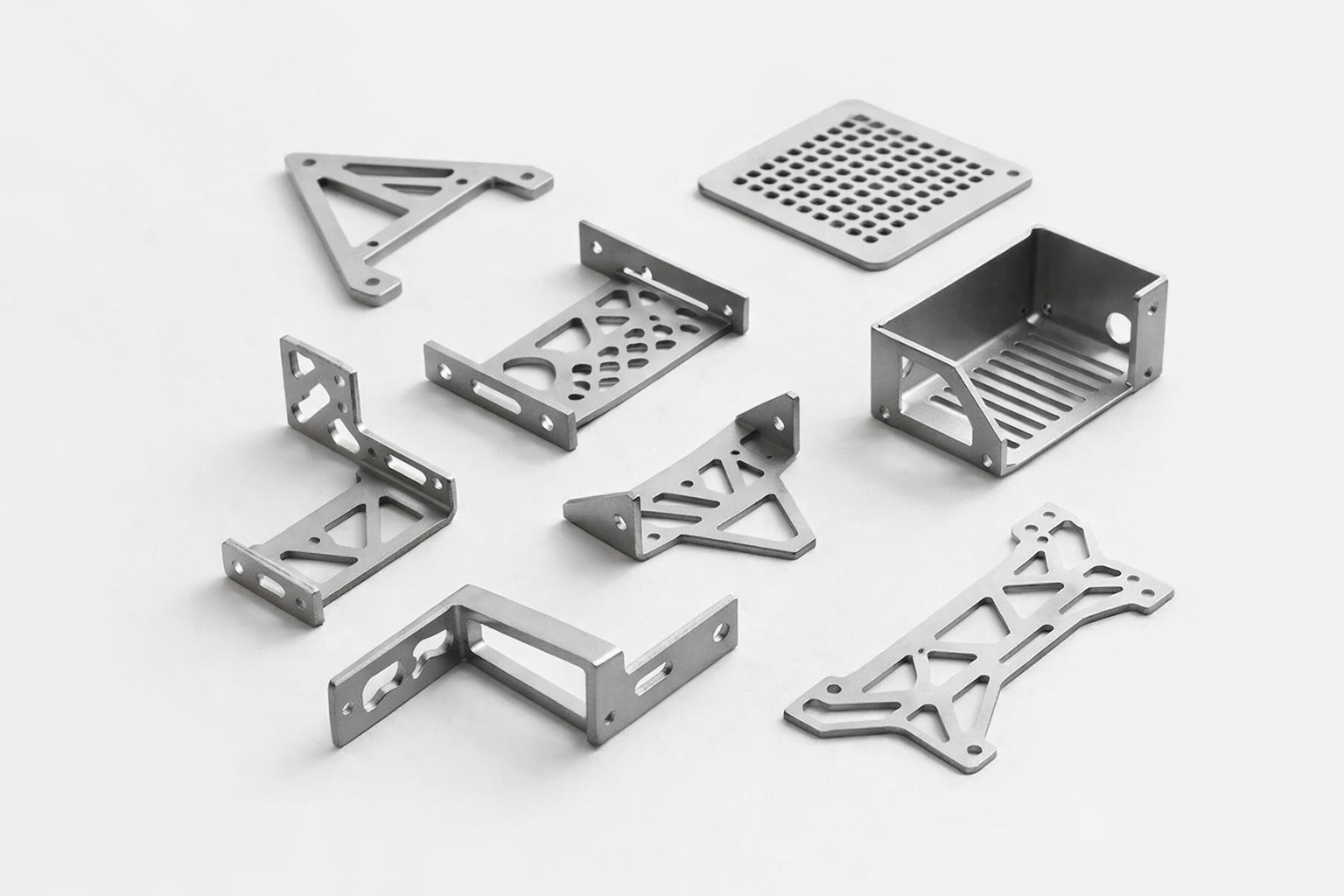
Essential Tools for Beginners
You do not need an advanced workshop to start working with aluminum sheets. Many projects can be completed using basic tools.
Common beginner tools include:
Aviation snips for thin sheet cutting
Hand saws or track saws with fine-tooth blades
Clamps and straight edges for accurate cuts
Manual bending brakes or wooden blocks
Files and deburring tools
Measuring tape, ruler, e pinças
Why manual tools are effective:
No electricity required
Low thermal stress (no heat damage)
Suitable for thin to medium-thickness aluminum
Capable of precise and complex shapes
Aluminum Sheet Selection Tips
Choosing the right thickness ensures structural stability and ease of fabrication.
Thickness categories and applications:
Thin foils (≤ 0.2 milímetros)
Embalagem, isolamento, decorative work
Standard sheets (0.2 mm – 6 milímetros)
Automotive panels, recintos, cobertura, general fabrication
Thick plates (> 6 milímetros)
Machinery bases, load-bearing structures
Always match thickness to:
Mechanical load
Environmental exposure
Fabrication method
How to Customize Aluminum Sheets
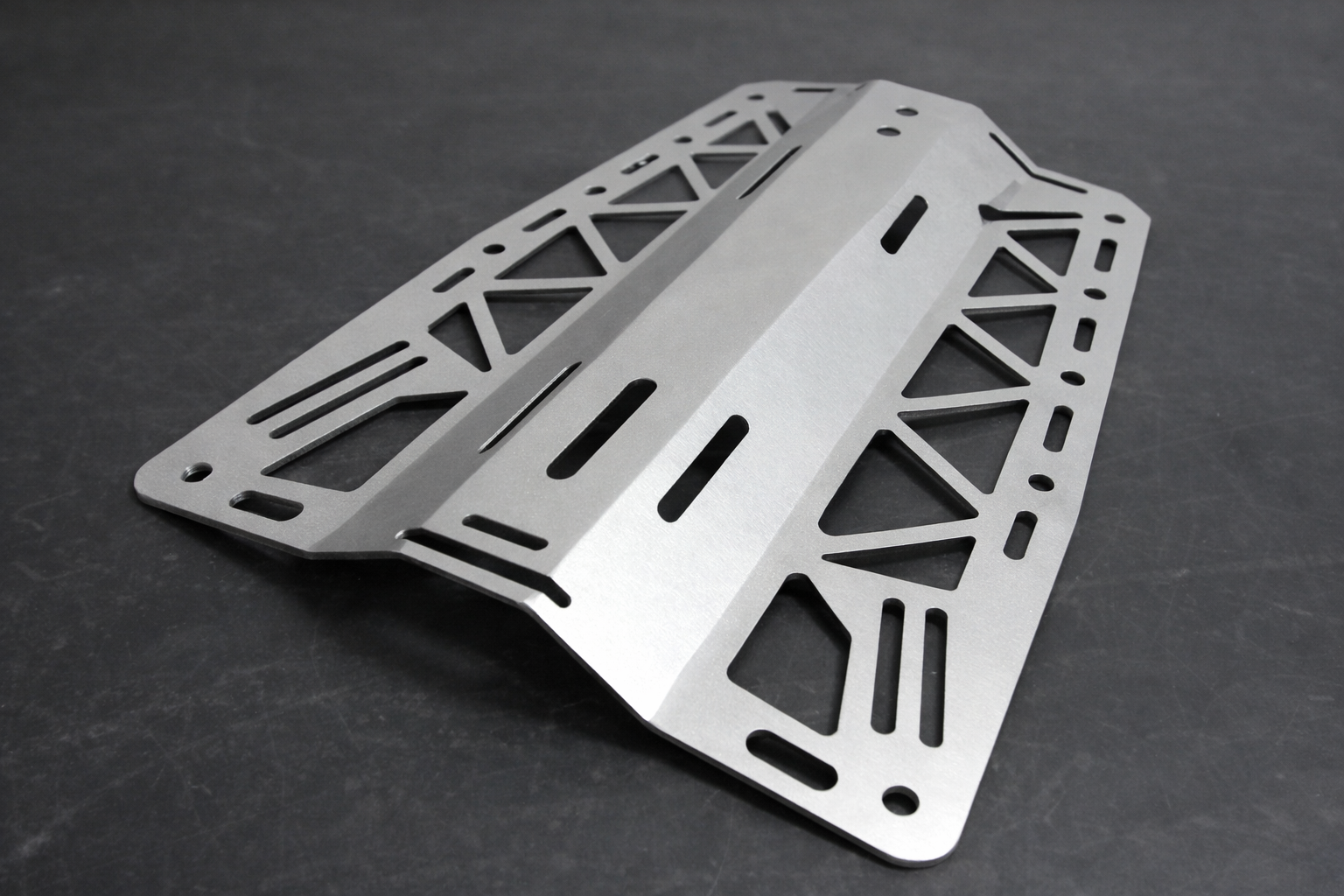
Preparing and Cleaning the Aluminum
Proper surface preparation ensures better cutting accuracy, stronger joints, and longer-lasting finishes.
Recommended cleaning steps:
Remove loose debris with a soft brush
Wash with warm water and mild detergent
Rinse thoroughly
Remove oxidation using vinegar or baking soda paste
Dry completely with a microfiber cloth
For industrial or complex shapes, low-pressure abrasive blasting may be used.
A clean surface improves:
Weld quality
Coating adhesion
Visual appearance
Cutting and Bending Techniques
Cutting tips:
Use fine-tooth blades designed for aluminum
Apply painter’s tape to prevent scratches
Clamp guides to maintain straight cuts
Deburr edges after cutting
Bending methods:
Manual bending brake for clean angles
Arbor press for controlled bends
Wooden blocks and rubber mallets for light bends
Práticas recomendadas:
Bend slowly to avoid cracking
Respect grain direction
Avoid overly sharp bend radii
Welding and Joining Methods
Joining aluminum sheets can be done through mechanical or thermal methods.
Common joining options:
Rivets and screws (best for beginners)
Brazing with aluminum rods
TIG or MIG welding (advanced skill required)
Key preparation steps:
Clean edges thoroughly
Control heat input
Secure sheets with clamps
Practice on scrap material first
Good joint preparation significantly improves strength and appearance.
Powder Coating and Finishing
Finishing protects aluminum and enhances its appearance.
Powder coating advantages:
Espesso, durable protective layer
Resistant to scratches, corrosão, e produtos químicos
Ambientalmente amigável
Fast curing time
Alternative finishes:
Polishing for a reflective surface
Anodizing for enhanced corrosion resistance and hardness
Always clean and dry aluminum before applying any finish.
Texture Aluminum Sheet Methods
Common Texturing Techniques
Texturing enhances both functionality and aesthetics.
| Técnica | Descrição |
| Hammering | Creates handcrafted, unique patterns |
| Gravação | Forms raised designs using dies |
| Chemical texturing | Produces fine, detailed surface effects |
| Machine texturing | Delivers uniform industrial patterns |
Testing textures on scrap material is highly recommended.
Functional and Aesthetic Benefits of Texturing
Textured aluminum sheets provide:
Improved grip and slip resistance
Enhanced durability and scratch resistance
Better paint and coating adhesion
Distinctive visual appeal
Texturing can also hide minor surface imperfections.
Custom Aluminum Fabrication Services
Online Custom Fabrication Options
When precision, volume, or complexity increases, professional services become valuable.
Advantages of online fabrication services:
Fast quotes and digital ordering
Professional-grade accuracy
Reduced setup and tooling effort
Suitable for prototypes and production runs
Typical lead times range from 3 days to 4 semanas, dependendo da complexidade.
Uploading Design Files
Most services accept:
Dxf (2D cutting)
Dwg (technical drawings)
ETAPA / IGES (3Modelos D)
Ordering workflow:
Select aluminum alloy
Define dimensions and tolerances
Choose cutting and finishing options
Upload design files
Review quote
Place order
Accurate files reduce errors and production delays.
Safety Tips and Common Mistakes
Essential Safety Gear
Always prioritize safety when working with aluminum.
Required safety equipment:
Safety goggles
Cut-resistant gloves
Dust mask or respirator
Fire-resistant clothing
Botas de aço
Hearing protection
Maintain a clean, well-ventilated workspace.
Common Beginner Mistakes and How to Avoid Them
Frequent errors include:
Ignoring grain direction
Using incorrect tolerances
Overheating during welding
Selecting the wrong alloy
Overcomplicating designs
Prevention strategies:
Practice on scrap material
Use proper tooling
Apply gradual bends
Allow controlled cooling
Keep designs simple
Perguntas frequentes
How do you cut aluminum sheets at home?
Use aviation snips for thin sheets or a track saw with a fine-tooth blade for straight cuts. Clamp the sheet securely and wear safety gear.
Can aluminum be bent without special machines?
Sim. Thin sheets can be bent using hand tools, wooden blocks, or simple bending brakes.
What is the best way to join two aluminum sheets?
Riveting is the easiest method for beginners. Welding and brazing require more experience.
How do you protect aluminum from corrosion?
Use powder coating, anodização, or paint to extend durability, especially outdoors.


1 pensei em “Guia para iniciantes para fazer folhas de alumínio personalizadas para qualquer projeto”