


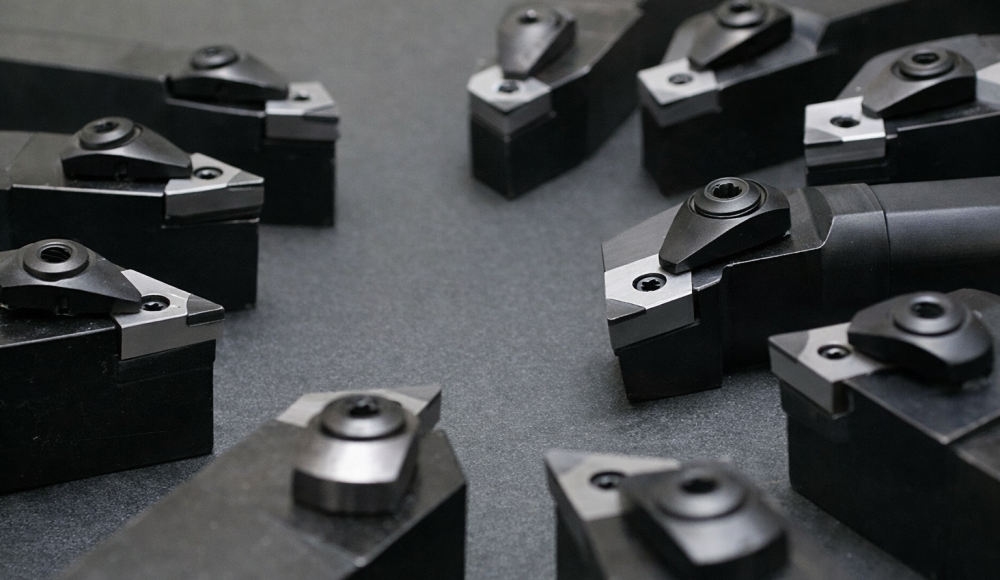
Em Usinagem CNC, a seleção da ferramenta de corte tem impacto direto na produtividade, qualidade da superfície, custos de ferramentas, e tempo de atividade da máquina. Entre ferramentas de corte avançadas, Inserções de PCD tornaram-se uma solução preferida para fabricantes que usinam materiais não ferrosos e abrasivos em grande escala.
Mas o que exatamente é uma inserção de PCD, e por que é frequentemente escolhido em vez de metal duro, CBN, ou ferramentas de cerâmica?
Este guia fornece um completo, explicação prática de inserções de PCD, incluindo como eles funcionam, onde eles têm melhor desempenho, suas vantagens e limitações, e como selecionar a pastilha de PCD correta para sua aplicação de usinagem.
O que é uma inserção de PCD?
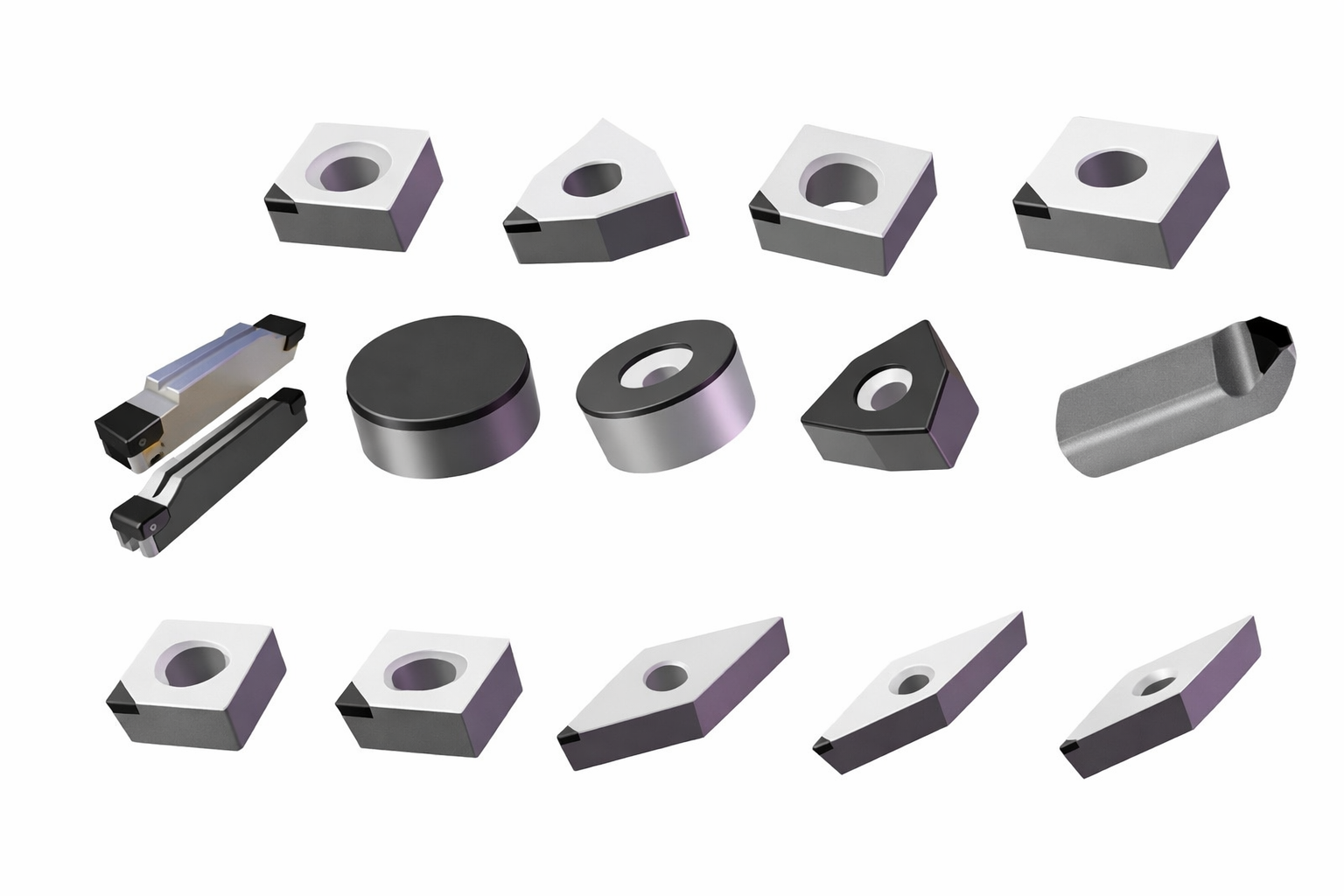
A Inserção de PCD, abreviação de Inserto de diamante policristalino, é uma ferramenta de corte CNC de alto desempenho feita de partículas de diamante sintético que são sinterizados juntos sob temperatura e pressão extremas. Durante este processo de sinterização, cristais microscópicos de diamante se unem em uma densa, camada de corte ultra-dura.
Na maioria dos designs, a camada de corte PCD é permanentemente ligado a um substrato de carboneto de tungstênio. Essa estrutura combina:
O extrema dureza e resistência ao desgaste de diamante
O tenacidade e resistência ao choque de carboneto
Esta estrutura híbrida permite que as pastilhas de PCD ofereçam desempenho de corte excepcional enquanto permanecem mecanicamente estáveis durante a usinagem em alta velocidade.
Principais características das inserções de PCD
Dureza extremamente alta (excedendo em muito o carboneto)
Excelente resistência ao desgaste abrasivo
Excelente nitidez e retenção de bordas
Fricção muito baixa durante o corte
Longo, vida útil previsível da ferramenta
Operações Típicas de Usinagem
As pastilhas de PCD são amplamente utilizadas em:
Tedioso
Perfuração
Alargamento
Eles são especialmente eficazes ao usinar metais não ferrosos e materiais abrasivos, onde as ferramentas convencionais se desgastam rapidamente.
Indústrias de aplicação comum
As pastilhas de PCD são amplamente adotadas em:
Fabricação automotiva
Componentes aeroespaciais
Peças eletrônicas e semicondutores
Dispositivos médicos
Usinagem de alumínio de precisão
Usinagem de compósitos e plásticos
Benefícios do uso de inserções de PCD
Maior vida útil da ferramenta
Uma das vantagens mais significativas das pastilhas de PCD é a sua vida útil excepcionalmente longa da ferramenta. Em comparação com ferramentas de metal duro, As inserções de PCD podem durar 10 para 90 vezes mais, dependendo do material e das condições de corte.
Isso os torna ideais para:
Produção em alto volume
Linhas de usinagem automatizadas
Fabricação com luzes apagadas
Maior vida útil da ferramenta também significa Menos mudanças de ferramentas, o que reduz diretamente as interrupções de produção.
Capacidade de usinagem em alta velocidade
As inserções de PCD podem operar em velocidades de corte muito maiores do que ferramentas convencionais de metal duro. Seu baixo atrito e alta estabilidade térmica permitem manter a integridade do corte mesmo sob condições de usinagem agressivas.
Os benefícios incluem:
Tempos de ciclo mais curtos
Maior rendimento da máquina
Aumento da capacidade de produção sem adição de máquinas
Excelente precisão e acabamento superficial
As inserções de PCD mantêm uma aresta de corte afiada por longos períodos, que permite aos fabricantes alcançar:
Tolerâncias dimensionais rigorosas
Formação mínima de rebarbas
Acabamentos de superfície lisos
Qualidade consistente das peças em longas tiragens de produção
Isto é particularmente importante para:
Peças de encaixe de precisão
Vedação de superfícies
Componentes decorativos ou visíveis
Alta durabilidade e estabilidade de processo
Porque as pastilhas de PCD resistem ao desgaste abrasivo de forma tão eficaz, eles fornecem estável, desempenho de usinagem previsível. Esta estabilidade reduz:
Lascamento de ferramenta
Divisão de borda
Defeitos relacionados à vibração
Como resultado, As máquinas CNC podem funcionar de forma mais consistente com menos paradas não planejadas.
Menor custo total de propriedade
Embora as pastilhas de PCD tenham um custo inicial de compra mais alto, eles normalmente reduzir os custos totais de usinagem ao longo do tempo. A economia de custos vem:
Menos substituições de ferramentas
Requisitos de estoque mais baixos
Redução do tempo de inatividade da máquina
Menos sucata causada por ferramentas desgastadas
Para aplicações de alto volume ou materiais abrasivos, As inserções de PCD geralmente oferecem o menor custo por peça.
Tempo de inatividade reduzido da máquina CNC
Trocas frequentes de ferramentas interrompem a produção e reduzem a utilização da máquina. Inserções de PCD minimizam essas interrupções, permitindo:
Execuções de usinagem autônomas mais longas
OEE melhorado (Eficácia geral do equipamento)
Melhor utilização de mão de obra qualificada
Ferramentas PCD comuns usadas em usinagem
A tecnologia PCD está disponível em vários formatos de ferramentas para suportar diferentes tarefas de usinagem:
Pastilhas para torneamento PCD
Ideal para operações de acabamento e semiacabamento em alumínio e metais não ferrosos.
Fresas PCD
Usado para fresamento em alta velocidade de ligas de alumínio, compósitos, e plásticos.
Ferramentas de mandrilamento PCD
Projetado para usinagem interna de precisão onde tolerâncias restritas são críticas.
Brocas e Alargadores PCD
Usado para fazer furos ultraprecisos com excelente acabamento superficial.
Fresas de topo PCD
Comumente aplicado em usinagem de compósitos, corte de grafite, e processamento de plástico.
Cada tipo de ferramenta pode ser personalizado com base na geometria, preparação de borda, e condições de corte.
Comparando pastilhas de PCD com outras ferramentas de corte
PCD vs.. Pastilhas de Metal Duro
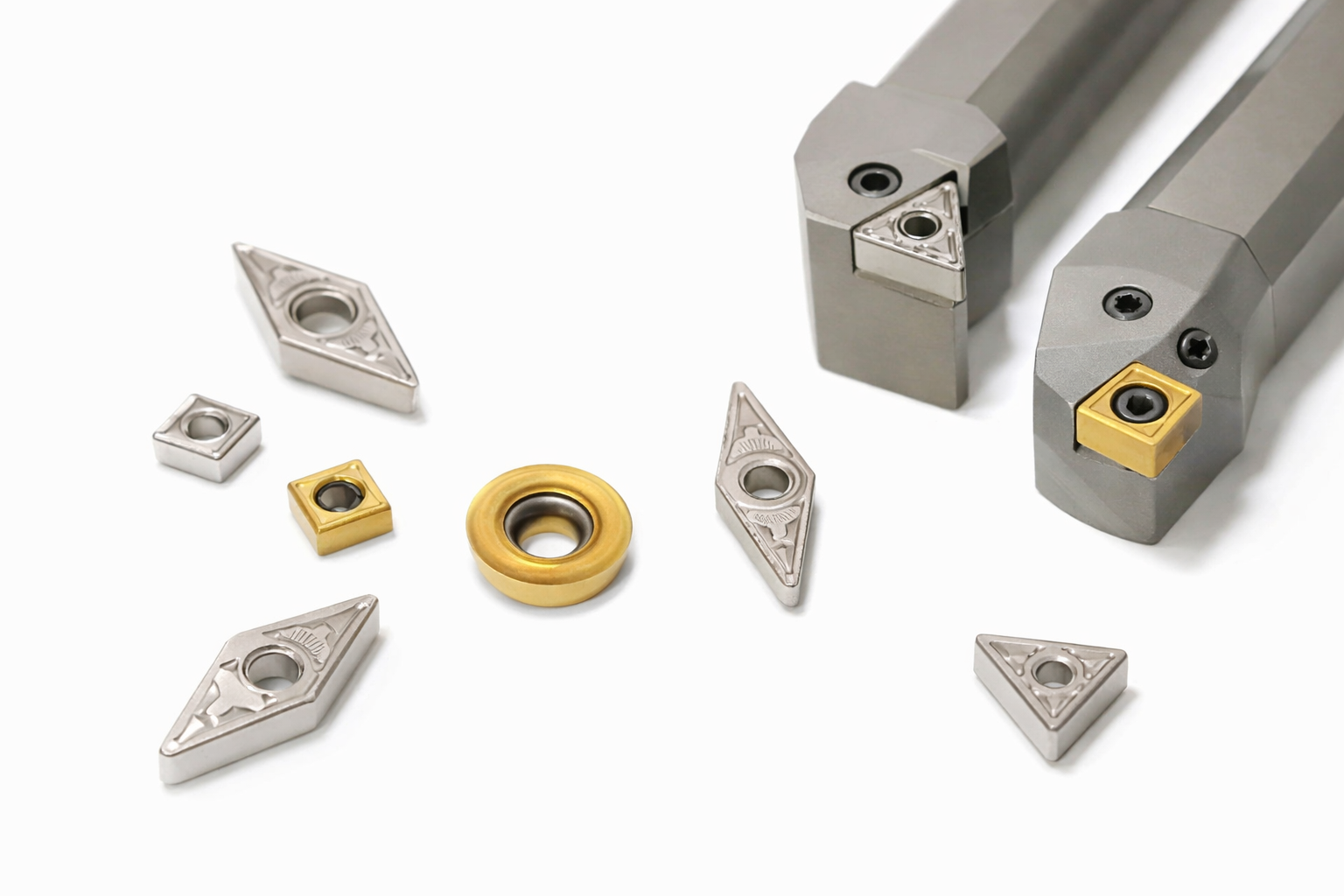
As pastilhas de metal duro são fabricadas a partir de partículas de carboneto de tungstênio ligadas com cobalto. Eles são versáteis e econômicos, mas desgastam-se relativamente rapidamente ao usinar materiais abrasivos.
PCD vs.. Resumo de carboneto:
PCD oferece vida útil da ferramenta significativamente mais longa
PCD produz melhor acabamento superficial
Carboneto tem menor custo inicial
PCD tem menor custo a longo prazo em aplicações de alto volume
PCD vs.. CBN (Nitreto Cúbico de Boro)
CBN é o segundo material de corte mais duro depois do diamante. É excelente em usinagem materiais ferrosos e endurecidos.
Principais diferenças:
PCD é melhor para materiais não ferrosos e abrasivos
CBN é melhor para aço temperado e ferro fundido
Ambos oferecem excelente resistência ao desgaste, mas para materiais diferentes
PCD vs.. Ferramentas de corte de cerâmica
Ferramentas cerâmicas funcionam bem em altas temperaturas, aplicações de corte a seco, especialmente em metais duros.
Destaques de comparação:
O PCD é muito mais duro e resistente ao desgaste do que a cerâmica
Cerâmica são melhores para materiais ferrosos e corte a seco
PCD é superior para alumínio, compósitos, e plásticos
Como escolher o inserto PCD correto
A seleção da pastilha de PCD correta requer a avaliação de vários fatores técnicos.
Material da peça
As pastilhas de PCD apresentam melhor desempenho em:
Alumínio e ligas de alumínio
Cobre e latão
Ligas de magnésio
Plásticos e polímeros
Grafite
Materiais compósitos (PRFC, PRFV)
Eles são não recomendado para metais ferrosos, como o ferro causa rápido desgaste químico.
Aplicação do produto final
Considere se sua aplicação requer:
Usinagem áspera
Semiacabamento
Acabamento de alta precisão
As pastilhas de PCD são particularmente valiosas onde o acabamento superficial, precisão, e consistência são essenciais.
Forma e geometria da peça de trabalho
A geometria da inserção deve corresponder ao projeto da peça. Os formatos comuns de pastilhas de PCD incluem:
CCMT
DCGT
CCGT
Pastilhas de PCD com arestas vivas são preferidas para acabamento, enquanto as bordas chanfradas proporcionam melhor durabilidade para condições de corte variáveis.
Parâmetros de corte e estabilidade da máquina
As ferramentas PCD exigem:
Máquinas CNC estáveis
Fixação adequada
Velocidades e feeds otimizados
A rigidez da máquina é essencial para evitar vibrações, que pode danificar até mesmo arestas de corte superduras.
Quando usar uma inserção PCD
As pastilhas de PCD são a melhor escolha quando:
Produzindo grandes volumes de peças não ferrosas
Usinagem de materiais abrasivos
A qualidade do acabamento superficial é crítica
A vida útil da ferramenta e a estabilidade do processo superam o custo inicial da ferramenta
Reduzir o tempo de inatividade é uma prioridade
Considerações Finais
Para oficinas CNC e fabricantes de usinagem de alumínio, compósitos, ou outros materiais abrasivos, As pastilhas de PCD costumam ser a solução mais econômica e confiável ao longo do tempo.
Se você estiver avaliando pastilhas de PCD para sua linha de produção, trabalhar com um parceiro experiente em ferramentas ou usinagem pode ajudar a garantir a geometria correta, parâmetros de corte, e equilíbrio custo-desempenho para sua aplicação.
Perguntas frequentes
1. Por que minhas ferramentas de metal duro se desgastam tão rapidamente ao usinar alumínio ou compósitos?
As ferramentas de metal duro desgastam-se rapidamente em ligas de alumínio e materiais compósitos devido à partículas abrasivas, borda construída, e calor relacionado ao atrito. As pastilhas de PCD são projetadas especificamente para resistir ao desgaste abrasivo e reduzir a adesão do material, o que prolonga drasticamente a vida útil da ferramenta nessas aplicações.
2. As inserções de PCD valem o custo inicial mais alto??
Sim, na maioria das aplicações de alto volume ou materiais abrasivos. Embora as pastilhas de PCD custem mais inicialmente, eles reduzem significativamente frequência de troca de ferramenta, tempo de inatividade da máquina, taxas de sucata, e intervenção trabalhista, resultando em um valor muito menor custo por peça ao longo do tempo.
3. As pastilhas de PCD podem ser usadas em aço ou aço inoxidável?
Não. As inserções de PCD são não recomendado para materiais ferrosos como aço carbono ou aço inoxidável. O ferro reage quimicamente com o diamante em altas temperaturas, causando desgaste rápido da ferramenta. Para materiais ferrosos, Ferramentas de CBN ou cerâmica são mais adequadas.
4. As inserções de PCD requerem máquinas ou configurações CNC especiais??
Inserções de PCD não requerem máquinas especiais, mas eles têm melhor desempenho em rígido, equipamento CNC bem conservado com fixação estável. Velocidades adequadas, Feeds, e o controle de vibração são essenciais para obter plenamente as vantagens de desempenho e vida útil da ferramenta.
5. Como as pastilhas de PCD melhoram o acabamento superficial e a consistência das peças?
As inserções de PCD mantêm uma ponta afiada por muito tempo, que minimiza rebarbas, conversa, e quebra de borda. Isso leva a acabamentos de superfície consistentes, tolerâncias mais rígidas, e qualidade uniforme em longas séries de produção – especialmente importante para peças de precisão ou cosméticas.
6. Quais indústrias se beneficiam mais com o uso de pastilhas de PCD?
Indústrias que frequentemente usinam materiais não ferrosos ou abrasivos beneficiar mais, incluindo automotivo, aeroespacial, eletrônicos, dispositivos médicos, e fabricação de compósitos. Qualquer operação que priorize alto rendimento, precisão, e o baixo tempo de inatividade podem agregar valor às ferramentas de PCD.
7. Como escolho a geometria correta da pastilha de PCD para minha aplicação?
A geometria correta depende tipo de material, condições de corte, e projeto de peças. Geometrias de arestas vivas são melhores para acabamento, enquanto as bordas chanfradas ou reforçadas proporcionam maior durabilidade para cortes variáveis ou interrompidos. Consultar especialistas em ferramentas ou usinagem pode ajudar a otimizar a seleção de pastilhas.


