



النقطة الأهم التي يجب فهمها هي ذلك 925 الفولاذ المقاوم للصدأ بشكل عام ليس من الدرجة القياسية للفولاذ المقاوم للصدأ. التسمية 925 يشير تقليديا إلى 925 الفضة الاسترليني, سبيكة تحتوي على 92.5% الفضة بالكتلة. الفولاذ المقاوم للصدأ, على النقيض من ذلك, هي عائلة من السبائك ذات الأساس الحديدي والتي تم تحديدها بواسطة درجات مثل 304, 316, 316ل, 410, و 17-4 الرقم الهيدروجيني.
هذا التمييز مهم عند اختيار المواد لمكون آلي, جزء ملفق, منتج المجوهرات, الجهاز الطبي, أو التطبيق الصناعي. يمكن أن يؤثر اختيار المادة الخاطئة بناءً على اسم درجة غير صحيح على مقاومة التآكل, قوة, القدرة على الماكينات, الانتهاء من السطح, يكلف, وخدمة الحياة.
في هذا الدليل, نفسر ماذا يعني "925 الفولاذ المقاوم للصدأ"., كيف 925 تختلف الفضة الاسترليني عن الفولاذ المقاوم للصدأ, خصائص وتطبيقات كل من المواد, وكيفية اختيار درجة الفولاذ المقاوم للصدأ المناسبة للأجزاء المخصصة.
ما هو 925 الفولاذ المقاوم للصدأ?
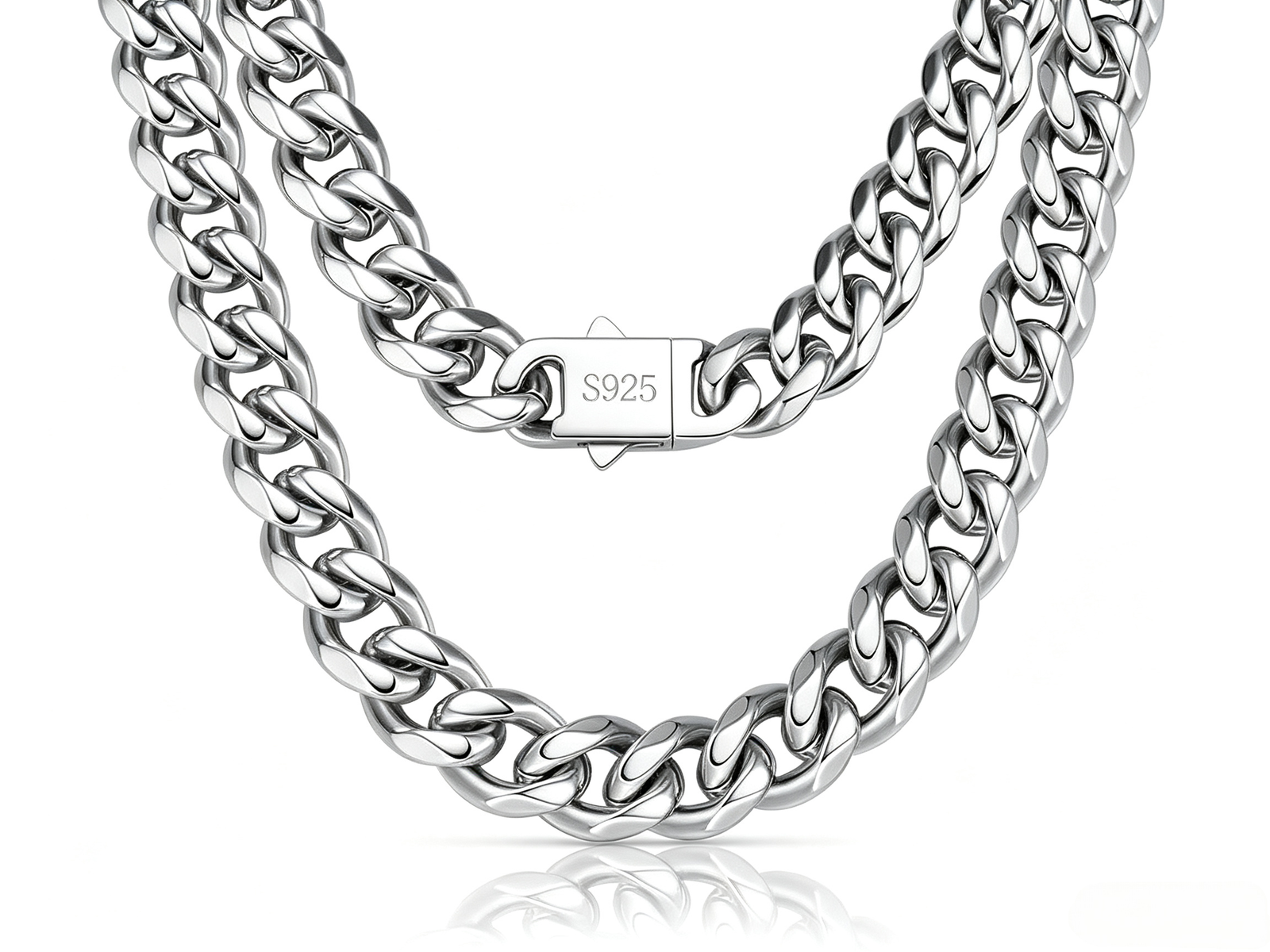
يكون 925 الفولاذ المقاوم للصدأ درجة الفولاذ المقاوم للصدأ الحقيقي?
بالمعنى الدقيق للكلمة, "الفولاذ المقاوم للصدأ 925" ليس من الدرجة القياسية المعترف بها عمومًا للفولاذ المقاوم للصدأ.
الرقم 925 يرتبط في المقام الأول بـ الفضة الاسترليني. أ 925 تحتوي سبائك الفضة الاسترليني على ما يقرب من:
- 5% فضة
- 5% عناصر صناعة السبائك الأخرى, عادة النحاس
الغرض من إضافة عناصر صناعة السبائك هو تحسين صلابة ومتانة الفضة النقية, وهي ناعمة نسبيًا.
الفولاذ المقاوم للصدأ هو عائلة مختلفة تمامًا من المواد. الفولاذ المقاوم للصدأ عبارة عن سبائك ذات أساس حديدي تحتوي على ما يقرب من ذلك على الأقل 10.5% الكروم, مما يتيح تشكيل رقيقة, طبقة سلبية غنية بالكروم توفر مقاومة للتآكل. ثم يتم إضافة درجات مختلفة من الفولاذ المقاوم للصدأ عناصر مثل النيكل, الموليبدينوم, المنغنيز, نتروجين, كربون, أو عناصر صناعة السبائك الأخرى لتحقيق خصائص محددة.
لذلك, إذا كان المورد, قائمة المنتجات, رسم, أو المادة على الانترنت تشير إلى "925 الفولاذ المقاوم للصدأ," من المهم التأكد من المادة المقصودة بالفعل.
قد يشير إلى:
- 925 الفضة الاسترليني
- منتج من الفولاذ المقاوم للصدأ تم وصفه بشكل خاطئ بأنه "فولاذ مقاوم للصدأ 925"
- تسمية ملكية أو تجارية لا تمثل درجة الفولاذ المقاوم للصدأ المعترف بها
- منتج يجمع بين الفولاذ المقاوم للصدأ مع 925 مكون الفضة أو النهاية
للتطبيقات الهندسية والتصنيعية, دائما تحديد درجة المواد المعترف بها والمعايير المعمول بها بدلاً من الاعتماد فقط على مصطلح "925 الفولاذ المقاوم للصدأ".
ما هو 925 الفضة الاسترليني?
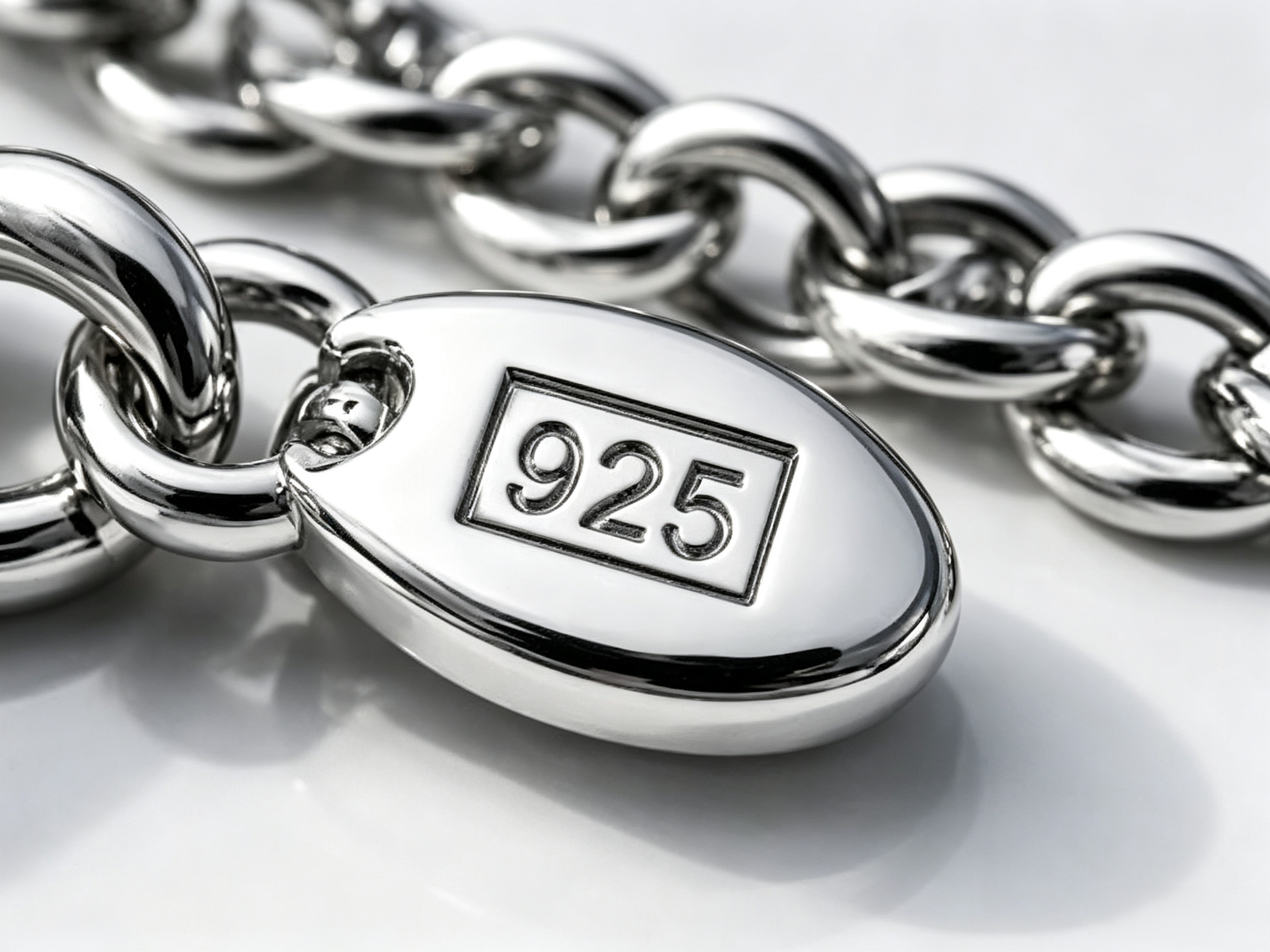
925 الفضة الاسترليني عبارة عن سبيكة معدنية ثمينة تحتوي على 92.5% فضة وحوالي 7.5% معادن أخرى.
تتمتع الفضة النقية بموصلية كهربائية وحرارة ممتازة ومظهر جذاب, لكنها ناعمة نسبيًا. إن خلط الفضة مع معادن أخرى يزيد من صلابتها ويجعلها أكثر عملية بالنسبة للمنتجات التي تحتاج إلى تحمل الاستخدام اليومي.
الخصائص النموذجية ل 925 الفضة الاسترليني
- نسبة عالية من الفضة
- مظهر معدني لامع
- الموصلية الكهربائية الجيدة
- الموصلية الحرارية ممتازة
- ليونة جيدة نسبيا
- أسهل في التشكيل من العديد من أنواع الفولاذ المقاوم للصدأ
- يمكن تلميعها إلى درجة لمعان عالية
- يمكن أن تتطور إلى تشويه مع مرور الوقت
الفضة الاسترليني شائعة بشكل خاص في:
- الخواتم
- قلادات
- الأساور
- الأقراط
- الأشياء الزخرفية
- أدوات المائدة
- المقتنيات
- المكونات الكهربائية المتخصصة
925 الفضة الاسترليني مقابل الفولاذ المقاوم للصدأ
الفرق الأكبر هو تكوينها الأساسي.
| ملكية | 925 الفضة الاسترليني | الفولاذ المقاوم للصدأ |
| العائلة المادية | سبائك الفضة | سبيكة أساسها الحديد |
| العنصر الرئيسي | 92.5% فضة | حديد |
| الكروم | عادة ليس العنصر المحدد | على الأقل ~ 10.5% من الفولاذ المقاوم للصدأ |
| الدرجات/التسميات النموذجية | 925 | 304, 316, 316ل, 410, 17-4 الرقم الهيدروجيني, إلخ. |
| سلوك التآكل | يمكن أن تشويه | مقاومة ممتازة للتآكل بشكل عام |
| قوة | معتدلة نسبيا | يختلف على نطاق واسع حسب الصف |
| صلابة | لينة نسبيا | أعلى عموما |
| مظهر | فضية مشرقة | فضي/معدني |
| صيانة | قد تكون هناك حاجة للتنظيف المنتظم | صيانة منخفضة بشكل عام |
| يكلف | أعلى بسبب محتوى الفضة | عموما أكثر اقتصادا |
| الاستخدامات النموذجية | المجوهرات ومنتجات الديكور | صناعي, طبي, السيارات, المنتجات المعمارية والاستهلاكية |
لا ينبغي التعامل مع الفولاذ المقاوم للصدأ كمادة واحدة. درجات مختلفة لها خصائص ميكانيكية وتآكل مختلفة إلى حد كبير. على سبيل المثال, الدرجات الأوستنيتي مثل 304 لديها قابلية تشكيل ممتازة ومقاومة للتآكل, بينما 316 يوفر مقاومة محسنة في البيئات التي تحتوي على كلوريد أكثر تطلبًا بسبب محتواه من الموليبدينوم.
خصائص 925 الفضة الاسترليني
إذا كان مشروعك يتطلب فعلا 925 الفضة الاسترليني, الخصائص التالية ذات صلة.
الخصائص الفيزيائية
925 الفضة الاسترليني لديها مشرق, مظهر معدني جذاب ويمكن صقله للحصول على لمسة نهائية شديدة اللمعان.
كما أن محتواه العالي من الفضة يمنحه توصيلًا كهربائيًا وحراريًا ممتازًا مقارنة بمعظم درجات الفولاذ المقاوم للصدأ.
وهذا يجعل الفضة الإسترلينية ذات قيمة خاصة عندما يكون التوصيل الكهربائي أو الحراري مهمًا بالإضافة إلى المظهر.
الخواص الميكانيكية
الفضة النقية ناعمة نسبيًا, لذا 925 يتم تصنيع الفضة الإسترلينية لتحسين الصلابة والمتانة.
بالمقارنة مع الفولاذ المقاوم للصدأ, لكن, تعتبر الفضة الإسترلينية بشكل عام أقل ملاءمة للمكونات المعرضة للأحمال الميكانيكية العالية, تآكل شديد, أو التأثير المتكرر.
لهذا السبب, عادةً ما يكون الفولاذ المقاوم للصدأ هو الخيار الهندسي الأفضل عندما تكون القوة وعمر الخدمة الطويل هي المتطلبات الأساسية.
تشويه والتآكل
أحد المفاهيم الخاطئة الشائعة هو أن الفضة الاسترليني "تصدأ".
لا تصدأ الفضة بنفس الطريقة التي يصدأ بها الفولاذ القائم على الحديد. بدلاً من, علبة من الفضة الاسترليني تشويه, مما يؤدي إلى سطح أغمق أو متغير اللون.
يمكن تسريع عملية التشويه عن طريق التعرض لـ:
- المركبات المحتوية على الكبريت
- رطوبة
- مستحضرات التجميل
- عرق
- المواد الكيميائية المنزلية
- البيئات الملوثة
التنظيف المنتظم والتخزين المناسب يمكن أن يساعد في الحفاظ على مظهره.
خصائص الفولاذ المقاوم للصدأ
يقدم الفولاذ المقاوم للصدأ مجموعة مختلفة من الخصائص ويستخدم على نطاق واسع للمكونات الهندسية.
1. المقاومة للتآكل
تعتبر مقاومة التآكل إحدى الخصائص المميزة للفولاذ المقاوم للصدأ.
يتفاعل الكروم مع الأكسجين ليشكل مادة رقيقة للغاية, طبقة سلبية غنية بالكروم على السطح. تحمي هذه الطبقة المعدن الأساسي ويمكن إصلاحه عند تلفه, بشرط توافر الظروف البيئية المناسبة.
لكن, الفولاذ المقاوم للصدأ ليس مقاومًا للتآكل تمامًا.
يعتمد أداء التآكل على:
- درجة الفولاذ المقاوم للصدأ
- تركيز الكلوريد
- درجة حرارة
- التعرض الكيميائي
- حالة السطح
- الشقوق والمفاصل
- تلوث التصنيع
- إجراءات التنظيف
على سبيل المثال, 316 يعتبر الفولاذ المقاوم للصدأ أكثر ملاءمة بشكل عام من 304 عندما يكون التعرض للكلوريد مصدر قلق كبير.
2. القوة والمتانة
تقدم درجات الفولاذ المقاوم للصدأ مجموعة واسعة من الخواص الميكانيكية.
حسب الدرجة والحالة, يمكن أن يوفر الفولاذ المقاوم للصدأ:
- ارتفاع قوة الشد
- قوة العائد جيدة
- صلابة جيدة
- ارتداء المقاومة
- مقاومة التأثير
- عمر خدمة طويل
وهذا يجعل الفولاذ المقاوم للصدأ مناسبًا للمكونات الهيكلية بالإضافة إلى الأجزاء الصغيرة المصنعة بدقة.
3. مقاوم للحرارة
تحافظ بعض درجات الفولاذ المقاوم للصدأ على خصائص ميكانيكية وخصائص تآكل مفيدة عند درجات حرارة مرتفعة.
لكن, يختلف أداء درجة الحرارة بشكل كبير بين الدرجات.
إذا كان المكون الخاص بك سيعمل بشكل مستمر في درجات حرارة مرتفعة, ينبغي اختيار المواد وفقا ل:
- درجة حرارة التشغيل
- ركوب الدراجات الحرارية
- التحميل الميكانيكي
- ظروف الأكسدة
- مدة الخدمة المطلوبة
4. التصنيع وقابلية التصنيع
يمكن معالجة الفولاذ المقاوم للصدأ باستخدام العديد من طرق التصنيع, مشتمل:
- الطحن باستخدام الحاسب الآلي
- تحول باستخدام الحاسب الآلي
- التصنيع باستخدام الحاسب الآلي السويسرية
- القطع بالليزر
- تصنيع الصفائح المعدنية
- ختم
- الانحناء
- لحام
- طحن
- تلميع
- التخميل
- الصدمة الكهربائية
لكن, ليست كل درجات الفولاذ المقاوم للصدأ تُصنع بنفس الطريقة.
على سبيل المثال, يمكن لبعض الفولاذ المقاوم للصدأ الأوستنيتي أن يصبح أكثر صلابة أثناء التصنيع. وهذا يجعل معلمات القطع, الأدوات, استراتيجية المبرد, عقد العمل, والتحكم في الرقائق مهم بشكل خاص.
لمكونات CNC الدقيقة, ولذلك ينبغي النظر في اختيار المواد جنبا إلى جنب مع عملية التصنيع.
التطبيقات المشتركة ل 925 الفضة الاسترليني
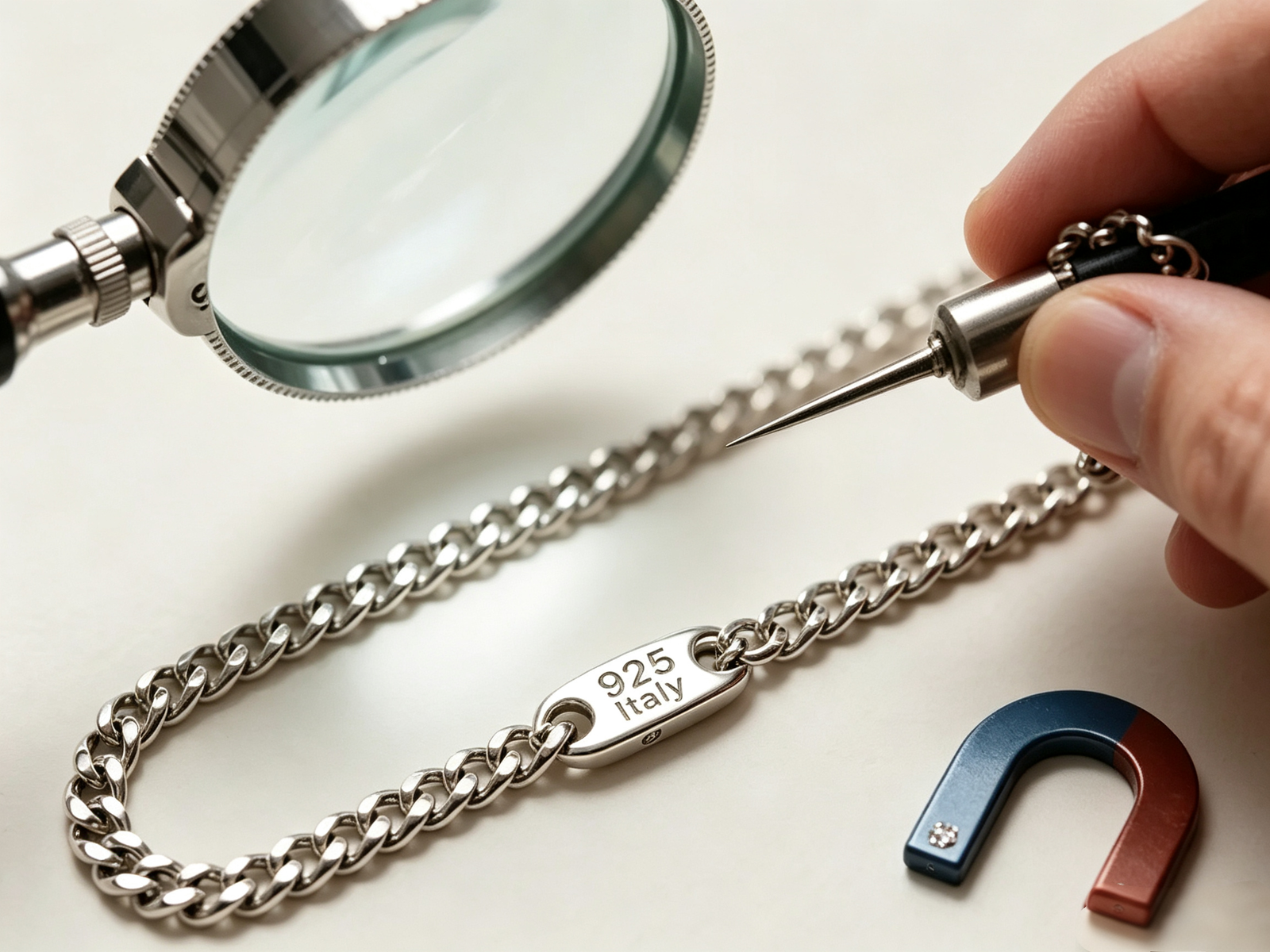
مجوهرات
المجوهرات هي التطبيق الأكثر شهرة 925 الفضة الاسترليني.
يستخدم عادة ل:
- الخواتم
- الأقراط
- الأساور
- قلادات
- المعلقات
- سحر
- الملحقات الزخرفية
مزيج من المظهر, قابلية التشغيل, ومحتوى المعادن الثمينة يجعلها مناسبة بشكل خاص لتصنيع المجوهرات.
منتجات الديكور
925 تُستخدم الفضة الإسترليني أيضًا في العناصر الزخرفية حيث يكون المظهر والقيمة المادية مهمًا.
ومن الأمثلة:
- الحلي
- المقتنيات
- المكونات الزخرفية
- إكسسوارات فاخرة
التطبيقات الكهربائية
تتمتع الفضة بموصلية كهربائية عالية جدًا, لذلك يمكن استخدام سبائك الفضة في التطبيقات الكهربائية والإلكترونية المتخصصة.
لكن, يعتمد اختيار المواد على الموصلية المطلوبة, الخصائص الميكانيكية, سلوك الاتصال, بيئة التشغيل, والتكلفة.
التطبيقات الشائعة للفولاذ المقاوم للصدأ
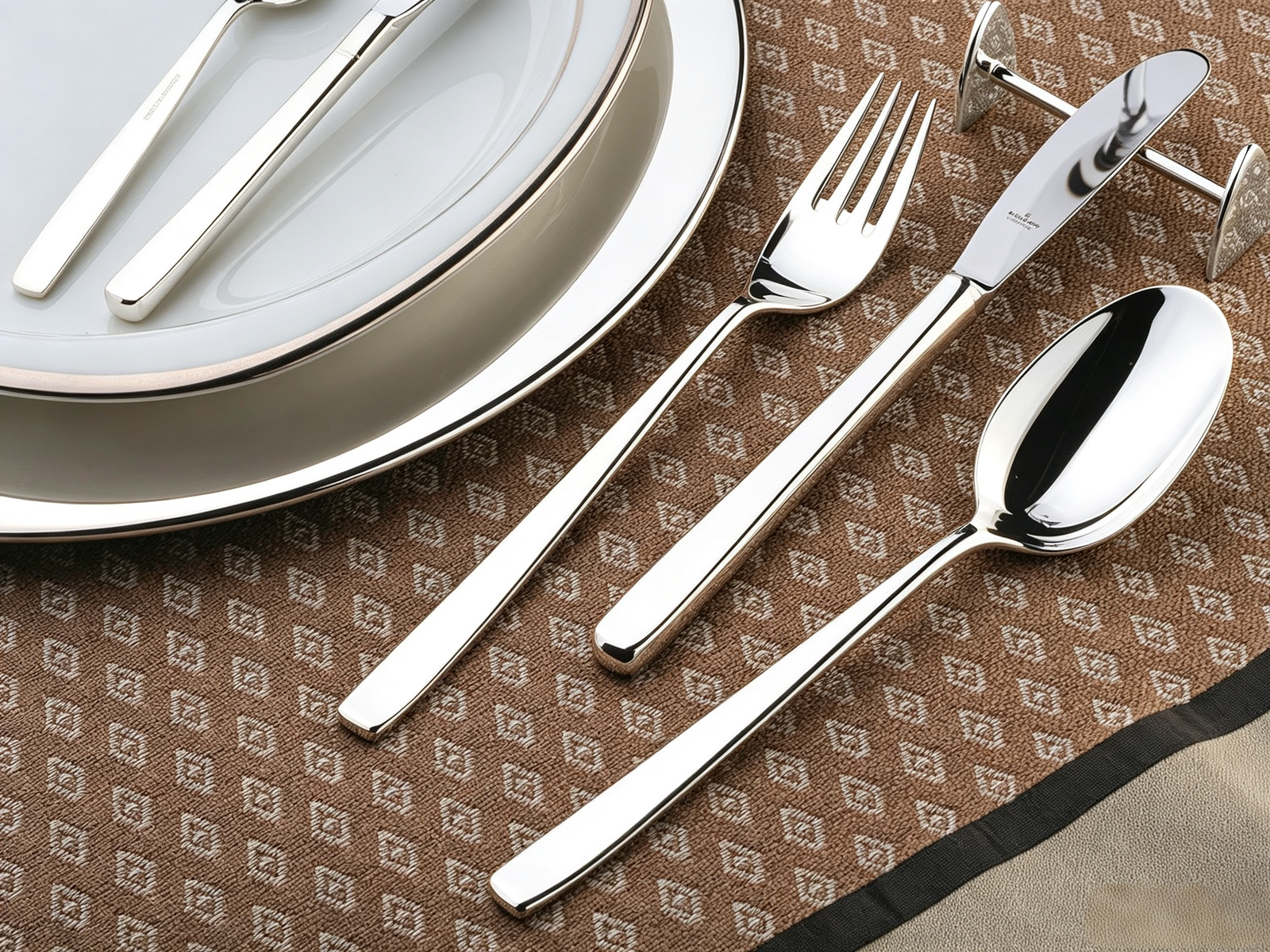
يحتوي الفولاذ المقاوم للصدأ على نطاق تطبيقات هندسية أوسع بكثير.
أدوات المطبخ ومعدات الأغذية
304 يستخدم الفولاذ المقاوم للصدأ بشكل شائع في العديد من التطبيقات المتعلقة بالأغذية والمنزلية بسبب مقاومته للتآكل, قابلية التنظيف, والمتانة.
وتشمل المنتجات النموذجية:
- معدات المطبخ
- مكونات تجهيز الأغذية
- المصارف
- حاويات
- الأجهزة
- معدات تقديم الطعام التجارية
معدات طبية
يستخدم الفولاذ المقاوم للصدأ على نطاق واسع في المعدات الطبية ومعدات الرعاية الصحية لأن الدرجات المناسبة يمكن أن توفر مقاومة للتآكل, متانة, قابلية التنظيف, ومدى توافقها مع عمليات التعقيم.
تشمل التطبيقات:
- الأدوات الجراحية
- المعدات الطبية
- أدوات الأسنان
- الصواني الجراحية
- تجهيزات طبية
يجب اختيار الدرجة الدقيقة وحالة السطح وفقًا للمتطلبات التنظيمية والوظيفية للجهاز.
مكونات السيارات
يمكن استخدام الفولاذ المقاوم للصدأ في:
- مكونات العادم
- قوسين
- مهمات الربط
- تقليم المكونات
- الأجزاء الميكانيكية الدقيقة
- مكونات مقاومة للحرارة
يجب اختيار الدرجة على أساس درجة الحرارة, التعرض للتآكل, الأحمال الميكانيكية, ومتطلبات التصنيع.
البناء والهندسة المعمارية
يستخدم الفولاذ المقاوم للصدأ على نطاق واسع في:
- الدرابزين
- اللوحات المعمارية
- الكسوة
- مركبات اساسيه
- مهمات الربط
- العناصر الزخرفية
إن مقاومتها للتآكل ومظهرها السطحي يجعلها جذابة بشكل خاص للتطبيقات المعمارية.
معدات صناعية
وتشمل التطبيقات الصناعية:
- مكونات الآلة
- مهاوي
- البطانات
- تركيبات
- مهمات الربط
- مكونات المضخة
- الصمامات
- معدات المعالجة الكيميائية
- أجزاء مخصصة مصنوعة باستخدام الحاسب الآلي
للتطبيقات الصعبة, الاختيار بين 304, 316, 17-4 الرقم الهيدروجيني, الفولاذ المقاوم للصدأ على الوجهين, والدرجات الأخرى يمكن أن تؤثر بشكل كبير على أداء المنتج.
925 الفضة الاسترليني مقابل 304 الفولاذ المقاوم للصدأ
304 الفولاذ المقاوم للصدأ هو أحد أكثر درجات الفولاذ المقاوم للصدأ الأوستنيتي استخدامًا.
ويرتبط عادة بحوالي 18% الكروم و 8% النيكل, على الرغم من أن التكوين الفعلي يعتمد على المواصفات المطبقة. إنه يوفر مقاومة جيدة للتآكل, ليونة, القابلية للتشكيل, وقابلية اللحام.
| ميزة | 925 الفضة الاسترليني | 304 الفولاذ المقاوم للصدأ |
| المادة الرئيسية | سبائك الفضة | سبيكة أساسها الحديد |
| المقاومة للتآكل | جيد ولكن يمكن أن يشوه | ممتاز للعديد من البيئات |
| قوة | معتدل | أعلى عموما |
| صلابة | منخفضة نسبيا | أعلى |
| مظهر | فضية مشرقة | معدني, مصقول أو نحى |
| الموصلية الكهربائية | عالية جدا | أقل بكثير |
| يكلف | أعلى | أقل عموما |
| بالقطع | قابلة للتطبيق نسبيا | يتطلب الأدوات والمعلمات المناسبة |
| التطبيقات المشتركة | مجوهرات, منتجات الديكور | المنتجات الصناعية والاستهلاكية |
يختار 925 الفضة الاسترليني عندما محتوى المعادن الثمينة, مظهر, والتوصيل الكهربائي مهم.
يختار 304 الفولاذ المقاوم للصدأ عندما القوة, المقاومة للتآكل, متانة, وكفاءة التكلفة أكثر أهمية.
316 الفولاذ المقاوم للصدأ مقابل 925 الفضة الاسترليني
316 الفولاذ المقاوم للصدأ هي مادة هندسية رئيسية أخرى.
محتواه من الموليبدينوم يحسن مقاومة التآكل, خاصة في البيئات التي تشكل فيها الكلوريدات والمواد الكيميائية العدوانية مصدر قلق.
| ميزة | 925 الفضة الاسترليني | 316 الفولاذ المقاوم للصدأ |
| العائلة المادية | سبائك الفضة | الفولاذ الأوستنيتي المقاوم للصدأ |
| الغرض الأساسي | المظهر وتطبيقات المعادن الثمينة | الأداء الهندسي |
| المقاومة للتآكل | جيد ولكن يمكن أن يشوه | ممتاز, خاصة بالمقارنة مع العديد من الدرجات القياسية |
| قوة | معتدل | عالي |
| مقاومة الكلوريد | ليست ميزتها الأساسية | أكثر ملاءمة للظروف الغنية بالكلوريد |
| التطبيقات الصناعية | محدود | شاسِع |
| التكلفة النموذجية | أعلى | معتدل |
| التطبيقات المشتركة | مجوهرات | البحرية, طبي, كيميائية, المعدات الغذائية والصناعية |
للمكونات الصناعية المعرضة للرطوبة, مواد كيميائية, أو البيئات التي تحتوي على الكلوريد, 316 يعتبر الفولاذ المقاوم للصدأ بشكل عام مادة هندسية أكثر ملاءمة من الفولاذ المقاوم للصدأ 925 الفضة الاسترليني.
316L الفولاذ المقاوم للصدأ مقابل 925 الفضة الاسترليني
316L هي النسخة منخفضة الكربون من 316 الفولاذ المقاوم للصدأ.
يساعد المحتوى المنخفض من الكربون على تقليل مخاطر التحسس المرتبط باللحام ويجعل 316L مفيدًا بشكل خاص للمكونات المصنعة التي تتطلب وصلات ملحومة.
وتشمل التطبيقات النموذجية:
- المعدات الطبية
- المعدات الصيدلانية
- معدات تجهيز الأغذية
- معدات المعالجة الكيميائية
- المكونات البحرية
- مكونات دقيقة
- مكونات المجوهرات والساعات
القرار بين 316L و 925 لذلك يجب أن تعتمد الفضة الإسترلينية على المتطلبات الوظيفية للتطبيق بدلاً من مجرد المظهر.
كيفية اختيار درجة الفولاذ المقاوم للصدأ المناسبة
إذا كنت تقوم بتطوير جزء معدني مخصص, عادةً لا يكون اختيار مادة عامة من "الفولاذ المقاوم للصدأ" كافيًا.
النظر في العوامل التالية.
1. بيئة التآكل
بسأل:
- هل سيتصل المكون بالمياه?
- هل يتعرض للمياه المالحة?
- هل ستتصل بالمواد الكيميائية?
- هل يستخدم في الخارج?
- هل من المتوقع التعرض للكلوريد؟?
لبيئات أكثر عدوانية, 316 أو قد تكون الدرجات المتخصصة الأخرى أكثر ملاءمة من 304.
2. المتطلبات الميكانيكية
يعتبر:
- قوة الشد
- قوة العائد
- صلابة
- مقاومة التأثير
- ارتداء المقاومة
- متطلبات التعب
قد يتطلب المكون الذي يحمل أحمالًا ميكانيكية فولاذًا مقاومًا للصدأ عالي القوة بدلاً من درجة الأغراض العامة.
3. عملية التصنيع
يجب أن يكون اختيار المواد متوافقًا مع طريقة التصنيع.
على سبيل المثال:
- التصنيع باستخدام الحاسب الآلي
- تحول باستخدام الحاسب الآلي
- طحن
- ختم
- رسم عميق
- لحام
- القطع بالليزر
- طحن
- تلميع
إن المادة التي تحقق أداءً جيدًا في الخدمة قد لا تكون بالضرورة أسهل المواد في التصنيع.
4. صقل الأسطح
للمكونات المرئية, تحديد ما إذا كنت تحتاج:
- لمسة نهائية مصقولة
- طلاء المرآة
- لمسة نهائية من الساتان
- التخميل
- الصدمة الكهربائية
- تفجير حبة
- المعالجة السطحية المخصصة
يجب الإبلاغ عن متطلبات السطح قبل الإنتاج لأنها يمكن أن تؤثر على بدلات التصنيع, التسامح, والتفتيش النهائي.
5. التسامح الأبعاد
لمكونات الدقة, يُعرِّف:
- أبعاد حرجة
- التسامح العام
- جي دي&متطلبات T
- خشونة السطح
- تسطيح
- تركيز
- متطلبات الموضوع
ينبغي تقييم استراتيجية اختيار المواد والتصنيع معًا.
6. حجم الإنتاج
قد تختلف العملية الأكثر اقتصادا اعتمادا على حجم الإنتاج.
على سبيل المثال:
- النموذج الأولي → التصنيع باستخدام الحاسب الآلي
- حجم منخفض → التصنيع باستخدام الحاسب الآلي أو تصنيع الصفائح المعدنية
- حجم متوسط → التصنيع باستخدام الحاسب الآلي, ختم, أو تشكيل
- حجم كبير → ختم, تشكيل, صب, أو الأدوات المخصصة
يمكن لشريك التصنيع أن يساعد في تحديد طريقة الإنتاج الأكثر فعالية من حيث التكلفة.
تصنيع الفولاذ المقاوم للصدأ وقطع الغيار المخصصة
للشركات التي تشتري مكونات مخصصة من الفولاذ المقاوم للصدأ, اختيار المواد ليس سوى جزء واحد من عملية التصنيع.
يجب أن تكون الشركة المصنعة القادرة أيضًا قادرة على التقييم:
التصنيع باستخدام الحاسب الآلي
مناسبة للمكونات الدقيقة ذات الأشكال الهندسية المعقدة والتفاوتات الصارمة.
تشمل العمليات المشتركة:
- الطحن باستخدام الحاسب الآلي
- تحول باستخدام الحاسب الآلي
- تصنيع متعدد المحاور
- حفر
- خيوط
- التوسيع
- ممل
- التشطيب السطح
تصنيع الصفائح المعدنية
مناسبة ل:
- حاويات
- قوسين
- لوحات
- أغطية
- إطارات
- مركبات اساسيه
وتشمل العمليات النموذجية القطع بالليزر, الانحناء, لحام, طحن, والتشطيب.
ختم
لإنتاج الحجم العالي, يمكن أن يوفر الختم:
- سرعة إنتاج عالية
- أبعاد متناسقة
- التكرار
- انخفاض تكلفة الوحدة بكميات كافية
المعالجة السطحية
اعتمادا على التطبيق, قد تتطلب أجزاء الفولاذ المقاوم للصدأ:
- تلميع
- تنظيف الأسنان بالفرشاة
- التخميل
- الصدمة الكهربائية
- تخليل
- تفجير حبة
يمكن أن يساعد التخليل والتخميل في إزالة الملوثات ودعم تكوين طبقة سلبية مستمرة غنية بالكروم.
إيجابيات وسلبيات 925 الفضة الاسترليني
مزايا
مظهر جذاب
925 الفضة الاسترليني لديها مشرق, مظهر ممتاز مناسب بشكل خاص للمجوهرات ومنتجات الديكور.
نسبة عالية من الفضة
إنه 92.5% يوفر محتوى الفضة للمادة الخصائص المتوقعة من سبيكة معدنية ثمينة.
الموصلية ممتازة
توفر الفضة توصيلًا كهربائيًا وحراريًا عاليًا بشكل استثنائي.
قابلية تشغيل جيدة
يمكن تشكيل الفضة الاسترليني, مصقول, وملفقة في التصاميم التفصيلية.
سلبيات
يمكن تشويه
على عكس الفولاذ المقاوم للصدأ, يمكن أن تتطور الفضة الإسترلينية إلى تشويه السطح بمرور الوقت.
قوة أقل
وهو بشكل عام أقل ملاءمة من الفولاذ المقاوم للصدأ الهندسي للمكونات الميكانيكية ذات التحميل الثقيل.
ارتفاع تكلفة المواد
بسبب احتوائه على نسبة عالية من الفضة, عادة ما تكون تكلفة المواد أعلى بكثير من درجات الفولاذ المقاوم للصدأ الشائعة.
يتطلب المزيد من الصيانة
قد تتطلب منتجات الفضة الإسترلينية المزخرفة تنظيفًا وتلميعًا منتظمًا للحفاظ على مظهرها.
إيجابيات وسلبيات الفولاذ المقاوم للصدأ
مزايا
مقاومة تآكل ممتازة
يقوم الكروم بإنشاء طبقة سلبية واقية توفر للفولاذ المقاوم للصدأ مقاومته المميزة للتآكل.
متانة عالية
توفر العديد من درجات الفولاذ المقاوم للصدأ قوة ممتازة, صلابة, وارتداء المقاومة.
اختيار المواد الواسعة
هناك العديد من درجات الفولاذ المقاوم للصدأ المصممة لمتطلبات مختلفة.
صيانة منخفضة
يتطلب الفولاذ المقاوم للصدأ المختار بشكل صحيح صيانة قليلة نسبيًا مقارنة بالعديد من المواد البديلة.
خيارات تصنيع ممتازة
يمكن تشكيل الفولاذ المقاوم للصدأ, مختوم, شكلت, ملحومة, مصقول, والانتهاء من مجموعة واسعة من التطبيقات.
خدمة الخدمة الطويلة
عند اختيار الدرجة الصحيحة لبيئة الخدمة, الفولاذ المقاوم للصدأ يمكن أن يوفر عمر تشغيلي طويل.
سلبيات
تكلفة أعلى من الفولاذ الكربوني
عادة ما يكون الفولاذ المقاوم للصدأ أكثر تكلفة من الفولاذ الكربوني العادي.
يمكن أن تشكل عملية التصنيع تحديًا
يمكن لبعض الدرجات أن تعمل بشكل قاس أو تولد حرارة قطع كبيرة, زيادة صعوبة التصنيع.
اختيار الدرجة أمر بالغ الأهمية
304 قد تكون ممتازة لتطبيق واحد ولكنها غير مناسبة لتطبيق آخر. قد تتطلب بيئات أكثر تطلبا 316, دوبلكس, تصلب هطول الأمطار, أو غيرها من الدرجات المتخصصة.
ليست مقاومة للتآكل تمامًا
لا يزال من الممكن أن يتعرض الفولاذ المقاوم للصدأ للتنقر, تآكل الشق, تكسير التآكل الإجهاد, أو غيرها من أشكال التآكل في ظل ظروف غير مواتية.
925 الفولاذ المقاوم للصدأ: ما هي المواد التي يجب عليك اختيارها بالفعل؟?
إذا كنت تفكر "925 الفولاذ المقاوم للصدأ" لمنتج أو مشروع هندسي, حدد أولاً المواد التي تحتاجها بالفعل.
يختار 925 الفضة الاسترليني متى:
- أنت تقوم بتصنيع المجوهرات
- محتوى المعادن الثمينة مهم
- المظهر هو أولوية رئيسية
- الموصلية الكهربائية العالية مفيدة
- التطبيق لا يتطلب قوة ميكانيكية عالية
يختار 304 الفولاذ المقاوم للصدأ متى:
- أنت بحاجة إلى الفولاذ المقاوم للصدأ للأغراض العامة
- مطلوب مقاومة جيدة للتآكل
- القوة والمتانة مهمة
- المنتج مخصص للاستخدام الصناعي أو الاستهلاكي
- أنت بحاجة إلى حل فعال من حيث التكلفة من الفولاذ المقاوم للصدأ
يختار 316 الفولاذ المقاوم للصدأ متى:
- ومن المتوقع التعرض للكلوريد
- يتم استخدام المكون بالقرب من مياه البحر
- المقاومة الكيميائية مهمة
- مطلوب مقاومة أعلى للتآكل
اختر 316L متى:
- اللحام متورط
- ويفضل الفولاذ المقاوم للصدأ منخفض الكربون
- طبي, الصيدلانية, أو تشارك التطبيقات الصحية
- تعتبر مقاومة التآكل وأداء التصنيع أمرًا مهمًا
اختر درجة متخصصة من الفولاذ المقاوم للصدأ:
- مطلوب قوة عالية
- مقاومة التآكل أمر بالغ الأهمية
- وتشارك درجات الحرارة المرتفعة
- يعمل المكون في بيئة شديدة التآكل
- مغناطيسية محددة, ميكانيكي, أو الخصائص الكيميائية مطلوبة
الأسئلة المتداولة حول 925 الفولاذ المقاوم للصدأ
يكون 925 الفولاذ المقاوم للصدأ درجة الفولاذ المقاوم للصدأ الحقيقي?
عمومًا, لا. 925 هو في المقام الأول تسمية تحتوي على الفضة الاسترليني 92.5% فضة. يتم تحديد الفولاذ المقاوم للصدأ عادة من خلال درجات معترف بها مثل 304, 316, 316ل, 410, أو 17-4 الرقم الهيدروجيني.
ماذا يفعل 925 يعني على المعدن?
ال 925 يعني التعيين عادةً أن السبائك تحتوي على 92.5% الفضة بالكتلة, مع الباقي 7.5% تتكون من عناصر صناعة السبائك الأخرى.
يكون 925 الفضة نفس الفولاذ المقاوم للصدأ?
لا. 925 الفضة الاسترليني هي سبيكة تعتمد على الفضة, في حين أن الفولاذ المقاوم للصدأ عبارة عن سبيكة تحتوي على الحديد على الأقل تقريبًا 10.5% الكروم.
يفعل 925 صدأ الفضة الاسترليني?
لا, الفضة الإسترلينية لا تصدأ بنفس الطريقة التي يصدأ بها الفولاذ القائم على الحديد. لكن, يمكن تشويه وتغير اللون بسبب التفاعلات الكيميائية مع المركبات الموجودة في البيئة.
لا تشويه الفولاذ المقاوم للصدأ?
الفولاذ المقاوم للصدأ بشكل عام لا يفقد بريقه بنفس طريقة الفضة الإسترلينية. مقاومتها للتآكل تأتي من طبقة سلبية غنية بالكروم. لكن, لا يزال من الممكن أن يتلطخ الفولاذ المقاوم للصدأ أو يتآكل في البيئات العدوانية.
يكون 316 الفولاذ المقاوم للصدأ أفضل من 925 فضة?
ولا تعتبر أي من المادتين "أفضل" عالميًا. وهي مصممة لأغراض مختلفة.
للمجوهرات والتطبيقات الزخرفية, 925 قد تكون الفضة الاسترليني هي الأفضل.
للمكونات الصناعية التي تتطلب القوة, متانة, ومقاومة التآكل, 316 يعتبر الفولاذ المقاوم للصدأ أكثر ملاءمة بشكل عام.
يكون 304 أو 316 الفولاذ المقاوم للصدأ أفضل?
يعتمد ذلك على التطبيق.
304 هو فولاذ مقاوم للصدأ ممتاز للأغراض العامة.
316 يُفضل بشكل عام عندما تكون هناك حاجة إلى مقاومة محسنة للبيئات المحتوية على الكلوريد أو البيئات الأكثر عدوانية.
هل يمكن تصنيع الفولاذ المقاوم للصدأ باستخدام الحاسب الآلي?
نعم. يستخدم الفولاذ المقاوم للصدأ على نطاق واسع للمكونات المصنعة باستخدام الحاسب الآلي. لكن, درجات مختلفة لها خصائص تصنيع مختلفة, حتى أدوات القطع, تغذية, سرعات, سائل التبريد, عقد العمل, ويجب اختيار عمليات التشطيب وفقًا للدرجة المحددة.
ما هو الفولاذ المقاوم للصدأ الأفضل للأجزاء المصنعة حسب الطلب?
لا توجد درجة "أفضل" واحدة.
تشمل الاختيارات الشائعة:
- 304للمكونات ذات الأغراض العامة
- 316/316للتحسين مقاومة التآكل
- 17-4 الرقم الهيدروجينيللتطبيقات عالية القوة
- 410/420حيث الصلابة ومقاومة التآكل مهمة
- درجات أخرى متخصصة لدرجات الحرارة المرتفعة, البحرية, كيميائية, أو التطبيقات شديدة الطلب
وتعتمد أفضل درجة على بيئة التشغيل الفعلية ومتطلبات الأداء.
خاتمة: 925 الفولاذ المقاوم للصدأ مقابل. 925 الفضة الاسترليني
على المدى يمكن أن تكون عبارة "الفولاذ المقاوم للصدأ 925" مضللة.
إذا رأيت الرقم "925"، فيجب أن يكون السؤال الأول هو ما إذا كان المنتج يشير إليه بالفعل 925 الفضة الاسترليني. تحتوي الفضة الاسترليني 92.5% فضة, في حين أن الفولاذ المقاوم للصدأ عبارة عن عائلة سبائك قائمة على الحديد محددة بمحتوى الكروم ودرجات مواد محددة.
للمجوهرات والتطبيقات الزخرفية, 925 الفضة الاسترليني يقدم مظهرًا جذابًا ومحتوى عاليًا من المعادن الثمينة.
للتطبيقات الهندسية والصناعية, 304, 316, 316ل, 17-4 الرقم الهيدروجيني, وغيرها من درجات الفولاذ المقاوم للصدأ توفير نطاق أوسع بكثير من القوة, المقاومة للتآكل, القدرة على الماكينات, وخصائص أداء الخدمة.
للأجزاء المخصصة, لا تحدد مادة تعتمد فقط على اسم المنتج مثل "925 الفولاذ المقاوم للصدأ". بدلاً من, تحديد الصف المادي الدقيق, بيئة التطبيق, المتطلبات الميكانيكية, التسامح, الانتهاء من السطح, حجم الإنتاج, وعملية التصنيع.
إذا كان لديك 2رسم د, 3ملف D CAD, متطلبات المواد, أو جزء العينة, قمم الدقة-يمكن لمصنع دقيق مؤهل تقييم التطبيق والتوصية بدرجة الفولاذ المقاوم للصدأ المناسبة وعملية التصنيع قبل الإنتاج.
الوجبات السريعة الرئيسية
- 925 الفولاذ المقاوم للصدأ بشكل عام ليس من الدرجة القياسية للفولاذ المقاوم للصدأ.
- 925 يشير عادة إلى الفضة الاسترليني التي تحتوي على 92.5% فضة.
- وتشمل درجات الفولاذ المقاوم للصدأ 304, 316, 316ل, 410, 420, و 17-4 الرقم الهيدروجيني, من بين أشياء أخرى كثيرة.
- مقاومة التآكل للفولاذ المقاوم للصدأ تأتي في المقام الأول من طبقته السلبية الغنية بالكروم.
- 304هو الفولاذ المقاوم للصدأ للأغراض العامة المشتركة.
- 316/316لهي أكثر ملاءمة للعديد من البيئات الغنية بالكلوريد أو الأكثر عدوانية.
- يمكن معالجة الفولاذ المقاوم للصدأ من خلاله التصنيع باستخدام الحاسب الآلي, تحول, طحن, ختم, تصنيع الصفائح المعدنية, لحام, تلميع, والتخميل.
- لقطع الفولاذ المقاوم للصدأ المخصصة, يجب أن يعتمد اختيار المواد على طلب, بيئة, المتطلبات الميكانيكية, التسامح, الانتهاء من السطح, وحجم الإنتاج.


