



بالمقارنة مع المعيار 304 الفولاذ المقاوم للصدأ, 321 يوفر الفولاذ المقاوم للصدأ مقاومة أفضل للتآكل الحبيبي بعد التعرض لدرجات حرارة مرتفعة. وهذا يجعلها مادة شائعة لمكونات الطيران, أنظمة العادم, معدات المعالجة الكيميائية, المبادلات الحرارية, أوعية الضغط, وغيرها من التطبيقات ذات درجات الحرارة العالية.
للمصنعين والمهندسين, لكن, إن اختيار درجة الفولاذ المقاوم للصدأ المناسبة هو الخطوة الأولى فقط. الأداء النهائي ل أ 321 يعتمد مكون الفولاذ المقاوم للصدأ أيضًا على عملية التصنيع, بما في ذلك التصنيع باستخدام الحاسب الآلي, لحام, تشكيل, المعالجة الحرارية, والتشطيب السطحي.
يشرح هذا الدليل 321 خصائص الفولاذ المقاوم للصدأ, التركيب الكيميائي, مزايا, التطبيقات, اعتبارات التصنيع, وطرق التصنيع لمساعدة المهندسين وفرق الشراء على تحديد ما إذا كانت هذه المادة مناسبة لمشروعهم القادم.
ما هو 321 الفولاذ المقاوم للصدأ?
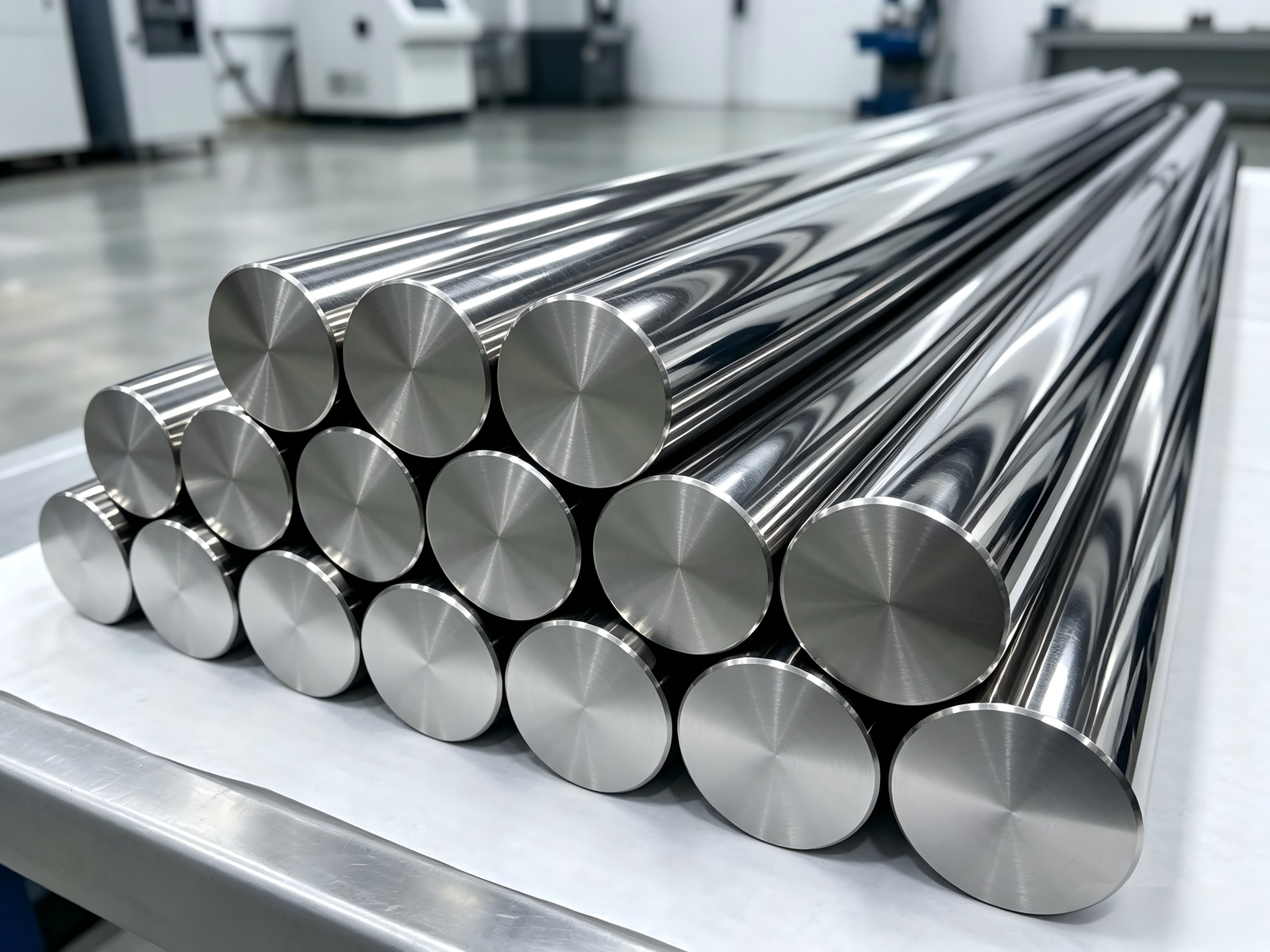
321 الفولاذ المقاوم للصدأ, المعروف أيضا باسم الولايات المتحدة S32100, هو الفولاذ المقاوم للصدأ الأوستنيتي الذي يحتوي على الكروم والنيكل, مع إضافة التيتانيوم كعنصر استقرار.
إضافة التيتانيوم هي السمة المميزة للصف 321. أثناء التعرض لدرجات حرارة عالية, يمكن أن يتحد الكربون الموجود في الفولاذ المقاوم للصدأ مع الكروم لتكوين كربيدات الكروم, وخاصة على طول حدود الحبوب. هذه الظاهرة يمكن أن تقلل من مقاومة التآكل في بيئات معينة وتزيد من خطر التآكل الحبيبي.
التيتانيوم لديه تقارب أقوى للكربون من الكروم. عن طريق الجمع بشكل تفضيلي مع الكربون, يساعد التيتانيوم على تقليل تكوين كربيدات الكروم عند حدود الحبوب.
هذا يجعل 321 الفولاذ المقاوم للصدأ مفيد بشكل خاص للمكونات التي:
- تعمل بشكل مستمر في درجات حرارة مرتفعة
- تجربة دورات التدفئة والتبريد المتكررة
- تتطلب مقاومة جيدة للأكسدة والتحجيم
- تحتاج إلى مقاومة التآكل بعد اللحام
- تتطلب قوة ميكانيكية جيدة واستقرار الأبعاد
- يتعرضون للإجهاد الحراري
مزيج من أداء درجات الحرارة العالية, المقاومة للتآكل, قابلية اللحام, والمتانة يجعل 321 الفولاذ المقاوم للصدأ مادة هندسية مهمة للتطبيقات الصناعية الصعبة.
321 التركيب الكيميائي للستانلس ستيل
قد يختلف التركيب الكيميائي الدقيق قليلاً اعتمادًا على معيار المادة وشكل المنتج المطبق, ولكن الصف النموذجي 321 يحتوي على الفولاذ المقاوم للصدأ:
| عنصر | الدور النموذجي |
| الكروم | يوفر مقاومة للتآكل والأكسدة |
| النيكل | يستقر الهيكل الأوستنيتي ويحسن المتانة |
| التيتانيوم | يثبت الكربون ويقلل من ترسيب كربيد الكروم |
| الكربون | يساهم في القوة ولكن يجب السيطرة عليه |
| المنغنيز | يحسن المعالجة ويساهم في القوة |
| السيليكون | يساعد في إزالة الأكسدة ومقاومة الأكسدة |
| حديد | التوازن الأولي للسبائك |
يعد تثبيت التيتانيوم مهمًا بشكل خاص عندما تتعرض المادة لدرجات حرارة مرتفعة أو لحام.
للتطبيقات الحرجة, يجب على المشترين دائمًا تحديد معيار المواد والشهادة المطلوبة. اعتمادا على المشروع, قد يشمل ذلك متطلبات أستم, ASME, في, أو غيرها من المواصفات المعمول بها.
321 خصائص الفولاذ المقاوم للصدأ
التعرف على الخواص الفيزيائية والميكانيكية 321 يعد الفولاذ المقاوم للصدأ ضروريًا عند اختياره للتصنيع باستخدام الحاسب الآلي أو التصنيع المخصص.
تشمل الخصائص النموذجية:
| ملكية | القيمة النموذجية |
| نوع المادة | الفولاذ الأوستنيتي المقاوم للصدأ |
| كثافة | تقريبًا 7.9 جم/سم3 |
| الحد الأدنى من قوة العائد | تقريبًا 205 MPa |
| الحد الأدنى من قوة الشد | تقريبًا 515 MPa |
| استطالة | تقريبًا 40% |
| صلابة | عادة ما يصل إلى ما يقرب من 217 غ.ب |
| توصيل حراري | تقريبًا 16 W/m·K عند 100 درجة مئوية |
| السلوك المغناطيسي | بشكل عام غير مغناطيسي في الحالة الصلبة |
تعتمد الخواص الميكانيكية الفعلية على المواصفات المطبقة, شكل المنتج, المعالجة الحرارية, وحالة التصنيع.
لتصنيع الآلات الدقيقة باستخدام الحاسب الآلي, يمكن أن تؤثر حالة المواد أيضًا على أداء القطع واستقرار الأبعاد. لذلك, يجب على الشركات المصنعة أن تأخذ في الاعتبار ليس فقط درجة الفولاذ المقاوم للصدأ ولكن أيضًا شهادة المواد, صلابة, حالة المخزون, والتسامح النهائي المطلوب.
لماذا 321 الفولاذ المقاوم للصدأ مناسب لتطبيقات درجات الحرارة العالية?
أكبر ميزة 321 الفولاذ المقاوم للصدأ هو قدرته على الحفاظ على أداء موثوق به في بيئات درجات الحرارة المرتفعة.
عندما يتعرض الفولاذ المقاوم للصدأ الأوستنيتي التقليدي لنطاقات معينة من درجات الحرارة لفترات طويلة, يمكن أن يحدث ترسيب كربيد الكروم عند حدود الحبوب. يمكن أن يؤدي ذلك إلى تقليل تركيز الكروم حول تلك الحدود وربما يجعل المادة أكثر عرضة للتآكل بين الحبيبات.
321 يعالج الفولاذ المقاوم للصدأ هذه المشكلة من خلال تثبيت التيتانيوم.
يجمع التيتانيوم بشكل تفضيلي مع الكربون, المساعدة على منع استنفاد الكروم عند حدود الحبوب. نتيجة ل, 321 يوفر الفولاذ المقاوم للصدأ مقاومة محسنة للتآكل الحبيبي بعد التعرض لدرجات حرارة مرتفعة.
هذه الخاصية ذات قيمة خاصة ل:
- الجمعيات الملحومة
- مكونات العادم
- المبادلات الحرارية
- معدات الفرن
- مكونات الفضاء الجوي
- أنابيب ذات درجة حرارة عالية
- معدات المعالجة الكيميائية
321 لذلك يتم اختيار الفولاذ المقاوم للصدأ غالبًا عندما يجب أن يحافظ أحد المكونات على مقاومة التآكل والسلامة الهيكلية أثناء التعرض الحراري لفترة طويلة.
الفوائد الرئيسية ل 321 الفولاذ المقاوم للصدأ
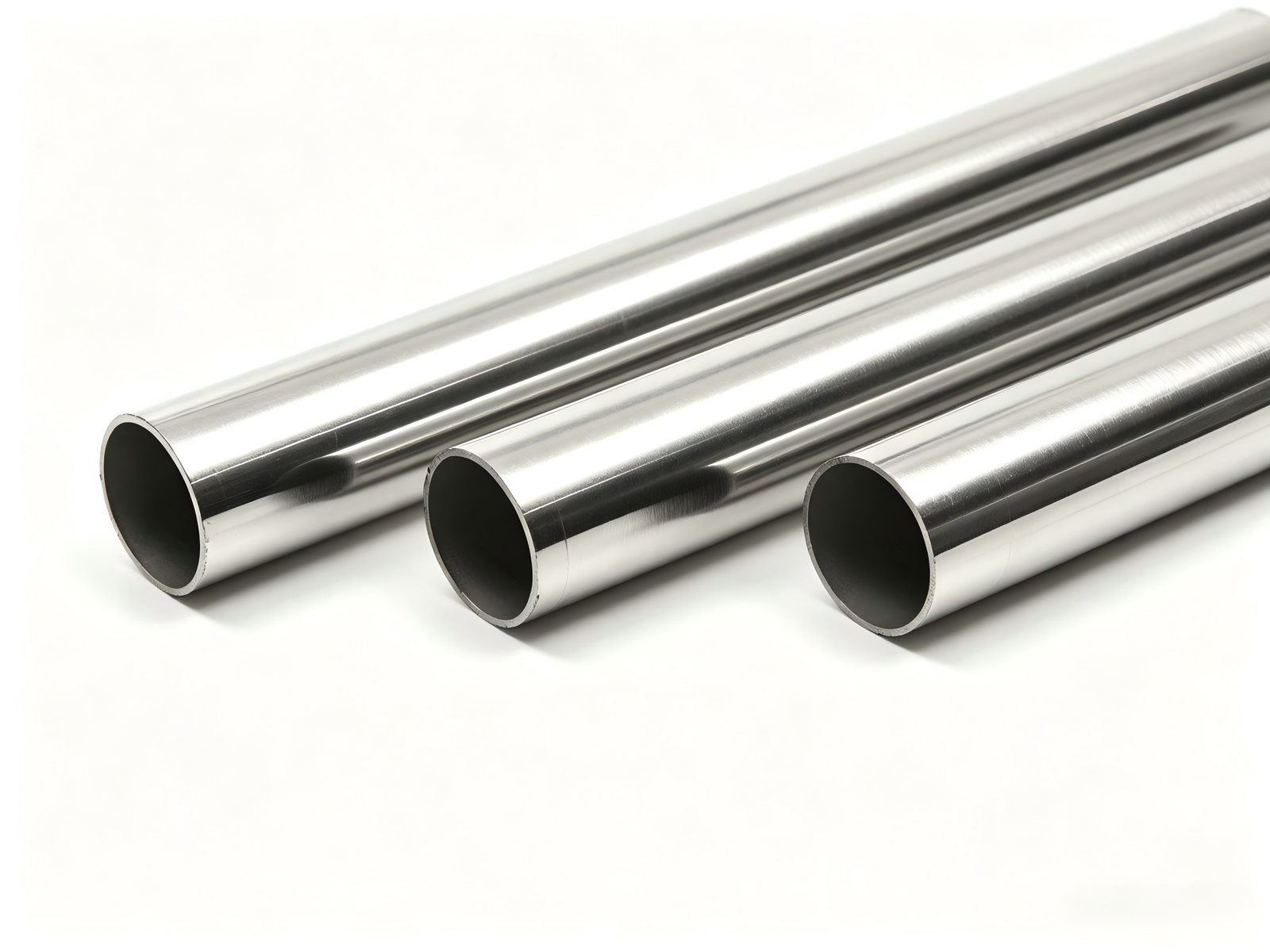
1. أداء ممتاز في درجات الحرارة العالية
321 تم تصميم الفولاذ المقاوم للصدأ للتطبيقات التي تتعرض فيها المكونات لدرجات حرارة مرتفعة ودورة حرارية.
إنه يوفر مقاومة جيدة للأكسدة ويحافظ على الخصائص الميكانيكية المفيدة في ظل الظروف الحرارية الصعبة. وهذا يجعلها مناسبة لمكونات مثل أنظمة العادم, تركيبات الفرن, أجزاء محرك الطائرة, ومعدات معالجة درجات الحرارة العالية.
للمهندسين, الميزة الرئيسية ليست مجرد القدرة على تحمل درجة حرارة عالية لفترة قصيرة. الاعتبار الأكثر أهمية هو كيفية أداء المادة أثناء ذلك التعرض على المدى الطويل, الدراجات الحرارية المتكررة, والإجهاد الحراري.
2. مقاومة جيدة للتآكل
321 يوفر الفولاذ المقاوم للصدأ مقاومة عامة جيدة للتآكل في العديد من البيئات الصناعية.
كما يعمل هيكلها المثبت بالتيتانيوم على تحسين مقاومة التآكل الحبيبي بعد التعرض لدرجات حرارة مرتفعة معينة.
لكن, 321 لا يعد الفولاذ المقاوم للصدأ الخيار الأفضل عالميًا لكل بيئة قابلة للتآكل. للتطبيقات التي تنطوي على التعرض الشديد للكلوريد أو الوسائط الكيميائية شديدة العدوانية, قد تكون درجات الفولاذ المقاوم للصدأ الأخرى أو السبائك المقاومة للتآكل أكثر ملاءمة.
ولذلك ينبغي النظر في اختيار المواد:
- التركيز الكيميائي
- درجة حرارة التشغيل
- التعرض للكلوريد
- رُطُوبَة
- ضغط
- تنظيف المواد الكيميائية
- متطلبات عمر الخدمة
3. متانة ممتازة
321 يجمع الفولاذ المقاوم للصدأ بين مقاومة التآكل, قوة, صلابة, والاستقرار الحراري.
وهذا يجعلها مناسبة للمكونات التي يجب أن تعمل بشكل موثوق لفترات طويلة في ظل ظروف صعبة.
للمشترين الصناعيين, يمكن أن توفر المتانة المحسنة العديد من الفوائد العملية:
- عمر خدمة أطول للمكونات
- انخفاض الصيانة
- انخفاض وتيرة الاستبدال
- تحسين موثوقية المعدات
- تقليل وقت التوقف عن العمل
عمر الخدمة النهائي, لكن, يعتمد على بيئة التشغيل الفعلية وجودة التصنيع.
4. قابلية اللحام الجيدة
321 يتمتع الفولاذ المقاوم للصدأ بشكل عام بقابلية لحام جيدة ويمكن تصنيعه باستخدام عمليات لحام الفولاذ المقاوم للصدأ الشائعة.
إن استقراره مع التيتانيوم يجعله مفيدًا بشكل خاص للمكونات الملحومة المعرضة لدرجات حرارة مرتفعة.
قد تشمل عمليات اللحام النموذجية:
- لحام TIG
- لحام ميغ
- اللحام بقوس الغاز التنغستن
- لحام القوس المعدني بالغاز
- اللحام بالمقاومة
للتطبيقات الحرجة, يجب التحكم بعناية في إجراءات اللحام لتجنب التشويه, تلوث, والعيوب.
بعد اللحام, قد تكون هناك حاجة أيضًا إلى التنظيف والتخميل المناسبين لاستعادة مقاومة السطح للتآكل.
5. قابلية جيدة للتشكيل
باعتباره الفولاذ المقاوم للصدأ الأوستنيتي, 321 يوفر الفولاذ المقاوم للصدأ ليونة جيدة ويمكن تشكيله في أشكال مختلفة.
يمكن استخدامه ل:
- الأنابيب
- الأنابيب
- مكونات الصفائح المعدنية
- قوسين
- أغطية
- تركيبات مصنعة حسب الطلب
لكن, مثل غيرها من الفولاذ المقاوم للصدأ الأوستنيتي, يمكن أن تواجه تصلب العمل أثناء التشكيل والتصنيع. ولذلك ينبغي اختيار معايير التصنيع بعناية.
6. مقاومة الأكسدة والتحجيم
321 يوفر الفولاذ المقاوم للصدأ مقاومة جيدة للأكسدة والتحجيم في درجات حرارة مرتفعة.
هذه الخاصية مفيدة بشكل خاص في:
- مكونات الفرن
- معدات المعالجة الحرارية
- أنظمة العادم
- قنوات ذات درجة حرارة عالية
- معدات المعالجة الحرارية
يساعد السطح المستقر في الحفاظ على سلامة المكونات ويقلل من خطر التدهور المبكر.
321 تطبيقات الفولاذ المقاوم للصدأ
بسبب مزيجها من مقاومة التآكل, الاستقرار الحراري, والأداء الميكانيكي, 321 يتم استخدام الفولاذ المقاوم للصدأ في العديد من الصناعات الصعبة.
1. صناعة الطيران
غالبًا ما تتطلب تطبيقات الفضاء الجوي مواد يمكنها تحمل درجات الحرارة المرتفعة, ركوب الدراجات الحرارية, اهتزاز, والبيئات المسببة للتآكل.
321 يمكن استخدام الفولاذ المقاوم للصدأ:
- مكونات عادم الطائرات
- مكونات المحرك
- المكونات المتعلقة بالاحتراق
- مجمعات العادم
- قنوات ذات درجة حرارة عالية
- تعرض المكونات الهيكلية لدرجات حرارة مرتفعة
إن قدرة المادة على تحمل درجات الحرارة العالية ومقاومتها للتآكل الحبيبي تجعلها جذابة لتطبيقات الفضاء الجوي.
لمشاريع الطيران, لكن, تعتبر إمكانية تتبع المواد وإصدار الشهادات ذات أهمية خاصة. يجب أن يكون المصنعون قادرين على تقديم شهادات المواد المناسبة ووثائق الجودة عند الحاجة.
2. معدات المعالجة الكيميائية
غالبًا ما تعمل معدات المعالجة الكيميائية تحت مزيج من الحرارة, ضغط, والمواد الكيميائية المسببة للتآكل.
321 يمكن استخدام الفولاذ المقاوم للصدأ ل:
- المبادلات الحرارية
- مكونات المفاعل
- أوعية الضغط
- الأنابيب
- معدات العملية
- خزانات ذات درجة حرارة عالية
يمكن أن تكون مقاومتها للتآكل الحبيبي مفيدة بشكل خاص للمعدات الملحومة المعرضة لدرجات حرارة مرتفعة.
مدى ملاءمة الدرجة 321 يجب التحقق دائمًا من البيئة الكيميائية المحددة لأن مقاومة التآكل تختلف بشكل كبير اعتمادًا على الوسط الكيميائي وظروف التشغيل.
3. صناعة النفط والغاز
يستخدم قطاع النفط والغاز مكونات الفولاذ المقاوم للصدأ في المعدات المعرضة لدرجات حرارة عالية وظروف التشغيل الصعبة.
وتشمل التطبيقات المحتملة:
- معدات المصفاة
- مكونات الفرن
- أنابيب ذات درجة حرارة عالية
- المبادلات الحرارية
- معدات العملية
- أنظمة العادم والاحتراق
إن قدرة المادة على الحفاظ على الأداء أثناء التعرض الحراري تجعلها خيارًا مفيدًا لتطبيقات التكرير والمعالجة المختارة.
4. صناعة السيارات
321 غالبًا ما يرتبط الفولاذ المقاوم للصدأ بمكونات السيارات ذات درجة الحرارة العالية, وخاصة الأنظمة المتعلقة بالعادم.
يمكن أن تشمل التطبيقات:
- مجمعات العادم
- أنابيب العادم
- مكونات كاتم الصوت
- المكونات المتعلقة بالشاحن التوربيني
- مكونات المحول الحفاز
- دعامات ودعامات لدرجات الحرارة العالية
بالمقارنة مع المواد التقليدية, 321 يمكن أن يوفر الفولاذ المقاوم للصدأ مقاومة محسنة للأكسدة والتدوير الحراري.
يمكن أن يساعد ذلك في إطالة عمر خدمة المكونات في بيئات العادم كثيرة المتطلبات.
5. معدات المعالجة الحرارية
تتطلب معدات المعالجة الحرارية مواد قادرة على العمل في درجات حرارة مرتفعة دون تشوه مفرط, أكسدة, أو التدهور.
321 يمكن استخدام الفولاذ المقاوم للصدأ:
- مكونات الفرن
- أغطية التلدين
- تجهيزات المعالجة الحرارية
- مكونات الحماية الحرارية
- صواني ذات درجة حرارة عالية
- يدعم والأقواس
إن مقاومته للتحجيم والإجهاد الحراري تجعله مناسبًا لتطبيقات المعالجة الحرارية المختارة.
6. توليد الطاقة والمعدات الصناعية
يمكن أن تشمل التطبيقات الإضافية أنظمة توليد الطاقة والأنظمة الصناعية المختارة حيث تتعرض المكونات لدرجات حرارة مرتفعة وبيئات قابلة للتآكل.
ومن الأمثلة:
- المكونات المتعلقة بالغلايات
- أنظمة استعادة الحرارة
- معدات المعالجة الحرارية
- أنظمة التدفئة الصناعية
- مكونات الأنابيب ذات درجة الحرارة العالية
الملاءمة الدقيقة تعتمد على درجة الحرارة, ضغط, ظروف التآكل, ومعايير الصناعة المعمول بها.
321 الفولاذ المقاوم للصدأ مقابل. 304: ما هو الفرق?
المقارنة بين 321 و 304 يعد الفولاذ المقاوم للصدأ أحد أكثر أسئلة اختيار المواد شيوعًا.
كلاهما مصنوع من الفولاذ الأوستنيتي المقاوم للصدأ ويوفر مقاومة جيدة للتآكل, القابلية للتشكيل, وقابلية اللحام. الفرق الرئيسي هو ذلك 321 الفولاذ المقاوم للصدأ هو استقر التيتانيوم, بينما 304 ليس كذلك.
| ميزة | 304 الفولاذ المقاوم للصدأ | 321 الفولاذ المقاوم للصدأ |
| الهيكل الأساسي | الأوستنيتي | الأوستنيتي |
| استقرار التيتانيوم | لا | نعم |
| المقاومة العامة للتآكل | ممتاز | ممتاز |
| تطبيقات درجات الحرارة العالية | جيد | أكثر ملاءمة |
| مقاومة التآكل بين الحبيبات بعد التعرض الحراري | أدنى | تحسن |
| قابلية اللحام | ممتاز | ممتاز |
| القابلية للتشكيل | ممتاز | جيد |
| التكلفة النموذجية | أقل عموما | أعلى عموما |
| التطبيقات المشتركة | تصنيع عام, طعام, المعماري | تطبيقات درجات الحرارة العالية والحرارية |
متى يجب عليك الاختيار؟ 304?
يختار 304 الفولاذ المقاوم للصدأ عندما:
- يعمل التطبيق في درجات حرارة معتدلة
- المقاومة العامة للتآكل هي الشرط الرئيسي
- التكلفة هي أحد الاعتبارات الهامة
- مطلوب خصائص تشكيل ممتازة
- تثبيت درجة الحرارة العالية ليس ضروريا
متى يجب عليك الاختيار؟ 321?
321 قد يكون الفولاذ المقاوم للصدأ خيارًا أفضل عندما:
- يعمل المكون في درجات حرارة مرتفعة
- يواجه المكون التدوير الحراري المتكرر
- يتم لحام المكون ثم تعريضه لدرجات حرارة عالية
- مقاومة التآكل بين الحبيبات أمر مهم
- مطلوب الاستقرار الحراري على المدى الطويل
تعتمد أفضل المواد على ظروف التشغيل الفعلية بدلاً من مجرد اختيار الدرجة الأكثر تكلفة.
321 الفولاذ المقاوم للصدأ مقابل. 316
316 الفولاذ المقاوم للصدأ معروف على نطاق واسع بمقاومته الممتازة للتآكل الناجم عن الكلوريد بسبب إضافة الموليبدينوم.
321 الفولاذ المقاوم للصدأ, على الجانب الآخر, يتم اختياره في المقام الأول لتثبيته التيتانيوم وأدائه في درجات الحرارة العالية.
المقارنة المبسطة هي:
- 321:أكثر ملاءمة للعديد من التطبيقات ذات درجات الحرارة العالية وركوب الدراجات الحرارية
- 316:غالبًا ما يُفضل استخدامه في البيئات البحرية والغنية بالكلوريد
- 304:خيار فعال من حيث التكلفة للعديد من التطبيقات ذات الأغراض العامة
إذا كان التحدي الرئيسي هو ارتفاع درجة الحرارة, 321 قد يكون الخيار الأفضل.
إذا كان التحدي الرئيسي هو تآكل الكلوريد, 316 قد يكون أكثر ملاءمة.
للمشاريع الصعبة, يجب على المهندسين تقييم بيئة التشغيل ودرجة الحرارة قبل اختيار المادة.
321 الفولاذ المقاوم للصدأ مقابل. 347
321 و 347 الفولاذ المقاوم للصدأ عبارة عن فولاذ مقاوم للصدأ الأوستنيتي المستقر مصمم للتطبيقات التي تكون فيها مقاومة التآكل الحبيبي بعد التعرض لدرجة الحرارة المرتفعة أمرًا مهمًا.
والفرق الرئيسي هو عنصر الاستقرار:
- 321 استخدامات الفولاذ المقاوم للصدأ التيتانيوم
- 347 استخدامات الفولاذ المقاوم للصدأ النيوبيوم (كولومبيوم)
يمكن استخدام كلا الصفين في البيئات ذات درجات الحرارة العالية, ولكن أدائهم محددة, توافر, وقد تختلف متطلبات التصنيع.
ينبغي النظر في اختيار المواد:
- درجة حرارة التشغيل
- متطلبات اللحام
- توافر المواد
- بيئة التآكل
- مواصفات الصناعة
- تكلفة المشروع
يكون 321 الفولاذ المقاوم للصدأ سهل الماكينة?
321 يمكن تشكيل الفولاذ المقاوم للصدأ باستخدام الحاسب الآلي, ولكنها تعتبر بشكل عام أكثر صعوبة بالنسبة للآلة من المواد التي يتم تصنيعها بشكل حر.
مثل العديد من الفولاذ المقاوم للصدأ الأوستنيتي, يمكن أن تجربه تصلب العمل أثناء الآلات.
إذا لم يتم التحكم في ظروف القطع بشكل صحيح, يمكن أن يصبح السطح المُشكل أكثر صلابة, مما يجعل القطع اللاحق أكثر صعوبة.
تشمل تحديات التصنيع الشائعة:
- تصلب العمل
- توليد الحرارة
- أداة ارتداء الأداة
- التحكم في الشريحة
- الضرر السطحي
- عدم استقرار الأبعاد الناجم عن التمدد الحراري
لتصنيع الآلات الدقيقة باستخدام الحاسب الآلي, لذلك يعد اختيار معلمات القطع الصحيحة أمرًا بالغ الأهمية.
التصنيع باستخدام الحاسب الآلي 321 الفولاذ المقاوم للصدأ: اعتبارات رئيسية
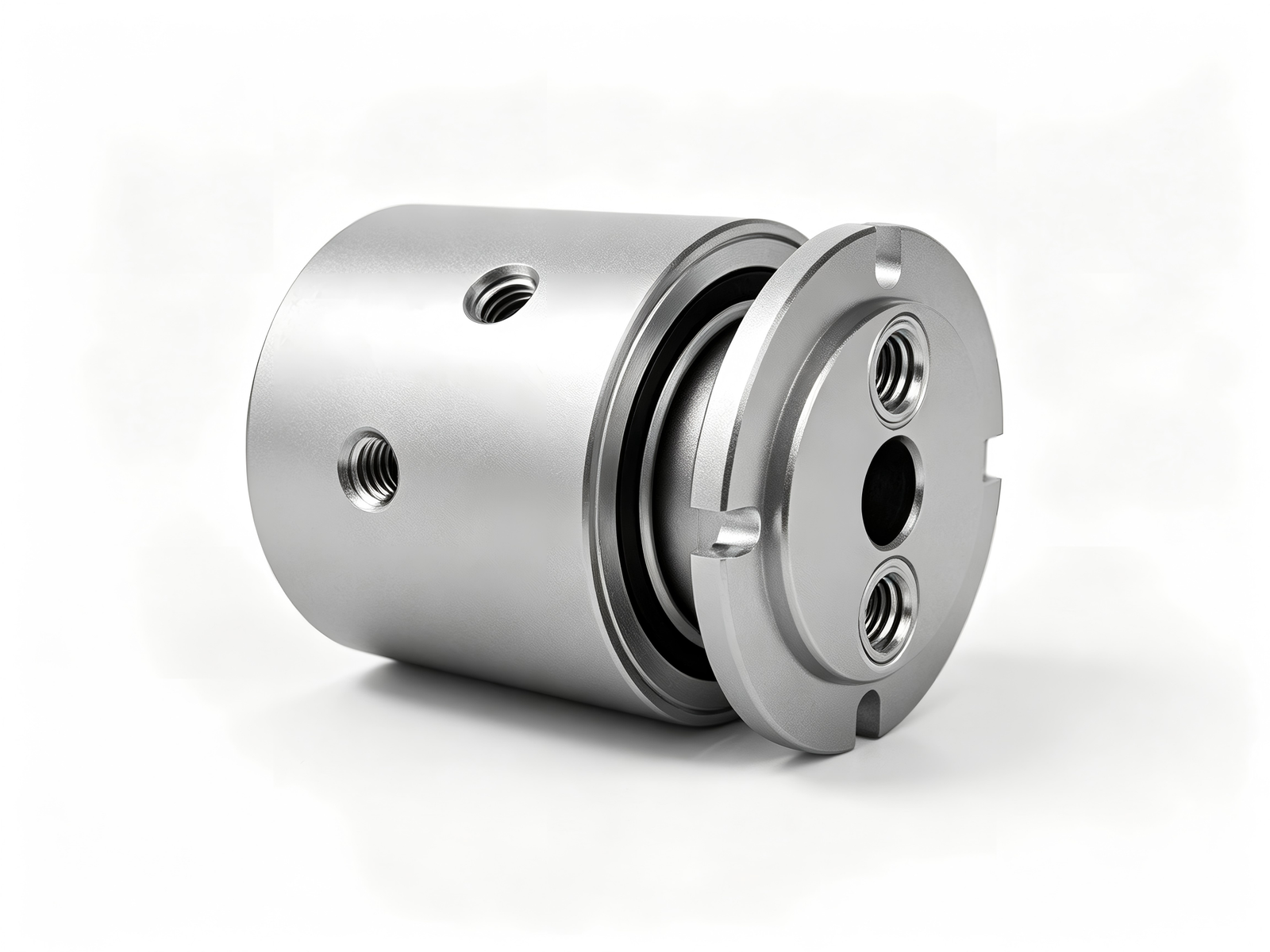
عند التصنيع 321 الفولاذ المقاوم للصدأ, الهدف هو إزالة المواد بكفاءة مع التحكم في الحرارة, تصلب العمل, أداة ارتداء الأداة, واختلاف الأبعاد.
1. استخدم أدوات القطع الحادة
تساعد حواف القطع الحادة على تقليل الاحتكاك غير الضروري وتوليد الحرارة.
تُستخدم أدوات الكربيد بشكل شائع في تصنيع الآلات لأنها توفر مقاومة جيدة للتآكل ويمكنها الحفاظ على أداء القطع في ظل الظروف المناسبة.
تعتمد هندسة الأداة الصحيحة على العملية, جزء هندسة, والانتهاء من السطح المطلوب.
2. تجنب الإفراط في استخدام الأدوات
إن السماح لأداة القطع بالبقاء ثابتة أثناء ملامستها للمادة يمكن أن يولد حرارة زائدة ويعزز تصلب العمل.
يفضل بشكل عام إجراء عملية قطع مستقرة مع تغذية ومشاركة متسقة.
3. الحفاظ على ظروف القطع المناسبة
يجب تحسين سرعة القطع ومعدل التغذية بناءً على ذلك:
- مادة الأداة
- قطر الأداة
- صلابة الآلة
- هندسة الجزء
- الحالة المادية
- عمق القطع
- استراتيجية المبرد
لا توجد معلمة قطع واحدة تناسب الجميع 321 مشروع تصنيع الفولاذ المقاوم للصدأ CNC.
عادةً ما يقوم الميكانيكيون ذوو الخبرة بتحسين المعلمات من خلال توصيات الأدوات وتجارب الإنتاج.
4. استخدم سائل التبريد والتشحيم الفعال
يمكن أن يساعد المبرد في التحكم في الحرارة وتحسين عمر الأداة.
لمكونات الدقة, يمكن أن يساعد توصيل سائل التبريد المناسب أيضًا في تحسين إخلاء الرقاقة وتقليل خطر إتلاف الرقائق للسطح النهائي.
يجب أن يكون نوع سائل التبريد الدقيق متوافقًا مع عملية التصنيع ومتطلبات معالجة السطح اللاحقة.
5. السيطرة على تصلب العمل
يعد تصلب العمل أحد التحديات الرئيسية عند التشغيل الآلي 321 الفولاذ المقاوم للصدأ.
للحد من المخاطر:
- الحفاظ على تغذية متسقة
- تجنب فرك الأداة على المادة
- استخدم أدوات حادة
- تجنب أداة لا لزوم لها يسكن
- الحفاظ على عمق كاف للقطع عندما يكون ذلك مناسبا
- تحسين مسارات الأداة
يمكن لاستراتيجية المعالجة المستقرة أن تحسن بشكل كبير الإنتاجية وجودة الأجزاء.
عمليات التصنيع باستخدام الحاسب الآلي ل 321 الفولاذ المقاوم للصدأ
321 يمكن معالجة الفولاذ المقاوم للصدأ باستخدام طرق التصنيع المختلفة باستخدام الحاسب الآلي.
تحول باستخدام الحاسب الآلي
تحول باستخدام الحاسب الآلي مناسبة للإنتاج:
- مهاوي
- البطانات
- الأكمام
- دبابيس
- توصيلات
- الشفاه
- مكونات أسطوانية
يمكن اعتبار الخراطة CNC من النوع السويسري مناسبة للاستخدامات الصغيرة, طويل, أو مكونات دقيقة للغاية.
الطحن باستخدام الحاسب الآلي
الطحن باستخدام الحاسب الآلي مناسبة للهندسة المعقدة, مشتمل:
- العلب
- قوسين
- مكونات التركيب
- أجزاء الفضاء الجوي
- تركيبات مخصصة
- مكونات صناعية دقيقة
3-محور, 4-محور, ويمكن اختيار التصنيع باستخدام الحاسب الآلي ذو 5 محاور وفقًا لمتطلبات الهندسة والتسامح.
الحفر والتنصت باستخدام الحاسب الآلي
321 يمكن حفر الفولاذ المقاوم للصدأ واستغلاله, ولكن يجب التحكم بعناية في اختيار الأداة وظروف القطع.
يمكن أن تؤدي ظروف التصنيع السيئة إلى:
- كسر الأداة
- تصلب العمل
- نوعية الخيط سيئة
- الحرارة المفرطة
- عدم دقة الأبعاد
طحن باستخدام الحاسب الآلي
يمكن استخدام الطحن عند الحاجة إلى تفاوتات أبعاد ضيقة للغاية أو تشطيبات سطحية محددة.
يجب اختيار معلمات الطحن بعناية للتحكم في توليد الحرارة ومنع تلف السطح.
321 خيارات تشطيب سطح الفولاذ المقاوم للصدأ
بعد التصنيع باستخدام الحاسب الآلي أو التصنيع, 321 يمكن معالجة مكونات الفولاذ المقاوم للصدأ باستخدام طرق التشطيب المختلفة.
الانتهاء من الفرشاة
تُنشئ اللمسات النهائية المصقولة نسيجًا سطحيًا اتجاهيًا وتُستخدم بشكل شائع عندما يكون المظهر وتوحيد السطح أمرًا مهمًا.
يمكن أن يساعد أيضًا في تقليل التأثير البصري للعلامات السطحية البسيطة.
الانتهاء من مصقول
ينتج عن التلميع سطح أكثر سلاسة وأكثر انعكاسًا.
قد يتم اختياره ل:
- المكونات الزخرفية
- المعدات التي تتطلب أسطحًا ناعمة
- بعض التطبيقات الصحية
- المكونات التي يكون فيها مظهر السطح مهمًا
ماتي النهاية
توفر التشطيبات غير اللامعة مظهرًا غير عاكس وغالبًا ما تكون مفضلة للتطبيقات الصناعية.
حسب النتيجة المطلوبة, ويمكن النظر في عمليات مثل التفجير بالخرز.
التخميل
يُستخدم التخميل بشكل شائع لمكونات الفولاذ المقاوم للصدأ لتحسين نظافة السطح ومقاومته للتآكل عن طريق إزالة الحديد الحر والملوثات الأخرى التي يتم إدخالها أثناء التصنيع.
للحصول على مكونات دقيقة من الفولاذ المقاوم للصدأ, يمكن أن يكون التخميل عملية مهمة بعد التصنيع عندما تكون مقاومة التآكل ونظافة السطح أمرًا بالغ الأهمية.
الصدمة الكهربائية
يزيل التلميع الكهربائي كمية محددة من المواد من السطح ويمكن أن يحسن نعومة السطح ونظافته.
ويمكن النظر في التطبيقات حيث:
- مطلوب خشونة سطح منخفضة
- قابلية التنظيف مهمة
- يجب التقليل من التلوث السطحي
- مطلوب الانتهاء من السطح عالي الجودة
يجب اختيار طريقة التشطيب المناسبة بناءً على وظيفة المكون بدلاً من المظهر وحده.
الأسئلة المتداولة حول 321 الفولاذ المقاوم للصدأ
ما هو 321 الفولاذ المقاوم للصدأ?
321 الفولاذ المقاوم للصدأ عبارة عن فولاذ مقاوم للصدأ الأوستنيتي مثبت بالتيتانيوم مصمم للتطبيقات التي تتطلب مقاومة جيدة للتآكل وأداء موثوقًا به في درجات حرارة مرتفعة.
يكون 321 الفولاذ المقاوم للصدأ جيد لتطبيقات درجات الحرارة العالية?
نعم. 321 يستخدم الفولاذ المقاوم للصدأ على نطاق واسع في التطبيقات ذات درجات الحرارة العالية بسبب استقراره من التيتانيوم, مقاومة التآكل الحبيبي بعد التعرض الحراري, ومقاومة جيدة للأكسدة والتحجيم.
ما هو الفرق بين 304 و 321 الفولاذ المقاوم للصدأ?
والفرق الأساسي هو استقرار التيتانيوم. 321 الفولاذ المقاوم للصدأ مثبت بالتيتانيوم, مما يجعلها مناسبة بشكل خاص لبعض التطبيقات ذات درجات الحرارة العالية والتدوير الحراري. 304 يعتبر الفولاذ المقاوم للصدأ بشكل عام أكثر اقتصادا ويستخدم على نطاق واسع في التطبيقات المقاومة للتآكل للأغراض العامة.
يكون 321 الفولاذ المقاوم للصدأ سهل الماكينة?
321 يمكن تشكيل الفولاذ المقاوم للصدأ باستخدام الحاسب الآلي, ولكنه يتطلب مراقبة دقيقة للعملية. يمكن أن يؤدي ميلها إلى العمل بقوة إلى زيادة تآكل الأدوات وصعوبة التصنيع. أدوات حادة, ظروف القطع المستقرة, المبرد الفعال, ومعلمات المعالجة المناسبة مهمة.
يكون 321 الفولاذ المقاوم للصدأ مناسب للحام?
نعم. 321 يتمتع الفولاذ المقاوم للصدأ عمومًا بقابلية لحام جيدة ويستخدم على نطاق واسع في المكونات الملحومة التي تعمل في درجات حرارة مرتفعة.
يكون 321 الفولاذ المقاوم للصدأ المغناطيسي?
321 الفولاذ المقاوم للصدأ بشكل عام غير مغناطيسي في الحالة الصلبة. لكن, يمكن أن يؤدي العمل البارد إلى زيادة استجابته المغناطيسية إلى حد ما.
ما التشطيبات السطحية المتاحة ل 321 الفولاذ المقاوم للصدأ?
تشمل الخيارات الشائعة الفرشاة, مصقول, مادة, حبة انتقد, أرضي, تخميله, والتشطيبات المصقولة بالكهرباء. يعتمد التشطيب المناسب على المتطلبات الوظيفية والجمالية للمكون.
يكون 321 الفولاذ المقاوم للصدأ مقاوم للتآكل?
نعم. 321 يوفر الفولاذ المقاوم للصدأ مقاومة جيدة للتآكل في العديد من البيئات. يعمل تثبيت التيتانيوم أيضًا على تحسين مقاومة التآكل بين الحبيبات بعد التعرض لدرجات حرارة عالية معينة. لكن, يجب دائمًا تقييم البيئة الدقيقة قبل اختيار المواد.
ما الصناعات المستخدمة 321 الفولاذ المقاوم للصدأ?
321 يستخدم الفولاذ المقاوم للصدأ بشكل شائع في مجال الطيران, السيارات, المعالجة الكيميائية, النفط والغاز, توليد الطاقة, المعالجة الحرارية, وتطبيقات المعدات الصناعية.
كيف أختار بين 321, 304, 316, و 347 الفولاذ المقاوم للصدأ?
الاختيار يعتمد على التطبيق. 304 هي درجة متعددة الأغراض للأغراض العامة, 316 غالبًا ما يتم اختياره لتحسين مقاومة الكلوريد, 321 مناسب تمامًا للعديد من التطبيقات ذات درجات الحرارة العالية, و 347 هي درجة أوستنيتي مستقرة أخرى تستخدم في بيئات معينة ذات درجات حرارة عالية.
الأفكار النهائية: يكون 321 الفولاذ المقاوم للصدأ مناسب لمشروعك?
تركيبته المستقرة من التيتانيوم تجعله ذو قيمة خاصة للمكونات المعرضة لدرجات حرارة مرتفعة ودورة حرارية. هذا هو السبب في أنه يعتبر على نطاق واسع لمكونات الطيران, أنظمة العادم, معدات المعالجة الكيميائية, المبادلات الحرارية, مكونات الفرن, وغيرها من التطبيقات الصناعية الصعبة.
لكن, إن اختيار المادة المناسبة ليس سوى جزء من العملية الهندسية. تعتمد جودة المكون النهائي أيضًا على طريقة التصنيع, استراتيجية التصنيع, التسامح, الانتهاء من السطح, متطلبات التفتيش, ومراقبة الجودة.
تحتاج العرف 321 أجزاء من الفولاذ المقاوم للصدأ? أرسل الخاص بك 2رسم د, 3نموذج D CAD, الكمية المطلوبة, مواصفات المواد, ومتطلبات التسامح للحصول على مراجعة وعروض أسعار احترافية لسوق دبي المالي. فريقنا الهندسي يمكن تقييم مشروعك والتوصية بالأنسب التصنيع باستخدام الحاسب الآلي أو عملية التصنيع للتطبيق الخاص بك.


