



على عكس طرق الإنتاج الضخم التقليدية, تمنح الآلات CNC مصنعي الدراجات تحكمًا أكبر في اختيار المواد, دقة الأبعاد, تحسين الوزن, والتخصيص. وهذا يجعلها مناسبة بشكل خاص للدراجات المتميزة, دراجات السباق, دراجات جبلية, الدراجات الإلكترونية, يبني دراجة مخصصة, ومنخفضة- إلى إنتاج متوسط الحجم.
ولكن ما هي أجزاء الدراجات التي يتم تصنيعها بالفعل باستخدام الآلات CNC؟? لماذا يفضل التصنيع باستخدام الحاسب الآلي لهذه المكونات? ما هي المواد شائعة الاستخدام? ومتى يجب على الشركة المصنعة للدراجات اختيار التصنيع باستخدام الحاسب الآلي بدلاً من الصب أو الحدادة?
يشرح هذا الدليل الأكثر شيوعًا قطع غيار الدراجات الهوائية باستخدام الحاسب الآلي, مزايا وقيود التصنيع باستخدام الحاسب الآلي, خيارات المواد, اعتبارات التصنيع, وكيفية اختيار الشريك المناسب لتصنيع CNC.
1. ما هي التصنيع باستخدام الحاسب الآلي ولماذا هي مهمة لأجزاء الدراجات?
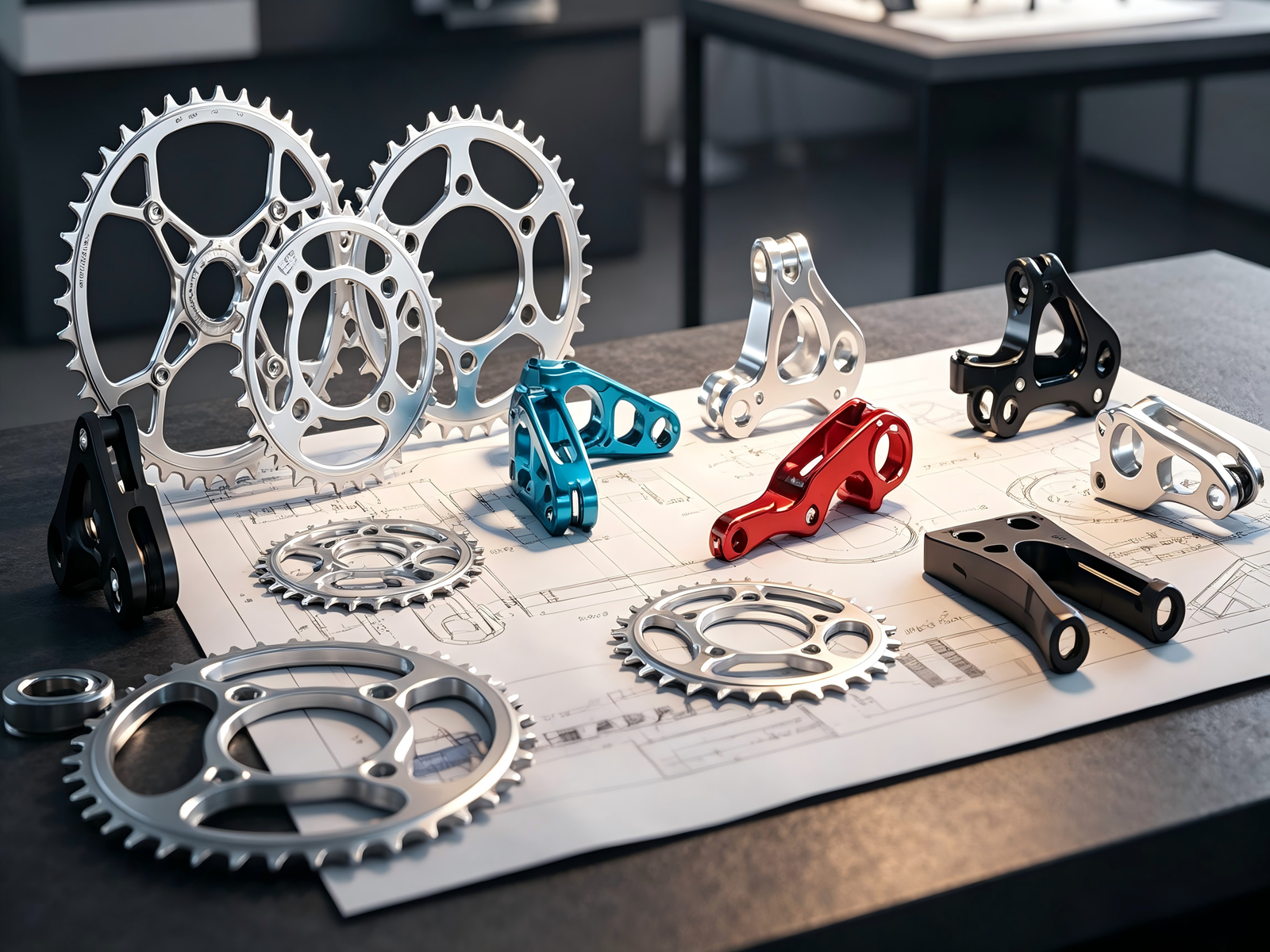
1.1 ما هي التصنيع باستخدام الحاسب الآلي?
CNC لتقف على التحكم العددي بالكمبيوتر. التصنيع باستخدام الحاسب الآلي هي عملية تصنيع طرحية تقوم فيها الآلات التي يتم التحكم فيها بواسطة الكمبيوتر بإزالة المواد من قطعة العمل الصلبة لإنشاء مكون نهائي.
تبدأ عملية التصنيع عادةً بنموذج CAD الرقمي. يقوم المهندسون بتحويل التصميم إلى تعليمات الآلة باستخدام برنامج CAM. تقوم ماكينة CNC بعد ذلك بالتحكم في حركة أدوات القطع على طول محاور متعددة لإزالة المواد بدقة وفقًا للهندسة المبرمجة.
اعتمادا على المكونات ومتطلبات التصميم, قد تستخدم الشركات المصنعة:
- 3-محور طحن CNC
- 4-محور CNC الآلات
- 5-محور CNC الآلات
- تحول باستخدام الحاسب الآلي
- تحول وطحن باستخدام الحاسب الآلي
- التصنيع باستخدام الحاسب الآلي من النوع السويسري
لمكونات الدراجة, الطحن باستخدام الحاسب الآلي شائع بشكل خاص لأن العديد من الأجزاء تتطلب جيوبًا معقدة, الأسطح المنحنية, المملون, ثقوب مترابطة, والهياكل خفيفة الوزن.
يمكن لهذه العملية إنتاج مكونات مباشرة من مواد مثل الألومنيوم, التيتانيوم, الفولاذ المقاوم للصدأ, فُولاَذ, نحاس, والبلاستيك الهندسي.
1.2 لماذا يعتبر التصنيع باستخدام الحاسب الآلي مناسبًا لمكونات الدراجات؟?
تعمل مكونات الدراجة تحت نطاق واسع من الأحمال الميكانيكية. تواجه أذرع الكرنك عزم دوران متكرر, المحاور تحمل أحمال العجلات, يجب أن تتحمل السيقان قوى التوجيه, وتحتاج مكونات الفرامل إلى الحفاظ على محاذاة دقيقة تحت الضغط الميكانيكي والحراري.
لهذه التطبيقات, يمكن أن تؤثر أخطاء الأبعاد الصغيرة:
- تناسب المكون
- الأداء الميكانيكي
- سلامة الراكب
- وزن
- متانة
- الضوضاء والاهتزاز
- كفاءة التجميع
إن التصنيع باستخدام الحاسب الآلي مناسب تمامًا لهذه المتطلبات لأنه يوفر تحكمًا ممتازًا في الأبعاد وإمكانية التكرار.
على سبيل المثال, يمكن تصنيع المحور المُشكَّل باستخدام الحاسب الآلي بمقاعد تحمل دقيقة وتجويف متحدة المركز. يمكن أن يحافظ الجذع المُشكَّل باستخدام الحاسب الآلي على أسطح تثبيت دقيقة. يمكن إنتاج شماعات derailleur بفتحات تثبيت دقيقة وميزات محاذاة.
يعد هذا المستوى من الدقة ذا قيمة خاصة عندما يجب أن تعمل مكونات متعددة معًا كنظام دراجة كامل.
2. ما هي أجزاء الدراجات التي يتم تصنيعها عادةً باستخدام الآلات CNC؟?
ليس كل مكون دراجة يتطلب التصنيع باستخدام الحاسب الآلي. لكن, الأجزاء التي تتطلب دقة عالية, هندسة معقدة, بناء خفيف الوزن, أو التخصيص غالبًا ما يكون مرشحًا ممتازًا.
فيما يلي بعض أجزاء الدراجات الأكثر شيوعًا التي يتم تصنيعها باستخدام الحاسب الآلي.
2.1 مجموعات الكرنك وأذرع الكرنك المُصنعة باستخدام الحاسب الآلي
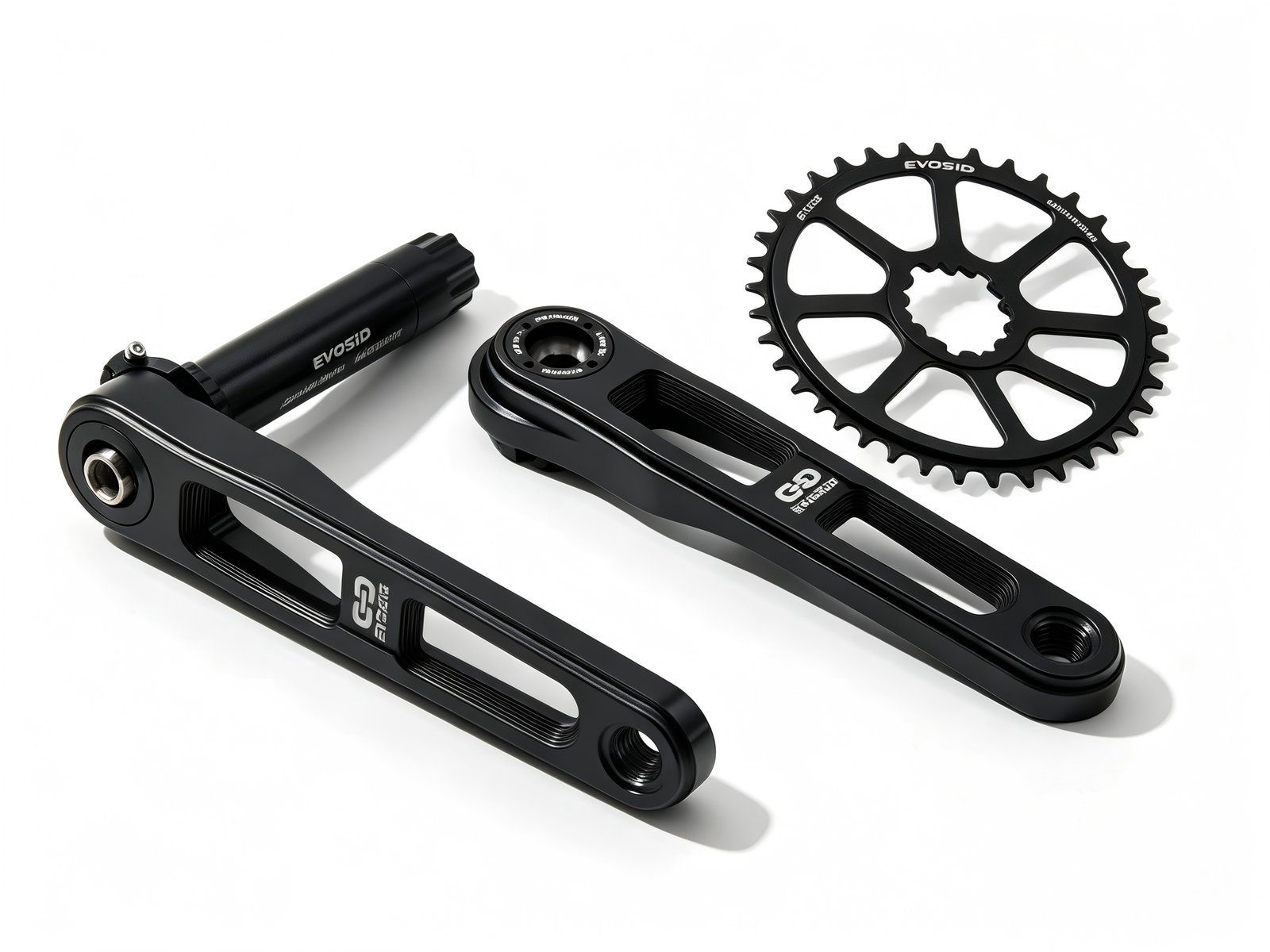
تعد أذرع الكرنك من بين مكونات الدراجات الأكثر تطلبًا لأنها تنقل قوة دواسة الراكب مباشرة إلى نظام نقل الحركة.
أثناء التشغيل العادي, تواجه أذرع الكرنك عزم دوران متكرر وتحميل دوري. ولذلك فهي تتطلب مزيجا من:
- قوة عالية
- وزن منخفض
- دقة الأبعاد
- الصلابة الهيكلية
- مقاومة التعب
تسمح التصنيع باستخدام الحاسب الآلي للمصنعين بتحسين هندسة ذراع الكرنك عن طريق إزالة المواد من المناطق منخفضة الضغط مع الحفاظ على مادة كافية حول المناطق الحاملة الحرجة.
تعتبر سبائك الألومنيوم مثل 6061-T6 و7075-T6 شائعة الاستخدام في مكونات كرنك الدراجات المُشكَّلة بواسطة CNC.
يمكن للتصنيع باستخدام الحاسب الآلي أيضًا إنشاء دقة:
- خيوط الدواسة
- واجهات القوس السفلي
- فتحات تركيب سلسلة
- جيوب لتخفيض الوزن
- ميزات الديكور
لمصنعي الدراجات المتميزة, يمكن للتصنيع باستخدام الحاسب الآلي أن يوفر حرية تصميم أكبر من عمليات التصنيع التقليدية.
لكن, لأن أذرع الكرنك هي مكونات مهمة للسلامة, يجب أن يتم تصميم التصميم النهائي بشكل صحيح والتحقق من صحته للأحمال والتطبيق المقصود.
2.2 سلاسل سلاسل مصنوعة باستخدام الحاسب الآلي
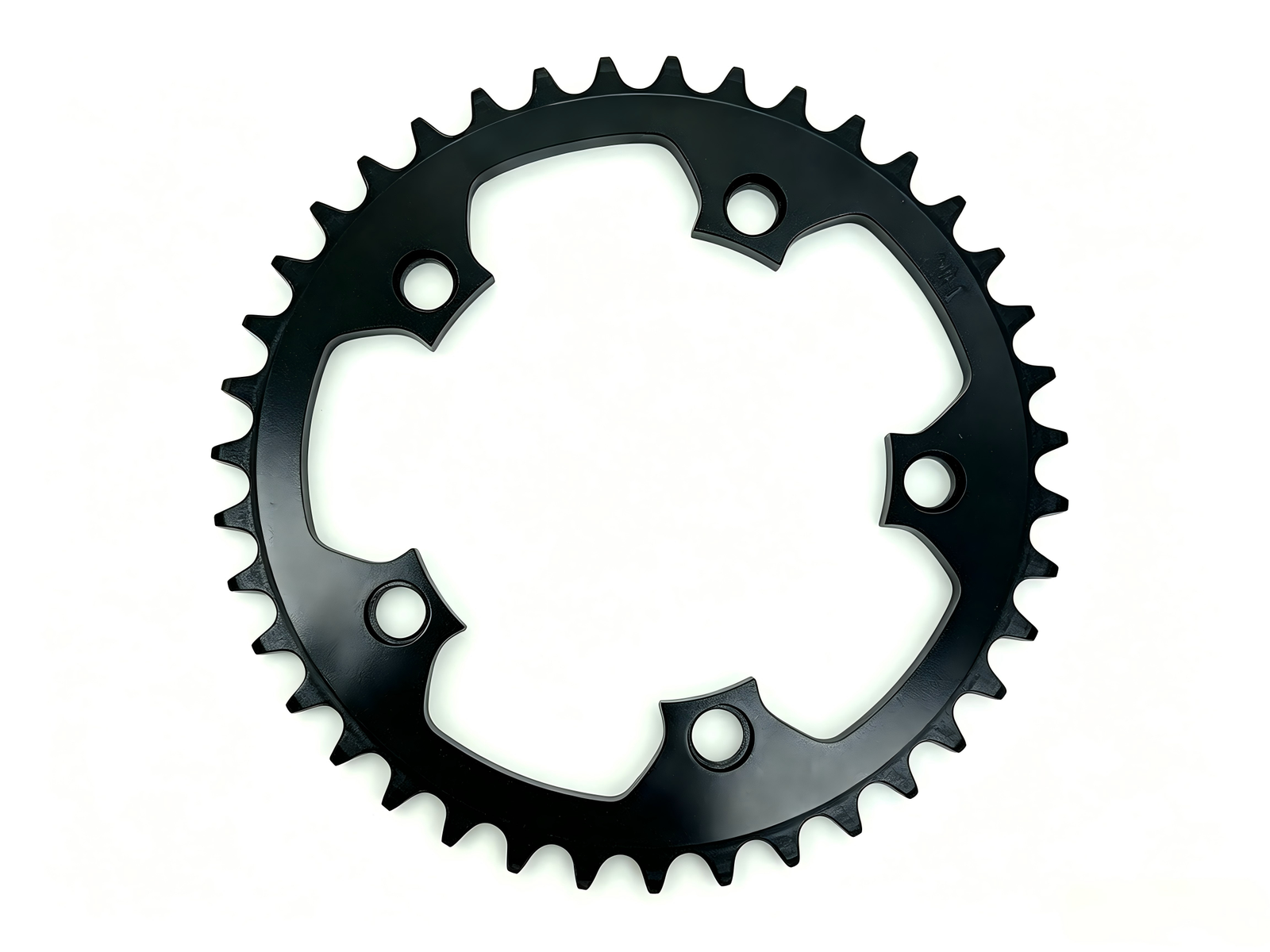
تعتبر حلقات السلسلة تطبيقًا شائعًا آخر للتصنيع الدقيق.
يؤثر شكل وتباعد أسنان السلسلة بشكل مباشر على أداء نظام نقل الحركة. يمكن أن تؤثر الاختلافات الصغيرة في هندسة الأسنان:
- خطوبة السلسلة
- تحول الأداء
- ضوضاء
- يرتدي
- نقل الطاقة
يمكن للتصنيع باستخدام الحاسب الآلي أن ينتج ملفات تعريف أسنان وواجهات تركيب دقيقة للغاية.
كما أنها مناسبة للتصاميم المتخصصة مثل:
- سلاسل دائرية قياسية
- سلاسل بيضاوية
- سلاسل ضيقة واسعة
- سلاسل خفيفة الوزن مخصصة
- سلاسل أداء محدودة الإنتاج
تسمح التصنيع باستخدام الحاسب الآلي للمصنعين بتحسين هيكل السلسلة عن طريق إزالة المواد الزائدة مع الحفاظ على القوة الكافية.
بعد الآلات, قد يقوم المصنعون بتطبيق التشطيبات مثل الأكسدة, تفجير حبة, تنظيف الأسنان بالفرشاة, أو وضع علامات بالليزر لتحسين مقاومة التآكل والمظهر البصري.
2.3 المحاور والمحاور المصنعة باستخدام الحاسب الآلي
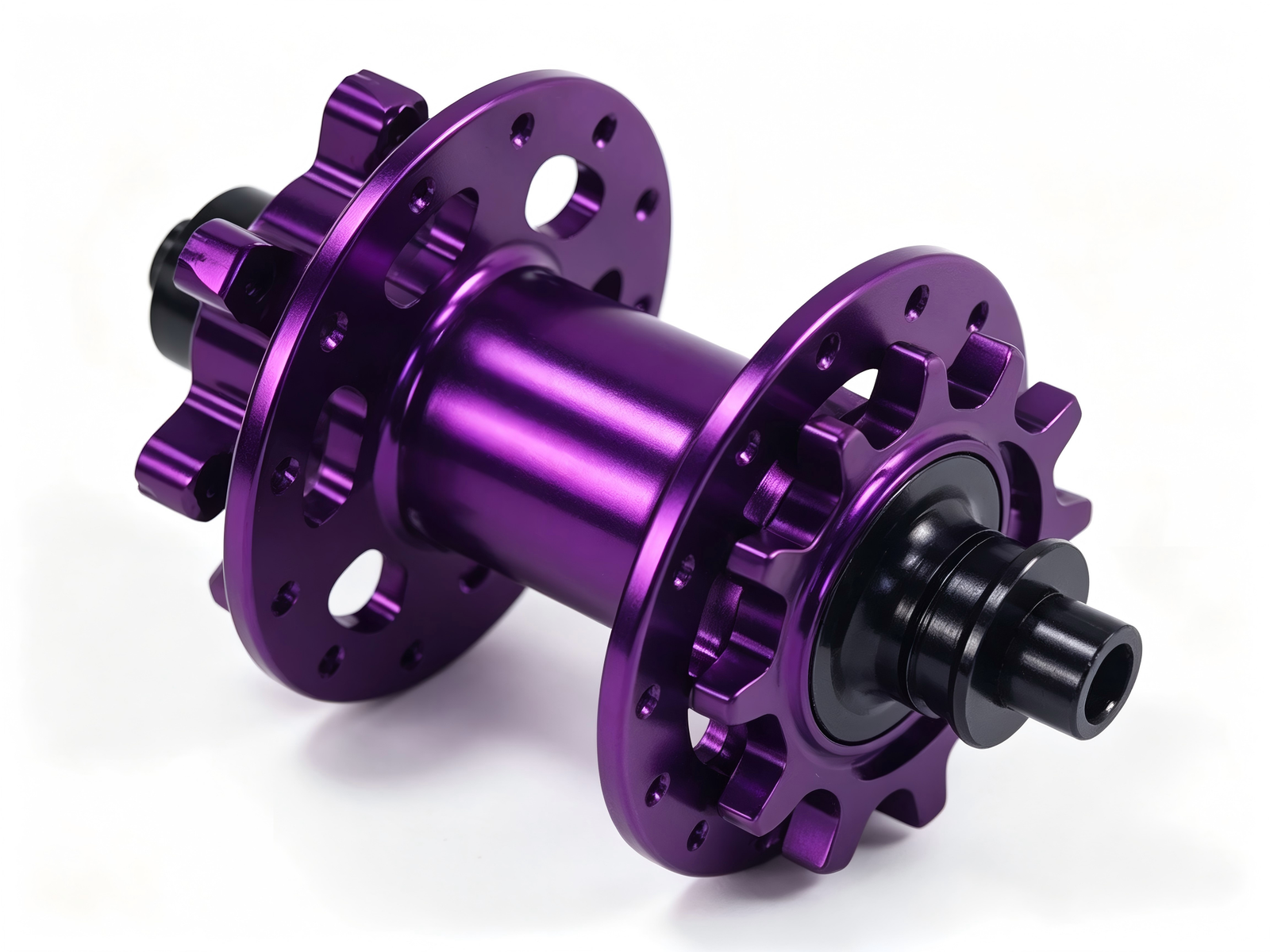
تعتبر محاور العجلات مكونات دوارة مهمة. يعتمد أدائها بشكل كبير على دقة الأبعاد والمحاذاة.
قد يتضمن المحور المُصنع باستخدام الحاسب الآلي:
- تحمل المسام
- واجهات المحور
- تكلم الثقوب
- الشفاه
- ميزات تركيب الدوار
- واجهات Freehub
تتطلب المقاعد الحاملة والتجويف المركزي اهتمامًا خاصًا. قد يؤدي ضعف التركيز أو الأبعاد غير الدقيقة إلى حدوث ذلك:
- زيادة الاحتكاك
- تحمل ارتداء
- اهتزاز
- محاذاة العجلات سيئة
- انخفاض عمر الخدمة
تسمح التصنيع باستخدام الحاسب الآلي للمصنعين بالحفاظ على علاقات دقيقة بين هذه الميزات.
تدعم العملية أيضًا تصميمات الحواف المعقدة التي يمكن أن تساعد في تحسين هندسة المتحدث وتقليل الوزن غير الضروري.
يمكن للمحاور المصنعة باستخدام الحاسب الآلي أن تستفيد بالمثل من عمليات الدوران والطحن الدقيقة, خاصة عندما تكون هناك حاجة إلى تركيبات ضيقة وخيوط دقيقة.
2.4 ماسكات الفرامل وأذرع الفرامل المُصنعة باستخدام الحاسب الآلي
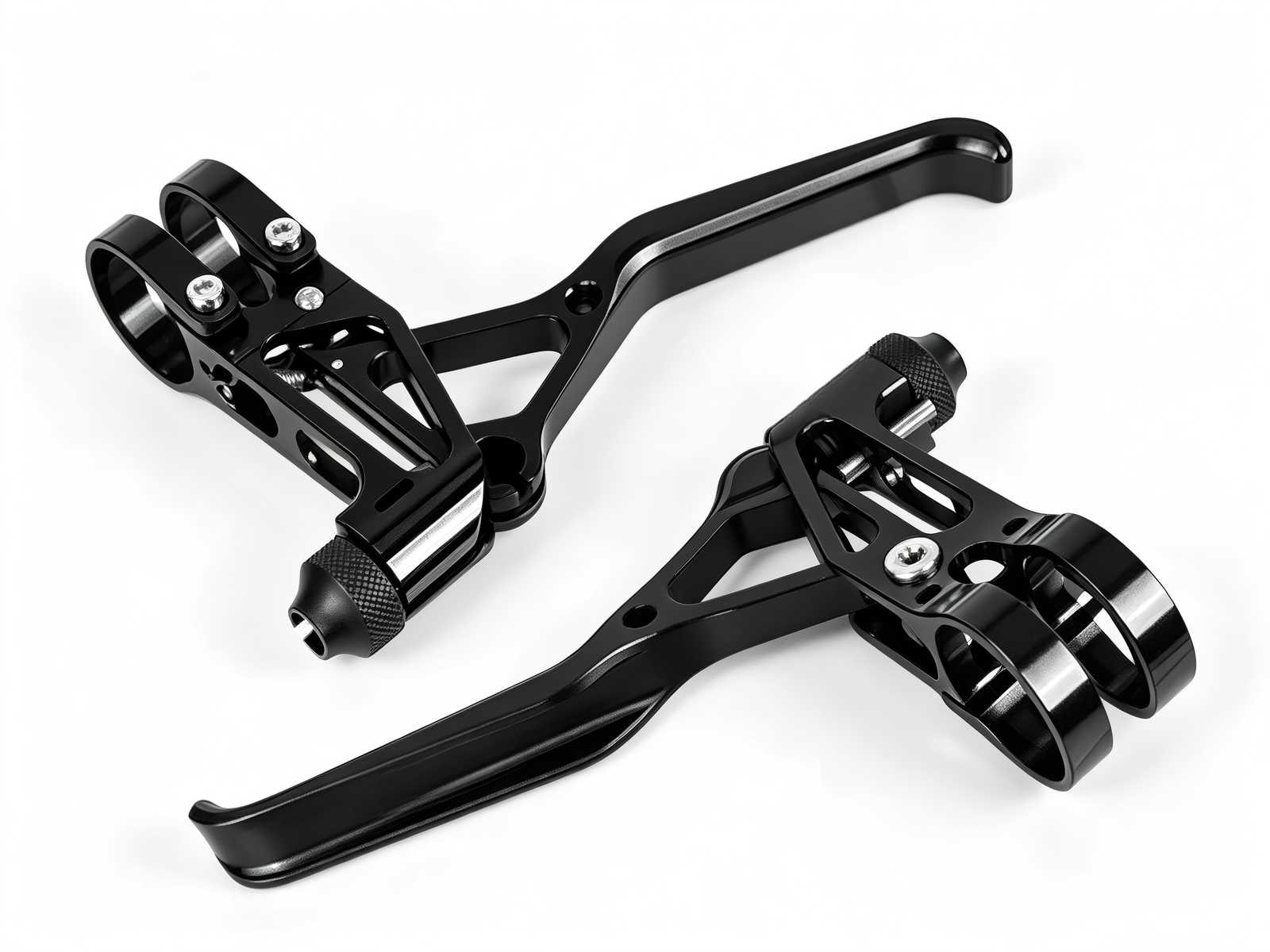
مكونات الفرامل هي أجزاء مهمة للسلامة وتتطلب محاذاة دقيقة وأداء ميكانيكيًا موثوقًا.
يمكن للتصنيع باستخدام الحاسب الآلي أن ينتج ملاقط وأذرع الفرامل:
- أسطح تركيب دقيقة
- فتحات محورية دقيقة
- هياكل خفيفة الوزن
- الهندسة الداخلية المعقدة
- ملامح مريحة على نحو سلس
للدراجات عالية الأداء, غالبًا ما يرغب المصممون في تقليل الوزن مع الحفاظ على الصلابة الكافية.
تسمح التصنيع باستخدام الحاسب الآلي بإزالة المواد بشكل استراتيجي من المناطق منخفضة الضغط مع الحفاظ على المواد الهيكلية حول الواجهات المهمة.
لأذرع الفرامل, تتيح الآلات CNC أيضًا للمصنعين تطوير أشكال مريحة مخصصة وتصميمات خاصة بالعلامة التجارية.
ل الأنظمة الهيدروليكية, قد تكون هناك حاجة إلى عمليات تصنيع إضافية لإنشاء ممرات سوائل داخلية وواجهات مانعة للتسرب.
لأن أنظمة الكبح تؤثر بشكل مباشر على سلامة الراكب, يجب تصميم المكونات, المصنعة, واختبارها وفقًا لمتطلبات التطبيق ذات الصلة.
2.5 سيقان الدراجات الآلية باستخدام الحاسب الآلي
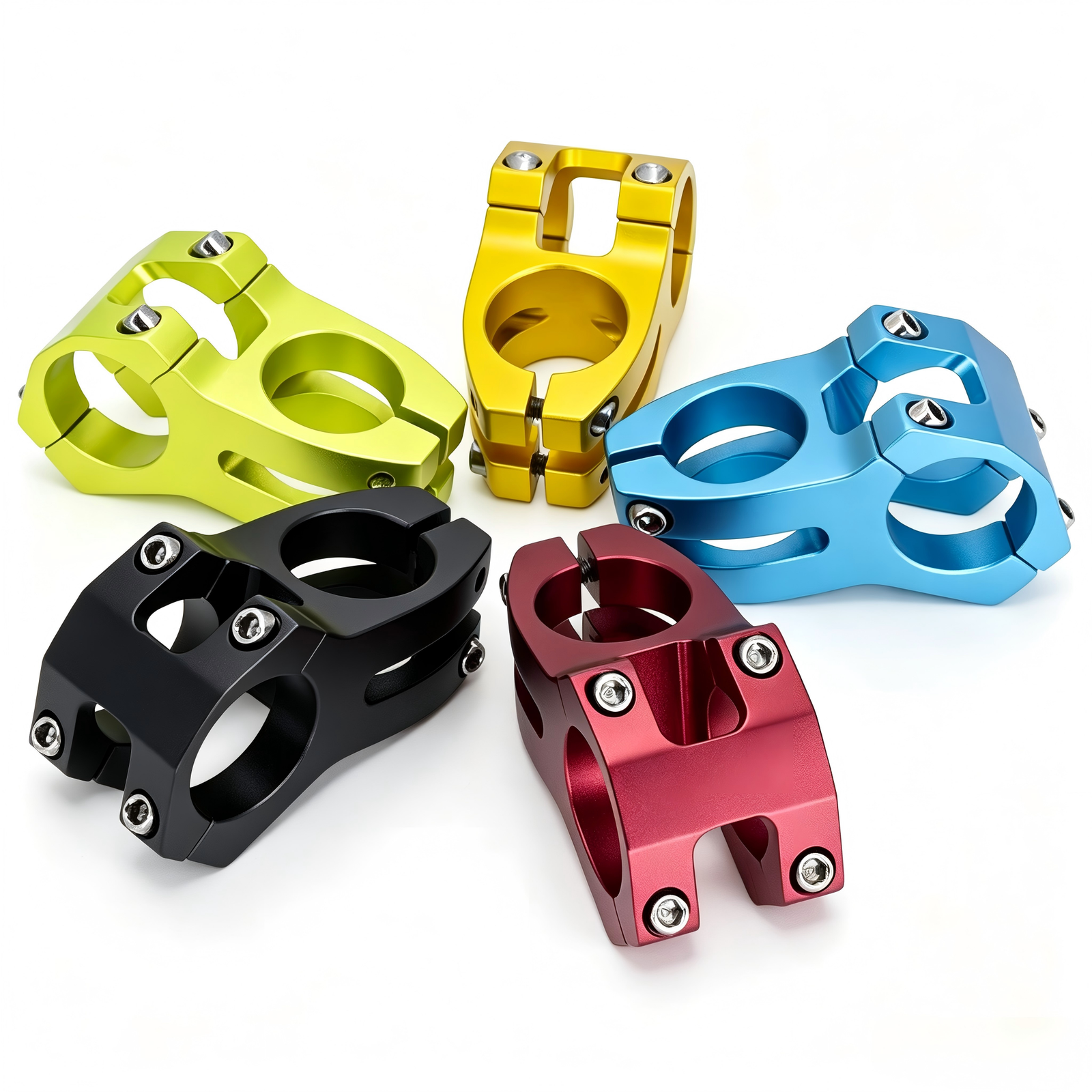
يربط جذع الدراجة المقاود بنظام التوجيه ويلعب دورًا مهمًا في التعامل والتحكم في الراكب.
عادةً ما يتطلب الجذع المُشكَّل باستخدام الحاسب الآلي الدقة:
- أسطح تثبيت المقود
- واجهات أنبوب التوجيه
- فتحات الترباس
- ثقوب مترابطة
- ميزات المحاذاة
يمكن للمصنعين استخدام التصنيع باستخدام الحاسب الآلي لإنشاء تصميمات خفيفة الوزن مع جيوب وقواطع موضوعة بعناية.
وتشمل المزايا الرئيسية:
- دقة أبعاد عالية
- لقط متسق
- تحسين الوزن
- هندسة مخصصة
- تشطيبات سطحية متميزة
تسمح التصنيع باستخدام الحاسب الآلي أيضًا لماركات الدراجات بدمج الشعارات, التفاصيل الزخرفية, وعناصر التصميم المميزة.
للطريق الراقية, جبل, الحصى, ودراجات السباق, إن الجمع بين الدقة والبناء الخفيف يجعل من التصنيع باستخدام الحاسب الآلي خيارًا جذابًا.
2.6 دواسات الدراجات الآلية باستخدام الحاسب الآلي
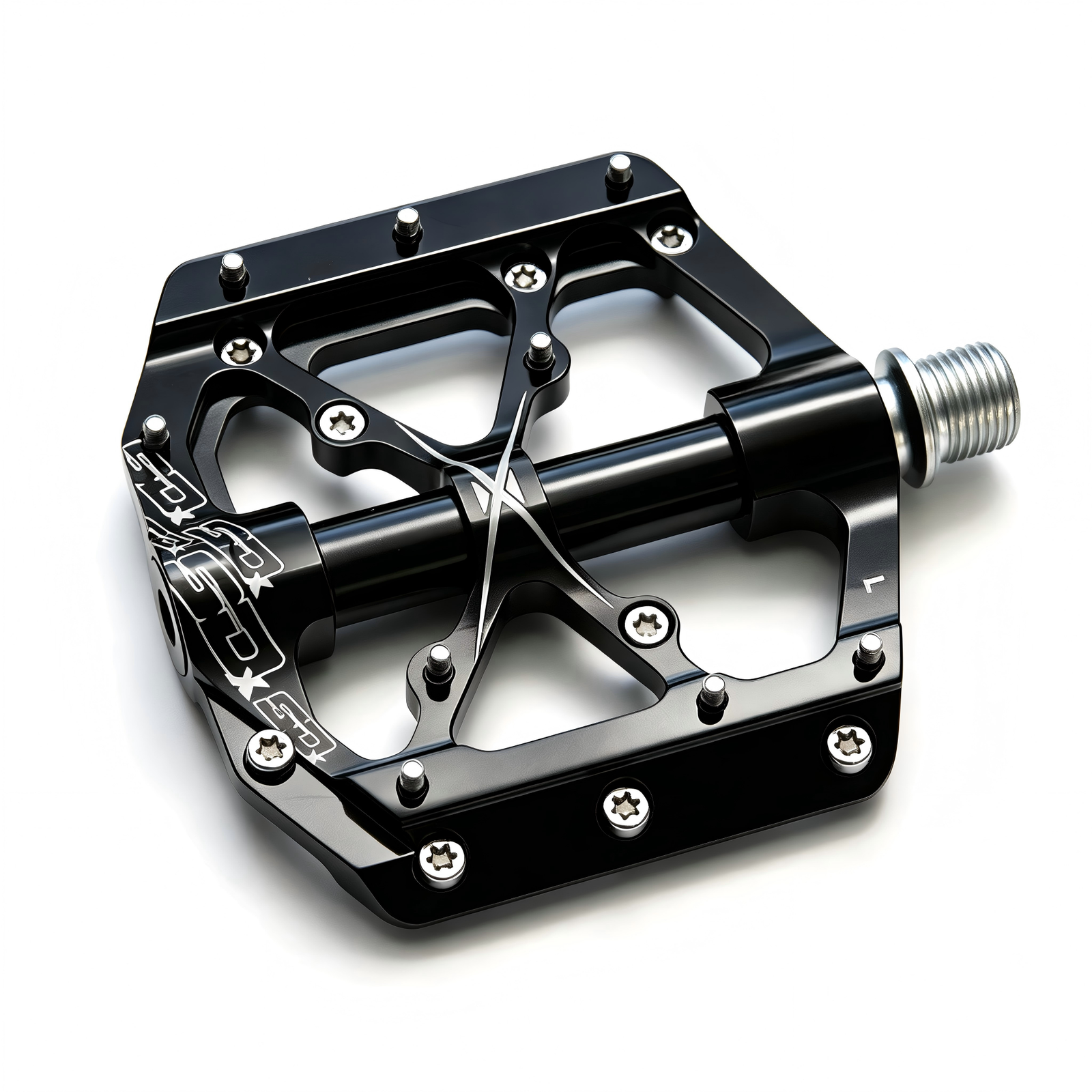
يجب أن تتحمل الدواسات الصدمات المتكررة, القوى الدورانية, ووزن الراكب.
يمكن استخدام التصنيع باستخدام الحاسب الآلي لتصنيع أجسام الدواسات ومكونات الدواسات الأخرى بميزات مخصصة مثل:
- أسطح القبضة
- ثقوب الدبوس
- تحمل تجاويف
- جيوب خفيفة الوزن
- ملامح مخصصة
تُستخدم سبائك الألومنيوم بشكل شائع في أجسام الدواسات الموجهة للأداء.
تسمح الآلات CNC للمصنعين بموازنة القوة والوزن مع إنشاء تصميمات فريدة لأنماط الركوب المختلفة.
على سبيل المثال, قد تعطي دواسات الدراجة الجبلية الأولوية لمقاومة الصدمات والقبضة, بينما قد تركز مكونات دراجة الطريق بشكل أكبر على الوزن المنخفض والتصميم الديناميكي الهوائي.
2.7 مشابك عمود المقعد بآلة CNC
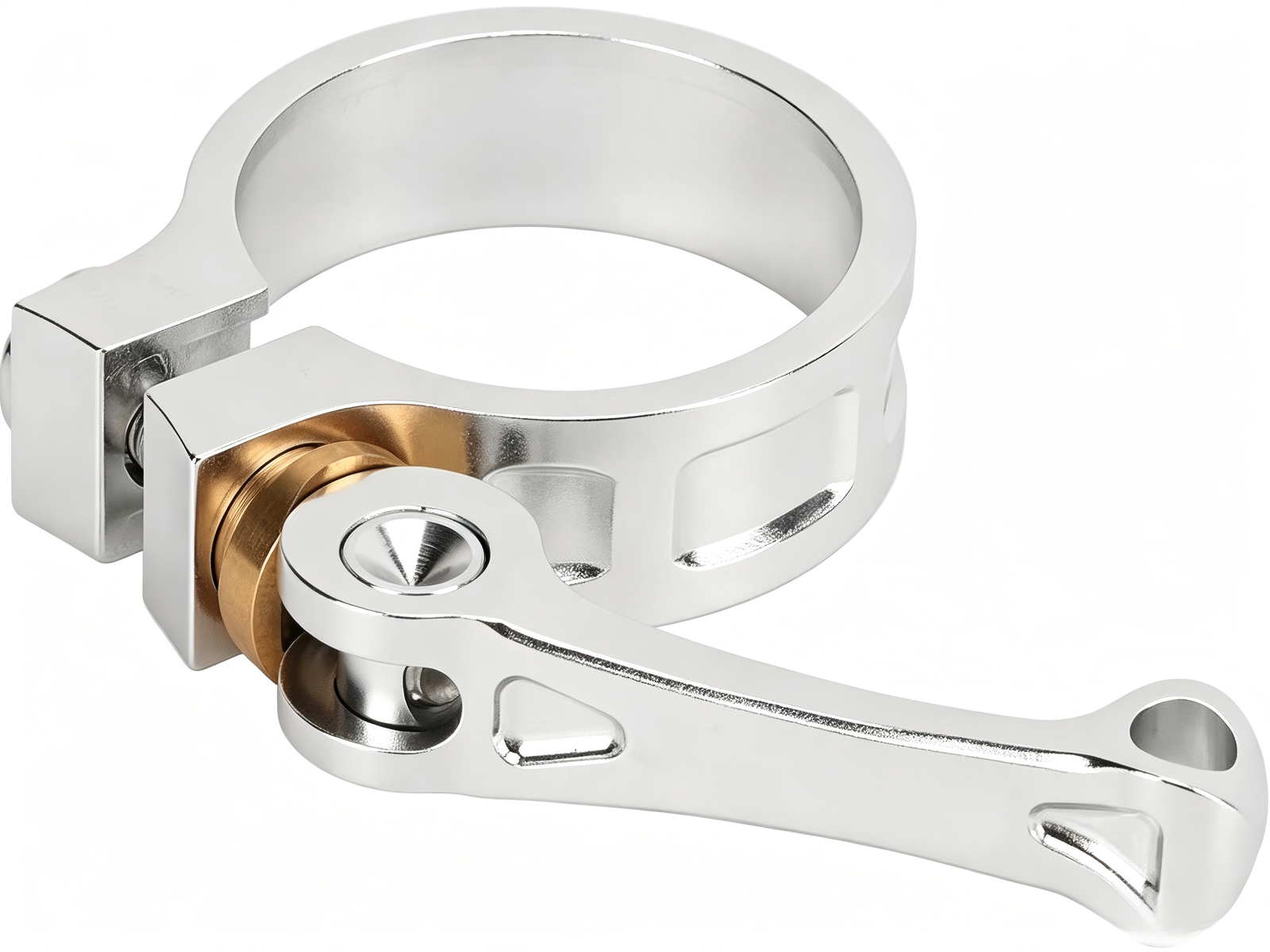
على الرغم من أنها صغيرة نسبيا, تعد مشابك عمود المقعد من المكونات المهمة التي تتطلب قوة تثبيت ثابتة.
يمكن للتصنيع باستخدام الحاسب الآلي أن ينتج واجهات دقيقة تساعد في توزيع ضغط التثبيت بالتساوي حول عمود المقعد.
وتشمل الفوائد:
- أبعاد دقيقة
- لقط متسق
- بناء خفيف الوزن
- تصاميم مخصصة
- تشطيبات عالية الجودة
يمكن للمصنعين أيضًا إضافة شعارات محفورة بالليزر أو عناصر تجارية أخرى لإضفاء مظهر متميز.
2.8 أجزاء الدراجات الأخرى شائعة التصنيع باستخدام الحاسب الآلي
أبعد من المكونات الرئيسية المذكورة أعلاه, يتم استخدام التصنيع باستخدام الحاسب الآلي أيضًا في العديد من أجزاء الدراجات المتخصصة.
قد تشمل هذه:
- الشماعات Derailleur
- المتسربين
- مكونات القوس السفلي
- مكونات السماعة
- قبعات كرنك
- مكونات التعليق
- محولات الفرامل
- أدلة الكابلات
- تصاعد بين قوسين
- أقواس محرك الدراجة الإلكترونية
- مكونات تركيب البطارية
- تجهيزات الإطار المخصصة
للدراجات الإلكترونية, تعد المعالجة باستخدام الحاسب الآلي مفيدة بشكل متزايد للمكونات الميكانيكية المخصصة التي تربط الأنظمة الكهربائية, البطاريات, المحركات, وإطارات الدراجات.
تعتمد ملاءمة التصنيع باستخدام الحاسب الآلي على هندسة الجزء, مادة, كمية, متطلبات التسامح, وميزانية الإنتاج.
3. لماذا يفضل مصنعو الدراجات التصنيع باستخدام الحاسب الآلي؟?
التصنيع باستخدام الحاسب الآلي ليس دائمًا أرخص عملية تصنيع. لكن, فهو يوفر مزيجًا فريدًا من الدقة, المرونة, حرية التصميم, والجودة.
3.1 دقة عالية وتفاوتات صارمة
تعد الدقة أمرًا بالغ الأهمية عندما يجب أن تتوافق مكونات الدراجة معًا بدقة.
ومن الأمثلة:
- تحمل المقاعد
- واجهات المحور
- ثقوب مترابطة
- أسطح التثبيت
- فتحات التركيب
- مكونات نظام الدفع
تسمح الآلات CNC للمصنعين بالتحكم في هذه الميزات باستمرار.
لكن, من المهم أن نفهم أنه ليست كل ميزة تحتاج إلى تسامح شديد للغاية.
يمكن أن يؤدي الإفراط في تحديد التفاوتات إلى زيادة وقت المعالجة ومتطلبات الفحص دون تحسين الأداء الفعلي.
يجب على مورد CNC المحترف مراجعة الرسومات والتوصية بالتفاوتات المناسبة بناءً على وظيفة كل ميزة.
3.2 تحسين ممتاز للقوة بالنسبة للوزن
واحدة من أكبر مزايا التصنيع باستخدام الحاسب الآلي لدراجات الأداء هي القدرة على تحسين توزيع المواد.
بدلاً من تصنيع كتلة صلبة بكتلة غير ضرورية, يمكن للمهندسين إنشاء جيوب وخطوط محيطية في المناطق التي لا تكون فيها المواد ضرورية من الناحية الهيكلية.
وهذا يمكن أن يساعد في تحقيق التوازن بين:
قوة + الكزازة + وزن + الوظيفة
هذا النهج ذو قيمة خاصة ل:
- أذرع كرنك
- ينبع
- الدواسات
- محاور
- مكونات الفرامل
يجب دائمًا التحقق من صحة التصميم النهائي للأحمال الميكانيكية المقصودة, وخاصة بالنسبة للمكونات الهامة للسلامة.
3.3 تشطيب ومظهر سطحي فائق
يمكن للتصنيع باستخدام الحاسب الآلي أن ينتج حواف نظيفة, الأسطح الملساء, وتفاصيل دقيقة.
قد تشمل عمليات التشطيب الإضافية:
- أنودة
- تفجير حبة
- تنظيف الأسنان بالفرشاة
- تلميع
- طلاء مسحوق
- النقش بالليزر
لماركات الدراجات, يمكن أن يكون المظهر بنفس أهمية الأداء.
يمكن أن يساعد تشطيب السطح عالي الجودة في إنشاء هوية مرئية متميزة وتحسين مقاومة التآكل, اعتمادًا على عملية التشطيب المختارة.
3.4 مرونة التصميم والتخصيص
تعتبر المعالجة باستخدام الحاسب الآلي ذات قيمة خاصة بالنسبة للعلامات التجارية التي ترغب في تمييز منتجاتها.
يمكن للمصنعين إنشاء:
- الشعارات المخصصة
- القواطع الفريدة
- هندسة خاصة بالعلامة التجارية
- أبعاد شخصية
- تصميمات محدودة الإصدار
- الهياكل الخاصة بالأداء
على عكس العمليات التي تتطلب قوالب أو قوالب مخصصة, يمكن للتصنيع باستخدام الحاسب الآلي في كثير من الأحيان استيعاب تغييرات التصميم عن طريق تعديل برنامج CAD/CAM.
وهذا يجعلها جذابة لتطوير المنتجات ومكونات الدراجات المخصصة.
3.5 مثالية للنماذج الأولية وإنتاج الدفعات الصغيرة
غالبًا ما تكون المعالجة باستخدام الحاسب الآلي خيارًا ممتازًا عندما تكون كميات الإنتاج منخفضة نسبيًا.
يمكن استخدامه ل:
- 1-10 أجزاء النموذج الأولي
- التحقق الهندسي
- 10-100 إنتاج قطعة تجريبية
- الإنتاج التجاري بكميات صغيرة
- مراجعات المنتج
إن غياب قوالب الحقن باهظة الثمن أو قوالب الحدادة يمكن أن يجعل التصنيع باستخدام الحاسب الآلي جذابًا اقتصاديًا لتطوير المنتجات في المرحلة المبكرة.
بمجرد التحقق من صحة التصميم وزيادة حجم الإنتاج بشكل ملحوظ, يمكن للمصنعين تقييم ما إذا كانت عملية أخرى ستوفر تكلفة وحدة أقل.
3.6 الجودة المتسقة والتكرار
لماركات الدراجات, الاتساق أمر بالغ الأهمية.
يمكن أن تساعد عملية التصنيع باستخدام الحاسب الآلي الموثوقة في الحفاظ على الاتساق:
- أبعاد
- تشطيب السطح
- مواقع الحفرة
- المواضيع
- واجهات التجميع
يجب أن يكون لدى المورد المحترف أيضًا نظام موثق لمراقبة الجودة ومعدات الفحص المناسبة.
اعتمادا على المكون, قد يشمل التفتيش:
- الفرجار
- ميكرومتر
- مقاييس الارتفاع
- التفتيش CMM
- مقاييس الموضوع
- قياس خشونة السطح
4. CNC Machining vs. عمليات تصنيع أجزاء الدراجة الأخرى
يعتمد اختيار عملية التصنيع الصحيحة على حجم الإنتاج, تعقيد التصميم, مادة, تسامح, والتكلفة المستهدفة.
4.1 CNC Machining vs. صب
يعد الصب بشكل عام أكثر ملاءمة للإنتاج بكميات كبيرة لأن تكلفة الأدوات يمكن أن تنتشر عبر عدد كبير من الأجزاء.
وتشمل مزايا الصب:
- انخفاض تكلفة الوحدة بكميات كبيرة
- إنتاج معقد قريب من الشكل الصافي
- كفاءة الإنتاج الضخم
لكن, قد يتطلب الصب تصنيعًا إضافيًا لتحقيق تفاوتات صارمة.
يُفضل استخدام الآلات باستخدام الحاسب الآلي بشكل عام عندما:
- الكميات منخفضة أو معتدلة
- مطلوب التحمل الصارم
- الانتهاء من السطح مهم
- هناك حاجة إلى التخصيص
- ينبغي التقليل من الاستثمار في الأدوات
4.2 CNC Machining vs. تزوير
يمكن أن يوفر التشكيل خصائص ميكانيكية ممتازة لأن عملية التصنيع يمكن أن تحسن تدفق حبيبات المواد.
غالبًا ما يكون جذابًا للمكونات الهيكلية كبيرة الحجم.
لكن, يتطلب التزوير عادةً أدوات مخصصة وقد يكون أقل مرونة للتصميمات المخصصة للغاية.
غالبًا ما يُفضل استخدام الآلات باستخدام الحاسب الآلي:
- النماذج الأولية
- مكونات مخصصة
- هندسات معقدة
- إنتاج منخفض الحجم
- تغييرات التصميم المتكررة
لبعض مكونات الدراجة, قد يوفر الجمع بين الحدادة والتصنيع باستخدام الحاسب الآلي أفضل توازن بين القوة, يكلف, والدقة.
4.3 CNC Machining vs. صب الحقن
يستخدم صب الحقن في المقام الأول للمكونات البلاستيكية.
إنها ذات كفاءة عالية للإنتاج الضخم ولكنها تتطلب استثمارًا أوليًا في القالب.
التصنيع باستخدام الحاسب الآلي هو أكثر ملاءمة عندما:
- المكون معدني
- الكميات منخفضة نسبيا
- التصميم لا يزال يتطور
- مطلوب التحمل الصارم
لمكونات الدراجات البلاستيكية, يمكن أن تكون المعالجة باستخدام الحاسب الآلي مفيدة للنماذج الأولية, في حين أن قولبة الحقن قد تصبح أكثر اقتصادا للإنتاج بكميات كبيرة.
4.4 متى يجب عليك اختيار التصنيع باستخدام الحاسب الآلي؟?
يعد التصنيع باستخدام الحاسب الآلي بشكل عام خيارًا قويًا عندما تحتاج إليه:
- دقة أبعاد عالية
- التحمل الوظيفي الصارم
- هندسة معقدة
- تصاميم خفيفة الوزن
- تشطيبات سطحية متميزة
- مكونات الدراجة المخصصة
- نماذج أولية سريعة
- قليل- إلى إنتاج متوسط الحجم
إذا كان مشروعك يتطلب ملايين الأجزاء المتماثلة بأقل تكلفة ممكنة للوحدة, قد تكون العمليات الأخرى أكثر ملاءمة.
يجب دائمًا اختيار أفضل عملية تصنيع بناءً على دورة حياة المنتج الكاملة بدلاً من سعر الوحدة وحده.
4.5 CNC Machining vs. عمليات التصنيع الأخرى: مقارنة سريعة
| عملية التصنيع | دقة | تكلفة الأدوات | مرونة التصميم | أفضل حجم إنتاج | تطبيقات الدراجات النموذجية |
| التصنيع باستخدام الحاسب الآلي | عالي | منخفضة إلى معتدلة | ممتاز | منخفضة إلى متوسطة | أجزاء مخصصة ودقيقة |
| صب | معتدلة إلى عالية | معتدلة إلى عالية | عالي | متوسطة إلى عالية | الأجزاء المعقدة المنتجة بكميات كبيرة |
| تزوير | عالي | عالي | معتدل | متوسطة إلى عالية | الأجزاء الهيكلية عالية القوة |
| صب الحقن | عالية بالنسبة للمواد البلاستيكية | عالي | معتدل | عالي | مكونات بلاستيكية |
الاختيار الصحيح يعتمد على تصميم الجزء, مادة, كمية, تسامح, والتكلفة المستهدفة.
5. ما هي المواد المستخدمة عادة لقطع غيار الدراجات باستخدام الحاسب الآلي?
يؤثر اختيار المواد بشكل مباشر على وزن المكون, قوة, متانة, القدرة على الماكينات, والتكلفة.
5.1 سبائك الألومنيوم
يعد الألومنيوم أحد المواد الأكثر شيوعًا لمكونات الدراجات المُشكَّلة باستخدام الحاسب الآلي.
وتشمل الخيارات الشعبية:
- 6061 الألومنيوم
- 7075 الألومنيوم
6061 الألومنيوم
6061 يستخدم على نطاق واسع لأنه يقدم:
- قدرة جيدة على الماكينات
- مقاومة جيدة للتآكل
- قوة متوازنة
- تكلفة تنافسية
- توافر ممتاز
إنها مناسبة للعديد من مكونات الدراجات ذات الأغراض العامة.
7075 الألومنيوم
7075 يوفر الألومنيوم قوة أعلى من 6061 في العديد من الظروف، وغالبًا ما يتم اختياره للتطبيقات الموجهة نحو الأداء حيث تكون نسبة القوة إلى الوزن أمرًا بالغ الأهمية.
وتشمل التطبيقات المحتملة:
- ينبع
- مكونات الكرنك
- محاور
- بين قوسين عالية الأداء
- مكونات الدراجة الهيكلية
يجب أن يعتمد الاختيار النهائي للمادة على ظروف التحميل الفعلية والخصائص الميكانيكية المطلوبة.
5.2 التيتانيوم
التيتانيوم ذو قيمة:
- نسبة القوة إلى الوزن عالية
- مقاومة ممتازة للتآكل
- متانة طويلة الأمد
- مظهر ممتاز
لكن, يعد التيتانيوم بشكل عام أكثر تكلفة وأكثر صعوبة بالنسبة للآلة من الألومنيوم.
ويمكن استخدامه لمكونات الدراجات المتميزة حيث يبرر الأداء والمتانة ارتفاع تكلفة التصنيع.
5.3 الفولاذ المقاوم للصدأ
عروض الفولاذ المقاوم للصدأ:
- متانة عالية
- المقاومة للتآكل
- مقاومة التآكل جيدة
قد يكون مناسبًا للمكونات التي تتطلب قوة أكبر أو مقاومة للتآكل أكثر مما يمكن أن يوفره الألومنيوم.
العيب هو كثافته العالية, مما يجعلها أقل جاذبية للتطبيقات التي يكون فيها تقليل الوزن هو الهدف الأساسي.
5.4 البلاستيك الهندسي
يمكن أيضًا تصنيع بعض المواد البلاستيكية الهندسية باستخدام الحاسب الآلي لتطبيقات الدراجات.
تشمل المواد المحتملة:
- بوم
- نايلون
- نظرة خاطفة
يمكن اختيار هذه المواد ل:
- مكونات خفيفة الوزن
- البطانات
- فواصل
- أدلة
- مكونات عازلة
- أجزاء النموذج الأولي
يجب اختيار المادة المحددة بناءً على درجة الحرارة, يرتدي, احتكاك, قوة, والمتطلبات البيئية.
5.5 كيفية اختيار المادة المناسبة
عند اختيار مادة لقطع غيار الدراجات CNC, يعتبر:
- الأحمال الميكانيكية
- القوة المطلوبة
- هدف الوزن
- بيئة التآكل
- ارتداء المقاومة
- القدرة على التصنيع
- متطلبات التشطيب السطحي
- كمية الإنتاج
- ميزانية
يجب أن يكون مورد التصنيع باستخدام الحاسب الآلي المؤهل قادرًا على تقديم توصيات مادية أثناء مراجعة سوق دبي المالي.
6. ما هي تكلفة قطع غيار الدراجات باستخدام الحاسب الآلي؟?
لا يوجد سعر عالمي لقطع غيار الدراجات CNC لأن التكلفة تعتمد على متطلبات التصميم والإنتاج المحددة.
وتشمل عوامل التكلفة الرئيسية:
مادة
يكلف التيتانيوم عمومًا تكلفة الماكينة أكثر من الألومنيوم.
تعقيد الجزء
تتطلب الأشكال الهندسية الأكثر تعقيدًا برمجة إضافية, الأدوات, ووقت المعالجة.
التسامح
قد تتطلب التفاوتات الصارمة للغاية عمليات تصنيع وفحص إضافية.
وقت التصنيع
كلما زاد تشغيل آلة CNC, كلما ارتفعت تكلفة التصنيع.
التشطيب السطح
أنودة, تلميع, تنظيف الأسنان بالفرشاة, والعمليات الأخرى تضيف إلى التكلفة الإجمالية.
كمية
يمكن أن تؤدي كميات الإنتاج الأعلى إلى تقليل متوسط التكلفة للقطعة الواحدة.
تركيب
قد تتطلب المكونات المعقدة تركيبات مخصصة لضمان معالجة مستقرة ودقيقة.
تقتيش
قد تتطلب المكونات الهامة فحصًا تفصيليًا للأبعاد أو قياس CMM.
لتقليل تكاليف التصنيع باستخدام الحاسب الآلي, يعتبر:
- باستخدام المواد القياسية
- تجنب التفاوتات الصارمة غير الضرورية
- تبسيط الميزات المعقدة
- تحسين اتجاه الجزء
- تصميم أدوات القطع القياسية
- زيادة كمية الطلب عندما يكون ذلك مناسبا
- الجمع بين العمليات المتوافقة
الطريقة الأكثر فعالية للحصول على سعر دقيق هي إرسال المورد أ 2الرسم ثلاثي الأبعاد ونموذج CAD ثلاثي الأبعاد, جنبا إلى جنب مع المواد المطلوبة, الانتهاء من السطح, كمية, ومتطلبات التسليم.
7. الأسئلة المتداولة حول أجزاء الدراجات باستخدام الحاسب الآلي
1. ما هي أجزاء الدراجات التي يتم تشكيلها بشكل شائع باستخدام الحاسب الآلي?
تشمل أجزاء الدراجات CNC الشائعة أذرع الكرنك, سلاسل, محاور, المحاور, ينبع, مكونات الفرامل, الدواسات, المشابك مقعد آخر, الشماعات derailleur, المتسربين, ومكونات الإطار المخصصة.
2. ما هي أفضل المواد لقطع غيار الدراجات باستخدام الحاسب الآلي?
لا توجد مادة واحدة أفضل. 6061 يعد الألومنيوم خيارًا متعدد الاستخدامات للعديد من التطبيقات, بينما 7075 غالبًا ما يتم اختيار الألومنيوم لمتطلبات القوة الأعلى. التيتانيوم والفولاذ المقاوم للصدأ مناسبان أيضًا للتطبيقات المتخصصة.
3. هل التصنيع باستخدام الحاسب الآلي أفضل من تزوير مكونات الدراجات؟?
ليس بالضرورة. توفر التصنيع باستخدام الحاسب الآلي مرونة أكبر في التصميم وهي ممتازة للنماذج الأولية والإنتاج منخفض الحجم. يمكن أن يوفر التزوير خصائص ميكانيكية ممتازة وتكاليف وحدة أقل للإنتاج بكميات كبيرة.
4. هل يمكن للتصنيع باستخدام الحاسب الآلي إنتاج أجزاء دراجة خفيفة الوزن?
نعم. تسمح التصنيع باستخدام الحاسب الآلي للمهندسين بإزالة المواد بشكل استراتيجي من خلال الجيوب, التجاويف, والهندسة المحسنة مع الحفاظ على المواد الهيكلية في المناطق الحرجة.
5. ما هي سبائك الألومنيوم الأفضل لمكونات الدراجة CNC؟?
6061 و 7075 كلاهما يستخدم على نطاق واسع. 6061 يوفر إمكانية تصنيع ممتازة وأداء متوازن, بينما 7075 يوفر عمومًا قوة أعلى ويتم اختياره غالبًا للمكونات الموجهة نحو الأداء.
6. ما مدى دقة أجزاء الدراجات الآلية باستخدام الحاسب الآلي?
الدقة تعتمد على الجهاز, مادة, هندسة, متطلبات التسامح, الأدوات, وعملية التفتيش. يمكن لمورد CNC المؤهل إنشاء تفاوتات واقعية بناءً على وظيفة كل مكون.
7. هل يمكن استخدام التصنيع باستخدام الحاسب الآلي لقطع غيار الدراجات المخصصة?
نعم. تعتبر الآلات CNC مناسبة بشكل خاص للمكونات المخصصة لأنه يمكن تصنيع التصميمات مباشرة من ملفات CAD دون الحاجة إلى قوالب أو قوالب باهظة الثمن.
8. هل التصنيع باستخدام الحاسب الآلي مناسب لنماذج الدراجات؟?
نعم. يتم استخدام التصنيع باستخدام الحاسب الآلي على نطاق واسع في النماذج الأولية لأنه يسمح للمهندسين باختبار مواد الإنتاج الحقيقية والهندسة الوظيفية قبل الالتزام بالتصنيع بكميات كبيرة.
9. كيف يمكنني تقليل تكلفة قطع غيار الدراجة الآلية باستخدام الحاسب الآلي?
يمكنك تقليل التكاليف عن طريق تحسين التصميم من أجل قابلية التصنيع, تجنب التحمل الصارم غير الضروري, باستخدام المواد والأدوات القياسية, تبسيط عمليات التصنيع, واختيار كميات الإنتاج المناسبة.
10. كيف أختار شركة تصنيع موثوقة لقطع غيار الدراجات باستخدام الحاسب الآلي?
ابحث عن مورد لديه معدات CNC مناسبة, تجربة مع مكونات الدراجة, مراقبة الجودة القوية, دعم سوق دبي المالي, الخبرة المادية, قدرات التشطيب السطحي, وسجل حافل في تقديم أجزاء متسقة.
8. خاتمة: اختيار عملية التصنيع المناسبة لقطع غيار الدراجات باستخدام الحاسب الآلي
من أذرع الكرنك, سلاسل, محاور, والمحاور ل ينبع, الدواسات, مكونات الفرامل, والشماعات derailleur, توفر التصنيع باستخدام الحاسب الآلي الدقة والمرونة اللازمة لتطبيقات الدراجات الصعبة.
وتشمل مزاياها الرئيسية:
- دقة أبعاد عالية
- التكرار المستمر
- القدرة الهندسية المعقدة
- تحسين التصميم خفيف الوزن
- توافق واسع للمواد
- التخصيص
- تشطيبات سطحية ممتازة
- النماذج الأولية الفعالة والإنتاج المنخفض الحجم
لكن, لا تعد المعالجة باستخدام الحاسب الآلي الحل الأفضل تلقائيًا لكل جزء من أجزاء الدراجة. تعتمد العملية الصحيحة على مادة المكون, هندسة, تسامح, كمية, متطلبات الأداء, والتكلفة المستهدفة.
لمصنعي الدراجات ومطوري المنتجات, أفضل نهج هو تقييم عملية التصنيع بأكملها قبل بدء الإنتاج. يمكن لشريك التصنيع باستخدام الحاسب الآلي المحترف تقديم تعليقات سوق دبي المالي, يوصي المواد المناسبة والتسامح, تحسين التصميم, والمساعدة في تحديد ما إذا كان التصنيع باستخدام الحاسب الآلي, صب, تزوير, أو عملية أخرى هي الاختيار الصحيح.
هل تبحث عن شريك موثوق في التصنيع باستخدام الحاسب الآلي لمكونات الدراجات المخصصة?
أرسل الخاص بك 2رسومات ثلاثية الأبعاد أو ملفات CAD ثلاثية الأبعاد للحصول على مراجعة وعروض أسعار احترافية لسوق دبي المالي. ما إذا كنت بحاجة إلى نموذج أولي واحد, دفعة إنتاج صغيرة, أو دعم التصنيع المستمر, العمل مع قمم الدقة-يمكن لمورد CNC ذو الخبرة أن يساعدك في تحقيق التوازن الصحيح دقة, أداء, يكلف, وموثوقية الإنتاج.


