



بين العلاجات المختلفة, لقد اكتسب الفولاذ المؤكسد الاهتمام لقدرته على تحسين مقاومة التآكل, صلابة السطح, والمظهر الجمالي. بالرغم من أنودة يرتبط بشكل شائع بالألمنيوم, يمكن أيضًا تطبيق عمليات الأنودة المتخصصة على درجات معينة من الفولاذ في ظل ظروف خاضعة للرقابة.
يشرح هذا الدليل عملية أنودة الفولاذ, فوائده, التطبيقات, القيود, وكيف يمكن مقارنتها بطرق تشطيب الأسطح الشائعة الأخرى.
ما هو أنودة الصلب?
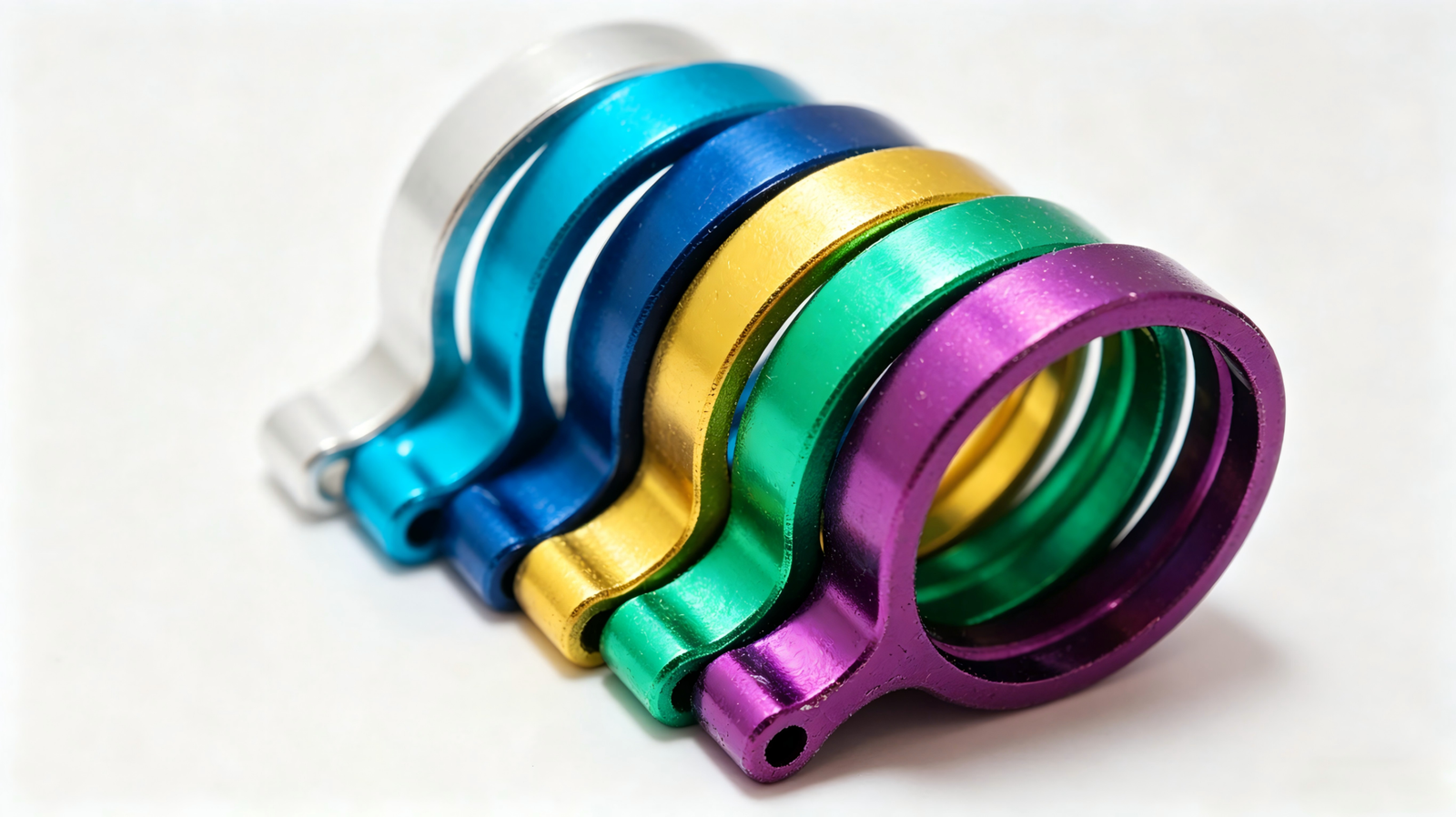
أنودة الفولاذ هي عملية معالجة سطحية كهروكيميائية تعمل على تعديل سطح المعدن عن طريق إنشاء طبقة أكسيد يمكن التحكم فيها. خلال العملية, يعمل الفولاذ كأنود في خلية التحليل الكهربائي, السماح للأكسدة أن تحدث على السطح.
توفر طبقة الأكسيد الناتجة العديد من مزايا الأداء, مشتمل:
- تحسين مقاومة التآكل
- تعزيز مقاومة التآكل
- زيادة صلابة السطح
- التصاق أفضل للدهانات والطلاءات
- تحسين المظهر
على عكس الطلاءات التقليدية التي توضع فوق المعدن, أنودة يحول السطح نفسه, خلق طبقة حماية أكثر تكاملا.
لماذا هو بأكسيد الصلب?
يقوم المصنعون بأكسيد الفولاذ لتحسين أدائه في البيئات الصعبة حيث التعرض للرطوبة, مواد كيميائية, كشط, ويمكن أن تؤدي تقلبات درجات الحرارة إلى تسريع التدهور.
وتشمل الأهداف المشتركة:
- إطالة عمر المنتج
- تقليل تكاليف الصيانة
- تحسين المقاومة البيئية
- تعزيز جماليات المنتج
- زيادة رضا العملاء
للصناعات التي تعتبر الموثوقية فيها أمرًا بالغ الأهمية, يمكن أن يوفر الفولاذ المؤكسد قيمة كبيرة على المدى الطويل.
كيف تعمل عملية أنودة الفولاذ؟?
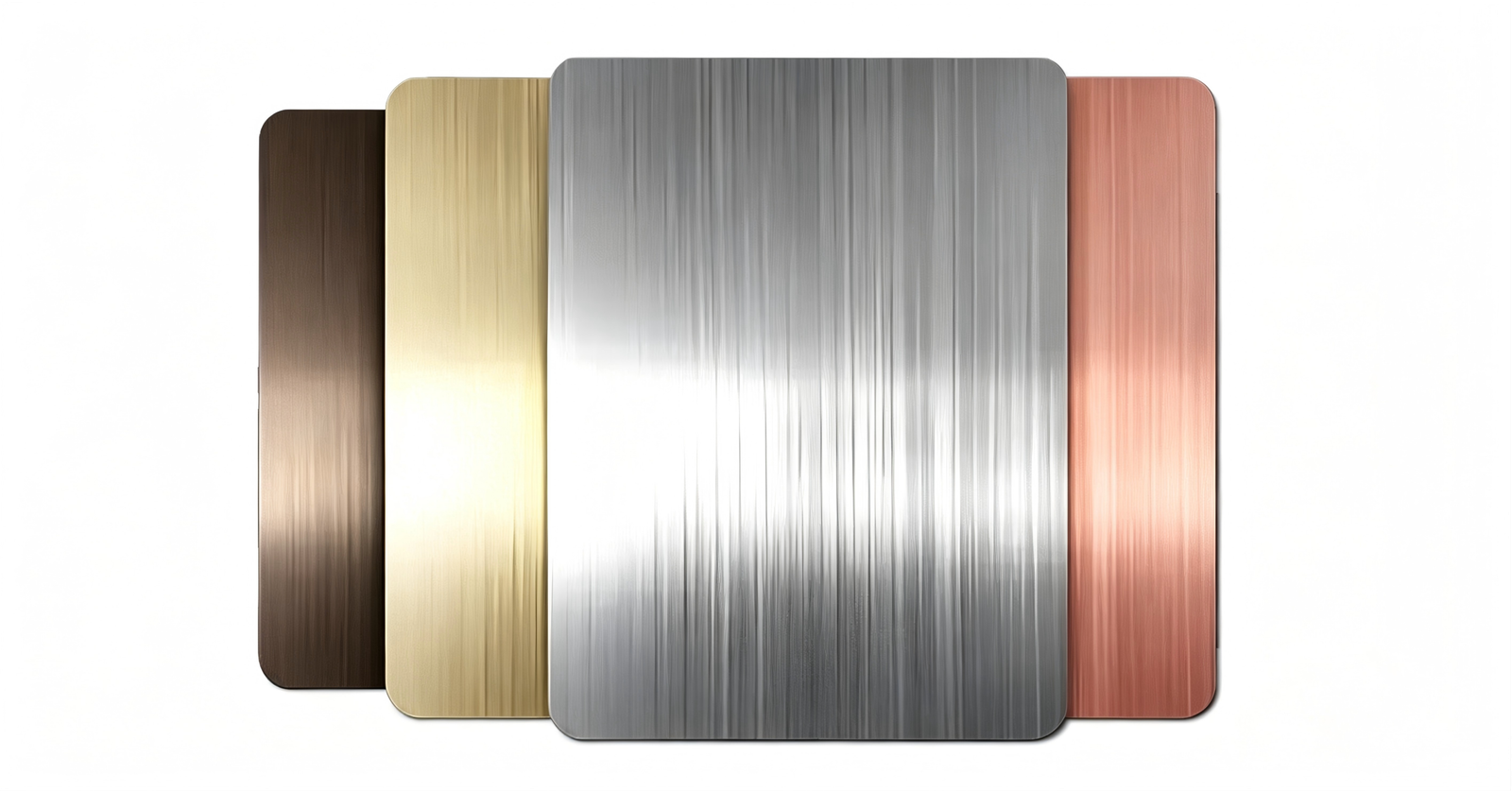
تتضمن عملية الأنودة عدة مراحل يتم التحكم فيها بعناية لضمان طبقة أكسيد موحدة ومتينة.
تحضير السطح
يعد إعداد السطح المناسب أمرًا ضروريًا لتحقيق نتائج أنودة متسقة.
تتضمن خطوات التحضير النموذجية:
إزالة الشحوم
زيوت, مواد التشحيم, وتتم إزالة الملوثات باستخدام محاليل التنظيف القلوية.
تخليل
العلاجات الحمضية تزيل الأكاسيد, الصدأ, وحجم من سطح الصلب.
الشطف
تضمن مراحل الشطف المتعددة بقاء السطح خاليًا من الملوثات قبل بدء عملية الأكسدة.
تعد الركيزة النظيفة أمرًا بالغ الأهمية لأنه حتى التلوث البسيط يمكن أن يؤثر على جودة الطلاء.
إعداد حمام التحليل الكهربائي
بعد التحضير, يتم غمر المكون الفولاذي في محلول إلكتروليتي.
وتشمل الشوارد المشتركة:
- محاليل حمض الكبريتيك
- محاليل حمض الفوسفوريك
- تركيبات الملكية المتخصصة
يؤثر تكوين المنحل بالكهرباء بشكل مباشر على سمك الطلاء, التوحيد, والأداء النهائي.
الأكسدة الكهروكيميائية
أثناء أنودة, يمر تيار كهربائي عبر المنحل بالكهرباء.
يعمل المكون الفولاذي بمثابة الأنود, بينما تعمل مادة موصلة أخرى ككاثود.
كما التدفقات الحالية:
- تتفاعل أيونات الأكسجين مع سطح الفولاذ.
- تتطور طبقة الأكسيد الخاضعة للرقابة.
- تزداد صلابة السطح.
- تتحسن مقاومة التآكل.
التحكم الدقيق في الجهد, كثافة التيار, ووقت المعالجة ضروري للحصول على أفضل النتائج.
عملية الختم
بعد أنوود, تظل طبقة الأكسيد مسامية.
يغلق الختم هذه المسام ويحسن الحماية.
وتشمل طرق الختم الشائعة:
ختم الماء الساخن
يوفر مقاومة محسنة للتآكل.
الختم بالبخار
يعزز متانة الطلاء.
الختم الكيميائي
يقدم أداءً متخصصًا للبيئات الصعبة.
يعمل الختم على تحسين الفعالية طويلة المدى للسطح المؤكسد بشكل ملحوظ.
فحص الجودة
يقوم المصنعون المحترفون بإجراء عمليات تفتيش شاملة, مشتمل:
- قياس سمك الطلاء
- التحقق من مظهر السطح
- اختبار الالتصاق
- اختبار مقاومة التآكل
- فحص الأبعاد
تضمن مراقبة الجودة أداءً متسقًا للمنتج عبر دفعات الإنتاج.
فوائد أنودة الصلب
تعزيز المقاومة للتآكل
يظل التآكل أحد الأسباب الرئيسية لفشل الفولاذ.
الأنودة تخلق حاجزًا وقائيًا يساعد على منع التعرض لها:
- رُطُوبَة
- رش الملح
- المواد الكيميائية الصناعية
- ملوثات الغلاف الجوي
هذه الحماية تجعل الفولاذ المؤكسد مناسبًا للبيئات الصناعية الخارجية والقاسية.
تحسين مقاومة التآكل
طبقة الأكسيد المؤكسد أصعب من الأسطح الفولاذية غير المعالجة.
وتشمل الفوائد:
- تقليل تآكل السطح
- تحسين مقاومة الخدش
- عمر خدمة أطول
- متطلبات صيانة أقل
هذه المزايا ذات قيمة خاصة في الآلات, الأدوات, وتطبيقات الاتصال العالي.
مظهر سطحي أفضل
تعمل الأنودة على تحسين المظهر البصري مع الحفاظ على المتانة.
يمكن للمصنعين تحقيق:
- تشطيبات سطحية موحدة
- المظاهر الزخرفية
- تحسين تناسق الألوان
- تعزيز جماليات المنتج
غالبًا ما تستفيد المنتجات المعمارية والموجهة للمستهلك من هذه التحسينات.
تحسين التصاق الطلاء والطلاء
يخلق السطح المؤكسد قاعدة ممتازة لعمليات التشطيب الثانوية.
وتشمل الفوائد:
- ترابط أفضل للطلاء
- عمر طلاء أطول
- انخفاض التقشير والتقشير
وهذا مهم بشكل خاص في تطبيقات السيارات والبناء.
معالجة سطحية صديقة للبيئة
بالمقارنة مع بعض طرق الطلاء التقليدية, يمكن أن توفر الأنودة مزايا بيئية.
وتشمل الفوائد:
- انخفاض المركبات العضوية المتطايرة (المركبات العضوية المتطايرة)
- تأثير بيئي أقل
- تحسين الاستدامة
- عمر أطول للمنتج
تختار العديد من الشركات المصنعة الأنودة لدعم مبادرات الامتثال البيئي.
تطبيقات الصلب المؤكسد
صناعة السيارات
يستخدم مصنعو السيارات الفولاذ المؤكسد للمكونات التي تتطلب المتانة ومقاومة التآكل.
ومن الأمثلة:
- مكونات الهيكل
- تقليم الزخرفية
- أجزاء خليج المحرك
- السحابات والأقواس
يساعد هذا العلاج على تحسين عمر السيارة في ظل ظروف التشغيل الصعبة.
البناء والهندسة المعمارية
يقدر قطاع البناء الفولاذ المؤكسد لكل من التطبيقات الهيكلية والزخرفية.
تشمل الاستخدامات الشائعة:
- واجهات مباني
- السور
- أنظمة الدرج
- إطارات النوافذ
- العناصر المعمارية الخارجية
إن الجمع بين المظهر والمتانة يجعل الفولاذ المؤكسد جذابًا للغاية.
الصناعة البحرية
تمثل البيئات البحرية بعضًا من تحديات التآكل الأكثر عدوانية.
غالبًا ما يستخدم الفولاذ المؤكسد:
- أجهزة القارب
- التجهيزات البحرية
- الهياكل الداعمة
- البنية التحتية الساحلية
تساعد المقاومة المحسنة للتآكل على تقليل تكاليف الصيانة وإطالة عمر الخدمة.
صناعة الإلكترونيات والأجهزة
غالبًا ما يحتاج مصنعو الإلكترونيات إلى مواد تجمع بين المتانة والتشطيبات الجذابة.
تشمل التطبيقات:
- مساكن المعدات
- مكونات الجهاز
- الدعامات الهيكلية
- أنظمة إدارة الحرارة
يوفر السطح المؤكسد الحماية والجاذبية البصرية.
الآلات الصناعية والأدوات
تعمل المعدات الصناعية الثقيلة تحت التآكل والتعرض المستمر.
وتشمل التطبيقات النموذجية:
- مكونات الآلة
- أنظمة الأدوات
- التجميعات الميكانيكية
- معدات الإنتاج
تساعد الأنودة على تحسين الموثوقية وتقليل وقت التوقف عن العمل.
القيود والاعتبارات
في حين أن أنودة يقدم العديد من المزايا, يجب على المهندسين فهم حدودها.
التقصف الهيدروجيني المحتمل
قد تؤدي بعض ظروف الأكسدة إلى إدخال الهيدروجين إلى الفولاذ.
وتشمل المخاطر المحتملة:
- انخفاض ليونة
- زيادة الهشاشة
- عطل ميكانيكي في المكونات شديدة الضغط
يساعد التحكم السليم في العملية على تقليل هذا القلق.
تغييرات الأبعاد
تضيف طبقة الأكسيد سمكًا إلى سطح المكون.
يتراوح سمك نموذجي من:
- 5 ميكرون
- 25 ميكرون
قد تتطلب الأجزاء الدقيقة تعويض الأبعاد أثناء التصميم.
حدود اللون
على الرغم من أنه يمكن تلوين الفولاذ المؤكسد, غالبًا ما يكون نطاق الألوان المتاح محدودًا أكثر من الألومنيوم المؤكسد.
قد تحدث اختلافات معينة في الألوان أيضًا بين دفعات الإنتاج.
ارتفاع تكاليف المعالجة
يتطلب أنودة:
- المعدات المتخصصة
- الخبرة العملية
- أنظمة مراقبة الجودة
- خطوات الإنتاج الإضافية
نتيجة ل, قد تكون التكاليف أعلى من بعض طرق التشطيب البديلة.
الفولاذ المؤكسد مقابل المعالجات السطحية الأخرى
| ملكية | أنودة | مسحوق الطلاء | الكهربائي | الجلفنة |
| المقاومة للتآكل | ممتاز | جيد | جيد | ممتاز |
| ارتداء المقاومة | ممتاز | معتدل | معتدل | معتدل |
| مظهر | ممتاز | ممتاز | جيد | محدود |
| متانة | ممتاز | جيد | جيد | ممتاز |
| صيانة | قليل | معتدل | معتدل | قليل |
| تأثير بيئي | أدنى | معتدل | أعلى | معتدل |
تقدم كل عملية مزايا فريدة اعتمادًا على متطلبات التطبيق.
كيفية اختيار المعالجة السطحية المناسبة للأجزاء الفولاذية
يتطلب اختيار أفضل عملية تشطيب تقييمًا دقيقًا.
النظر في التعرض البيئي
هل سيتعرض المكون ل:
- رش الملح
- المواد الكيميائية
- الأشعة فوق البنفسجية
- رطوبة
تؤثر الظروف البيئية بشكل كبير على أداء الطلاء.
تقييم متطلبات التآكل
تتطلب التطبيقات عالية الاحتكاك مقاومة تآكل محسنة.
غالبًا ما توفر عملية الأنودة أداءً فائقًا في هذه البيئات.
تحديد متطلبات المظهر
قد تعطي المنتجات الزخرفية الأولوية للجودة البصرية إلى جانب الحماية.
توفر الأنودة لمسة نهائية جذابة ومتينة.
تقييم قيود الميزانية
في حين أن الأنودة توفر قيمة طويلة المدى, ويجب أيضًا مراعاة ميزانيات المشروع.
غالبًا ما يوفر تحليل تكلفة دورة الحياة مقارنة أكثر دقة من التكلفة الأولية وحدها.
لماذا تعتبر جودة التصنيع مهمة؟
حتى أفضل عملية أنودة لا يمكنها التعويض عن ممارسات التصنيع السيئة.
يجب أن يقدم الموردون الموثوقون:
- رقابة صارمة على العملية
- أنظمة التفتيش المتقدمة
- فرق هندسية ذات خبرة
- جودة الإنتاج متسقة
- إمكانية تتبع المواد
تساعد الشراكة مع شركة تصنيع ذات خبرة على ضمان الأداء الأمثل للطلاء وموثوقية المنتج.
خاتمة
أنودة الفولاذ هي معالجة سطحية فعالة تعمل على تحسين مقاومة التآكل, ارتداء المقاومة, متانة, والمظهر. على الرغم من أنه يتطلب معالجة متخصصة ومراقبة دقيقة للجودة, غالبًا ما تبرر فوائد الأداء على المدى الطويل الاستثمار.
لصناعات مثل السيارات, بناء, البحرية, إلكترونيات, والتصنيع الصناعي, يوفر الفولاذ المؤكسد حلاً متينًا وجذابًا للتطبيقات الصعبة.
عند اختيار المعالجة السطحية, يجب على المهندسين ومحترفي المشتريات تقييم الظروف البيئية, متطلبات الأداء, تكاليف دورة الحياة, وجودة التصنيع. العمل مع ذوي الخبرة شريك الآلات يمكن أن تساعد في ضمان أفضل النتائج لمشروعك.
الأسئلة الشائعة
1.هل يمكن أن يكون الفولاذ المقاوم للصدأ بأكسيد?
نعم. لكن, عادةً ما تكون هناك حاجة إلى عمليات أنودة متخصصة وإلكتروليتات.
2.ما مدى سماكة الطبقة المؤكسدة على الفولاذ?
تتراوح معظم الطلاءات الفولاذية المؤكسدة من 5 ل 25 ميكرون اعتمادا على التطبيق.
3.هل الأنودة تحسن مقاومة التآكل؟?
نعم. تعمل طبقة الأكسيد كحاجز وقائي ضد التعرض البيئي.
4.هو الفولاذ المؤكسد موصل للكهرباء?
طبقة الأكسيد المؤكسد بشكل عام غير موصلة للكهرباء, والتي يمكن أن تقلل من الموصلية السطحية.
5.هل يمكن لحام الفولاذ المؤكسد?
قد يؤدي اللحام إلى إتلاف طبقة الأكسيد في المنطقة المصابة وغالبًا ما يتطلب معالجة لاحقة.
6.ما هو الفرق بين أنودة وجلفنة?
الأنودة تخلق طبقة أكسيد من خلال الأكسدة الكهروكيميائية, بينما يطبق الجلفنة طبقة واقية من الزنك.
7.هو الفولاذ المؤكسد المناسب للتطبيقات الخارجية?
نعم. يعمل الفولاذ المؤكسد بشكل جيد في العديد من البيئات الخارجية والصناعية.
8.كم من الوقت يدوم الفولاذ المؤكسد?
عمر الخدمة يعتمد على ظروف التشغيل, ولكن الفولاذ المؤكسد بشكل صحيح يمكن أن يوفر سنوات عديدة من الأداء الموثوق.


