


من بين تقنيات الحركة الخطية المختلفة المتوفرة اليوم, تظل براغي الرصاص واحدة من أكثر الحلول استخدامًا وفعالية من حيث التكلفة. تصميمهم البسيط, دقة تحديد المواقع عالية, القدرة على القفل الذاتي, وسهولة الصيانة تجعلها الخيار المفضل في العديد من الصناعات.
في هذا الدليل الشامل, سنستكشف كل ما تحتاج لمعرفته حول مسامير الرصاص, بما في ذلك مبادئ عملهم, أنواع الموضوعات, مواد, مزايا, القيود, التطبيقات, ومعايير الاختيار.
ما هو المسمار الرصاص?
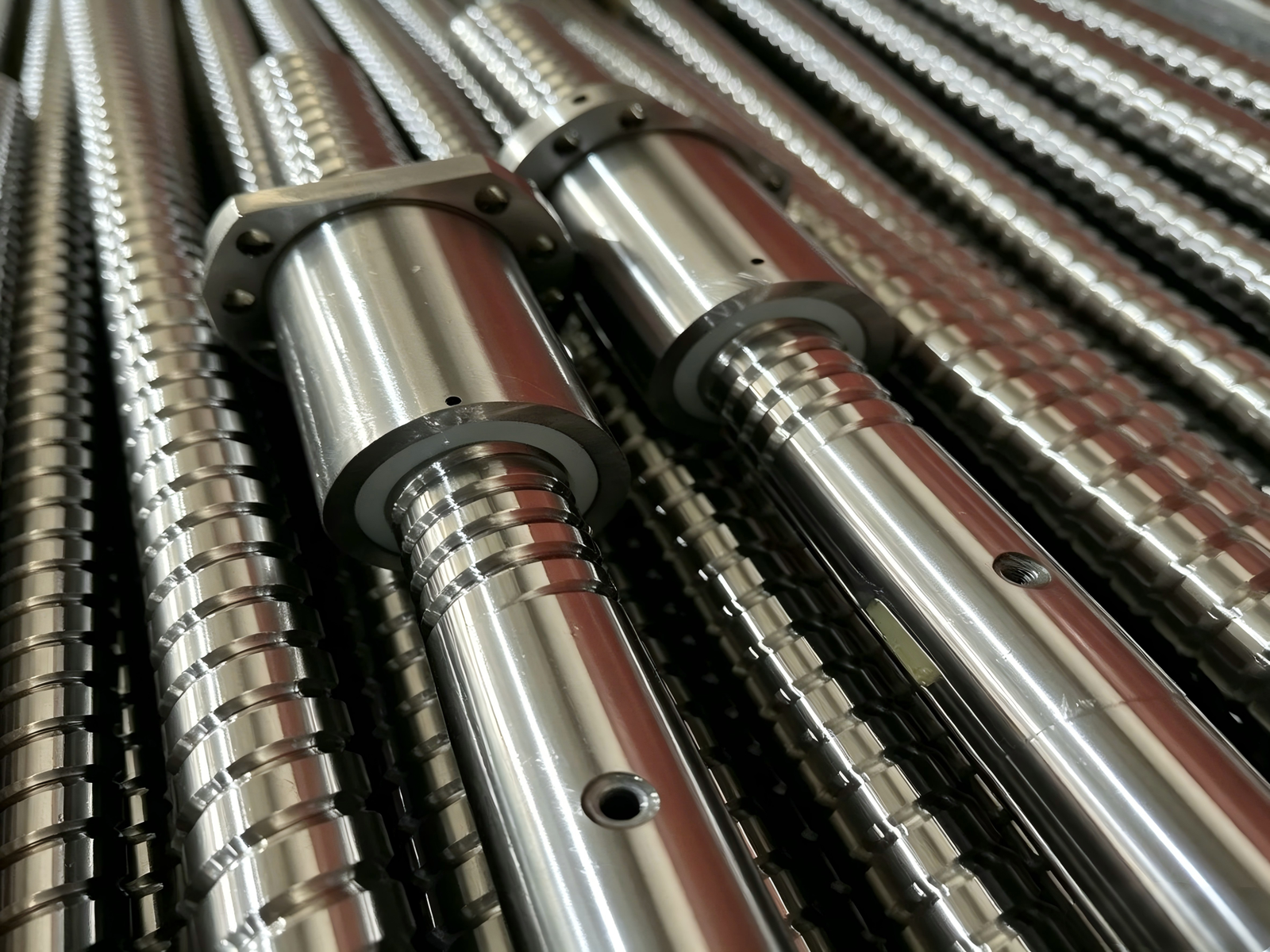
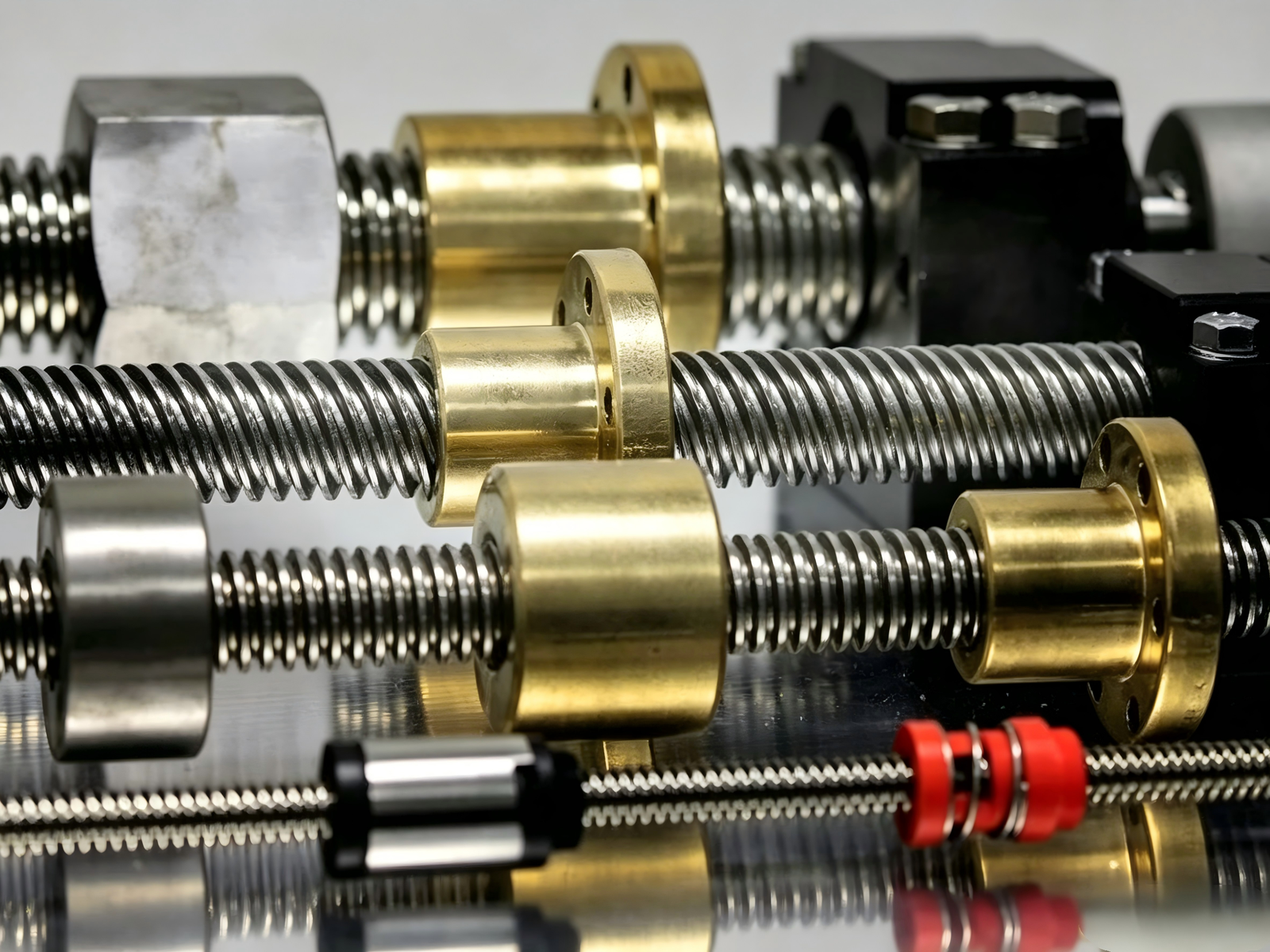
المسمار الرئيسي هو أحد مكونات نقل الطاقة الميكانيكية التي تحول الحركة الدورانية إلى حركة خطية. يتكون من عمود ملولب وجوز مطابق ينتقل على طول العمود عندما يدور أي مكون.
على عكس الكرة اللولبية, تعتمد مسامير الرصاص على الاحتكاك المنزلق بين المسمار والجوز بدلاً من محامل الكرات المتدحرجة.
يوفر هذا التصميم العديد من المزايا:
- انخفاض تكلفة التصنيع
- هيكل أبسط
- عملية هادئة
- القدرة على القفل الذاتي
- صيانة سهلة
بسبب هذه الخصائص, تُستخدم براغي الرصاص بشكل شائع في التطبيقات التي تتطلب سرعة متوسطة ودقة عالية.
المكونات الرئيسية لمجموعة المسمار الرصاص
يشتمل نظام المسمار الرصاصي الكامل عادةً على المكونات التالية:
رمح المسمار
يحتوي العمود اللولبي على خيوط خارجية توجه حركة الجوز. وعادة ما يتم تصنيعها من:
- الفولاذ المقاوم للصدأ
- الصلب الكربوني
- سبائك الصلب
- الألومنيوم
- التيتانيوم
الجوز الرصاص
يحتوي الجوز على خيوط داخلية تتوافق مع ملف تعريف المسمار.
تشمل مواد الجوز الشائعة:
- برونزية
- نحاس
- البلاستيك الهندسي
- مركبات PTFE
- البوليمرات ذاتية التشحيم
رمان
تدعم المحامل العمود اللولبي وتقلل من الحركة غير المرغوب فيها.
وصلات
تقوم الوصلات بتوصيل المسمار الرئيسي بالمحركات أو أنظمة القيادة.
نهاية يدعم
تضمن هذه المكونات الاستقرار والمحاذاة أثناء التشغيل.
كيف يعمل المسمار الرصاص?
مبدأ تشغيل المسمار الرئيسي بسيط نسبيًا.
عندما يتم تطبيق قوة الدوران على المسمار أو الجوز, التفاعل الملولب يحول الحركة الدوارة إلى حركة خطية.
تحدث هذه الحركة لأن الجوز يتبع المسار الحلزوني الذي أنشأته الخيوط اللولبية.
المسمار الدوار, السفر الجوز
هذا هو التكوين الأكثر شيوعا.
يدور المسمار بينما يتحرك الجوز خطيًا على طول العمود.
تشمل التطبيقات:
- معدات CNC
- ماكينات التعبئة والتغليف
- أنظمة الأتمتة
الدورية الجوز, برغي ثابت
في هذا التكوين, يظل المسمار ثابتًا بينما يدور الجوز ويتحرك.
تشمل التطبيقات:
- أنظمة تحديد المواقع عالية السرعة
- الآلات ذات المساحة المحدودة
فهم الرصاص, يقذف, وهندسة الموضوع
قبل اختيار المسمار الرصاص, من المهم أن نفهم العديد من المعلمات الأساسية.
يقذف
الملعب هو المسافة بين المواضيع المجاورة.
على سبيل المثال:
إذا كانت المسافة بين المواضيع 5 مم, الملعب يساوي 5 مم.
يقود
يشير الرصاص إلى المسافة الخطية المقطوعة خلال دورة واحدة كاملة.
للبراغي ذات البداية الواحدة:
الرصاص = الملعب
للبراغي متعددة البدء:
الرصاص = الملعب × عدد مرات البدء
الحلزون زاوية
تؤثر الزاوية الحلزونية:
- كفاءة
- سعة التحميل
- سرعة
توفر الزوايا الحلزونية الأكبر عمومًا سرعة أعلى ولكن قدرة أقل على القفل الذاتي.
أنواع خيوط المسمار الرصاص
تؤثر هندسة الخيط بشكل كبير على الأداء.
تشمل أنواع الخيوط اللولبية الأكثر شيوعًا:
1. الخيط المربع
تعتبر الخيوط المربعة هي التصميم الأكثر كفاءة للخيوط لأنها تقلل الاحتكاك.
مزايا
- أعلى كفاءة
- انخفاض التآكل
- انخفاض خسائر الاحتكاك
- نقل طاقة ممتاز
سلبيات
- من الصعب تصنيعها
- ارتفاع تكلفة الإنتاج
- انخفاض قوة الجذر
التطبيقات النموذجية
- أنظمة الرفع الثقيلة
- الآلات الدقيقة
- المكابس الصناعية
2. قمة الموضوع
تتميز خيوط Acme بمظهر شبه منحرف بزاوية خيط 29 درجة.
وهي من بين أنواع الخيوط الأكثر استخدامًا في جميع أنحاء العالم.
مزايا
- الملف الشخصي موضوع قوي
- سهولة التصنيع
- قدرة تحميل جيدة
- انخفاض تكلفة الإنتاج
سلبيات
- كفاءة أقل قليلاً من الخيوط المربعة
- زيادة الاحتكاك
التطبيقات النموذجية
- آلات CNC
- الأتمتة الصناعية
- أدوات الآلة
3. موضوع شبه منحرف
الخيوط شبه المنحرفة هي المعادل المتري لخيوط Acme وتتوافق مع المعايير الدولية.
مزايا
- هيكل قوي
- متانة عالية
- أبعاد موحدة
- إنتاج فعال من حيث التكلفة
التطبيقات
- الآلات الأوروبية
- معدات الأتمتة
- المحركات الصناعية
4. خيط الدعامة
تم تصميم خيوط الدعامة للتعامل مع الأحمال العالية للغاية في اتجاه واحد.
مزايا
- قدرة تحميل عالية جدًا
- جذر خيط قوي
- نقل ممتاز للقوة المحورية
سلبيات
- غير مناسب للتحميل ثنائي الاتجاه
التطبيقات
- الرافعات
- المطابع
- أنظمة الرفع الثقيل
مواد المسمار الرصاص
يؤثر اختيار المواد بشكل مباشر على الأداء, متانة, وحياة التشغيل.
مواد المسمار المشتركة
الفولاذ المقاوم للصدأ
فوائد:
- المقاومة للتآكل
- عمر خدمة طويل
- مناسبة للصناعات الغذائية والطبية
الكربون الصلب
فوائد:
- فعالة من حيث التكلفة
- قوة عالية
- تصنيع سهل
سبائك الصلب
فوائد:
- صلابة متفوقة
- مقاومة التآكل العالية
- أداء عالي التحمل
التيتانيوم
فوائد:
- وزن خفيف
- مقاومة ممتازة للتآكل
- تطبيقات الفضاء الجوي
مواد الجوز المشتركة
برونزية
الاختيار التقليدي لصواميل المسمار الرصاص.
فوائد:
- مقاومة التآكل ممتازة
- سعة حمولة عالية
- عمر طويل
البلاستيك الهندسي
فوائد:
- تشتيت ذاتي
- ضوضاء منخفضة
- مقاومة للتآكل
المواد المركبة
فوائد:
- الاحتكاك المنخفض
- عملية خالية من الصيانة
- عمر خدمة ممتد
مزايا مسامير الرصاص
لا تزال مسامير الرصاص تحظى بشعبية بسبب العديد من المزايا المهمة.
دقة تحديد المواقع العالية
توفر براغي الرصاص حركة خطية دقيقة وقابلة للتكرار.
القدرة على القفل الذاتي
تمنع العديد من تصميمات المسمار الرصاص القيادة الخلفية.
تعمل هذه الميزة على تحسين السلامة في تطبيقات الرفع العمودي.
أقل تكلفة
بالمقارنة مع مسامير الكرة, تعتبر مسامير الرصاص ميسورة التكلفة بشكل ملحوظ.
تصميم مدمج
تتطلب أنظمة المسمار الرصاص مكونات أقل.
عملية هادئة
يؤدي غياب الكرات المعاد تدويرها إلى انخفاض مستويات الضوضاء.
سهولة الصيانة
من السهل فحص مسامير الرصاص, تليين, واستبدال.
حدود مسامير الرصاص
على الرغم من تنوعا, مسامير الرصاص لها أيضًا قيود معينة.
كفاءة أقل
تتراوح الكفاءة النموذجية من:
- 20% ل 80%
غالبًا ما تتجاوز مسامير الكرة 90%.
الاحتكاك والتآكل
يؤدي الاتصال المنزلق المستمر إلى التآكل بمرور الوقت.
توليد حراري
الاحتكاك العالي يمكن أن يولد الحرارة أثناء التشغيل.
سرعة محدودة
تعمل البراغي الرصاصية عمومًا بسرعات أقل من البراغي الكروية.
برغي الرصاص مقابل الكرة اللولبية
يعتمد الاختيار بين المسمار اللولبي والمسمار الكروي على التطبيق.
| ميزة | برغي الرصاص | الكرة اللولبية |
| يكلف | قليل | عالي |
| كفاءة | 20-80 ٪ | 90-98% |
| صيانة | بسيط | معتدل |
| سرعة | معتدل | عالي |
| قفل ذاتي | نعم | لا |
| ضوضاء | قليل | معتدل |
| دقة | عالي | عالية جدًا |
اختر مسامير الرصاص متى:
- التكلفة مهمة
- متطلبات السرعة معتدلة
- هناك حاجة إلى القفل الذاتي
- يفضل بساطة الصيانة
اختر الكرة اللولبية متى:
- مطلوب أقصى قدر من الكفاءة
- التشغيل عالي السرعة أمر بالغ الأهمية
- هناك حاجة إلى دقة عالية للغاية
التطبيقات الصناعية المشتركة
يتم استخدام مسامير الرصاص في العديد من الصناعات.
آلات CNC
توفير تحديد المواقع بدقة لمحاور الآلة.
3طابعات د
تمكين الحركة المتحكم فيها لرؤوس الطباعة ومنصات البناء.
معدات طبية
تستخدم في:
- أنظمة التصوير
- أجهزة التشخيص
- المعدات الجراحية
أنظمة الأتمتة
يدعم:
- آلات الانتقاء والمكان
- تحديد المواقع الروبوتية
- معدات مناولة المواد
ماكينات التعبئة والتغليف
تقديم حركة متكررة وموثوقة.
معدات الفضاء
تستخدم في آليات التحكم الدقيقة.
تصنيع أشباه الموصلات
توفير قدرات تحديد المواقع فائقة الدقة.
كيفية اختيار المسمار الرصاص الصحيح
يتطلب اختيار المسمار الرصاص المناسب تقييم عدة عوامل.
1. سعة التحميل
النظر في كليهما:
تحميل ثابت
قم بالتحميل أثناء الثبات.
الحمل الديناميكي
تحميل أثناء التشغيل.
2. متطلبات السرعة
تتطلب التطبيقات عالية السرعة خيوطًا أكبر وتصميمات خيطية محسنة.
3. دقة تحديد المواقع
حدد مستويات التسامح المطلوبة قبل تحديد هندسة الخيط.
4. متطلبات رد الفعل العكسي
يؤثر رد الفعل العكسي بشكل مباشر على دقة تحديد المواقع.
يمكن للمكسرات المضادة لرد الفعل العكسي تقليل هذه المشكلة.
5. بيئة التشغيل
يقيم:
- درجة حرارة
- رطوبة
- المواد الكيميائية
- التعرض للغبار
6. توافق المواد
اختر المواد التي تحقق التوازن:
- قوة
- ارتداء المقاومة
- المقاومة للتآكل
- يكلف
7. العامل الكهروضوئي
سرعة الضغط (الكهروضوئية) تساعد الحسابات في تحديد ظروف التشغيل الآمنة ومدة الخدمة المتوقعة.
8. تحليل السرعة الحرجة
قد يؤدي تجاوز السرعة الحرجة إلى حدوث اهتزاز وفشل المسمار.
تحقق دائمًا من حدود السرعة أثناء تصميم النظام.
أفضل ممارسات صيانة المسمار الرصاص
تعمل الصيانة المناسبة على إطالة عمر الخدمة وتحسين الأداء.
فحص منتظم
تحقق من:
- يرتدي
- تآكل
- تلف الخيط
- اختلال
التشحيم المناسب
يقلل التشحيم من الاحتكاك وتوليد الحرارة.
حافظ على نظافة المكونات
منع التلوث من:
- تراب
- رقائق معدنية
- حطام
مراقبة رد الفعل العكسي
غالبًا ما يشير رد الفعل العنيف المفرط إلى التآكل والحاجة إلى الاستبدال.
الاتجاهات الناشئة في تكنولوجيا المسمار الرصاص
تستمر صناعة المسمار الرصاص في التطور.
صواميل التشحيم الذاتي
تقليل متطلبات الصيانة.
البوليمرات الهندسية المتقدمة
تحسين مقاومة التآكل والكفاءة.
مسامير الرصاص الأرضية الدقيقة
تقديم دقة أعلى للتطبيقات الصعبة.
أنظمة الحركة الذكية
دمج أجهزة الاستشعار وقدرات المراقبة في الوقت الحقيقي.
صناعة 4.0 التوافق
تدعم الأنظمة اللولبية الرصاصية الحديثة بشكل متزايد الصيانة التنبؤية ومبادرات التصنيع الرقمي.
الأسئلة الشائعة
1.ما هو الفرق بين الملعب والرصاص?
الملعب هو المسافة بين المواضيع المجاورة, بينما الرصاص هو المسافة المقطوعة خلال ثورة واحدة.
2.هل مسامير الرصاص ذاتية القفل؟?
العديد من براغي الرصاص تكون ذاتية القفل بسبب الاحتكاك بين المسمار والجوز.
3.ما هو نوع الخيط الأكثر كفاءة؟?
توفر الخيوط المربعة عمومًا أعلى كفاءة.
4.يمكن أن تحل البراغي محل البراغي الكروية?
في العديد من التطبيقات, نعم. لكن, قد تتطلب الأنظمة عالية السرعة والكفاءة استخدام براغي كروية.
5.كم من الوقت تدوم مسامير الرصاص?
مدة الخدمة تعتمد على:
- حمولة
- سرعة
- تشحيم
- اختيار المواد
- بيئة التشغيل
خاتمة
عند اختيار المسمار الرصاص, يجب على المهندسين ومحترفي المشتريات تقييم سعة الحمولة بعناية, سرعة, دقة, نوع الخيط, اختيار المواد, والظروف البيئية. يمكن لبرغي الرصاص المختار بشكل صحيح أن يحسن موثوقية المعدات بشكل كبير, كفاءة, وحياة التشغيل.
إذا كنت تقوم بتطوير جهاز جديد, ترقية نظام التشغيل الآلي, أو تحديد مصادر المكونات الميكانيكية الدقيقة, الشراكة مع قمم الدقة يمكن أن يساعد في ضمان الحل الأمثل لبرغي الرصاص لتطبيقك وميزانيتك.