



تتطلب المحركات دقة استثنائية, متانة, والأداء. سواء استخدمت في سيارات الركاب, سيارات السباق, المعدات البحرية, aerospace systems, or industrial machinery, engine components must withstand extreme temperatures, pressures, and mechanical loads.
هذا هو المكان التصنيع باستخدام الحاسب الآلي plays a critical role. By delivering tight tolerances, السطح المتفوق ينتهي, and excellent repeatability, CNC machining has become the preferred manufacturing method for producing high-performance engine components.
في هذا الدليل الشامل, we’ll explore CNC machined engine components, عمليات التصنيع, مواد, فوائد, quality requirements, and how to choose the right CNC machining supplier for your engine projects.
What Are CNC Machined Engine Components?
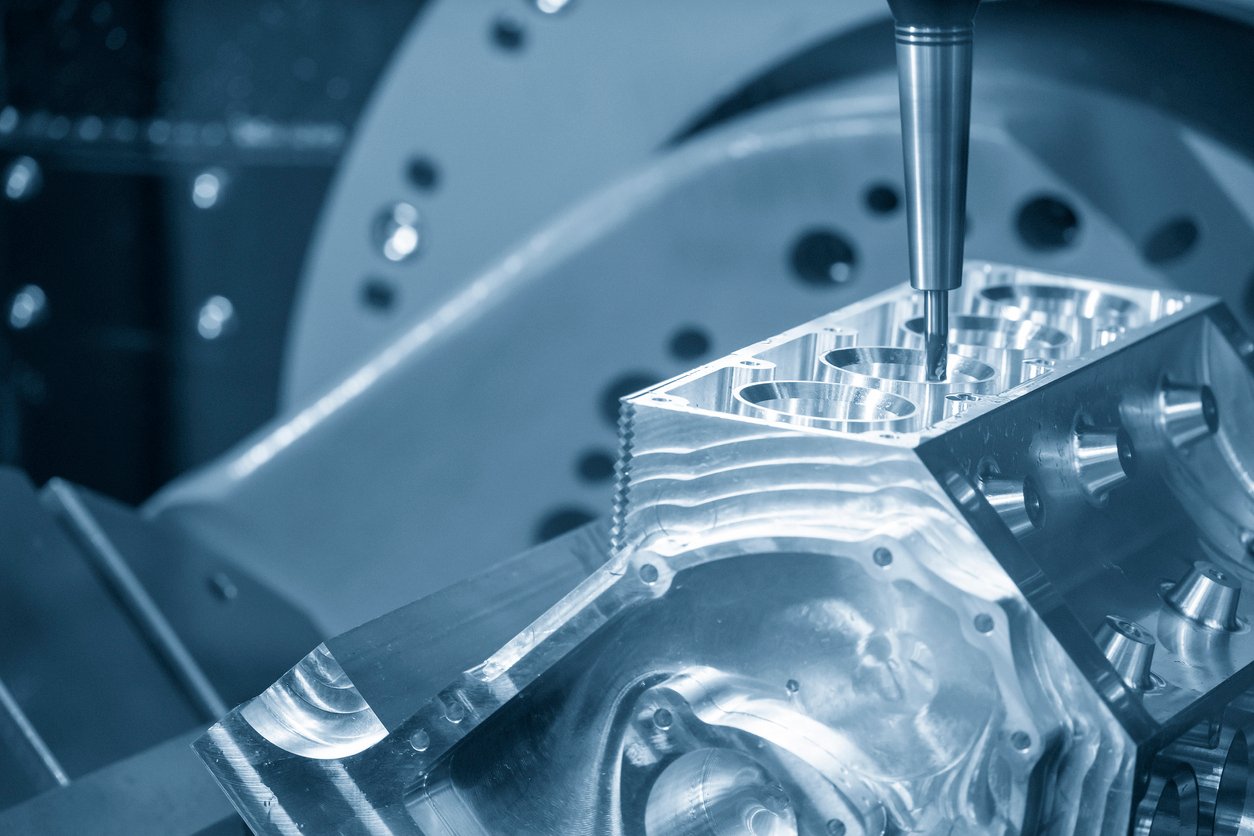
CNC machined engine components are precision-engineered parts manufactured using Computer Numerical Control (CNC) تكنولوجيا. CNC machines follow programmed instructions to remove material from a solid workpiece and produce highly accurate parts with complex geometries.
Engine components require exceptional dimensional accuracy because even minor deviations can affect:
Combustion efficiency
Fuel economy
Engine power output
تبديد الحرارة
مصداقية
خدمة الحياة
Unlike conventional machining methods, CNC machining offers consistent quality, التكرار, وقابلية التوسع, making it ideal for both prototype development and mass production.
Why Engine Parts Require Precision Machining
Engine systems operate under demanding conditions:
High rotational speeds
Extreme temperatures
Continuous friction
Heavy mechanical loads
Constant vibration
To ensure optimal performance, critical components such as cylinder heads, بيستونز, أعمدة الكرنك, and valve assemblies must be manufactured with extremely tight tolerances and excellent surface finishes.
Even a small dimensional error can result in:
Oil leakage
Increased wear
Reduced compression
Poor fuel efficiency
Premature component failure
Why CNC Machining Is Essential for Engine Manufacturing
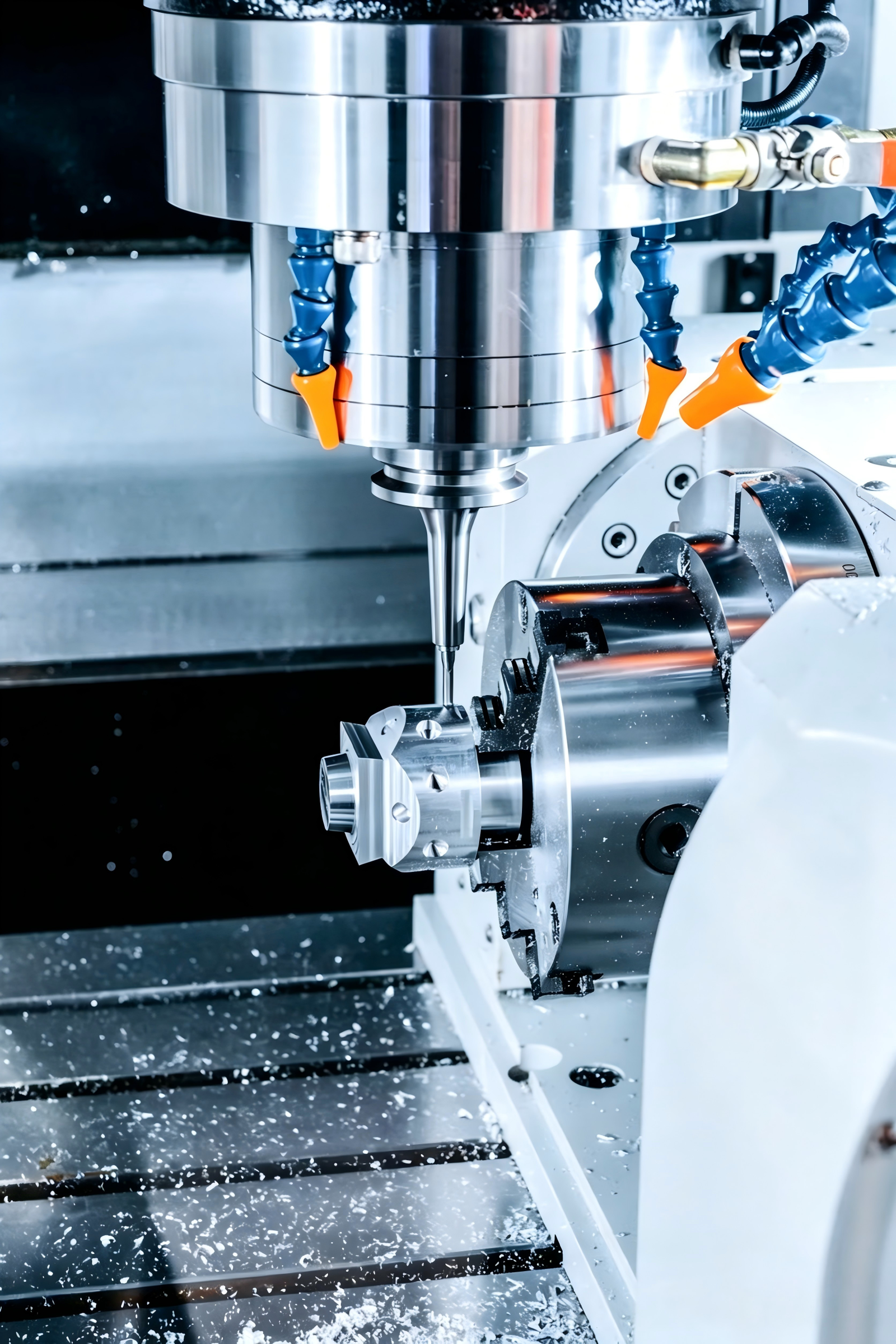
دقة استثنائية
Modern CNC machines can achieve tolerances as tight as ±0.002 mm, ensuring perfect component fit and assembly.
Outstanding Repeatability
Once a machining program is optimized, thousands of identical parts can be produced with minimal variation.
Complex Geometry Capability
Engine designs continue to evolve with more intricate cooling passages, غرف الاحتراق, والهياكل خفيفة الوزن. CNC machining enables the production of these complex features with ease.
Faster Production Cycles
Automated machining reduces manual intervention and shortens lead times.
تقليل هدر المواد
Advanced CAM software optimizes cutting paths, minimizing waste and reducing production costs.
توافق المواد الواسعة
تدعم الآلات CNC مجموعة واسعة من المواد, مشتمل:
سبائك الألومنيوم
الفولاذ المقاوم للصدأ
الصلب الكربوني
التيتانيوم
الحديد الزهر
سبائك النيكل
Common Materials Used for CNC Machined Engine Parts
Material selection directly affects engine performance, وزن, متانة, وتكاليف التصنيع.
سبائك الألومنيوم
Aluminum is widely used in modern engine manufacturing.
التطبيقات
رؤوس الاسطوانات
كتل المحرك
Intake manifolds
يغطي التوقيت
مزايا
وزن خفيف
نقل الحرارة ممتازة
المقاومة للتآكل
قدرة جيدة على الماكينات
الفولاذ المقاوم للصدأ
Stainless steel offers excellent corrosion and heat resistance.
التطبيقات
الصمامات
مكونات العادم
Fuel system parts
مزايا
قوة عالية
Oxidation resistance
عمر خدمة طويل
سبائك الصلب
Alloy steels are commonly used for highly stressed engine components.
التطبيقات
أعمدة الكرنك
أعمدة الكامات
ربط قضبان
مزايا
قوة التعب عالية
مقاومة التآكل ممتازة
صلابة متفوقة
التيتانيوم
Titanium is frequently used in high-performance and racing engines.
التطبيقات
Intake valves
ربط قضبان
Turbocharger components
مزايا
خفيف الوزن للغاية
نسبة القوة إلى الوزن عالية
Excellent temperature resistance
الحديد الزهر
على الرغم من أنها أثقل من الألومنيوم, cast iron remains popular for specific engine applications.
التطبيقات
بطانات الاسطوانة
كتل المحرك
Heavy-duty diesel engines
مزايا
مقاومة التآكل ممتازة
Good vibration damping
فعالة من حيث التكلفة
CNC Machining Processes Used for Engine Components
Different engine components require different machining operations.
الطحن باستخدام الحاسب الآلي
CNC milling uses rotating cutting tools to remove material from a stationary workpiece.
Typical Engine Parts
رؤوس الاسطوانات
Intake manifolds
مساكن المحرك
Water pump housings
فوائد
Complex geometry creation
Multi-axis capability
دقة أبعاد عالية
تحول باستخدام الحاسب الآلي
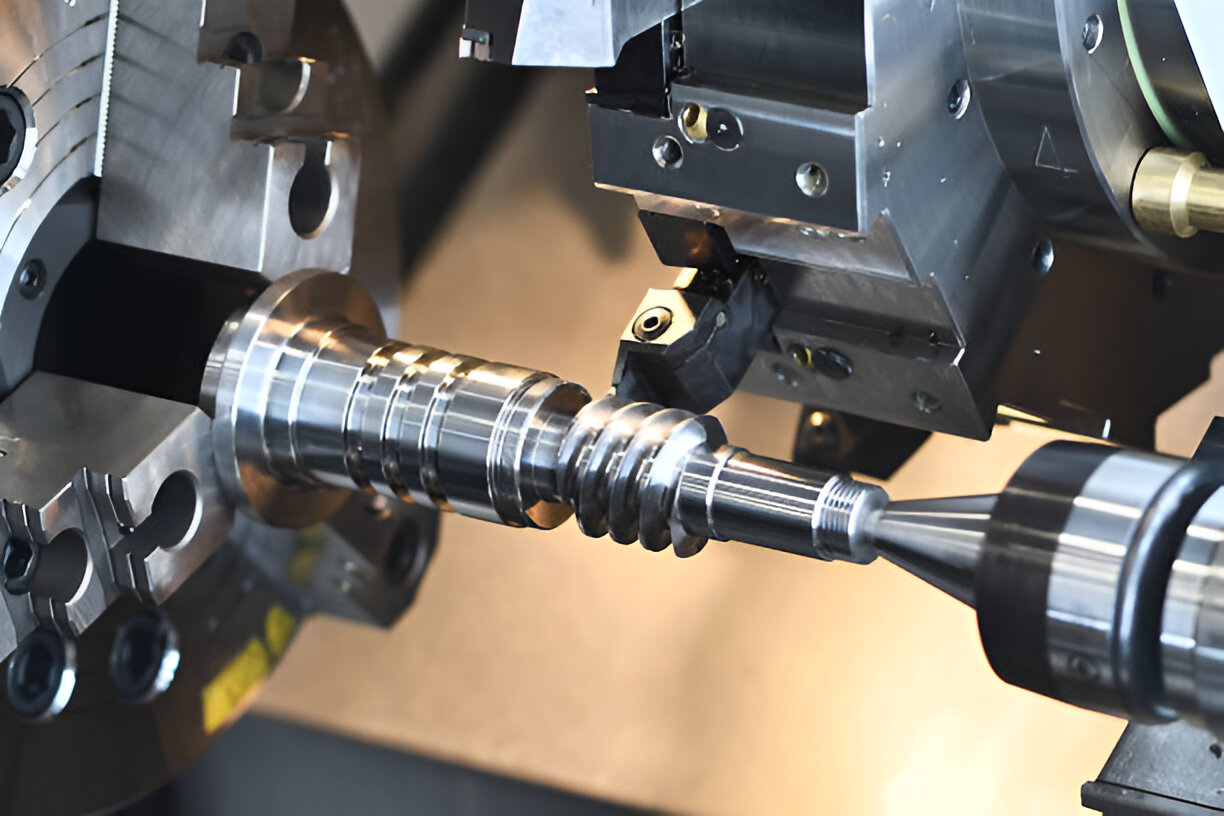
Turning rotates the workpiece while a cutting tool removes material.
Typical Engine Parts
بيستونز
أعمدة الكرنك
أعمدة الكامات
Valve stems
فوائد
Excellent concentricity
تشطيبات سطحية ناعمة
Efficient production of cylindrical components
الحفر باستخدام الحاسب الآلي
Drilling creates precise holes and channels.
التطبيقات
Oil passages
Coolant channels
فتحات التركيب
Fuel delivery pathways
فوائد
High positional accuracy
Fast production speed
Repeatable results
CNC Boring
Boring enlarges and refines pre-existing holes.
التطبيقات
Cylinder bores
تحمل المساكن
علب النقل
فوائد
Improved roundness
Enhanced dimensional accuracy
الانتهاء من السطح الأفضل
طحن باستخدام الحاسب الآلي
Grinding is a precision finishing operation.
التطبيقات
Crankshaft journals
Camshaft lobes
Valve seats
فوائد
التحمل الضيق
Superior surface quality
تعزيز مقاومة التآكل
CNC Honing
Honing is primarily used to finish cylinder bores.
فوائد
Improved oil retention
انخفاض الاحتكاك
Better piston ring sealing
Enhanced engine efficiency
CNC Lapping
Lapping produces extremely smooth and flat surfaces.
التطبيقات
Valve seats
Cylinder head mating surfaces
أسطح الختم
فوائد
Better sealing performance
Reduced leakage
Ultra-fine surface finish
معالجة التفريغ الكهربائي (موسيقى الرقص الإلكترونية)
EDM removes material using electrical sparks.
التطبيقات
Fuel injector components
Turbocharger parts
Precision mold tooling
تجاويف داخلية معقدة
فوائد
Machining hardened materials
هندسات معقدة
Burr-free results
Most Common CNC Machined Engine Components
كتل المحرك
The engine block forms the foundation of the engine assembly and contains cylinders, coolant passages, and oil galleries.
Cylinder Heads
Cylinder heads control airflow, fuel injection, and combustion processes.
Precision machining is essential to ensure proper sealing and airflow characteristics.
أعمدة الكرنك
Crankshafts convert piston motion into rotational energy.
They require exceptional dimensional accuracy and surface finish.
أعمدة الكامات
Camshafts regulate valve timing and significantly influence engine performance.
بيستونز
Pistons must maintain tight clearances within cylinder bores while enduring high temperatures and pressures.
Connecting Rods
Connecting rods transfer force between pistons and the crankshaft.
They require excellent fatigue resistance and structural integrity.
Intake Manifolds
These components distribute air evenly to engine cylinders.
CNC machining enables optimized airflow designs.
Exhaust Manifolds
Exhaust manifolds collect and direct exhaust gases away from the engine.
Fuel Injector Components
Modern fuel systems require highly precise injector parts for accurate fuel delivery.
Turbocharger Components
Turbochargers contain complex housings, compressor wheels, and turbine components that often require advanced CNC machining.
CNC Machining Tolerances for Engine Parts
Precision is critical in engine manufacturing.
| Component | التسامح النموذجي |
| Cylinder Bore | ± 0.005 مم |
| Crankshaft Journal | ±0.003 mm |
| Piston Diameter | ± 0.005 مم |
| Valve Seat | ± 0.002 ملم |
| Camshaft Features | ±0.003 mm |
Why Tight Tolerances Matter
Tighter tolerances provide:
Better compression
انخفاض الاحتكاك
تحسين كفاءة الوقود
Lower emissions
عمر خدمة أطول
Quality Control for CNC Engine Components
Reliable engine components require rigorous inspection procedures.
تنسيق آلات القياس (سم)
CMM systems verify critical dimensions with exceptional accuracy.
اختبار خشونة السطح
Surface finish affects sealing, تشحيم, وارتداء الأداء.
Material Certification
Raw material traceability ensures compliance with engineering specifications.
التفتيش الأبعاد
Each critical feature is inspected against design requirements.
اختبار وظيفي
Certain engine components undergo pressure testing, fit testing, or performance verification before shipment.
Industries That Use CNC Machined Engine Parts
صناعة السيارات
Passenger vehicles, commercial trucks, and electric vehicle range-extender engines rely heavily on CNC-machined components.
Motorsport and Racing
High-performance racing engines demand extremely tight tolerances and lightweight materials.
الفضاء الجوي
Aircraft engines require precision-machined parts capable of withstanding extreme operating conditions.
الصناعة البحرية
Marine engines operate in harsh environments and require corrosion-resistant components.
الآلات الصناعية
Generators, الضواغط, and heavy equipment use durable CNC-machined engine components.
Advantages of Choosing a Professional CNC Machining Supplier
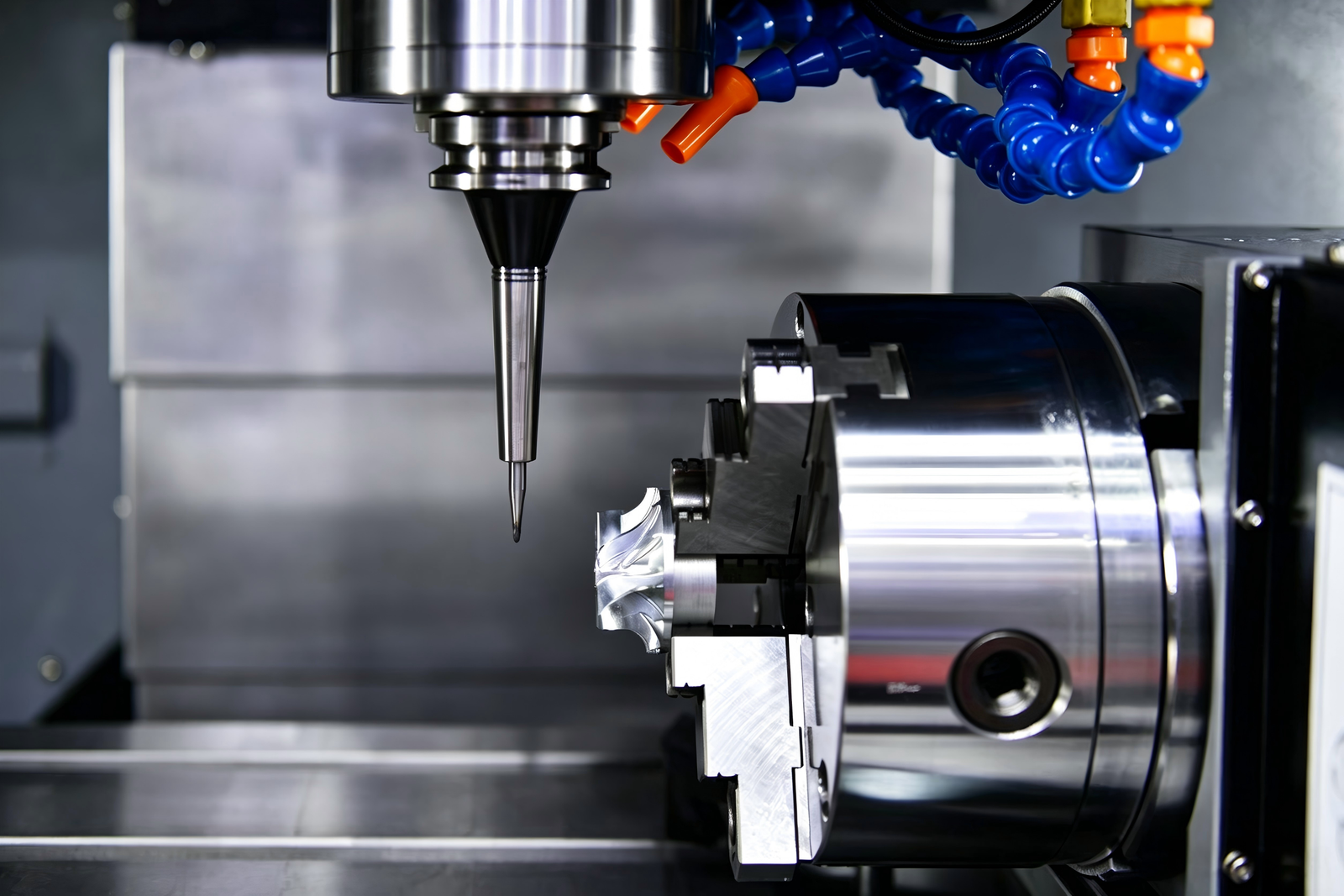
Partnering with an experienced manufacturer offers significant advantages.
الدعم الهندسي
Design-for-manufacturing (سوق دبي المالي) analysis helps reduce costs and improve manufacturability.
تطوير النموذج الأولي
Rapid prototyping accelerates product validation and development.
Low-Volume and Mass Production
A capable supplier can support projects from prototypes to large production runs.
Advanced Inspection Equipment
Comprehensive quality control ensures consistent product performance.
الخبرة المادية
Experienced suppliers understand material behavior and machining optimization.
How to Select a CNC Machining Partner for Engine Components
When evaluating suppliers, النظر في ما يلي:
قدرات التصنيع
3-محور, 4-محور, والتصنيع باستخدام الحاسب الآلي ذو 5 محاور
Turning and milling services
EDM capabilities
Grinding and honing services
Quality Systems
Look for suppliers with robust quality management processes and documented inspection procedures.
تجربة الصناعة
Manufacturers with automotive, الفضاء الجوي, or industrial engine experience can often provide valuable engineering insights.
القدرة الإنتاجية
Ensure the supplier can accommodate future production growth.
الدعم الفني
Choose a supplier capable of providing design assistance, توصيات مادية, وتحسين العملية.
Future Trends in CNC Engine Component Manufacturing
5-محور التصنيع باستخدام الحاسب الآلي
5-axis technology enables faster machining and more complex geometries with fewer setups.
التصنيع الذكي
Real-time monitoring improves productivity and machine utilization.
AI-Assisted Programming
Artificial intelligence is helping optimize toolpaths, cycle times, and cutting parameters.
Digital Twin Technology
Virtual simulations reduce development risks and improve manufacturing efficiency.
Lightweight Engine Design
Manufacturers continue to adopt lightweight materials and advanced machining strategies to improve fuel efficiency.
Hybrid Manufacturing
Combining additive manufacturing and CNC machining creates new possibilities for complex engine designs.
خاتمة
CNC machining has become the backbone of modern engine component manufacturing. Its ability to deliver exceptional precision, التكرار, and production efficiency makes it indispensable for automotive, الفضاء الجوي, البحرية, والتطبيقات الصناعية.
From engine blocks and cylinder heads to crankshafts, بيستونز, and turbocharger components, CNC machining enables manufacturers to produce reliable, high-performance parts that meet increasingly demanding industry requirements.
For companies seeking custom engine components, selecting an experienced CNC machining partner with advanced equipment, مراقبة جودة صارمة, and strong engineering support can significantly improve product performance, تقليل المهل, and lower overall manufacturing costs.
الأسئلة الشائعة
1.What engine components are commonly manufactured using CNC machining?
Common CNC-machined engine parts include cylinder heads, كتل المحرك, بيستونز, أعمدة الكرنك, أعمدة الكامات, قضبان التوصيل, intake manifolds, مكونات الصمام, and turbocharger housings.
2.What is the best material for CNC machined engine parts?
The ideal material depends on the application. Aluminum alloys are preferred for lightweight components, while alloy steels and titanium are commonly used for high-strength applications.
3.How accurate is CNC machining for engine components?
Modern CNC machines can achieve tolerances as tight as ±0.002 mm, اعتمادا على المواد, هندسة, and machining process.
4.What is the difference between CNC boring and honing?
Boring enlarges and accurately sizes holes, while honing refines the surface finish and geometry of those holes for optimal performance.
5.Can CNC machining produce custom racing engine parts?
نعم. CNC machining is widely used to manufacture custom pistons, قضبان التوصيل, intake manifolds, الاسطوانات, and turbocharger components for racing applications.
6.Which industries require CNC machined engine components?
السيارات, رياضة السيارات, الفضاء الجوي, البحرية, طاقة, دفاع, and industrial equipment manufacturers all rely on CNC-machined engine parts.
7.How does 5-axis CNC machining improve engine component production?
5-axis machining enables complex geometries to be machined in a single setup, reducing production time while improving accuracy and surface quality.
8.What quality inspections are performed on engine components?
Common inspections include CMM measurement, surface roughness testing, dimensional verification, material certification review, and functional testing.
9.Can CNC machining support both prototyping and mass production?
نعم. CNC machining is highly flexible and suitable for prototypes, إنتاج منخفض الحجم, والتصنيع على نطاق واسع.
10.How do I choose a reliable CNC machining supplier?
Look for a supplier with advanced machining capabilities, strong quality systems, تجربة الصناعة, engineering support, فترات زمنية تنافسية, and proven manufacturing expertise.


