



تصلب الفولاذ هو عملية معدنية أساسية تستخدم لتحسين الأداء الميكانيكي لمكونات الفولاذ بشكل ملحوظ. من خلال التحكم في دورات التدفئة والتبريد, يمكن تحويل الفولاذ إلى مادة ذات صلابة أعلى, تحسين مقاومة التآكل, وتعزيز قوة التعب.
إن تصلب الفولاذ ليس أمراً اختيارياً، بل هو ضروري. الصناعات مثل السيارات, الفضاء الجوي, طاقة, التعدين, وتعتمد الآلات الثقيلة على الأجزاء الفولاذية الصلبة لضمان السلامة, متانة, وعمر خدمة طويل في ظل ظروف التشغيل القاسية.
توفر هذه المقالة نظرة فنية شاملة لطرق تصلب الفولاذ, مبادئ علم المواد, معايير اختيار العملية, والتطبيقات الصناعية في العالم الحقيقي, مصممة للمهندسين, المشترين, والاستعانة بالمتخصصين الذين يبحثون عن حلول تصنيع موثوقة.
ما هو تصلب الصلب?
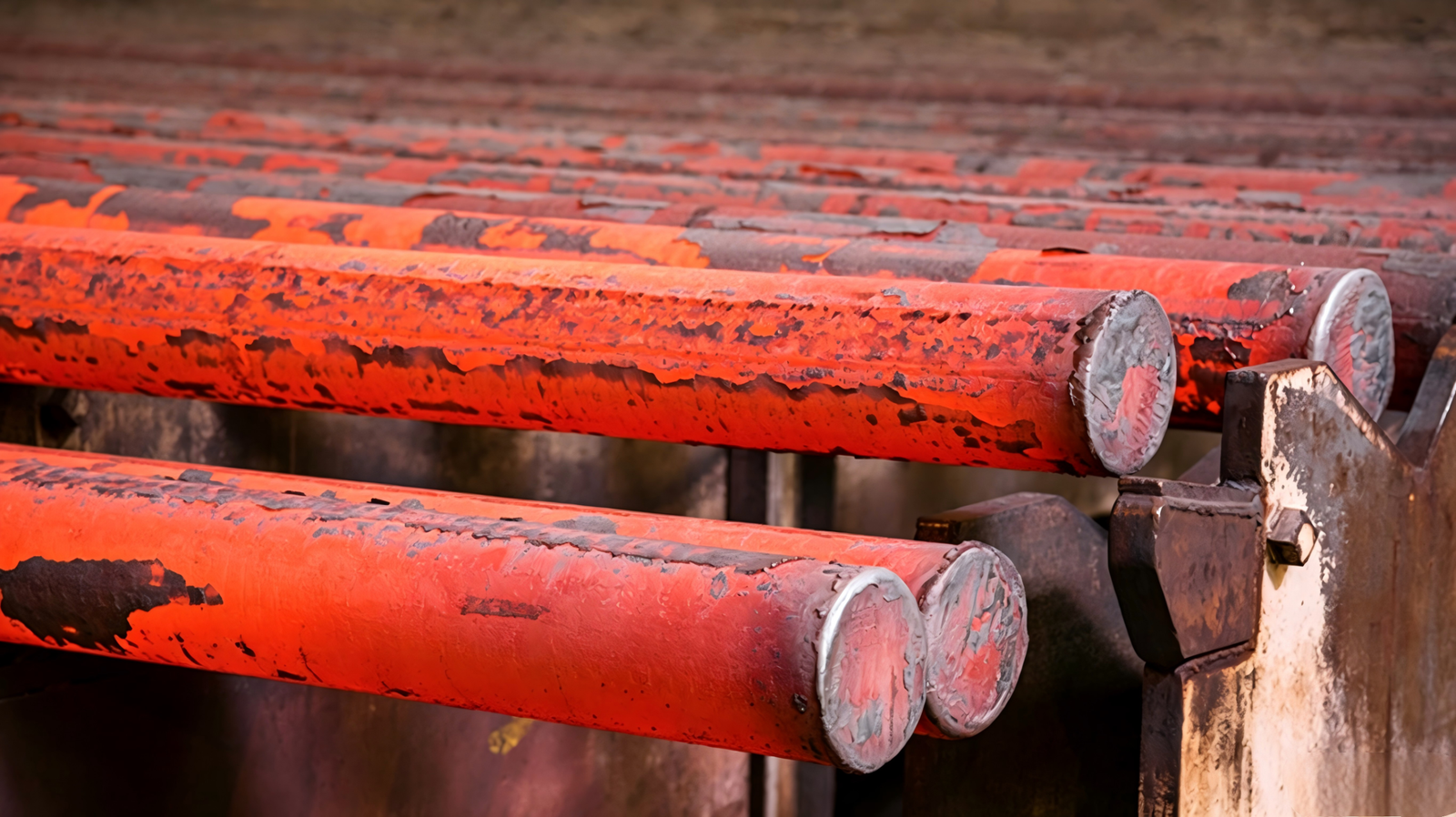
تصلب الفولاذ هو عملية معالجة حرارية تزيد من صلابة الفولاذ عن طريق تغيير بنيته الداخلية الدقيقة. يتم تحقيق ذلك عن طريق تسخين الفولاذ إلى درجة حرارة حرجة ثم تبريده بمعدل متحكم فيه لتشكيل بنية طور أكثر صلابة - عادة مارتنسيت.
الأهداف الرئيسية لتصلب الفولاذ:
زيادة صلابة السطح والأساسية (اعتمادا على الطريقة)
تحسين مقاومة التآكل
تعزيز القوة الميكانيكية
زيادة عمر التعب تحت التحميل الدوري
تحسين الأداء في البيئات عالية الضغط
غالبًا ما يتبع التصلب عملية التقسية لتحقيق التوازن بين الصلابة والمتانة, تقليل الهشاشة مع الحفاظ على القوة.
المبادئ المعدنية وراء تصلب الفولاذ
يعتمد تصلب الفولاذ بشكل أساسي على تحول الطور في سبائك الحديد والكربون.
الهياكل المجهرية الرئيسية في الصلب:
الفريت: مرحلة لينة وقابلة للسحب
بيرليت: قوة وصلابة معتدلة
الأوستنيون: مرحلة ارتفاع درجة الحرارة مع هيكل لجنة الاتصالات الفدرالية
مارتنسيت: صعب للغاية, مرحلة هشة تتكون من التبريد السريع
بينيت: يتم تشكيل مرحلة القوة والمتانة المتوازنة تحت التبريد المتحكم فيه
آلية تحويل المرحلة
عندما يتم تسخين الفولاذ فوق درجة حرارة الأوستنيتي (عادة 800-900 درجة مئوية), يتحول هيكلها إلى الأوستينيت. يمنع التبريد السريع تحول التوازن ويجبر ذرات الكربون على تكوين بنية شبكية مشوهة, تشكيل مارتنسيت.
هذا التحول هو ما يخلق صلابة عالية.
العوامل المؤثرة على الصلابة
تعتمد الصلابة والأداء النهائي على العديد من المتغيرات المعدنية والعملية:
1. محتوى الكربون
منخفض الكربون (<0.25%): قدرة تصلب محدودة
الكربون المتوسط (0.25%-0.6%): مثالية للمكونات الهندسية العامة
نسبة عالية من الكربون (>0.6%): صلابة عالية ولكن زيادة الهشاشة
2. عناصر صناعة السبائك
الكروم: يحسن مقاومة التآكل والصلابة
النيكل: يعزز المتانة
المنغنيز: يزيد من الصلابة
الموليبدينوم: يقلل من الهشاشة أثناء التقسية
الفاناديوم: صقل الحبوب وتحسين القوة
3. معدل التبريد
يزيد التبريد السريع من الصلابة ولكنه يزيد أيضًا من خطر التشقق.
4. هندسة المكونات
الأجزاء السميكة تبرد بشكل غير متساو, تؤثر على التوحيد صلابة.
نظرة عامة على عملية المعالجة الحرارية للصلب
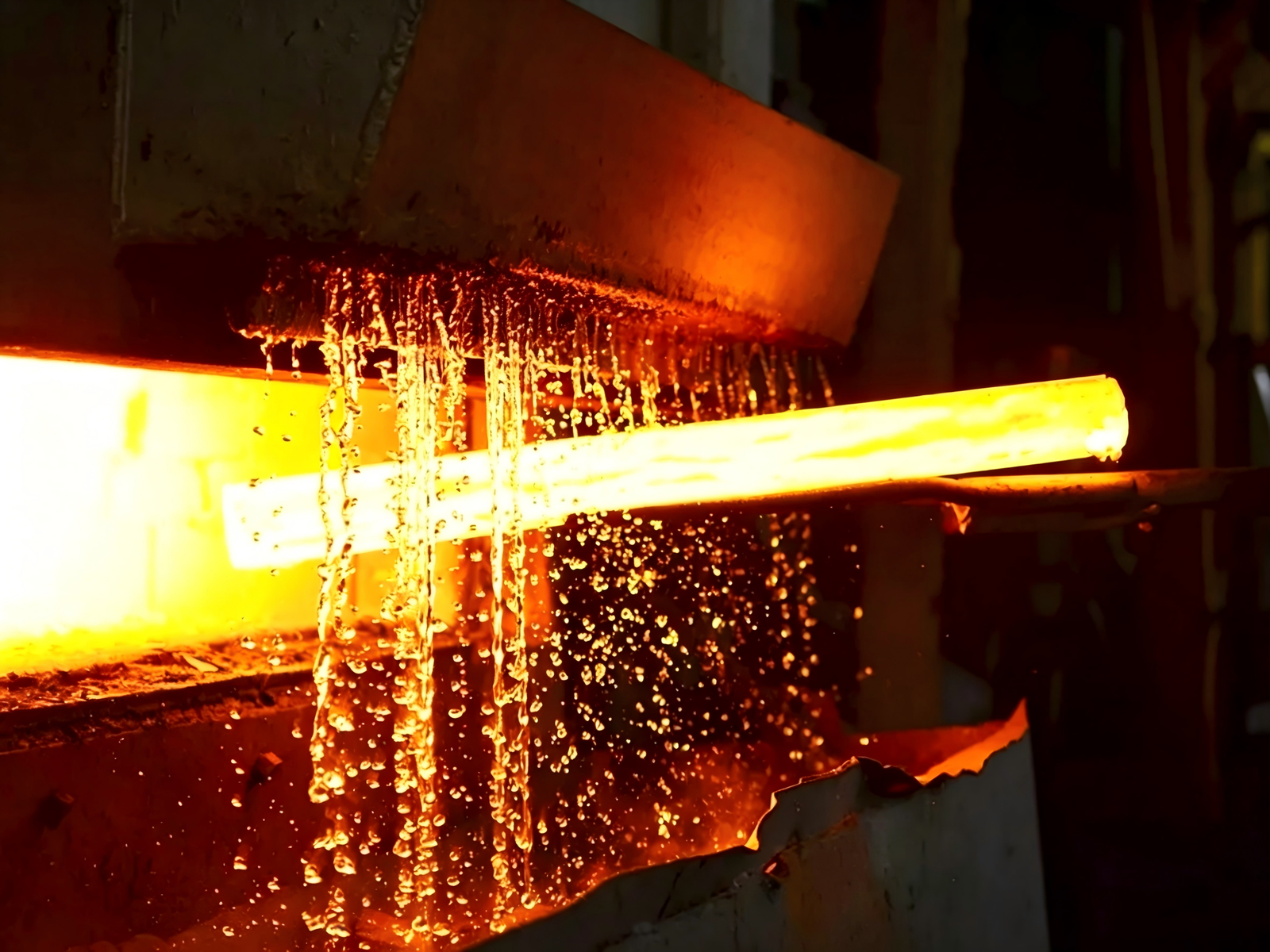
عادة ما يتبع تصلب الفولاذ ثلاث مراحل خاضعة للرقابة:
1. التدفئة (الأوستنيتية)
يتم تسخين الفولاذ إلى 800-900 درجة مئوية حسب التركيب.
2. تمرغ
يتم الاحتفاظ بالمادة عند درجة حرارة لضمان تحول البنية المجهرية بشكل موحد.
3. تبريد (التبريد)
يتم تبريد الفولاذ بسرعة باستخدام:
ماء (أقصى صلابة, أعلى خطر التشقق)
زيت (التبريد المتوازن وتقليل الضغط)
الهواء أو الغاز (تشويه منخفض, صلابة أقل)
تقنيات تصلب الصلب الرئيسية
1. التبريد والتلطيف
هذه هي طريقة التصلب الصناعي الأكثر استخدامًا.
تدفق العملية:
الأوستنيتية (800-900 درجة مئوية)
التبريد السريع (الماء / الزيت)
هدأ (150-600 درجة مئوية حسب المتانة المطلوبة)
مزايا:
توازن عالي القوة والمتانة
مناسبة للأجزاء الهيكلية والميكانيكية
فعالة من حيث التكلفة وقابلة للتطبيق على نطاق واسع
التطبيقات:
مهاوي ومحاور
التروس والعجلات المسننة
أعمدة الكرنك
مكونات الآلات الثقيلة
2. تصلب القضية (تصلب السطح)
يؤدي تصلب الهيكل إلى إنشاء سطح خارجي صلب مع الحفاظ على قلب مرن.
الكربنة:
ينتشر الكربون على سطح الفولاذ عند درجة حرارة 850-950 درجة مئوية
تنتج طبقة صلبة عميقة
نيترة:
انتشار النيتروجين في درجات حرارة منخفضة (~500-550 درجة مئوية)
الحد الأدنى من التشويه, لا التبريد المطلوبة
مزايا:
سطح صلب مقاوم للتآكل
هيكل داخلي متين
مقاومة التعب ممتازة
التطبيقات:
مكونات العتاد
أعمدة الكامات
الأجزاء الميكانيكية الدقيقة
3. تصلب الحث
يستخدم التصلب التعريفي التسخين الكهرومغناطيسي لتصلب المساحات السطحية بشكل انتقائي.
عملية:
تيار عالي التردد يسخن السطح بسرعة
يتبع التبريد الفوري
مزايا:
تصلب موضعي دقيق
دورة معالجة سريعة
الحد الأدنى من التشوه
التطبيقات:
أسنان التروس
رمان
مهاوي القيادة
مكونات السيارات
4. تصلب اللهب
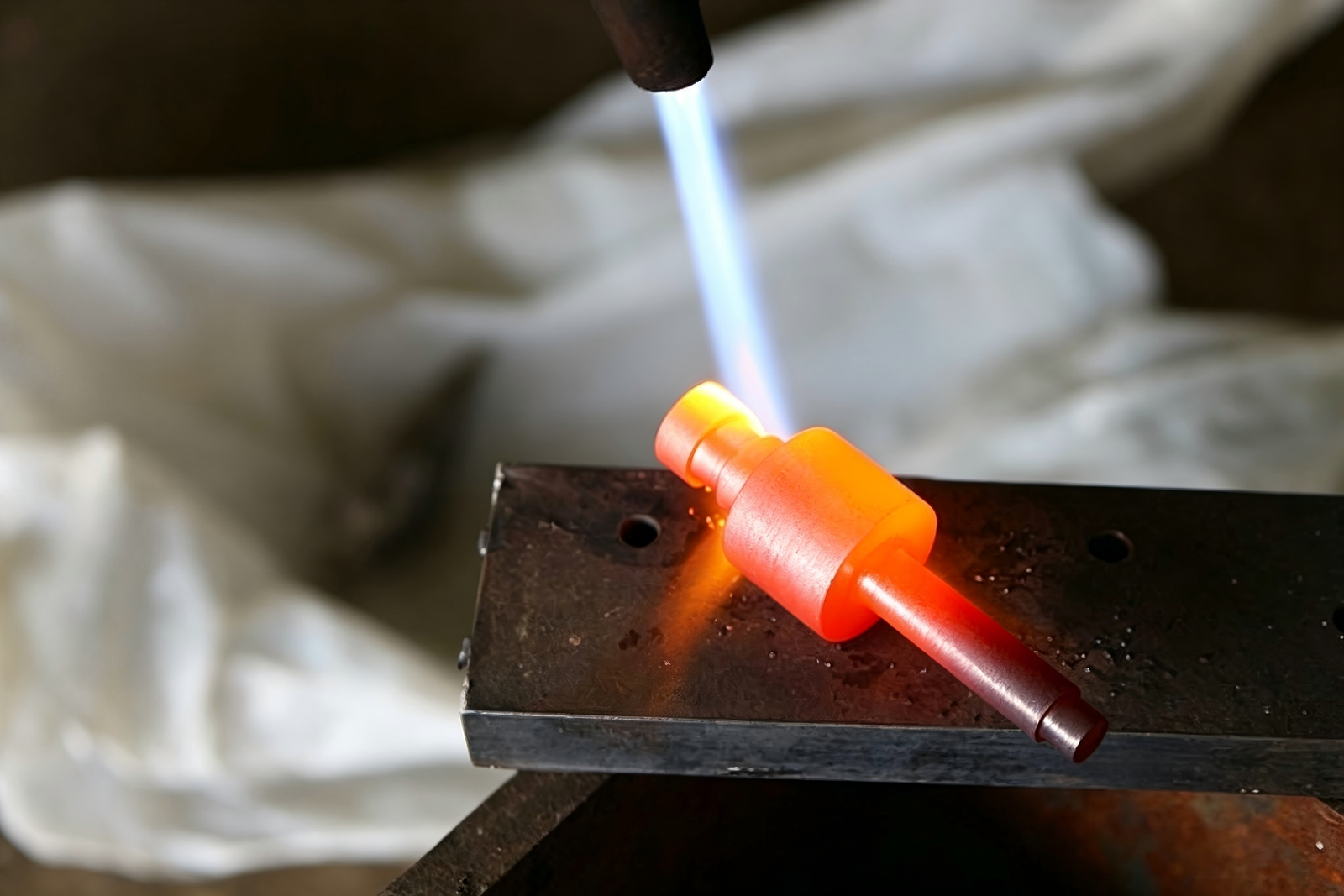
يستخدم تصلب اللهب لهب وقود أوكسي لتسخين المساحات السطحية قبل التبريد.
مزايا:
مناسبة للمكونات الكبيرة
مرنة وفعالة من حيث التكلفة
العلاج الموضعي ممكن
محددات:
أقل دقة من تصلب الحث
التطبيقات:
بكرات كبيرة
أسرة الآلة
قطع غيار معدات البناء
5. التقشف
Austempering هي عملية تبريد يتم التحكم فيها والتي تشكل الباينيت بدلاً من المارتنسيت.
مزايا:
تقليل التشويه
تحسين المتانة
انخفاض الإجهاد المتبقي
التطبيقات:
الينابيع
مركبات اساسيه
قطع غيار السيارات التي تتطلب مقاومة التعب
6. تصلب الليزر (الطريقة المتقدمة)
يستخدم التصلب بالليزر طاقة ليزر مركزة لمعالجة سطحية دقيقة.
مزايا:
دقيق للغاية
الحد الأدنى من التشوه الحراري
مثالية للهندسة المعقدة
التطبيقات:
مكونات الفضاء الجوي
أدوات عالية القيمة
الأجزاء الهندسية الدقيقة
مقارنة طرق التصلب
| طريقة | مستوى الصلابة | تشويه | يكلف | دقة |
| التبريد & هدأ | عالي | واسطة | قليل | واسطة |
| الكربنة | عالية جدًا (سطح) | واسطة | واسطة | واسطة |
| نيترة | عالي (سطح) | قليل | عالي | عالي |
| تصلب الحث | عالي | قليل | واسطة | عالي |
| تصلب اللهب | متوسطة - عالية | واسطة | قليل | قليل |
| تصلب الليزر | عالية جدًا | منخفض جدا | عالي | عالية جدًا |
التطبيقات الصناعية لتصلب الفولاذ
صناعة السيارات
تروس ناقل الحركة
أعمدة الكرنك
أعمدة الكامات
مكونات تحمل
صناعة الطيران
أنظمة الهبوط
ريش التوربينات
السحابات الهيكلية
صناعة التعدين
فكي كسارة
لقم الثقب
أجزاء ارتداء حفارة
قطاع الطاقة
مهاوي التوربينات
مكونات الصمام
أجزاء توربينات الرياح
صناعة البناء
الهياكل الحاملة
مكونات التعزيز
قطع غيار المعدات الثقيلة
صناعة السكك الحديدية
القضبان
عجلات
المحاور
أداة & تصنيع القالب
قوالب الحقن
أدوات القطع
ختم يموت
العيوب الشائعة في تصلب الفولاذ
1. تكسير
يحدث بسبب إجهاد التبريد السريع أو الاختيار غير المناسب للمواد.
2. تشويه
يحدث بسبب التمدد الحراري غير المتساوي أثناء التبريد.
3. إزالة الكربنة
يؤدي فقدان الكربون على السطح أثناء التسخين إلى تقليل الصلابة.
4. البقع الناعمة
بسبب التسخين غير المتكافئ أو التبريد غير الكافي.
كيفية اختيار طريقة التصلب الصحيحة
يعتمد اختيار العملية الصحيحة على:
نوع المواد (الكربون الصلب مقابل سبائك الصلب)
عمق الصلابة المطلوبة (السطح مقابل التصلب)
هندسة المكون وحجمه
حجم الإنتاج
قيود التكلفة
مستوى الدقة المطلوبة
على سبيل المثال:
التروس → الكربنة أو تصلب الحث
مهاوي → التبريد والتلطيف أو تصلب الحث
أجزاء عالية الدقة → نيترة أو تصلب بالليزر
الأجزاء المصنعة باستخدام الحاسب الآلي وتكامل تصلب الفولاذ
في التصنيع الحديث, غالبًا ما يتم دمج تصلب الفولاذ مع التصنيع باستخدام الحاسب الآلي لإنتاج مكونات وظيفية عالية الدقة.
وتشمل التطبيقات النموذجية:
التروس الصناعية
مكونات الأدوات
بين قوسين الفضاء الجوي
أجزاء محرك السيارة
في هذه المرحلة, يعد العمل مع مورد يدمج إمكانيات التصنيع باستخدام الحاسب الآلي والمعالجة الحرارية أمرًا بالغ الأهمية لضمان دقة الأبعاد بعد التصلب.
(للمصادر الصناعية, يجمع العديد من المشترين بين التصنيع والمعالجة الحرارية تحت مورد واحد مثل topsbest-precision.com لتقليل التكلفة والمدة الزمنية.)
خاتمة
تعتبر عملية تصلب الفولاذ عملية أساسية في الهندسة الحديثة والتي تحدد الأداء بشكل مباشر, مصداقية, وعمر الخدمة للمكونات الميكانيكية. كل طريقة تصلب - سواء التبريد أو التقسية, تصلب القضية, أو التقسية المتقدمة بالليزر - توفر مزايا فريدة اعتمادًا على متطلبات التطبيق.
للمشترين الصناعيين والمهندسين, إن اختيار العملية الصحيحة ليس مجرد قرار فني, ولكنها استراتيجية تؤثر على متانة المنتج, تكلفة الإنتاج, والأداء على المدى الطويل.
إذا كنت تقوم بشراء مكونات فولاذية صلبة أو تحتاج إلى أجزاء مُشكَّلة باستخدام الحاسب الآلي مع معالجة حرارية يمكن التحكم فيها, تعد الشراكة مع مورد التصنيع الدقيق ذو الخبرة أمرًا ضروريًا لضمان الجودة والأداء المتسقين.
الأسئلة الشائعة
1. ما هو الغرض الرئيسي من تصلب الفولاذ?
الغرض الرئيسي من تصلب الفولاذ هو تحسين الصلابة, ارتداء المقاومة, والقوة الميكانيكية عن طريق تغيير البنية المجهرية للفولاذ من خلال المعالجة الحرارية والتبريد المتحكم فيهما.
2. ما هو الفرق بين تصلب وتلطيف?
يزيد التصلب من صلابة الفولاذ عن طريق تكوين المارتينسيت من خلال التبريد السريع, بينما تعمل عملية التقسية على إعادة تسخين الفولاذ المتصلب إلى درجة حرارة أقل لتقليل الهشاشة وتحسين المتانة.
3. ما هو الفولاذ الأفضل للتصلب?
فولاذ متوسط الكربون (مثل 1045, 4140, و 4340) وسبائك الفولاذ هي الأكثر ملاءمة للتصلب لأنها توفر توازنًا جيدًا بين الصلابة والمتانة بعد المعالجة الحرارية.
4. هل يمكن تصلب الفولاذ المقاوم للصدأ?
نعم, ولكن أنواع معينة فقط. يمكن تقوية الفولاذ المقاوم للصدأ المارتنسيتي والمتصلب بالترسيب من خلال المعالجة الحرارية, في حين أن الفولاذ المقاوم للصدأ الأوستنيتي لا يمكن عمومًا تصليبه بنفس الطريقة.
5. ما هو تصلب القضية المستخدمة ل?
يتم استخدام تصلب الحالة لإنشاء مادة صلبة, طبقة سطحية مقاومة للاهتراء مع الحفاظ على قلب قوي ومرن. يتم استخدامه عادة للتروس, أعمدة الكامات, وغيرها من المكونات عالية التآكل.
6. لماذا يستخدم الزيت في التبريد بدلا من الماء؟?
يستخدم الزيت لأنه يبرد الفولاذ بشكل أبطأ من الماء, تقليل خطر التكسير, تشويه, والضغط الداخلي مع تحقيق الصلابة الكافية.
7. ما هي المشاكل التي يمكن أن تحدث أثناء تصلب الفولاذ?
تشمل المشكلات الشائعة التشقق, تشويه, إزالة الكربنة, والبقع الناعمة. عادة ما يكون سبب ذلك التحكم غير المناسب في درجة الحرارة, وسائط التبريد غير صحيحة, أو سوء اختيار المواد.
8. كيف يعمل تصلب الفولاذ على تحسين عمر المنتج?
عن طريق زيادة صلابة السطح ومقاومة التآكل, تصلب الفولاذ يقلل بشكل كبير من التآكل, ضرر التعب, والتشوه, مما يؤدي إلى عمر خدمة أطول للمكونات الميكانيكية.


