



الجلفنة هي طرق فعالة واقتصادية لحماية الفولاذ من التآكل. عن طريق طلاء الفولاذ أو الحديد بطبقة من الزنك, يمكن للمصنعين إطالة عمر خدمة المكونات المعدنية بشكل كبير مع تقليل تكاليف الصيانة. اليوم, يستخدم الفولاذ المجلفن على نطاق واسع في البناء, السيارات, زراعة, نقل الطاقة, الاتصالات السلكية واللاسلكية, والتصنيع الصناعي بسبب متانته المتميزة وفعاليته من حيث التكلفة.
يشرح هذا الدليل كيفية عمل الجلفنة, طرق الجلفنة المختلفة, مزاياها والقيود, معايير الصناعة, وكيفية اختيار العملية المناسبة لمشروعك.
1. ما هو الجلفنة?
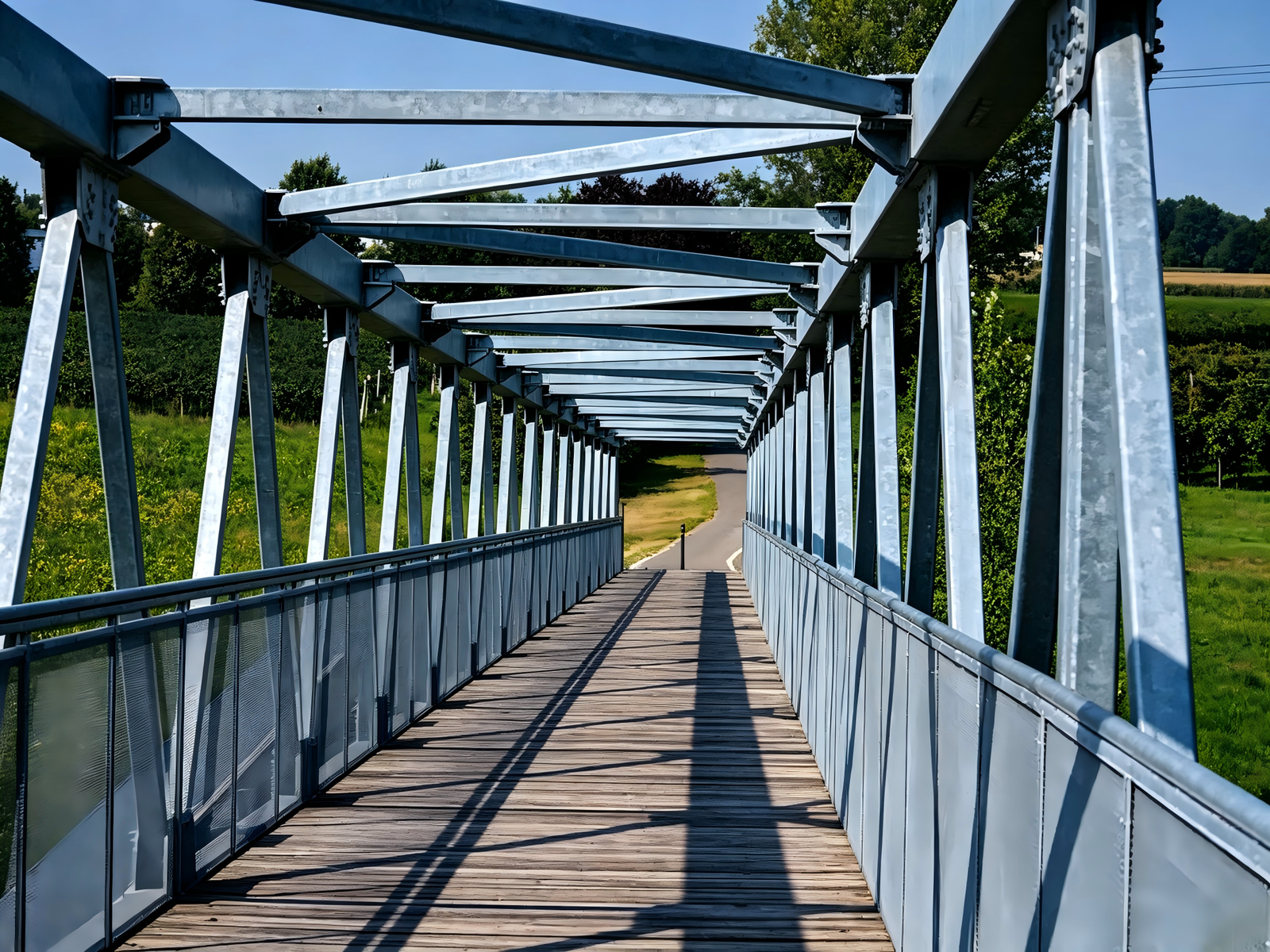
على عكس الطلاء, الذي يغطي السطح ببساطة, يشكل الجلفنة رابطة معدنية مع المعدن الأساسي, مما يجعل الطلاء متينًا للغاية ومقاومًا للتقشير أو التقطيع.
وتشمل الفوائد الرئيسية:
- مقاومة ممتازة للتآكل
- عمر أطول للمنتج
- انخفاض الصيانة
- انخفاض تكاليف دورة الحياة
- تحسين المتانة الميكانيكية
2. لماذا تعتبر الجلفنة مهمة؟?
يصدأ الفولاذ بشكل طبيعي عند تعرضه للرطوبة والأكسجين. التآكل يمكن أن يضعف الهياكل, زيادة تكاليف الصيانة, وتقصير عمر المنتج.
يعالج الجلفنة هذه المشكلات من خلال توفير:
- حماية فائقة من التآكلفي البيئات الخارجية والصناعية.
- متانة طويلة الأمد, غالبًا ما تستمر عقودًا اعتمادًا على بيئة الخدمة.
- انخفاض تكاليف الصيانةلأن المكونات المجلفنة تتطلب الحد الأدنى من الصيانة.
- أداء موثوقحتى في الظروف الجوية القاسية.
- الحماية المستدامة, تقليل الحاجة إلى إعادة الطلاء أو الاستبدال بشكل متكرر.
للعديد من التطبيقات الصناعية, توفر عملية الجلفنة واحدة من أقل تكاليف الملكية الإجمالية مقارنة بالطلاءات الواقية البديلة.
3. كيف يعمل الجلفنة?
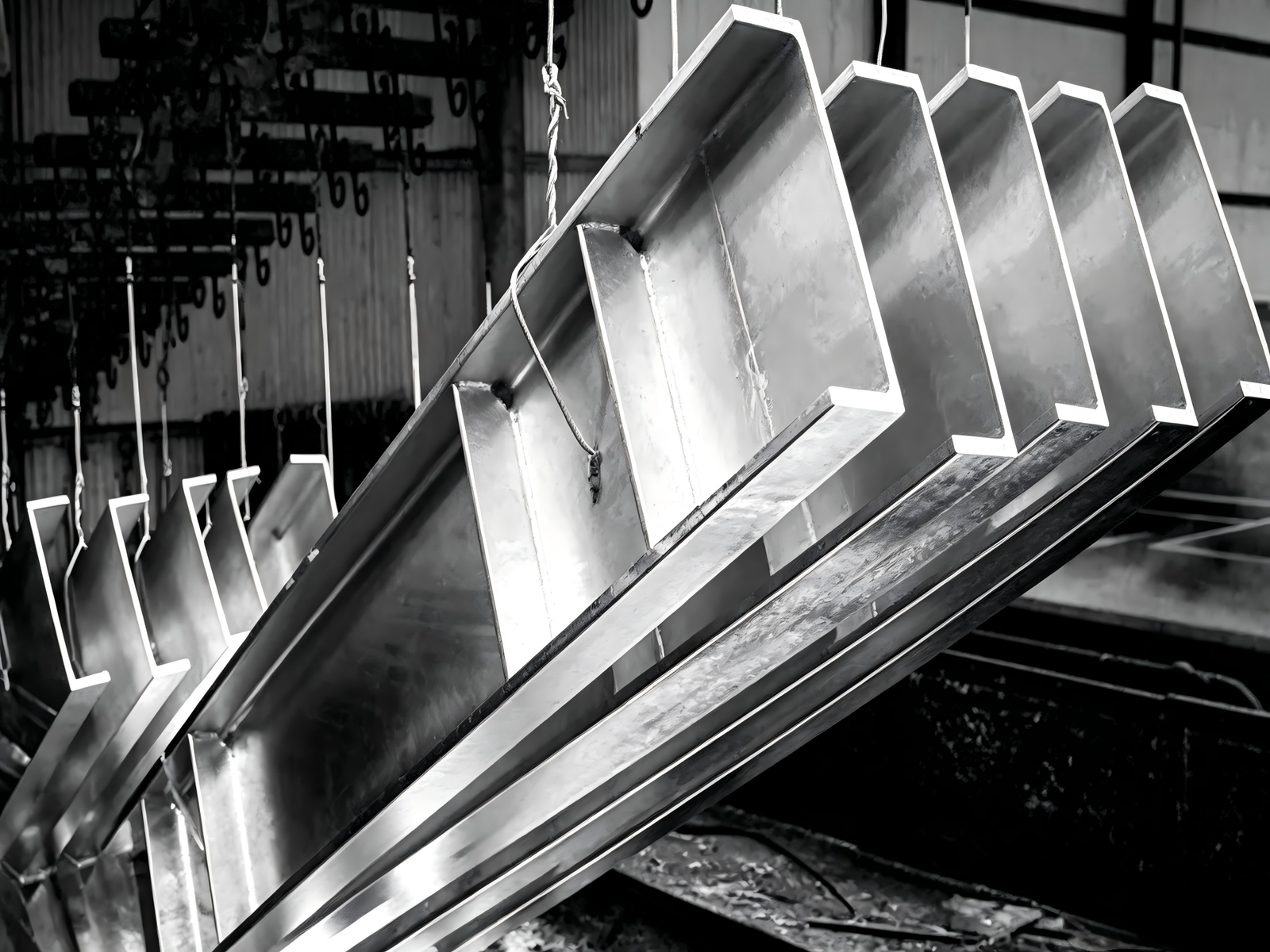
تأتي فعالية الجلفنة من آليتين للحماية.
حماية الحاجز
طلاء الزنك يعزل الفولاذ عن الهواء والرطوبة, منع الأكسدة وتكوين الصدأ.
حماية الأضحية
الزنك أكثر نشاطًا كيميائيًا من الفولاذ. حتى لو تم خدش الطلاء, يتآكل الزنك المحيط أولاً, حماية الفولاذ المكشوف من خلال العمل الكاثودي.
تعد هذه الحماية المزدوجة أحد الأسباب الرئيسية وراء أداء الفولاذ المجلفن بشكل جيد للغاية في البيئات الصعبة.
4. أنواع الجلفنة
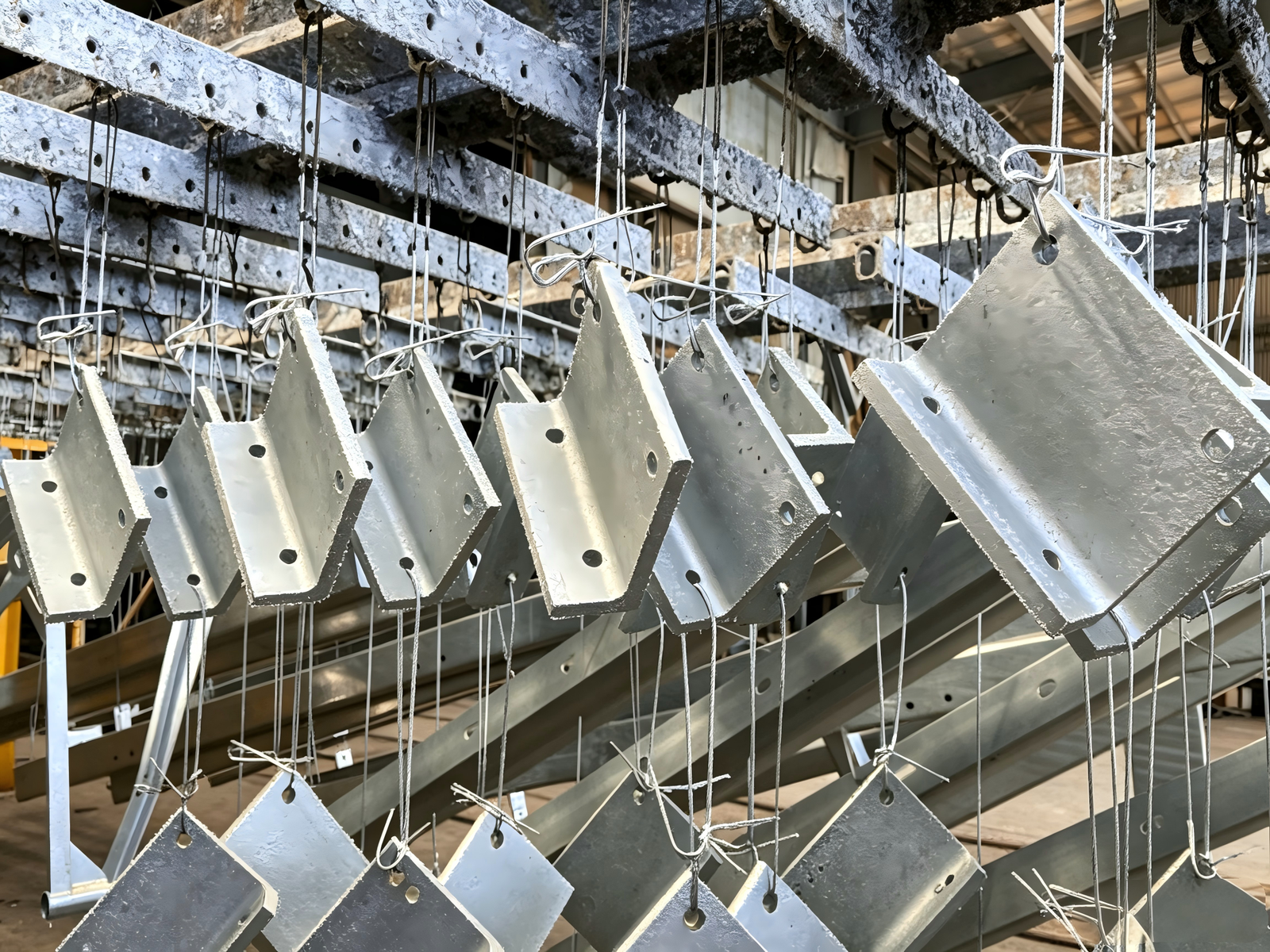
الجلفنة بالغمس الساخن
يتم غمر المكونات الفولاذية في الزنك المنصهر عند درجة حرارة 450 درجة مئوية تقريبًا, إنتاج طلاء سميك ودائم.
مزايا
- مقاومة ممتازة للتآكل
- عمر خدمة طويل
- مناسبة للأجزاء الهيكلية الكبيرة
التطبيقات
الجسور, أبراج الإرسال, الفولاذ الهيكلي, سياج, والدرابزين.
الجلفنة الكهربائية
المعروف أيضا باسم الطلاء الكهربائي بالزنك, تقوم هذه العملية بترسيب الزنك باستخدام التيار الكهربائي.
مزايا
- الانتهاء من سطح أملس
- سمك طلاء دقيق
- مثالي للأجزاء الزخرفية
التطبيقات
مكونات السيارات, الأجهزة, والأجهزة الإلكترونية.
شيراردينج
يتم تسخين الأجزاء الفولاذية بمسحوق الزنك, السماح للزنك بالانتشار في السطح.
مزايا
- طلاء موحد
- تغطية موضوع ممتازة
- تقليل خطر التقصف الهيدروجيني
التطبيقات
مهمات الربط, التروس, والمكونات الدقيقة.
الجلفنة المسبقة
تمر صفائح الفولاذ عبر حمام الزنك المنصهر المستمر قبل التصنيع.
مزايا
- كفاءة إنتاجية عالية
- طلاء موحد
- فعالة من حيث التكلفة للمنتجات الورقية
التطبيقات
ألواح التسقيف, قنوات التكييف, والأنابيب الفولاذية.
الجلفنة الميكانيكية
يتم ربط مسحوق الزنك ميكانيكيًا بأجزاء صغيرة دون حرارة.
التطبيقات
البراغي, مسامير, غسالات, وغيرها من السحابات.
5. عملية الجلفنة بالغمس الساخن خطوة بخطوة
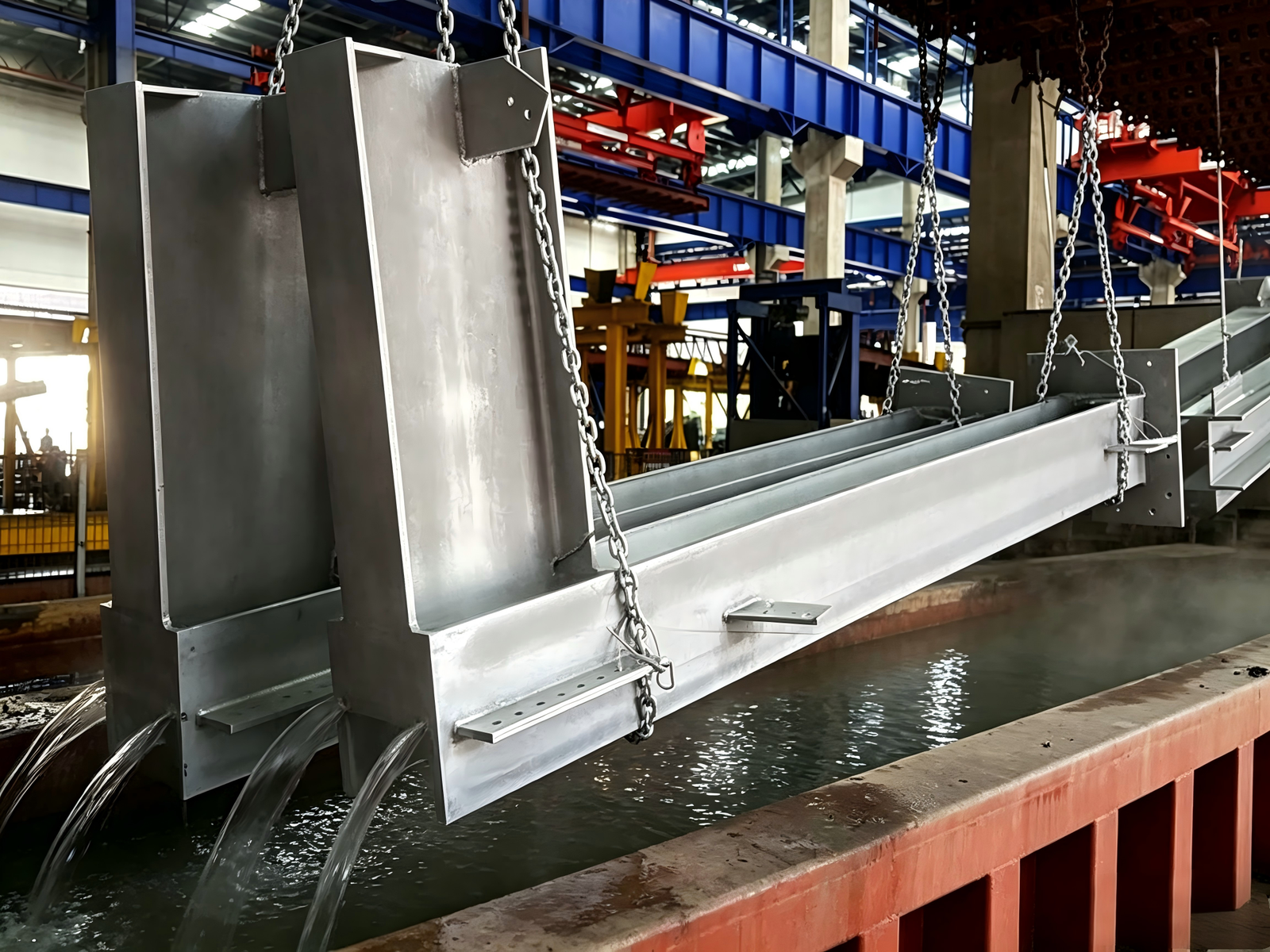
تتكون عملية الجلفنة بالغمس الساخن النموذجية من المراحل التالية:
- تقتيش– التحقق من السطح الصلب للعيوب.
- إزالة الشحوم- إزالة الزيت, شحم, والملوثات.
- تخليل– القضاء على الصدأ والترسبات الكلسية باستخدام الحمض.
- الشطف- تنظيف المواد الكيميائية المتبقية.
- التدفق– تطبيق التمويه لتحسين التصاق الزنك.
- تجفيف- تحضير السطح للغمر.
- حمام الزنك- غمر الجزء في الزنك المنصهر.
- تبريد- قم بإرواء أو تبريد المكون المطلي بالهواء.
- تقتيش– التحقق من سمك الطلاء, التصاق, والمظهر.
6. معايير سمك طلاء الزنك
يعتمد سمك الطلاء المطلوب على التطبيق والمعايير المعمول بها.
وتشمل المعايير الدولية المشتركة:
- أستم A123
- أستم A153
- ايزو 1461
- في ايزو 14713
توفر الطلاءات السميكة عمومًا حماية أطول من التآكل ولكنها قد تزيد من تكاليف المعالجة. إن اختيار المعيار المناسب يضمن الجودة والأداء المتسقين.
7. الجلفنة مقابل التشطيبات السطحية الأخرى
| صقل الأسطح | المقاومة للتآكل | يكلف | مظهر | الاستخدام النموذجي |
| الجلفنة بالغمس الساخن | ممتاز | واسطة | صناعي | الفولاذ الهيكلي |
| مسحوق الطلاء | جيد | واسطة | ديكور | المنتجات الاستهلاكية |
| تلوين | معتدل | قليل | ألوان مخصصة | تطبيقات داخلية |
| الكهربائي | معتدل | واسطة | نهاية سلسة | أجزاء دقيقة |
| الفولاذ المقاوم للصدأ | ممتاز | عالي | غالي | المعدات الغذائية والطبية |
يعتمد اختيار اللمسة النهائية المناسبة على الظروف البيئية, ميزانية, والمتطلبات الجمالية.
8. مزايا الجلفنة
وتشمل المزايا الرئيسية:
- مقاومة التآكل المعلقة
- عمر خدمة طويل
- صيانة منخفضة
- رابطة معدنية قوية
- تغطية سطحية كاملة
- مقاومة تأثير ممتازة
- أداء دورة الحياة فعال من حيث التكلفة
- حماية صديقة للبيئة
هذه الفوائد تجعل الجلفنة الحل المفضل للتطبيقات الخارجية طويلة المدى.
9. حدود الجلفنة
على الرغم من مزاياها, الجلفنة لديها بعض القيود:
- تكلفة أولية أعلى من اللوحة
- قد يتشكل الصدأ الأبيض عند التعرض للرطوبة لفترة طويلة
- قد يختلف مظهر السطح
- ليست مثالية لبعض الأجزاء المصنعة بدقة
- يتطلب لحام الفولاذ المجلفن احتياطات إضافية
إن فهم هذه القيود يساعد المهندسين على اختيار المعالجة السطحية الأكثر ملاءمة.
10. الصناعات التي تستخدم الصلب المجلفن
يستخدم الفولاذ المجلفن على نطاق واسع في:
- بناء
- السيارات
- زراعة
- البنية التحتية الكهربائية
- الطاقة المتجددة
- الاتصالات
- مواصلات
- الهندسة البحرية
مزيج من القوة, متانة, ومقاومة التآكل تجعلها مناسبة للبيئات الصعبة.
11. المنتجات المجلفنة المشتركة
وتشمل المنتجات المجلفنة النموذجية:
- الحزم الهيكلية
- أنابيب الصلب
- مهمات الربط
- الدرابزين
- صواني الكابلات
- أعمدة المرافق
- الأسوار الفولاذية
- شبكة سلكية
- صفائح التسقيف
- معدات صناعية
12. جلفنة المعايير والشهادات
تتبع جودة الجلفنة المعايير المعترف بها دوليًا, بما في ذلك ASTM A123, أستم A153, ايزو 1461, و إن إسو 14713. تحدد هذه المواصفات سمك الطلاء, طرق التفتيش, ومتطلبات الجودة لضمان الأداء المتسق.
13. كيفية فحص الطلاءات المجلفنة
وتشمل طرق التفتيش الشائعة:
- التفتيش البصري
- قياس سمك الطلاء
- اختبار الالتصاق
- تقييم التوحيد
- تقييم عيوب السطح
التفتيش المنتظم يضمن الامتثال لمواصفات المشروع.
14. عيوب الجلفنة الشائعة وحلولها
تشمل العيوب النموذجية:
- الصدأ الأبيض
- البقع العارية
- الزنك الزائد
- الأسطح الخشنة
- يركض ويقطر
- شوائب الرماد
يمكن التقليل من معظم العيوب من خلال إعداد السطح المناسب, التحكم في العملية, وما بعد العلاج.
15. كم من الوقت يستمر الفولاذ المجلفن?
يعتمد العمر الافتراضي للفولاذ المجلفن على بيئة التشغيل.
- المناطق الريفية: 50– 100 سنة
- المناطق الحضرية: 30-50 سنة
- البيئات الساحلية: 20- 30 سنة
- البيئات الصناعية: يختلف باختلاف التلوث والرطوبة
يؤدي الفحص الروتيني إلى إطالة عمر الخدمة.
16. كم تكلفة الجلفنة?
التكلفة تعتمد على عدة عوامل:
- حجم المكون
- سمك الصلب
- مواصفات الطلاء
- حجم الإنتاج
- تحضير السطح
- مواصلات
- معايير الجودة المطلوبة
على الرغم من أن الاستثمار الأولي قد يكون أعلى من الرسم, غالبًا ما يوفر الجلفنة تكاليف أقل مدى الحياة بسبب انخفاض الصيانة.
17. نصائح التصميم للجلفنة
للحصول على أفضل النتائج, ينبغي للمهندسين:
- قم بتضمين فتحات تهوية وصرف كافية.
- تجنب التجاويف المغلقة.
- النظر في سمك الطلاء أثناء التصميم.
- حماية المناطق المترابطة عند الضرورة.
- اتبع إرشادات تصميم الجلفنة لتقليل التشويه.
التصميم المناسب يحسن جودة الطلاء وكفاءة التصنيع.
خاتمة
سواء باستخدام الجلفنة بالغمس الساخن, الجلفنة الكهربائية, أو عمليات طلاء الزنك الأخرى, يمكن أن يؤدي اختيار الطريقة المناسبة إلى تحسين متانة المنتج بشكل كبير, تقليل الصيانة, وانخفاض تكاليف دورة الحياة.
إذا كان مشروعك يتطلب مكونات فولاذية مجلفنة عالية الجودة أو تصنيع معادن مخصصة, العمل مع قمم الدقة-يضمن شريك التصنيع ذو الخبرة الامتثال للمعايير الدولية, جودة طلاء متسقة, وأداء يمكن الاعتماد عليه على المدى الطويل.
الأسئلة الشائعة
1. ما هو الفرق بين الجلفنة والطلاء بالزنك?
على الرغم من أن كلتا العمليتين تطبقان طلاء الزنك على الفولاذ, عادةً ما يخلق الجلفنة طبقة واقية أكثر سمكًا وأكثر متانة. تعتبر الجلفنة بالغمس الساخن مثالية للتطبيقات الخارجية والهيكلية, بينما طلاء الزنك (الجلفنة الكهربائية) يوفر أرق, لمسة نهائية أكثر سلاسة مناسبة للمنتجات الداخلية والمكونات الدقيقة.
2. يمكن قطع أو حفر الفولاذ المجلفن بعد الجلفنة?
نعم. يمكن قطع الفولاذ المجلفن, حفر, أو تشكيله بعد عملية الطلاء. لكن, يجب إصلاح أي فولاذ مكشوف تم إنشاؤه أثناء التصنيع بطبقة غنية بالزنك أو أي طريقة إصلاح معتمدة أخرى للحفاظ على الحماية من التآكل.
3. هل الجلفنة بالغمس الساخن مناسبة لجميع أنواع الفولاذ?
يمكن بنجاح جلفنة معظم أنواع الفولاذ الكربوني بالغمس الساخن. لكن, يمكن أن يؤثر التركيب الكيميائي للفولاذ - وخاصة محتواه من السيليكون والفوسفور - على سمك الطلاء ومظهره. استشارة مورد الجلفنة الخاص بك قبل التوصية بالإنتاج.
4. هل تؤثر الجلفنة على الخواص الميكانيكية للصلب؟?
في معظم الحالات, الجلفنة ليس لها تأثير يذكر على القوة, صلابة, أو السلامة الهيكلية للصلب. تضمن درجات حرارة المعالجة التي يتم التحكم فيها بشكل صحيح احتفاظ المادة الأساسية بخصائصها الميكانيكية الأصلية.
5. هل يمكن لحام الفولاذ المجلفن?
نعم, يمكن لحام الفولاذ المجلفن. لكن, يجب إزالة طلاء الزنك بالقرب من منطقة اللحام مسبقًا, وينبغي استخدام التهوية المناسبة لأن أبخرة الزنك يمكن أن تكون خطرة. بعد اللحام, يجب إصلاح المنطقة المصابة بطبقة غنية بالزنك لاستعادة مقاومة التآكل.
6. كيف يجب تخزين الفولاذ المجلفن قبل التركيب؟?
يجب أن يتم تخزين المنتجات المجلفنة في مكان جاف, بيئة جيدة التهوية. تجنب تكديس المكونات الرطبة معًا لفترات طويلة, لأن الرطوبة المحاصرة يمكن أن تسبب ظهور صدأ أبيض على سطح الزنك.
7. ما هي العوامل التي تؤثر على عمر الفولاذ المجلفن؟?
تعتمد متانة الفولاذ المجلفن على عدة عوامل, بما في ذلك سمك الطلاء, الظروف البيئية, رطوبة, التعرض للملح, الملوثات الصناعية, والصيانة الدورية. توفر طبقات الزنك السميكة بشكل عام حماية أطول من التآكل.
8. الجلفنة صديقة للبيئة?
نعم. الزنك مادة طبيعية وقابلة لإعادة التدوير. يتمتع الفولاذ المجلفن بعمر خدمة طويل, يتطلب الحد الأدنى من الصيانة, ويمكن إعادة تدويرها بالكامل في نهاية دورة حياتها, مما يجعلها حلاً مستدامًا للحماية من التآكل.
9. كيف أختار طريقة الجلفنة المناسبة لمشروعي؟?
أفضل طريقة للجلفنة تعتمد على التطبيق الخاص بك, حجم المكون, سمك الطلاء المطلوب, مظهر, بيئة التشغيل, والميزانية. عادةً ما يُفضل الجلفنة بالغمس الساخن للتطبيقات الهيكلية والخارجية, في حين أن الجلفنة الكهربائية مناسبة بشكل أفضل للأجزاء الزخرفية أو الدقيقة.
10. كيف يمكنني ضمان مكونات مجلفنة عالية الجودة؟?
العمل مع شركة تصنيع ذات خبرة تتبع المعايير الدولية مثل ISO 1461 أو أستم A123. يجب أن يوفر المورد الموثوق إعدادًا مناسبًا للسطح, مراقبة عملية متسقة, فحص سمك الطلاء, وضمان الجودة الشامل لضمان حماية طويلة الأمد من التآكل.


