



سواء كنت تصمم مشروعًا جديدًا لصب القوالب أو تبحث عن مكونات دقيقة من الألومنيوم, يمكن أن يساعدك فهم خصائص الألومنيوم A380 في اختيار المادة المناسبة مع تقليل تكاليف التصنيع وتحسين أداء المنتج.
في هذا الدليل الشامل, سوف تتعلم كل شيء عن سبائك الألومنيوم A380, بما في ذلك تركيبته الكيميائية, الخصائص الميكانيكية والفيزيائية, مزايا, القيود, عمليات التصنيع, وكيف يمكن مقارنتها بسبائك الصب الشهيرة الأخرى.
ما هي سبائك الألومنيوم A380?
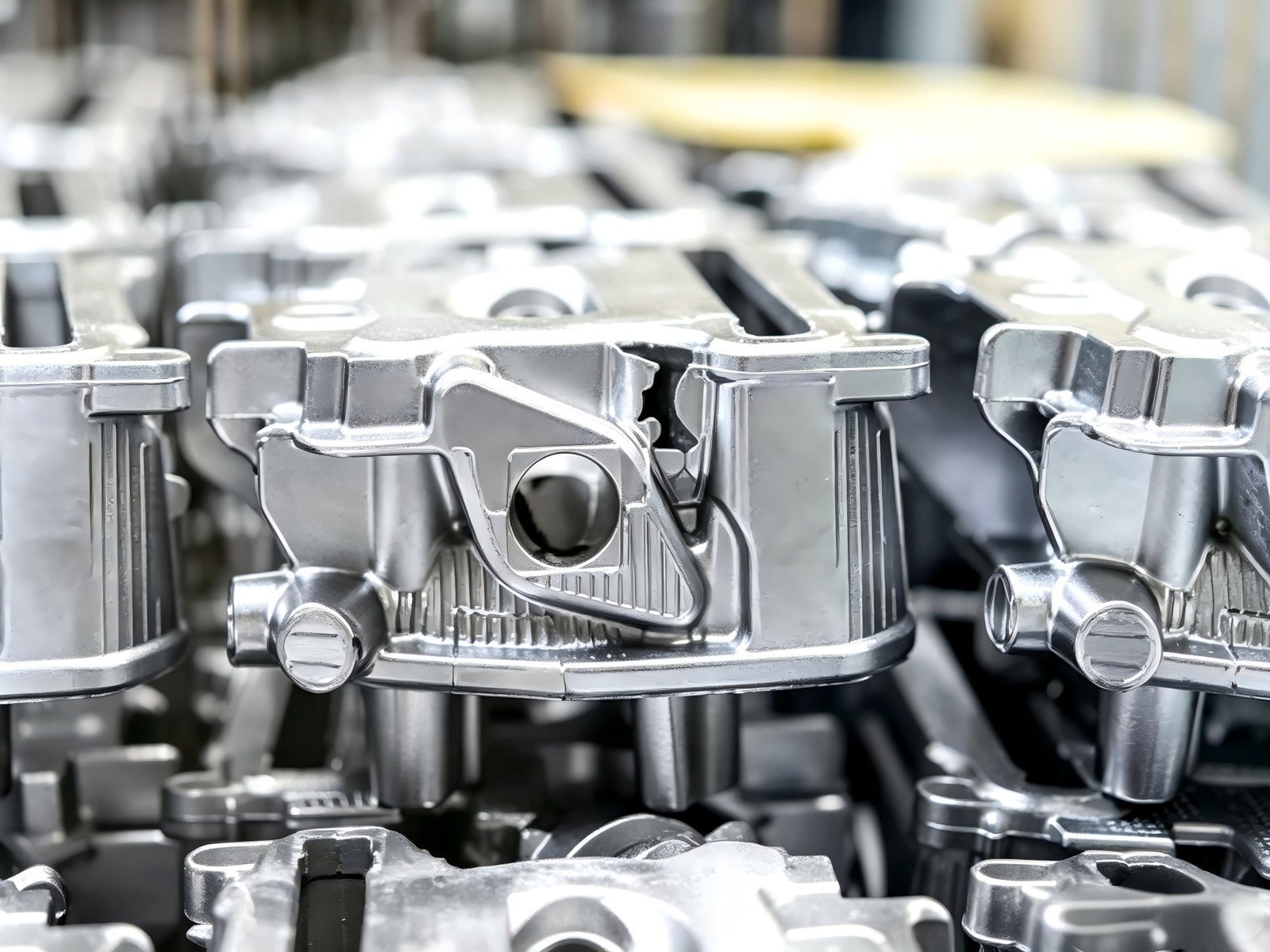
سبائك الألومنيوم A380 عالية الأداء الألومنيوم والسيليكون والنحاس (آل سي كو) سبائك الصب وضعت خصيصا ل صب يموت الضغط العالي (HPDC). تم تعيينه تحت جمعية الألومنيوم (أأ) المعيار وأصبح معيار الصناعة لتصنيع مكونات الألومنيوم المعقدة بدقة أبعاد ممتازة.
يستخدم المصنعون طائرة A380 لإنتاج مكونات ذات جدران رقيقة, الهندسة المعقدة, والتفاوتات الصارمة مع الحفاظ على كفاءة الإنتاج الممتازة. تملأ السبيكة تجاويف القالب المعقدة بسرعة أثناء الصب بالقالب, تقليل العيوب مثل الانكماش, المسامية, وملء غير كامل.
اليوم, يستخدم الألومنيوم A380 على نطاق واسع في الصناعات بما في ذلك:
السيارات
المركبات الكهربائية (المركبات الكهربائية)
الالكترونيات الاستهلاكية
الاتصالات
الأتمتة الصناعية
المعدات الطبية
الأجهزة المنزلية
علم الروبوتات
إضاءة LED
أدوات الطاقة
إن تعدد استخداماته يجعله أحد اختيارات المواد الأولى للمهندسين الذين يطورون مكونات ألومنيوم خفيفة الوزن ولكنها متينة.
التركيب الكيميائي للألمنيوم A380
يظهر التركيب الكيميائي النموذجي أدناه.
| عنصر | المحتوى النموذجي | الوظيفة الأساسية |
| الألومنيوم (آل) | توازن | معدن أساسي خفيف الوزن مع مقاومة للتآكل |
| السيليكون (و) | 7.5-9.5% | يحسن السيولة, ارتداء المقاومة, والقدرة على الصب |
| نحاس (النحاس) | 3.0-4.0% | يزيد من القوة والصلابة |
| حديد (الحديد) | يصل إلى 1.3% | يقلل من التصاق القالب ويحسن إطلاق القالب |
| الزنك (الزنك) | يصل إلى 3.0% | يساهم في القوة |
| المغنيسيوم (ملغ) | يصل إلى 0.10% | يحسن الصلابة والقوة الميكانيكية |
| المنغنيز (من) | يصل إلى 0.50% | يعزز المتانة ويقلل من الهشاشة |
| النيكل, القصدير, التيتانيوم & آحرون | يتعقب | تحسين خصائص الأداء المتخصصة |
الألومنيوم (آل)
الألومنيوم بمثابة العنصر الأساسي, يمثل حوالي 80-90٪ من السبائك. إنه يوفر خصائص خفيفة الوزن تجعل الألومنيوم مثاليًا لاستبدال الفولاذ في العديد من التطبيقات الهندسية.
كما توفر طبقة أكسيد الألومنيوم المكونة بشكل طبيعي مقاومة جيدة للتآكل في العديد من بيئات التشغيل.
السيليكون (و)
السيليكون هو العنصر الأكثر أهمية في صناعة السبائك في طائرة A380.
وتشمل فوائده الأساسية:
تحسين تدفق المعدن المنصهر
ملء القالب بشكل أفضل
تقليل انكماش الصب
مقاومة التآكل أعلى
تعزيز الاستقرار الأبعاد
يتيح محتوى السيليكون المرتفع نسبيًا للمصنعين إنتاج مكونات مصبوبة عالية التفاصيل بجدران رقيقة وميزات داخلية معقدة.
نحاس (النحاس)
يزيد النحاس بشكل كبير من القوة الميكانيكية للسبيكة.
وتشمل الفوائد:
قوة الشد أعلى
زيادة الصلابة
مقاومة أفضل للتعب
تحسين الأداء في درجات الحرارة العالية
على الرغم من أن المحتوى العالي من النحاس قد يقلل بشكل طفيف من مقاومة التآكل مقارنة ببعض السبائك منخفضة النحاس, وتوفر المقايضة أداء هيكليا أقوى بكثير.
حديد (الحديد)
يتم التحكم في الحديد عمدا ضمن نطاق معين.
وتتمثل وظيفتها الأساسية في تقليل اللحام بين قوالب الألومنيوم والفولاذ المنصهر أثناء عملية الصب.
الحديد الزائد, لكن, قد يقلل من الليونة ويزيد من الهشاشة, مما يجعل التحكم الدقيق في التركيب أمرًا ضروريًا.
المغنيسيوم (ملغ)
على الرغم من وجود المغنيسيوم بكميات صغيرة نسبيا, يساهم في:
زيادة الصلابة
قوة أفضل
تحسين مقاومة التآكل
تأثيره يكمل التعزيز الذي يوفره النحاس.
الزنك (الزنك)
يوفر الزنك تقوية إضافية مع الحفاظ على قابلية صب جيدة.
يتحكم المصنعون بعناية في محتوى الزنك لأن الكميات الزائدة قد تؤثر سلبًا على أداء التآكل على المدى الطويل.
المنغنيز (من)
يساعد المنغنيز على تحسين المتانة وتحسين بنية الحبوب الداخلية.
كما أنه يقلل من الآثار الضارة للحديد الزائد عن طريق تعديل المراحل المعدنية داخل السبائك.
الخواص الميكانيكية للألمنيوم A380
| ملكية | القيمة النموذجية |
| قوة الشد | 310-345 ميجا باسكال |
| قوة العائد | 140-170 ميجا باسكال |
| استطالة | 1-3% |
| صلابة برينل | 80-95 حصان |
| كثافة | 2.71 جم/سم3 |
| معامل مرن | تقريبًا 71 المعدل التراكمي |
| قوة القص | تقريبًا 180 MPa |
| قوة التعب | حول 140 MPa |
هذه الخصائص تجعل طائرة A380 مناسبة للتطبيقات الهيكلية التي تتطلب أداء ميكانيكيًا موثوقًا مع تقليل الوزن الإجمالي.
الخصائص الفيزيائية لسبائك الألومنيوم A380
بالإضافة إلى أدائه الميكانيكي الممتاز, توفر سبائك الألومنيوم A380 مجموعة متوازنة من الخصائص الفيزيائية التي تجعلها مناسبة للتطبيقات الهندسية الصعبة. تساهم هذه الخصائص في إدارة الحرارة بكفاءة, استقرار الأبعاد, والمتانة طويلة الأمد في مجموعة واسعة من بيئات التشغيل.
| ملكية | القيمة النموذجية |
| كثافة | 2.71 جم/سم3 |
| نطاق الذوبان | 555-595 درجة مئوية (1,031-1,103 درجة فهرنهايت) |
| توصيل حراري | 96-105 وات/م·ك |
| التوصيل الكهربائي | ما يقرب من 23-28٪ IACS |
| معامل التمدد الحراري | 21–22 × 10⁻⁶ / درجة مئوية |
| السعة الحرارية المحددة | تقريبًا 960 ي/كجم·ك |
تعمل هذه التشطيبات على تحسين مقاومة التآكل بشكل كبير في المناطق الرطبة, الساحلية, أو البيئات العدوانية كيميائيا.
لماذا A380 هي سبائك الألومنيوم المفضلة لصب القوالب
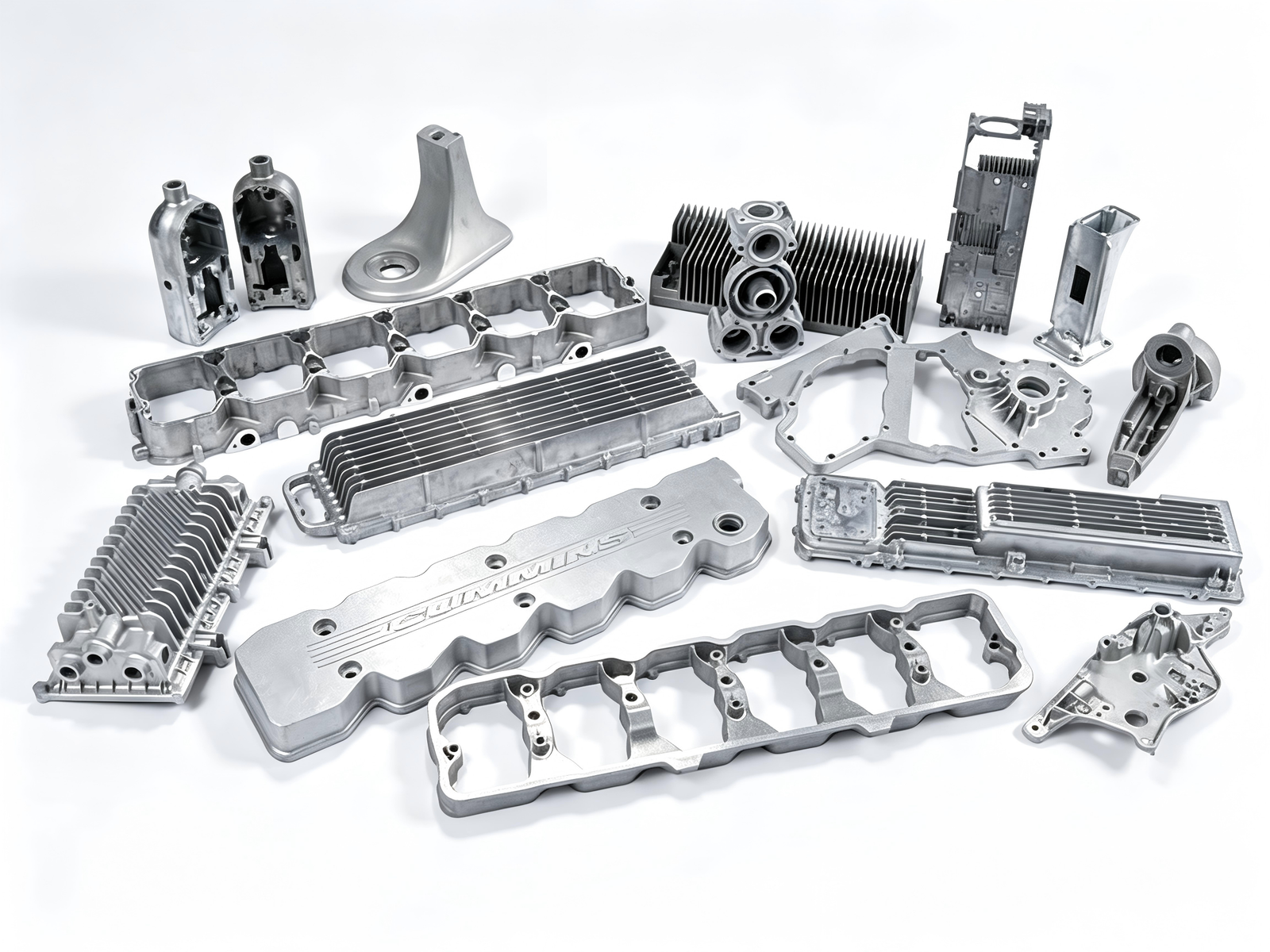
من بين مئات سبائك الألومنيوم المتوفرة اليوم, يظل A380 هو المعيار الصناعي لصب القوالب بالضغط العالي.
شعبيتها ليست من قبيل الصدفة. توفر السبيكة توازنًا استثنائيًا بين كفاءة التصنيع, الأداء الميكانيكي, وتكلفة الإنتاج.
سيولة الصب المعلقة
واحدة من أعظم نقاط القوة في طائرة A380 هي سيولتها الممتازة في الحالة المنصهرة.
أثناء الصب يموت الضغط العالي, يجب أن يملأ الألمنيوم المصهور تجاويف القالب المعقدة بسرعة قبل أن يبدأ التصلب.
يتيح محتوى السيليكون العالي في طائرة A380 القيام بذلك:
ملء أقسام رقيقة للغاية
إعادة إنتاج الأشكال الهندسية المعقدة
تشكيل الأضلاع والزعماء المعقدة
تقليل الإغلاق البارد
تقليل الأخطاء
وهذا يتيح للمصممين حرية أكبر عند تطوير مكونات خفيفة الوزن ومتكاملة للغاية.
أداء تعبئة القالب ممتاز
غالبًا ما يشتمل الصب بالقالب عالي الضغط على مكونات ذات:
الجدران الرقيقة
تجاويف عميقة
ميزات تركيب متعددة
قنوات تبريد داخلية
أضلاع هيكلية معقدة
يتدفق A380 بسلاسة تحت ضغط الحقن, ضمان ملء القالب بالكامل حتى في القوالب المعقدة.
نتيجة ل, تحقيق الشركات المصنعة:
معدلات عائد أعلى
الانتهاء من السطح الأفضل
انخفاض معدلات العيوب
زيادة كفاءة الإنتاج
انكماش منخفض أثناء التصلب
يعد انكماش الصب مصدرًا رئيسيًا للعيوب في المكونات المعدنية.
لأن A380 يُظهر انكماشًا منخفضًا نسبيًا في التصلب, تواجه الشركات المصنعة مشاكل أقل مثل:
المسامية الداخلية
علامات بالوعة السطح
تشويه
تباين الأبعاد
تساهم هذه الخاصية بشكل مباشر في تحسين جودة الأجزاء وانخفاض معدلات الخردة.
قدرة ميكانيكية ممتازة
على الرغم من أن العديد من المكونات المصبوبة تتطلب الحد الأدنى من المعالجة اللاحقة, لا تزال بعض الميزات بحاجة إلى تصنيع ثانوي.
ومن الأمثلة:
فتحات دقيقة
تحمل المقاعد
ثقوب مترابطة
أسطح الختم
وجوه التركيب الحرجة
آلات A380 تستخدم بسهولة معدات CNC التقليدية.
توفر قابليتها للتصنيع الجيدة العديد من الفوائد:
سرعات قطع أسرع
عمر أطول للأداة
الانتهاء من السطح الأفضل
انخفاض تكاليف التصنيع
وهذا يجعله اختيارًا ممتازًا للمكونات الدقيقة التي تتطلب تفاوتات مشددة.
كفاءة إنتاج عالية
للإنتاج الضخم, القليل من المواد تتطابق مع إنتاجية طائرة A380.
يتيح الصب بالقالب عالي الضغط مع A380:
أوقات الدورة ثواني فقط لكل جزء
التكرار ممتازة
الحد الأدنى من نفايات المواد
قدرة أتمتة عالية
انخفاض تكاليف العمالة
هذه المزايا تجعل طائرة A380 مثالية لتصنيع مئات الآلاف - أو حتى الملايين - من المكونات المتطابقة كل عام.
مزايا سبائك الألومنيوم A380
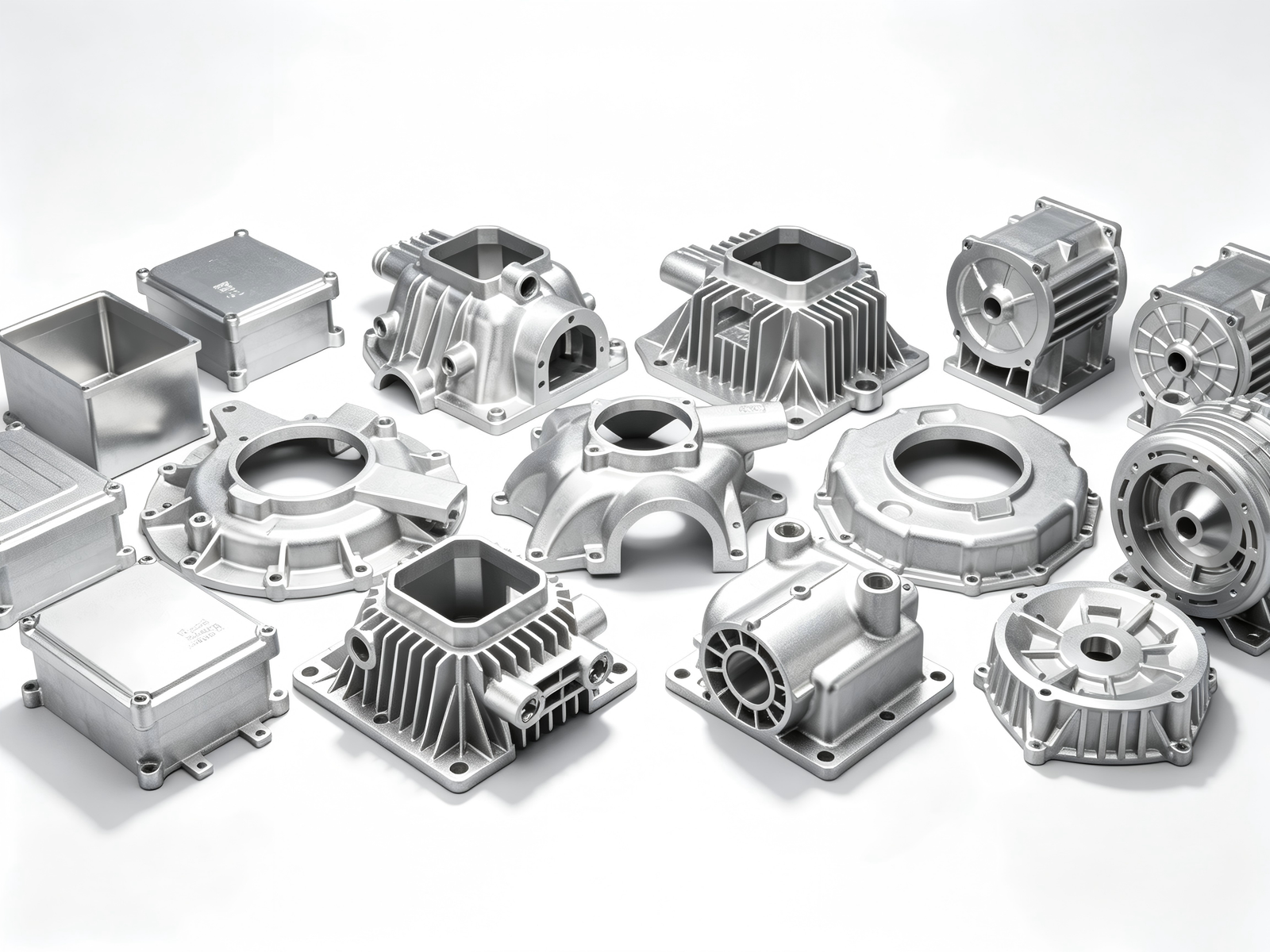
إن الجمع بين خصائص الصب الممتازة والخصائص الميكانيكية الموثوقة جعل من A380 المادة المفضلة للعديد من الصناعات.
1. نسبة القوة إلى الوزن ممتازة
توفر طائرة A380 قوة ميكانيكية مذهلة مع الحفاظ على خفة الوزن.
مقارنة مع مكونات الصلب, يمكن للأجزاء المصبوبة من الألومنيوم أن تقلل بشكل كبير من الوزن الإجمالي للمنتج دون المساس بالسلامة الهيكلية.
وتشمل الفوائد:
تحسين الاقتصاد في استهلاك الوقود
انخفاض تكاليف النقل
تركيب أسهل
تحسين كفاءة المعدات
2. متفوقة Castability
تم تصميم A380 خصيصًا للصب بالقالب عالي الضغط.
خصائص التدفق الممتازة تسمح للمصنعين بالإنتاج:
مكونات ذات جدران رقيقة
هندسات معقدة
الهياكل الداخلية المعقدة
الأسطح الملساء
دقة أبعاد عالية
وهذا يقلل من متطلبات التصنيع ويقصر وقت الإنتاج.
3. تشطيب سطحي ممتاز
تنتج السبيكة أسطح صب ناعمة مباشرة من القالب.
نتيجة ل, تتطلب العديد من المكونات القليل من التشطيب الإضافي أو لا تتطلب أي تشطيب إضافي قبل الطلاء أو الطلاء.
كما تعمل اللمسات النهائية الأفضل للسطح على تحسين مظهر المنتج وتحسين التصاق الطلاء.
4. مقاومة التآكل جيدة
بفضل محتواه من السيليكون, توفر A380 مقاومة تآكل أفضل من العديد من سبائك الألومنيوم الأخرى.
وهذا يجعلها مناسبة للمكونات المعرضة للاحتكاك أو الاتصال الميكانيكي المتكرر, مثل:
علب التروس
أجسام المضخة
أغطية المحركات
معدات صناعية
5. تبديد حرارة موثوق
تولد الأجهزة الإلكترونية الحديثة كميات كبيرة من الحرارة.
تعمل طائرة A380 على نقل الحرارة بشكل فعال بعيدًا عن المكونات الحساسة, مما يجعلها مثالية ل:
إضاءة LED
حزم البطارية
إلكترونيات الطاقة
وحدات التحكم في المحركات
بالوعة الحرارة
6. تصنيع فعال من حيث التكلفة
تعد A380 واحدة من أكثر مواد صب الألمنيوم المتوفرة اقتصاديًا.
وفورات في التكاليف تأتي من عدة عوامل:
كفاءة إنتاجية عالية
تعبئة قالب ممتازة
معدل خردة منخفض
تقليل الآلات
حياة طويلة يموت
مادة قابلة لإعادة التدوير
لإنتاج الحجم العالي, هذه المزايا يمكن أن تقلل بشكل كبير من التكلفة الإجمالية لكل جزء.
7. دقة أبعاد ممتازة
الدقة ضرورية في صناعات مثل السيارات, الروبوتات, والإلكترونيات.
تنتج طائرة A380 باستمرار مكونات ذات:
التحمل الضيق
التسطيح ممتازة
أبعاد مستقرة
جودة قابلة للتكرار
وهذا يقلل من مشكلات التجميع ويحسن موثوقية المنتج بشكل عام.
8. قابلة لإعادة التدوير للغاية
مثل معظم سبائك الألومنيوم, طائرة A380 قابلة لإعادة التدوير بالكامل.
لا يتطلب الألومنيوم المعاد تدويره سوى جزء صغير من الطاقة اللازمة لإنتاج الألومنيوم الأولي, مما يجعلها خيارًا صديقًا للبيئة للتصنيع المستدام.
حدود سبائك الألومنيوم A380
على الرغم من أن طائرة A380 متعددة الاستخدامات للغاية, لا توجد مادة مثالية. إن فهم حدودها يساعد المهندسين على اختيار السبيكة الأكثر ملاءمة لكل تطبيق.
ليونة محدودة
بالمقارنة مع سبائك الألومنيوم المطاوع, تتميز طائرة A380 باستطالة منخفضة نسبيًا.
إنه يعمل بشكل جيد تحت الأحمال الثابتة ولكنه أقل ملاءمة للتطبيقات التي تتطلب تشوهًا كبيرًا أو مقاومة للصدمات.
ليست مثالية للحام
بسبب محتواه من السيليكون والنحاس, لا يُنصح عمومًا باستخدام A380 في اللحام الهيكلي.
قد تواجه المفاصل الملحومة:
انخفاض القوة
زيادة المسامية
تكسير
انخفاض أداء التعب
للهياكل الملحومة, غالبًا ما تكون سبائك الألومنيوم المطاوع مثل سلسلة 5xxx أو 6xxx خيارات أفضل.
مقاومة التآكل المعتدلة
على الرغم من أن A380 يقاوم التآكل بشكل جيد في معظم البيئات الصناعية, إنه ليس الخيار الأفضل للتعرض المستمر لمياه البحر أو المواد الكيميائية شديدة التآكل.
في مثل هذه الظروف, يوصى بشدة باستخدام طلاءات الأسطح الواقية.
قدرة محدودة على المعالجة الحرارية
على عكس بعض سبائك الصب, يتم استخدام A380 بشكل أساسي في حالة الصب.
في حين أن بعض المعالجات الحرارية ممكنة, لا تستجيب السبيكة بشكل فعال مثل السبائك مثل A356, والتي تم تصميمها خصيصًا للمعالجة الحرارية.
الجزء التالي: مقارنة بين A380 وA380. ايه 360 مقابل. ايه 383 مقابل. أدك12, عمليات التصنيع, خيارات الانتهاء من السطح, التطبيقات, نصائح التصميم, الأسئلة الشائعة, والاستنتاج.
مقارنة بين A380 وA380. ايه 360 مقابل. ايه 383 مقابل. أدك12
يعد اختيار سبائك الألومنيوم المناسبة أحد أهم القرارات في مشروع صب القوالب. في حين أن طائرة A380 غالبًا ما تعتبر معيار الصناعة, سبائك أخرى مثل A360, A383, يتمتع كل من وADC12 بمزايا فريدة اعتمادًا على التطبيق.
يمكن أن تساعد المقارنة التالية المهندسين ومديري المشتريات في اختيار السبيكة الأكثر ملاءمة بناءً على الأداء, قابلية التصنيع, والتكلفة.
| ملكية | A380 | A360 | A383 | أدك12 |
| المعيار الأساسي | أستم | أستم | أستم | هو |
| القابلية للصب | ممتاز | جيد | ممتاز | ممتاز |
| سيولة | ممتاز | جيد | متميز | ممتاز |
| القوة الميكانيكية | عالي | عالي | متوسطة عالية | متوسطة عالية |
| المقاومة للتآكل | جيد | ممتاز | جيد | جيد |
| ضيق الضغط | ممتاز | ممتاز | جيد جدًا | جيد |
| القدرة على التصنيع | ممتاز | جيد | ممتاز | ممتاز |
| تبديد الحرارة | جيد | جيد | جيد | جيد |
| التطبيقات النموذجية | السيارات, إلكترونيات, الات | البحرية, الفضاء الجوي, أجزاء محكمة الضغط | مصبوبات الجدران الرقيقة | الالكترونيات الاستهلاكية, السيارات |
عمليات التصنيع لأجزاء الألومنيوم A380
أحد الأسباب التي تجعل طائرة A380 تحظى بشعبية كبيرة هو توافقها مع عمليات التصنيع المتعددة. في حين أن الصب بالضغط العالي هو طريقة الإنتاج الأساسية, يتم إجراء العديد من العمليات الثانوية عادة لتحقيق المواصفات النهائية.
صب القالب بالضغط العالي
يموت الضغط العالي (HPDC) هي عملية التصنيع المفضلة لسبائك الألومنيوم A380.
خلال هذه العملية:
يذوب الألومنيوم في الفرن.
يتم حقن المعدن المنصهر في قالب فولاذي مقوى تحت ضغط عالٍ.
يتصلب المعدن بسرعة داخل القالب.
يتم إخراج الصب.
بوابات, العدائين, ويتم قطع الفلاش.
ينتقل الجزء إلى المعالجة الثانوية أو التشطيب إذا لزم الأمر.
فوائد HPDC
سرعة إنتاج عالية
دقة الأبعاد ممتازة
الانتهاء من سطح أملس
القدرة على الجدران الرقيقة
انخفاض تكلفة الجزء الواحد في الإنتاج الضخم
التكرار ممتازة
هذه المزايا تجعل HPDC مثاليًا لإنتاج كميات كبيرة من مكونات الألومنيوم الدقيقة.
التصنيع باستخدام الحاسب الآلي
على الرغم من أن الصب بالقالب ينتج أجزاء ذات شكل شبكي قريب, لا تزال العديد من المكونات تتطلب تصنيعًا دقيقًا.
تشمل عمليات التصنيع الشائعة:
طحن
تحول
حفر
التوسيع
ممل
التنصت على الموضوع
الميزات الهامة مثل تحمل المقاعد, ثقوب مترابطة, أسطح الختم, وعادة ما يتم الانتهاء من وجوه التثبيت الدقيقة باستخدام التصنيع باستخدام الحاسب الآلي.
الحفر والتنصت
تتطلب العديد من مكونات A380 فتحات ملولبة للتجميع.
بفضل قابليتها للتصنيع الممتازة, تسمح طائرة A380 بذلك:
تحديد موضع الثقب بدقة
تشكيل موضوع نظيف
تقليل تآكل الأدوات
كفاءة تصنيع عالية
وهذا يجعل السبيكة مناسبة بشكل خاص للمكونات المجمعة بمسامير, البراغي, أو إدراج.
طحن السطح
يتم استخدام طحن السطح عندما تكون هناك حاجة إلى أسطح مسطحة أو مثبتة بشكل استثنائي.
وتشمل التطبيقات النموذجية:
مساكن المضخة
أجسام الصمامات الهيدروليكية
مكونات الضاغط
المعدات الدقيقة
يعمل الطحن على تحسين التسطيح ويضمن أداء الختم المناسب.
خيارات التشطيب السطحي للألمنيوم A380
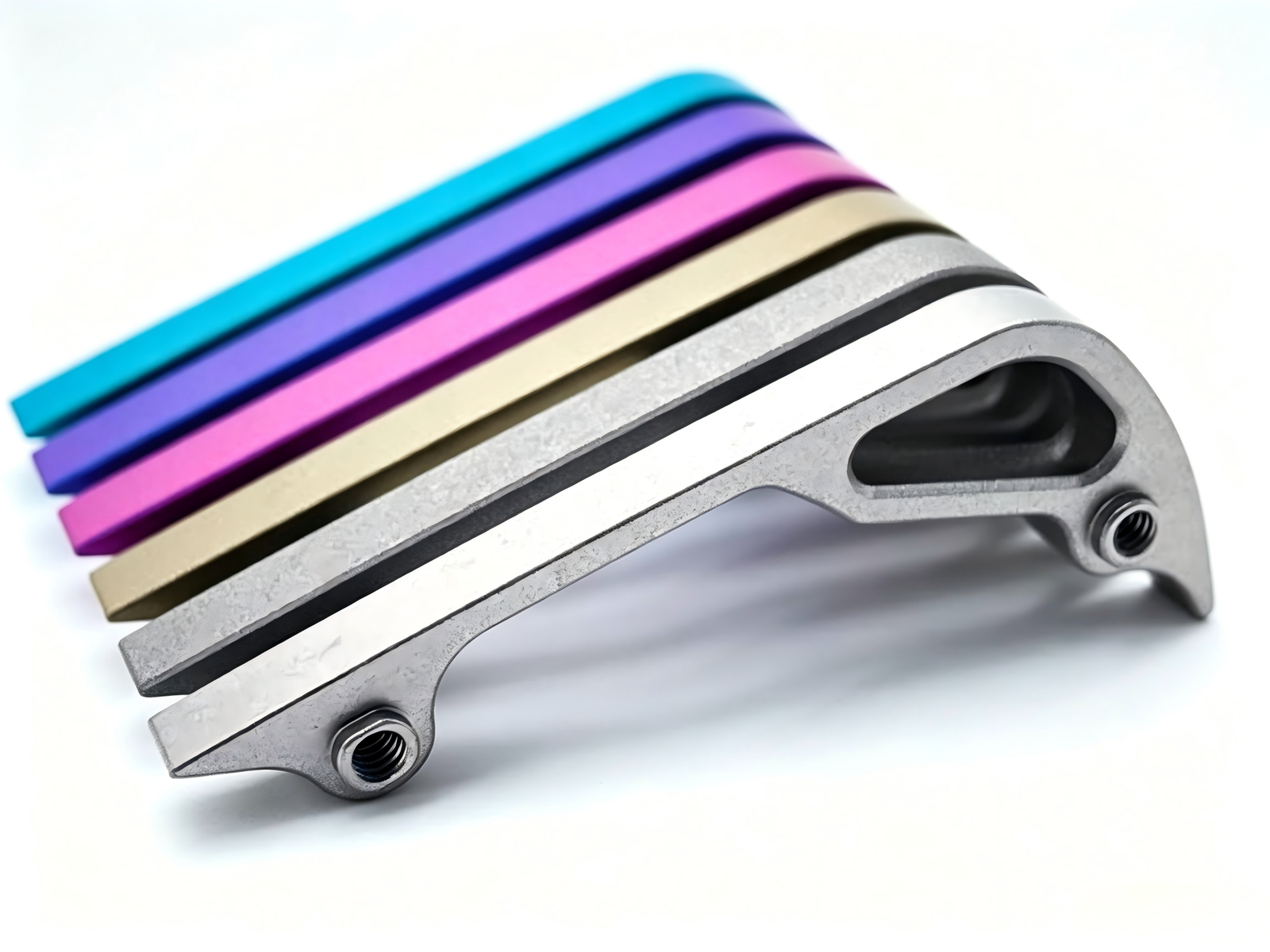
على الرغم من أن A380 يقاوم التآكل بشكل طبيعي, تتطلب العديد من المنتجات معالجة سطحية إضافية لتحسين المظهر, متانة, أو المقاومة البيئية.
مسحوق الطلاء
يعد طلاء المسحوق أحد أكثر طرق التشطيب شيوعًا.
وتشمل المزايا:
مقاومة ممتازة للتآكل
مظهر جذاب
متانة عالية
مجموعة واسعة من الألوان
مقاومة تأثير جيدة
يستخدم على نطاق واسع لقطع غيار السيارات, المعدات الصناعية, والمنتجات الخارجية.
تلوين
يوفر الطلاء السائل تشطيبات زخرفية ووقائية بينما يسمح للمصنعين بمطابقة متطلبات الألوان الخاصة بالعميل.
تشمل التطبيقات:
مساكن الأجهزة
المنتجات الاستهلاكية
معدات صناعية
مكونات السيارات
طلاء الكهربي (طلاء إلكتروني)
يخلق الطلاء الإلكتروني طبقة واقية موحدة للغاية, حتى في الأشكال الهندسية المعقدة.
وتشمل مزاياها:
حماية ممتازة من التآكل
سمك الطلاء موحد
التصاق قوي
عملية صديقة للبيئة
يستخدم عادة لتطبيقات السيارات والصناعية.
طلاء التحويل الكيميائي
يُعرف أيضًا باسم طلاء الكرومات أو طلاء التحويل ثلاثي التكافؤ, هذه النهاية:
يحسن مقاومة التآكل
يعزز التصاق الطلاء
يوفر التوصيل الكهربائي لتطبيقات التأريض
يستخدم على نطاق واسع ل حاويات إلكترونية ومعدات الاتصالات.
طلاء النيكل اللاكهربائي
يوفر طلاء النيكل:
مقاومة ارتداء متفوقة
تحسين مقاومة التآكل
تعزيز صلابة
مظهر معدني جذاب
غالبًا ما يتم اختياره للمكونات الصناعية الدقيقة المعرضة للتآكل المتكرر.
الطلقة الناسفة
يزيل السفع بالخردق عيوب السطح بينما يخلق ملمسًا موحدًا غير لامع.
وتشمل الفوائد:
تحسين المظهر
التصاق طلاء أفضل
إزالة الفلاش والأكسيد
جودة سطح متسقة
تلميع
للتطبيقات الزخرفية, ينتج عن التلميع سطح أكثر نعومة وجاذبية.
على الرغم من أن طائرة A380 لا يمكنها تحقيق تشطيب المرآة لبعض سبائك الألومنيوم المطاوع, يعمل التلميع على تحسين جماليات المنتج بشكل كبير قبل الطلاء أو الطلاء.
في الجزء الأخير, سنغطي:
التطبيقات الشائعة لسبائك الألومنيوم A380
نصائح التصميم لأجزاء الصب المصبوبة لطائرة A380
15 الأسئلة الشائعة الخاصة بتحسين محركات البحث
الاستنتاج مع عبارة قوية تحث المستخدم على اتخاذ إجراء لتحويل الاستفسار
التطبيقات الشائعة لسبائك الألومنيوم A380
مكونات السيارات
صناعة السيارات هي أكبر مستهلك لسبائك الألومنيوم A380. مع استمرار الشركات المصنعة للمركبات في تقليل الوزن لتحسين كفاءة استهلاك الوقود وتوسيع نطاق قيادة المركبات الكهربائية (المركبات الكهربائية), تحل مصبوبات الألومنيوم محل مكونات الفولاذ والحديد التقليدية.
تشمل تطبيقات السيارات النموذجية:
أقواس المحرك
علب النقل
أغطية علبة التروس
مساكن مضخة الزيت
علب المحركات
مساكن المولد
مكونات نظام التوجيه
وحدة نقدية أوروبية (وحدة التحكم الإلكترونية) المساكن
حاويات حزمة البطارية
أغطية نهاية محرك السيارة الكهربائية
تتيح نسبة القوة إلى الوزن الممتازة لطائرة A380 للمصنعين تقليل وزن السيارة دون المساس بالأداء الهيكلي.
مستهلكى الكترونيات
تولد الأجهزة الإلكترونية الحديثة حرارة كبيرة بينما تتطلب ضغطًا صغيرًا, حاويات خفيفة الوزن. يوفر الألومنيوم A380 توصيلًا حراريًا ممتازًا ودقة الأبعاد, مما يجعلها مثالية للمكونات الإلكترونية الدقيقة.
تشمل التطبيقات الشائعة:
بالوعة الحرارة
مساكن الإضاءة LED
حاويات إمدادات الطاقة
مساكن معدات الاتصالات
أغلفة أجهزة الشبكة
مكونات الأجهزة الحاسوبية
حاويات المعدات الصوتية
تساعد قدرتها على تبديد الحرارة بكفاءة على تحسين موثوقية المنتجات الإلكترونية وعمرها الافتراضي.
الآلات الصناعية
غالبًا ما تعمل المعدات الصناعية في ظل ظروف صعبة تتضمن الاهتزاز, الأحمال الميكانيكية, ودرجات الحرارة المرتفعة. يوفر الألومنيوم A380 المتانة والثبات اللازمين لهذه البيئات.
وتشمل التطبيقات الصناعية النموذجية:
مساكن المضخة
أجسام الصمامات
مكونات الضاغط
المعدات الهيدروليكية
علب التروس
أجزاء النظام الهوائي
إطارات معدات الأتمتة
علب المحركات الصناعية
كما أن قابلية التصنيع الممتازة للسبائك تجعل من السهل إنتاج أسطح تركيب دقيقة وميزات ملولبة.
المركبات الكهربائية (المركبات الكهربائية)
مع توسع سوق السيارات الكهربائية, لقد أصبح الألومنيوم A380 ذو أهمية متزايدة لمكونات الإدارة الهيكلية والحرارية خفيفة الوزن.
تشمل تطبيقات EV الشائعة:
مكونات غلاف البطارية
المساكن العاكس
مرفقات نظام الشحن
علب المحركات الكهربائية
مكونات نظام التبريد
وحدات توزيع الطاقة
أغلفة محولات DC/DC
يساعد مزيجها من البناء خفيف الوزن وتبديد الحرارة الفعال على تحسين أداء السيارة وكفاءة البطارية.
اجهزة منزلية
تحتوي العديد من الأجهزة المنزلية على أجزاء من الألومنيوم المصبوب لأنها تجمع بين المتانة والمظهر الجذاب.
ومن الأمثلة:
إطارات الغسالة
علب ضاغط مكيف الهواء
أجزاء ضاغط الثلاجة
مكونات ماكينة القهوة
علب المكنسة الكهربائية
إطارات أجهزة المطبخ
تسمح طائرة A380 للمصنعين بإنتاج أجزاء معقدة مع اتساق ممتاز في الإنتاج بكميات كبيرة.
الروبوتات والأتمتة
تتطلب الروبوتات الصناعية مكونات هيكلية خفيفة الوزن ولكنها صلبة لتحقيق السرعة العالية, حركة دقيقة.
وتشمل التطبيقات النموذجية:
مفاصل ذراع الروبوت
مساكن محرك سيرفو
أقواس المؤثر النهائي
إطارات معدات الأتمتة
مساكن نظام الرؤية
ويضمن استقرار أبعاد السبيكة دقة تحديد المواقع بشكل ثابت أثناء التشغيل على المدى الطويل.
نصائح التصميم لأجزاء الصب المصبوبة لطائرة A380
يعد اختيار السبيكة المناسبة جزءًا فقط من مشروع صب القوالب الناجح. يلعب تصميم الأجزاء الجيدة دورًا لا يقل أهمية في تحقيق مصبوبات عالية الجودة, التقليل من العيوب, وخفض تكاليف الإنتاج.
فيما يلي العديد من توصيات التصميم الرئيسية عند العمل مع سبائك الألومنيوم A380.
الحفاظ على سمك الجدار الموحد
تعمل سماكة الجدار الموحدة على تعزيز التدفق المعدني والتبريد المتسق أثناء عملية التصلب.
قد تؤدي الاختلافات الكبيرة في سمك الجدار إلى:
انكماش المسامية
علامات بالوعة
تزييف
الإجهاد المتبقي
كلما كان ذلك ممكنا, يجب على المصممين الحفاظ على سمك الجدار ثابتًا في جميع أنحاء الجزء.
أضف زوايا مسودة مناسبة
تسمح زوايا المسودة بإخراج الصب بسلاسة من القالب دون الإضرار بالمكون أو القالب.
مشروع التوصيات النموذجية هي:
الأسطح الخارجية: 1–2°
الأسطح الداخلية: 2–3°
يعمل المسودة الكافية أيضًا على إطالة عمر القالب وتقليل تكاليف الصيانة.
استخدم نصف قطر فيليه السخي
تعمل الزوايا الداخلية الحادة على تركيز الضغط وتقييد تدفق المعدن المنصهر.
إضافة شرائح يساعد:
تحسين تدفق المعادن
تقليل التشقق
زيادة قوة التعب
إطالة عمر الموت
تنتج التحولات المستديرة عمومًا مصبوبات أقوى وأكثر موثوقية.
تعزيز مع الأضلاع بدلا من الجدران السميكة
زيادة سمك الجدار ليست دائمًا أفضل طريقة لتحسين القوة.
بدلاً من, غالبًا ما يستخدم المصممون أضلاع التسليح, التي توفر:
صلابة أعلى
انخفاض استخدام المواد
انخفاض الوزن
جودة صب أفضل
هذا النهج يقلل أيضًا من عيوب الانكماش.
تصميم الرؤساء بعناية
يشيع استخدام الرؤساء للبراغي, إدراج, والسحابات.
يجب أن يتضمن التصميم المناسب للمدرب:
دعم الجدار المناسب
التحولات السلسة
زوايا مشروع مناسبة
مسافة كافية بين الجدران الخارجية
وهذا يساعد على منع التشقق ويحسن ملء القالب.
تقليل الآلات الثانوية
يمكن أن يحقق صب القالب A380 دقة أبعاد ممتازة. كلما كان ذلك ممكنا, يجب على المهندسين تصميم أجزاء تقلل من عمليات ما بعد التصنيع.
الحد من الآلات يساعد على خفض:
تكاليف الإنتاج
وقت التصنيع
أداة ارتداء الأداة
النفايات المادية
يمكن للتعاون المبكر بين فريق التصميم والشركة المصنعة لقوالب الصب أن يحسن هندسة الأجزاء لكل من الصب والتصنيع.
Fعبد القديرس
1. ما هي سبائك الألومنيوم A380?
A380 عبارة عن سبيكة من الألومنيوم والسيليكون والنحاس تم تطويرها خصيصًا لصب القوالب بالضغط العالي. فهو يقدم مزيجا ممتازا من القوة, قابلية الصب, المقاومة للتآكل, والقابلية للآلات.
2. لماذا تعتبر A380 أكثر سبائك الصب شيوعًا?
توفر طائرة A380 توازنًا رائعًا في الخواص الميكانيكية, كفاءة التصنيع, والتكلفة, مما يجعلها مناسبة لمجموعة واسعة من الصناعات والتطبيقات.
3. هل A380 أقوى من A383؟?
عمومًا, نعم. توفر طائرة A380 عادةً قوة ميكانيكية أعلى, بينما يوفر A383 سيولة أفضل للمسبوكات ذات الجدران الرقيقة والمسبوكات شديدة التعقيد.
4. ما يعادل الألومنيوم A380?
تشمل المعادلات الشائعة:
أدك10 (معيار JIS الياباني)
LM24 (المعيار البريطاني)
على الرغم من مماثلة, قد تختلف التركيبات الكيميائية الدقيقة وخصائص الأداء وفقًا للمعايير المعمول بها.
5. هل يمكن تصنيع الألومنيوم A380 باستخدام الحاسب الآلي?
نعم. يتمتع A380 بإمكانية تصنيع ممتازة ويتم تشكيله بشكل شائع بعد الصب لإنتاج ثقوب دقيقة, الخيوط, أسطح الختم, وميزات التركيب.
6. هل يمكن لحام الألمنيوم A380؟?
عمومًا, لا يُنصح باستخدام A380 في اللحام الهيكلي نظرًا لمحتواه العالي نسبيًا من السيليكون والنحاس, مما قد يزيد من خطر المسامية والتشقق.
7. هل يمكن أكسدة الألومنيوم A380؟?
يمكن أن يكون بأكسيد A380, ولكن بسبب محتواه العالي نسبيا من السيليكون, عادة ما تكون النهاية أغمق وأقل زخرفية من السبائك المطاوع المؤكسدة مثل 6061 أو 6063. غالبًا ما يُفضل طلاء المسحوق أو طلاء النيكل اللاكهربائي عندما يكون المظهر مهمًا.
8. هل طائرة A380 مناسبة للتطبيقات الخارجية؟?
نعم. يوفر A380 مقاومة جيدة للتآكل في البيئات الخارجية. للتعرض للرطوبة على المدى الطويل, رذاذ الملح, أو المواد الكيميائية, يوصى بتطبيق طلاء سطحي مناسب لتحقيق أقصى قدر من المتانة.
9. ما هي الصناعات التي تستخدم سبائك الألومنيوم A380?
A380 يستخدم على نطاق واسع في:
السيارات
المركبات الكهربائية
إلكترونيات
الآلات الصناعية
الاتصالات
المعدات الطبية
الأجهزة الاستهلاكية
علم الروبوتات
إضاءة LED
10. هل الألومنيوم A380 قابل لإعادة التدوير؟?
نعم. مثل معظم سبائك الألومنيوم, A380 هو 100% قابل لإعادة التدوير. تستهلك إعادة تدوير الألومنيوم طاقة أقل بكثير من إنتاج الألومنيوم الأولي, مما يجعلها اختيارًا ماديًا مسؤولاً بيئيًا.
خاتمة
إذا كنت تخطط لمشروع صب القوالب الجديد, إن الشراكة مع شركة تصنيع ذات خبرة لا تقل أهمية عن اختيار السبيكة المناسبة. يمكن للمورد ذي الخبرة تقديم الدعم تحسين التصميم, تطوير العفن, يموت الصب, التصنيع باستخدام الحاسب الآلي, تشطيبات السطح, وفحص الجودة, مساعدتك على خفض التكاليف, تقصير المهل الزمنية, وضمان جودة المنتج متسقة.
هل تبحث عن شركة تصنيع قوالب ألومنيوم A380 موثوقة ومخصصة؟? اتصل بفريقنا الهندسي اليوم لمناقشة مشروعك. نحن نقدم حلول التصنيع وقفة واحدة, من مراجعة التصميم والأدوات إلى الآلات الدقيقة والتشطيب, ضمان تلبية مكوناتك لأعلى معايير الجودة والأداء.


