



بالمقارنة مع الألومنيوم, نحاس, والصلب, يقدم Zamak توازنًا فريدًا من القوة, جودة السطح, وكفاءة التصنيع. تتيح نقطة الانصهار المنخفضة دورات إنتاج سريعة, مما يجعلها مثالية لصب القوالب بكميات كبيرة دون التضحية بالدقة أو المتانة.
في هذا الدليل, سوف تتعلم ما هي سبائك Zamak, تركيبته الكيميائية, الاختلافات بين درجات زاماك المشتركة, الخصائص الميكانيكية الرئيسية, مزايا التصنيع, التطبيقات, وكيفية اختيار السبيكة المناسبة لمشروعك القادم.
ما هي سبائك زاماك?
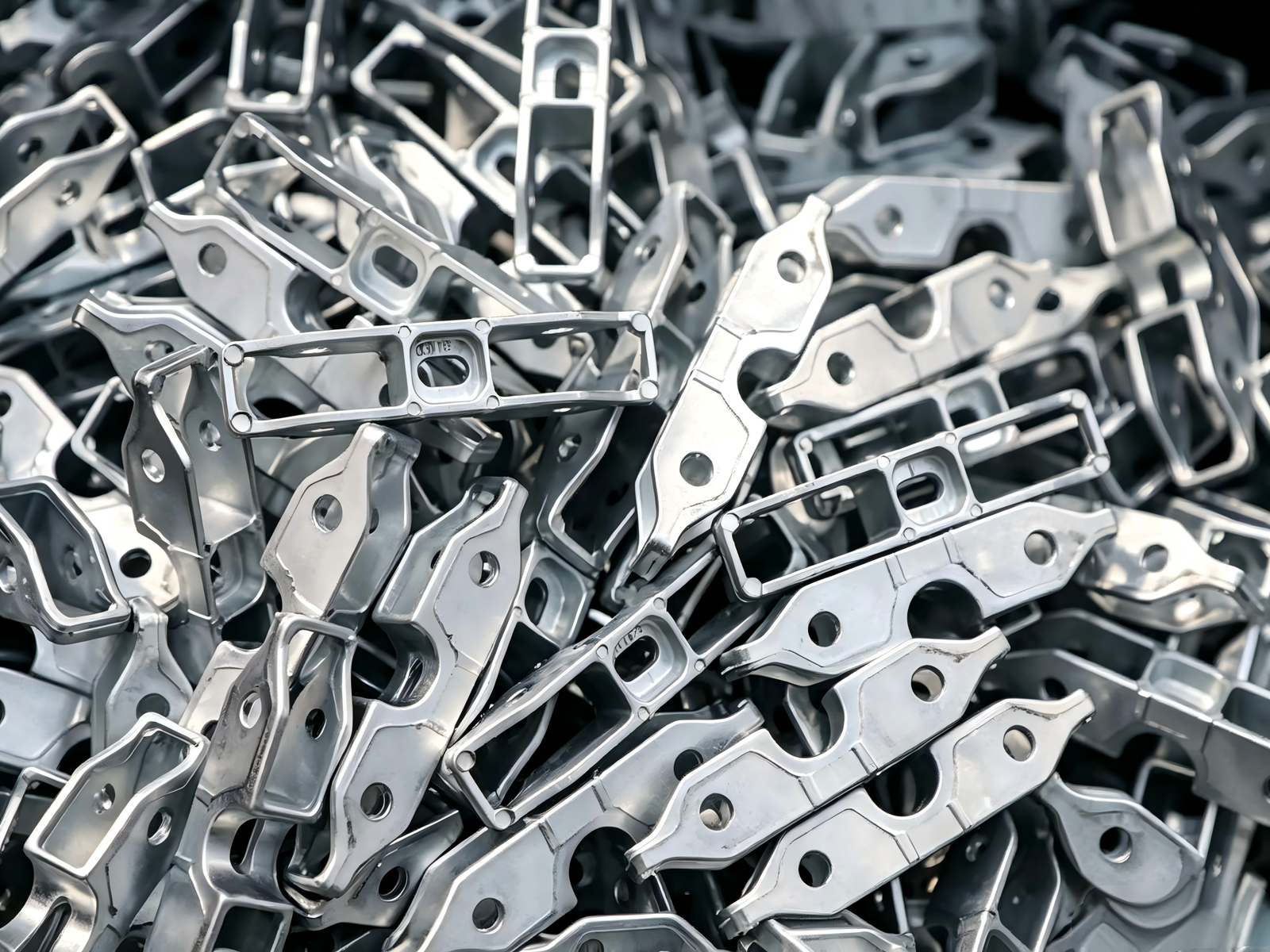
زاماك هي عائلة من السبائك القائمة على الزنك وتتكون بشكل أساسي من الزنك, الألومنيوم, المغنيسيوم, والنحاس. يأتي اسم "زاماك" من الأسماء الألمانية لعناصر صناعة السبائك:
- ز– الزنك (الزنك)
- أ– الألومنيوم
- ماجستير– المغنيسيوم
- ك- نحاس (نحاس)
تم تطويره في عشرينيات القرن العشرين, سرعان ما أصبح Zamak هو المعيار الصناعي لـ صب الزنك بسبب خصائص الصب الممتازة والأداء الميكانيكي الموثوق.
على عكس الزنك النقي, وهي ناعمة نسبيًا وغير مناسبة للتطبيقات الهيكلية, توفر سبائك زاماك قوة محسنة بشكل ملحوظ, صلابة, ومقاومة التآكل. تسمح هذه الخصائص للمصنعين بإنتاج أجزاء معقدة بجدران رقيقة, هندسات معقدة, والتفاوتات الصارمة مع تقليل المعالجة الثانوية.
اليوم, تُستخدم سبائك زاماك في مجموعة واسعة من الصناعات, بما في ذلك السيارات, إلكترونيات, أجهزة طبية, أجهزة الأثاث, المعدات الصناعية, والمنتجات الاستهلاكية.
التركيب الكيميائي ودرجات زاماك المشتركة
على الرغم من أن جميع سبائك الزاماك تعتمد على الزنك, تغييرات صغيرة في الألومنيوم, نحاس, ويؤدي محتوى المغنيسيوم إلى خصائص وتطبيقات ميكانيكية مختلفة.
التركيب الكيميائي النموذجي
| عنصر | المحتوى النموذجي | الوظيفة الأساسية |
| الزنك (الزنك) | 95-96% | يوفر المعدن الأساسي قابلية صب ممتازة |
| الألومنيوم (آل) | 3.5-4.3% | يحسن القوة, صلابة, ومقاومة التآكل |
| المغنيسيوم (ملغ) | 0.03-0.06% | يعزز استقرار الأبعاد ويقلل من الهشاشة |
| نحاس (النحاس) | 0-1.25% | يزيد من قوة الشد ومقاومة التآكل |
| حديد, يقود & الكادميوم | كميات ضئيلة | تخضع لرقابة صارمة للحفاظ على الجودة وتلبية المعايير البيئية |
مقارنة درجات زاماك المشتركة
| سبيكة | الميزة الرئيسية | التطبيقات النموذجية |
| الأعباء 2 | أعلى قوة وصلابة | المكونات الصناعية, التروس, أجزاء مقاومة للاهتراء |
| الأعباء 3 | أفضل توازن عام بين الأداء والتكلفة | مكونات القالب العامة, السيارات, إلكترونيات |
| الأعباء 5 | قوة أعلى من زاماك 3 | أجهزة السيارات, الأجزاء الميكانيكية, أقفال |
| الأعباء 7 | سيولة فائقة والانتهاء من السطح | مكونات رقيقة الجدران ومنتجات الديكور |
الأعباء 3
الأعباء 3 هي سبيكة صب الزنك الأكثر استخدامًا على نطاق واسع في جميع أنحاء العالم. يوفر ثباتًا ممتازًا للأبعاد, المقاومة للتآكل, والانتهاء من السطح مع الحفاظ على سهولة الصب والآلة. إنها مناسبة لمعظم التطبيقات التجارية والصناعية.
الأعباء 5
الأعباء 5 يحتوي على نحاس أكثر من الزاماك 3, مما يؤدي إلى قوة أكبر, صلابة, وارتداء المقاومة. يتم اختياره بشكل شائع لمكونات السيارات والأجزاء الميكانيكية المعرضة لأحمال أعلى.
الأعباء 2
مع أعلى محتوى من النحاس بين الدرجات القياسية, الأعباء 2 يوفر صلابة استثنائية ومقاومة للزحف. غالبا ما يستخدم للأدوات, التروس, والمكونات الصناعية الدقيقة.
الأعباء 7
الأعباء 7 يحسن سيولة الصب ومظهر السطح, مما يجعلها مثالية لتصميمات الجدران الرقيقة ومنتجات الديكور التي تتطلب تشطيبات متميزة.
الخواص الميكانيكية والفيزيائية
شعبية سبائك زاماك تأتي من توازنها الممتاز بين القوة الميكانيكية وأداء التصنيع.
| ملكية | القيمة النموذجية |
| قوة الشد | 280-410 ميجا باسكال |
| قوة العائد | 210-330 ميجا باسكال |
| صلابة | 82-120 حصان |
| كثافة | 6.6-6.8 جم/سم3 |
| نقطة الانصهار | 380-390 درجة مئوية |
| توصيل حراري | تقريبا. 110 ث / م · ك |
| التوصيل الكهربائي | تقريبا. 27% IACS |
| المقاومة للتآكل | ممتاز في البيئات الداخلية والرطبة باعتدال |
تمكن هذه الخصائص مكونات Zamak من تحمل الأحمال الميكانيكية المتكررة مع الحفاظ على دقة الأبعاد. توفر السبيكة أيضًا تخميدًا ممتازًا للاهتزاز ومقاومة للصدمات, مما يجعلها مناسبة للتجميعات الميكانيكية وأجهزة السيارات.
تعمل درجة حرارة الانصهار المنخفضة نسبيًا على تقليل استهلاك الطاقة أثناء الإنتاج وإطالة عمر القالب, خفض تكاليف التصنيع.
لماذا يعتبر Zamak مثاليًا لصب القوالب
تم تصميم سبائك Zamak خصيصًا لصب القوالب بالضغط العالي, مما يجعلها واحدة من أكثر المواد كفاءة للإنتاج الضخم.
سيولة ممتازة
يملأ مولتن زاماك القوالب المعقدة بسرعة, مما يسمح للمصنعين بإنتاج أشكال معقدة ذات جدران رقيقة وتفاصيل دقيقة.
دقة أبعاد عالية
تحقق أجزاء Zamak المصبوبة تفاوتات صارمة, تقليل أو إلغاء عمليات المعالجة الثانوية.
تشطيب سطحي رائع
السطح الأملس الناتج عن طريق الصب بالقالب مناسب للتلميع, طلاء الكروم, طلاء مسحوق, تلوين, أو الطلاء الكهربائي, تحسين كل من المظهر ومقاومة التآكل.
كفاءة إنتاج عالية
لأن الزماك يذوب عند درجة حرارة منخفضة نسبيا, دورات الإنتاج أقصر من العديد من مواد الصب الأخرى. يتيح ذلك للمصنعين إنتاج كميات كبيرة من الأجزاء بسرعة مع تقليل تكاليف الطاقة.
قدرة ميكانيكية ممتازة
على الرغم من أن العديد من مكونات Zamak تتطلب القليل من المعالجة اللاحقة, حفر, طحن, التنصت, ويمكن إجراء التصنيع باستخدام الحاسب الآلي بكفاءة عند الحاجة إلى تفاوتات أكثر صرامة أو ميزات إضافية.
الاستدامة
سبائك زاماك 100% قابل لإعادة التدوير. يمكن إعادة صهر الخردة الناتجة أثناء الإنتاج وإعادة استخدامها دون خسارة كبيرة في خصائص المواد, الحد من النفايات ودعم التصنيع المستدام.
مزايا وقيود سبائك زاماك
مزايا
إنتاج فعال من حيث التكلفة
مزيج من درجة حرارة الانصهار المنخفضة, أوقات دورة سريعة, والحد الأدنى من الآلات يجعل Zamak واحدة من أكثر المواد اقتصادية لصب القوالب.
دقة استثنائية
هندسات معقدة, جدران رقيقة, ويمكن إنتاج الميزات التفصيلية بدقة ملحوظة, تقليل مشاكل التجميع وتحسين جودة المنتج.
جودة سطح ممتازة
تعتبر أجزاء Zamak مناسبة تمامًا للتشطيبات الزخرفية مثل طلاء الكروم, طلاء النيكل, تلوين, وطلاء مسحوق.
قوة ميكانيكية جيدة
بينما ليست قوية مثل الفولاذ, يوفر Zamak قوة كافية للعديد من التطبيقات الهيكلية والميكانيكية.
المقاومة للتآكل
محتوى الألومنيوم يعزز مقاومة التآكل, جعل Zamak مناسبًا للبيئات الداخلية والعديد من التطبيقات الخارجية مع المعالجة السطحية المناسبة.
صديقة للبيئة
تدعم قابلية إعادة التدوير الكاملة التصنيع المستدام مع خفض تكاليف المواد الخام.
محددات
على الرغم من مزاياها, Zamak غير مناسب لكل تطبيق.
- لا يوصى بالخدمة المستمرة في درجة حرارة أعلى من 100-120 درجة مئوية تقريبًا لأن الخواص الميكانيكية تنخفض عند درجات الحرارة المرتفعة.
- الزاماك أثقل من الألومنيوم, مما يجعلها أقل ملاءمة للتطبيقات التي يكون فيها التصميم خفيف الوزن أمرًا بالغ الأهمية.
- لا يمكن أن تتطابق مع القوة الهيكلية للفولاذ للمكونات ذات التحميل الثقيل.
- للبيئات البحرية أو الكيميائية شديدة التآكل, يوصى بحماية إضافية للسطح.
يعتمد اختيار المادة المناسبة على ميكانيكية التطبيق الخاص بك, بيئية, ومتطلبات التكلفة.
التطبيقات الشائعة لسبائك زاماك
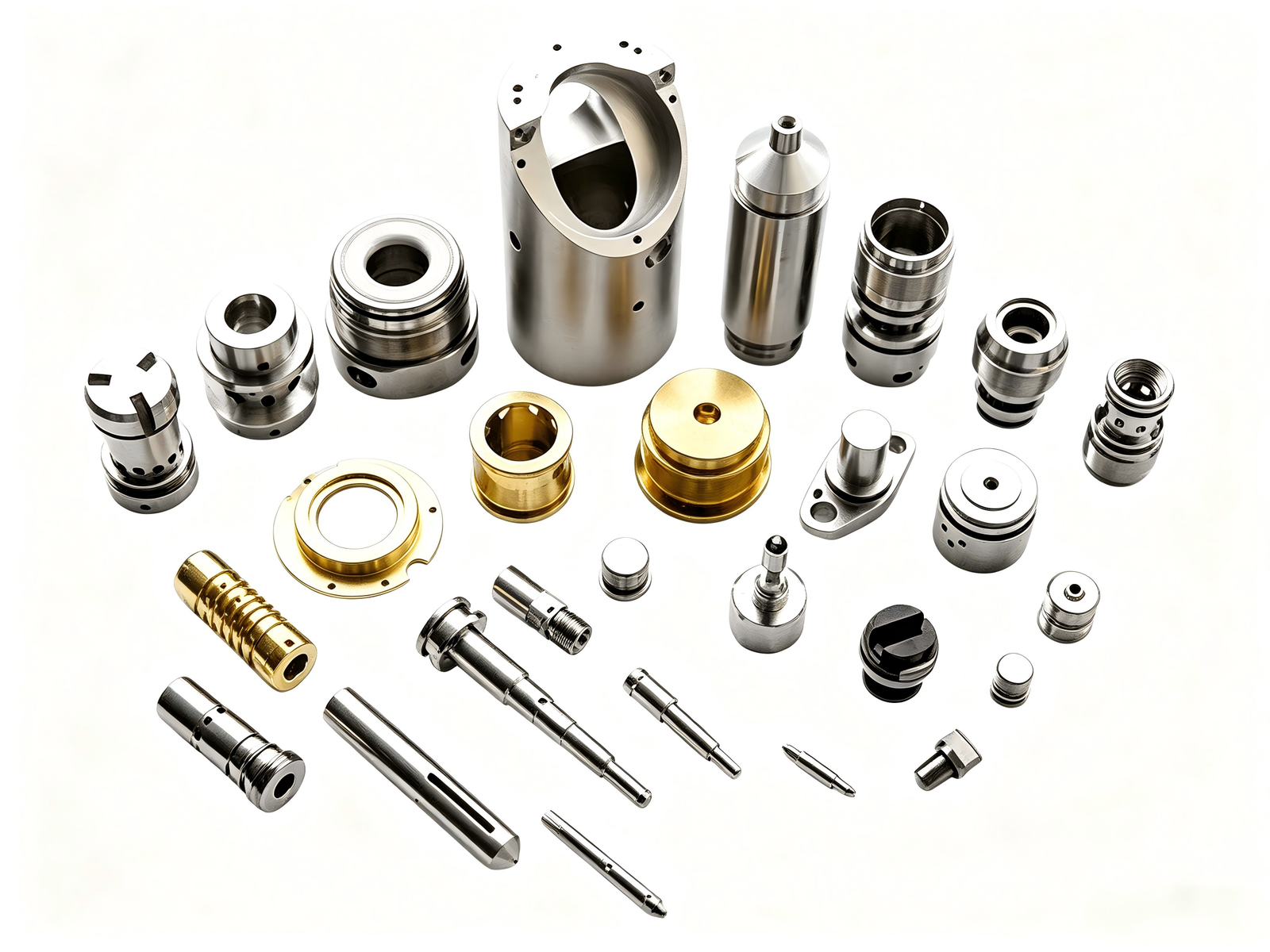
إن تعدد استخدامات Zamak يجعلها مناسبة لمجموعة واسعة من الصناعات.
صناعة السيارات
يستخدم مصنعو السيارات Zamak لمقابض الأبواب, مكونات القفل, اقواس, شعارات, علب المرآة, والأجهزة الداخلية بسبب قوتها, دقة, والانتهاء من السطح ممتازة.
مستهلكى الكترونيات
غالبًا ما تستخدم المنتجات الإلكترونية Zamak في أغلفة الموصلات, مكونات الكاميرا, أجزاء السماعة, ومرفقات التدريع بفضل ثبات الأبعاد ومظهرها الجذاب.
الأثاث والأجهزة المعمارية
مقابض مجلس الوزراء, يتوقف, أقفال, يسحب الدرج, اكسسوارات الحمام, وكثيرًا ما تستخدم الأجهزة الزخرفية Zamak نظرًا لمتانتها وقدرتها على قبول التشطيبات السطحية المتميزة.
معدات صناعية
العلب الدقيقة, مكونات الآلة, مقابض التحكم, التروس, وتستفيد أنظمة التثبيت من مقاومة التآكل ودقة الأبعاد لدى Zamak.
المنتجات الاستهلاكية
يوجد الزاماك بشكل شائع في الأدوات الكهربائية, تركيبات الإضاءة, أدوات المطبخ, بضائع رياضيه, والمنتجات الزخرفية التي تتطلب القوة والجاذبية الجمالية.
كيفية اختيار سبيكة Zamak المناسبة
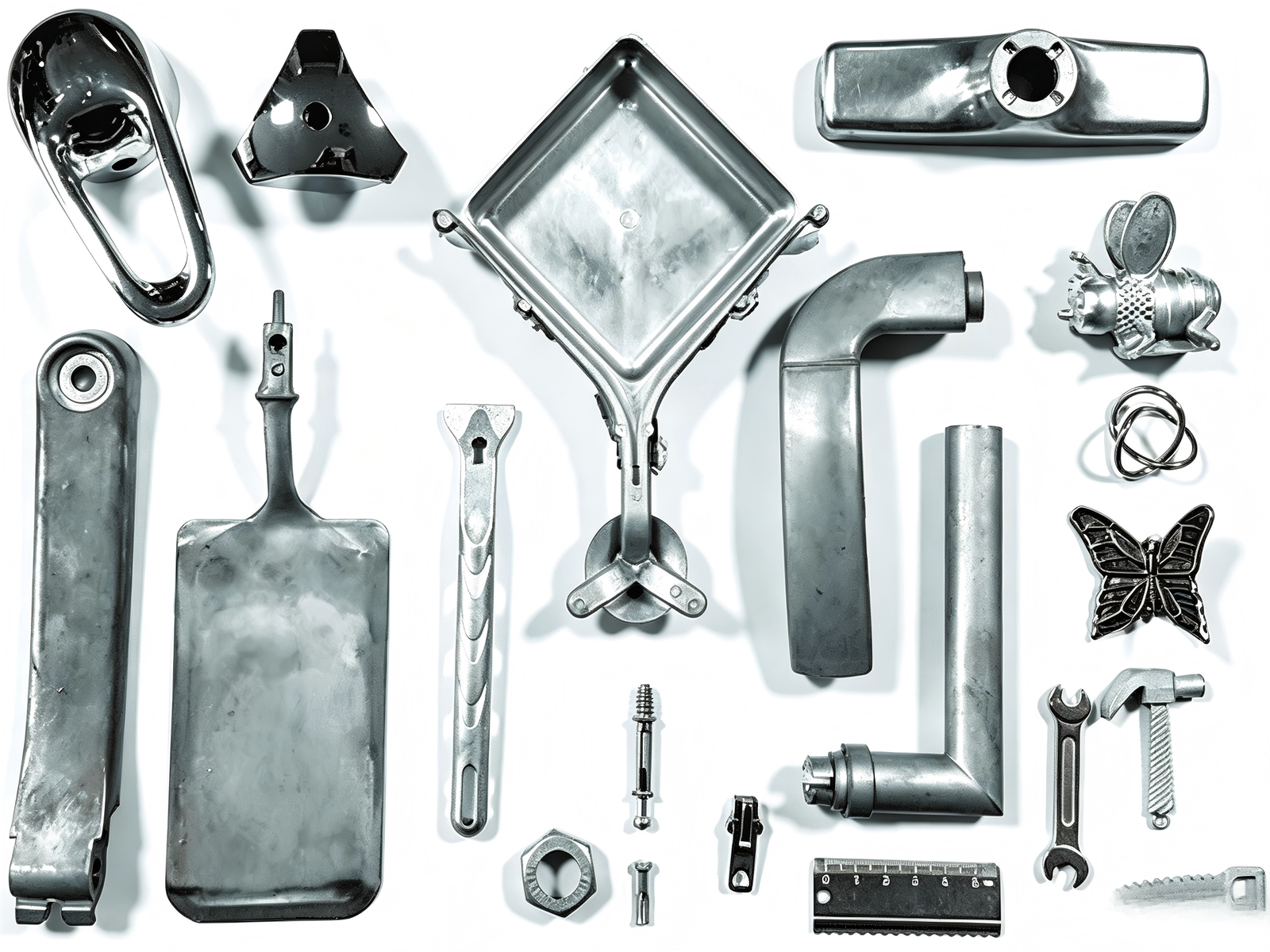
يعتمد اختيار السبيكة المناسبة على متطلبات أداء منتجك.
| متطلبات | سبيكة الموصى بها |
| أفضل أداء عام | الأعباء 3 |
| قوة أعلى ومقاومة التآكل | الأعباء 5 |
| أقصى صلابة | الأعباء 2 |
| رقيقة الجدار أو الأجزاء الزخرفية | الأعباء 7 |
عند اختيار مادة, يجب على المهندسين النظر:
- الحمل الميكانيكي
- درجة حرارة التشغيل
- بيئة التآكل
- متطلبات الانتهاء من السطح
- حجم الإنتاج
- تكلفة التصنيع
يمكن أن تساعد استشارة الشركة المصنعة ذات الخبرة في مجال صب القوالب أثناء مرحلة التصميم في تحسين اختيار المواد وتقليل تكاليف الإنتاج.
لماذا تختار دقة TOPS لأجزاء Zamak المخصصة?
في دقة القمم, نحن نقدم حلول تصنيع كاملة لمكونات سبائك Zamak المخصصة, من تطوير النموذج الأولي إلى الإنتاج بكميات كبيرة.
قدراتنا تشمل:
- صب الزنك حسب الطلب
- تصميم وتصنيع القوالب الدقيقة
- التصنيع باستخدام الحاسب الآلي للعمليات الثانوية
- التنصت على الموضوع, حفر, طحن, وتحول
- المعالجات السطحية بما في ذلك طلاء المسحوق, تلوين, أنودة, والطلاء الكهربائي
- فحص صارم للأبعاد ومراقبة الجودة
- التجميع والتعبئة المخصصة
- دعم الشحن العالمي
يعمل فريقنا الهندسي بشكل وثيق مع العملاء لتحسين التصميمات من أجل قابلية التصنيع, تحسين كفاءة الإنتاج, وخفض تكاليف المشروع الإجمالية. سواء كنت تحتاج إلى دفعة نموذجية صغيرة أو إنتاج واسع النطاق, يمكننا تقديم مكونات دقيقة تلبي توقعات الجودة والأداء الخاصة بك.
إذا كان لديك رسومات أو ملفات CAD ثلاثية الأبعاد, اتصل بنا اليوم للحصول على مراجعة هندسية مجانية وعروض أسعار تنافسية.
أسئلة مكررة
1. ما هي سبائك زاماك?
Zamak عبارة عن سبيكة تحتوي على الزنك وتحتوي على الألومنيوم, المغنيسيوم, والنحاس, تستخدم على نطاق واسع لصب القوالب ذات الضغط العالي بسبب قوتها, دقة, والقدرة على الصب ممتازة.
2. ما هو الفرق بين زاماك 3 وزامك 5?
الأعباء 5 يحتوي على المزيد من النحاس, مما يمنحها قوة وصلابة أعلى, بينما زاماك 3 يوفر قابلية أفضل للصب وهو النوع الأكثر استخدامًا.
3. هل الزاماك اقوى من الالمنيوم?
ليس بالضرورة. تتمتع بعض سبائك الألومنيوم بنسب قوة إلى وزن أعلى, لكن Zamak يوفر بشكل عام دقة أفضل للأبعاد, تشطيب سطحي فائق, وانخفاض تكاليف التصنيع للمكونات المصبوبة.
4. هل يمكن تصنيع أجزاء Zamak باستخدام الحاسب الآلي?
نعم. تقدم Zamak إمكانية تصنيع ممتازة ويمكن حفرها, طحن, استغلالها, أو تم تحويلها لتحقيق تفاوتات أكثر إحكامًا أو ميزات إضافية.
5. هل يصدأ الزاماك؟?
لا. بما أن الزاماك يعتمد على الزنك, لا يصدأ مثل الفولاذ. لكن, يمكن للطلاءات الواقية تحسين مقاومة التآكل في البيئات الصعبة.
6. هل يمكن طلاء الزاماك بالكروم؟?
نعم. يقبل Zamak طلاء الكروم, طلاء النيكل, طلاء مسحوق, والرسم بشكل جيد للغاية, مما يجعلها شعبية للتطبيقات الزخرفية.
7. هل زاماك صديق للبيئة؟?
نعم. Zamak قابل لإعادة التدوير بالكامل ويمكن إعادة صهره عدة مرات دون خسارة كبيرة في الجودة, مما يجعلها مادة مستدامة للتصنيع.
8. ما هي الصناعات التي تستخدم سبائك زاماك?
يستخدم Zamak على نطاق واسع في السيارات, إلكترونيات, أجهزة الأثاث, الآلات الصناعية, أجهزة طبية, إضاءة, منتجات المستهلك, والأجهزة المعمارية.
9. ما هي نقطة انصهار زاماك?
تذوب معظم سبائك الزاماك بين 380درجة مئوية و 390 درجة مئوية, مما يجعلها مثالية لصب القوالب بالغرفة الساخنة ذات الضغط العالي.
10. لماذا تختار Zamak لصب القوالب?
يقدم Zamak مزيجًا ممتازًا من الدقة, قوة, المقاومة للتآكل, دورات الإنتاج السريعة, الانتهاء من السطح المتميز, وفعالية التكلفة, مما يجعلها واحدة من أفضل المواد لتصنيع المكونات المصبوبة المعقدة.


