



اليوم, يمكن للمصنعين الوصول إلى مجموعة واسعة من الصنابير الخيطية, تم تصميم كل منها لمواد محددة, أنواع الثقب, بيئات الإنتاج, ومعايير الخيط. بدءًا من الصنابير اليدوية المستخدمة في أعمال الإصلاح وحتى الصنابير الآلية عالية الأداء من الكربيد المستخدمة في التصنيع باستخدام الحاسب الآلي, توفر كل نقرة مزايا فريدة لتطبيقات مختلفة.
في هذا الدليل الشامل, سوف تتعلم:
ما هي الصنابير الموضوع وكيف تعمل
الأنواع المختلفة للصنابير الخيطية وتطبيقاتها
كيفية قراءة علامات الصنبور الموضوع
كيفية اختيار الصنبور المناسب بناءً على المادة ونوع الثقب
مشاكل التنصت الشائعة والحلول المهنية
أفضل الممارسات لتحقيق خيوط داخلية عالية الجودة
سواء كنت مهندس تصنيع, CNC Machinist, مدير المشتريات, أو مصمم المنتج, سيساعدك هذا الدليل على اختيار حل التنصت الأنسب لمشروعك القادم.
ما هو الصنبور الموضوع?
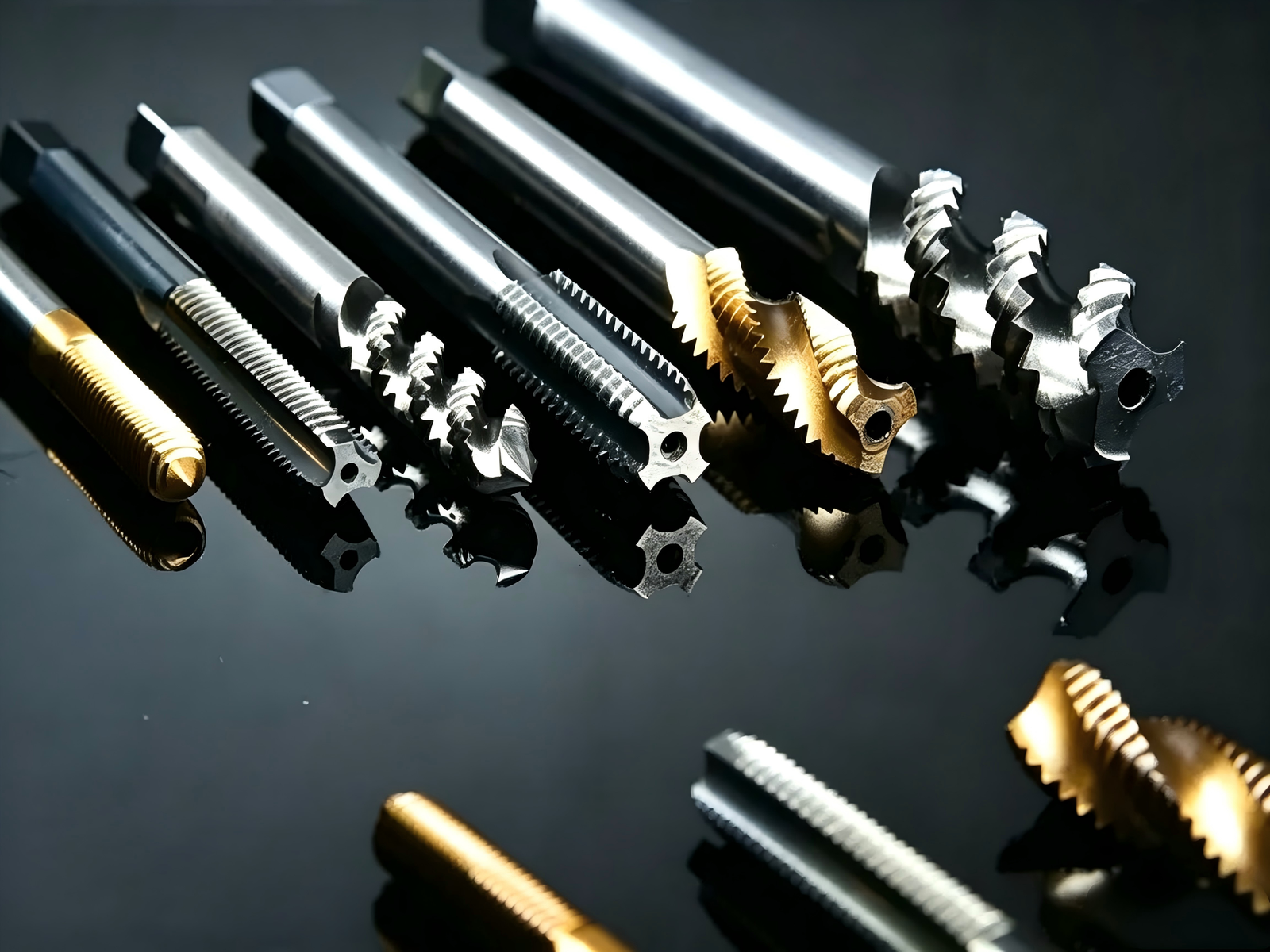
أ الحنفية موضوع هي أداة قطع أو تشكيل دقيقة تستخدم لإنشاء خيوط لولبية داخلية داخل ثقب محفور. تسمح الخيوط النهائية بتثبيت مثبتات التزاوج مثل البراغي والمسامير بشكل آمن, ضمان التجميع الميكانيكي المناسب.
على عكس الخيوط الخارجية, والتي يتم إنتاجها باستخدام القوالب أو عمليات الخراطة, يتطلب الخيط الداخلي صنابير مصممة خصيصًا تعمل بشكل تدريجي على إنشاء ملف تعريف الخيط على طول الجدار الداخلي للفتحة.
تستخدم الصنابير الخيطية على نطاق واسع في:
عمليات الطحن
مراكز الحفر
التصنيع اليدوي
تصنيع السيارات
إنتاج الفضاء الجوي
تصنيع المعدات الطبية
تجميع الالكترونيات
تصنيع المعدات الثقيلة
لأن الثقوب الملولبة غالبًا ما تكون من ميزات الحمل المهمة, يؤثر التنصت الصحيح بشكل مباشر على أداء المنتج, دقة التجميع, والموثوقية على المدى الطويل.
كيف تقوم الصنابير بإنشاء خيوط داخلية
تعمل الصنابير الخيطية عن طريق إدخال ثقب مثقوب مسبقًا أثناء الدوران تحت ظروف السرعة والتغذية التي يمكن التحكم فيها.
اعتمادا على تصميم الصنبور, يقومون بإنشاء المواضيع بإحدى طريقتين:
إزالة المواد (قطع الصنابير)
تقوم صنابير القطع التقليدية بإزالة المواد باستخدام حواف القطع الحادة الموجودة على طول المزامير.
أثناء الدوران:
قطع حواف المواد القص
المزامير إخلاء الرقائق
يتم تشكيل ملف تعريف الخيط تدريجياً
يتم الانتهاء من الخيوط الداخلية إلى الدرجة المطلوبة
صنابير القطع هي النوع الأكثر شيوعًا المستخدم للفولاذ, الفولاذ المقاوم للصدأ, الحديد الزهر, والعديد من اللدائن الهندسية.
تشوه المواد (تشكيل الصنابير)
صنابير تشكيل الخيط, تُعرف أيضًا باسم الصنابير الدوارة, لا تقطع المادة.
بدلاً من, إنهم يشوهون المادة بشكل بلاستيكي تحت ضغط عالٍ, إنتاج الخيوط دون توليد الرقائق.
وتشمل المزايا:
خيوط أقوى
الانتهاء من السطح الأفضل
عمر أطول للأداة
لا توجد مشاكل في إخلاء الشريحة
لكن, تعمل صنابير التشكيل فقط مع المواد المرنة مثل:
الألومنيوم
نحاس
نحاس
الفولاذ الطري
بعض أنواع الفولاذ المقاوم للصدأ
المكونات الرئيسية لصنبور الخيط
على الرغم من أن الصنابير الخيطية تأتي في العديد من الأنماط, معظمها يشترك في نفس المكونات الأساسية.
الشطب
الشطب هو قسم القطع المستدق الموجود في مقدمة الصنبور.
فهو يقدم تدريجيًا عملية القطع إلى قطعة العمل مع تقليل قوة القطع.
أنواع الصنبور المختلفة لها أطوال شطب مختلفة:
الشطب الطويل - الصنابير المستدقة
الشطب المتوسط - سد الصنابير
شطب قصير - صنابير قاع
قطع الأسنان
تقوم أسنان القطع بإزالة المواد أو تشويهها لإنشاء ملف تعريف الخيط.
تؤثر هندستها بشكل مباشر:
دقة الموضوع
حياة الأداة
الانتهاء من السطح
قطع عزم الدوران
المزامير
المزامير هي أخاديد تمتد على طول جسم الصنبور.
أنها تخدم وظائف متعددة:
دليل قطع السوائل
إزالة الرقائق
تقليل قوى القطع
تحسين التبريد
يعد تصميم الفلوت أحد أكبر الاختلافات بين أنواع الحنفية.
عرقوب
يقوم الساق بتوصيل جزء القطع بحامل الآلة أو مفتاح الربط.
قد تشمل الصنابير الصناعية:
ساق مستقيمة
شقة ويلدون
ساق معززة
ساق ممتدة
محرك مربع
تشتمل الصنابير اليدوية على محرك مربع في النهاية.
يتيح ذلك لمفتاح الصنبور الإمساك بالأداة وتدويرها يدويًا.
عادةً ما تتجاهل الصنابير الآلية هذه الميزة لأنها مملوكة لأصحاب أدوات CNC.
كيف تعمل عملية التنصت على الخيط
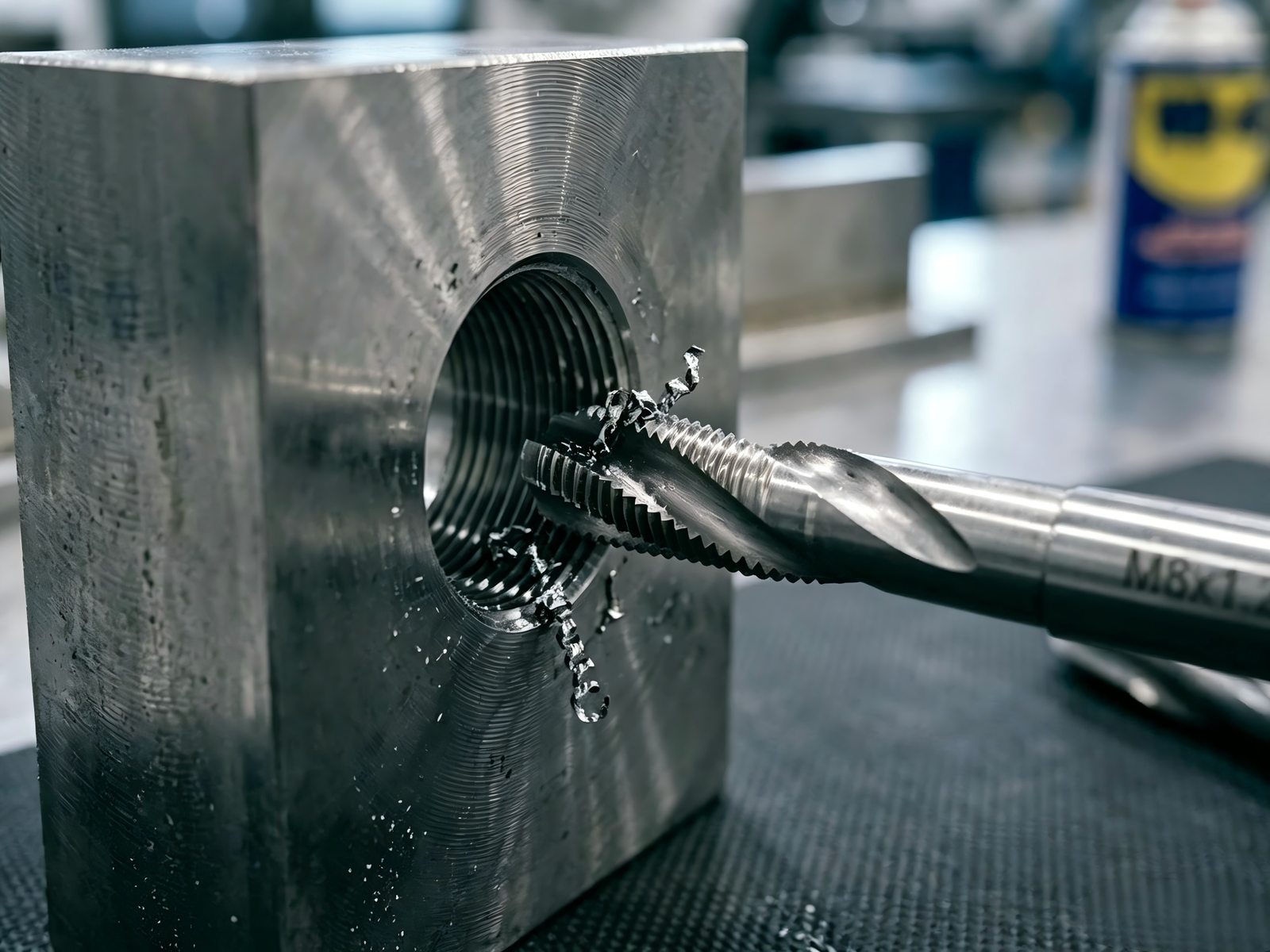
على الرغم من أن التنصت غالبًا ما يعتبر عملية تصنيع ثانوية, يتطلب تحقيق خيوط عالية الجودة تخطيطًا دقيقًا.
يتضمن سير العمل العام:
خطوة 1: حفر الحفرة
يؤدي الحفر ذو الحجم الصحيح إلى إنشاء ثقب تجريبي.
يجب أن يتوافق قطر الحفر مع حجم الخيط المطلوب ودرجة الصوت.
ثقب كبير الحجم ينتج خيوط فضفاضة.
يؤدي وجود ثقب صغير الحجم إلى زيادة عزم الدوران بشكل كبير.
خطوة 2: محاذاة الصنبور
المحاذاة الصحيحة أمر بالغ الأهمية.
اختلال التوازن يسبب:
الصنابير المكسورة
خيوط ملتوية
تجميع ضعيف
الإفراط في ارتداء الأدوات
تحافظ آلات CNC على المحاذاة تلقائيًا, بينما يتطلب النقر اليدوي غالبًا أدلة أو تركيبات.
خطوة 3: قص أو تشكيل الخيط
يدور الصنبور في الحفرة.
اعتمادا على تصميمه, سواء:
يزيل المواد
مواد النماذج
يصبح إخلاء الرقائق مهمًا بشكل خاص للثقوب العمياء.
خطوة 4: قم بإزالة الصنبور
بعد الوصول للعمق المطلوب, ينعكس الصنبور خارج الحفرة.
تقوم آلات CNC الحديثة بإجراء عمليات نقر جامدة متزامنة لتحقيق أقصى قدر من الدقة.
خطوة 5: فحص المواضيع
يشمل فحص الجودة عادة:
مقاييس الذهاب/عدم الذهاب
مقاييس المكونات الموضوع
تنسيق آلات القياس (سم)
أنظمة الفحص البصري
يضمن الفحص دقة الأبعاد قبل التجميع.
فهم علامات النقر القياسية
تحتوي كل صنبور خيط عالي الجودة على علامات ليزر أو معلومات محفورة تساعد الميكانيكيين على تحديد مواصفاتها.
يضمن فهم هذه العلامات تحديد النقر الصحيح للمهمة.
الحجم الاسمي
يشير الحجم الاسمي إلى القطر الرئيسي للخيط.
ومن الأمثلة:
M3
م6
م10
م16
على سبيل المثال:
م8 × 1.25
وسائل:
القطر الرئيسي: 8 مم
الملعب الموضوع: 1.25 مم
معيار الموضوع
تتبع الصناعات المختلفة أنظمة خيطية مختلفة.
تشمل المعايير المشتركة:
| معيار | طلب |
| متري (ايزو) | التصنيع على مستوى العالم |
| قيادة الأمم المتحدة | السحابات للأغراض العامة |
| مؤسسة الأمم المتحدة | خيوط رفيعة |
| قوة الطوارئ التابعة للأمم المتحدة | تطبيقات الدقة |
| معاهدة حظر الانتشار النووي | ختم الأنابيب |
| بسب | الأنظمة الهيدروليكية |
| ذروة | نقل الطاقة |
اختيار معيار الخيط الخاطئ يجعل التجميع مستحيلاً.
اضغط على المادة
توفر المواد المختلفة مستويات مختلفة من مقاومة التآكل.
حديدعالى السرعه (الأحرار)
مزايا:
بسعر معقول
قاسٍ
من السهل شحذها
جيد للألمنيوم والفولاذ الطري
الأفضل ل:
الآلات العامة
إنتاج منخفض الحجم
الكوبالت إتش إس إس (شركة إتش إس إس)
يحتوي على كوبالت إضافي:
مقاومة أعلى للحرارة
صلابة أفضل
تحسين مقاومة التآكل
مناسبة ل:
الفولاذ المقاوم للصدأ
سبائك الصلب
سبائك التيتانيوم
كربيد صلب
توفر صنابير كربيد:
صلابة استثنائية
مقاومة التآكل المعلقة
عمر خدمة طويل
استقرار الأبعاد ممتازة
الأفضل ل:
تصلب الصلب
الحديد الزهر
إنتاج CNC بكميات كبيرة
مسحوق المعدن
يتم الجمع بين صنابير تعدين المساحيق:
صلابة
ارتداء المقاومة
تحسين مقاومة الكسر
يشيع استخدامها في خطوط الإنتاج الآلي.
الصنابير المغلفة بالتين
يوفر طلاء نيتريد التيتانيوم:
انخفاض الاحتكاك
تحسين التشحيم
مقاومة أفضل للحرارة
عمر أطول للأداة
مثالي ل:
الصلب الكربوني
سبائك الصلب
تصنيع الآلات متوسطة الحجم
قطر الملعب
يحدد قطر الملعب مدى إحكام الخيط الداخلي لمثبت التزاوج.
يؤثر قطر الملعب المناسب:
جودة التجميع
قوة الخيط
مشاركة السحابة
مقاومة الاهتزاز
غالبًا ما تتطلب الصناعات الدقيقة مثل الطيران والتصنيع الطبي تفاوتات ضيقة للغاية في قطر الملعب.
فئات التسامح الموضوع
تحدد المعايير الدولية اختلافات الأبعاد المقبولة.
تتضمن فئات تحمل الصنبور الشائعة ما يلي::
| اضغط على الفصل | خيط داخلي نموذجي |
| H1 | 4ح – 5 ح |
| H2 | 5ز – 6 ح |
| H3 | 6ز – 7 ح |
| H4 | 6ح-7ح |
يضمن اختيار التسامح المناسب التوافق المطلوب بين الخيوط الداخلية والخارجية مع الحفاظ على قابلية التبادل.
أنواع الصنابير الموضوع
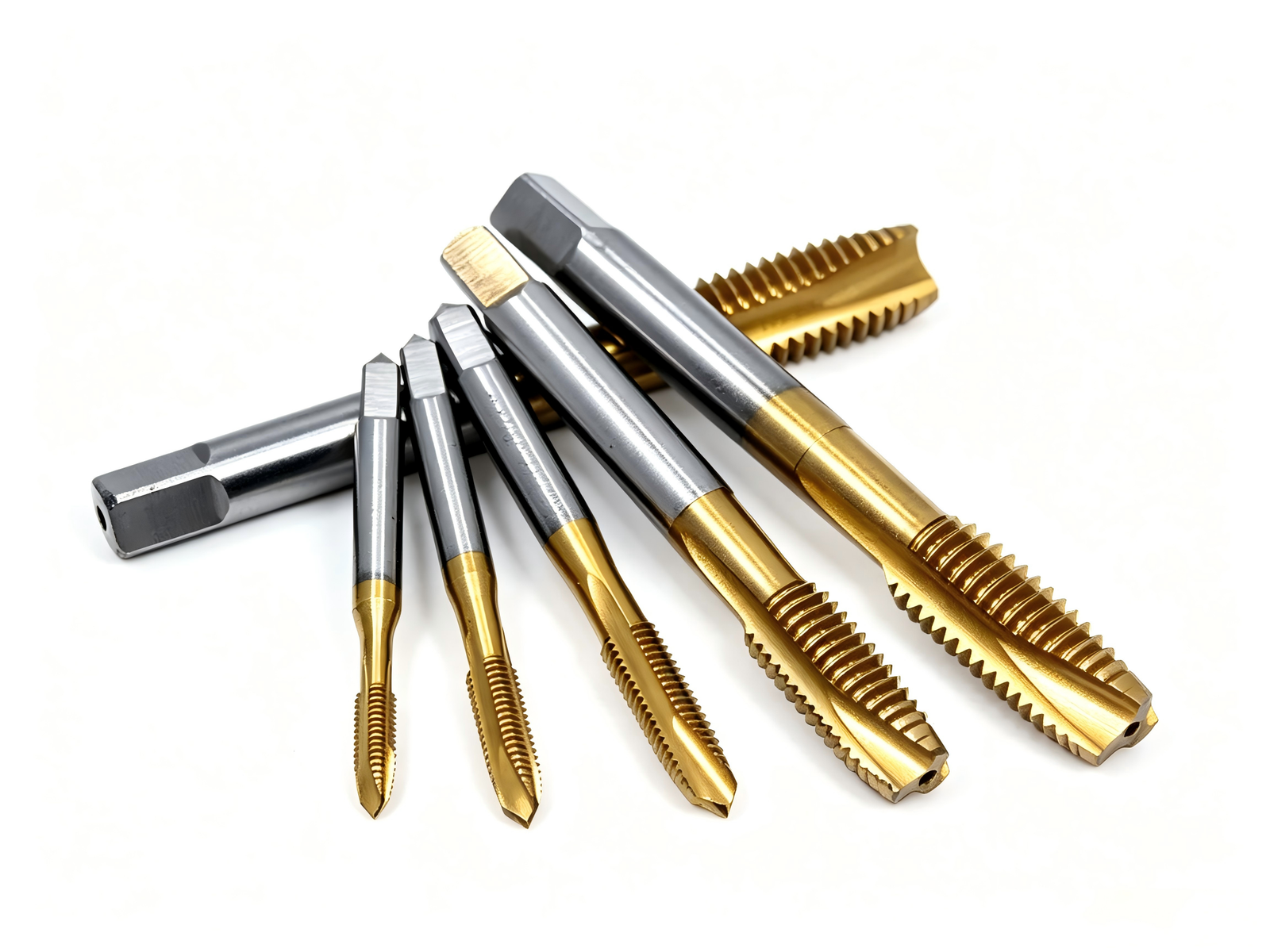
يعد اختيار صنبور الخيط الصحيح أمرًا ضروريًا لإنتاج دقيق, متين, وخيوط داخلية عالية الجودة. تم تصميم كل صنبور بهندسة قطع محددة, تصميم الفلوت, طول الشطب, وخصائص إخلاء الرقاقة لأداء فعال في ظل ظروف تصنيع معينة.
عوامل مثل مادة الشغل, نوع الثقب, حجم الإنتاج, قدرة الآلة, ومعيار الخيط جميعه يؤثر على الصنبور الذي يجب استخدامه. إن فهم هذه الاختلافات يسمح للمصنعين بتحسين كفاءة المعالجة, تقليل تآكل الأداة, تقليل وقت التوقف عن العمل, وتحقيق جودة خيط متسقة.
فيما يلي الأنواع الأكثر شيوعًا من الصنابير الملولبة وتطبيقاتها المثالية.
الصنابير اليدوية
الصنابير اليدوية هي الأدوات التقليدية المستخدمة لقطع الخيوط الداخلية يدويًا. يتم استخدامها على نطاق واسع في الصيانة, أعمال الترميم, النماذج الأولية, والتصنيع منخفض الحجم حيث لا تكون المعالجة باستخدام الحاسب الآلي ضرورية.
على عكس الصنابير الآلة, يتم توفير الصنابير اليدوية عمومًا كمجموعة من ثلاث صنابير تعمل معًا لإنتاج الخيط النهائي تدريجيًا.
تفتق الحنفية
تم تصميم الصنبور المستدق لبدء عملية الترابط.
يتميز بشطب طويل تقريبًا 8– 10 خيوط مدببة تدريجياً, مما يسمح بتوزيع حمل القطع بالتساوي عبر حواف القطع المتعددة.
مزايا
محاذاة الخيط سهلة
انخفاض قوة القطع
فرصة أقل لكسر الصنبور
مثالية للمبتدئين
دخول موضوع سلس
محددات
لا يمكن قطع الخيوط إلى أسفل الثقوب العمياء
يتطلب صنابير إضافية لإكمال الترابط
أفضل التطبيقات
بدء المواضيع اليدوية
من خلال الثقوب
صيانة عامة
أعمال الإصلاح
التوصيل الحنفية
يعتبر صنبور التوصيل هو الصنبور اليدوي الأكثر تنوعًا.
أنه يحتوي على ما يقرب من 3– 5 خيوط مشطوفة, السماح لها بمواصلة الخيط بعد النقر المستدق أو, في كثير من الحالات, بدء الخيط مباشرة.
بسبب هندستها المتوازنة, يتم استخدام صنبور التوصيل بشكل شائع في ورش العمل ومحلات الآلات.
مزايا
متنوع القدرات
مناسبة لمعظم المواد
أسرع من الصنابير المستدقة
ممتاز من خلال الثقوب
أفضل التطبيقات
خيوط للأغراض العامة
إصلاح الإنتاج
عمليات الصيانة
فتحات متوسطة العمق
الحنفية قاع
تم تصميم الصنابير السفلية خصيصًا للثقوب العمياء.
على عكس الصنابير المستدقة, أنها تحتوي فقط 1– 2 خيوط مشطوفة, السماح لحواف القطع بالاستمرار حتى طرف الأداة تقريبًا.
يتيح ذلك للصنبور إنشاء خيوط تصل إلى أسفل الحفرة تقريبًا.
مزايا
أقصى عمق للخيط
مثالية للثقوب العمياء
تنتج خيوط كاملة الطول
محددات
لا يمكن بدء المواضيع من تلقاء نفسها
يتطلب صنبورًا مستدقًا أو سدادة أولاً
أفضل التطبيقات
ثقوب عمياء
تركيبات دقيقة
مكونات الفضاء الجوي
المجمعات الهيدروليكية
صنابير الآلة
تم تصميم صنابير الآلة لعمليات الخيوط الأوتوماتيكية باستخدام مراكز التصنيع باستخدام الحاسب الآلي, ضغوط الحفر, وآلات التنصت.
على عكس الصنابير اليدوية, لقد تم تصميمها لإكمال عملية الترابط في دورة واحدة مع الحفاظ على الدقة والإنتاجية العالية.
يتم تصنيع الصنابير الآلية الحديثة باستخدام مواد أدوات متميزة مثل:
حديدعالى السرعه (الأحرار)
مسحوق المعدن
شركة إتش إس إس (الكوبالت)
كربيد صلب
يتم تعزيز العديد منها أيضًا باستخدام الطلاءات المتقدمة مثل:
تين
تي سي إن
tialn
ألكرن
تعمل هذه الطلاءات على تحسين مقاومة التآكل وتبديد الحرارة بشكل كبير.
مزايا
كفاءة إنتاجية عالية
التكرار ممتازة
متوافق مع التنصت جامدة
مناسبة للأتمتة
عمر أطول للأداة
أفضل التطبيقات
التصنيع باستخدام الحاسب الآلي
الإنتاج بكثافة الإنتاج بكميات ضخمة
تصنيع السيارات
الآلات الفضائية
إنتاج المكونات الطبية
الصنابير الناي دوامة
تعد صنابير الفلوت الحلزونية واحدة من الصنابير الأكثر استخدامًا ثقوب أعمى.
يعمل تصميم الناي الحلزوني على رفع الرقائق إلى أعلى وخارج الحفرة أثناء التصنيع.
هذا يقلل بشكل كبير من تعبئة الرقائق, وهو أحد الأسباب الرئيسية لكسر الصنابير.
كيف يعملون
كما يدور الصنبور:
حواف القطع تزيل المواد.
المزامير الحلزونية تسحب الرقائق إلى الأعلى.
يصل سائل التبريد إلى منطقة القطع بكفاءة.
تتحسن جودة الخيط.
اختيار زاوية لولبية
تؤثر الزاوية الحلزونية على أداء القطع.
| الحلزون زاوية | الأفضل ل |
| 15° | المواد الصلبة |
| 25° | الآلات العامة |
| 35° | الفولاذ المقاوم للصدأ |
| 45° | الألومنيوم والمواد الناعمة |
مزايا
إخلاء ممتاز للرقاقة
تقليل كسر الصنبور
تحسين الانتهاء من السطح
مثالية للثقوب العمياء العميقة
أفضل التطبيقات
الفولاذ المقاوم للصدأ
الألومنيوم
التيتانيوم
ثقوب عمياء
ثقوب مترابطة عميقة
الصنابير نقطة دوامة (صنابير البندقية)
على الرغم من الخلط في كثير من الأحيان مع صنابير الفلوت الحلزونية, تعمل الصنابير ذات النقاط الحلزونية بشكل مختلف.
بدلاً من سحب الرقائق إلى الأعلى, هم دفع الرقائق إلى الأمام من خلال الحفرة.
لهذا السبب, الصنابير ذات النقاط الحلزونية هي الأنسب من خلال الثقوب.
كيف يعملون
أثناء القطع:
تتحرك الرقائق أمام الصنبور.
تظل منطقة القطع واضحة.
يتم إنشاء عزم دوران أقل للقطع.
تصبح المعالجة الأسرع ممكنة.
مزايا
سرعة إنتاج عالية
إخلاء ممتاز للرقاقة
عمر أطول للأداة
انخفاض مقاومة القطع
أفضل التطبيقات
من خلال الثقوب
التصنيع باستخدام الحاسب الآلي
تصنيع الآلات
الصلب الكربوني
سبائك الصلب
صنابير الأنابيب
تنتج صنابير الأنابيب خيوط الأنابيب الداخلية المستخدمة لختم السوائل والغازات.
على عكس خيوط التثبيت القياسية, تم تصميم خيوط الأنابيب لإنشاء وصلات محكمة الضغط.
وتشمل المعايير الأكثر شيوعا:
معاهدة حظر الانتشار النووي
NPTF
بي إس بي تي
بي إس بي بي
تستخدم صنابير الأنابيب على نطاق واسع في:
الأنظمة الهيدروليكية
الأنظمة الهوائية
معدات النفط والغاز
أنابيب المياه
الصمامات الصناعية
مزايا
وصلات مقاومة للتسرب
أشكال موضوع موحدة
أداء الختم موثوق
صنابير تشكيل الخيط (لفة الصنابير)
تعمل صنابير تشكيل الخيوط على إنشاء خيوط دون إزالة المواد.
بدلا من القطع, أنها تشوه مادة الشغل بشكل بلاستيكي.
لأنه لا يتم إنشاء أي رقائق, تعمل صنابير تشكيل الخيط على التخلص من مشاكل إخلاء الرقاقة تمامًا.
مزايا
لا رقائق
خيوط أقوى
مقاومة أفضل للتعب
تحسين الانتهاء من السطح
عمر أطول للأداة
محددات
أنها تتطلب مواد مطيلة.
تشمل المواد المناسبة:
الألومنيوم
نحاس
نحاس
الفولاذ الطري
فولاذ منخفض الكربون
بعض الفولاذ المقاوم للصدأ
لا ينبغي استخدامها على المواد الهشة مثل الحديد الزهر.
التطبيقات النموذجية
قطع غيار السيارات
إلكترونيات
العلب الألومنيوم
إنتاج بكميات كبيرة
الجمع بين الحفر والصنبور
يدمج المثقاب والصنبور المدمج عمليتين تشغيليتين في أداة واحدة.
تقوم نقطة الحفر أولاً بإنشاء الثقب.
بعد ذلك مباشرة, يقوم قسم الخيوط بقطع الخيوط الداخلية.
وهذا يلغي تغييرات الأداة ويقلل وقت الدورة.
مزايا
إنتاج أسرع
تقليل وقت الإعداد
انخفاض تكاليف التصنيع
تحسين الدقة الموضعية
محددات
الأنسب ل:
مواد رقيقة
الألومنيوم
نحاس
البلاستيك
الإنتاج المتوسط
صنابير كربيد صلبة
الصنابير المصنوعة من الكربيد الصلب هي أدوات متميزة مصممة لبيئات التصنيع الصعبة.
بالمقارنة مع صنابير HSS, تقدم صنابير كربيد:
صلابة أعلى
مقاومة ارتداء متفوقة
مزيد من الاستقرار الأبعاد
أداء ممتاز عالي السرعة
لأن كربيد أقل مرونة, تتطلب هذه الصنابير آلات صلبة ومحاذاة دقيقة.
أفضل التطبيقات
تصلب الصلب
الحديد الزهر
سبائك ذات درجة حرارة عالية
سبائك التيتانيوم
التصنيع باستخدام الحاسب الآلي بكميات كبيرة
الصنابير التمديد
تتميز الصنابير الممتدة بساق ممتدة تسمح بالتصنيع في المواقع التي لا يمكن الوصول إليها بواسطة الصنابير القياسية.
تُستخدم هذه الصنابير بشكل شائع في:
تجاويف عميقة
ثقوب عمياء طويلة
تصنيع القالب
هياكل الطيران
مكونات مصنعة كبيرة
مزايا
الوصول الطويل
تحسين إمكانية الوصول
خيوط مستقرة في المناطق المحصورة
الصنابير الموضوع المتقطعة
تحتوي الصنابير الملولبة المتقطعة على أسنان قطع متناوبة تمت إزالتها من ملف تعريف الخيط.
تخلق هذه الهندسة الفريدة مساحات أكبر لإخلاء الرقائق.
نتيجة ل:
يتم تقليل عزم القطع.
يتم تقليل توليد الحرارة.
يصبح انسداد الشريحة أقل احتمالا.
تعمل هذه الصنابير بشكل جيد بشكل خاص في المواد الصمغية والسبائك طويلة الرقاقة.
أفضل التطبيقات
الفولاذ المقاوم للصدأ
سبائك النيكل
تجهيز الحفر العميقة
إنتاج الثقيلة
البقاء بولت الصنابير
صنابير التثبيت الثابتة هي أدوات متخصصة مصممة لتصنيع مسامير التثبيت ذات القطر الكبير المستخدمة في الغلايات, أوعية الضغط, ومعدات توليد الطاقة.
تتميز هذه الصنابير عادة:
بأقطار كبيرة
المزامير العميقة
البناء الثقيلة
التطبيقات
تصنيع الغلايات
أنظمة البخار
محطات توليد الطاقة
المعدات الصناعية الثقيلة
صنابير الغاز
صنابير الغاز مصممة خصيصًا لتوصيلات خطوط أنابيب الغاز.
إنها تنتج خيوطًا داخلية دقيقة تضمن منع التسرب تحت الضغط.
تشمل التطبيقات الشائعة:
أنظمة الغاز الطبيعي
معدات غاز البترول المسال
خطوط الغاز الصناعي
تصنيع الصمامات
الصنابير الرئيسية
على عكس صنابير الإنتاج القياسية, تُستخدم الصنابير الرئيسية بشكل أساسي للتحقق من الخيط ومعايرته.
أنها تساعد الشركات المصنعة:
فحص جودة الخيط
التحقق من أبعاد الخيط
استعادة المواضيع التالفة طفيفة
الحفاظ على دقة الآلات
توجد الصنابير الرئيسية بشكل شائع في مختبرات مراقبة الجودة ومنشآت التصنيع الدقيقة.
مقارنة بين أنواع مختلفة من الحنفية الموضوع
يصبح اختيار الصنبور الصحيح أسهل بكثير عند مقارنة خصائصها جنبًا إلى جنب.
| اضغط على النوع | أفضل نوع ثقب | إخلاء الرقائق | أفضل المواد | حجم الإنتاج | الميزة الرئيسية |
| تفتق الحنفية | خلال | معتدل | معادن عامة | قليل | بداية سهلة للخيط |
| التوصيل الحنفية | خلال | معتدل | الآلات العامة | منخفضة medium | الأكثر تنوعا |
| الحنفية قاع | أعمى | محدود | معادن عامة | قليل | أقصى عمق للخيط |
| اضغط على الآلة | كلاهما | يعتمد على التصميم | معظم المعادن | عالي | الإنتاج الآلي |
| دوامة الناي الصنبور | أعمى | إلى أعلى | الفولاذ المقاوم للصدأ, الألومنيوم | عالي | إزالة رقاقة ممتازة |
| حلزوني نقطة | خلال | إلى الأمام | فُولاَذ, سبائك الصلب | عالي | خيوط عالية السرعة |
| صنبور الأنابيب | فتحات الأنابيب | معتدل | فُولاَذ, نحاس | واسطة | خيوط الأنابيب مانعة للتسرب |
| صنبور تشكيل الخيط | كلاهما | لا رقائق | الألومنيوم, نحاس | عالي | خيوط أقوى |
| الحفر المشترك & مقبض | خلال | معتدل | المعادن الناعمة | عالي | المعالجة بخطوة واحدة |
| صنبور كربيد صلب | كلاهما | ممتاز | المواد المتصلبة | عالي | أطول عمر للأداة |
| اضغط على التمديد | ثقوب عميقة | يعتمد على | متنوع | واسطة | الوصول الطويل |
| توقف الصنبور الموضوع | ثقوب عميقة | ممتاز | الفولاذ المقاوم للصدأ | عالي | انخفاض عزم الدوران |
| البقاء بولت الحنفية | فتحات كبيرة | ممتاز | فولاذ ثقيل | قليل | خيوط صناعية كبيرة |
| ماستر تاب | تقتيش | لا يوجد | متنوع | QC | التحقق من الموضوع |
لماذا يهم فهم أنواع الحنفية؟
إن استخدام نقرة الخيط الصحيحة هو أكثر من مجرد إنشاء سلاسل الرسائل. إنه يؤثر بشكل مباشر على كفاءة الآلات, الأداة الحياة, دقة الأبعاد, جودة التجميع, وتكاليف الإنتاج. مطابقة تصميم الصنبور للمادة, نوع الثقب, وتساعد عملية التصنيع على تقليل وقت التوقف عن العمل, تحسين الاتساق, وتحقيق نتائج موثوقة عبر كل من النماذج الأولية والتصنيع بكميات كبيرة.
الجزء التالي: مخطط حجم الحنفية الموضوع, دليل التسامح الموضوع, كيفية اختيار الصنبور الصحيح للخيط, ونصائح لاختيار الخبراء للمواد والتطبيقات المختلفة.
مخطط حجم الحنفية الموضوع
يعد تحديد حجم مثقاب الصنبور الصحيح أحد أهم الخطوات في أي عملية ربط. حتى الصنبور عالي الجودة لا يمكنه إنتاج خيوط دقيقة إذا كانت الفتحة التجريبية كبيرة جدًا أو صغيرة جدًا.
ثقب صغير الحجم يزيد من عزم القطع, يولد الحرارة المفرطة, ويزيد بشكل كبير من خطر كسر الصنبور. على العكس من ذلك, ينتج الثقب الكبير خيوطًا ضحلة ذات قوة إمساك منخفضة, مما قد يؤدي إلى فشل التجميع.
يعتمد حجم مثقاب الصنبور المناسب على عدة عوامل:
حجم الخيط
الملعب الموضوع
معيار الموضوع (متري, قيادة الأمم المتحدة, مؤسسة الأمم المتحدة, معاهدة حظر الانتشار النووي, إلخ.)
مادة الشغل
النسبة المئوية للخيط مطلوبة
نوع الصنبور (قطع أو تشكيل)
لمعظم تطبيقات الآلات العامة, مشاركة موضوع من 65%-75% يوفر توازنًا ممتازًا بين قوة الخيط وعزم الدوران.
مخطط حفر الصنبور المتري القياسي
يسرد الرسم البياني التالي أحجام الخيوط المترية شائعة الاستخدام بالإضافة إلى أقطار الحفر الموصى بها.
| حجم الخيط | يقذف (مم) | حجم الحفر الموصى به |
| M2 × 0.4 | 0.40 | 1.60 مم |
| M2.5 × 0.45 | 0.45 | 2.05 مم |
| M3 × 0.5 | 0.50 | 2.50 مم |
| م4× 0.7 | 0.70 | 3.30 مم |
| م5× 0.8 | 0.80 | 4.20 مم |
| م6 × 1.0 | 1.00 | 5.00 مم |
| م8 × 1.25 | 1.25 | 6.80 مم |
| م10 × 1.5 | 1.50 | 8.50 مم |
| م12 × 1.75 | 1.75 | 10.20 مم |
| م16× 2.0 | 2.00 | 14.00 مم |
| م20 × 2.5 | 2.50 | 17.50 مم |
| م24 × 3.0 | 3.00 | 21.00 مم |
نصيحة: استشر دائمًا توصيات الشركة المصنعة لحفر الصنبور, خاصة عند استخدام صنابير تشكيل الخيط, لأنها تتطلب عادةً فتحة تجريبية أكبر قليلاً من قطع الصنابير.
فهم مشاركة الموضوع
تشير مشاركة الخيط إلى النسبة المئوية لملف تعريف الخيط الذي تم تشكيله بالكامل داخل الفتحة.
يفترض العديد من المهندسين خطأً أن الارتباط العالي للخيط يؤدي دائمًا إلى ترابط أقوى. في الواقع, زيادة مشاركة الخيط بما يتجاوز تقريبًا 75% يرفع عزم القطع بشكل كبير مع تقديم تحسينات هامشية فقط في قوة الخيط.
وتشمل التوصيات العامة:
| مشاركة الموضوع | تطبيق نموذجي |
| 55-60% | مواد ناعمة, إنتاج عالية السرعة |
| 65-70% | الآلات العامة |
| 70-75% | معظم التطبيقات الصناعية |
| 75-85% | اتصالات عالية القوة (عند الحاجة) |
تستهدف معظم عمليات التصنيع باستخدام الحاسب الآلي 70% مشاركة الخيط لأنه يوفر توازناً ممتازاً بين القوة, الأداة الحياة, والإنتاجية.
دليل التسامح مع النقر على الخيط
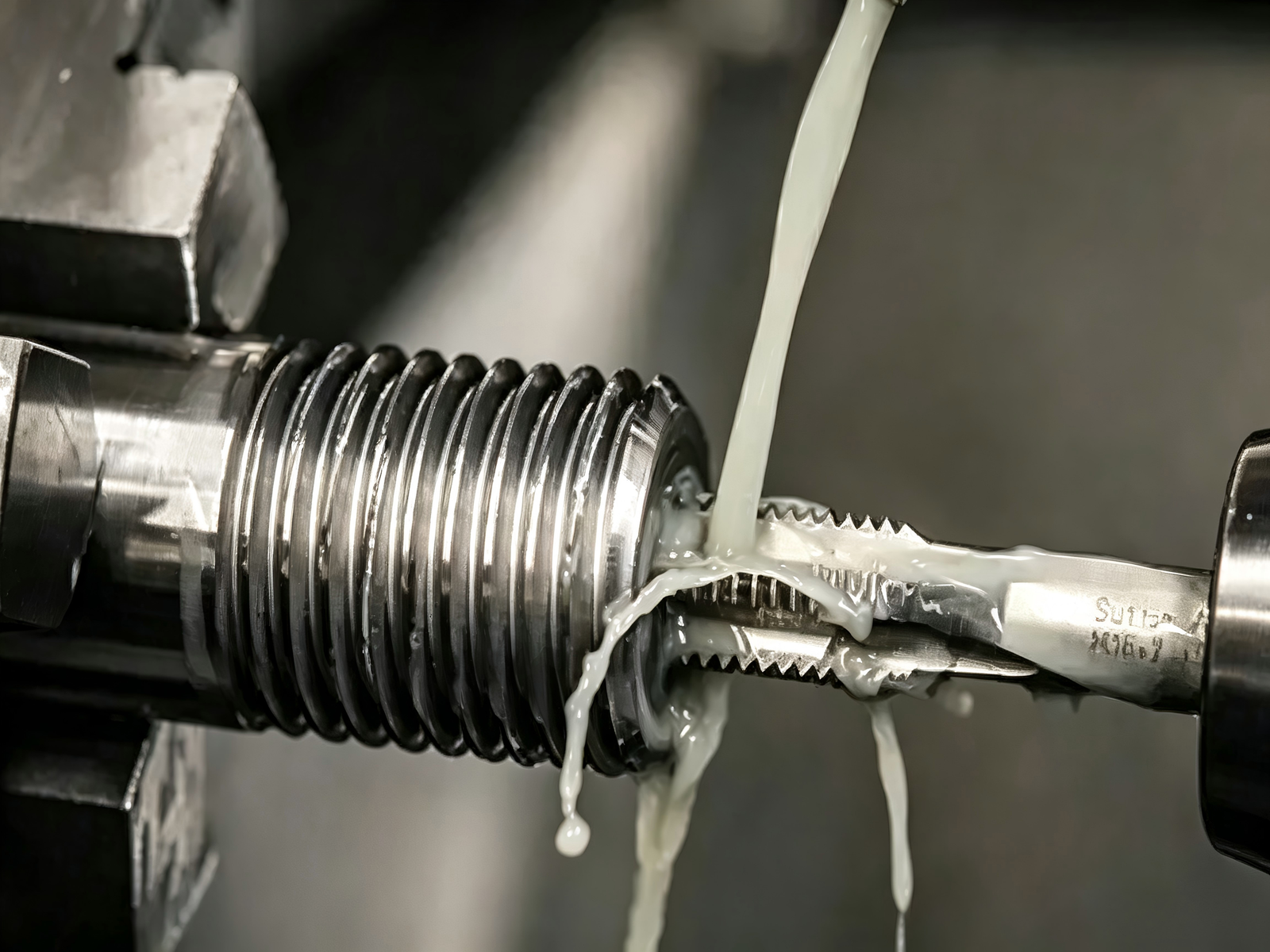
تحدد تفاوتات الخيط مدى توافق الخيط الداخلي مع خيط التزاوج الخارجي. يضمن اختيار التسامح المناسب التجميع السلس مع الحفاظ على قوة تحمل كافية وقابلية للتبديل.
يتم توحيد تفاوتات الخيط وفقًا للمواصفات الدولية مثل ايزو, أنسي, و من.
لماذا يهم التسامح الموضوع
يمكن أن يؤدي التفاوتات غير الصحيحة إلى:
تجميعات فضفاضة
الاهتزاز المفرط
سوء توزيع الأحمال
صعوبة أثناء التجميع
ارتداء السحابة المبكرة
فشل المكون
يعد اختيار فئة التسامح الصحيحة أمرًا مهمًا بشكل خاص في صناعات مثل الطيران, أجهزة طبية, السيارات, والأجهزة الدقيقة.
فئات التسامح المشترك
| اضغط على التسامح | خيط داخلي نموذجي |
| H1 | 4ح, 5ح |
| H2 | 5ز, 6ح |
| H3 | 6ز, 7ح |
| H4 | 6ح, 7ح |
عمومًا:
H1 تنتج خيوط أكثر إحكاما.
H2 هي فئة الأغراض العامة الأكثر شيوعًا.
H3 يسمح بنوبات فضفاضة قليلاً.
H4 يتم استخدامه عند الحاجة إلى تصريح إضافي.
أنواع تناسب الموضوع
عادةً ما يختار المهندسون واحدة من ثلاث فئات ملائمة اعتمادًا على المتطلبات الوظيفية للتطبيق.
إغلاق صالح
مصممة للتجمعات الدقيقة التي تتطلب الحد الأدنى من الخلوص.
وتشمل التطبيقات النموذجية:
مكونات الفضاء الجوي
المعدات الطبية
الأدوات الدقيقة
صالح عادي
الأكثر استخدامًا في التصنيع الصناعي.
مناسبة ل:
الآلات العامة
قطع غيار السيارات
المنتجات الاستهلاكية
معدات صناعية
مقاس فضفاض
يوفر تصريحًا إضافيًا للتطبيقات التي تتضمن:
الأوساخ أو الحطام
التجميع/التفكيك المتكرر
التمدد الحراري
السحابات المغلفة
نصائح الخبراء لاختيار أفضل نقرة خيط
غالبًا ما يأخذ الميكانيكيون ذوو الخبرة في الاعتبار عوامل إضافية تتجاوز المواصفات الأساسية لتحسين أداء النقر:
يستخدم صنابير الناي الحلزونية للثقوب العمياء لتحسين إخلاء الرقاقة.
يختار الصنابير نقطة دوامة من خلال الثقوب لتحقيق أقصى قدر من الإنتاجية.
يختار صنابير تشكيل الخيط للمواد اللدنة عندما تكون أقوى, المواضيع الخالية من الرقاقة مطلوبة.
قم بمطابقة مادة الصنبور والطلاء مع مادة قطعة العمل للحصول على عمر مثالي للأداة.
تأكد من أن الآلة تتمتع بالصلابة الكافية, وخاصة عند استخدام الصنابير كربيد.
تحقق من توصيل سائل التبريد لتقليل تراكم الحرارة وتحسين إزالة الرقائق.
استخدم سرعة النقر والتغذية الصحيحة بناءً على المادة واضغط على توصيات الشركة المصنعة.
قم بفحص الصنابير بانتظام بحثًا عن التآكل واستبدلها قبل أن تتدهور جودة الخيط.
لا يؤدي إجراء تحديدات مدروسة للنقر إلى تحسين جودة الخيط فحسب، بل يقلل أيضًا من تكاليف المعالجة, يقلل من وقت التوقف عن العمل, ويزيد من كفاءة التصنيع الشاملة. اتصل بنا للمزيد من المعلومات.


