


من أغلفة محركات السيارات وحالات ناقل الحركة إلى الأجهزة الإلكترونية الاستهلاكية والمعدات الصناعية, يوفر ADC12 توازنًا مثاليًا في الأداء, كفاءة التصنيع, وفعالية التكلفة.
سواء كنت مهندسًا يقوم باختيار المواد لمشروع جديد, مدير مشتريات يقوم بتوريد أجزاء مصبوبة من الألومنيوم, أو مصمم منتج يقارن بين سبائك الألومنيوم المختلفة, يمكن أن يساعدك فهم خصائص ADC12 على اتخاذ قرارات مستنيرة.
في هذا الدليل الشامل, سوف نستكشف:
- ما هي سبائك الألومنيوم ADC12
- التركيب الكيميائي
- الخصائص الفيزيائية والميكانيكية
- المزايا والقيود الرئيسية
- عمليات التصنيع
- التطبيقات الصناعية المشتركة
- أدك 12 مقابل. سبائك الألومنيوم الأخرى
- الأسئلة المتداولة
ما هي سبائك الألومنيوم ADC12?
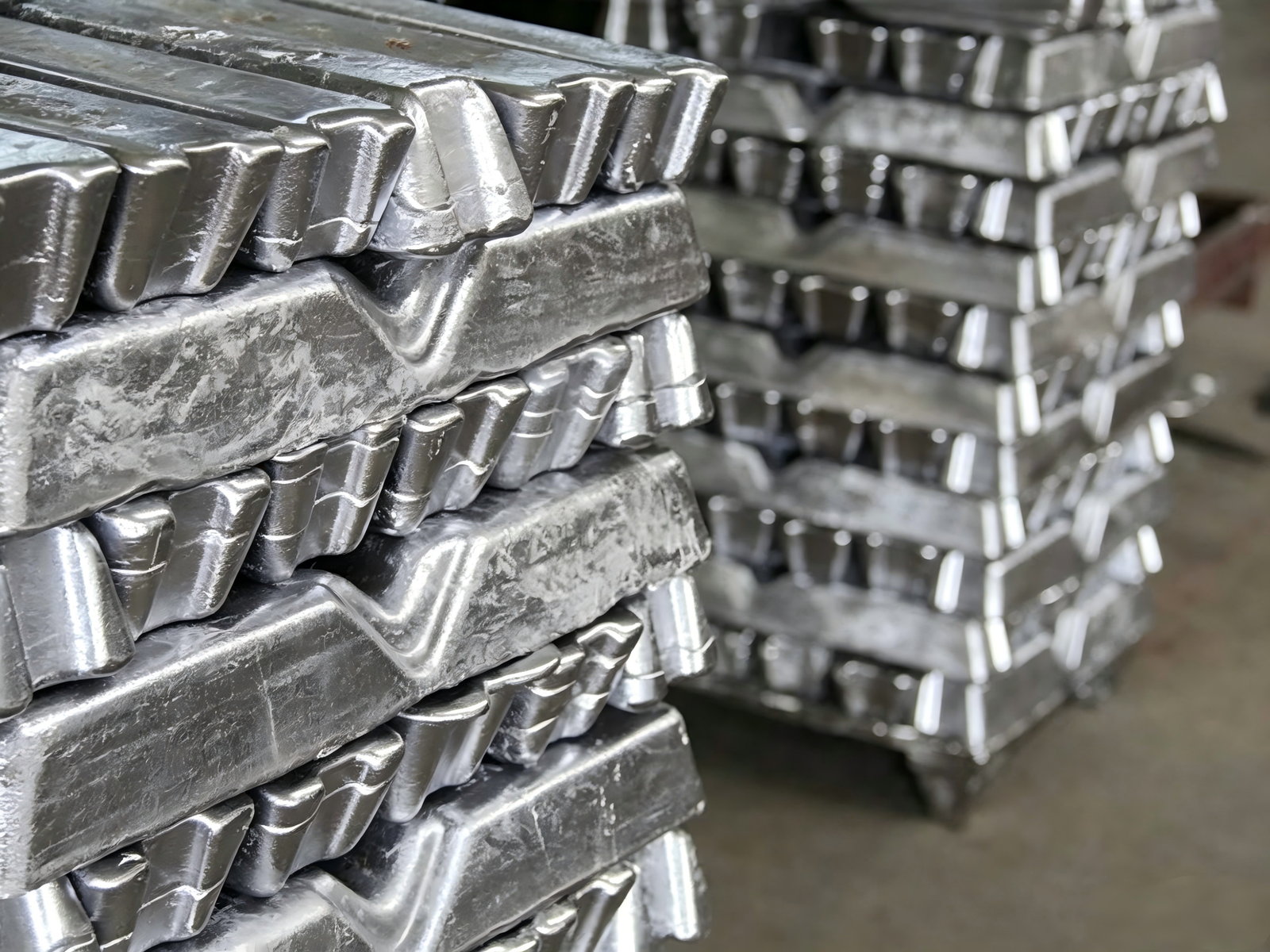
ADC12 هو المعيار الصناعي الياباني (هو) سبائك الألومنيوم والسيليكون والنحاس تم تطويرها خصيصًا لصب القوالب بالضغط العالي (HPDC). إنها تنتمي إلى عائلة Al-Si-Cu لسبائك الألومنيوم وهي معروفة عالميًا بأداء الصب الممتاز.
تحتوي السبائك تقريبًا على 10% سيليكون و2-3% نحاس, توفير سيولة ممتازة أثناء الصب مع الحفاظ على قوة ميكانيكية عالية بعد التصلب.
بسبب هذه الخصائص, تعد ADC12 واحدة من أكثر المواد المحددة شيوعًا لتصنيع الأجزاء المصبوبة من الألومنيوم المعقدة ذات الجدران الرقيقة وتفاوتات الأبعاد الضيقة.
دوليا, ADC12 يمكن مقارنته بالعديد من درجات الألومنيوم المكافئة.
| معيار | درجة مكافئة |
| هو | أدك12 |
| أستم | A383 |
| غيغابايت (الصين) | YL113 |
| في | إن أس-46000 (مشابه) |
على الرغم من وجود اختلافات كيميائية طفيفة بين هذه المعايير, أداء الصب الشامل والخواص الميكانيكية متشابهة جدًا.
ADC12 التركيب الكيميائي لسبائك الألومنيوم
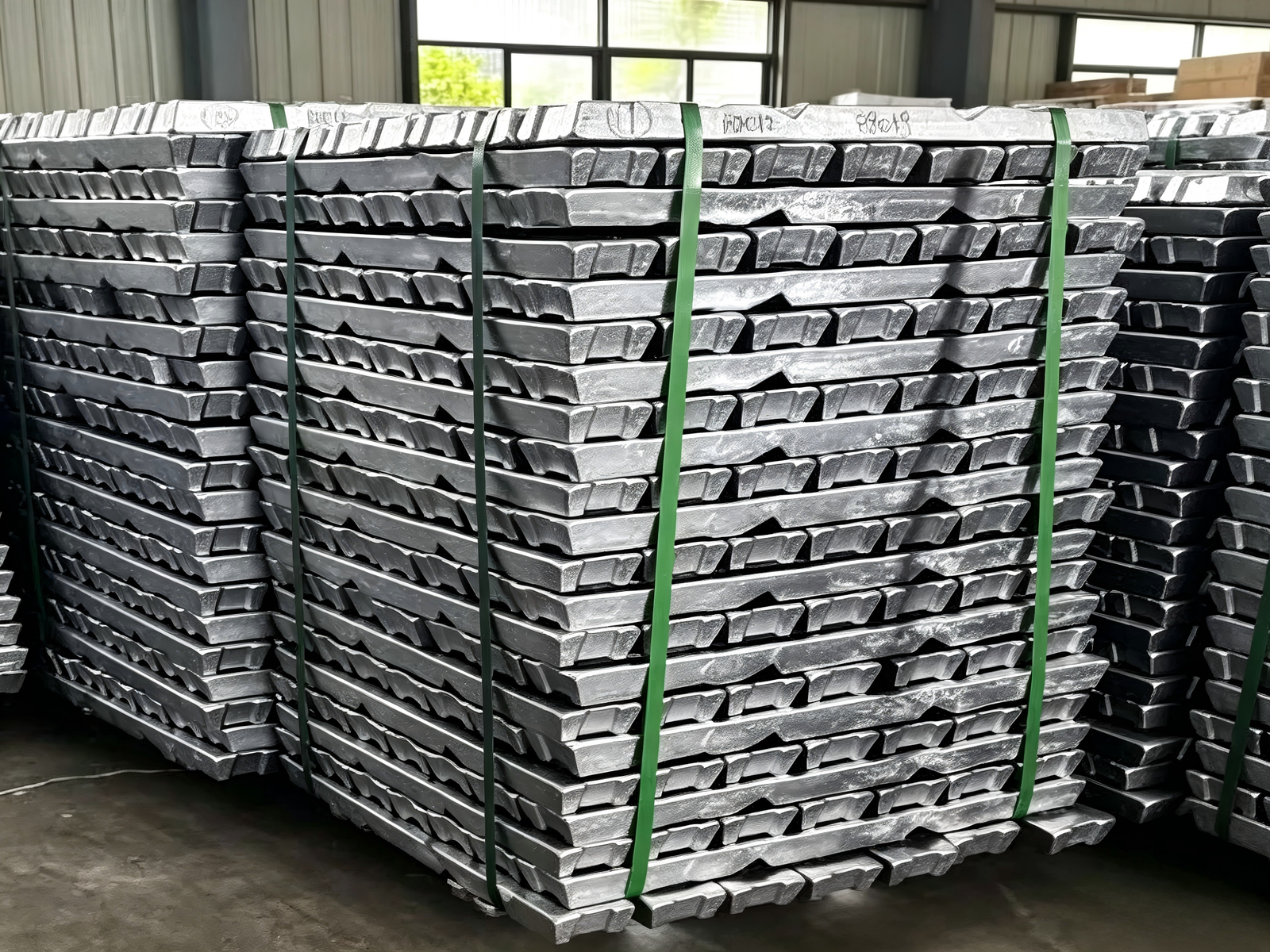
يأتي الأداء الاستثنائي لـ ADC12 من تركيبته الكيميائية المتوازنة بعناية. يساهم كل عنصر من عناصر صناعة السبائك في ميكانيكية محددة, الحرارية, أو خصائص التصنيع.
| عنصر | المحتوى النموذجي (%) | وظيفة |
| السيليكون (و) | 9.5-11.5 | يحسن السيولة ومقاومة التآكل |
| نحاس (النحاس) | 2.0-3.0 | يزيد من القوة والصلابة |
| حديد (الحديد) | .31.3 | يمنع التصاق القالب أثناء الصب |
| الزنك (الزنك) | .03.0 | يعزز القوة |
| المغنيسيوم (ملغ) | 0.1-0.3 | يحسن الصلابة |
| المنغنيز (من) | .50.5 | يحسن الاستقرار الهيكلي |
| النيكل (في) | .50.5 | يعزز مقاومة الحرارة |
| القصدير (سن) | .150.15 | النجاسة التي تسيطر عليها |
| الألومنيوم (آل) | توازن | المادة الأساسية |
لماذا يهم السيليكون
السيليكون هو العنصر الأكثر أهمية في صناعة السبائك في ADC12. محتواه العالي نسبيًا يحسن بشكل كبير سيولة المعدن المنصهر, السماح للمصنعين بإنتاج أشكال هندسية معقدة بجدران رقيقة مع الحد الأدنى من عيوب الصب.
وهذا يجعل ADC12 مناسبًا بشكل خاص لإنتاج الصب بالقالب بكميات كبيرة.
دور النحاس
النحاس يعزز قوة الشد, صلابة, ومقاومة التعب. بالمقارنة مع سبائك الألومنيوم عالية السيليكون التي تحتوي على القليل من النحاس, يقدم ADC12 أداءً ميكانيكيًا فائقًا, مما يجعلها مثالية للمكونات الهيكلية المعرضة للتحميل المستمر.
الخصائص الفيزيائية لسبائك الألومنيوم ADC12
تساهم الخصائص الفيزيائية لـ ADC12 بشكل مباشر في أدائها في البيئات الصناعية الصعبة.
| ملكية | القيمة النموذجية |
| كثافة | 2.68-2.74 جم/سم3 |
| نطاق الذوبان | 515-580 درجة مئوية |
| توصيل حراري | تقريبًا 96 ث / م · ك |
| التوصيل الكهربائي | تقريبًا 22% IACS |
| السعة الحرارية المحددة | 963 ي/كجم·ك |
| التمدد الحراري | 21 ×10⁻⁶ /ك |
تصميم خفيف الوزن
بكثافة تقارب ثلث كثافة الفولاذ, يمكّن ADC12 الشركات المصنعة من تقليل وزن المكونات دون التضحية بالسلامة الهيكلية. ويعد هذا ذا قيمة خاصة في تطبيقات السيارات والفضاء حيث يؤدي تقليل الوزن إلى تحسين كفاءة استهلاك الوقود وأداء النظام بشكل مباشر.
نقل حراري ممتاز
يوفر ADC12 موصلية حرارية عالية نسبيًا, مما يجعلها مناسبة للمنتجات التي تتطلب تبديدًا فعالًا للحرارة, مثل:
- علب المحركات
- بالوعة الحرارة
- مكونات الإضاءة LED
- العبوات الكهربائية
- أنظمة التبريد الإلكترونية
الخواص الميكانيكية لسبائك الألومنيوم ADC12
تحدد الخواص الميكانيكية كيفية أداء المادة تحت الحمل, تأثير, وشروط الخدمة طويلة الأجل.
تشمل القيم النموذجية:
| ملكية | القيمة النموذجية |
| قوة الشد | 280-330 ميجا باسكال |
| قوة العائد | 160-220 ميجا باسكال |
| صلابة | 75-90 HB |
| استطالة | 2-4 ٪ |
| معامل مرن | تقريبًا 71 المعدل التراكمي |
تختلف القيم الفعلية حسب عملية الصب, سمك الجدار, تصميم القالب, وعمليات ما بعد المعالجة.
نسبة عالية من القوة إلى الوزن
إحدى أعظم مزايا ADC12 هي قدرته على توفير قوة ميكانيكية ممتازة مع الحفاظ على الوزن المنخفض. وهذا يجعلها مادة مثالية للمكونات التي يجب أن تتحمل الاهتزازات, ضغط, والتحميل المتكرر دون إضافة كتلة غير ضرورية.
المزايا الرئيسية لسبائك الألومنيوم ADC12
1. الأداء المتميز في الصب بالقالب
تم تصميم ADC12 خصيصًا لصب القوالب بالضغط العالي.
تسمح سيولة المعدن المنصهر الممتازة للمصنعين بالإنتاج:
- مكونات ذات جدران رقيقة
- هندسات معقدة
- تجاويف داخلية معقدة
- أجزاء دقيقة عالية الحجم
تملأ السبيكة القوالب بكفاءة مع تقليل عيوب الانكماش, مما أدى إلى دقة الأبعاد ممتازة والتكرار.
2. قدرة ميكانيكية ممتازة
على الرغم من أن ADC12 هو في المقام الأول عبارة عن سبيكة صب بالقالب, كما أنه يؤدي أداءً جيدًا أثناء عمليات المعالجة الثانوية.
وتشمل عمليات التصنيع النموذجية:
- الطحن باستخدام الحاسب الآلي
- تحول باستخدام الحاسب الآلي
- حفر
- التنصت
- التوسيع
- تصنيع الخيوط
يقلل محتواه المتوازن من السيليكون من مقاومة القطع ويساعد على تحقيق تشطيبات سطحية ناعمة مع إطالة عمر الأداة.
3. استقرار الأبعاد متفوقة
يفضل المصنعون ADC12 لأنه يحافظ على دقة أبعاد ممتازة بعد الصب.
وتشمل الفوائد:
- انخفاض معدلات الرفض
- تحسين اتساق التجميع
- تقليل ما بعد المعالجة
- إمكانية التبادل بشكل أفضل بين دفعات الإنتاج
يعد هذا الاستقرار مهمًا بشكل خاص للعلب الدقيقة والتجمعات الميكانيكية ذات التفاوتات الصارمة.
4. مقاومة جيدة للتآكل
يشكل ADC12 بشكل طبيعي طبقة أكسيد رقيقة تحمي المادة من التآكل البيئي.
يؤدي أداءً جيدًا في:
- البيئات الخارجية
- المنشآت الصناعية
- المناخات الرطبة
- الظروف الجوية العامة
لمزيد من التطبيقات الصعبة, معالجات سطحية إضافية مثل طلاء المسحوق, تلوين, أو يمكن أن يؤدي تحويل الكرومات إلى تحسين مقاومة التآكل والمتانة.
5. كفاءة ممتازة من حيث التكلفة
بالمقارنة مع العديد من سبائك الألومنيوم البديلة, يوفر ADC12 تكاليف إنتاج أقل مع الحفاظ على الأداء الميكانيكي الممتاز.
تقلل قابليتها العالية للصب:
- وقت التصنيع
- النفايات المادية
- عيوب الإنتاج
- تكاليف التصنيع
وهذا يجعل ADC12 واحدًا من أكثر الخيارات الاقتصادية لمشاريع صب قوالب الألومنيوم واسعة النطاق.
حدود سبائك الألومنيوم ADC12
على الرغم من أن ADC12 يعد واحدًا من أكثر سبائك صب الألومنيوم تنوعًا, إن فهم حدودها لا يقل أهمية عن معرفة نقاط قوتها. يتطلب اختيار المادة المناسبة تقييم المزايا والمقايضات لتطبيقك المحدد.
ليونة أقل مقارنة بالألمنيوم المطاوع
يوفر ADC12 قوة وصلابة ممتازة, ولكن استطالته منخفضة نسبيا, عادة بين 2% و 4%. وهذا يعني أن المادة أقل ملاءمة للتطبيقات التي تتطلب ثنيًا كبيرًا, تمتد, أو تشوه البلاستيك بعد الصب.
للمنتجات التي تتطلب تشكيلًا مكثفًا أو مقاومة عالية للصدمات, سبائك الألومنيوم المطاوع مثل 6061 أو 5052 قد يكون أكثر ملاءمة.
لا ينصح به للحام
بسبب محتواه العالي من السيليكون والنحاس, يعتبر ADC12 صعب اللحام بشكل عام. قد يؤدي اللحام إلى:
- زيادة المسامية
- تكسير ساخن
- انخفاض القوة الميكانيكية
- مظهر اللحام سيئ
إذا كان اللحام أمرا لا مفر منه, مطلوب مواد حشو متخصصة وتقنيات لحام ذات خبرة. لكن, تفضل معظم الشركات المصنعة تصميم مكونات ADC12 كمسبوكات من قطعة واحدة للتخلص من الحاجة إلى اللحام.
أداء أنودة محدود
على عكس 6061 الألومنيوم, لا ينتج ADC12 تشطيبًا مؤكسدًا جذابًا. غالبًا ما يؤدي محتوى السيليكون المرتفع نسبيًا إلى لون أغمق, سطح غير مستو بعد أنودة.
لهذا السبب, عادة ما يختار المصنعون طرق التشطيب البديلة, مشتمل:
- طلاء مسحوق
- اللوحة الرطبة
- طلاء تحويل الكرومات
- طلاء الكهربي (طلاء إلكتروني)
- تفجير الرمال
- التفجير بالرصاص
- تلميع
توفر هذه التشطيبات حماية ممتازة من التآكل مع تحسين مظهر المنتج النهائي.
أداء معتدل في درجات الحرارة العالية
على الرغم من أن ADC12 يعمل بشكل جيد في ظل ظروف التشغيل العادية, إن التعرض لفترات طويلة لدرجات حرارة تزيد عن 200 درجة مئوية تقريبًا يمكن أن يقلل تدريجياً من قوتها الميكانيكية.
قد تتطلب التطبيقات التي تتطلب خدمة مستمرة في درجات حرارة عالية سبائك ألومنيوم متخصصة مقاومة للحرارة بدلاً من ذلك.
عمليات التصنيع الشائعة لسبائك الألومنيوم ADC12
أحد أكبر الأسباب التي جعلت ADC12 هي سبيكة الصب المفضلة في الصناعة هو قابليتها للتصنيع الممتازة. إنه يؤدي أداءً جيدًا بشكل استثنائي طوال عملية الإنتاج بأكملها, من الصب إلى التشطيب النهائي.
صب القالب بالضغط العالي (HPDC)
يعتبر الصب بالقالب عالي الضغط هو طريقة التصنيع الأساسية لمكونات ADC12.
خلال هذه العملية, يتم حقن الألمنيوم المنصهر في قالب فولاذي مقوى تحت ضغط مرتفع للغاية. يملأ المعدن كل تجويف داخل القالب بسرعة قبل أن يتصلب في غضون ثوانٍ.
توفر طريقة التصنيع هذه العديد من المزايا:
- كفاءة إنتاجية عالية
- التكرار ممتازة
- التحمل الأبعاد الضيقة
- الانتهاء من سطح أملس
- الحد الأدنى من نفايات المواد
- انخفاض تكاليف الإنتاج للتصنيع بكميات كبيرة
تشمل المنتجات النموذجية المصنعة باستخدام قالب الصب ADC12:
- مساكن نقل السيارات
- أغطية المحرك
- علب المحركات الكهربائية
- أغلفة علبة التروس
- أجسام المضخة
- تجهيزات الإضاءة
- العبوات الإلكترونية
لأن تكلفة الأدوات يتم توزيعها عبر أحجام الإنتاج الكبيرة, يعتبر HPDC فعالاً من حيث التكلفة بشكل خاص بالنسبة للمتوسط- إلى مشاريع التصنيع ذات الحجم الكبير.
التصنيع باستخدام الحاسب الآلي
على الرغم من أن الصب بالقالب ينتج مكونات ذات شكل شبكي قريب, تتطلب العديد من الأجزاء الدقيقة تصنيعًا إضافيًا لتحقيق الأبعاد الحرجة.
شائع التصنيع باستخدام الحاسب الآلي تشمل العمليات:
- طحن الوجه
- الحفر الدقيق
- ممل
- التنصت على الموضوع
- طحن الجيب
- التوسيع
- التشطيب السطح
تسمح إمكانية التصنيع الممتازة لـ ADC12 للمصنعين بالحفاظ على تفاوتات صارمة مع تقليل وقت المعالجة وتآكل الأدوات.
يتم استخدام الآلات الثانوية عادة لإنتاج:
- تحمل المقاعد
- ثقوب مترابطة
- أسطح التركيب الدقيقة
- وجوه الختم
- ميزات المحاذاة
يوفر الجمع بين الصب بالقالب والتصنيع باستخدام الحاسب الآلي توازنًا مثاليًا بين كفاءة الإنتاج والدقة.
خيارات الانتهاء من السطح
المعالجة السطحية لا تحسن المظهر فحسب، بل تعزز أيضًا مقاومة التآكل, ارتداء المقاومة, وعمر المنتج.
تشمل خيارات التشطيب الشائعة لـ ADC12:
مسحوق الطلاء
يخلق طلاء المسحوق طبقة واقية متينة ذات مقاومة ممتازة للخدش, التعرض للأشعة فوق البنفسجية, والمواد الكيميائية. يستخدم على نطاق واسع للمعدات الخارجية ومكونات السيارات.
تلوين
توفر اللوحة الصناعية تشطيبات زخرفية ووقائية مع السماح للمصنعين بمطابقة متطلبات الألوان الخاصة بالعميل.
طلاء تحويل الكرومات
غالبا ما يستخدم كمعالجة مسبقة قبل الطلاء, يعمل طلاء تحويل الكرومات على تحسين مقاومة التآكل بشكل كبير مع تعزيز التصاق الطلاء.
الطلقة الناسفة
يزيل السفع بالخردق بقايا الصب, يحسن اتساق السطح, ويخلق مظهرًا موحدًا غير لامع.
تفجير الرمال
تفجير الرمال ينتج نظافة, سطح محكم يعمل على تحسين التصاق الطلاء ويمنح المنتج لمسة نهائية متميزة.
طلاء الكهربي (طلاء إلكتروني)
يوفر الطلاء الإلكتروني حماية ممتازة من التآكل من خلال تطبيق طلاء موحد من خلال عملية كهروكيميائية, مما يجعلها مثالية لتطبيقات السيارات والصناعية.
التطبيقات الشائعة لسبائك الألومنيوم ADC12
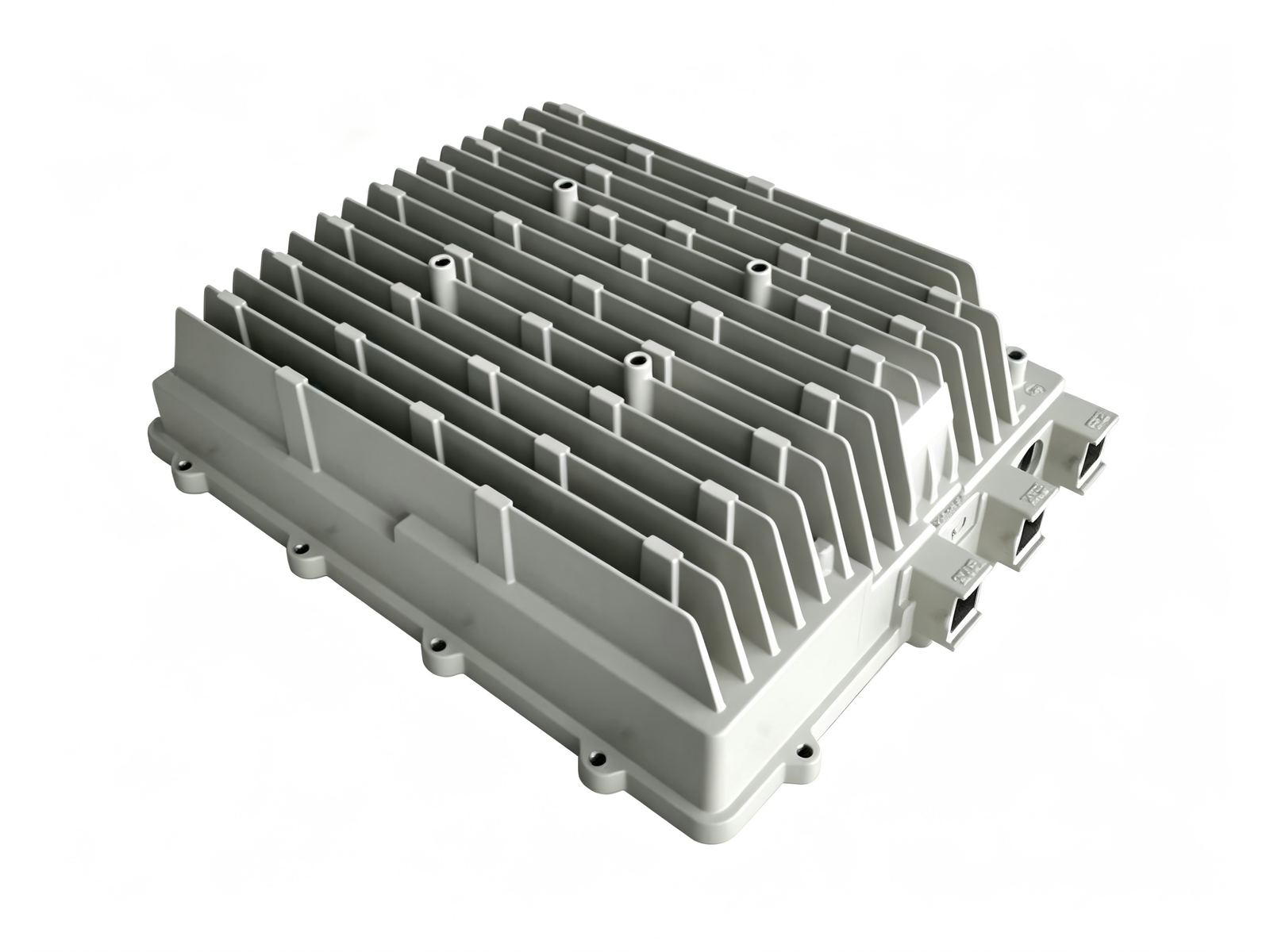
بفضل مزيجها المتميز من القوة, أداء خفيف الوزن, والقدرة على الصب ممتازة, يتم استخدام ADC12 في العديد من الصناعات.
صناعة السيارات
يعد قطاع السيارات أكبر مستهلك لسبائك الألومنيوم ADC12.
يقوم مصنعو السيارات بشكل متزايد باستبدال المكونات الفولاذية بالألمنيوم لتقليل وزن السيارة, تحسين كفاءة الوقود, وتلبية لوائح الانبعاثات الصارمة.
تشمل مكونات السيارات الشائعة:
- كتل المحرك
- رؤوس الاسطوانات
- مقالي الزيت
- علب النقل
- المساكن القابض
- أجسام مضخات المياه
- مساكن المولد
- بين قوسين المحرك
- مكونات التعليق
- علب بطارية السيارة الكهربائية
قدرة السبيكة على تحمل الاهتزازات, ركوب الدراجات الحرارية, والضغط الميكانيكي يجعلها مناسبة بشكل خاص لتطبيقات السيارات الصعبة.
مستهلكى الكترونيات
حيث أصبحت الأجهزة الإلكترونية أصغر حجما وأكثر قوة, يصبح تبديد الحرارة الفعال ذا أهمية متزايدة.
يوفر ADC12 توصيلًا حراريًا ممتازًا مع الحفاظ على بنية خفيفة الوزن.
وتشمل التطبيقات الإلكترونية النموذجية:
- هيكل الكمبيوتر المحمول
- العلب اللوحية
- إطارات الهواتف الذكية
- مساكن الإضاءة LED
- بالوعة الحرارة
- حاويات إمدادات الطاقة
- مساكن معدات الاتصالات
كما يضمن ثبات الأبعاد الفائق التجميع الدقيق للمكونات الإلكترونية.
الآلات الصناعية
غالبًا ما تعمل المعدات الصناعية تحت الأحمال الثقيلة والاستخدام المستمر.
يوفر ADC12 قوة كافية ومقاومة التآكل للعديد من المكونات الميكانيكية, مشتمل:
- مساكن المضخة
- أجسام الضاغط
- أغلفة علبة التروس
- أجسام الصمامات الهيدروليكية
- تحمل يدعم
- إطارات الآلة
- مساكن المعدات الهوائية
كما أن مقاومتها للتآكل تجعلها مناسبة للمعدات التي تعمل في البيئات الرطبة أو المعرضة كيميائيًا.
الأجهزة المنزلية
تعتمد العديد من الأجهزة المنزلية الحديثة على مكونات ADC12 المصبوبة لأنها تجمع بين المتانة والمظهر الجذاب.
ومن الأمثلة:
- علب محرك الغسالة
- مكونات المكنسة الكهربائية
- أجزاء ضاغط الثلاجة
- علب ضاغط مكيف الهواء
- إطارات المروحة الكهربائية
- قواعد أجهزة المطبخ
تستفيد هذه المنتجات من دقة الأبعاد الممتازة لـ ADC12 وكفاءة التصنيع كبيرة الحجم.
معدات الاتصالات السلكية واللاسلكية
تتطلب البنية التحتية للاتصالات حاويات خفيفة الوزن ولكنها متينة قادرة على حماية الأجهزة الإلكترونية الحساسة.
يستخدم ADC12 بشكل شائع:
- مساكن المحطة الأساسية
- حاويات مضخم الإشارة
- خزائن الاتصالات في الهواء الطلق
- أقواس الهوائي
- مكونات الاتصال البصري
كما تساعد موصليتها الحرارية على تبديد الحرارة الناتجة عن الأنظمة الإلكترونية.
معدات طبية
على الرغم من أنه لا يستخدم عادة للأجهزة القابلة للزرع, يستخدم ADC12 على نطاق واسع في مساكن المعدات الطبية وهياكل الدعم.
تشمل الأمثلة النموذجية:
- المساكن أداة التشخيص
- إطارات معدات التصوير الطبي
- حاويات معدات المختبرات
- أغلفة أجهزة المراقبة
تتيح قدرة الصب الدقيقة للسبائك للمصنعين إنتاج مكونات طبية معقدة بجودة متسقة.
أدك 12 مقابل. سبائك الألومنيوم الشعبية الأخرى
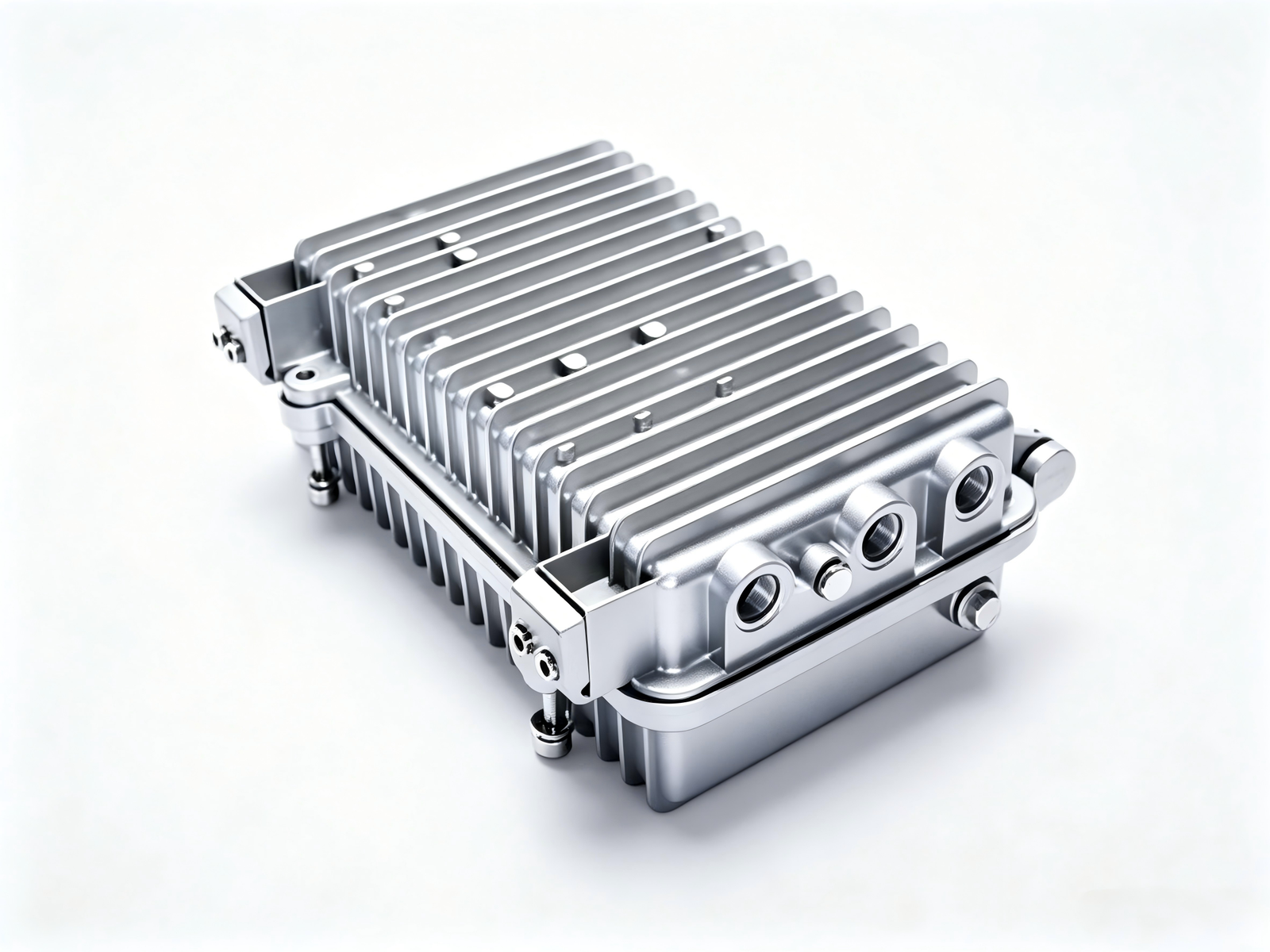
غالبًا ما يتضمن اختيار سبائك الألومنيوم المناسبة مقارنة ADC12 بمواد الصب بالقالب الأخرى شائعة الاستخدام.
| ملكية | أدك12 | A380 | A383 | أدك10 |
| القابلية للصب | ممتاز | ممتاز | ممتاز | جيد جدًا |
| قوة | عالي | متوسطة عالية | عالي | عالية جدًا |
| سيولة | ممتاز | جيد | ممتاز | جيد |
| القدرة على التصنيع | ممتاز | جيد | ممتاز | جيد |
| المقاومة للتآكل | جيد | جيد | جيد | معتدل |
| الاستقرار الأبعاد | ممتاز | جيد | ممتاز | جيد |
| يكلف | تنافسي | تنافسي | أعلى قليلا | مشابه |
متى يجب عليك اختيار ADC12?
غالبًا ما يكون ADC12 هو الخيار المفضل عندما يتطلب مشروعك ذلك:
- الأشكال الهندسية المعقدة
- كميات إنتاج عالية
- قوة ميكانيكية جيدة
- دقة الأبعاد ممتازة
- أداء تصنيع موثوق
- تصنيع فعال من حيث التكلفة
إذا كان التصميم الخاص بك يعطي الأولوية للأداء الهيكلي, كفاءة التصنيع, والموثوقية على المدى الطويل, يقدم ADC12 واحدًا من أفضل عروض القيمة الإجمالية بين سبائك الألومنيوم المصبوبة.
كيفية اختيار سبائك الألومنيوم ADC12 لمشروعك
يعد اختيار سبائك الألومنيوم المناسبة أمرًا بالغ الأهمية لضمان أداء المنتج, كفاءة التصنيع, والموثوقية على المدى الطويل. في حين أن ADC12 هي واحدة من سبائك الصب بالقالب الأكثر استخدامًا, من المهم تقييم ما إذا كان يتوافق مع المتطلبات الفنية والتجارية لمشروعك.
فيما يلي العوامل الأساسية التي يجب مراعاتها عند تحديد ADC12 لمشروعك التالي.
1. تقييم متطلبات الأداء الميكانيكي
ابدأ بتحديد الخواص الميكانيكية التي يجب أن يحققها المكون الخاص بك.
يعد ADC12 خيارًا ممتازًا عندما يتطلب التطبيق الخاص بك:
- نسبة القوة إلى الوزن عالية
- صلابة جيدة ومقاومة التآكل
- مقاومة تأثير معتدلة
- استقرار الأبعاد ممتازة
إذا كان التصميم الخاص بك يتطلب انحناءًا كبيرًا, تمتد, أو عمليات ما بعد التشكيل, سبائك الألومنيوم المطاوع مثل 6061 قد يكون أكثر ملاءمة.
2. النظر في عملية التصنيع
تم تصميم ADC12 خصيصًا لـ صب يموت الضغط العالي (HPDC). إنه يؤدي أداءً جيدًا بشكل استثنائي في الإنتاج بكميات كبيرة حيث يكون الاتساق والكفاءة من الأولويات.
يعتبر ADC12 مثاليًا إذا كان مشروعك يتطلب ذلك:
- مكونات ذات جدران رقيقة
- هندسات معقدة
- التحمل الأبعاد الضيقة
- تكرار الإنتاج بكميات كبيرة
- انخفاض تكاليف التصنيع لكل وحدة
إذا كان حجم إنتاجك منخفضًا نسبيًا, صب الرمل, صب الجاذبية, أو التصنيع باستخدام الحاسب الآلي من الألومنيوم المطاوع قد يوفر حلاً أكثر اقتصادا.
3. مراجعة متطلبات تشطيب السطح
يمكن أن تؤثر المعالجة السطحية بشكل كبير على مظهر ومتانة المنتج النهائي.
يدعم ADC12 مجموعة واسعة من عمليات التشطيب, مشتمل:
- طلاء مسحوق
- اللوحة الرطبة
- طلاء تحويل الكرومات
- طلاء الكهربي (طلاء إلكتروني)
- التفجير بالرصاص
- تفجير الرمال
إذا كان الانتهاء من الديكور بأكسيد هو شرط أساسي, قد توفر سبيكة ألومنيوم أخرى ذات محتوى أقل من السيليكون نتائج تجميلية أفضل.
4. النظر في بيئة التشغيل
تؤثر الظروف البيئية بشكل مباشر على اختيار المواد.
أداء ADC12 جيد:
- البيئات الصناعية الداخلية
- معدات خارجية
- تطبيقات السيارات
- رطوبة معتدلة
- الظروف الجوية العامة
للتطبيقات المعرضة لمياه البحر, المواد الكيميائية شديدة الحموضة, أو خدمة درجات الحرارة العالية المستمرة, قد يوصى باستخدام طبقات حماية إضافية أو سبائك ألومنيوم بديلة.
5. العمل مع شريك تصنيع ذي خبرة
حتى أفضل السبائك لا يمكنها التعويض عن ممارسات التصنيع السيئة.
يمكن لمورد قوالب الصب ذو الخبرة أن يساعد في التحسين:
- تصميم جزء
- سمك الجدار
- زوايا مسودة
- هيكل الضلع
- تصميم البوابة
- تدفق العفن
- بدل الآلات
- اختيار الانتهاء من السطح
غالبًا ما يؤدي التعاون المبكر في التصميم إلى تقليل تكاليف الأدوات, يقصر الأوقات الرصاص, ويحسن جودة المنتج بشكل عام.
الأسئلة الشائعة
1.هل ADC12 مناسب للتصنيع باستخدام الحاسب الآلي؟?
نعم. يوفر ADC12 إمكانية تصنيع ممتازة ويستخدم بشكل شائع لعمليات CNC الثانوية مثل الحفر, طحن, ممل, التنصت, والتشطيب الدقيق. يساهم محتوى السيليكون المتوازن في أداء القطع المستقر وجودة السطح الجيدة.
2.يمكن بأكسيد ADC12?
يمكن أن يكون بأكسيد ADC12, ولكن بشكل عام لا ينصح به للأكسدة الزخرفية. غالبًا ما يؤدي المحتوى العالي من السيليكون إلى مظهر أغمق وأقل تجانسًا مقارنة بالسبائك مثل 6061.
لمعظم التطبيقات التجارية, طلاء مسحوق, تلوين, أو يفضل طلاء تحويل الكرومات.
3.هل ADC12 أقوى من A380؟?
في العديد من التطبيقات, يوفر ADC12 صلابة وقوة ميكانيكية أعلى قليلاً من A380 مع الحفاظ على أداء صب مماثل.
لكن, يعتمد الاختيار الأفضل على تصميم المكون, الخواص الميكانيكية المطلوبة, وعملية التصنيع.
4.ما هي صلابة سبائك الألومنيوم ADC12?
تتراوح صلابة برينل النموذجية لـ ADC12 تقريبًا 75 ل 90 غ.ب, اعتمادا على عملية الصب والمعالجة الحرارية.
5.هل يمكن لحام ADC12؟?
يعتبر لحام ADC12 صعبًا بشكل عام بسبب محتواه العالي نسبيًا من السيليكون والنحاس. تتجنب معظم الشركات المصنعة اللحام عن طريق تصميم مكونات مصبوبة من قطعة واحدة أو باستخدام طرق التثبيت الميكانيكية.
6.هل ADC12 مقاوم للتآكل?
نعم. يشكل ADC12 بشكل طبيعي طبقة أكسيد واقية توفر مقاومة جيدة للتآكل الجوي.
يمكن للمعالجات السطحية الإضافية مثل طلاء المسحوق أو الطلاء الإلكتروني أن تزيد من تحسين الحماية من التآكل في البيئات القاسية.
7.ما هي الصناعات التي تستخدم عادة ADC12?
يستخدم ADC12 على نطاق واسع في:
- تصنيع السيارات
- الالكترونيات الاستهلاكية
- الآلات الصناعية
- الاتصالات
- الأجهزة المنزلية
- المعدات الطبية
- أدوات الطاقة
- أنظمة الطاقة المتجددة
إن تعدد استخداماتها يجعلها واحدة من أكثر سبائك الصب بالقالب تحديدًا في جميع أنحاء العالم.
8.ما هي كثافة سبائك الألومنيوم ADC12?
كثافة ADC12 عادة 2.68-2.74 جم/سم3, مما يجعلها أخف بكثير من الفولاذ مع الحفاظ على قوة هيكلية ممتازة.
9.لماذا يعتبر ADC12 مثاليًا لصب القوالب?
يجمع ADC12 بين العديد من الخصائص الضرورية لصب القوالب بالضغط العالي:
- سيولة ممتازة من المعدن المنصهر
- انخفاض انكماش الصب
- دقة أبعاد عالية
- قوة ميكانيكية جيدة
- إمكانية تصنيع ممتازة
- كفاءة إنتاجية عالية
هذه المزايا تمكن الشركات المصنعة من إنتاج منتجات معقدة, مكونات عالية الجودة مع تكرار متسق.
10.ما هي التشطيبات السطحية المتوفرة لأجزاء ADC12?
تشمل خيارات التشطيب الشائعة:
- طلاء مسحوق
- اللوحة الرطبة
- تفجير الرمال
- التفجير بالرصاص
- طلاء تحويل الكرومات
- طلاء الكهربي
- تلميع
- التشطيبات باستخدام الحاسب الآلي
النهاية المناسبة تعتمد على التطبيق المقصود, متطلبات المظهر, والظروف البيئية.
11.هل يمكن لـ ADC12 استبدال المكونات الفولاذية?
في العديد من التطبيقات, نعم.
لأن ADC12 يقدم نسبة قوة إلى وزن عالية, يستبدل العديد من الشركات المصنعة الأجزاء الفولاذية بمسبوكات القالب ADC12 لتقليل الوزن, تحسين كفاءة الطاقة, وتبسيط التصنيع.
وهذا أمر شائع بشكل خاص في صناعات السيارات والإلكترونيات.
12.ما المدة التي تدوم فيها مكونات الصب بالقالب ADC12؟?
عندما يتم تصميمها بشكل صحيح, المصنعة, وانتهى, يمكن لمكونات ADC12 أن توفر سنوات عديدة من الخدمة الموثوقة.
تعتمد متانتها على عوامل مثل:
- بيئة التشغيل
- التحميل الميكانيكي
- المعالجة السطحية
- صيانة
- تصميم المنتج
للعديد من التطبيقات الصناعية والسيارات, يوفر ADC12 أداءً ممتازًا على المدى الطويل.
خاتمة
تسمح سيولتها الممتازة للمصنعين بإنتاج مكونات معقدة ذات تفاوتات صارمة, في حين أن نسبة القوة إلى الوزن العالية تجعلها خيارًا مثاليًا للصناعات التي تتراوح من السيارات والإلكترونيات إلى الآلات الصناعية والاتصالات السلكية واللاسلكية.
على الرغم من أن ADC12 لديه بعض القيود - مثل انخفاض الليونة وأداء الأنودة الزخرفي المحدود - إلا أن مزاياه الإجمالية تجعله المادة المفضلة لعدد لا يحصى من المنتجات المصبوبة في جميع أنحاء العالم.
إذا كنت تقوم بتطوير مكون ألومنيوم جديد, يمكن أن يؤثر اختيار السبائك المناسبة وشريك التصنيع بشكل كبير على جودة المنتج, كفاءة الإنتاج, والتكاليف الطويلة الأجل.
في قمم الدقة, نحن متخصصون في صب الألومنيوم المخصص و خدمات الآلات CNC للعملاء في جميع أنحاء العالم. من اختيار المواد وتصميم القالب إلى التصنيع الدقيق, تشطيبات السطح, والتفتيش النهائي, يقدم فريقنا الهندسي ذو الخبرة حلول تصنيع كاملة مصممة وفقًا لمواصفاتك.
اتصل بنا اليوم لمناقشة مشروعك, طلب عرض أسعار, أو تعرف على كيف يمكن لقدرات التصنيع المخصصة لدينا أن تساعد في إضفاء الحيوية على تصميماتك.