


プロダクトデザイナー向け, エンジニア, OEM購買チーム, およびメーカー, しかし, the key question is not simply “What is die casting?」 そうです:
“Is die casting the right manufacturing process for my part?」
The answer depends on factors such as part geometry, 材料, 生産量, 寸法要件, ツール投資, 表面仕上げ, and target unit cost.
This guide explains the major benefits of die casting, compares die casting with other manufacturing methods, and explains when it makes sense to work with a custom die casting manufacturer.
What Is Die Casting?
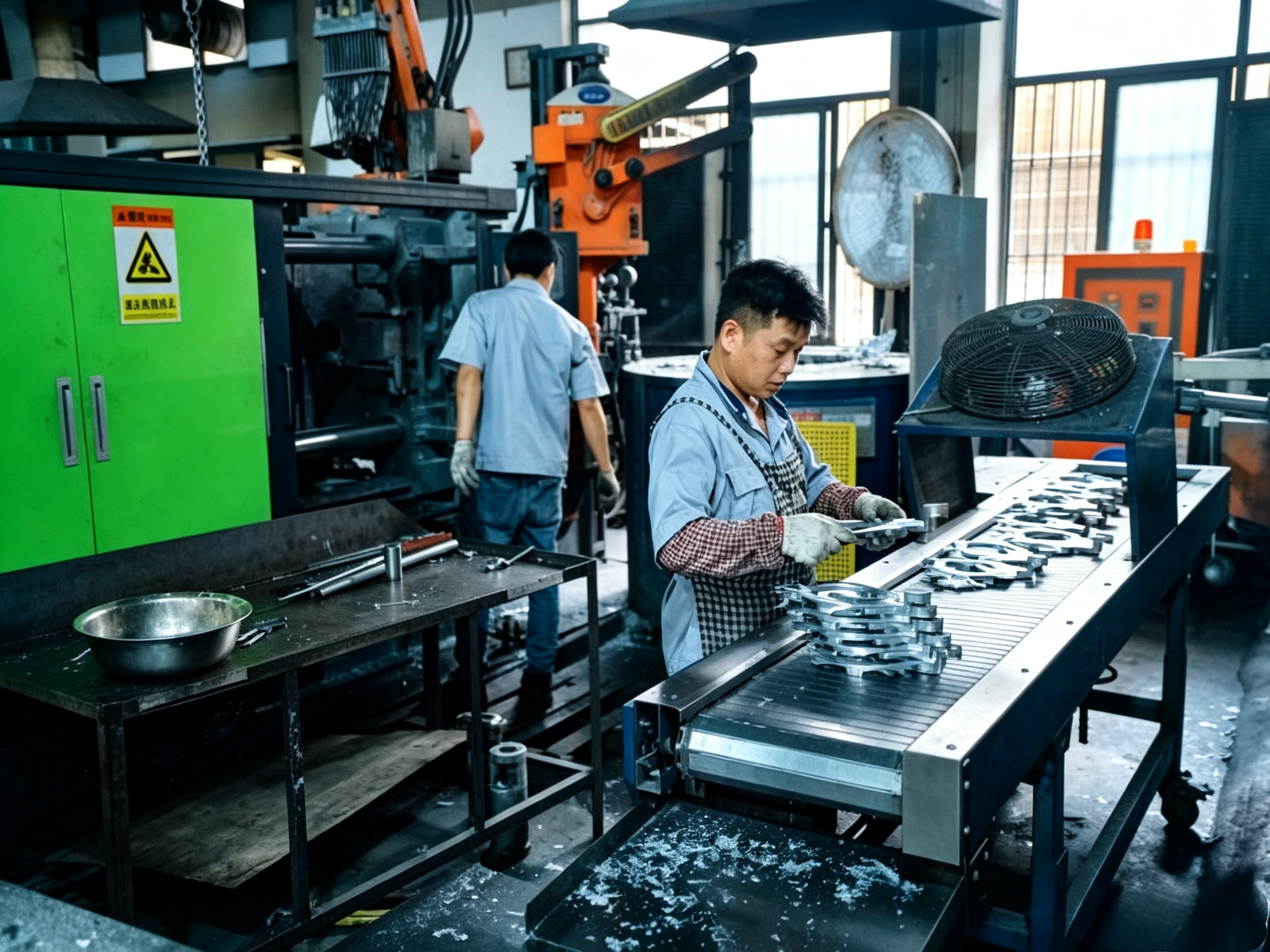
キャスティングダイ is a metal manufacturing process in which molten non-ferrous metal is injected into a reusable steel mold, commonly called a 死ぬ, under pressure. 金属が固まると, the die opens and the finished component is ejected.
The basic process typically includes:
- Preparing and melting the selected alloy.
- Injecting molten metal into the die cavity.
- Filling the cavity under controlled pressure.
- Allowing the metal to solidify.
- Opening the die and ejecting the part.
- Removing runners, ゲート, フラッシュ, and other excess material.
- Performing secondary machining, 仕上げ, or inspection when required.
High-pressure die casting is particularly effective for producing complex components at high production volumes. Common die-cast alloys include aluminum, 亜鉛, そしてマグネシウム, each offering different combinations of weight, 強さ, 熱性能, 寸法安定性, キャスタビリティ.
The process is fundamentally different from CNC machining. CNC machining removes material from a solid block, while die casting forms the component by filling a mold cavity. 結果として, die casting can become significantly more economical when production quantities are high and the component geometry is suitable.
10 Major Benefits of Die Casting
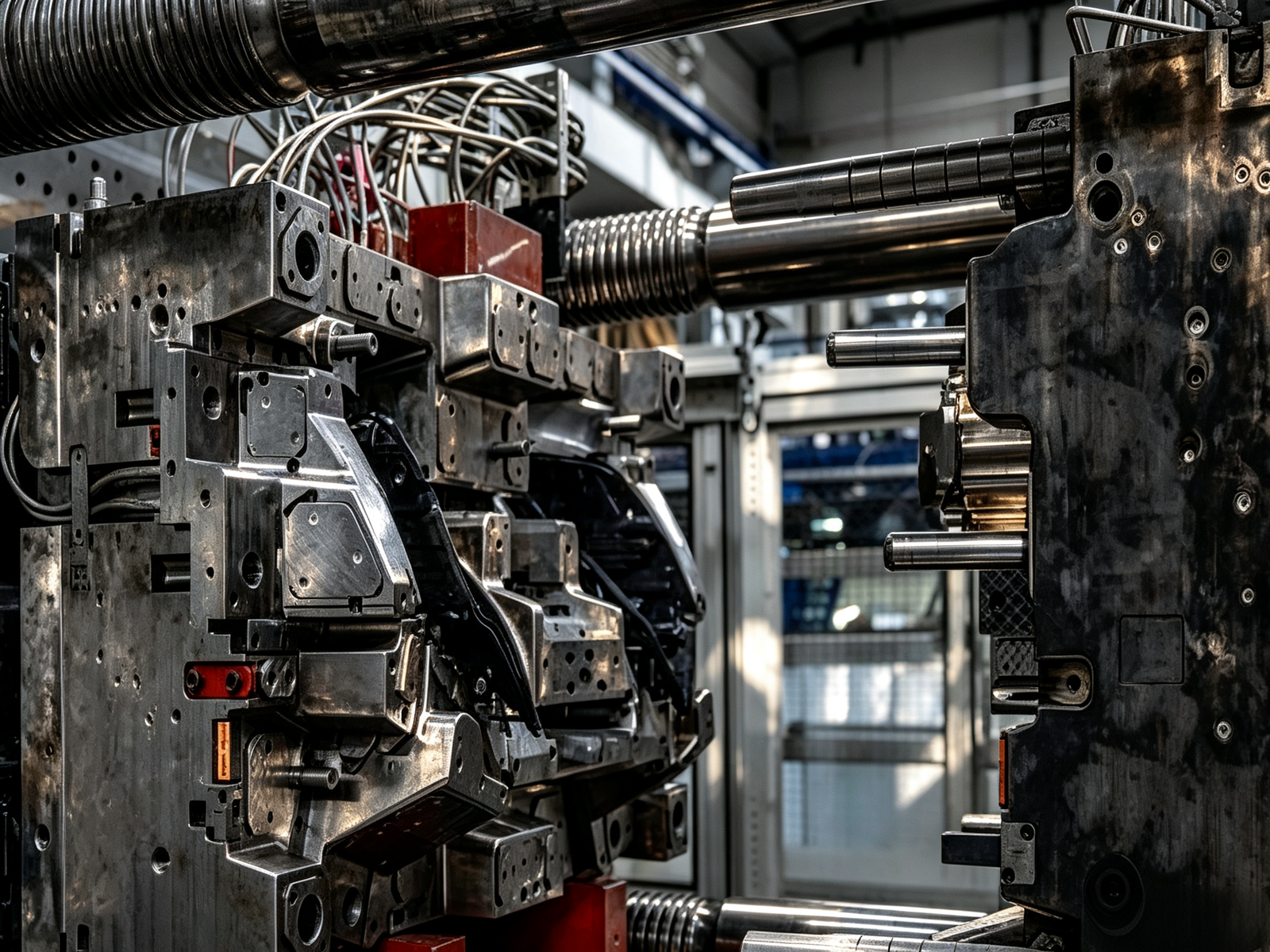
1. Die Casting Can Produce Complex and Detailed Parts
One of the most important advantages of die casting is its ability to produce complex geometries in a repeatable production process.
High-pressure injection allows molten metal to flow rapidly into detailed mold cavities. This makes it possible to produce features such as:
- 薄い壁
- リブ
- ボス
- くぼみ
- スロット
- 曲面
- 内部空洞
- Mounting features
- Complex external profiles
プロダクトデザイナー向け, this can create opportunities to consolidate several components into one cast part.
例えば, an aluminum die-cast motor housing may incorporate mounting points, rib骨, openings, and structural features into one component instead of requiring several separately machined and assembled pieces.
This design flexibility is particularly valuable in industries such as:
- 自動車
- 電気自動車
- 産業機器
- 家電
- 電気機器
- 電気通信
- LED照明
- 医療機器
- Power electronics
Die casting can therefore help engineers move beyond simple geometric designs while maintaining a practical path toward high-volume manufacturing.
Why complex geometry matters for your project
A part that appears difficult to machine may be comparatively efficient to produce through die casting once the correct mold design has been developed.
しかし, not every complex geometry is automatically suitable for die casting. ドラフト角度, 壁の厚さ, パーティングライン, コア, rib骨, ゲート, ejector locations, and potential porosity all need to be considered during DFM (製造のための設計).
That is why an experienced die casting manufacturer should review the 3D model before tooling begins.
2. Single-Piece Molding Can Reduce Assembly Complexity
Another major benefit is the ability to integrate multiple features or components into a single die-cast part.
Instead of manufacturing several small components separately and then joining them through:
- 溶接
- ネジ
- リベット
- Press fitting
- Adhesives
- Manual assembly
designers may be able to consolidate some of those functions into one cast component.
This can provide several benefits.
Fewer components
Reducing the number of individual components simplifies the bill of materials and inventory management.
Less assembly labor
If several parts can be replaced by one integrated casting, assembly time and labor requirements can decrease.
Fewer connection points
Eliminating welds, ジョイント, or fasteners can improve structural consistency and reduce potential failure points.
Better dimensional control
When multiple components are assembled together, dimensional variation can accumulate across the assembly. A consolidated die-cast component can eliminate some of this tolerance stack-up.
For OEMs and product manufacturers, component consolidation can therefore affect not only manufacturing cost but also:
design → procurement → assembly → quality control → logistics.
This is one reason die casting should be evaluated at the product-system level rather than only by comparing the price of one individual part.
3. Die-Cast Parts Offer Good Mechanical Performance
Die-cast components can provide a useful combination of strength, 剛性, 寸法安定性, そして耐摩耗性, depending on the alloy selected and the application.
During die casting, molten metal is injected and solidifies rapidly inside the mold. The resulting component can have a relatively dense structure and consistent geometry.
The final mechanical performance depends on several factors, 含む:
- Alloy selection
- 部品の形状
- 壁の厚さ
- Injection parameters
- Cooling conditions
- Mold design
- Porosity control
- 熱処理, 該当する場合
- Secondary processing
例えば, aluminum die casting is widely used where low weight, 強さ, 耐食性, and thermal performance are important.
Zinc die casting is particularly attractive for smaller precision components because zinc alloys offer excellent castability, 寸法安定性, 強さ, and finishing characteristics. Zinc alloys can also support thin-wall designs and reduced machining or assembly operations.
したがって, material selection should not be treated as an afterthought. The best alloy depends on what the finished part actually needs to do.
4. Die Casting Is Highly Suitable for High-Volume Production
Die casting becomes especially attractive when production volumes increase.
The initial investment in die tooling can be significant, but a properly designed die can be used repeatedly for large production runs. As the tooling cost is distributed across more parts, the effective tooling cost per component decreases.
This creates an important economic principle:
Higher production volume generally makes the economics of die casting more attractive.
例えば, suppose a customer requires:
- 500 prototype parts
- 10,000 production parts
- 100,000 production parts
- 1,000,000 production parts
The appropriate manufacturing strategy may be completely different for each quantity.
For a low-volume prototype, CNC machining may avoid the need for production tooling.
For tens or hundreds of thousands of components, しかし, the combination of reusable tooling, 速いサイクル時間, オートメーション, and low secondary machining can make die casting substantially more competitive.
This is why die casting is widely used for OEM and mass-production applications.
What production volume is suitable for die casting?
There is no universal minimum order quantity that applies to every project.
The correct decision depends on:
- パーツサイズ
- Tooling complexity
- 材料
- Machine requirements
- Annual demand
- Target unit price
- Expected product lifetime
- Cost of alternative manufacturing processes
A professional supplier should therefore evaluate total cost over the expected production volume, rather than looking only at the initial tooling cost.
5. Die Casting Provides Excellent Surface Finish
The surface quality of a die-cast component is another important advantage.
Because the metal is formed against a precision-machined steel die, the mold surface can reproduce detailed features consistently across production cycles.
A good die design and properly controlled process can produce components with:
- Smooth surfaces
- 細かい部分
- Consistent appearance
- 機械加工要件の削減
- Good foundations for secondary finishing
アプリケーションに応じて, die-cast components can subsequently undergo processes such as:
- パウダーコーティング
- 絵画
- メッキ
- 陽極酸化処理
- 研磨
- Conversion coating
- Other decorative or functional finishes
This is particularly important for visible housings, 消費者製品, 電気エンクロージャ, ハンドル, 自動車部品, and electronic equipment.
しかし, the final appearance is influenced by alloy selection, mold condition, release agents, プロセスパラメーター, パーツデザイン, および後処理. Surface finish requirements should therefore be communicated before tooling begins.
6. Die Casting Supports Several Important Metal Alloys
Die casting is commonly associated with three major alloy families:
アルミダイカスト
Aluminum alloys are widely selected for applications requiring:
- 軽量
- 優れた強度重量比
- 耐食性
- 熱伝導率
- 電気伝導率
- 寸法安定性
Aluminum die casting is common in automotive components, モーターハウジング, ヒートシンク, 電気エンクロージャ, 産業機器, そして電子製品.
亜鉛ダイカスト
Zinc is particularly suitable for smaller and highly detailed components.
Typical advantages include:
- 優れた流動性
- Good dimensional accuracy
- 高強度
- Good impact performance
- Excellent surface finishing capability
- 機械加工要件の削減
- Long tooling life
Zinc die casting is frequently used for hardware, 自動車部品, 消費者製品, 電気部品, および装飾的な部分.
マグネシウムダイカスト
Magnesium provides an excellent strength-to-weight ratio and is attractive when weight reduction is a major design objective.
It can be considered for applications where lightweight structural components are important.
How should you choose the right alloy?
Do not select an alloy based only on material price.
その代わり, 評価する:
機械的要件 + 重さ + thermal requirements + 耐食性 + 寸法要件 + 表面仕上げ + 生産量 + total manufacturing cost.
A qualified die casting supplier can help you compare suitable alloys during the DFM and quotation stage.
7. Die Casting Can Shorten Production Cycles
Die casting is capable of forming many features in one production operation.
Once the mold has been designed, 製造された, テスト済み, and approved, automated production can repeat the same process cycle efficiently.
Compared with processes requiring extensive machining, die casting can reduce the amount of material removal and secondary processing required.
A typical production workflow may look like:
Die design → Tool manufacturing → Trial casting → DFM/process optimization → Production → Trimming → Secondary machining → Surface treatment → Inspection → Packing
The exact workflow depends on the component.
For some parts, additional CNC machining may still be necessary for precision holes, スレッド, シーリングサーフェス, or critical datum features.
The important point is that die casting can reduce the amount of material that must be removed later, potentially shortening the total manufacturing cycle.
8. Automated Die Casting Provides Consistent Part Quality
OEM購入者向け, repeatability is often just as important as unit price.
A die-casting project is not successful if the supplier can produce one good sample but cannot maintain the same quality over 100,000 production parts.
Production consistency depends on controlling variables such as:
- Metal temperature
- Injection speed
- 射出圧力
- Filling time
- Cooling conditions
- 金型温度
- Cycle time
- 排出
- Trimming
- Secondary machining
Modern automated equipment can help reduce operator-dependent variation and maintain stable production parameters.
A well-managed die casting production system can therefore provide consistent:
- 寸法
- 重さ
- 表面の外観
- Mechanical characteristics
- Assembly fit
- Production output
重要なコンポーネントの場合, inspection should be supported by appropriate measurement equipment and quality-control procedures.
アプリケーションに応じて, this may include:
- 寸法検査
- CMM measurement
- 目視検査
- Material verification
- Porosity inspection
- Leak testing
- 機能テスト
- Surface-finish inspection
For long-term OEM supply, consistency from batch to batch is often more important than achieving a low price on the first order.
9. Die Casting Can Reduce Overall Manufacturing Costs
Die casting is not necessarily the cheapest process at the beginning of a project.
Tooling introduces an upfront investment that does not exist in the same way with CNC machining.
しかし, the correct comparison should be total cost of ownership, not simply tooling cost.
Die casting can reduce total manufacturing costs through several mechanisms.
材料廃棄物の削減
Because the component is formed close to its final geometry, less material may need to be removed compared with machining from a large solid block.
Reduced machining
Many features can be produced during casting, leaving only critical areas for secondary CNC machining.
Reduced assembly
Part consolidation can eliminate separate components and assembly operations.
Lower labor requirements
Automated high-volume production can reduce manual processing.
Lower unit cost at volume
Tooling investment can be distributed across thousands or millions of parts.
Reduced scrap and rework
Stable process control and repeatable tooling can help reduce variation and quality-related losses.
This is why the right question is not:
“How much does the die cost?」
A better question is:
“What is the total cost per finished part over the expected production volume?」
10. Modern Die Casting Integrates Advanced Manufacturing Technologies
Modern die casting is no longer simply about injecting molten metal into a mold.
Engineering software and digital manufacturing technologies can be used before and during production to identify potential problems earlier.
CAE and mold-flow simulation
Simulation can help engineers evaluate:
- Metal filling behavior
- Air entrapment
- Potential porosity
- 凝固
- Temperature distribution
- Filling imbalance
- Potential deformation
Finding these problems during the design stage can reduce costly trial-and-error during tooling.
Advanced mold design
Complex mold structures may incorporate:
- Slides
- インサート
- Cores
- Cooling channels
- Ejection systems
- Specialized gating systems
These features can make complex components manufacturable while maintaining production efficiency.
CNC machining after casting
Die casting and CNC加工 are not always competing processes.
In many real-world projects, they work together.
例えば:
Die casting → trimming → CNC machining → surface treatment → inspection
Die casting creates the overall shape efficiently, while CNC machining provides the precision needed for selected critical features.
This hybrid approach can offer a better balance between production cost and dimensional accuracy.
キャスティングとダイ. Other Manufacturing Processes
Choosing the correct manufacturing method is one of the most important decisions during product development.
キャスティングとダイ. CNC加工
| 要素 | ダイカスト | CNC加工 |
| ツーリング | Requires dedicated tooling | No production mold required |
| Initial investment | より高い | より低い |
| に最適です | Medium/high-volume production | Prototypes and low/medium volumes |
| Complex geometry | 素晴らしい | 良い, but geometry-dependent |
| 材料の利用 | Generally efficient | More material removed |
| Unit cost at high volume | 低い | Usually higher |
| デザインの変更 | More expensive after tooling | Easier to implement |
| 表面仕上げ | Good as-cast finish | Depends on machining parameters |
| 生産速度 | Very high after tooling | Depends on machining cycle |
For prototypes or low-volume production, CNC machining may be the better solution.
For large quantities of complex components, die casting can provide significant economic advantages.
The best solution may also be a combination of both:
CNC machining for prototypes → die casting for mass production → CNC machining for critical features.
キャスティングとダイ. 砂型鋳造
Sand casting generally requires a lower initial tooling investment and can be suitable for smaller production quantities and larger, thicker components.
キャスティングダイ, 対照的に, requires more sophisticated tooling but offers:
- Higher dimensional consistency
- より良い表面仕上げ
- 生産の高速化
- Greater repeatability
- Better suitability for complex high-volume parts
したがって, the correct process depends on the part geometry, 合金, 量, 許容範囲, surface requirements, and total project budget.
When Should You Choose Die Casting?
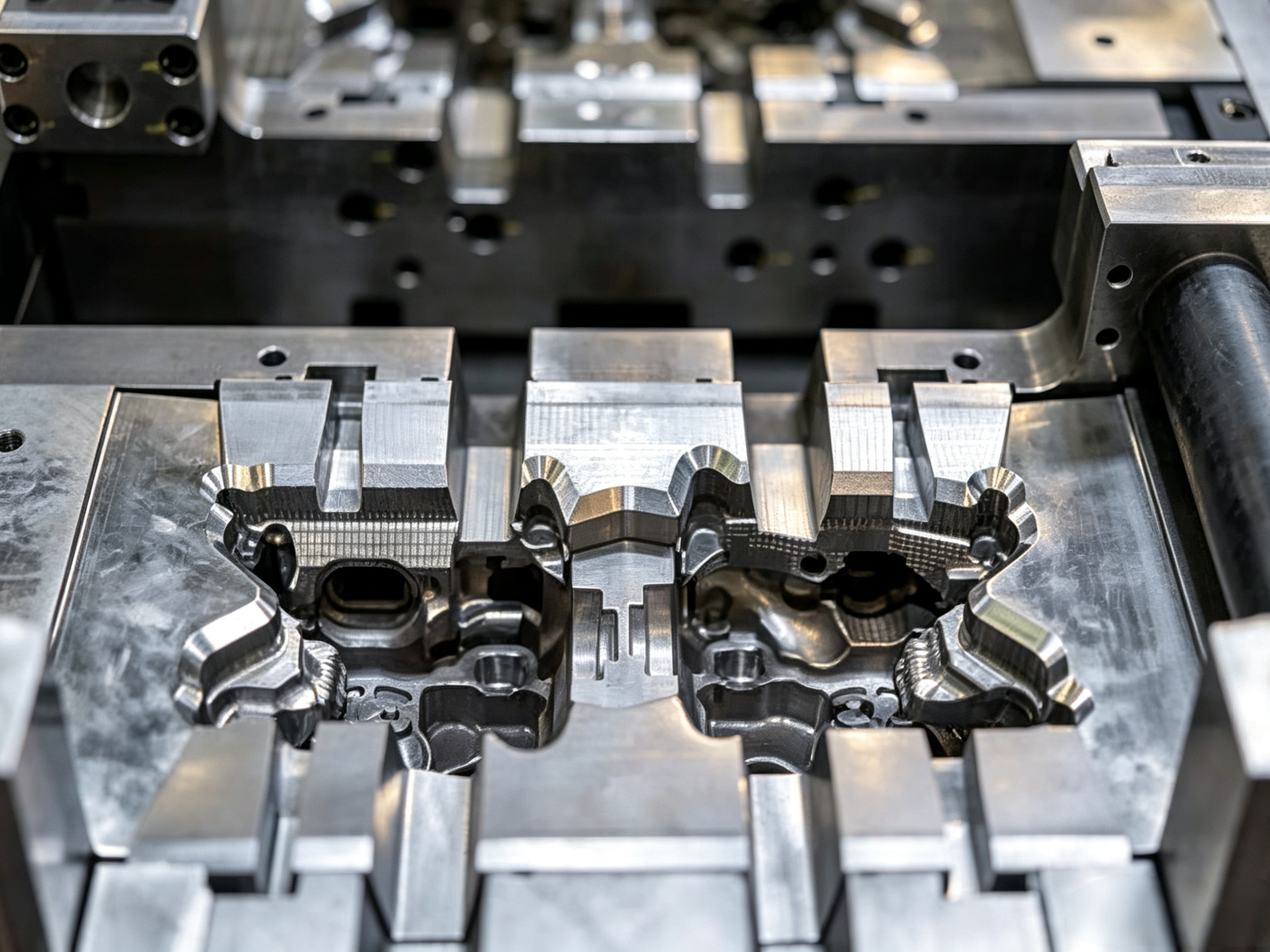
Die casting is often a strong choice when your project has several of the following characteristics:
- High annual production volume
- Complex geometry
- Thin-wall requirements
- Tight dimensional requirements
- Consistent repeatability
- Good surface finish requirements
- Need for component consolidation
- アルミニウム, 亜鉛, or magnesium alloy requirements
- Pressure to reduce unit cost
- Long-term production plans
It may be less attractive when:
- The quantity is extremely low.
- The design is still changing frequently.
- The part is very large or unsuitable for the available equipment.
- Tooling investment cannot be justified.
- The geometry is better suited to another manufacturing process.
The correct decision should therefore be based on the complete project rather than one individual factor.
How Much Does Die Casting Cost?
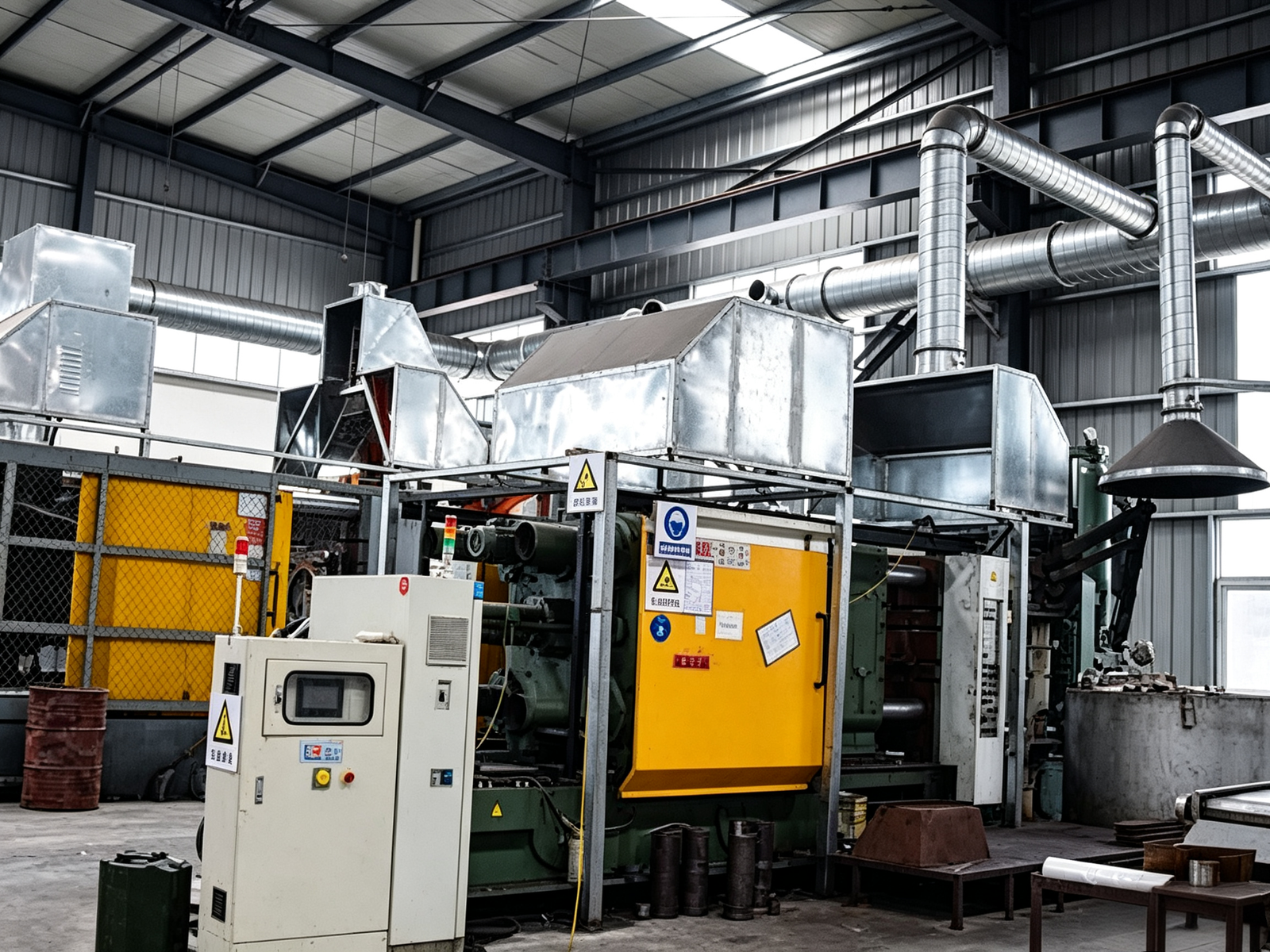
There is no universal die casting price because every project has different tooling, 材料, 幾何学, 生産量, 仕上げ要件.
The main cost factors include:
ツーリングコスト
Mold complexity, キャビティ数, mold size, steel selection, スライド, コア, 冷却チャネル, and expected tool life can all influence tooling cost.
材料費
The alloy and part weight directly influence material consumption.
パーツの複雑さ
More complicated geometries may require more sophisticated tooling and additional engineering.
生産量
Higher quantities generally allow tooling costs to be spread across more parts.
Secondary Machining
Critical holes, スレッド, シーリングサーフェス, and tight-tolerance areas may require CNC machining after casting.
表面処理
絵画, 粉体塗装, メッキ, 陽極酸化処理, and other finishing processes add cost.
Inspection Requirements
Additional dimensional, 材料, 機能的, or laboratory testing can also affect the total price.
このため, a reliable supplier should provide more than a simple piece price. The quotation should make the project’s ツーリング + 生産 + 仕上げ + ロジスティクス + quality requirements understandable.
Is Die Casting Suitable for Small-Batch Production?
常にではありません.
Because die casting requires dedicated tooling, the initial investment can be difficult to justify for very small quantities.
For small-volume prototypes, CNC machining may often be more practical because the manufacturer can produce the part directly from a CAD model without first manufacturing a production die.
しかし, small-volume die casting can still make sense when:
- The geometry is highly complex.
- The material or casting characteristics are critical.
- The prototype must represent the final production process.
- A production die will be required shortly afterward.
- The customer needs to validate the actual die-cast material and manufacturing behavior.
The best approach is to compare prototype cost + future production cost, rather than considering only the first batch.
How to Reduce Die Casting Costs
If your objective is to achieve a competitive unit price, consider cost optimization during the design stage.
肉厚の最適化
Avoid unnecessarily thick sections where the design does not require them.
Minimize unnecessary mold complexity
Slides, リフター, コア, and complicated parting lines can increase tooling cost.
Design for casting
A good DFM review can identify potential issues before mold manufacturing begins.
Reduce secondary machining
適切な場合, integrate cast features directly into the mold rather than machining everything afterward.
Choose the correct alloy
The lowest material price does not always produce the lowest total manufacturing cost.
Optimize production volume
The economics of die casting become more favorable as the production quantity increases.
Consider part consolidation
If several components can be combined into one casting, the overall assembly cost may decrease.
Frequently Asked Questions About Die Casting
What are the main benefits of die casting?
The primary benefits include complex part production, 高い再現性, 良い表面仕上げ, high production efficiency, reduced assembly, reduced machining, 材料効率, and lower unit costs at higher production volumes.
Is die casting better than CNC machining?
Neither process is universally better.
CNC machining is often advantageous for prototypes, 少量生産, and designs that change frequently. Die casting is generally more attractive for complex components produced in larger quantities.
For many projects, the most economical strategy is to use CNC machining for prototypes and transition to die casting for mass production.
What metals can be die cast?
アルミニウム, 亜鉛, and magnesium are among the most widely used die-casting alloys. Material selection should be based on the component’s mechanical, 熱の, 寸法, 重さ, 腐食, 仕上げ要件.
ダイカスト金型の寿命はどのくらいですか?
Tool life depends on factors including alloy, mold steel, 部分ジオメトリ, cycle conditions, メンテナンス, and production parameters. Zinc die casting can offer particularly long tool life under appropriate conditions.
A supplier should provide a realistic tool-life expectation based on the specific application rather than quoting a generic number.
Can die-cast parts be CNC machined?
はい.
Die casting and CNC machining can complement one another. The casting process can create the main geometry efficiently, while CNC machining can be used for critical holes, スレッド, シーリングサーフェス, and other precision features.
Can die-cast parts be surface treated?
はい. 合金と用途に応じて, die-cast components can be finished through processes such as powder coating, 絵画, メッキ, 研磨, and other surface treatments.
What information should I send for a die casting quotation?
For the fastest and most accurate quotation, 提供する:
- 2D図
- 3D CADモデル
- Material/alloy
- Required quantity
- 表面仕上げ
- Secondary machining requirements
- Critical tolerances
- Quality requirements
- Target application, if relevant
A supplier can then evaluate tooling requirements, 製造の実現可能性, 二次的な操作, and production cost.
最終的な考え: Is Die Casting Right for Your Project?
しかし, choosing die casting should not be based solely on production volume.
The right manufacturing process depends on the complete combination of:
部品の形状 + 材料 + 許容範囲 + 生産量 + ツール投資 + secondary machining + 表面仕上げ + target cost.
For some projects, CNC machining is the better choice. For others, die casting provides a significantly more economical production route. 多くの場合, combining die casting with CNC machining delivers the best balance between productivity and precision.
If you are evaluating a new die-cast component, the most efficient next step is to have the design reviewed before committing to tooling.


