



CNC加工 今やギター製造の中核技術となっています. ブティック弦楽器製作者から大手 OEM ギター ブランドまで, CNC マシンは現在、高精度の製品を製造するために広く使用されています。, 繰り返し可能, カスタマイズ可能なギターパーツ. 伝統的な手作りと比べて, CNC 加工により、より厳しい公差が可能になります, 一貫した形状, 音質や設計の自由度を犠牲にすることなく、スケーラブルな制作が可能.
このガイドでは, 私たちは探検します CNC 加工を使用したギターパーツの製造方法, CNC 加工できるコンポーネントは何ですか, 一般的な材料, CNC がプロのギター製作やカスタム プロジェクトに好まれるソリューションである理由.
CNC 加工がギターパーツに最適な理由
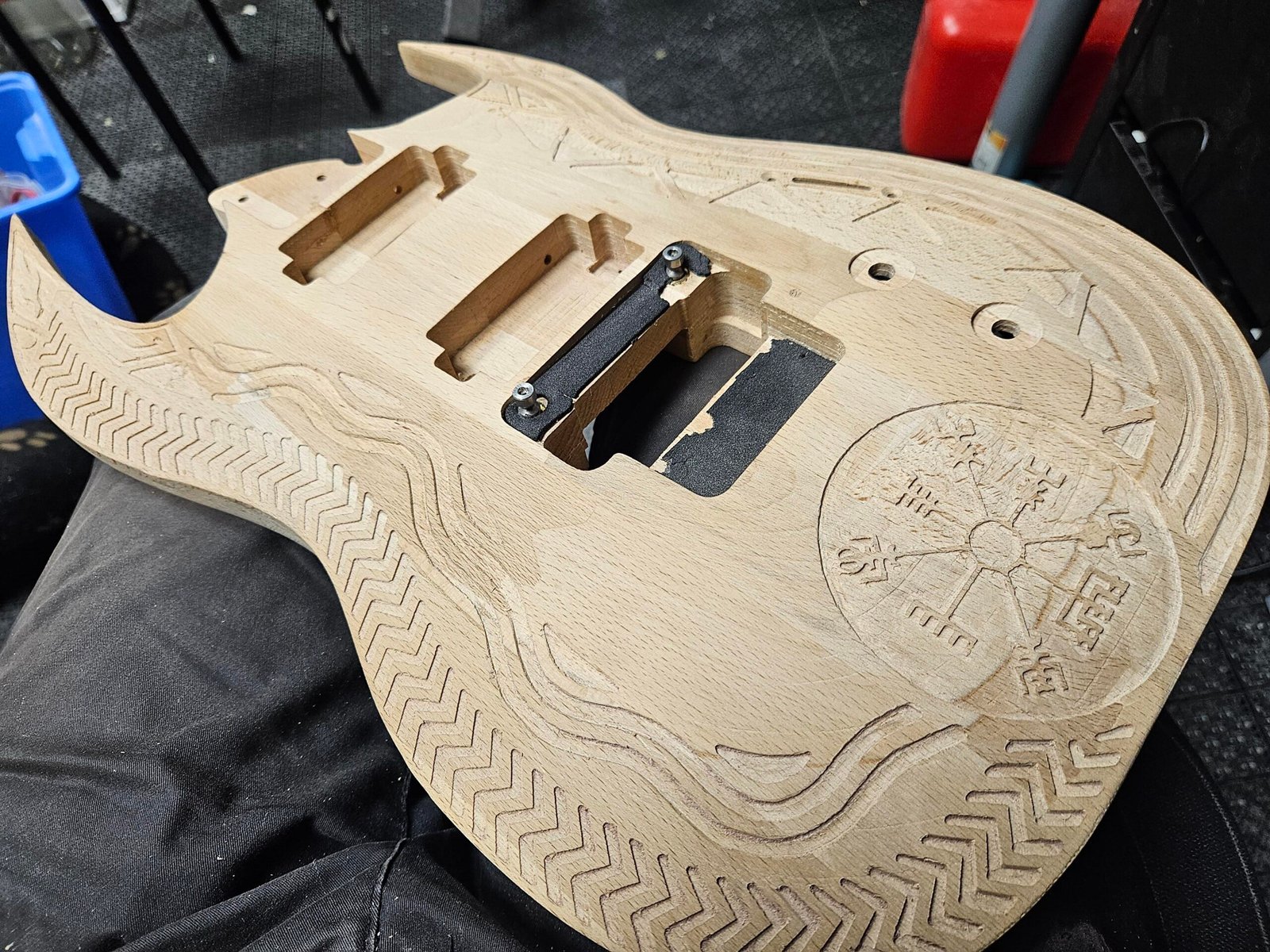
CNC (コンピュータ数値制御) machining uses programmed instructions to control cutting tools with extreme accuracy. This technology offers several key advantages for guitar manufacturing:
高精度と再現性
CNC machines can consistently achieve tight tolerances across multiple parts. This ensures that every guitar body, neck, or cavity is dimensionally identical—critical for intonation, playability, and hardware fit.
一貫したトーンとジオメトリ
By maintaining uniform thickness, 輪郭, and routing depth, CNC machining helps achieve predictable tonal characteristics and structural balance across guitar batches.
プロトタイプから量産までの拡張性
CNC machining is suitable for:
One-off custom guitars
Small-batch boutique builds
High-volume OEM production
The same CAD design can be used repeatedly without variation.
自由な設計とカスタマイズ
複雑な輪郭, multiscale fretboards, ergonomic neck profiles, and custom cavities are easily achievable with CNC programming.
CNC 加工された構造ギターコンポーネント
Structural components directly affect a guitar’s tone, 強さ, and playability.
ギター本体
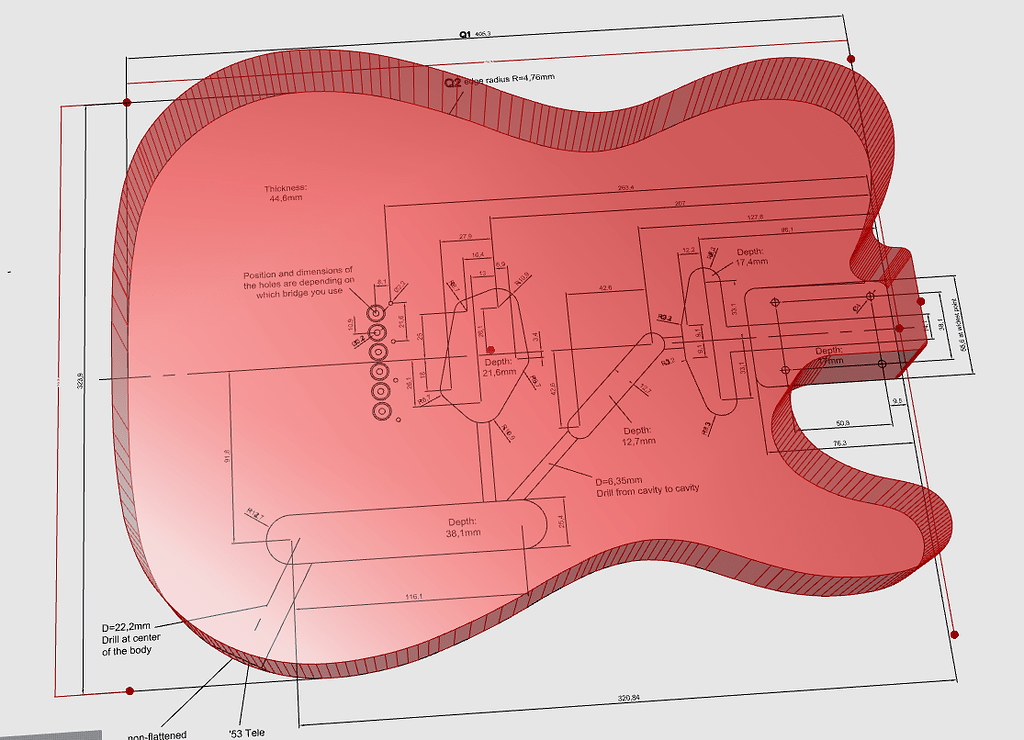
The guitar body is often the largest CNC-machined component. CNC routers shape:
Body outlines
Arm and belly contours
Pickup and control cavities
Weight-relief chambers
CNC machining ensures perfect symmetry and smooth transitions, whether producing solid, semi-hollow, or hollow bodies.
ギターネック
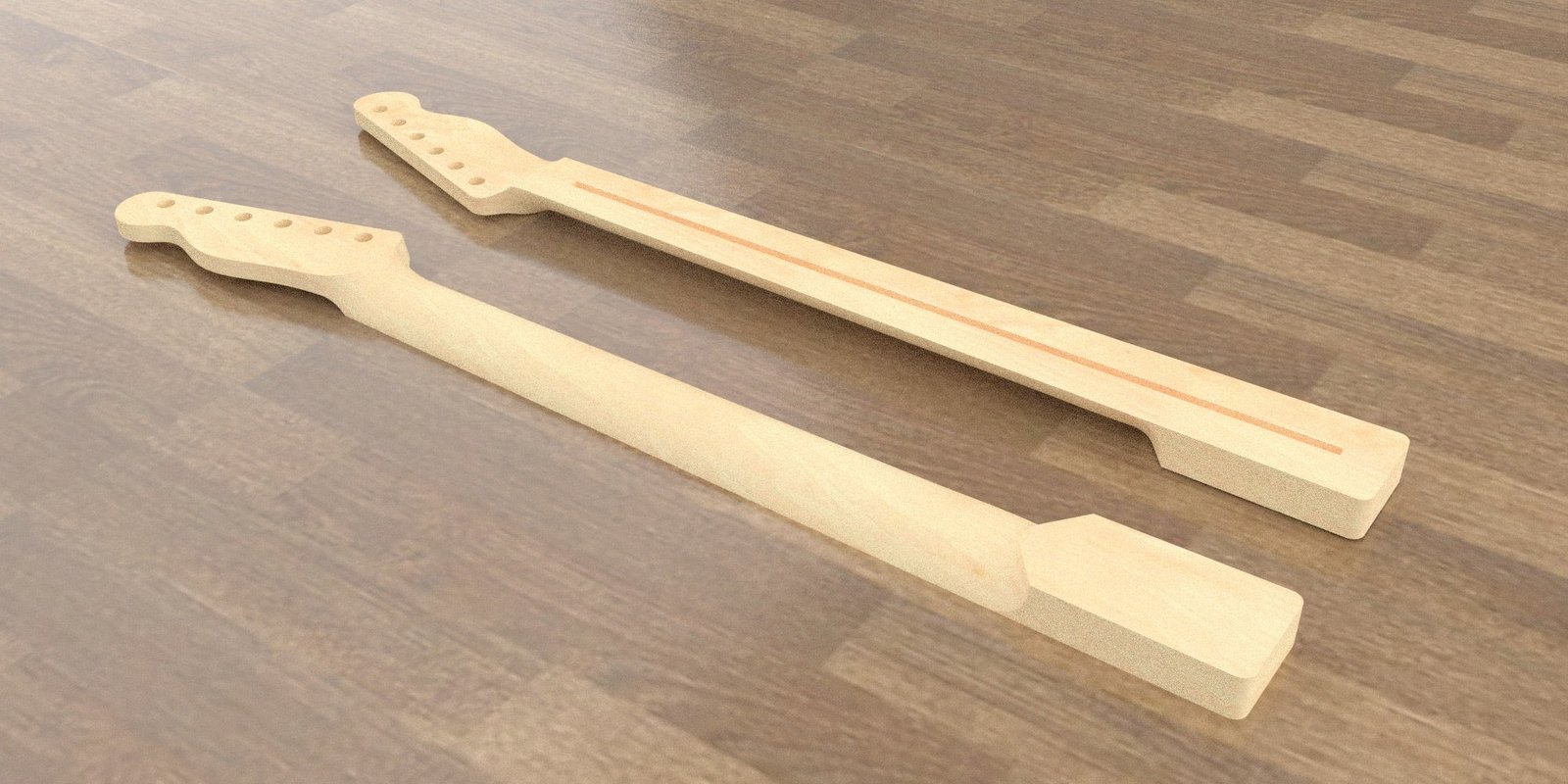
CNC machining enables precise shaping of:
Neck profiles (C, V, U shapes)
Headstock angles
Heel transitions
This consistency improves comfort and structural reliability for bolt-on, set-neck, and neck-through designs.
指板
CNC machines are widely used for:
Accurate fret slotting
Radius cutting
Multiscale and compound radius designs
This precision results in better intonation and player comfort.
ヘッドストック
CNC machining allows accurate cutting of:
Headstock outlines
Tuner holes
Logo recesses
This ensures alignment, tuning stability, and brand consistency.
トラスロッドチャンネル
Straight and uniform truss rod channels are critical for neck stability. CNC machining eliminates misalignment common in manual routing.
CNC 加工されたルーティングと内部機能
Internal features may be hidden but are essential to performance.
ピックアップキャビティ
CNC machining ensures clean edges and accurate depths for:
Single-coil pickups
Humbuckers
P90s and custom pickups
Precise routing improves pickup fit and alignment.
コントロールキャビティ
Control cavities house electronics such as pots and switches. CNC machining ensures sufficient clearance while maintaining body strength.
配線チャンネル
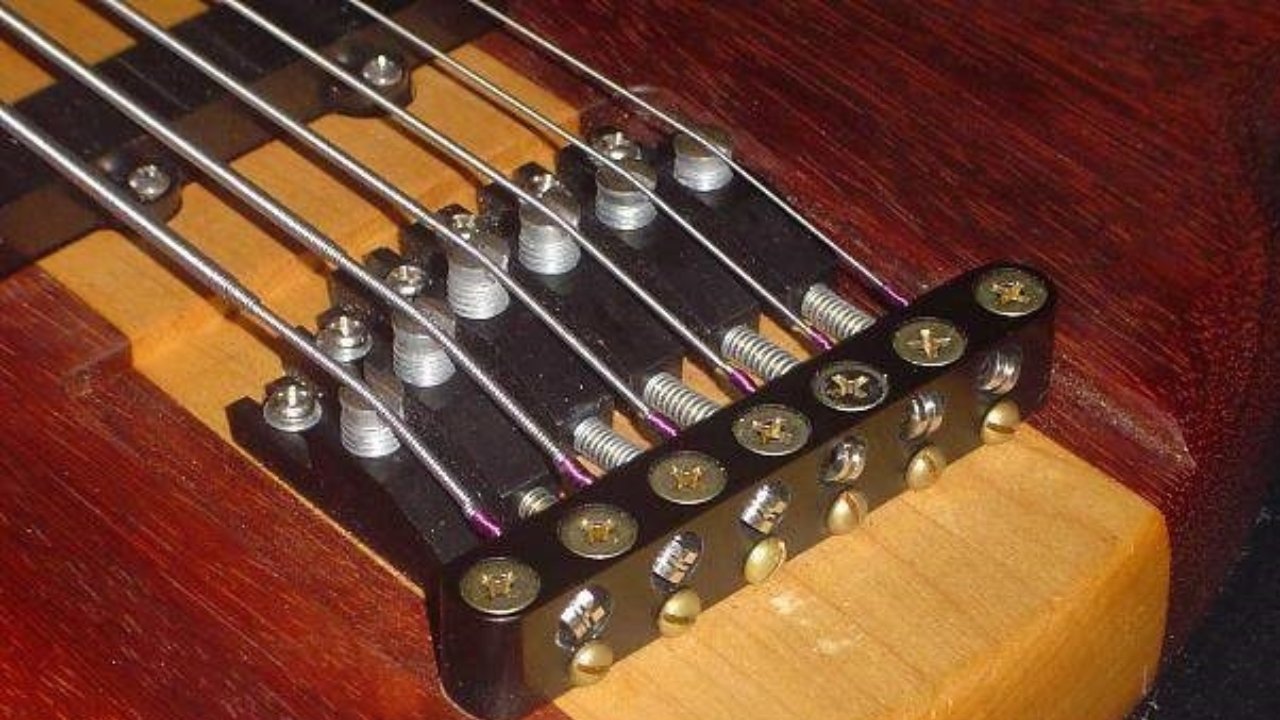
Accurate internal wiring channels simplify assembly and reduce the risk of electrical issues.
CNC 加工されたブリッジとストリングのハードウェア部品
Hardware components play a critical role in tuning stability and intonation.
木製橋と複合橋
CNC machines carve bridges with accurate:
String spacing
Saddle slots
Break angles
This improves string action and tuning response.
メタルブリッジコンポーネント
CNC machining is used for saddles, base plates, and mounting components made from aluminum, 真鍮, またはスチール.
テールピースコンポーネント
CNC-machined tailpieces maintain consistent string tension and correct breakover points.
CNC 加工されたチューニングおよび接続部品
Small parts require high precision to function smoothly.
ペグコンポーネントのチューニング
CNC machining produces accurate gear profiles, ensuring smooth tuning and long-term reliability.
ジャックプレート
CNC-machined jack plates provide secure cable connections and protect guitar electronics from strain.
トラスロッドカバー
These visible parts are often CNC-machined to ensure perfect fit and allow custom engraving.
CNC 加工による審美性とカスタム デザイン要素
CNC machining also enhances a guitar’s visual identity.
インレー
Complex inlays made from mother-of-pearl, abalone, or composites are CNC-cut with high accuracy.
ピックアップカバー
Pickup covers can be CNC-machined from metal, プラスチック, or wood for protection and aesthetics.
コントロールノブ
CNC turning and milling ensure uniform grip texture and sizing.
ピックガード
CNC-cut pickguards ensure consistent hole placement and clean edges.
ロゴプレートとネームプレート
CNC engraving allows brands to create distinctive logos and branding elements.
CNC 加工されたギター テンプレート, 治具, とガイド
CNC machining is also used to create production tools.
ネックとボディのテンプレート
Reusable CNC-machined templates ensure consistent routing in manual or semi-automated processes.
ピックアップ ルーティング テンプレート
These templates allow accurate pickup routing using handheld tools.
ドリル治具
CNC-machined jigs ensure precise hole placement for tuners, 橋, and strap buttons.
組み立てガイド
Guides for fret slotting, neck shaping, and drilling help reduce build time and errors.
CNC ギターパーツに一般的に使用される材料
CNC machining supports a wide range of materials:
トーンウッズ
メープル
Mahogany
Alder
Ash
Ebony
Rosewood
金属
アルミニウム
真鍮
ステンレス鋼
プラスチックと複合材
アクリル
ABS
エンジニアリングプラスチック
装飾材料
Mother-of-pearl
Abalone
Composite inlay materials
CNC 機械加工 vs 手作りのギター部品
| 側面 | CNC加工 | Handcrafting |
| 精度 | 非常に高い | Depends on skill |
| 一貫性 | 素晴らしい | 変数 |
| 生産速度 | 速い | 遅い |
| カスタマイズ | 高い | 高い |
| スケーラビリティ | 素晴らしい | 限定 |
Many manufacturers combine CNC machining with hand-finishing to achieve the best results.
プロトタイピングおよび量産用の CNC ギターパーツ
CNC machining is ideal for:
迅速なプロトタイピング
Small-batch custom builds
Large-scale OEM production
Once a design is validated, production can be scaled without loss of quality.
結論
CNC machining plays a vital role in modern guitar manufacturing. It enables unmatched precision, 一貫性, and customization across a wide range of guitar parts—from structural components to decorative details and production tools. Whether you are a professional luthier, a guitar brand, or an OEM manufacturer, CNC machining helps improve product quality, エラーを減らします, and scale production efficiently.
By combining CNC technology with skilled craftsmanship, manufacturers can deliver guitars that meet the highest standards of performance, 美学, そして信頼性.
よくある質問s
1. ギターパーツの CNC 加工で達成できる公差レベルはどれくらいですか?
CNC machining can typically achieve tolerances as tight as ±0.05 mm or better, depending on the material and design. This level of accuracy is critical for neck profiles, fretboard slotting, and hardware fit, ensuring consistent playability and assembly.
2. Does CNC machining affect the tone of a guitar compared to hand-built parts?
CNC machining does not negatively affect tone. 実際には, by maintaining consistent geometry, material thickness, and cavity depth, CNC machining helps deliver predictable tonal performance. Final tone is still influenced by material selection and finishing processes.
3. Can CNC machining be used for both acoustic and electric guitar parts?
はい. CNC machining is widely used for electric, acoustic, and classical guitar parts, including bodies, necks, 橋, bracing components, and internal routing, with designs adapted to each instrument type.
4. What file formats are required to start CNC machining guitar parts?
Most CNC manufacturers accept 3D CAD files such as STEP, IGES, or STL. If you do not have complete files, engineering support is often available to assist with design optimization and manufacturability review.
5. Is CNC machining suitable for small-batch or custom guitar production?
絶対に. CNC machining is ideal for prototypes and small production runs because it ensures consistency without requiring large tooling investments, making it cost-effective for boutique guitar brands and custom projects.
6. What post-processing is usually required after CNC machining guitar parts?
Post-processing may include sanding, hand finishing, fret installation, 表面処理, コーティング, または彫刻. Many manufacturers combine CNC machining with manual finishing to achieve premium quality results.
7. How do CNC machining services support OEM guitar brands?
CNC machining services support OEM brands by providing stable quality, 再現可能な生産, material flexibility, and scalable output. This allows brands to focus on design, マーケティング, and assembly while ensuring reliable part manufacturing.


