
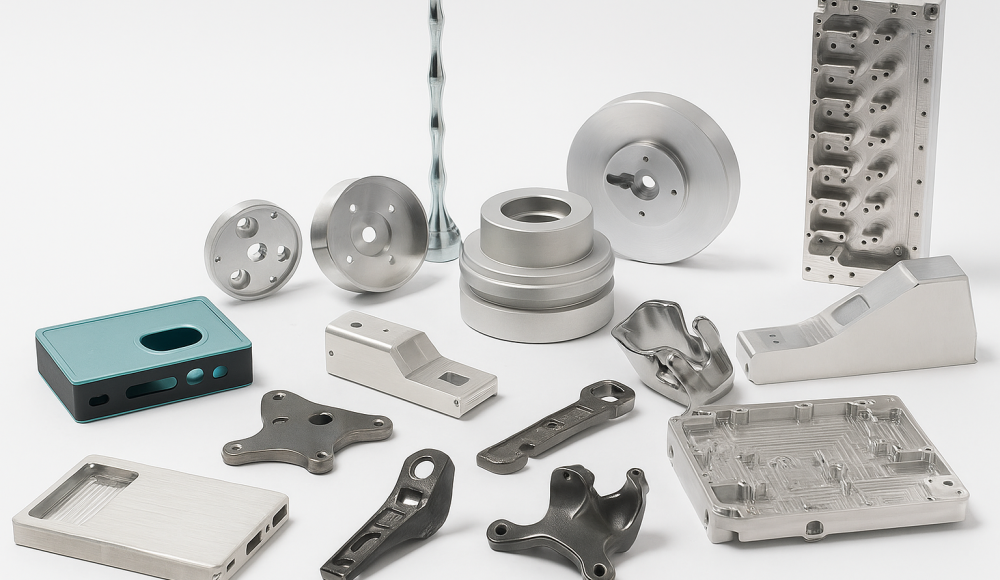
キャスティングダイ is a highly efficient metal manufacturing process used to produce precise metal parts with complex geometries. しかし, the die-casting process alone does not always guarantee parts with the desired final surface appearance or properties. したがって, applying the correct surface finish is critical to achieving functional, 美的, and durable fabricated parts.
記事上で, we’ll deeply explore 13 types of surface finishes commonly used in die casting, highlighting their definitions, 利点, 適切な用途, and considerations.
Importance of Choosing the Right Surface Finish
Selecting the appropriate 表面仕上げ impacts the following critical properties:
耐久性: Enhances corrosion resistance and prolongs part lifespan.
外観: コンポーネントの見た目の魅力と市場価値を向上させます.
機能性: 特定の用途や条件への適合性を保証.
不適切な表面仕上げを選択すると、部品の早期故障につながる可能性があります, 劣悪な美学, メンテナンスの増加, 不必要なコスト.
13 Types of Die Casting Surface Finishes
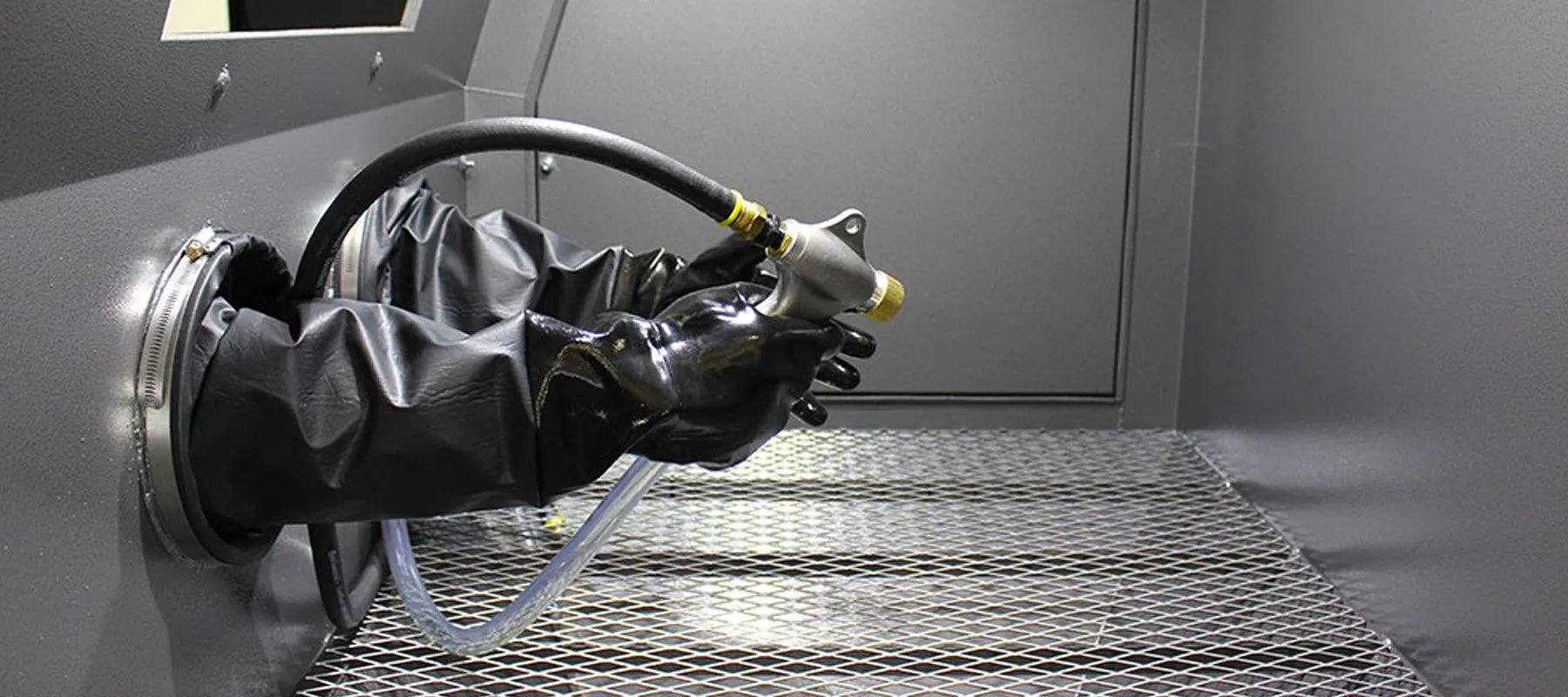
1. サンドブラスト (Abrasive Blasting)
サンドブラストでは、微細な研磨粒子を強制的に噴射します。 (例えば, 砂, ガラスビーズ) 高圧下で部品表面に塗布.
利点:
均一なマット仕上げ
コーティングの密着性の向上
不純物や汚染物質を効率的に除去
アプリケーション:
自動車および産業コンポーネント
塗装やコーティングにおいて高い密着性を必要とする部品
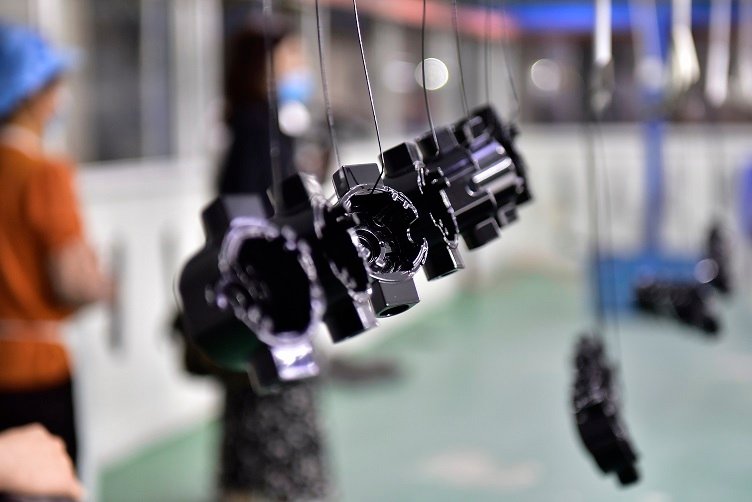
2. 粉体塗装
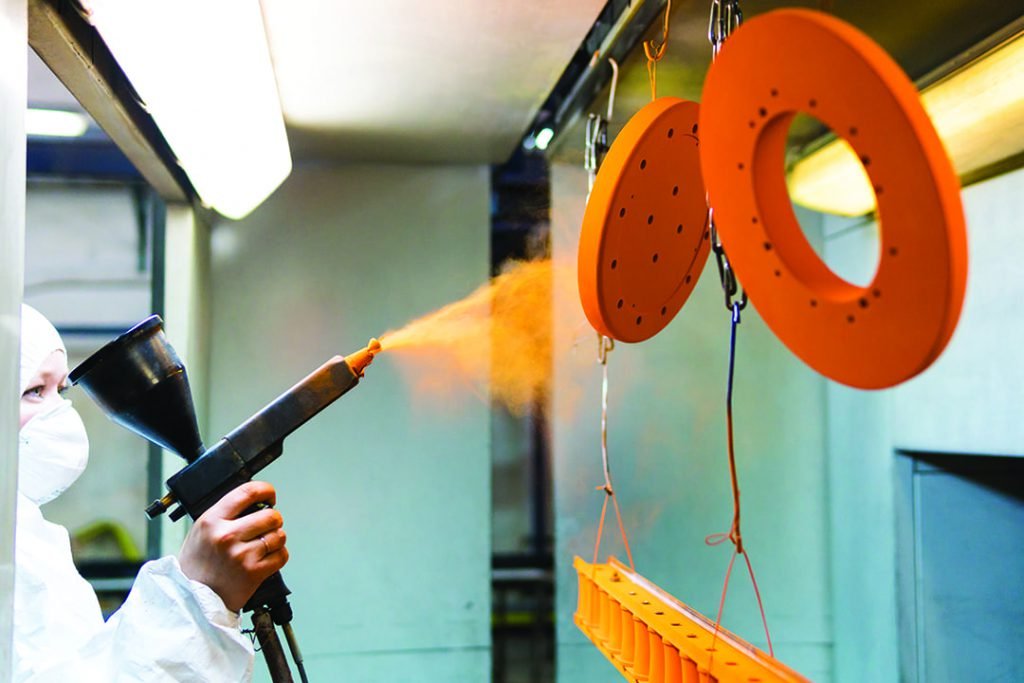
パウダーコーティングは、静電気を帯びた粉末顔料を塗布する乾式仕上げプロセスです。, 続いて熱硬化.
利点:
優れた耐食性と耐薬品性
耐久性と耐衝撃性に優れた表面
多数の色と仕上げをご用意しております
アプリケーション:
自動車用ホイールおよびコンポーネント
家電製品, 電子機器の筐体, アウトドア用品
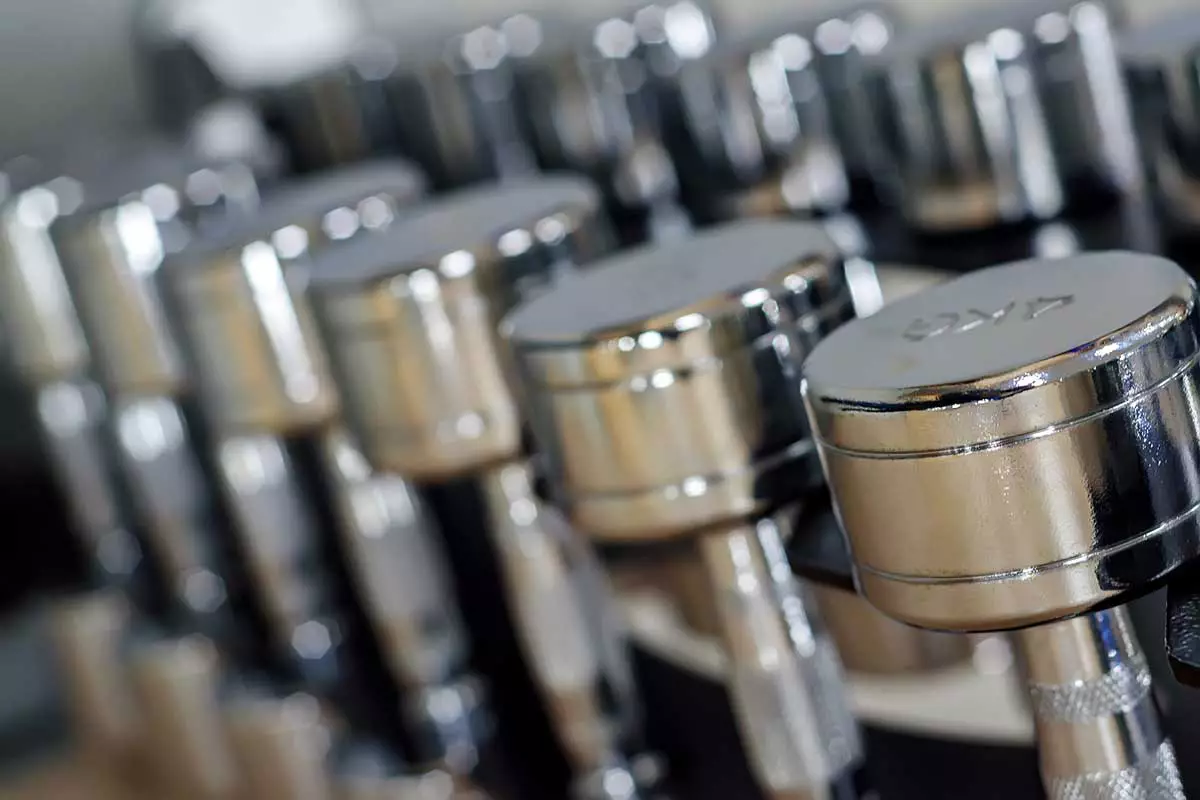
3. 研磨
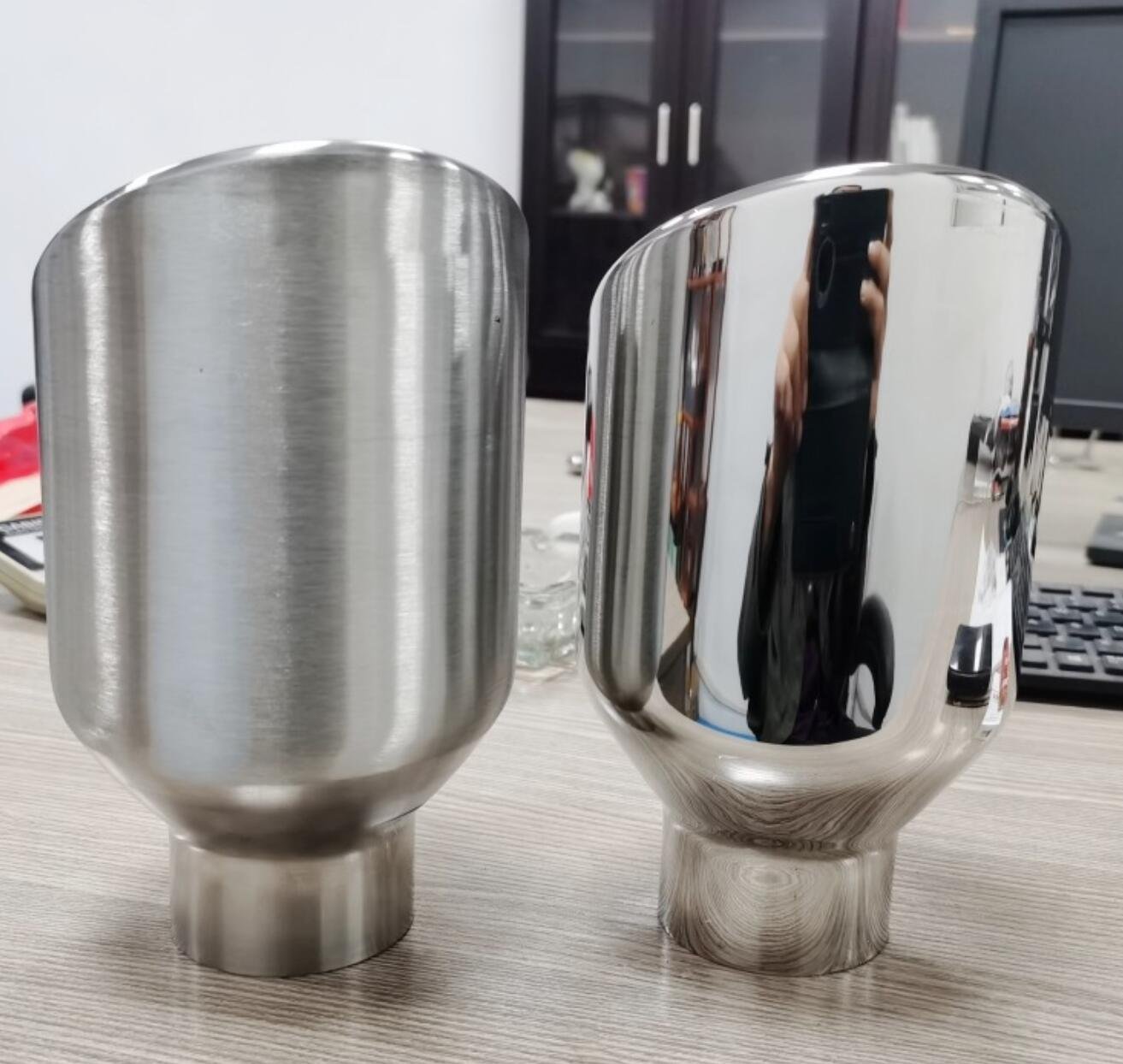
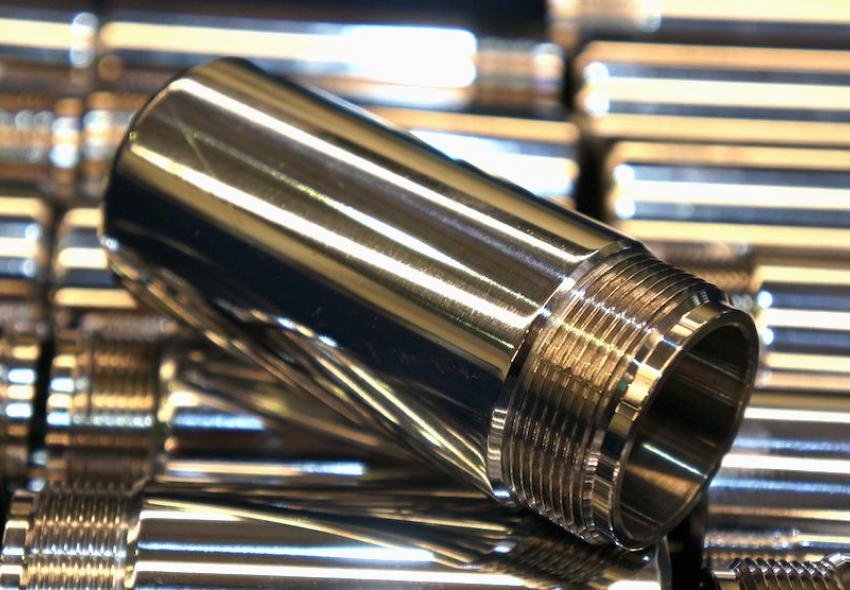
Polishing removes microscopic imperfections through abrasive buffing, producing a smooth, 反射面.
利点:
Mirror-like, high-quality aesthetic finish
Improved cleanability and reduced friction
アプリケーション:
自動車トリム, ジュエリー, 装飾ハードウェア, 医療機器
4. メッキ (電気めっき & 無電解めっき)
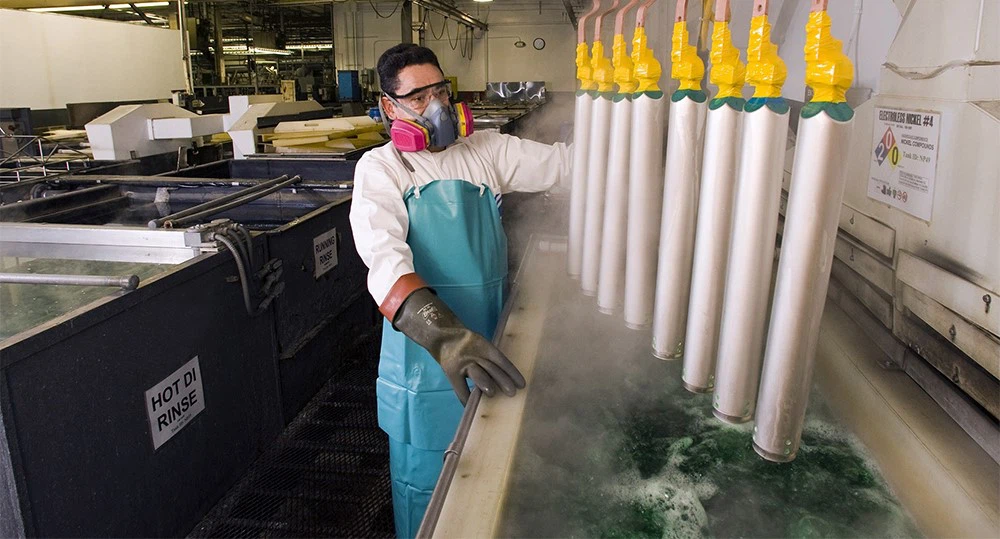
Plating involves depositing a thin layer of metal (ニッケル, クロム, 金, 等) onto die cast parts through chemical or electrolytic means.
利点:
Enhanced corrosion protection and wear resistance
Improved electrical conductivity
装飾的な, high-gloss appearance
アプリケーション:
Electronic components, 自動車部品, 装飾的な備品
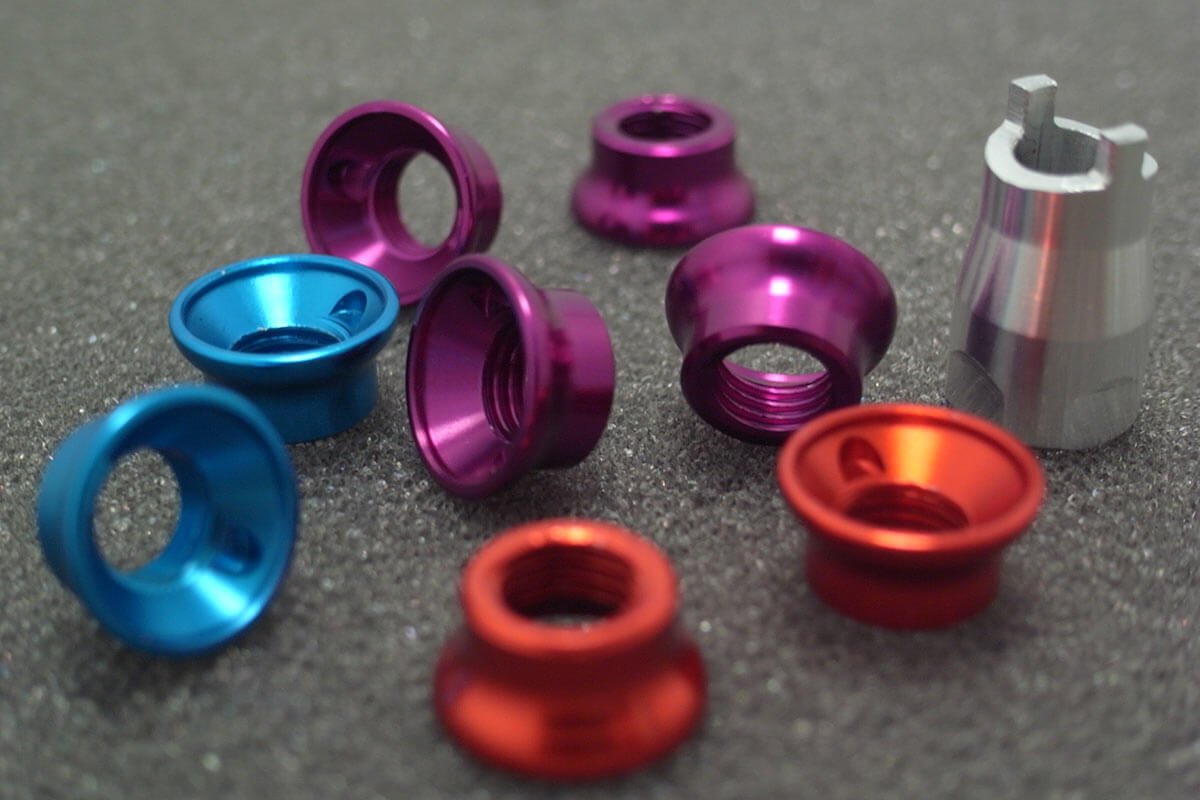
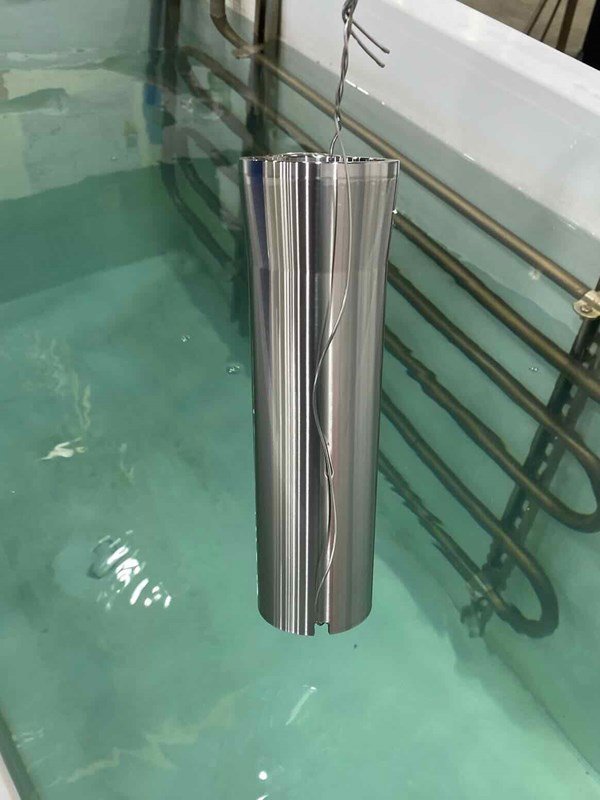
5. 陽極酸化処理
Anodizing creates a controlled oxide layer on aluminum alloy surfaces through electrolytic treatment.
利点:
Superior corrosion and wear resistance
Aesthetic appearance with various color options
Increased surface hardness
アプリケーション:
Architectural fittings, electronics enclosures, 消費者製品
6. Electrophoretic Coating (E-coating)
E-coating utilizes electrical currents to deposit paint or resin onto conductive surfaces uniformly.
利点:
Excellent corrosion protection
Uniform and consistent coating thickness
Good chemical resistance and durability
アプリケーション:
Automotive chassis components, 産業機器, 重機
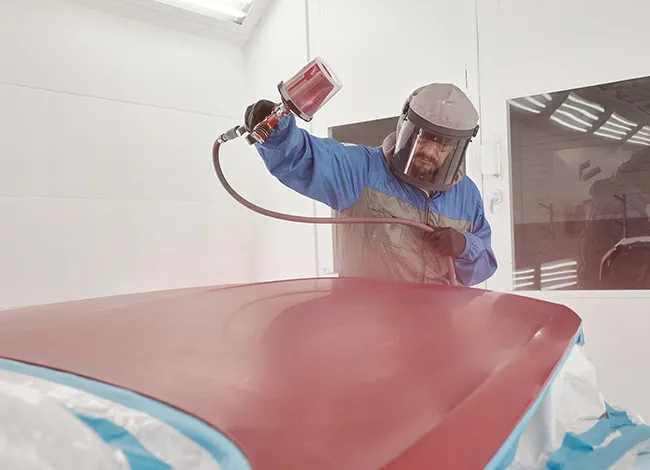
7. 絵画
Painting involves applying liquid coatings via spray, brush, or dipping techniques to improve aesthetics and protective properties.
利点:
Cost-effective with extensive color options
Easy to repair or update finishes
アプリケーション:
消費者製品, automotive body parts, 家電製品, 家具
8. Vibratory Deburring
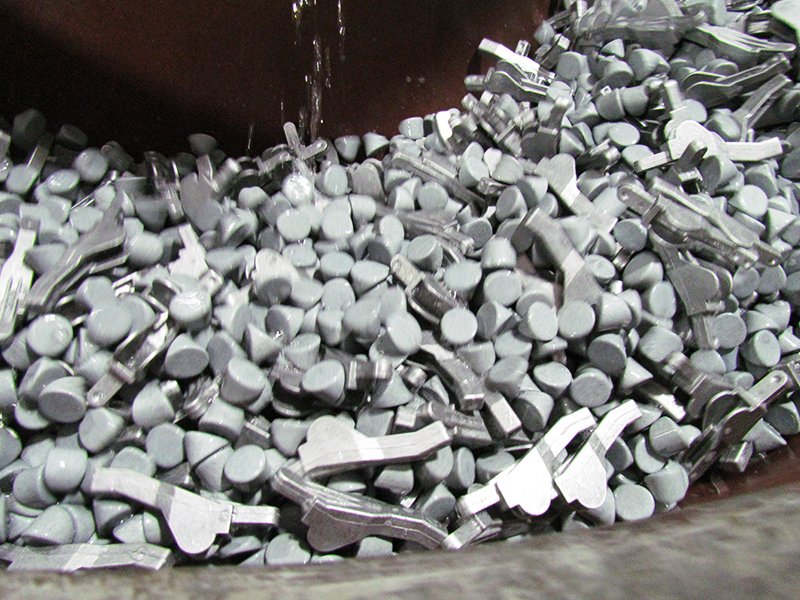
This process removes burrs and sharp edges using vibrating equipment with abrasive media.
利点:
Efficient deburring without manual labor
Consistent and uniform surface finish
Improved safety and handling
アプリケーション:
Small to medium die-cast automotive parts, 歯車, ファスナー, コネクタ
9. Parkerizing (リン酸塩処理)
Parkerizing involves chemically coating steel parts with phosphate solutions to create a robust corrosion-resistant layer.
利点:
Cost-effective corrosion protection
Improved adhesion for subsequent coatings or paints
Durable matte-black finish
アプリケーション:
銃器, automotive suspension components, heavy-duty industrial equipment
10. 無電解ニッケルめっき
Electroless nickel plating deposits nickel-phosphorus alloy layers chemically, without external electricity.
利点:
Uniform thickness distribution, even on complex shapes
Excellent wear and corrosion resistance
Increased hardness and lubricity
アプリケーション:
航空宇宙部品, industrial valves, precision automotive parts
11. Impregnation
Impregnation involves sealing microscopic porosities in die-cast parts using vacuum-assisted polymer sealants.
利点:
Enhanced leak-proof properties for high-pressure components
Improved structural integrity and longevity
Reduced porosity-related defects
アプリケーション:
Hydraulic pumps, 自動車エンジンブロック, fluid containment components
12. 物理的な蒸気堆積 (PVD)
PVD is an advanced vacuum-based coating method vaporizing metals or ceramics onto substrates, forming ultra-thin and highly durable coatings.
利点:
Superior wear and scratch resistance
Excellent aesthetic finish with various colors
High hardness and chemical resistance
アプリケーション:
Luxury automotive parts, 切削工具, 装飾的な備品, 医療器具
13. 危険性
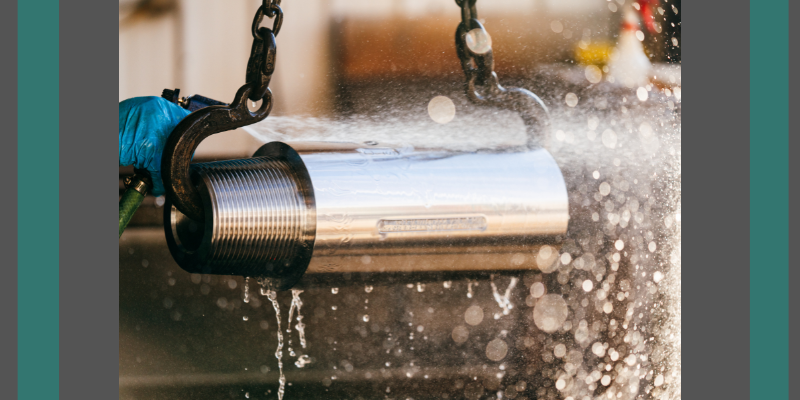
Passivation chemically enhances stainless steel’s inherent corrosion resistance by removing surface iron contaminants.
利点:
Improved natural corrosion resistance
Cleaner and smoother stainless steel surface
Safer for applications in hygienic environments
アプリケーション:
食品加工装置, 医療機器, pharmaceutical machinery
Factors Influencing Die Casting Surface Finish
Several key factors influence the outcome of die casting surface finishes:
材料の種類: Specific finishes are best suited to particular alloys or metals.
Die and Mold Quality: High-quality molds ensure consistent and smooth surfaces.
Casting Parameters: 温度制御, injection pressure, and cooling rates directly affect surface quality.
Post-processing Methods: Proper selection and execution determine the final surface characteristics.
How to Improve Die Cast Surface Finish
Improving surface finishes involves:
金型メンテナンス: Regularly clean and maintain molds to avoid imperfections.
Controlled Casting Conditions: Optimize temperature and injection parameters.
Use Appropriate Post-processing Techniques: サンドブラスト, 研磨, 陽極酸化処理, and others as required.
Design Optimization: Design parts to reduce complexity and minimize surface imperfections.
結論
Clearly understanding the variety of available surface finishing methods is crucial in achieving die-cast parts with optimal aesthetics, 耐久性, and functional performance. Selecting the appropriate finish according to the application requirements will significantly enhance product quality and customer satisfaction.
Consulting with professional die-casting specialists further ensures you select the ideal finishing processes tailored to your specific manufacturing needs.
よくある質問
Q1: What is a Die Casting Surface Finish Chart?
A reference tool showing different finishes, their characteristics, 適切な材料, とアプリケーション, assisting manufacturers in selection.
第2四半期: What is Typical Surface Roughness in Die Casting?
Roughness typically ranges from 1 に 5 µm depending on alloy, casting methods, and chosen finishes.
Q3: Does Die Casting Naturally Produce Good Surface Finishes?
Die casting alone provides decent surface quality, but post-processing finishes typically are needed to achieve enhanced aesthetics and functional properties.
Q4: How Can Surface Finish Be Improved in Die Casting?
By optimizing mold designs, controlling casting processes, and employing post-processing methods like polishing, メッキ, またはコーティング.
Q5: What Factors Affect Die Cast Surface Finish Quality?
材料タイプ, mold temperature, die design, casting process controls, and chosen surface treatments.