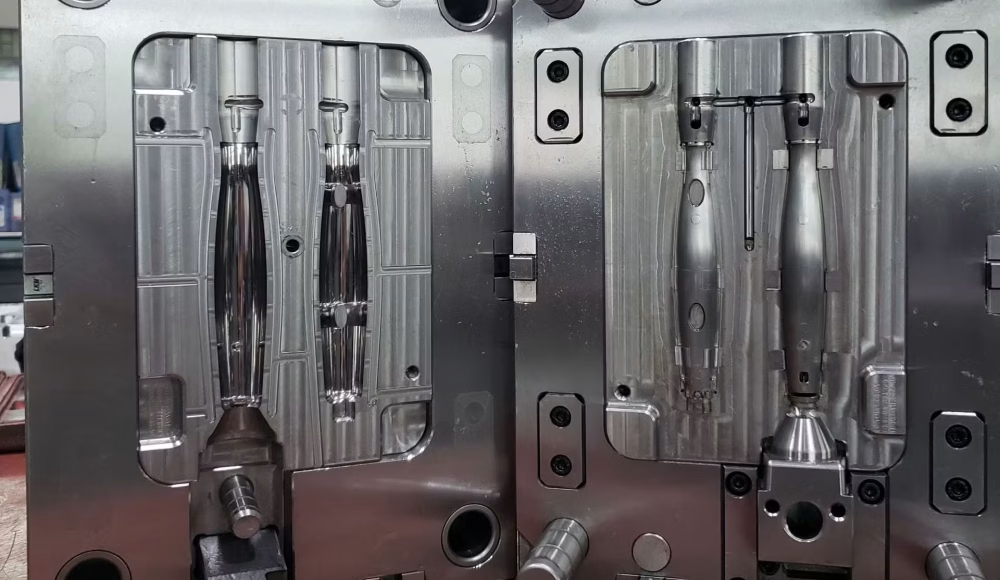
精密製造の世界, ダイカスト stands out as one of the most efficient and repeatable methods for producing complex metal components. Central to this process is the die casting tool—a precision-machined mold built to withstand high-pressure injections of molten metal. While tooling represents a significant upfront investment, を理解する factors that influence die casting tool cost can help you make better decisions, 無駄を減らす, and maximize your return on investment over the product life cycle.
Why Die Casting Tooling Is Expensive
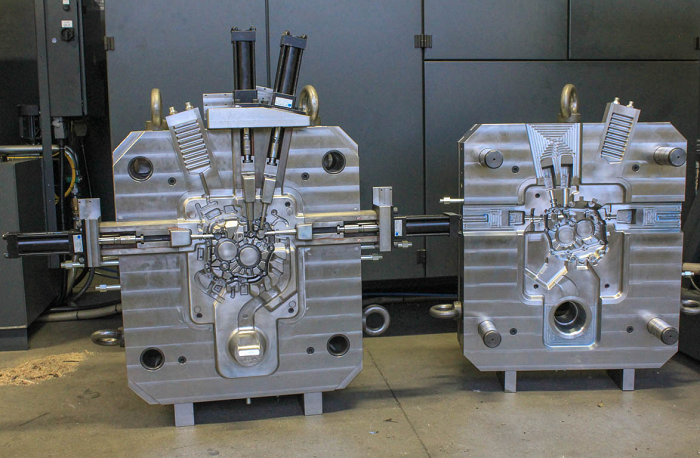
ダイカスト金型は 極端な条件—高温, 激しいプレッシャー, 一定の機械的ストレス. 結果として, ツールは以下から構築する必要があります 特殊高級工具鋼, プロジェクトごとに正確に設計. 高品質の金型は初期費用が高くなりますが、ダウンタイムが減少するため時間の経過とともに元が取れます。, 欠陥が少なくなる, そしてより長い工具寿命.
Key Factors That Influence Tooling Cost
ツールの設計: The Foundation of Long-Term Success
設計段階は、両方を決定する上で最も重要な要素です。 コストとパフォーマンス. 適切に設計されたダイカスト工具により、一貫した製品品質が保証されます, optimal cycle times, and minimal secondary operations. Poor tool design, 一方で, often leads to:
欠陥のある部品
フラッシュ, 気孔率, and shrinkage issues
Higher scrap rates
Increased machining and finishing costs
製造のための設計 (DFM) principles should be applied early. Factors such as draft angles, 壁の厚さ, パーティングライン, and ejection systems must be optimized using 3D modeling and simulation software. It’s advisable to invest in design validation and simulation tools before cutting steel.
Runner and Vent Systems: Controlling Metal Flow
A good runner system ensures molten metal is delivered evenly and quickly into the mold cavity. Proper venting allows gases to escape, preventing trapped air and incomplete fills.
Modern design teams use casting simulation software に:
Predict and visualize molten flow behavior
Identify potential porosity areas
Optimize gate and overflow placements
Design improvements made at this stage significantly reduce the risk of production problems and tool redesigns, lowering your overall project cost.
Cooling Circuit Design: Thermal Management for Quality and Longevity
During die casting, molten metal cools and solidifies in the mold. If cooling is uneven or poorly controlled, the result can be internal stresses, 反り, or slower cycle times.
Cooling circuits—channels built into the mold for coolant flow—help manage temperature. Some manufacturers cut costs by placing generic cooling channels, しかし strategically engineered thermal analysis results in:
Better part consistency
Shorter cooling times
Extended tool life due to reduced thermal shock
While thermal analysis adds to the upfront cost, it significantly improves productivity and part quality over time.
Tooling Inserts: Smart Design for Cost Efficiency
Tooling inserts are modular components within a larger die casting mold. Instead of replacing the entire tool due to wear or erosion, only the insert needs to be replaced.
Inserts offer multiple advantages:
Lower long-term maintenance cost
Flexibility to adapt or modify tool design
Faster repair turnaround
Consistent part quality throughout tool life
Areas subject to high wear, such as gates and corners, should be fitted with replaceable inserts. Experienced toolmakers can predict wear zones and incorporate inserts accordingly.
工具材質: Matching Steel Grade to Application
Tool steel grade selection directly impacts durability and cost. Commonly used materials include:
H13ツールスチール: Offers a good balance of heat resistance and toughness. Ideal for aluminum and magnesium.
H21 / H22: Better for higher-temperature operations like zinc or brass die casting.
Powdered Tool Steels (例えば, CPM grades): Premium steels with superior wear resistance, ideal for long production runs.
The right material depends on:
Casting material (アルミニウム, 亜鉛, マグネシウム)
Expected tool life (number of shots)
Part complexity and finish requirements
Spending more on higher-quality steel may save tens of thousands in tooling rebuild costs during high-volume production.
Maintenance and Longevity: Protecting Your Tool Investment
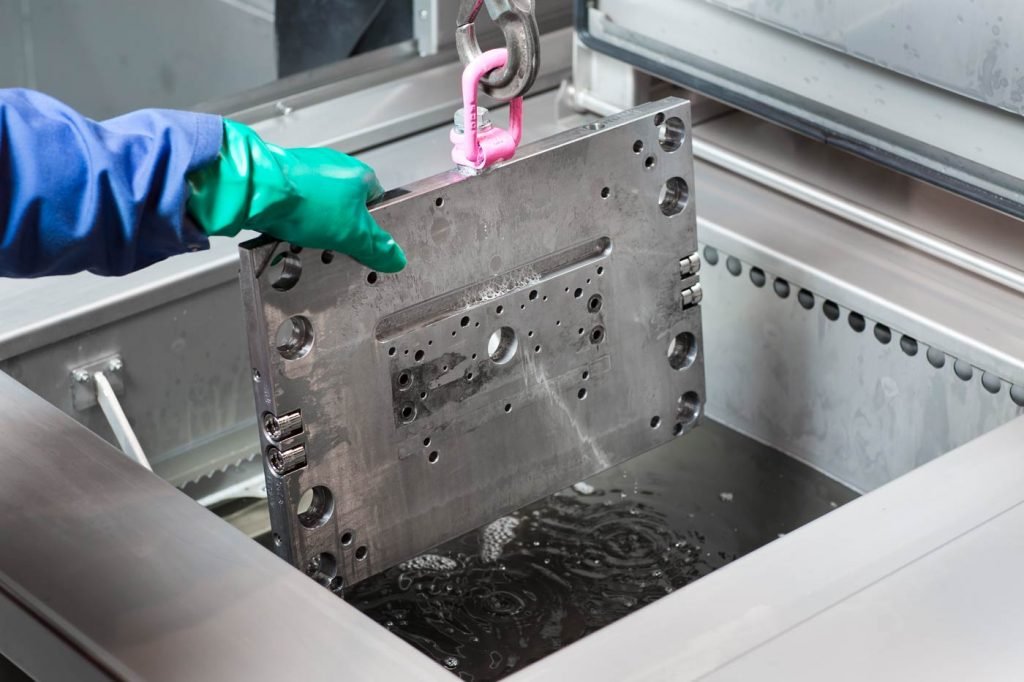
No matter how well your tooling is designed, it will inevitably wear out due to the high-pressure and thermal cycles. Regular maintenance is critical for extending tool life and ensuring consistent part quality.
金型メンテナンスのベストプラクティス:
Clean tools thoroughly after production runs.
Inspect for wear, ひび割れ, or thermal fatigue.
Apply protective coatings (例えば, 窒化, PVD).
Use proper storage procedures to avoid corrosion and damage.
Routine maintenance is far more cost-effective than emergency repairs or full tool replacements.
工具寿命の延長: デザインとパートナーシップが重要
A tool’s longevity is not just about material—it’s about how well the tool is designed, built, and managed throughout its service life.
Partnering with an experienced die casting supplier can result in:
Predictive tool life assessments
Built-in wear compensation features
Optimized insert placements
Data-driven decisions on refurbishments or replacements
If you’re running high-volume production (例えば, >100,000 shots/year), these savings add up fast.
結論: 賢明に投資する, 報酬を獲得しましょう
While die casting tooling costs can seem high at the outset, quality tooling is an investment, not an expense. The right approach to tool design, 材料, インサート, and maintenance can result in:
Lower per-part production cost
Fewer defects and post-processing steps
Increased output with consistent quality
Longer tool lifespan and reduced replacement frequency
で TOPSプレシジョン, we work closely with our customers to balance quality and cost. Our experienced engineering team leverages 3D simulation, high-performance steels, and smart tool design to deliver reliable, high-volume production solutions.
📞 今すぐお問い合わせください to learn more about die casting tooling options, or to get a quote tailored to your part design and production needs.
よくある質問
1. ダイカスト金型はなぜ高価なのでしょうか?
Die casting tools must withstand extreme temperatures and high pressure, which requires precision design and the use of expensive tool steels. The high upfront cost is balanced by lower long-term costs through consistent production and tool longevity.
2. ダイカスト工具の寿命はどのくらいですか?
Tool life varies depending on the material and design but can range from 50,000 オーバーする 1,000,000 ショット. Proper design, メンテナンス, and use of inserts can greatly extend a tool’s lifespan.
3. 工具はさまざまな部品に再利用できますか?
一般的に, いいえ. Die cast tools are custom-made for specific part geometries. しかし, modular tooling and interchangeable inserts can be used to create variants of similar parts.
4. 品質を損なうことなくダイカスト工具のコストを削減するにはどうすればよいですか?
焦点を当てる 製造のための設計 (DFM), use simulation software early, choose durable materials, and implement removable inserts. Partnering with an experienced die caster can also lead to cost-effective and optimized tooling solutions.
5. ダイカスト工具に最も一般的に使用される材料は何ですか?
H13工具鋼 is the most common due to its high toughness, thermal fatigue resistance, 手頃な価格. Premium steels like H21 or CPM grades may be used for more demanding applications or longer runs.
続きを読む: