


硬度試験は迅速な結果を提供します, 信頼性のある, 材料の耐圧痕性を評価する費用対効果の高い方法, 引っ掻く, and surface deformation. Manufacturers use hardness testing throughout the production cycle—from incoming material inspection and heat treatment verification to final quality control.
このガイドでは, we’ll explore everything you need to know about metal hardness testing, including common testing methods, international standards, testing procedures, 産業用アプリケーション, and best practices for achieving accurate results.
What Is Metal Hardness?
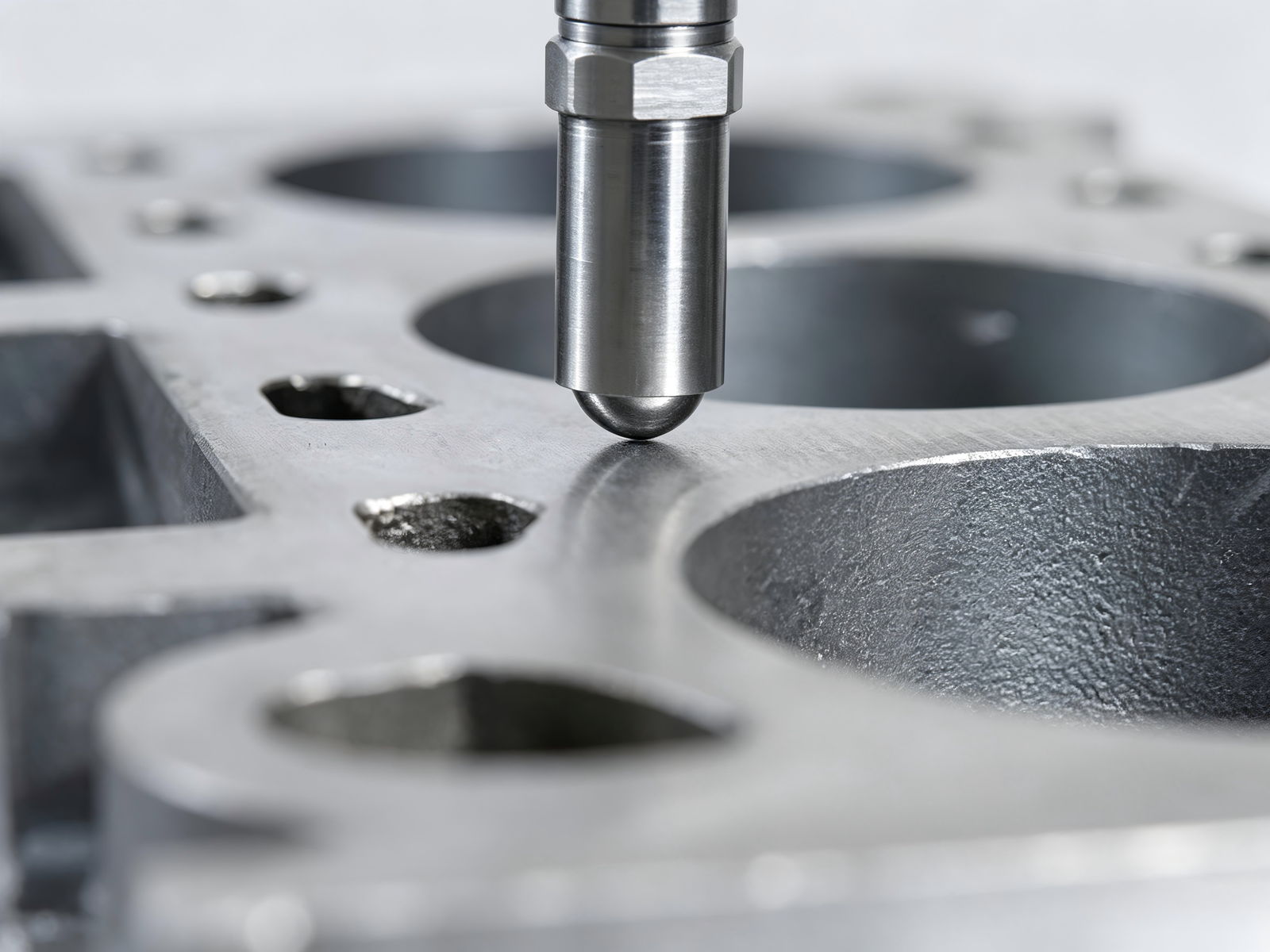
Metal hardness refers to a material’s ability to resist permanent deformation when subjected to an external force.
実務的には, hardness measures how resistant a metal is to:
- Indentation
- Scratching
- Abrasion
- 着る
- Surface deformation
The harder a material is, the more resistant it will be to mechanical damage during operation.
Why Hardness Matters
Hardness directly influences:
- 耐摩耗性
- Service life
- Load-bearing capability
- 疲労性能
- 被削性
- 耐食性 (in some applications)
例えば, a hardened steel gear used in a transmission system must maintain sufficient hardness to resist wear during millions of operating cycles. 同様に, aerospace fasteners require carefully controlled hardness levels to ensure structural integrity.
Hardness vs Strength vs Toughness
These terms are often confused, but they represent different material properties.
| 財産 | 意味 |
| 硬度 | Resistance to indentation and surface deformation |
| 強さ | Ability to withstand applied stress without failure |
| 靭性 | Ability to absorb energy before fracturing |
A material may be extremely hard but brittle. 逆に, a material can be very tough while having relatively low hardness.
Understanding these differences is critical when selecting materials for engineering applications.
Why Hardness Testing Is Essential in Manufacturing
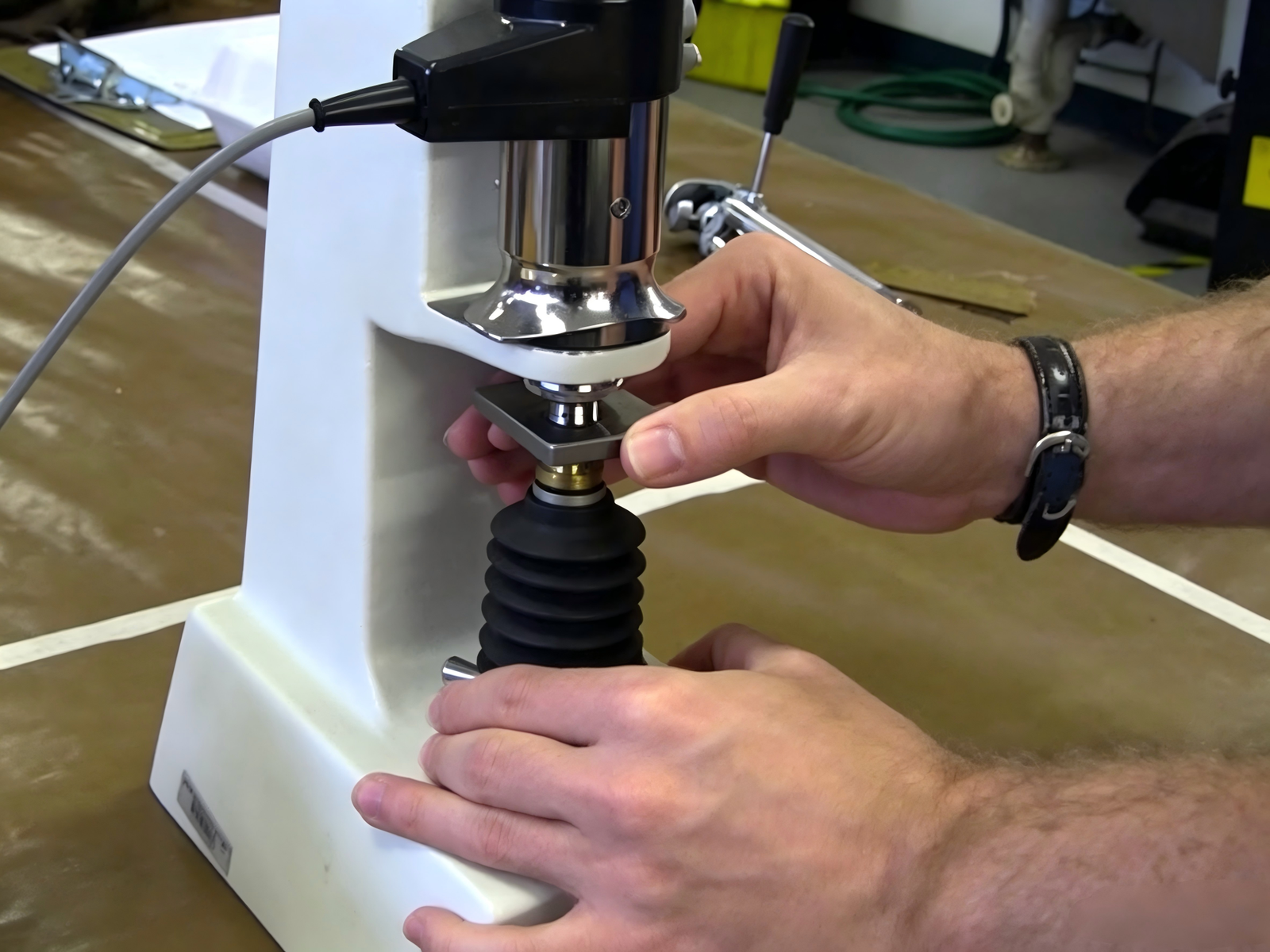
品質管理
Manufacturers use hardness testing to verify that raw materials meet specifications before production begins.
Testing helps identify:
- Incorrect material grades
- 不適切な熱処理
- Supplier inconsistencies
- Material defects
Heat Treatment Verification
Hardness testing is one of the most effective methods for confirming successful heat treatment processes, 含む:
- アニーリング
- 正規化
- 焼入れ
- テンパリング
- Case hardening
- 窒化処理
例えば, if a hardened steel component fails to reach its target hardness range, the heat treatment process may need adjustment.
Product Performance Evaluation
Hardness directly affects:
- 耐摩耗性
- 耐摩耗性
- Fatigue life
- Structural durability
Manufacturers use hardness values to predict how components will perform under real-world operating conditions.
規制のコンプライアンス
航空宇宙などの産業, 自動車, 防衛, エネルギー, and medical manufacturing often require hardness testing to meet strict quality standards.
Common Hardness Testing Methods
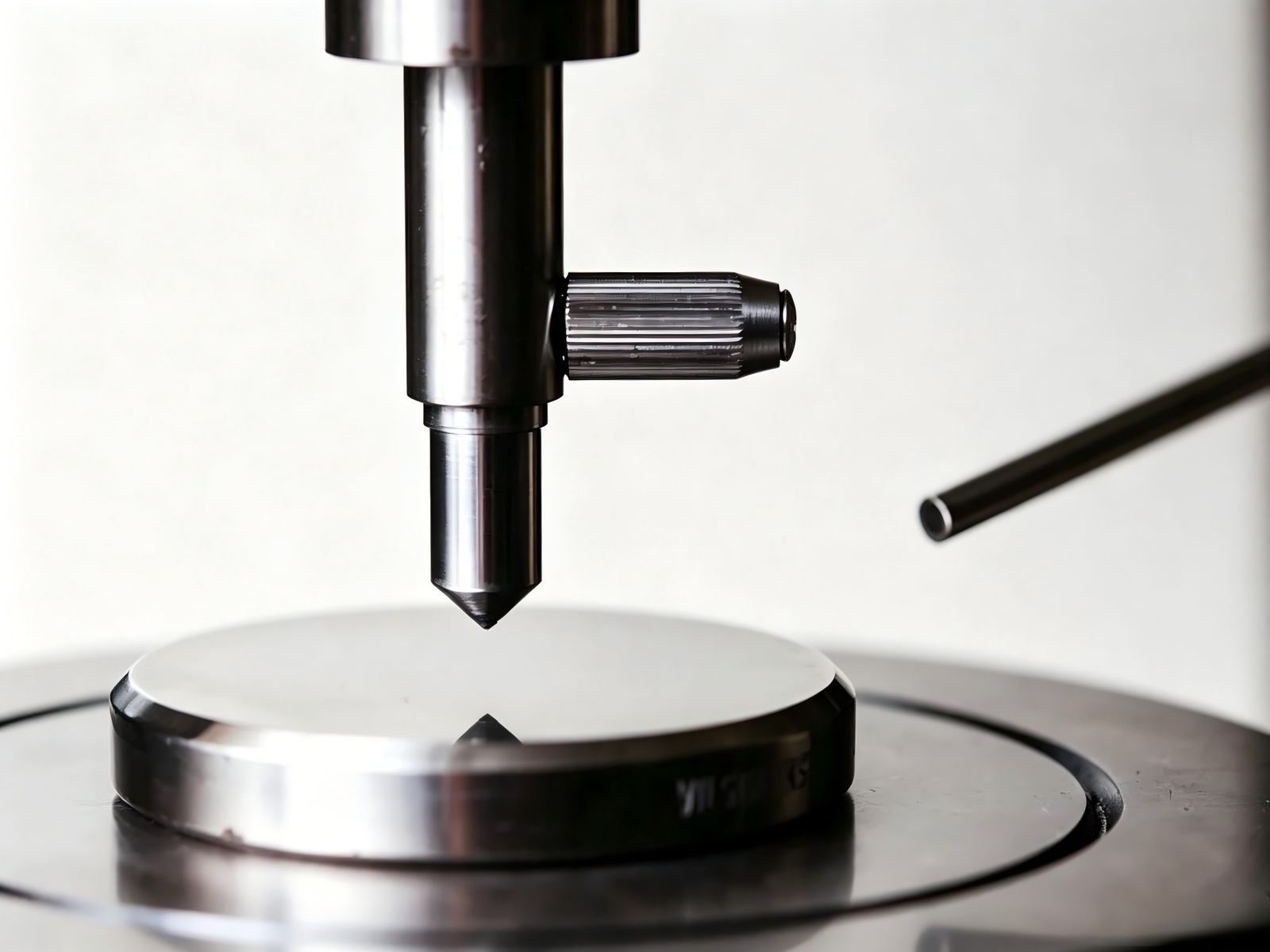
Several hardness testing methods are used worldwide. Each has advantages depending on material type, 厚さ, および申請要件.
Rockwell Hardness Test
The Rockwell test is the most commonly used hardness testing method in manufacturing.
仕組み
A diamond cone or hardened steel ball indenter is pressed into the material under a specified load.
The machine measures the depth of penetration and automatically calculates the hardness value.
Common scales include:
- HRC (Rockwell C)
- HRB (ロックウェルB)
- HRA (Rockwell A)
利点
- Fast testing
- Direct hardness reading
- Minimal operator influence
- Suitable for production environments
アプリケーション
- 焼入鋼
- 工具鋼
- ステンレス鋼
- Heat-treated components
Brinell Hardness Test
The Brinell method uses a tungsten carbide ball to create an indentation on the material surface.
利点
- Excellent for large components
- Suitable for castings and forgings
- Effective for coarse-grained materials
制限事項
- Larger indentation size
- Not suitable for thin materials
アプリケーション
- 鋳鉄
- Aluminum castings
- Structural steel
- 重機部品
Vickers Hardness Test
The Vickers test utilizes a diamond pyramid indenter.
利点
- 非常に正確
- Wide testing range
- Suitable for both hard and soft materials
アプリケーション
- 航空宇宙部品
- 医療用インプラント
- 精密工学部品
- Research laboratories
多用途性があるため、, the Vickers method is often considered the most precise hardness testing technique.
Knoop Hardness Test
The Knoop method is specifically designed for microhardness testing.
ベストアプリケーション
- 薄いコーティング
- 電子部品
- セラミックス材料
- Surface treatments
Its elongated diamond indenter minimizes material damage while providing highly accurate measurements.
Leeb Hardness Test
The Leeb hardness test is a portable testing method.
仕組み
A spring-loaded impact body strikes the test surface.
The rebound velocity is measured and converted into a hardness value.
利点
- Portable
- 速い
- Ideal for field inspections
一般的な用途
- Large machinery
- パイプライン
- 圧力容器
- 重機
Comparison of Hardness Testing Methods
| 方法 | 正確さ | スピード | に最適です |
| ロックウェル | 高い | Very Fast | Production Testing |
| ブリネル | 高い | 適度 | Castings & 鍛造品 |
| Vickers | 非常に高い | 適度 | Precision Components |
| Knoop | 非常に高い | 遅い | Thin Materials |
| Leeb | 適度 | Very Fast | Field Testing |
Hardness Testing Standards
Following internationally recognized standards ensures consistency and reliability.
ASTM規格
ASTM E18
Rockwell hardness testing.
ASTM E10
Brinell hardness testing.
ASTM E92
Vickers hardness testing.
ASTM E384
Microhardness testing procedures.
ISO標準
ISO 6508
Rockwell testing.
ISO 6506
Brinell testing.
ISO 6507
Vickers testing.
ISO 4545
Knoop testing.
Compliance with these standards helps manufacturers meet customer and regulatory requirements worldwide.
Factors Affecting Hardness Test Accuracy
Several factors can influence results.
表面仕上げ
Rough surfaces can produce inaccurate readings.
Proper grinding and polishing improve measurement reliability.
Sample Thickness
Thin materials may deform excessively during testing.
Always ensure adequate thickness relative to indentation depth.
Load Selection
Selecting the wrong test load can distort results.
Testing loads should comply with applicable ASTM or ISO standards.
Indentation Spacing
Indentations placed too close together can interfere with one another.
Proper spacing ensures accurate readings.
Equipment Calibration
Regular calibration is essential for maintaining testing accuracy.
Step-by-Step Hardness Testing Procedure
ステップ 1: Select the Appropriate Test Method
Choose Rockwell, ブリネル, Vickers, Knoop, or Leeb based on the material and application.
ステップ 2: Prepare the Sample
Ensure the surface is:
- クリーン
- フラット
- Free from scale
- Free from contamination
ステップ 3: Apply the Test Load
Apply the required force using a calibrated hardness testing machine.
ステップ 4: Measure the Indentation
Depending on the method, measure:
- Indentation depth
- Indentation diameter
- Indentation diagonal length
ステップ 5: Calculate Hardness
Convert measurements into hardness values using the applicable standard.
ステップ 6: Record Results
Document:
- Material identification
- Test method
- Load applied
- Hardness value
- Test location
Hardness Testing for Different Metal Materials
炭素鋼
Commonly tested using Rockwell and Brinell methods.
Typical hardness ranges vary significantly depending on heat treatment.
ステンレス鋼
Rockwell and Vickers methods are frequently used.
アルミニウム合金
Brinell and Vickers testing are commonly preferred.
チタン合金
Vickers testing provides highly accurate results.
鋳鉄
Brinell testing remains the industry standard.
Hardness Testing in CNC Machining and Precision Manufacturing
Hardness testing plays a critical role in precision manufacturing.
機械加工が始まる前, manufacturers verify material properties to ensure compliance with customer specifications.
熱処理後, hardness testing confirms that components have achieved the required mechanical characteristics.
Companies providing custom CNC machining services often integrate hardness testing into their quality management systems to ensure dimensional accuracy, 耐摩耗性, and long-term product reliability.
For industries such as aerospace, 医学, 自動車, and industrial automation, hardness verification is often a mandatory inspection requirement.
Common Hardness Testing Challenges
Inconsistent Readings
原因:
- Poor surface preparation
- Operator error
- Equipment calibration issues
Curved Surfaces
Many hardness tests are designed for flat surfaces.
Special fixtures or correction factors may be required.
Thin Materials
Selecting an inappropriate load may cause distortion.
Microhardness testing methods often provide better results.
Future Trends in Hardness Testing
The future of hardness testing is increasingly automated.
Emerging technologies include:
- Automated hardness mapping
- AI-powered image analysis
- Digital indentation measurement
- 業界 4.0 統合
- Smart quality control systems
These technologies improve accuracy, reduce operator dependency, and increase inspection efficiency.
よくある質問
1.What is the most common hardness test?
The Rockwell hardness test is the most widely used due to its speed and simplicity.
2.Which hardness test is the most accurate?
The Vickers hardness test is generally considered the most precise and versatile.
3.Can hardness indicate material strength?
In many metals, hardness and tensile strength are closely related, although they are not identical properties.
4.How often should hardness testers be calibrated?
Calibration intervals should follow manufacturer recommendations and applicable ASTM or ISO standards.
5.Which hardness test is best for thin materials?
Knoop and Vickers methods are typically preferred for thin sections and coatings.
結論
By selecting the correct testing method, following ASTM and ISO standards, and implementing proper testing procedures, メーカーは製品の品質を向上させることができます, verify heat treatment effectiveness, reduce failures, and ensure compliance with customer requirements.
For companies involved in precision machining, 製造, and advanced manufacturing, hardness testing is not simply an inspection process—it is a key element of delivering reliable, high-performance products that meet the demands of today’s industrial markets.