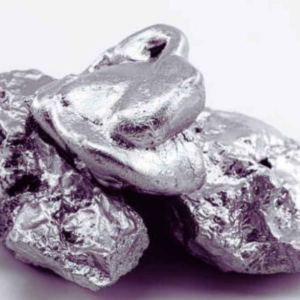



ニッケル合金の加工効率と工具寿命にいつも悩んでいませんか?? ニッケル合金は航空宇宙エンジンで非常によく使用されています, 医療機器, エネルギーシステム, 精密電気部品など カスタム端子 . これらの超合金は驚異的な強度と耐食性を備えています。, 機械加工が難しいことで有名です.
このガイドが提供するのは、 加工効率を向上させるための段階的な戦略, 工具寿命を延ばす, 精密な仕上がりを実現 ニッケル合金部品用. CNC 機械工であっても, プロセスエンジニア, または制作マネージャー, このガイドは、業務の最適化とコストの削減に役立ちます。.
クイックお問い合わせ: ニッケル合金加工ソリューションについてはお問い合わせください
1. ニッケル合金を理解する: 特性と課題
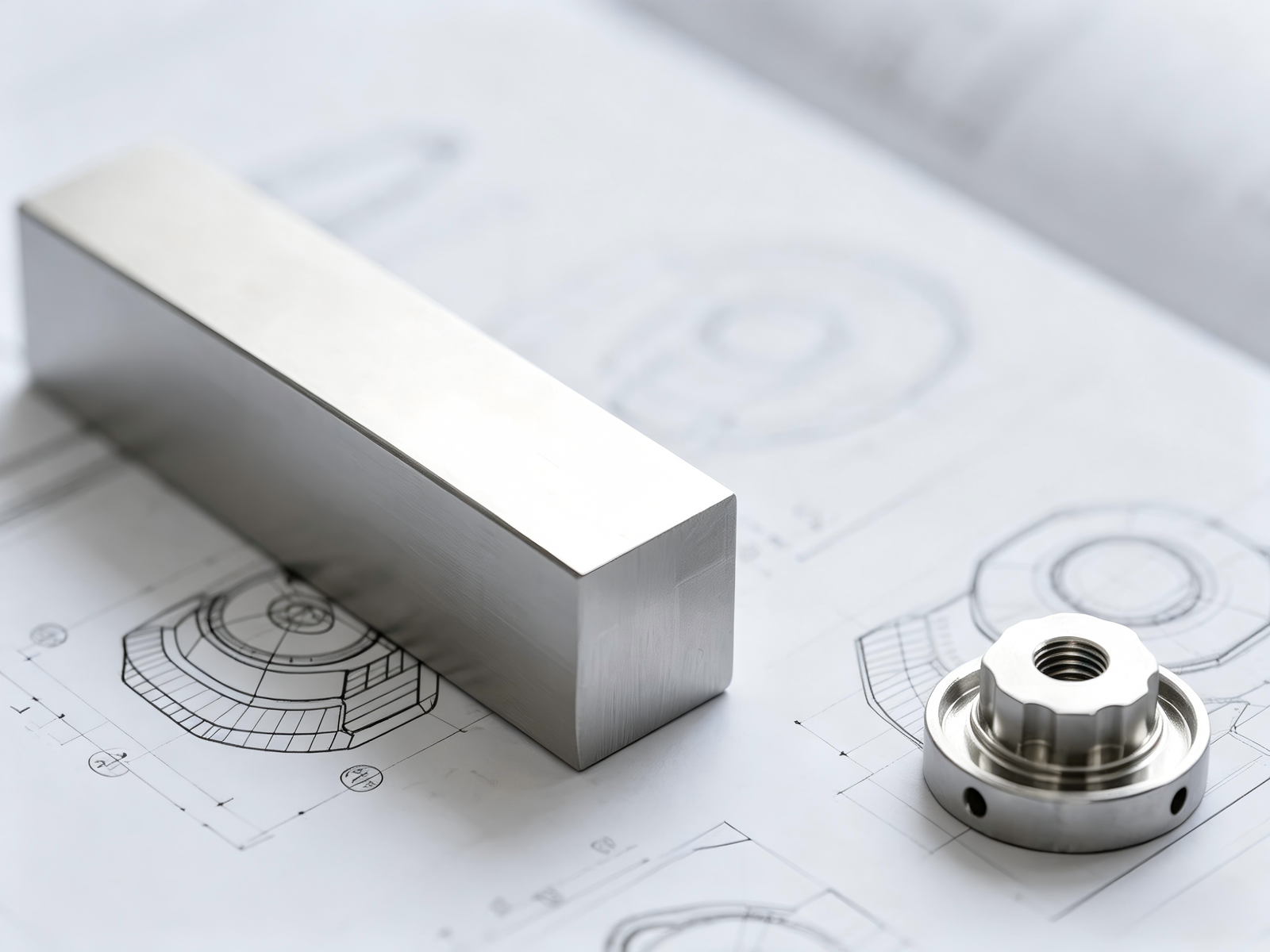
ニッケル合金は極端な条件向けに設計されています. 耐久性は高温用途に最適ですが、, また、加工に特有の課題も生じます.
1.1 主要な材料特性
高温保持: 2000°Fまで構造の完全性を維持 (1093℃).
作業硬化: 切削中に硬くなる, 工具の摩耗が増加する.
熱伝導率が悪い: 刃先に熱が蓄積する, 損害の危険がある.
1.2 機械加工の主な課題
工具の急速な摩耗: 工具は標準鋼よりも 5 ~ 8 倍早く摩耗します.
構築されたエッジ (弓): 材料がツールに付着する, 表面仕上げに影響を与える.
過剰な発熱: 切断ゾーンは 2000°F を超える場合があります.
硬質表面層: 加工硬化ゾーンには鋭利な刃物が必要です, 弾力性のあるツール.
2. ニッケル合金加工の最適化された技術
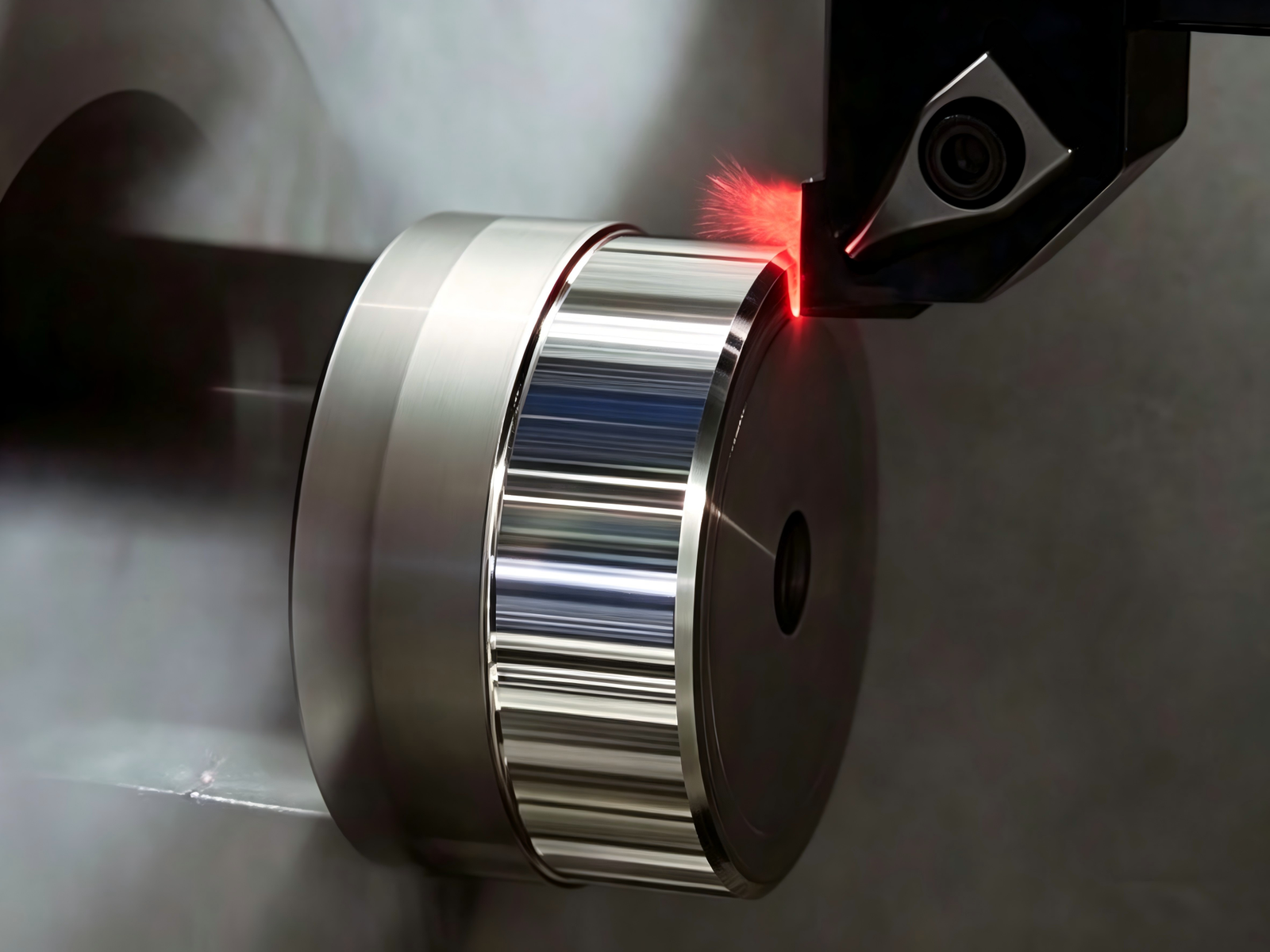
ニッケル合金加工をマスターするには、慎重なプロセス制御と精度が必要です.
2.1 切削速度管理
150 ~ 200 SFM で荒加工を開始します.
連続的な切りくず生成は最適な切削速度を示します.
熱と工具の摩耗を軽減するために、鋼よりも低速を使用します。.
2.2 CNC 加工セットアップ
登るミリング: 加工硬化を軽減し、仕上がりを向上させます。.
送り速度: 0.004–1歯あたり0.008インチで精度を確保.
ツールホールディング: 剛性の高いホルダーが表面を傷める振動を防ぎます。.
2.3 クーラントの塗布
高圧配送 (1000+ PSI) 不可欠です.
オイルベースのクーラントは優れた潤滑と熱管理を提供します.
熱衝撃を避けるために連続的な流れを維持する.
2.4 ワークホールディングソリューション
安定性を高めるために複数のクランプポイントを使用する.
振動減衰パッドにより高速加工が向上.
2.5 プロセス監視
工具の磨耗を頻繁に検査する.
熱膨張による寸法変化を監視.
問題の早期兆候として異常な切断音を聞きます.
3. 最適なツールと機器の選択
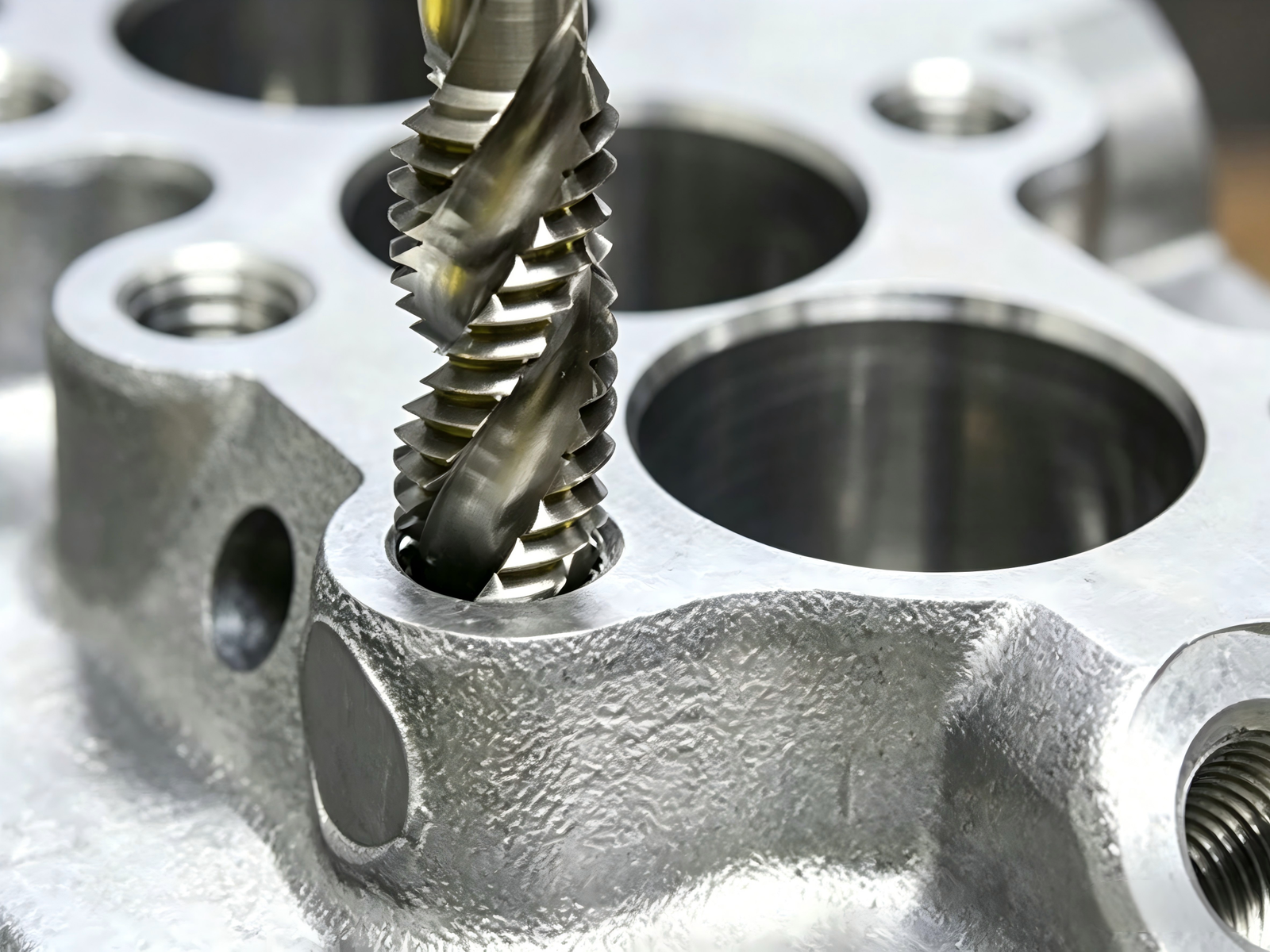
ツールの選択は生産性に直接影響します, 表面の品質, そしてツールライフ.
3.1 切削工具材料
コーティングされた超硬工具: AlCrN または TiAlN コーティングは 800°C までの熱に耐えます.
セラミックツール: 高速仕上げ性と耐熱衝撃性に優れた窒化珪素セラミックツール.
3.2 工具形状の特徴
正のすくい角 (6–12°) 切削抵抗と熱を軽減する.
チップブレーカーは切りくず生成を制御し、損傷を防ぎます.
3.3 ツールホルダーの要件
焼きばめまたは油圧式ホルダーにより振動が低減され、工具寿命が延長されます.
マルチポートホルダーにより切削ゾーンへのクーラント供給が向上.
4. 一般的な問題のトラブルシューティング
4.1 工具の摩耗
コーティングされた工具を使用し、安定した冷却液の流れを維持します.
早期の摩耗を防ぐために表面を清潔に保ちます.
4.2 寸法精度
ワークホールディングと工具オフセットが適切であることを確認します.
コントロールを向上させるために段階的にカットします.
4.3 表面仕上げ
送り速度と工具角度を調整する.
クーラントが切削ゾーンに確実に到達するようにする.
4.4 チップコントロール
チップブレーカ設計の最適化.
高圧クーラントを使用し、定期的に工具を持ち上げてください。.
4.5 作業硬化
クライムミリングと鋭利な工具を使用する.
一貫した送り速度を維持して硬化を軽減します.
5. 生産性の向上とコスト削減のヒント
5.1 ツールの選択と管理
コーティングを施した高品質の超硬工具に投資する.
ソフトウェアと自動モニタリングで工具寿命を追跡.
5.2 適切な切断パラメータを見つける
最適な速度と送りを決定するためのテストカット.
適応加工を使用してリアルタイム調整を行う.
5.3 プロセス計画
複数部品の機械加工用の治具を設計する.
ツールパスを最適化し、類似したジョブをグループ化する.
5.4 冷却剤の管理
高圧を使用する, ツールによる配信.
適切な集中力と清潔さを維持する.
5.5 品質管理の徹底
プロセス内測定を使用してエラーを早期に発見する.
統計的プロセス管理を適用して問題の再発を防止します.
再現性と一貫性のために設定を記録する.
6. 結論
ニッケル合金の加工を成功させるには、 重要な課題を理解する, 切断技術の最適化, 適切なツールの選択, そしてプロセスを監視する. これらの戦略に従ってコストを削減する, 生産性の向上, 要求の厳しい用途向けに高品質の部品を保証します.
ニッケル合金の機械加工を改善する準備ができました? 無料相談を申し込む
7. よくある質問 (よくある質問)
Q1: ニッケル合金に推奨される切削速度はどれくらいですか?
あ: 荒れ: 150–200SFM; 切りくず形成に基づいて調整.
第2四半期: 加工硬化を防ぐにはどうすればよいですか?
あ: クライムミリングを使用する, 鋭利な道具, 一貫した送り速度.
Q3: ニッケル合金に最適な工具材料はどれですか?
あ: PVD コーティングされた超硬または窒化ケイ素セラミック工具.
Q4: クーラントはどのように適用すればよいですか?
あ: 高圧, 油性クーラントを刃先に直接供給.
Q5: どうすれば工具寿命を延ばすことができるか?
あ: 適切な冷却剤, 最適な切断パラメータ, 高品質のコーティングされたツール.
その他のサービス:
今すぐニッケル合金の加工効率を高めましょう!
専門家の指導を受ける, 最適化されたツールの選択, 高性能ニッケル合金用の CNC プロセスセットアップ.
今すぐ無料相談をリクエストしてください