ジュエリーの金属素材を比較する場合, 医療ツール, 工業用部品, or consumer products, よくある質問が何度も繰り返されます:
サージカルスチールとステンレススチールの違いは何ですか?
多くの人がこれら 2 つの用語を同じ意味であるかのように使用しています. 実際には, サージカルスチールは特殊な種類のステンレス鋼です, しかし、すべてのステンレス鋼グレードが外科用鋼として適格であるわけではありません.
材料を選択する際には、その違いを理解することが重要です。 ボディジュエリー, 医療器具, CNC機械加工部品, 食品装備, カスタム製作, または耐食性コンポーネント.
このガイドでは, サージカルスチールとステンレススチールの本当の違いを説明します, 成績も含めて, 耐食性, アプリケーション, 料金, プロジェクトに最適な素材を選択する方法.
ステンレス鋼とは何ですか?
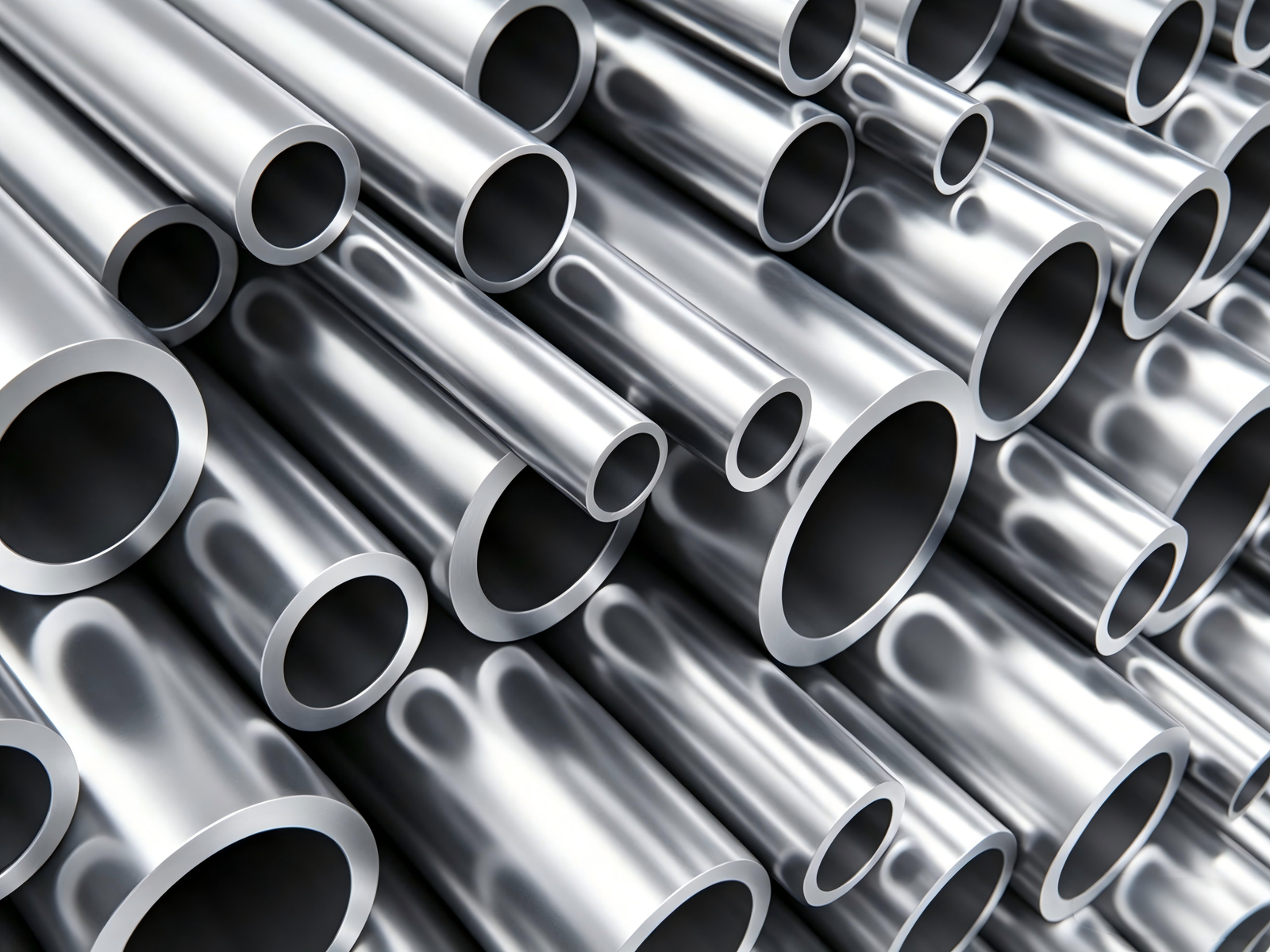
ステンレス鋼 少なくとも次の成分を含む鉄ベースの合金のグループです。 10.5% クロム, 表面に保護酸化膜を形成します。. この不動態層は錆を防ぐのに役立ちます, 酸化, と腐食.
グレードに応じて, ステンレス鋼にも含まれる可能性があります:
ニッケル
モリブデン
炭素
マンガン
チタン
窒素
これらの添加元素により強度が向上します, 耐食性, 溶接性, 耐熱性, または機械加工性.
一般的なステンレス鋼グレード
最も広く使用されているステンレス鋼グレードには次のようなものがあります。:
201 ステンレス鋼 – 経済的, 屋内使用
304 ステンレス鋼 – 多用途で人気がある
316 ステンレス鋼 – 優れた耐食性
430 ステンレス鋼 – 磁気, 低コスト
420 ステンレス鋼 – 高硬度
440 ステンレス鋼 – とても難しい, 耐摩耗性
ステンレス鋼の一般的な用途
ステンレス鋼が使用されているのは、:
キッチンのシンクと調理器具
ファスナーと金具
自動車部品
建設資材
食品加工装置
産業機械部品
装飾品
グレードも豊富なので, ステンレス鋼は価格を最適化できる, 強さ, 外観, または耐食性.
サージカルスチールとは?
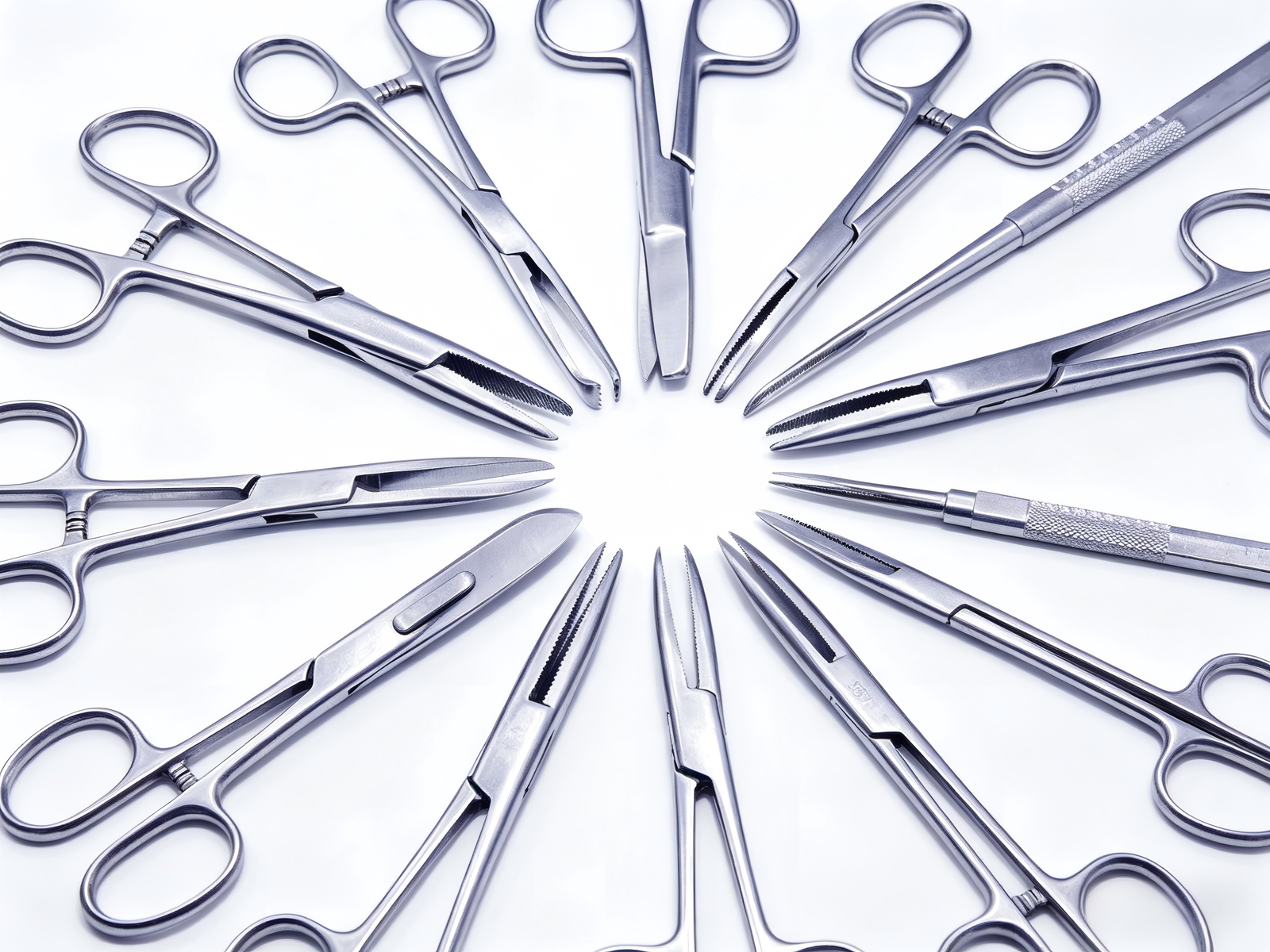
サージカルスチール 独立したメタルカテゴリーではありません. それは、 医療用に選ばれた特定のステンレス鋼グレード, 外科用, 衛生, または身体に接触する用途.
これらの材料が選択される理由は、:
優れた耐食性
優れた耐久性
滑らかな研磨面
滅菌耐性
皮膚や身体への接触に対する適合性の向上
一般的なサージカルスチールのグレード
最も一般的なサージカルスチール素材には次のものがあります。:
316L ステンレス鋼
316LVMステンレススチール (真空溶解, 医療インプラントの品質)
420 ステンレス鋼
440 ステンレス鋼
グレードが異なると目的も異なります.
例えば:
316L 宝飾品やインプラントでは一般的です
420 / 440 メスに使用されています, はさみ, 硬さによる切断器具
サージカルスチール vs ステンレススチール: 主な違い
1. 材料カテゴリー
これが最も重要な違いです.
ステンレス鋼 = 幅広い合金群
サージカルスチール = より高い基準を備えた厳選されたステンレス鋼グレード
技術的には:
サージカルスチールはすべてステンレススチールです, ただし、すべてのステンレス鋼が外科用鋼であるわけではありません.
2. 耐食性
一般的なステンレス鋼は耐食性に優れています, ただしグレードによって性能は異なります.
例えば:
201 = 耐食性が低い
304 = 非常に優れた一般的な耐性
316L = 優れた耐性, 特に湿気や化学物質の中で
サージカルスチールは通常、次のような高級グレードを使用します。 316L, ~に対する耐性を高める:
汗
海水
洗浄剤
体液
湿気の多い環境
これが、医療や宝飾品の用途でサージカルスチールが好まれる理由です。.
3. 生体適合性と皮膚の安全性
最も標準的なステンレス鋼は、構造用または工業用に設計されています。.
サージカルスチールは以下の用途によく選ばれます。:
イヤリング
ボディピアス
手術ツール
歯科用具
整形外科用器具
特に 316Lサージカルスチール, 炭素含有量が低く、腐食挙動が優れているため、広く使用されています。.
人が直接触れる製品については, 通常はサージカルスチールの方が安全な選択肢です.
4. 表面仕上げと清浄度
サージカルスチールでは多くの場合、:
より滑らかな研磨
よりきれいな表面
表面欠陥の減少
より簡単な滅菌
粗い表面には細菌が閉じ込められる可能性があるため、これは重要です, 水分, または汚染物質.
工業用ステンレス鋼は同じ仕上げ品質を必要としない場合があります.
5. 強度と硬度
すべてのサージカル スチールが柔らかいか硬いというわけではありません。結果はグレードによって異なります。.
例:
316L = 良好な靭性, 耐食性
420 = より難しい, ナイフや工具に使用される
440C = とても難しい, 優れたエッジ保持力
切断性能が重要な場合, 外科グレードのような 420 または 440 選ばれることが多い.
6. 価格差
サージカルスチールは一般に次の理由によりコストが高くなります。:
合金含有量が高い
優れた耐食性
より厳しい品質基準
さらなる研磨・加工
医療グレードの要件
アプリケーションに優れたパフォーマンスが必要ない場合, 標準的なステンレス鋼の方が経済的である可能性があります.
早見表
| 特徴 | ステンレス鋼 | サージカルスチール |
| 意味 | 大規模な合金ファミリー | 厳選されたプレミアムステンレスグレード |
| 耐食性 | 良いから素晴らしいまで | より高い |
| 人体との接触による使用 | グレードにより異なります | 好ましい |
| 表面仕上げ | スタンダードからプレミアムまで | 通常はよりスムーズです |
| 医療用途 | 限定グレード | 一般 |
| 料金 | 低度から中程度 | より高い |
| 一般的なグレード | 201, 304, 430 | 316L, 420, 440 |
一般的なアプリケーション
ステンレス鋼の用途
に使用されます:
キッチンアプライアンス
家具の金具
自動車トリム
タンクと配管
ファスナー
構造部品
消費者製品
サージカルスチールの用途
に使用されます:
外科用はさみ
鉗子
メスのハンドル
歯科用具
インプラント
ピアスジュエリー
プレミアムウォッチ
衛生器具
どちらを選ぶべきか?
必要に応じてステンレス鋼を選択してください:
材料費の削減
一般耐食性
家庭用品
構造コンポーネント
工業用部品のCNC加工
大量生産
必要に応じてサージカルスチールを選択してください:
肌に安全な製品
医療ツール
ジュエリーとピアス
優れた耐食性
プレミアムな外観
衛生的な表面
長期耐久性
購入に関する重要なヒント: 正確なグレードを尋ねる
用語 「サージカルスチール」 マーケティングで大まかに使用されることもあります.
正確な材料グレードについては常にサプライヤーに問い合わせてください。:
316L
316LVM
420
440あ / 440C
これにより、本当に技術的な明確さが得られます.
産業用バイヤー向け, もリクエストしてください:
材質証明書
Rohs / REACH準拠
表面仕上げレポート
硬度データ
必要に応じて塩水噴霧テスト
CNC機械加工および製造用サージカルスチール
カスタムパーツが必要な場合, サージカルスチールを機械加工することができます:
精密医療用ハウジング
整形外科用コンポーネント
カスタムジュエリーパーツ
衛生的なフィッティング
耐食性ファスナー
しかし, などのいくつかのグレード 316L 標準よりも加工が難しい場合があります 304 靭性の高い鋼.
経験豊富なスタッフと一緒に働く CNC加工サプライヤー 工具の摩耗を軽減し、公差精度を維持するのに役立ちます.
世界中のバイヤーがサージカルスチール部品を選ぶ理由
OEM バイヤーは、サージカル スチールを選択することがよくあります。これは、次のような製品の作成に役立つためです。:
市場でのポジショニングの向上
プレミアム品質の画像
腐食に関する苦情の減少
耐久性の向上
より安全な顧客体験
ジュエリーを販売するブランド向け, 美容ツール, 医療付属品, または高級ハードウェア, これにより、材料費が高くつくことを正当化できます.
結論
サージカルスチールとステンレススチールの違いは簡単です:
ステンレス鋼 多くの業界で使用される幅広い材料ファミリーです.
サージカルスチール より厳格なアプリケーション向けに選択されたプレミアムサブセットです.
手頃な価格と一般的な使用を優先する場合, ステンレスは優れています.
耐食性を重視する場合, 身体接触の安全性, 衛生, そしてプレミアムなパフォーマンス, サージカルスチールがより良い選択です.
最適な材料は常に製品の要件によって決まります, 環境, と予算.
カスタムのステンレス鋼またはサージカルスチール部品が必要?
必要に応じて CNC 加工されたコンポーネント, カスタム金属加工, 外科用パーツ, またはOEMステンレス鋼製造, 提供できるサプライヤーと協力する:
正確な材料グレード
厳しい許容範囲
表面仕上げオプション
小ロットまたは大量生産
品質検査報告書
図面を今すぐ送ってください。すぐにお見積もりが可能です.
よくある質問
1.サージカルスチールはステンレス鋼よりも優れています?
医療用, ジュエリー, または皮膚に接触した使用, はい. 一般産業用, 標準的なステンレス鋼で十分かもしれません.
2.サージカルスチールは錆びますか?
耐食性に優れていますが、耐食性は高くありません。 100% あらゆる条件下で防錆.
3.316L はサージカルスチールとみなされますか?
はい. 316L は最も一般的なサージカルスチールグレードの 1 つです.
4.サージカルスチールはジュエリーに使用できますか?
はい. イヤリングなどによく使われています, 時計, リング, そしてボディピアスジュエリー.
5.サージカルスチールはなぜ高価なのか?
より優れた合金が使用されることが多いため, より厳しい基準, そしてさらなる仕上げ作業.
6.は 304 ステンレススチール製サージカルスチール?
通常はありません. 304 優れたステンレス鋼です, ただし、316L は外科用鋼として分類されるのが一般的です。.
7.屋外で使用する場合はどちらが良いですか?
316L サージカル スチールは通常、湿った環境や塩分のある環境でより優れた性能を発揮します。.