ブログ

ブログ鋼トラスの種類とその用途を理解する: 現代の建設プロジェクトの完全ガイド

鋼トラスの種類とその用途を理解する: 現代の建設プロジェクトの完全ガイド

Understanding Steel Truss

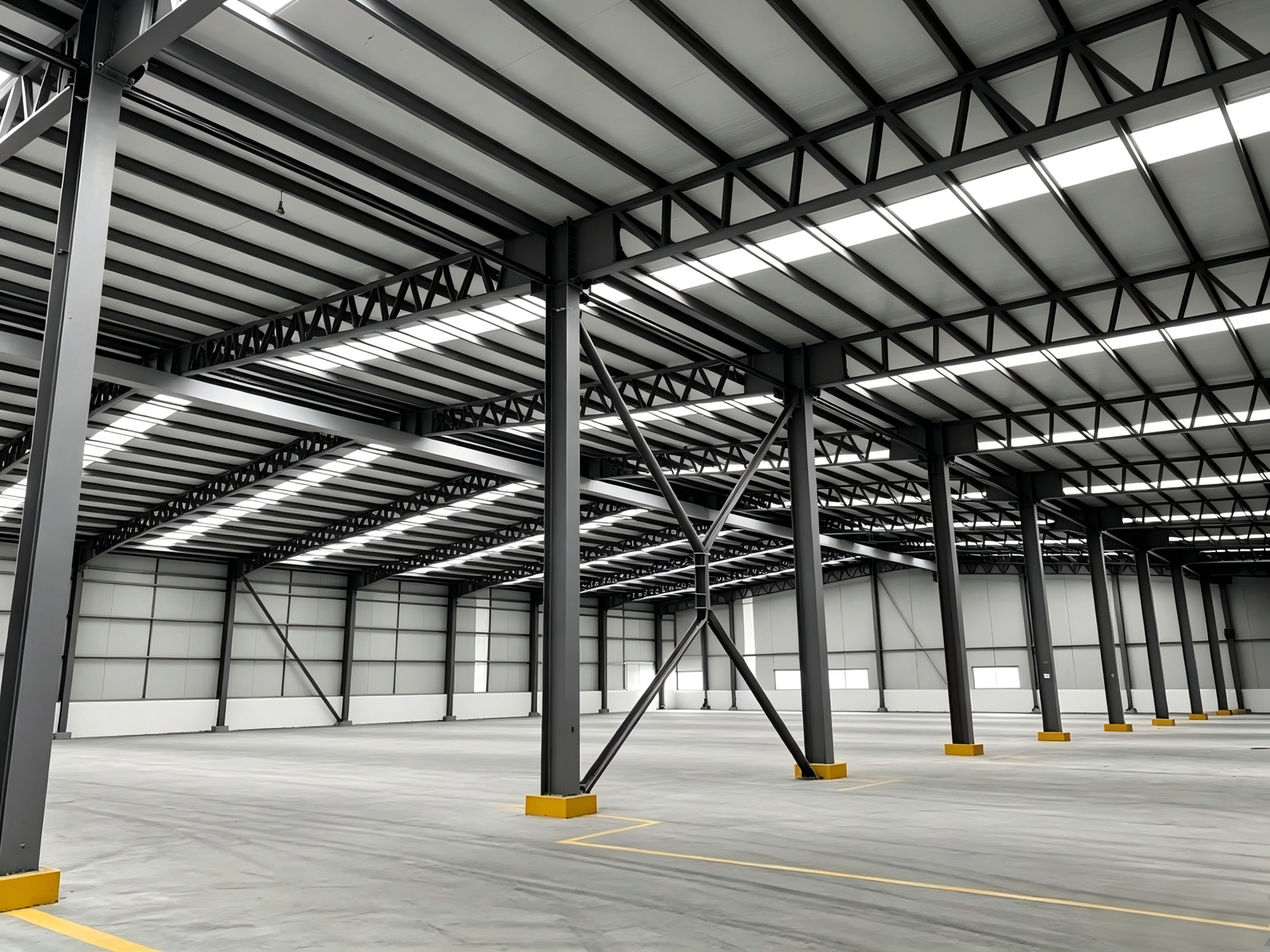
鋼製トラスは、現代の建築で使用される最も重要な構造システムの 1 つです. From residential roofing and industrial workshops to railway bridges and aircraft hangars, steel trusses provide exceptional strength, 安定性, and long-span support while maintaining relatively low structural weight.

Choosing the correct steel truss type directly impacts:

Structural safety

材料費

Load-bearing capacity

Architectural flexibility

Construction efficiency

Long-term durability

In this complete guide, you will learn:

What steel trusses are

Different types of steel trusses

Their advantages and disadvantages

Typical span ranges

Real-world application areas

Key factors when selecting a steel truss design

Whether you are an engineer, contractor, architect, or OEM manufacturer, this article will help you understand which steel truss system best suits your project requirements.

コンテンツ 隠れる

What Is a Steel Truss?

鋼トラスを理解する

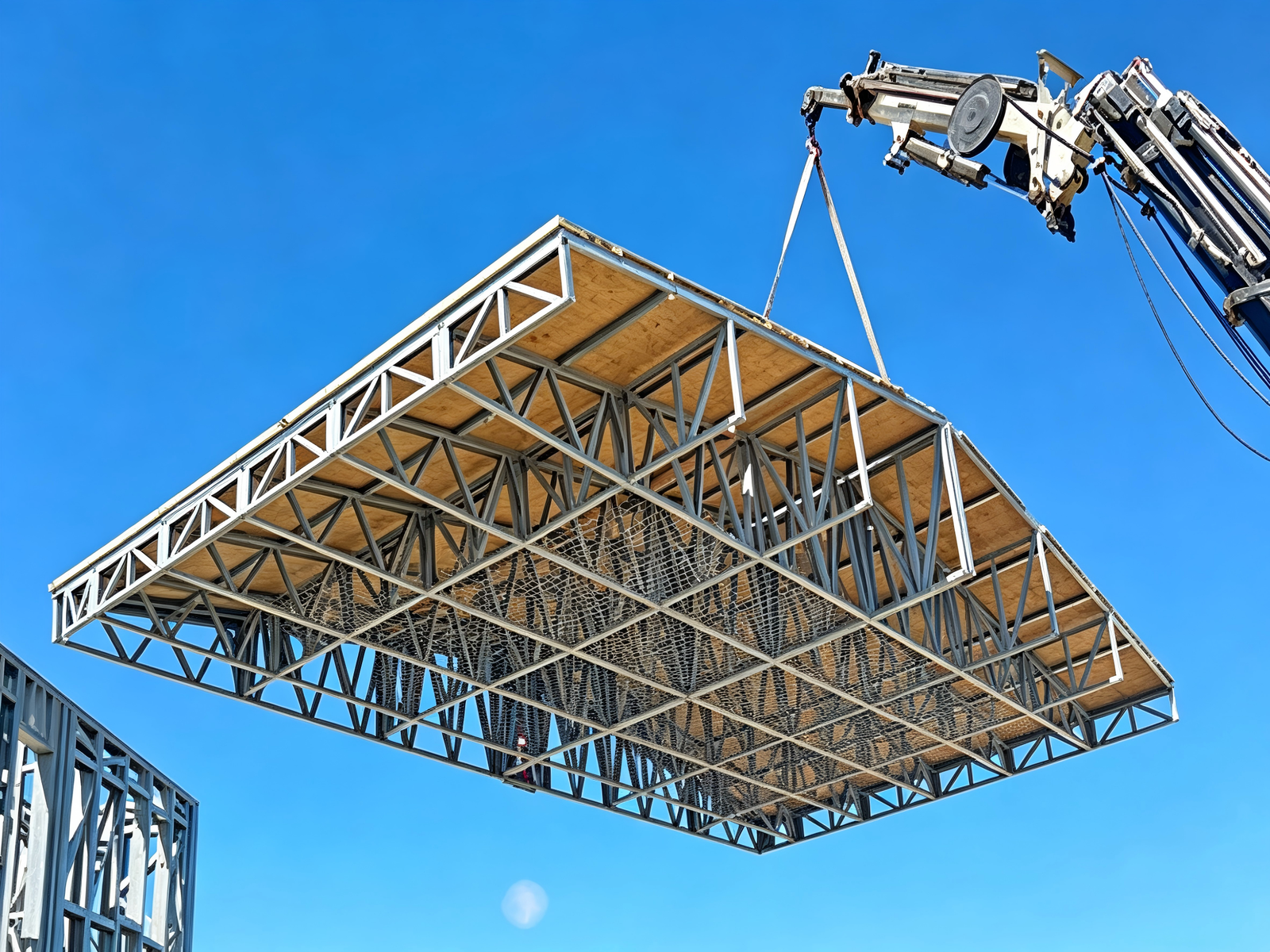
A steel truss is a structural framework made of interconnected steel members arranged in triangular configurations to efficiently distribute loads across a structure.

Steel trusses are commonly fabricated using:

Structural steel tubes

Steel angles

スチールチャンネル

Hollow sections

Welded or bolted steel components

The triangular arrangement allows the truss to transfer both compressive and tensile forces efficiently while minimizing material usage.

Because of their superior strength-to-weight ratio, steel trusses are widely used in:

Roof systems

Industrial buildings

Warehouses

Towers

Stadiums

Aircraft hangars

For custom fabricated steel structural parts and precision metal fabrication solutions, you can also explore TOPS Precision CNC Machining Services そして Sheet Metal Fabrication Services.

Main Components of a Steel Truss

Understanding the basic components of a steel truss helps explain how the structure handles loads.

Top Chord

The upper horizontal or sloped member that primarily experiences compression forces.

Bottom Chord

The lower member that usually experiences tensile forces.

Vertical Members

Vertical steel components connecting the top and bottom chords.

Diagonal Members

Inclined steel members responsible for distributing tension and compression forces.

Joints or Nodes

Connection points where members are welded or bolted together.

Advantages of Steel Trusses

Steel trusses are preferred over traditional structural systems because they offer several important advantages.

高い強度重量比

Steel provides excellent structural strength without excessive weight.

Long Span Capability

Steel trusses can span large distances without requiring intermediate supports.

Faster Construction

Prefabricated steel trusses reduce on-site labor and installation time.

設計の柔軟性

Steel trusses can accommodate different architectural styles and roof profiles.

Excellent Durability

Steel trusses resist:

Termites

Rot

Moisture damage

反り

Lower Material Waste

Modern fabrication methods improve manufacturing efficiency and reduce waste.

For precision-manufactured steel components and fabrication support, visit TOPS Precision Manufacturing.

Factors to Consider When Choosing a Steel Truss

Selecting the proper steel truss design depends on multiple engineering and architectural factors.

Span Length

Different truss designs are optimized for short, 中くらい, or long spans.

Structural Loads

Engineers must evaluate:

Dead loads

Live loads

Wind loads

Snow loads

Dynamic loads

Roof Shape

Roof geometry influences the suitable truss configuration.

Ceiling Height

Certain trusses provide vaulted or raised ceilings.

Ventilation and Natural Lighting

Industrial buildings may require specialized trusses for daylighting and airflow.

予算

Some truss designs are more material-efficient and economical.

Fabrication Complexity

Complex trusses may require advanced welding and CNC fabrication processes.

For high-precision fabricated steel parts used in structural systems, check Custom Metal Fabrication Services.

Common Types of Steel Trusses and Their Applications

鋼トラスを理解する

Fink Steel Truss

The Fink steel truss is one of the most commonly used roof trusses for residential buildings.

It features:

W-shaped web members

Sloped top chords

Excellent load distribution

Typical Span

5–9 meters

利点

軽量設計

優れた強度重量比

Cost-effective fabrication

Easy installation

アプリケーション

Residential homes

Garages

Small commercial buildings

Roof support systems

The Fink truss efficiently handles:

Roof dead loads

Snow accumulation

Wind loads

Maintenance traffic loads

Pratt Steel Truss

The Pratt truss features:

Vertical compression members

Diagonal tension members

Distinct “N” shaped web configuration

It is one of the most efficient long-span truss systems.

Typical Span

20–100 meters

利点

Reduced material consumption

Efficient under dynamic loads

Excellent structural stability

Lower fabrication weight

アプリケーション

Aircraft hangars

Large warehouses

Industrial buildings

Long-span roofing systems

Pratt trusses are especially suitable for structures exposed to uplift and wind forces.

Warren Steel Truss

The Warren truss uses a series of equilateral triangles to distribute loads evenly across the structure.

Named after engineer James Warren, this design remains highly popular in modern construction.

利点

Uniform force distribution

Lightweight structure

Simple fabrication

Economical design

アプリケーション

Railway bridges

Conveyor systems

Commercial buildings

Gantry cranes

Industrial roofing

Typical Span

20–100 meters

Because of its simplicity and efficiency, the Warren truss is widely used in modular bridge systems.

Howe Steel Truss

The Howe truss is structurally similar to the Pratt truss but with opposite force behavior.

It features:

Diagonal compression members

Vertical tension members

Typical Span

7–30 meters

利点

Excellent heavy-load support

Strong compressive resistance

Reliable structural stability

アプリケーション

Railway bridges

Industrial roof systems

Warehouse structures

Heavy-duty construction projects

The Howe truss performs exceptionally well where heavy loads are concentrated on the upper chord.

King Post Steel Truss

The King Post truss is one of the simplest truss configurations.

含まれています:

One central vertical post

Two angled top chords

Simple triangular structure

Typical Span

5–10 meters

利点

Low manufacturing cost

Simple installation

Minimal material usage

アプリケーション

Residential roofs

Small shelters

Garages

Short-span bridges

The King Post truss is highly economical for small construction projects.

Queen Post Steel Truss

The Queen Post truss expands on the King Post design by using two vertical support posts.

Typical Span

8–12 meters

利点

Longer span capability

Improved stability

Attractive appearance

Lightweight structure

アプリケーション

Residential roofing

Covered bridges

Small commercial structures

Its dual-post design reduces stress concentration at the center of the bottom chord.

North-Light Steel Truss

North-light trusses are specifically designed for industrial buildings requiring natural daylight.

They feature:

Glazed vertical surfaces

Asymmetrical roof profiles

Improved ventilation capability

Typical Span

20–30 meters

利点

Reduced lighting costs

エネルギー効率

Improved indoor working conditions

アプリケーション

Manufacturing plants

Industrial workshops

Warehouses

Production facilities

The glazed side is usually oriented northward to minimize solar heat gain.

Saw-Tooth Steel Truss

Saw-tooth trusses resemble North-light trusses but feature repeated ridge patterns.

利点

Excellent daylight distribution

Improved ventilation

Reduced solar heat buildup

アプリケーション

Multi-bay industrial buildings

工場

Manufacturing workshops

Large production halls

These trusses are commonly used where consistent natural lighting is required.

Flat Steel Truss

Flat steel trusses use parallel top and bottom chords connected by diagonal members.

利点

Simple fabrication

Economical design

Suitable for low-clearance buildings

アプリケーション

Flat roof buildings

Floor support systems

産業用プラットフォーム

Commercial structures

Flat trusses are ideal when construction height is limited.

Scissors Steel Truss

Scissors trusses use crossing bottom chords to create vaulted ceilings.

Typical Span

まで 50 メートル

利点

Increased interior ceiling height

Improved aesthetics

Better architectural flexibility

アプリケーション

Churches

Auditoriums

Residential homes

Commercial halls

Because of their complex geometry, scissors trusses are more expensive than simpler truss systems.

Fan Steel Truss

The fan truss resembles the Fink truss but includes additional web members for enhanced load distribution.

Typical Span

10–40 meters

利点

Higher load-bearing capacity

Better structural efficiency

Suitable for larger spans

アプリケーション

Commercial buildings

Industrial roofing

Large residential structures

Attic Roof Truss

Attic trusses are designed to create usable interior roof space.

利点

Integrated storage space

Additional living area

Space-efficient design

アプリケーション

Residential homes

Attic conversions

Buildings requiring storage rooms

This truss combines structural support with functional interior space.

Steel Truss Comparison Table

Truss Type Typical Span Main Advantage 一般的なアプリケーション
Fink Truss 5–9m Economical roofing Residential homes
Pratt Truss 20–100m Efficient long-span support Hangars, 橋
Warren Truss 20–100m Uniform load distribution 橋, クレーン
Howe Truss 7–30m Heavy load resistance Industrial buildings
King Post 5–10m Simple design Small roofs
Queen Post 8–12m Longer span capability Residential roofing
North-Light 20–30m Natural lighting 工場
Saw-Tooth 変数 Daylight optimization Industrial plants
Flat Truss 変数 Low height profile Flat roofs
Scissors Truss Up to 50m Vaulted ceilings Auditoriums
Fan Truss 10–40m Enhanced load capacity Commercial buildings
Attic Truss 変数 Interior space creation Residential homes

Steel Truss Fabrication and Manufacturing

Modern steel trusses require precision fabrication to ensure:

構造的完全性

寸法精度

Long-term durability

Common fabrication processes include:

CNC切断

レーザー切断

溶接

曲げ

表面仕上げ

パウダーコーティング

亜鉛メッキ

Advanced manufacturing technologies improve:

正確さ

再現性

Production speed

For custom steel fabrication projects, explore:

レーザー切断サービス

Metal Bending Services

CNC加工サービス

Steel Truss Design Considerations

Before selecting a steel truss system, engineers must evaluate several technical requirements.

Structural Loads

Calculate:

Dead loads

Live loads

Snow loads

Wind pressure

Seismic loads

材料の選択

一般的な資料には含まれます:

軟鋼

炭素鋼

Galvanized steel

ステンレス鋼

腐食保護

Protective coatings improve service life in harsh environments.

Building Codes

All truss systems must comply with local structural standards and safety regulations.

Advantages of Steel Trusses Over Wood Trusses

Higher Strength

Steel supports heavier loads and longer spans.

Better Fire Resistance

Steel does not ignite like timber.

Longer Lifespan

Steel structures resist rot and insect damage.

Lower Maintenance

Steel trusses require less long-term maintenance.

Precision Fabrication

CNC manufacturing improves dimensional consistency.

Common Industrial Applications of Steel Trusses

Steel trusses are used across multiple industries.

Residential Buildings

Roof framing systems

Warehouses

Large-span roofing systems

Manufacturing Plants

Industrial workshop structures

Aircraft Hangars

Long-span open structures

Railway Bridges

Heavy-load structural support

Stadiums

Large unsupported roof spans

Agricultural Buildings

Barns and storage facilities

結論

Steel trusses remain one of the most reliable and efficient structural systems in modern construction. From small residential roofs to massive industrial buildings and bridges, each truss type offers unique advantages depending on:

Span requirements

Structural loads

Architectural design

予算

Functional needs

Choosing the right steel truss design improves:

Structural performance

Construction efficiency

Long-term durability

Overall project cost-effectiveness

If your project requires custom precision metal fabrication, CNC加工, or structural component manufacturing, TOPS Precision Manufacturing provides professional engineering support and custom fabrication solutions for industrial and commercial applications.

FAQs

1.What is the strongest type of steel truss?

Pratt and Warren trusses are among the strongest and most efficient for long-span applications.

2.Which steel truss is best for warehouses?

Pratt, Warren, and Howe trusses are commonly used for warehouse construction because of their excellent long-span performance.

3.Are steel trusses better than wood trusses?

Steel trusses offer:

より高い強度

Better durability

Longer lifespan

Improved fire resistance

Lower maintenance

4.What is the difference between Pratt and Howe trusses?

The main difference lies in the force distribution:

Pratt truss: diagonal tension members

Howe truss: diagonal compression members

5.How long do steel trusses last?

With proper corrosion protection and maintenance, steel trusses can last several decades.

読み込み中

トップ 10 中国のCNC機械加工会社 2026: 精密部品の中国最高の CNC メーカー
前の投稿

トップ 10 中国のCNC機械加工会社 2026: 精密部品の中国最高の CNC メーカー

次の投稿

18 機械加工のメリット

返信を残す

あなたのメールアドレスが公開されることはありません. 必須フィールドは、マークされています *

Let's Start A New Project Today

今すぐお問い合わせを送信してください

    入力を開始すると、探している投稿が表示されます.