


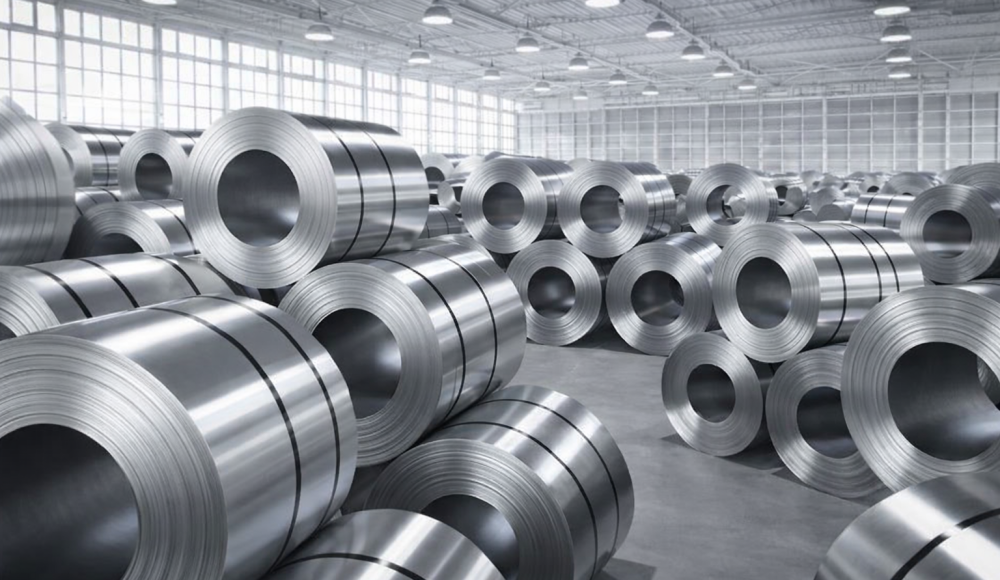
Alumínio é um dos metais mais utilizados no mundo. É leve, forte, resistente à corrosão, fácil de formar, e altamente reciclável. Estas propriedades tornam o alumínio um material essencial na construção, transporte, eletrônicos, aeroespacial, médico, e fabricação industrial.
Se você estiver adquirindo materiais, projetando produtos, ou avaliando alternativas ao aço ou cobre, Entendendo o usos do alumínio no mundo real irá ajudá-lo a tomar melhores decisões técnicas e comerciais.
Este guia explica onde o alumínio é usado, por que foi escolhido, e quais produtos de alumínio são mais comuns, com exemplos práticos de vários setores.
1. Introdução ao Alumínio
O alumínio é um metal não ferroso conhecido por sua alta relação resistência-peso, resistência natural à corrosão, e excelente condutividade térmica e elétrica. Ao contrário do aço, o alumínio não enferruja. Ao contrário do cobre, é muito mais leve e mais econômico para grandes estruturas.
Principais características do alumínio:
Leve, mas estruturalmente forte
Naturalmente resistente à corrosão (proteção da camada de óxido)
Fácil de usinar, extrudar, rolar, e elenco
Excellent heat and electrical conductivity
100% recyclable without loss of properties
These advantages explain why aluminum is used in both everyday consumer products e high-precision industrial systems.
2. Aplicações mais comuns de alumínio
You encounter aluminum daily, often without realizing it. From buildings and vehicles to electronics and packaging, aluminum supports modern infrastructure and technology.
Common application areas include:
Construção e arquitetura
Automotive and rail transportation
Aerospace and aviation
Electrical and electronics manufacturing
Household and kitchen products
Industrial machinery and safety systems
Compared to steel, aluminum reduces weight and maintenance. Compared to copper, it lowers cost while still providing reliable conductivity.
3. Aplicações Industriais do Alumínio
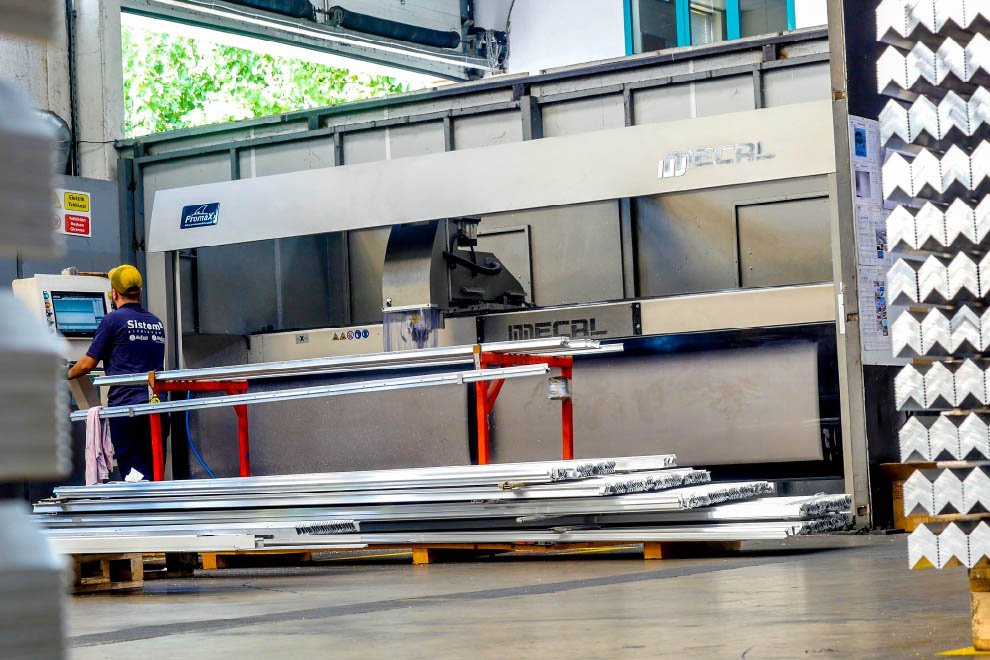
In industrial manufacturing, aluminum is valued for its process flexibility and long-term cost efficiency. It can be extruded into complex profiles, rolled into sheets and coils, or cast into precision components.
Industries rely on aluminum because:
It reduces total system weight
It lowers transportation and installation costs
It resists corrosion in harsh environments
It supports mass production and customization
It aligns with sustainability and recycling goals
Fábricas, infrastructure projects, and OEM manufacturers consistently choose aluminum for both structural and functional components.
4. Usos do alumínio na construção (Produtos de construção de alumínio)

After steel, aluminum is the second most commonly used metal in construction. Combina força, estética, and durability while reducing structural load.
4.1 Aplicações Estruturais e Arquitetônicas
Aluminum Building Studs
Aluminum studs are used as vertical framing inside walls. Eles são leves, direto, fire-resistant, e fácil de cortar. Builders prefer them for modular layouts and modern construction.
Aluminum House Framing
Aluminum framing systems create strong, corrosion-resistant structures with minimal maintenance. They are ideal for residential and commercial buildings in humid or coastal environments.
Staircases and Safety Ramps
Aluminum staircases and ramps offer high load capacity with reduced weight. They are commonly used in public buildings, fábricas, and accessibility projects.
4.2 Componentes externos de construção
Revestimento
Aluminum cladding protects buildings from weather while improving appearance. It resists UV exposure, chuva, and wind and requires minimal upkeep.
Roofing Systems
Aluminum roofs, azulejos, and shingles are durable and lightweight. They reduce structural load while providing long service life in extreme weather conditions.
Curtain Wall Systems
Aluminum curtain walls support glass façades in high-rise buildings. Eles fornecem força, flexibilidade, and weather sealing without excessive weight.
Solar Panel Frames
Aluminum frames are standard in solar panels due to corrosion resistance, baixo peso, and easy installation.
4.3 Componentes de construção interior
Window and Door Frames
Aluminum frames are strong, slim, e durável. They support large glass panels and provide long-term dimensional stability.
Aluminum Skirting
Used at the base of walls, aluminum skirting resists moisture, impacto, and warping, making it superior to wood in commercial and residential interiors.
4.4 HVAC e Sistemas Térmicos
Heating Systems and Heat Exchangers
Aluminum distributes heat evenly and efficiently. It is widely used in radiators, trocadores de calor, and thermal transfer systems.
Air Conditioning Systems
Aluminum coils, barbatanas, and frames improve cooling efficiency while reducing system weight and energy consumption.
5. Alumínio em produtos domésticos e de uso diário
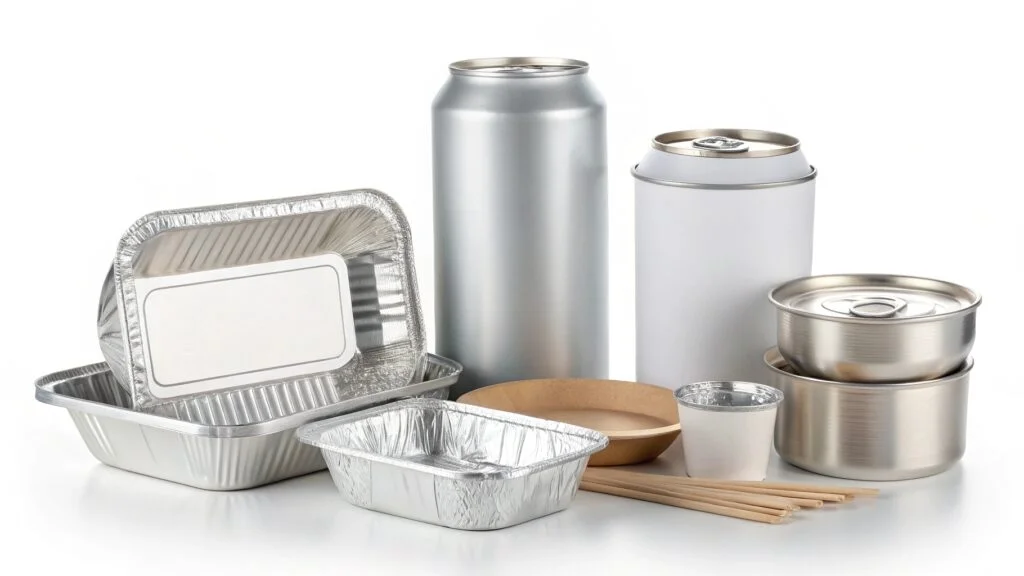
5.1 Produtos de cozinha e relacionados com alimentos
Aluminum is widely used in cookware because it heats quickly, é fácil de limpar, and is non-toxic.
Common aluminum kitchen products include:
Frying pans and pressure cookers
Kettles and baking trays
Pratos, bowls, and ladles
Cups, tumblers, and food containers
Why aluminum is used in kitchen foil
Aluminum foil blocks air, luz, e umidade. It is flexible, food-safe, and ideal for food storage and cooking.
5.2 Móveis e decoração para casa
Aluminum furniture is strong, rust-resistant, e leve. It is widely used for:
Outdoor chairs and tables
Kitchen cabinets
Decorative panels and frames
Its durability makes it ideal for long-term indoor and outdoor use.
6. Ligas de alumínio em aplicações aeroespaciais
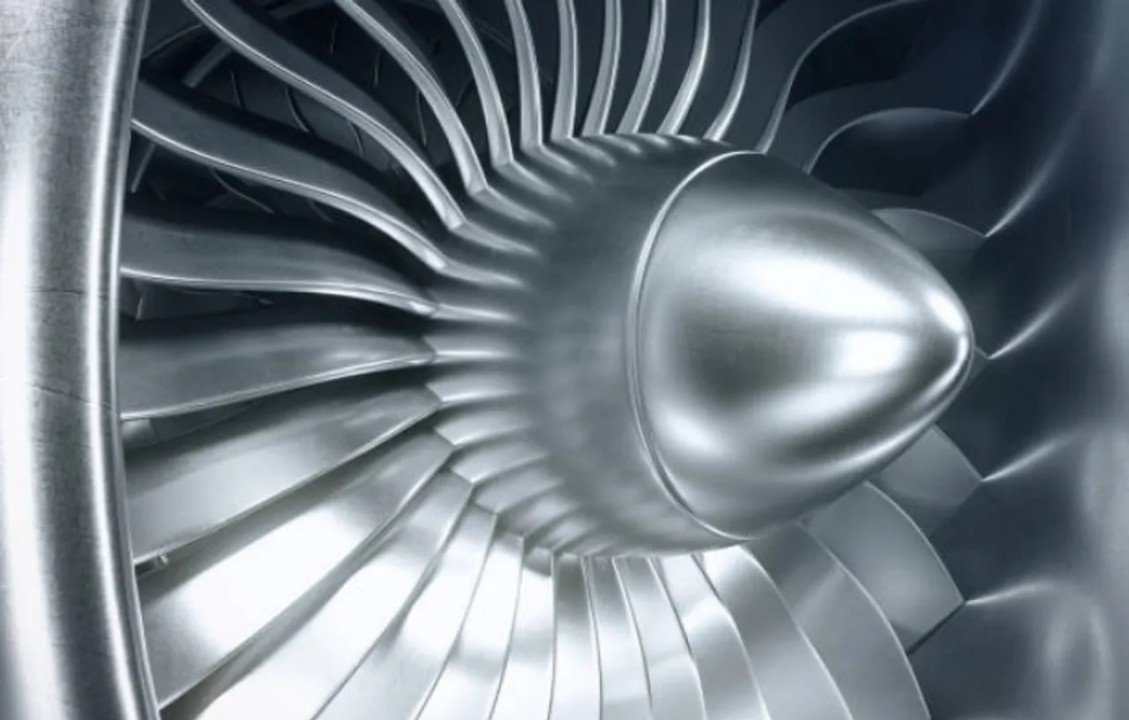
Pure aluminum is too soft for aerospace use. Em vez de, aluminum alloys are created by adding elements such as copper, magnésio, ou zinco.
These alloys provide:
High strength with low weight
Resistência à fadiga
Stability under extreme conditions
As aplicações aeroespaciais incluem:
Aircraft fuselages and wings
Componentes do trem de pouso
Carcaças de motor
Cabin and seat frames
Aluminum alloys remain critical in both aviation and space exploration.
7. Alumínio em Eletrônicos e Produtos Elétricos

Aluminum is widely used in electronics due to its thermal conductivity and lightweight structure.
Aplicações comuns incluem:
Smartphone and laptop housings
Heat sinks and cooling plates
Printed circuit boards (PCBs)
Cables, conectores, and wires
LED lights and street lighting systems
Batteries and capacitors
Aluminum helps electronic devices dissipate heat efficiently and operate reliably.
8. Alumínio em produtos de trânsito e segurança
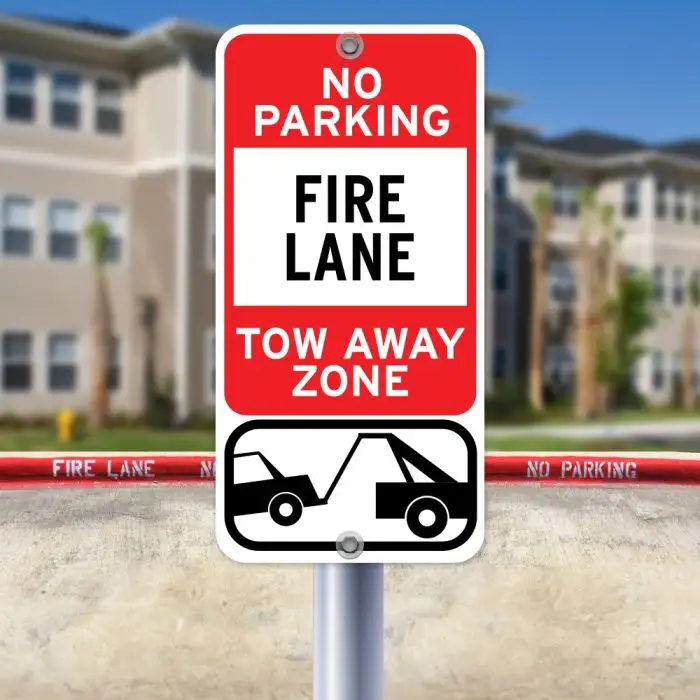
Aluminum is the preferred material for outdoor safety and traffic systems because it is rust-free and highly durable.
Typical aluminum traffic products include:
Traffic and road signs
Safety and warning signs
Aluminum road studs
LED sign frames
Control boxes and enclosures
Aviation obstruction lights
Aluminum ensures long service life in harsh outdoor environments.
9. Aplicações de alumínio em transporte
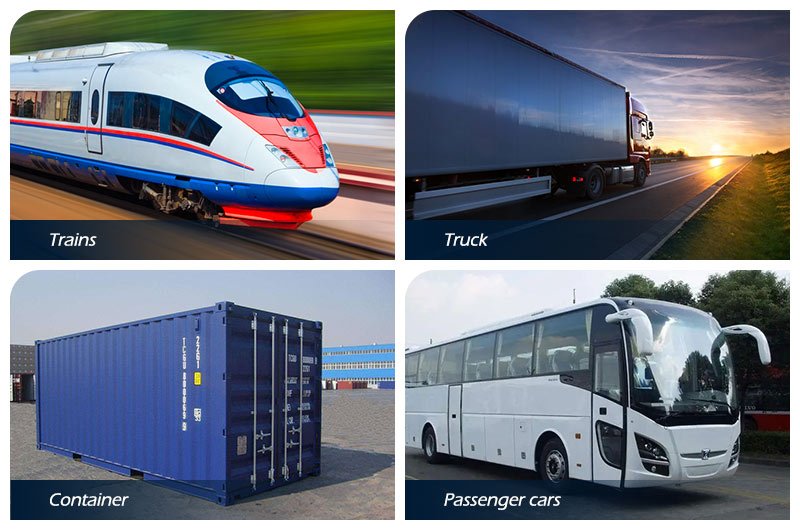
9.1 Indústria automobilística
Automotive manufacturers use aluminum to reduce vehicle weight and improve fuel efficiency.
As aplicações incluem:
Body panels and doors
Chassis and wheels
Componentes do motor
Trocadores de calor
Lighter vehicles consume less fuel and produce lower emissions.
9.2 Transporte Ferroviário
Trains use aluminum to increase speed and reduce energy consumption. Aluminum rail cars offer high load capacity with lower overall weight.
9.3 Indústria Marinha
Aluminum is widely used in boats, yachts, and ships due to its resistance to saltwater corrosion. It reduces maintenance costs and improves vessel performance.
10. Alumínio em Esportes e Recreação

Sports equipment manufacturers use aluminum for its strength and light weight.
Common products include:
Bicicletas
Baseball bats
Tennis rackets
Hockey sticks
Gym equipment
Aluminum improves performance while reducing fatigue for athletes.
11. Alumínio em equipamentos médicos e de saúde

Em assistência médica, aluminum supports hygiene, segurança, e precisão.
Medical applications include:
Hospital beds and frames
Diagnostic machines (raio X, MRI housings)
Medical device enclosures
Aluminum is easy to clean and meets strict industry standards.
12. Alumínio na Indústria de Embalagens
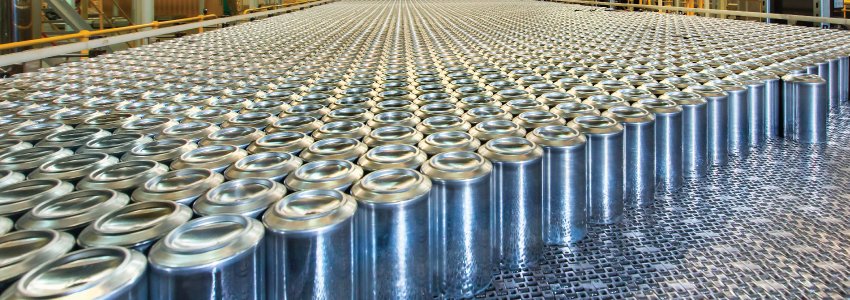
Aluminum packaging protects products from moisture, oxigênio, and light.
Os usos comuns incluem:
Latas de bebidas
Food trays
Foil wraps
Pharmaceutical packaging
Its recyclability makes aluminum packaging environmentally responsible.
13. Usos do alumínio em robótica e automação
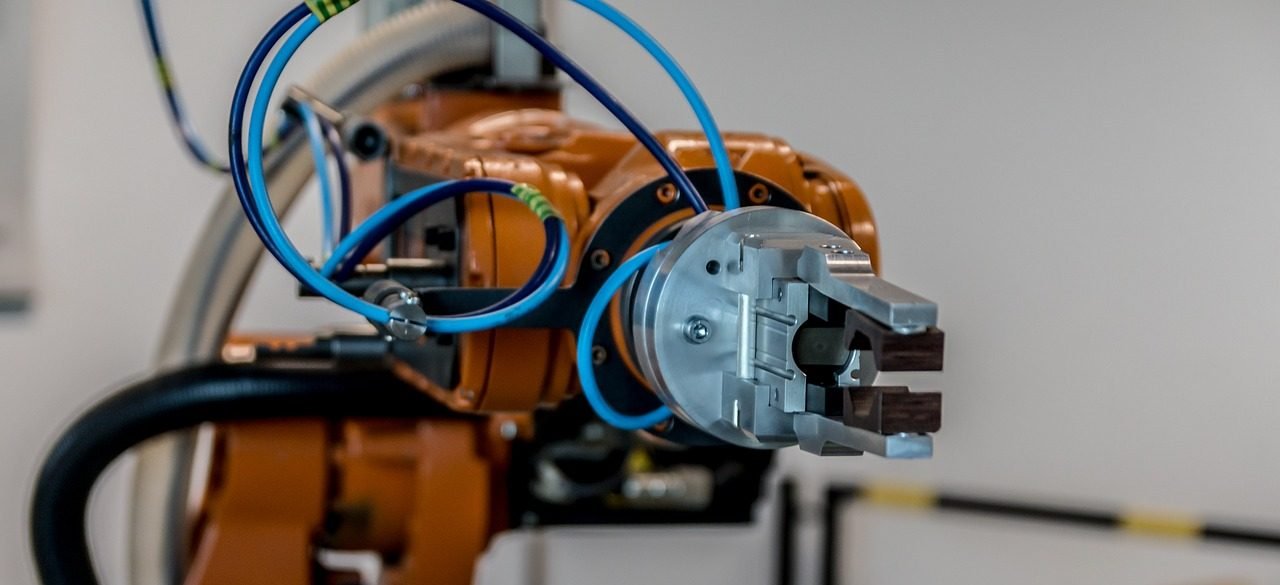
Robotics relies on aluminum for lightweight and precise structural components.
As aplicações incluem:
Braços robóticos
Frames and housings
Equipamento de automação
Aluminum enables faster movement, higher payloads, e durabilidade a longo prazo.
14. Perguntas frequentes
Why is aluminum used in cars?
To reduce weight, melhorar a eficiência do combustível, e melhorar o desempenho.
Why does aluminum not react with water?
A protective oxide layer prevents corrosion.
É à prova de ferrugem de alumínio?
Sim, não enferruja como o aço, though surface corrosion can occur in extreme conditions.
What is annealing used for in aviation?
To reduce internal stress and improve formability.
Is aluminum safe?
Sim, aluminum is non-toxic and safe for daily use.
Is aluminum stronger than steel?
Não, but it offers better strength-to-weight efficiency.
Why is aluminum used in power lines?
It is lighter and more economical than copper while maintaining good conductivity.
Is aluminum flammable?
Não, it does not burn under normal conditions.
How long does aluminum last?
30–70+ years depending on application and environment.
15. Resumo dos usos do alumínio
Aluminum is one of the most versatile engineering materials available today. From homes and vehicles to aerospace and robotics, it supports innovation while reducing weight, custo, e manutenção.
Choosing the right aluminum grade depends on your application:
Soft aluminum for household and packaging
Structural alloys for construction and transportation
High-strength alloys for aerospace and industrial systems
Para fabricantes, builders, e engenheiros, aluminum remains a future-proof material with unmatched versatility and value.


