



As treliças de aço estão entre os sistemas estruturais mais importantes utilizados na construção moderna. Desde coberturas residenciais e oficinas industriais até pontes ferroviárias e hangares de aeronaves, treliças de aço proporcionam resistência excepcional, estabilidade, e suporte de longo vão, mantendo um peso estrutural relativamente baixo.
A escolha do tipo correto de treliça de aço impacta diretamente:
Segurança estrutural
Custos de material
Capacidade de carga
Flexibilidade arquitetônica
Eficiência de construção
Durabilidade a longo prazo
Neste guia completo, você aprenderá:
O que são treliças de aço
Diferentes tipos de treliças de aço
Suas vantagens e desvantagens
Intervalos de amplitude típicos
Áreas de aplicação do mundo real
Fatores-chave ao selecionar um projeto de treliça de aço
Se você é um engenheiro, contratante, arquiteto, ou fabricante OEM, este artigo irá ajudá-lo a entender qual sistema de treliça de aço melhor atende aos requisitos do seu projeto.
O que é uma treliça de aço?
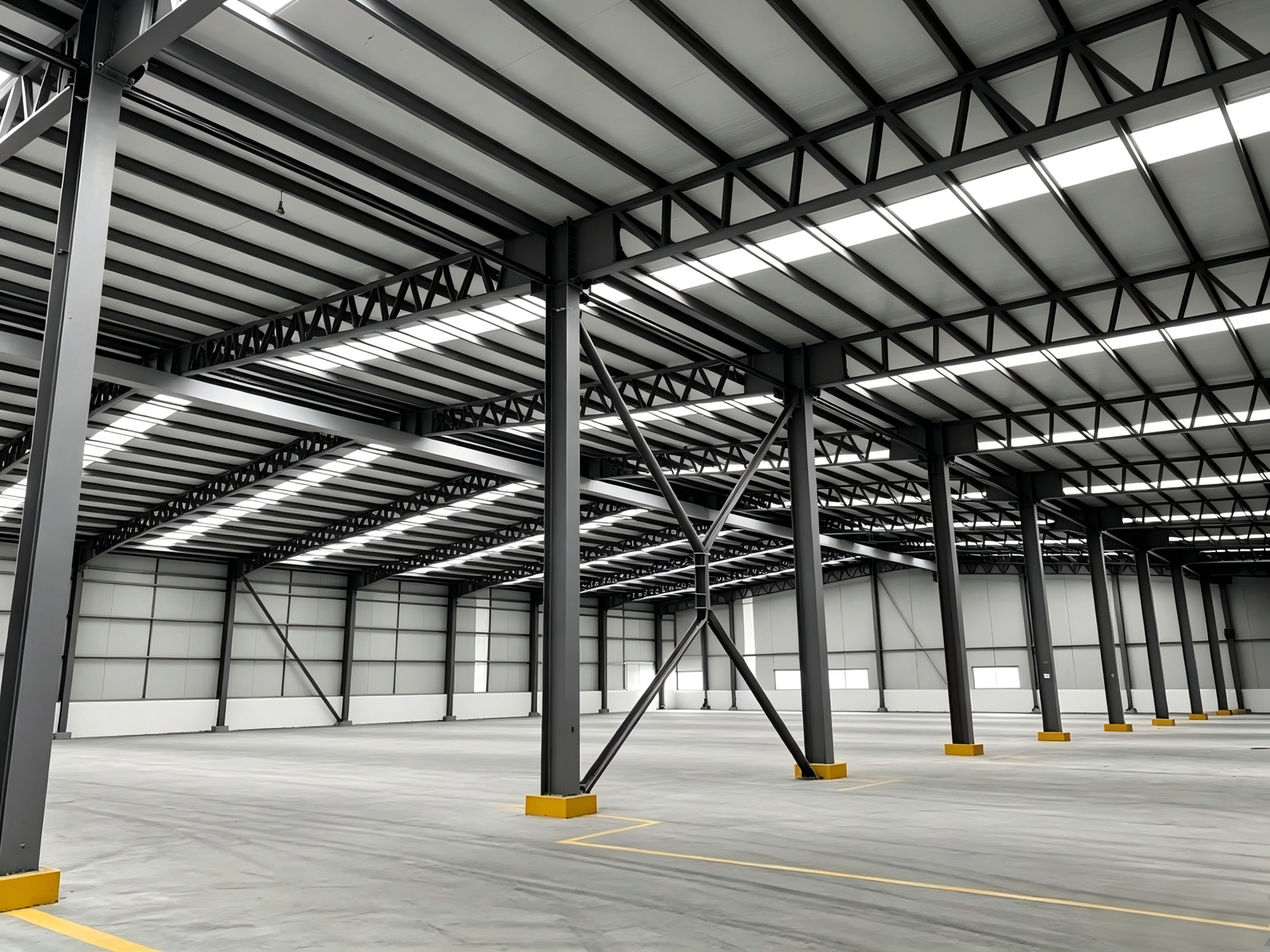
Uma treliça de aço é uma estrutura estrutural feita de membros de aço interligados dispostos em configurações triangulares para distribuir eficientemente as cargas através de uma estrutura..
Treliças de aço são comumente fabricadas usando:
Tubos de aço estrutural
Ângulos de aço
Canais de aço
Seções ocas
Componentes de aço soldados ou aparafusados
O arranjo triangular permite que a treliça transfira forças de compressão e tração de forma eficiente, minimizando o uso de material.
Devido à sua relação resistência-peso superior, treliças de aço são amplamente utilizadas em:
Sistemas de telhado
Pontes
Edifícios industriais
Armazéns
Torres
Estádios
Hangares de aeronaves
Para peças estruturais de aço fabricadas sob medida e soluções de fabricação de metal de precisão, você também pode explorar Serviços de usinagem CNC de precisão TOPS e Serviços de fabricação de chapas metálicas.
Principais componentes de uma treliça de aço
Compreender os componentes básicos de uma treliça de aço ajuda a explicar como a estrutura suporta cargas.
Acorde superior
O membro superior horizontal ou inclinado que sofre principalmente forças de compressão.
Acorde inferior
O membro inferior que geralmente sofre forças de tração.
Membros Verticais
Componentes verticais de aço conectando as cordas superior e inferior.
Membros diagonais
Barras de aço inclinadas responsáveis pela distribuição das forças de tração e compressão.
Juntas ou Nós
Pontos de conexão onde os membros são soldados ou aparafusados.
Vantagens das treliças de aço
As treliças de aço são preferidas aos sistemas estruturais tradicionais porque oferecem várias vantagens importantes.
Alta relação resistência/peso
O aço proporciona excelente resistência estrutural sem peso excessivo.
Capacidade de longo alcance
Treliças de aço podem abranger grandes distâncias sem a necessidade de suportes intermediários.
Construção mais rápida
Treliças de aço pré-fabricadas reduzem o trabalho no local e o tempo de instalação.
Flexibilidade de projeto
As treliças de aço podem acomodar diferentes estilos arquitetônicos e perfis de telhado.
Excelente durabilidade
Treliças de aço resistem:
Cupins
Podridão
Danos por umidade
Deformação
Resíduos de material mais baixo
Métodos modernos de fabricação melhoram a eficiência da fabricação e reduzem o desperdício.
Para componentes de aço fabricados com precisão e suporte à fabricação, visita Fabricação de precisão TOPS.
Fatores a serem considerados ao escolher uma treliça de aço
A seleção do projeto adequado da treliça de aço depende de vários fatores de engenharia e arquitetura.
Comprimento do vão
Diferentes designs de treliça são otimizados para curtos, médio, ou longos vãos.
Cargas Estruturais
Os engenheiros devem avaliar:
Cargas mortas
Cargas ao vivo
Cargas de vento
Cargas de neve
Cargas dinâmicas
Formato do telhado
A geometria do telhado influencia a configuração adequada da treliça.
Altura do teto
Certas treliças fornecem tetos abobadados ou elevados.
Ventilação e Iluminação Natural
Edifícios industriais podem exigir treliças especializadas para iluminação natural e fluxo de ar.
Orçamento
Alguns projetos de treliça são mais eficientes em termos de material e econômicos.
Complexidade de fabricação
Treliças complexas podem exigir processos avançados de soldagem e fabricação CNC.
Para peças de aço fabricadas de alta precisão usadas em sistemas estruturais, verificar Serviços de fabricação de metal personalizado.
Tipos comuns de treliças de aço e suas aplicações
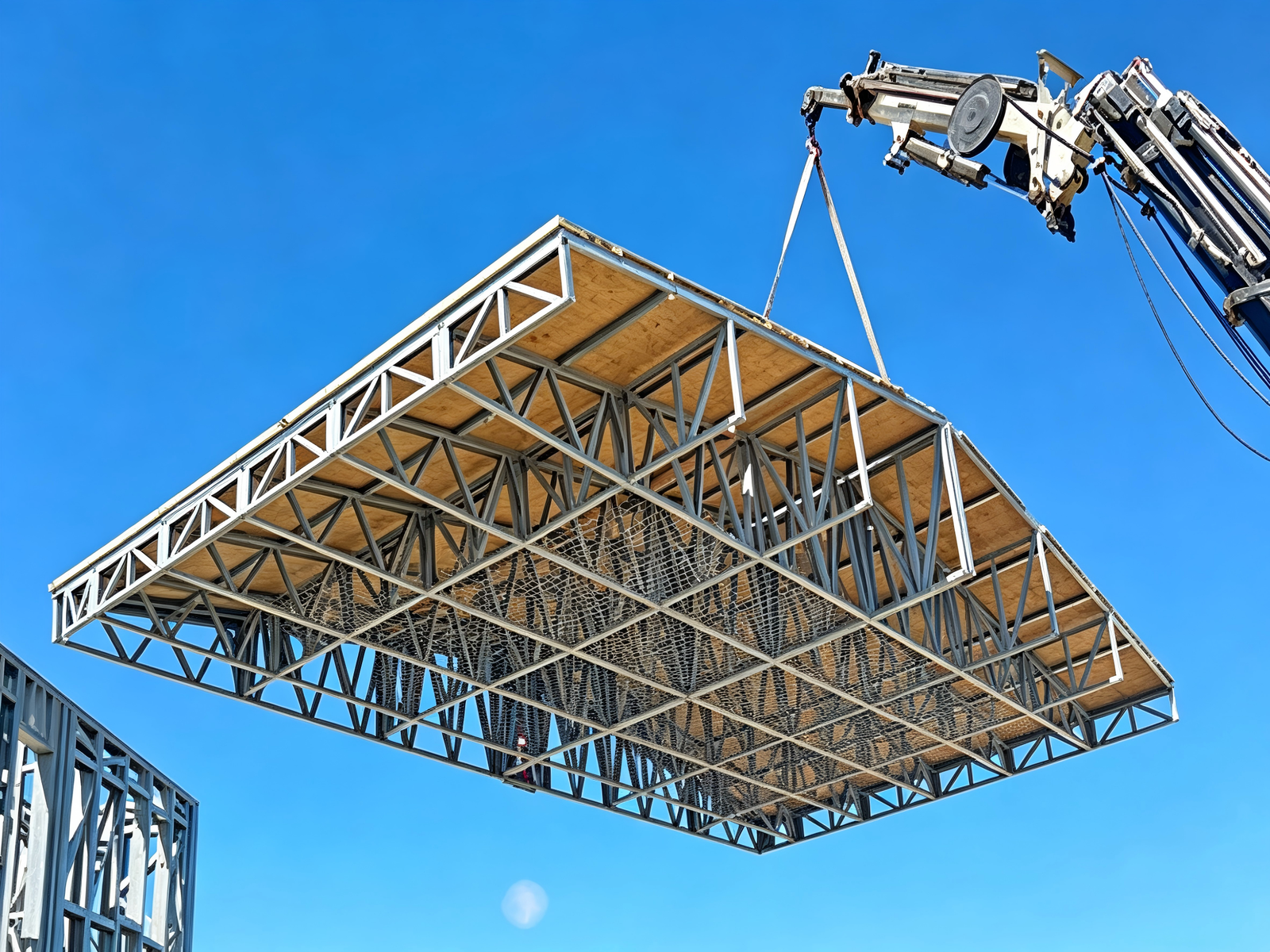
Treliça de aço Fink
A treliça de aço Fink é uma das treliças de telhado mais comumente usadas para edifícios residenciais.
Possui:
Membros da web em forma de W
Acordes superiores inclinados
Excelente distribuição de carga
Período típico
5–9 metros
Vantagens
Design leve
Excelente relação resistência-peso
Fabricação econômica
Fácil instalação
Formulários
Casas residenciais
Garagens
Pequenos edifícios comerciais
Sistemas de suporte de telhado
A treliça Fink lida com eficiência:
Cargas mortas no telhado
Acúmulo de neve
Cargas de vento
Cargas de tráfego de manutenção
Treliça de aço Pratt
As características da treliça Pratt:
Membros de compressão verticais
Membros de tensão diagonal
Configuração web distinta em forma de “N”
É um dos sistemas de treliça de longo vão mais eficientes.
Período típico
20–100 metros
Vantagens
Consumo reduzido de materiais
Eficiente sob cargas dinâmicas
Excelente estabilidade estrutural
Menor peso de fabricação
Formulários
Hangares de aeronaves
Grandes armazéns
Edifícios industriais
Pontes
Sistemas de cobertura de longo vão
As treliças Pratt são especialmente adequadas para estruturas expostas a forças de elevação e vento.
Treliça de aço Warren
A treliça Warren usa uma série de triângulos equiláteros para distribuir as cargas uniformemente pela estrutura.
Nomeado em homenagem ao engenheiro James Warren, este design continua muito popular na construção moderna.
Vantagens
Distribuição uniforme de força
Estrutura leve
Fabricação simples
Projeto econômico
Formulários
Pontes ferroviárias
Sistemas transportadores
Edifícios comerciais
Coberturas industriais
Período típico
20–100 metros
Pela sua simplicidade e eficiência, a treliça Warren é amplamente utilizada em sistemas de pontes modulares.
Treliça de aço Howe
A treliça Howe é estruturalmente semelhante à treliça Pratt, mas com comportamento de força oposto.
Possui:
Membros de compressão diagonal
Membros de tensão vertical
Período típico
7–30 metros
Vantagens
Excelente suporte para cargas pesadas
Forte resistência à compressão
Estabilidade estrutural confiável
Formulários
Pontes ferroviárias
Sistemas de telhados industriais
Estruturas de armazém
Projetos de construção pesada
A treliça Howe tem um desempenho excepcionalmente bom onde cargas pesadas estão concentradas na corda superior.
Treliça de aço King Post
A treliça King Post é uma das configurações de treliça mais simples.
Inclui:
Um poste vertical central
Dois acordes superiores angulares
Estrutura triangular simples
Período típico
5–10 metros
Vantagens
Baixo custo de fabricação
Instalação simples
Uso mínimo de material
Formulários
Telhados residenciais
Pequenos abrigos
Garagens
Pontes de vão curto
A treliça King Post é altamente econômica para pequenos projetos de construção.
Treliça de aço Queen Post
A treliça Queen Post expande o design do King Post usando dois postes de suporte verticais.
Período típico
8–12 metros
Vantagens
Capacidade de extensão mais longa
Estabilidade melhorada
Aparência atraente
Estrutura leve
Formulários
Cobertura residencial
Pontes cobertas
Pequenas estruturas comerciais
Seu design de poste duplo reduz a concentração de tensão no centro da corda inferior.
Treliça de aço North-Light
As treliças de luz norte são projetadas especificamente para edifícios industriais que requerem luz natural..
Eles apresentam:
Superfícies verticais vitrificadas
Perfis de telhado assimétricos
Melhor capacidade de ventilação
Período típico
20–30 metros
Vantagens
Custos de iluminação reduzidos
Eficiência energética
Melhores condições de trabalho interno
Formulários
Fábricas
Oficinas industriais
Armazéns
Instalações de produção
O lado envidraçado é geralmente orientado para norte para minimizar o ganho de calor solar.
Treliça de aço com dente de serra
As treliças dente de serra se assemelham às treliças da luz norte, mas apresentam padrões de crista repetidos.
Vantagens
Excelente distribuição da luz natural
Ventilação melhorada
Redução do acúmulo de calor solar
Formulários
Edifícios industriais com vários compartimentos
Fábricas
Oficinas de fabricação
Grandes salas de produção
Essas treliças são comumente usadas onde é necessária iluminação natural consistente.
Treliça de aço plano
Treliças planas de aço usam cordas superiores e inferiores paralelas conectadas por membros diagonais.
Vantagens
Fabricação simples
Projeto econômico
Adequado para edifícios com pouco espaço livre
Formulários
Edifícios com telhado plano
Sistemas de suporte de piso
Plataformas industriais
Estruturas comerciais
As treliças planas são ideais quando a altura da construção é limitada.
Treliça de aço tesoura
Treliças de tesoura usam cordas inferiores cruzadas para criar tetos abobadados.
Período típico
Até 50 metros
Vantagens
Aumento da altura do teto interno
Estética melhorada
Melhor flexibilidade arquitetônica
Formulários
Igrejas
Auditórios
Casas residenciais
Salões comerciais
Devido à sua geometria complexa, treliças de tesoura são mais caras do que sistemas de treliça mais simples.
Treliça de aço do ventilador
A treliça em leque se assemelha à treliça Fink, mas inclui membros adicionais para melhor distribuição de carga.
Período típico
10–40 metros
Vantagens
Maior capacidade de carga
Melhor eficiência estrutural
Adequado para vãos maiores
Formulários
Edifícios comerciais
Coberturas industriais
Grandes estruturas residenciais
Treliça de telhado de sótão
As treliças do sótão são projetadas para criar espaço útil no telhado interno.
Vantagens
Espaço de armazenamento integrado
Área de estar adicional
Design eficiente em termos de espaço
Formulários
Casas residenciais
Conversões de sótão
Edifícios que requerem depósitos
Esta treliça combina suporte estrutural com espaço interior funcional.
Tabela de comparação de treliça de aço
| Tipo de treliça | Período típico | Principal vantagem | Aplicativos comuns |
| Treliça Fink | 5–9m | Cobertura econômica | Casas residenciais |
| Pratt Truss | 20–100m | Suporte eficiente de longo alcance | Hangares, pontes |
| Warren Truss | 20–100m | Distribuição uniforme de carga | Pontes, guindastes |
| Howe Truss | 7–30m | Resistência a cargas pesadas | Edifícios industriais |
| Posto Rei | 5–10m | Design simples | Telhados pequenos |
| Posto Rainha | 8–12m | Capacidade de extensão mais longa | Cobertura residencial |
| Luz do Norte | 20–30m | Iluminação natural | Fábricas |
| Dente de serra | Variável | Otimização da luz do dia | Plantas industriais |
| Treliça Plana | Variável | Perfil de baixa altura | Telhados planos |
| Treliça de tesoura | Até 50m | Tetos abobadados | Auditórios |
| Treliça de ventilador | 10–40m | Capacidade de carga aprimorada | Edifícios comerciais |
| Treliça de sótão | Variável | Criação de espaço interior | Casas residenciais |
Fabricação e fabricação de treliças de aço
Treliças de aço modernas exigem fabricação de precisão para garantir:
Integridade estrutural
Precisão dimensional
Durabilidade a longo prazo
Os processos de fabricação comuns incluem:
Corte CNC
Corte a laser
Soldagem
Dobrando
Acabamento superficial
Revestimento em pó
Galvanização
Tecnologias avançadas de fabricação melhoram:
Precisão
Repetibilidade
Velocidade de produção
Para projetos personalizados de fabricação de aço, explorar:
Considerações sobre projeto de treliça de aço
Antes de selecionar um sistema de treliça de aço, engenheiros devem avaliar vários requisitos técnicos.
Cargas Estruturais
Calcular:
Cargas mortas
Cargas ao vivo
Cargas de neve
Pressão do vento
Cargas sísmicas
Seleção de Materiais
Os materiais comuns incluem:
Aço macio
Aço carbono
Aço galvanizado
Aço inoxidável
Proteção à corrosão
Revestimentos protetores melhoram a vida útil em ambientes agressivos.
Códigos de construção
Todos os sistemas de treliça devem cumprir os padrões estruturais locais e regulamentos de segurança.
Vantagens das treliças de aço sobre as treliças de madeira
Maior resistência
O aço suporta cargas mais pesadas e vãos mais longos.
Melhor resistência ao fogo
O aço não pega fogo como a madeira.
Vida útil mais longa
Estruturas de aço resistem ao apodrecimento e aos danos causados por insetos.
Menor manutenção
Treliças de aço requerem menos manutenção a longo prazo.
Fabricação de precisão
A fabricação CNC melhora a consistência dimensional.
Aplicações Industriais Comuns de Treliças de Aço
Treliças de aço são usadas em vários setores.
Edifícios Residenciais
Sistemas de estrutura de telhado
Armazéns
Sistemas de cobertura de grandes vãos
Fábricas
Estruturas de oficinas industriais
Hangares de aeronaves
Estruturas abertas de longo vão
Pontes Ferroviárias
Suporte estrutural para cargas pesadas
Estádios
Grandes vãos de telhado sem suporte
Edifícios Agrícolas
Celeiros e instalações de armazenamento
Conclusão
As treliças de aço continuam sendo um dos sistemas estruturais mais confiáveis e eficientes na construção moderna. Desde pequenos telhados residenciais até enormes edifícios industriais e pontes, cada tipo de treliça oferece vantagens exclusivas dependendo:
Requisitos de extensão
Cargas estruturais
Projeto arquitetônico
Orçamento
Necessidades funcionais
A escolha do projeto correto de treliça de aço melhora:
Desempenho estrutural
Eficiência de construção
Durabilidade a longo prazo
Custo-benefício geral do projeto
Se o seu projeto exigir fabricação de metal de precisão personalizada, Usinagem CNC, ou fabricação de componentes estruturais, Fabricação de precisão TOPS fornece suporte profissional de engenharia e soluções de fabricação personalizadas para aplicações industriais e comerciais.
FPerguntas frequentes
1.Qual é o tipo mais resistente de treliça de aço?
As treliças Pratt e Warren estão entre as mais fortes e eficientes para aplicações de longo vão.
2.Qual treliça de aço é melhor para armazéns?
Pratt, Warren, e treliças Howe são comumente usadas para construção de armazéns devido ao seu excelente desempenho em longos vãos.
3.As treliças de aço são melhores do que as de madeira??
Oferta de treliças de aço:
Maior resistência
Melhor durabilidade
Vida útil mais longa
Melhor resistência ao fogo
Menor manutenção
4.Qual é a diferença entre treliças Pratt e Howe?
A principal diferença está na distribuição da força:
Calcinha Pratt: membros de tensão diagonal
Treliça Howe: membros de compressão diagonal
5.Quanto tempo duram as treliças de aço?
Com proteção e manutenção adequadas contra corrosão, treliças de aço podem durar várias décadas.


