

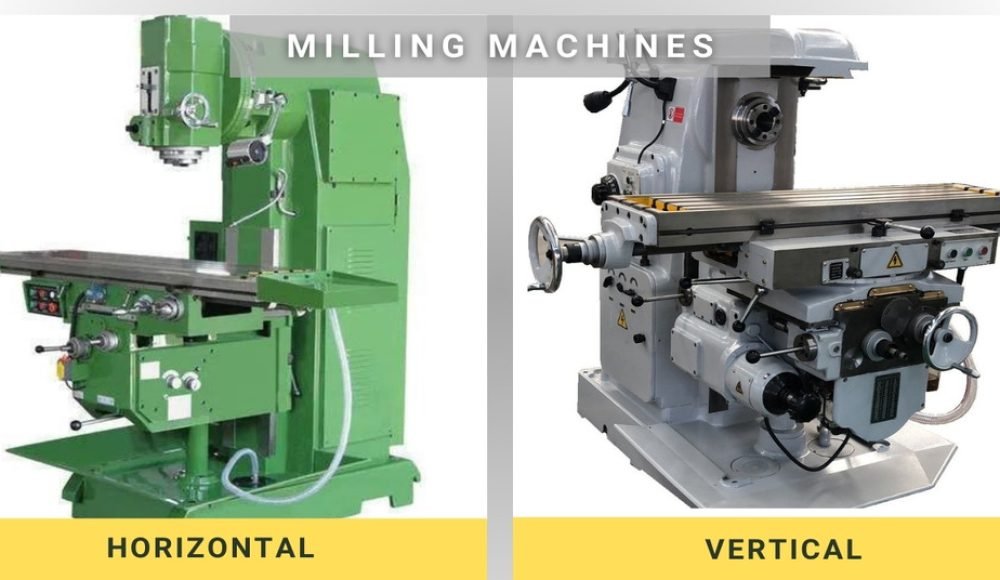
A distinção mais importante em fresadoras se resume ao orientação do fuso—a parte que segura e gira a ferramenta de corte. Com base neste fator, As máquinas são geralmente classificadas em fresadoras verticais e fresadoras horizontais. Cada um tem pontos fortes e fracos únicos, tornando-os mais adequados para diferentes aplicações.
Para pequenas oficinas e prototipagem, máquinas verticais são a escolha comum devido à sua acessibilidade e simplicidade. Por outro lado, operações de fabricação em grande escala geralmente favorecem máquinas horizontais devido à sua maior produtividade e capacidade de lidar com máquinas mais pesadas., cortes mais complexos.
Este artigo analisa detalhadamente os dois tipos de máquinas, explica brevemente como eles funcionam, e depois se aprofunda em seus principais diferenças. Até o final, você terá uma imagem clara de qual configuração pode ser adequada para suas necessidades de usinagem.
Uma rápida olhada nas fresadoras verticais
Princípio de funcionamento
Uma fresadora vertical é projetada de modo que o fuso que segura a ferramenta de corte seja orientado verticalmente, perpendicular à peça de trabalho. Esta configuração permite que a ferramenta de corte se mova para baixo no material. A própria peça permanece estacionária, firmemente preso à mesa da máquina, enquanto a ferramenta de corte esculpe gradualmente o material.
Moinhos verticais são favorecidos para trabalho de precisão. O fuso vertical permite melhor visibilidade da área de corte, o que significa que os operadores podem monitorar diretamente o processo e fazer ajustes rápidos. Isso torna as máquinas verticais extremamente populares em salas de ferramentas, oficinas de prototipagem, e fabricação em pequena escala.
Outra vantagem é a sua versatilidade para operações em nível de superfície como ranhura, perfuração, enfrentando, e contorno. No entanto, quando se trata de cortes profundos ou trabalho com peças muito grandes, fresadoras verticais começam a mostrar suas limitações.
Tipos comuns (liberar & Fresagem de cama)
As fresadoras verticais normalmente vêm em dois designs principais: moinhos de torre e moinhos de cama.
Fresadoras de torre:
Os moinhos de torre são compactos e projetados para peças menores. O fuso permanece fixo no lugar, mas a cabeça da torre pode girar e a mesa pode se mover em várias direções (Eixos X e Y). Este design torna as fresadoras de torre excelentes para trabalhos leves e peças que necessitam de detalhes finos. Pense neles como “burros de carga” para precisão, usinagem de baixo volume.
Fresadoras de cama:
Os moinhos de base são maiores e mais robustos. Neste projeto, o fuso pode se mover verticalmente, enquanto a mesa se move horizontalmente ao longo da cama. Esta configuração fornece mais rigidez e suporte para peças mais pesadas. As fresadoras de base são mais comuns em oficinas mecânicas tradicionais porque conseguem um equilíbrio entre a precisão e a capacidade de lidar com componentes de tamanho médio.
Resumindo, moinhos verticais são mais simples, mais fácil de aprender, e menos caro. Eles são um ponto de entrada natural para muitos maquinistas e continuam amplamente utilizados em indústrias para usinagem de pequena escala ou de precisão..
Uma rápida olhada nas fresadoras horizontais
Princípio de funcionamento
As fresadoras horizontais operam com o mesmo princípio fundamental das máquinas verticais: uma ferramenta de corte rotativa remove material de uma peça fixa. No entanto, a principal distinção é a orientação horizontal do fuso. Essa mudança altera drasticamente o desempenho da máquina.
Em vez de cortar para baixo, a ferramenta montada horizontalmente corta o material. Este design torna as máquinas horizontais particularmente eficazes para cortes mais pesados e profundos, já que a ferramenta é mais curta e mais espessa que sua contraparte vertical. A geometria mais forte da ferramenta reduz a vibração, permitindo que a máquina lide com operações mais exigentes com facilidade.
Fresadoras horizontais são comumente usadas para produção em larga escala, usinagem de peças superdimensionadas, e trabalhos que exigem taxas agressivas de remoção de material. Indústrias como aeroespacial, energia, e a fabricação de equipamentos pesados dependem fortemente de configurações horizontais para sua capacidade de fornecer alta produtividade e desempenho robusto.
Capacidades Especiais (Evacuação de chips & Tratamento de ângulo)
Duas das maiores vantagens das fresadoras horizontais são evacuação de cavacos e manipulação de ângulo.
Evacuação de chips:
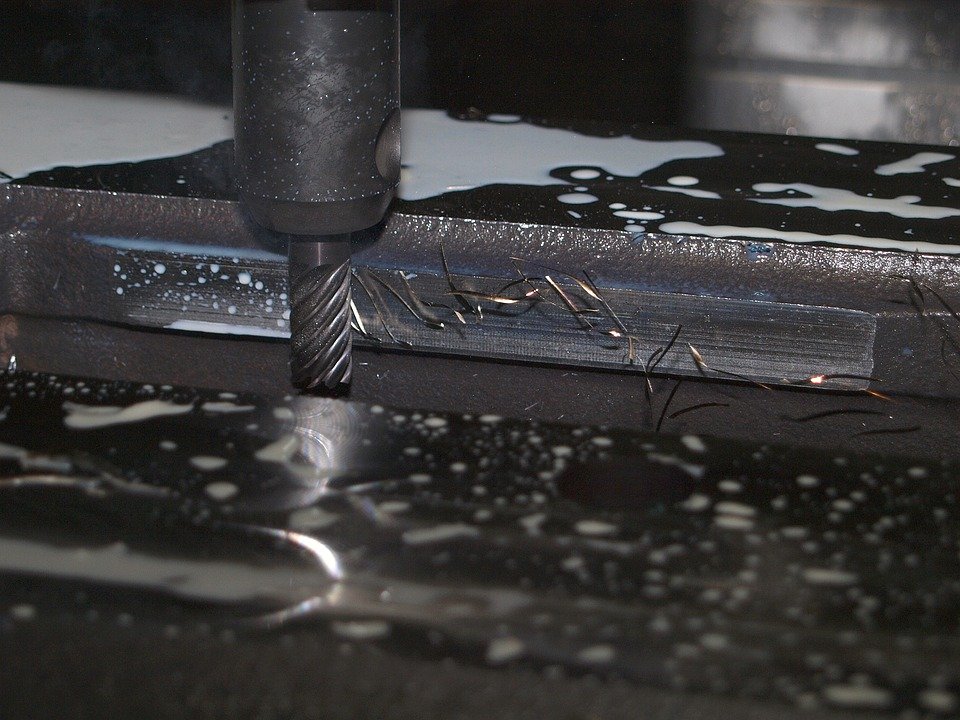
Durante a fresagem, fichas (pequenos pedaços de material removido) acumular-se ao redor da área de corte. Em máquinas verticais, a gravidade muitas vezes faz com que os cavacos se acumulem na peça de trabalho, levando a falhas superficiais, superaquecimento, ou a necessidade de limpeza extra. Máquinas horizontais, por outro lado, ejeta naturalmente os cavacos para longe da área de corte graças à orientação do fuso. Isto não só melhora o acabamento superficial, mas também reduz o tempo de inatividade para limpeza.
Tratamento de ângulo:
As máquinas horizontais são frequentemente equipadas com uma mesa universal, que permite que a peça de trabalho seja girada e inclinada. Esta capacidade significa que a fresa pode aproximar-se da peça de trabalho a partir de múltiplas direções, facilitando a usinagem de geometrias e recursos complexos. Máquinas verticais, por contraste, estão restritos a trabalhar em um único plano.
Em essência, enquanto as usinas horizontais exigem um investimento inicial maior, eles trazem vantagens únicas que os tornam indispensáveis em grandes volumes, ambientes de usinagem complexos.
Vantagens e desvantagens em resumo
Fresadoras verticais – Prós & Contras
Prós: Acessível, amplamente disponível, mais fácil de operar, ótimo para trabalhos de precisão, baixa manutenção.
Contras: Profundidade de corte limitada, taxa de remoção de material mais lenta, menos eficaz para peças grandes.
Fresadoras horizontais – Prós & Contras
Prós: Maior produtividade, melhor evacuação de cavacos, capacidade de cortar em ângulos, excelente para cortes profundos e peças grandes.
Contras: Caro para comprar e manter, mais difícil encontrar operadores qualificados, menos adequado para pequenas oficinas.
Principais diferenças entre máquinas de moagem vertical e horizontal
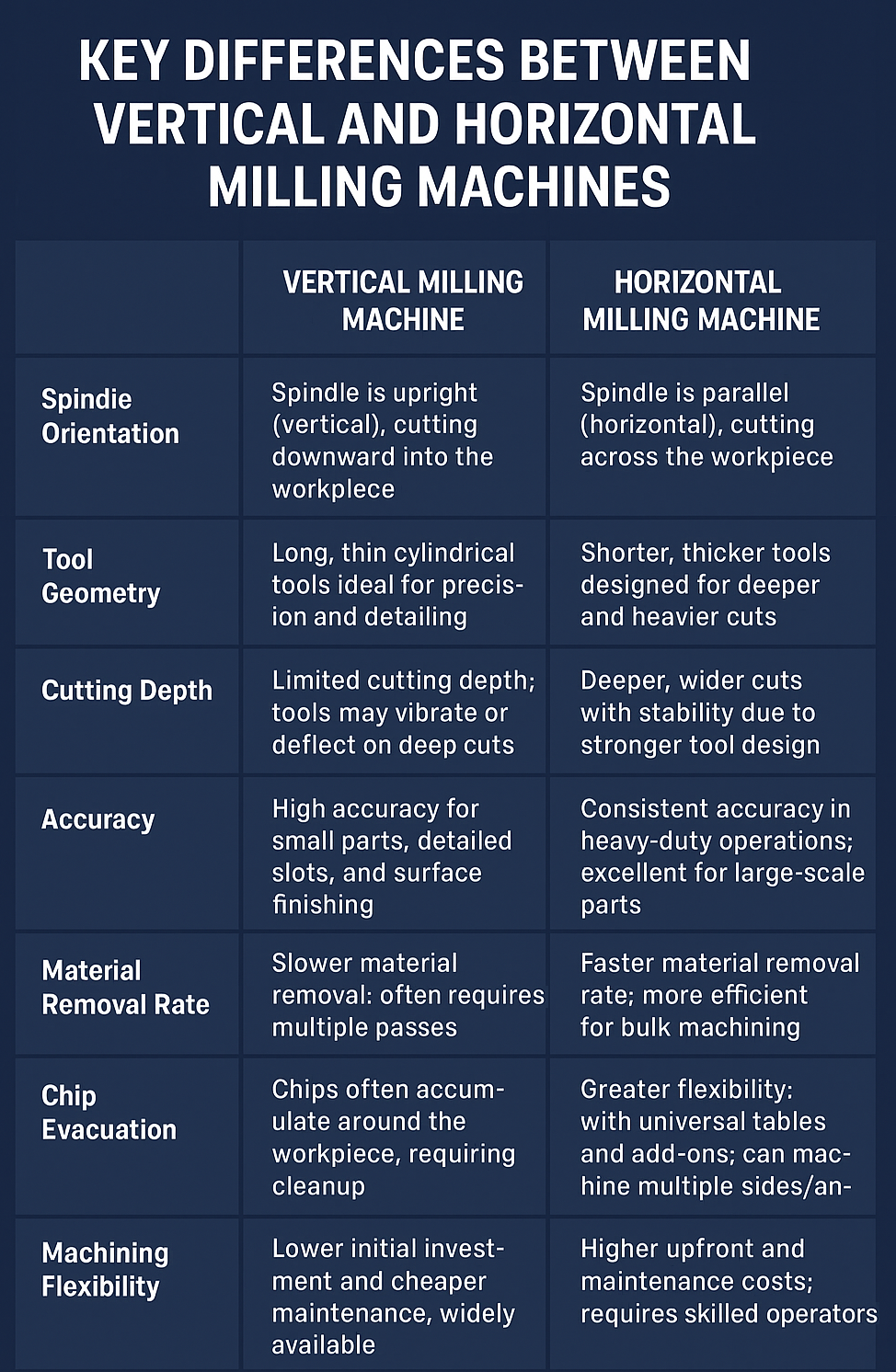
Orientação do fuso
A diferença mais óbvia entre fresadoras verticais e horizontais está na orientação do fuso. Em fresamento vertical, o fuso está posicionado na vertical, perpendicular à peça de trabalho. Isto permite que a ferramenta de corte se mova para baixo, pressionando o material. A configuração facilita aos operadores o monitoramento visual do processo e o ajuste em tempo real, o que é especialmente valioso para trabalhos de precisão, prototipagem, e projetos menores.
Em contraste, fresadoras horizontais posicionam o fuso paralelo à peça de trabalho. Esta configuração horizontal significa que a ferramenta se move através do material em vez de descer até ele. O resultado é um mais forte, processo de corte mais estável, especialmente para cortes mais profundos e peças maiores. Porque a ferramenta é mais curta e resistente, resiste a flexões ou oscilações sob cargas pesadas, algo com que as ferramentas verticais muitas vezes têm dificuldade.
A escolha entre as duas orientações afeta não apenas o desempenho, mas também os tipos de peças que você pode produzir. Fusos verticais são melhores para detalhes, usinagem em nível de superfície onde a precisão é mais importante, enquanto os fusos horizontais brilham em cenários que exigem energia, velocidade, e durabilidade. Por exemplo, fazer moldes ou ranhuras precisas é melhor feito com uma configuração vertical, enquanto o corte de uma caixa de caixa de engrenagens para serviço pesado seria mais eficiente em uma máquina horizontal.
Resumidamente, a orientação do fuso define o modo como cada tipo de máquina funciona, influenciando diretamente a estabilidade, profundidade de corte, e a complexidade das peças que você pode fabricar.
Geometria e design de ferramentas
Outra diferença importante vem das próprias ferramentas. Uso de fresadoras verticais longo, ferramentas cilíndricas delgadas, que pode alcançar espaços apertados e lidar com designs complexos. Estas ferramentas são perfeitas para operações como perfuração, ranhura, e contorno onde detalhes finos são necessários. No entanto, sua estrutura fina os torna mais propensos a vibrações e deflexões quando executados em cortes mais profundos ou remoção de material mais pesado.
Por outro lado, fresadoras horizontais contam com mais curto, ferramentas mais grossas. Esses cortadores são projetados para suportar maior resistência sem dobrar ou oscilar. A geometria os torna ideais para lidar com peças de trabalho mais volumosas e realizar cortes profundos ou largos em menos passagens. Adicionalmente, moinhos horizontais podem acomodar cortadores especializados, como cortadores laterais e frontais, moinhos de placas, e configurações de fresamento coletivo, que permitem vários cortes simultaneamente.
A geometria da ferramenta impacta diretamente a produtividade e a qualidade da peça. Por exemplo, se você estiver usinando um pequeno componente de alumínio que requer canais precisos, a ferramenta fina de uma máquina vertical é perfeita. Mas se você estiver trabalhando com aço temperado e precisar remover rapidamente uma quantidade significativa de material, a robustez das ferramentas horizontais proporcionará resultados muito melhores.
Essa diferença no design da ferramenta ressalta por que cada máquina tem seu nicho. Enquanto as usinas verticais se concentram em precisão e acessibilidade, moinhos horizontais enfatizam potência e eficiência.
Especificações e precisão de corte
Quando se trata de precisão, fresadoras verticais geralmente assumem a liderança, especialmente para multa, trabalho detalhado. A orientação vertical do fuso proporciona excelente visibilidade, permitindo que os maquinistas vejam exatamente o que a ferramenta está fazendo. Este controle prático ajuda a alcançar tolerâncias rigorosas, tornando as máquinas verticais a escolha certa para protótipos, Bolores, e peças que requerem acabamento complexo.
No entanto, precisão nem sempre é igual a eficiência. Ferramentas verticais, devido ao seu design mais longo e mais fino, tornam-se menos estáveis quando são necessários cortes mais profundos. Esta instabilidade causa vibração, conversa, ou mesmo desvios do design pretendido. Como resultado, moinhos verticais são limitados na quantidade de material que podem remover em uma única passagem.
Fresadoras horizontais, por contraste, pode não corresponder à extrema precisão das configurações verticais em trabalhos delicados, mas eles se destacam em consistência sob carga. Graças às suas ferramentas mais grossas e design rígido, eles podem lidar mais profundamente, cortes mais pesados sem sacrificar a precisão. As modernas fresadoras horizontais CNC integram até mesmo sistemas de controle avançados que lhes permitem rivalizar com máquinas verticais em precisão, ao mesmo tempo em que proporcionam produtividade incomparável.
A conclusão? Se o seu projeto envolve paredes finas, slots rasos, ou acabamento estético, um moinho vertical geralmente é superior. Mas se você precisar de furos profundos, sulcos largos, ou usinagem pesada com tolerâncias consistentes, máquinas horizontais sempre terão desempenho superior.
Custo e Manutenção
O custo costuma ser o fator decisivo para muitas oficinas ao escolher entre fresadoras verticais e horizontais. Os moinhos verticais são geralmente muito mais acessível comprar, com modelos básicos disponíveis para pequenas oficinas e centros de treinamento. Seu design é mais simples, o que significa menores requisitos de manutenção e menos avarias. Adicionalmente, porque eles são tão comuns, encontrar peças sobressalentes ou operadores qualificados raramente é um problema.
Fresadoras horizontais, no entanto, vem com um preço mais alto. Eles não são apenas mais caros para comprar antecipadamente, mas também exigem custos contínuos mais elevados de manutenção e reparação. Sua construção complexa e carga de trabalho mais pesada significam que os operadores precisam de treinamento especializado, e peças de reposição podem ser mais difíceis de encontrar. Esses fatores se combinam para tornar as usinas horizontais um investimento maior em tempo e dinheiro.
Dito isto, o custo mais alto traz benefícios proporcionais. Moinhos horizontais podem remover material mais rapidamente, lidar com trabalhos maiores, e manter a produtividade em ambientes de produção de alto volume. Para grandes empresas que produzem milhares de peças idênticas, o investimento muitas vezes se paga com a redução do tempo de usinagem e o aumento da produção.
Para pequenos workshops e startups, a acessibilidade das máquinas verticais faz delas a escolha prática. Mas para empresas estabelecidas onde o rendimento e a eficiência são essenciais, o custo mais elevado das máquinas horizontais é justificado.
Taxa de remoção de material
A taxa na qual o material pode ser removido é uma métrica de desempenho que define o fresamento, e aqui as máquinas horizontais são as vencedoras. A geometria e a orientação da ferramenta permitem mais rápido, cortes mais profundos, o que significa que mais material pode ser removido em menos tempo. Em um ambiente de produção, isso se traduz em tempos de ciclo mais curtos, maior eficiência, e a capacidade de concluir pedidos grandes rapidamente.
Fresadoras verticais, embora preciso, são mais lentos em comparação. Suas ferramentas só podem lidar com cortes menores por vez, e os operadores muitas vezes precisam fazer múltiplas passagens para atingir a profundidade desejada. Isso não apenas aumenta o tempo de usinagem, mas também reduz a produtividade geral, especialmente ao trabalhar em peças grandes ou complexas.
Outro fator é o gerenciamento de chips. As máquinas horizontais removem naturalmente os cavacos da peça de trabalho devido à gravidade e à orientação da ferramenta, evitando bloqueios e superaquecimento. Máquinas verticais, no entanto, muitas vezes lutam com o acúmulo de chips, o que pode retardar as operações e impactar negativamente o acabamento da peça.
Resumidamente, se a produtividade e a velocidade são as principais prioridades, fresamento horizontal é incomparável. Máquinas verticais, embora mais lento, fornecer melhor controle para um trabalho fino, tornando-os mais adequados para trabalhos menores ou peças personalizadas.
Número de Lados e Flexibilidade de Usinagem
A flexibilidade na usinagem muitas vezes se resume a quantos lados da peça podem ser acessados sem reaperto. As fresadoras verticais são principalmente limitadas a operar em uma único avião de cada vez. Embora os anexos possam expandir um pouco as suas capacidades, eles permanecem menos versáteis em comparação com suas contrapartes horizontais.
Fresadoras horizontais, particularmente aqueles equipados com mesas universais, oferecem uma flexibilidade muito maior. A mesa universal permite que a peça de trabalho seja girada e reposicionada, permitindo que o cortador se aproxime de vários ângulos. Este recurso torna possível usinar formas complexas, contornos, e peças multifacetadas em menos configurações.
Adicionalmente, moinhos horizontais podem ser equipados com complementos como mesas rotativas, dividindo cabeças, e vários cortadores, expandindo ainda mais sua versatilidade. Para indústrias que exigem soluções complexas, usinagem multieixos, configurações horizontais fornecem um nível de adaptabilidade que as máquinas verticais não conseguem igualar.
Para trabalhos simples, a capacidade de plano único das máquinas verticais é suficiente e econômica. Mas para peças com geometrias complexas ou múltiplas superfícies, a flexibilidade das máquinas horizontais economiza tempo e esforço significativos.
Escolhendo a máquina certa para suas necessidades
Selecionar entre uma fresadora vertical ou horizontal não é uma decisão única. A escolha certa depende muito do seu requisitos da peça, volume de produção, orçamento, e experiência disponível. Vamos analisar essas considerações:
1. Tamanho e complexidade da peça
Se seus projetos envolvem principalmente peças pequenas e médias que exigem acabamento detalhado - como slots, ranhuras, ou padrões complexos – uma fresadora vertical geralmente é a escolha mais inteligente. A geometria da ferramenta permite trabalhos delicados e a visibilidade facilita a supervisão de cortes precisos pelos maquinistas..
No entanto, se você estiver usinando peças grandes ou volumosas, como componentes do motor, quadros estruturais, ou moldes industriais, uma máquina horizontal é muito mais eficiente. Seu design robusto da ferramenta e orientação poderosa do fuso podem lidar com cargas maiores sem comprometer a estabilidade.
2. Volume de produção
Para baixo volume, personalizado, ou trabalho de protótipo, moinhos verticais costumam ser ideais. Eles são fáceis de configurar, programa, e operar, o que reduz o tempo de espera. Essa flexibilidade os torna os favoritos entre pequenas empresas e oficinas de prototipagem.
Mas se o seu objetivo é produção em alto volume, máquinas horizontais são imbatíveis. Sua taxa superior de remoção de material e capacidade de usinar vários lados em uma configuração significam que você pode produzir mais peças em menos tempo. Essa produtividade é crítica para a fabricação em grande escala.
3. Orçamento e Custos
O custo é um dos fatores mais decisivos. As fresadoras verticais são mais acessível, tanto em termos de preço de compra quanto de manutenção contínua. Mesmo pequenas oficinas podem instalar um, e os operadores estão amplamente disponíveis.
Máquinas horizontais, por outro lado, representar um investimento pesado. O custo inicial é alto, e a manutenção requer mais recursos. Operadores qualificados são mais difíceis de encontrar, o que pode aumentar as despesas trabalhistas. Dito isto, para empresas com altas demandas de produção, o custo é justificado porque a máquina se paga rapidamente através da eficiência.
4. Habilidade e disponibilidade do operador
Outro fator esquecido é o disponibilidade de maquinistas qualificados. Fresadoras verticais são mais comuns, o que significa que mais operadores são treinados para usá-los. O treinamento também é mais fácil porque o processo é mais simples.
Fresadoras horizontais requerem conhecimento especializado. Como menos oficinas os utilizam, encontrar operadores com experiência no mundo real pode ser um desafio. Para pequenas empresas, isso pode ser um obstáculo, a menos que terceirizem o trabalho para serviços de usinagem CNC.
5. Considerações sobre modelo de negócios
Para startups e pequenas oficinas de fabricação, uma máquina vertical faz sentido – é versátil, acessível, e confiável para projetos diários. Mas para empresas de manufatura estabelecidas que focam na eficiência, rendimento, e usinagem de peças complexas, uma máquina horizontal é muitas vezes o melhor investimento a longo prazo.
Conclusão
O debate entre fresadoras verticais e horizontais se resume a precisão versus produtividade. Ambas as máquinas partilham o mesmo princípio fundamental – utilizar uma ferramenta rotativa para remover material de uma peça fixa – mas as suas diferenças de design tornam-nas adequadas para tarefas muito diferentes..
Fresadoras verticais excel em trabalho de precisão, peças pequenas e médias, e projetos personalizados ou protótipos. Eles são acessíveis, fácil de manter, e ideal para empresas com menores demandas de produção.
Fresadoras horizontais são potências para operações pesadas, peças grandes, e produção em alto volume. Sua capacidade de realizar cortes profundos, lidar com vários lados, e ejetar chips com eficiência os torna inestimáveis na fabricação em larga escala, embora a um custo mais elevado.
Em última análise, a decisão depende de você necessidades específicas, metas de produção, e orçamento. Para pequenas oficinas, a fresadora vertical costuma ser o ponto de partida natural. Para operações em escala industrial, a produtividade superior da máquina horizontal justifica o investimento.
E não vamos esquecer: terceirizar para Serviços de usinagem CNC é uma alternativa prática. As empresas que não podem arcar com o investimento de capital em máquinas horizontais ainda podem acessar recursos de fresamento de alto nível por meio de prestadores de serviços profissionais.
Quer você seja proprietário de uma pequena empresa, um maquinista, ou um executivo de produção, compreender essas diferenças importantes ajuda a garantir que você escolha a ferramenta certa para o trabalho. Na usinagem, assim como na vida, escolher a ferramenta certa geralmente determina a qualidade do resultado.