



بالمقارنة مع سبائك الصب ذات الأغراض العامة مثل A380, يحتوي A413 على نسبة أعلى من السيليكون, السماح للمعادن المنصهرة بالتدفق بسهولة أكبر إلى تجاويف القالب المعقدة. وهذا يجعلها مناسبة بشكل خاص للأجزاء الدقيقة ذات الجدران الرقيقة, التفاصيل الدقيقة, ومتطلبات الأبعاد الصعبة.
سواء كنت مهندسًا يختار مادة الصب المناسبة أو مدير مشتريات يبحث عن مورد موثوق لقوالب الصب, سيساعدك فهم خصائص سبائك الألومنيوم A413 على اتخاذ قرارات تصنيع أفضل.
في هذا الدليل, ستتعلم كل ما تحتاج لمعرفته حول سبائك الألومنيوم A413, بما في ذلك تركيبته الكيميائية, الخصائص الميكانيكية, عمليات التصنيع, مزايا, القيود, التطبيقات, وكيف يمكن مقارنتها بسبائك الصب الشهيرة الأخرى.
ما هي سبائك الألومنيوم A413؟?
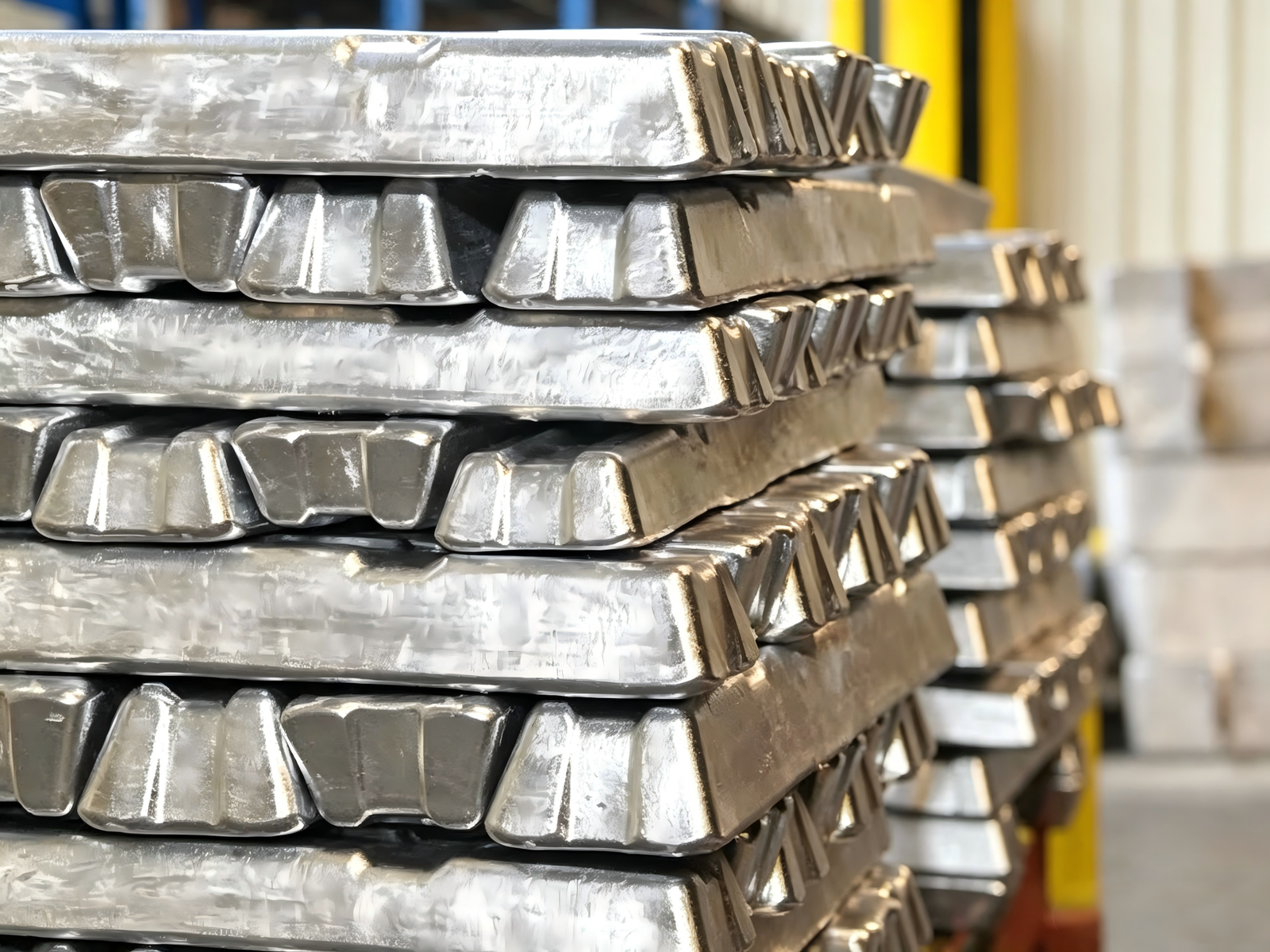
سبائك الألومنيوم A413 عبارة عن سبائك ألومنيوم عالية السيليكون تم تطويرها خصيصًا لتطبيقات صب القوالب بالضغط. إنه ينتمي إلى جمعية الألومنيوم (أأ) 4سلسلة xxx.x, حيث أن السيليكون هو العنصر الأساسي في صناعة السبائك.
تُعرف السبيكة بقدرتها الممتازة على ملء القالب, مما يجعلها مثالية لتصنيع الأشكال الهندسية المعقدة التي يصعب إنتاجها باستخدام العديد من سبائك الألومنيوم الأخرى.
على عكس سبائك الألومنيوم المطاوع المستخدمة في البثق أو التصنيع, تم تصميم A413 ليقدم أداءً جيدًا بشكل استثنائي أثناء الصب. تسمح سيولته العالية للمعادن المنصهرة بملء أقسام الجدران الرقيقة بسرعة مع تقليل عيوب الصب مثل الإغلاق البارد, يخطئ, وانكماش المسامية.
معايير ومواصفات سبائك الألومنيوم A413
اعتمادا على البلد أو الصناعة, يمكن تحديد سبائك الألومنيوم A413 وفقًا لمعايير مختلفة.
| معيار | تعيين |
| جمعية الألومنيوم (أأ) | A413.0 |
| نحن | A04130 |
| أستم | أستم B85 |
| ساي | يشار إليها عادة في المسبوكات السيارات |
| ايزو | المستخدمة في معايير صب الألومنيوم الدولية |
غالبًا ما يعتمد المصنعون مصبوبات A413 وفقًا لمواصفات العميل في صناعات مثل السيارات, إلكترونيات, الاتصالات السلكية واللاسلكية, والأتمتة الصناعية.
التركيب الكيميائي للألمنيوم A413
تنجم خصائص الصب الممتازة لـ A413 عن تركيبته الكيميائية المتوازنة بعناية.
| عنصر | المحتوى النموذجي (%) |
| السيليكون (و) | 11.0 - 13.0 |
| حديد (الحديد) | .80.80 |
| نحاس (النحاس) | .10.10 |
| المغنيسيوم (ملغ) | .10.10 |
| الزنك (الزنك) | .10.10 |
| المنغنيز (من) | .30.35 |
| النيكل (في) | .050.05 |
| القصدير (سن) | .050.05 |
| الألومنيوم (آل) | توازن |
الألومنيوم (آل)
يشكل الألومنيوم المعدن الأساسي ويوفر كثافة منخفضة, المقاومة للتآكل, وإعادة تدوير ممتازة.
السيليكون (و)
السيليكون هو العنصر الأكثر أهمية في صناعة السبائك.
وتشمل فوائده:
سيولة صب ممتازة
انخفاض الانكماش
تحسين مقاومة التآكل
استقرار أفضل للأبعاد
انخفاض الميل للتكسير الساخن
يعد محتوى السيليكون المرتفع نسبيًا هو السبب الرئيسي وراء أداء A413 بشكل جيد للغاية في عملية الصب بالقالب.
حديد (الحديد)
يمنع الحديد اللحام بين قوالب الألومنيوم المنصهرة والفولاذ, تحسين حياة الموت. الحديد الزائد, لكن, قد يقلل من الليونة.
نحاس (النحاس)
يزيد النحاس من قوته ولكنه قد يقلل قليلاً من مقاومة التآكل إذا كان موجودًا بكميات كبيرة. لذلك, A413 يحد من محتوى النحاس.
المغنيسيوم (ملغ)
تساهم الكميات الصغيرة من المغنيسيوم في القوة الميكانيكية مع الحفاظ على قابلية صب جيدة.
المنغنيز, الزنك, النيكل, والتيتانيوم
تساعد هذه العناصر على تحسين بنية الحبوب, تحسين جودة الصب, والحفاظ على استقرار السبائك أثناء الإنتاج.
الخصائص الفيزيائية للألمنيوم A413
يساعد فهم الخصائص الفيزيائية المهندسين على تحديد ما إذا كان A413 مناسبًا لبيئات تشغيل محددة.
| ملكية | القيمة النموذجية |
| كثافة | 2.66 جم/سم3 |
| نطاق الذوبان | 570-630 درجة مئوية |
| توصيل حراري | 120-150 واط/م·ك |
| التوصيل الكهربائي | تقريبًا 30% IACS |
| معامل التمدد الحراري | 21–23 ميكرومتر/م · درجة مئوية |
| حرارة محددة | 960 ي/كجم·ك |
| معامل مرن | تقريبًا 71 المعدل التراكمي |
بناء خفيف الوزن
بكثافة تقارب ثلث كثافة الفولاذ, A413 يقلل بشكل كبير من وزن المنتج دون التضحية بالسلامة الهيكلية.
وهذا يجعلها مثالية لتصميمات السيارات والفضاء خفيفة الوزن.
الموصلية الحرارية ممتازة
يعمل A413 على نقل الحرارة بكفاءة بعيدًا عن المكونات المهمة, مما يجعله اختيارًا ممتازًا لـ:
إضاءة LED
المساكن الإلكترونية
علب المحركات
إلكترونيات الطاقة
استقرار الأبعاد جيدة
يمكّن التشوه الحراري المنخفض الشركات المصنعة من إنتاج مكونات دقيقة للغاية بأقل قدر من المعالجة اللاحقة.
الخواص الميكانيكية للألمنيوم A413
تختلف الخواص الميكانيكية الفعلية حسب طريقة الصب, سمك الجدار, والمعالجة الحرارية.
تشمل القيم النموذجية:
| ملكية | القيمة النموذجية |
| قوة الشد القصوى | 220-290 ميجا باسكال |
| قوة العائد | 110-150 ميجا باسكال |
| استطالة | 2-5% |
| صلابة برينل | 75-95 حصان |
| قوة القص | تقريبًا 170 MPa |
| قوة التعب | تقريبًا 95 MPa |
هذه الخصائص تجعل A413 مناسبًا للتطبيقات الهيكلية متوسطة القوة حيث تكون دقة الأبعاد وجودة الصب أكثر أهمية من قوة الشد القصوى.
الخصائص الرئيسية لسبائك الألومنيوم A413
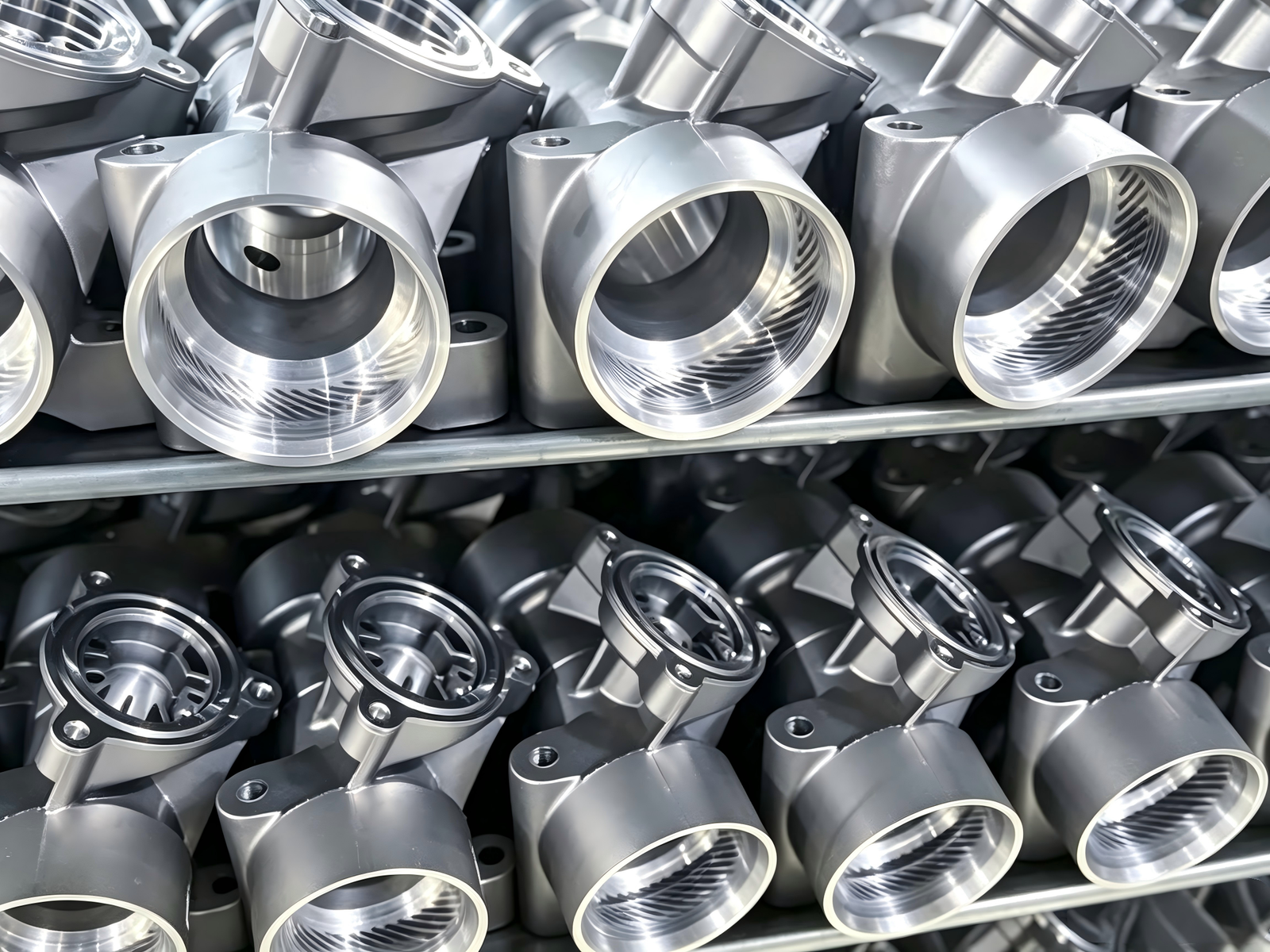
القدرة على الصب استثنائية
أحد أكبر الأسباب التي تجعل الشركات المصنعة تختار A413 هو قابليتها للصب الرائدة في الصناعة.
يتدفق Molten A413 بشكل جيد للغاية في تجاويف القالب المعقدة, السماح للمصنعين بالإنتاج:
مصبوبات الجدران الرقيقة
الممرات الداخلية المعقدة
تفاصيل السطح الدقيقة
التحمل الأبعاد الضيقة
مكونات الشكل القريب من الشبكة
كما أن قابلية الصب الممتازة تقلل من متطلبات التشغيل الآلي, خفض تكاليف الإنتاج.
ضيق الضغط المتميز
يُظهر A413 مقاومة ممتازة للتسرب, مما يجعلها مثالية للمكونات التي يجب أن تحتوي على غازات أو سوائل.
تشمل التطبيقات النموذجية للضغط المحكم:
أجسام الصمامات الهيدروليكية
مساكن المضخة
أجزاء ضاغط الهواء
مكونات التبريد
أنظمة التحكم في السوائل
قدرتها على إنتاج كثيفة, تقلل المسبوكات منخفضة المسامية من التسرب وتعزز الموثوقية على المدى الطويل.
مقاومة تآكل ممتازة
A413 يشكل بشكل طبيعي طبقة أكسيد واقية عند تعرضه للهواء, المساعدة في مقاومة التآكل في العديد من البيئات.
يؤدي أداءً جيدًا في:
معدات خارجية
الآلات الصناعية
المنتجات الاستهلاكية
تطبيقات السيارات
البيئات البحرية المعتدلة
لظروف أقسى, يمكن للمعالجات السطحية الإضافية مثل طلاء المسحوق أو تحويل الكرومات أن تزيد من تعزيز الحماية من التآكل.
الموصلية الحرارية العالية
تعد إدارة الحرارة أمرًا ضروريًا في الأنظمة الإلكترونية وأنظمة السيارات الحديثة. الموصلية الحرارية لـ A413 تجعلها مثالية:
بالوعة الحرارة LED
علب المحركات
حاويات إمدادات الطاقة
مكونات تبريد البطارية
وحدة التحكم الإلكترونية (وحدة نقدية أوروبية) المساكن
يساعد تبديد الحرارة الفعال على تحسين أداء المنتج وإطالة عمر الخدمة.
خفيف الوزن ولكنه متين
يجمع A413 بين الوزن المنخفض والقوة الميكانيكية الكافية لمجموعة واسعة من التطبيقات.
مقارنة مع مكونات الصلب, يمكن لسبائك الألومنيوم أن تقلل الوزن بنسبة تصل إلى 60-70%, المساهمة في:
تحسين كفاءة الوقود
انخفاض تكاليف النقل
تركيب أسهل
انخفاض استهلاك الطاقة
تشطيب سطحي ممتاز
بسبب قدرتها الفائقة على تعبئة القالب, تنتج A413 أسطح صب ناعمة مع تكرار التفاصيل الدقيقة.
وهذا يقلل من عمليات التشطيب الثانوية ويحسن مظهر المنتجات النهائية.
مزايا سبائك الألومنيوم A413
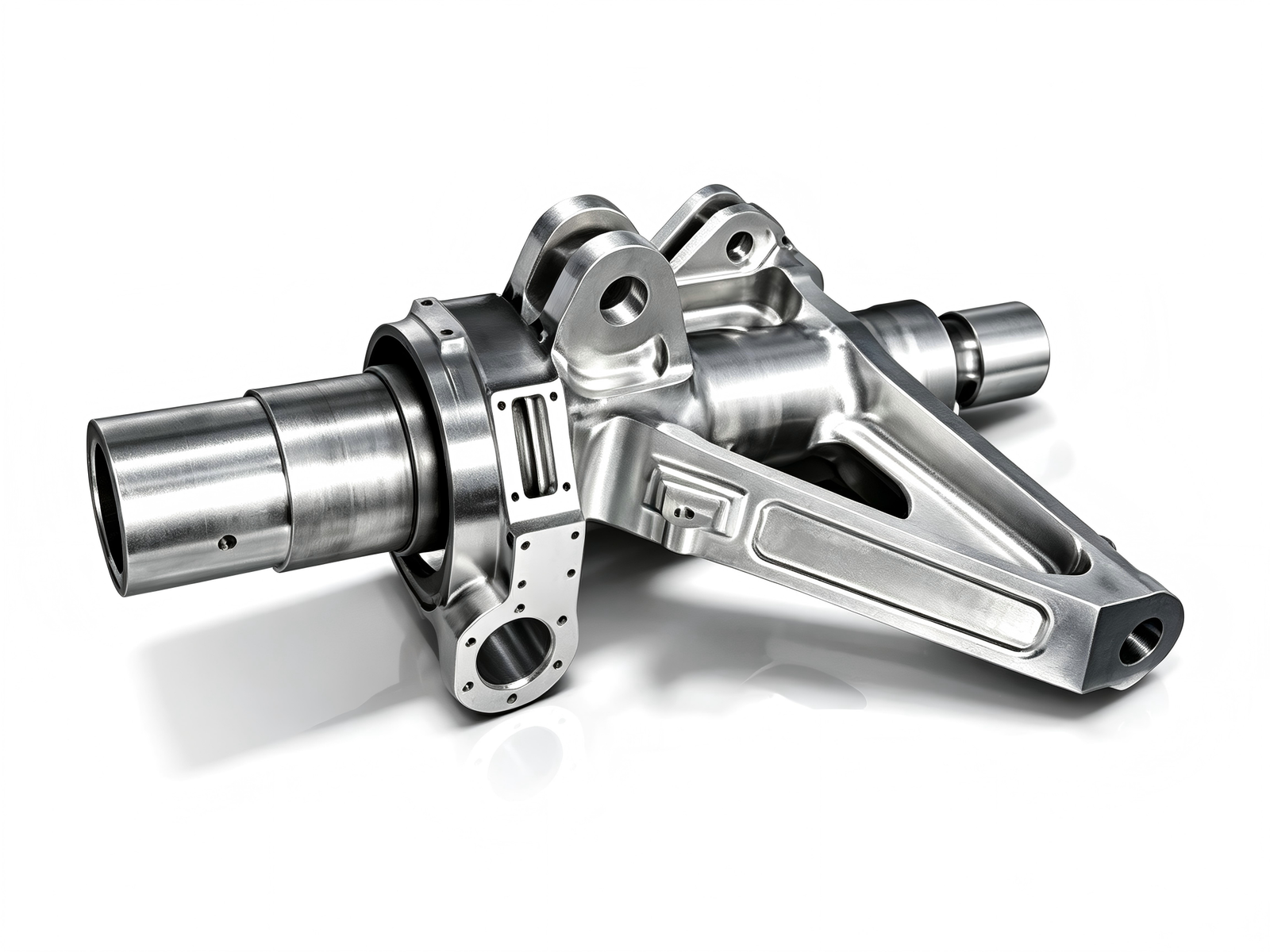
يؤثر اختيار المادة المناسبة بشكل مباشر على كفاءة التصنيع, أداء المنتج, وتكاليف الإنتاج. توفر سبائك الألومنيوم A413 العديد من المزايا التي تجعلها الخيار المفضل لمشاريع الصب بالقالب ذات الحجم الكبير.
1. متفوقة Castability
تشتهر A413 بأداء الصب المتميز.
يسمح محتواه العالي من السيليكون للألمنيوم المنصهر بالتدفق بسلاسة إلى تجاويف القالب المعقدة قبل التصلب, تمكين الشركات المصنعة لإنتاج أجزاء مع:
الجدران الرقيقة
الأضلاع العميقة
ثقوب صغيرة
القنوات الداخلية المعقدة
زوايا حادة
تفاصيل السطح الدقيقة
بالمقارنة مع العديد من سبائك الألومنيوم الأخرى, A413 يقلل بشكل كبير من احتمالية حدوث عيوب في الصب مثل:
يغلق الباردة
يخطئ
انكماش التجاويف
انحباس الهواء
العيوب السطحية
للمصنعين الذين ينتجون أجزاء مصبوبة دقيقة, وهذا يترجم إلى عوائد أعلى, خردة أقل, وخفض تكاليف الإنتاج.
2. ضيق الضغط ممتاز
تعتبر المسبوكات محكمة الضغط ضرورية للمكونات التي تحمل الهواء, زيت, ماء, أو السوائل الهيدروليكية.
بفضل سيولته الممتازة وانخفاض المسامية, يستخدم A413 على نطاق واسع في التطبيقات الحساسة للتسرب مثل:
أجسام الصمامات الهيدروليكية
مساكن المضخة
مكونات ضاغط الهواء
أغطية مضخة الزيت
ضواغط التبريد
أنظمة التحكم في السوائل
عند دمجها مع تصميم القالب المناسب وتقنية صب القالب بالفراغ, يمكن لـ A413 إنتاج مصبوبات كثيفة بشكل استثنائي مع الحد الأدنى من التسرب.
3. المقاومة المتميزة للتآكل
مثل معظم سبائك الألومنيوم, يشكل A413 بشكل طبيعي طبقة أكسيد رقيقة تحميه من التآكل الجوي.
هذا الفيلم الواقي يجعل A413 مناسبًا:
معدات خارجية
الآلات الصناعية
المعدات الزراعية
الالكترونيات الاستهلاكية
مكونات السيارات
علاجات إضافية مثل مسحوق الطلاء, أنودة (حيثما ينطبق ذلك), أو طلاء تحويل الكرومات يمكن أن يزيد من تحسين مقاومة التآكل في البيئات الصعبة.
4. خفيف الوزن دون التضحية بالأداء
أصبح تخفيض الوزن ذا أهمية متزايدة في صناعات مثل السيارات, الفضاء الجوي, والروبوتات.
يمكن أن يؤدي استبدال الفولاذ بسبائك الألومنيوم A413 إلى تقليل وزن المكونات بما يصل إلى 65%, المساهمة في:
اقتصاد أفضل في استهلاك الوقود
انخفاض انبعاثات الكربون
التعامل مع أسهل
انخفاض تكاليف الشحن
تحسين كفاءة المعدات
بالرغم من وزنه الخفيف, لا يزال A413 يوفر القوة الكافية للعديد من التطبيقات الهيكلية والميكانيكية.
5. الموصلية الحرارية ممتازة
تعد إدارة الحرارة أمرًا بالغ الأهمية في الإلكترونيات والمركبات الكهربائية اليوم.
يعمل A413 على نقل الحرارة بكفاءة بعيدًا عن المكونات الحساسة, مما يجعلها مثالية ل:
مساكن الإضاءة LED
بالوعة الحرارة
حاويات إمدادات الطاقة
علب المحركات الكهربائية
أنظمة تبريد البطارية
وحدات التحكم الإلكترونية (وحدات التحكم الإلكترونية)
تعمل الموصلية الحرارية الجيدة على تحسين موثوقية المنتج مع إطالة عمر الخدمة.
6. فعال من حيث التكلفة للإنتاج الضخم
يعد الصب بالقالب عالي الضغط أحد أكثر طرق التصنيع كفاءة لإنتاج كميات كبيرة من المكونات المتماثلة.
لأن A413 يلقي بسهولة, يستفيد منها المصنعون:
أوقات دورة قصيرة
حياة أطول للموت
تقليل الآلات
التكرار العالي
اتساق الأبعاد ممتازة
هذه المزايا تجعل A413 اقتصاديًا بشكل خاص للأجهزة المتوسطة- والإنتاج بكميات كبيرة.
حدود سبائك الألومنيوم A413
بينما يقدم A413 فوائد عديدة, إنه ليس الحل الأمثل لكل تطبيق.
إن فهم حدودها يساعد المهندسين على اختيار المادة الأكثر ملاءمة.
قوة ميكانيكية أقل من بعض سبائك الألومنيوم
على الرغم من أن A413 يوفر القوة الكافية للعديد من التطبيقات, توفر السبائك مثل A380 أو A357 بشكل عام قوة شد أعلى.
قد تتطلب التطبيقات التي تنطوي على أحمال هيكلية ثقيلة مواد أقوى.
قابلية المعالجة الحرارية المحدودة
على عكس بعض سبائك الألومنيوم المصبوبة, لا يتم اختيار A413 بشكل شائع عند الحاجة إلى معالجة حرارية واسعة النطاق لتحقيق أقصى قدر من الخواص الميكانيكية.
إذا كانت القوة العالية بعد المعالجة الحرارية ضرورية, قد تكون سبائك الصب الأخرى أكثر ملاءمة.
ليست مثالية للحام
إن محتوى السيليكون العالي الذي يمنح A413 قدرته الممتازة على الصب يجعل اللحام أكثر صعوبة.
تم تصميم معظم مكونات A413 كمسبوكات كاملة بدلاً من تجميعات ملحومة.
مقاومة التآكل المعتدلة
للتطبيقات التي تنطوي على اتصال مستمر من المعدن إلى المعدن, قد تكون هناك حاجة إلى معالجات سطحية إضافية أو إدخالات مقاومة للاهتراء.
ومن الأمثلة:
تحمل المقاعد
آليات الانزلاق
مكونات الآلة ذات الاحتكاك العالي
A413 مقابل سبائك الألومنيوم الأخرى
غالبًا ما يتم اختيار المواد من خلال مقارنة سبائك الألومنيوم المتعددة.
وفيما يلي المقارنات الأكثر شيوعا.
A413 مقابل A380 الألومنيوم
تعتبر A380 سبيكة الصب بالقالب للأغراض العامة في الصناعة, بينما A413 متخصص في المجمع, مصبوبات محكمة الضغط.
| ملكية | A413 | A380 |
| القابلية للصب | ممتاز | جيد جدًا |
| سيولة | ممتاز | جيد |
| ضيق الضغط | ممتاز | جيد |
| المقاومة للتآكل | أحسن | جيد |
| القوة الميكانيكية | معتدل | أعلى |
| توصيل حراري | أحسن | معتدل |
| صب الجدران الرقيقة | ممتاز | جيد جدًا |
| يكلف | مشابه | مشابه |
اختر A413 متى:
مقاومة التسرب أمر بالغ الأهمية.
مطلوب أجزاء رقيقة الجدار.
الموصلية الحرارية الممتازة مهمة.
يجب ملء الأشكال الهندسية المعقدة بالكامل.
اختر A380 متى:
هناك حاجة إلى قوة أعلى.
يعتبر الصب بالقالب للأغراض العامة كافياً.
يتم إنتاج المكونات الهيكلية للسيارات.
A413 مقابل أدك12
ADC12 هو المعيار الصناعي الياباني (هو) سبائك الألومنيوم يموت الصب شائعة الاستخدام في جميع أنحاء آسيا.
| ملكية | A413 | أدك12 |
| سيولة | ممتاز | جيد جدًا |
| قوة | معتدل | أعلى |
| المقاومة للتآكل | أحسن | جيد |
| ضيق الضغط | ممتاز | جيد |
| القدرة على التصنيع | جيد | ممتاز |
| تبديد الحرارة | أحسن | جيد |
يستخدم ADC12 على نطاق واسع لمكونات السيارات, بينما يُفضل A413 عندما يكون منع التسرب ونقل الحرارة من الأولويات.
A413 مقابل A360
يوفر A360 مقاومة فائقة للتآكل وليونة مقارنة بـ A413.
| ملكية | A413 | A360 |
| القابلية للصب | ممتاز | جيد |
| المقاومة للتآكل | ممتاز | متميز |
| قوة | معتدل | أعلى |
| يكلف | أدنى | أعلى |
| صب الجدران الرقيقة | ممتاز | جيد |
A413 مقابل A383
غالبًا ما يتم اختيار A383 عند الحاجة إلى قوالب صب معقدة للغاية.
مقارنة مع A383, عروض A413:
ضيق الضغط أفضل
مقاومة أفضل للتآكل
الموصلية الحرارية أفضل
يوفر A383 بشكل عام تعبئة أفضل للقوالب المعقدة للغاية ولكنه أقل مقاومة للتسرب قليلاً.
عمليات التصنيع للألمنيوم A413
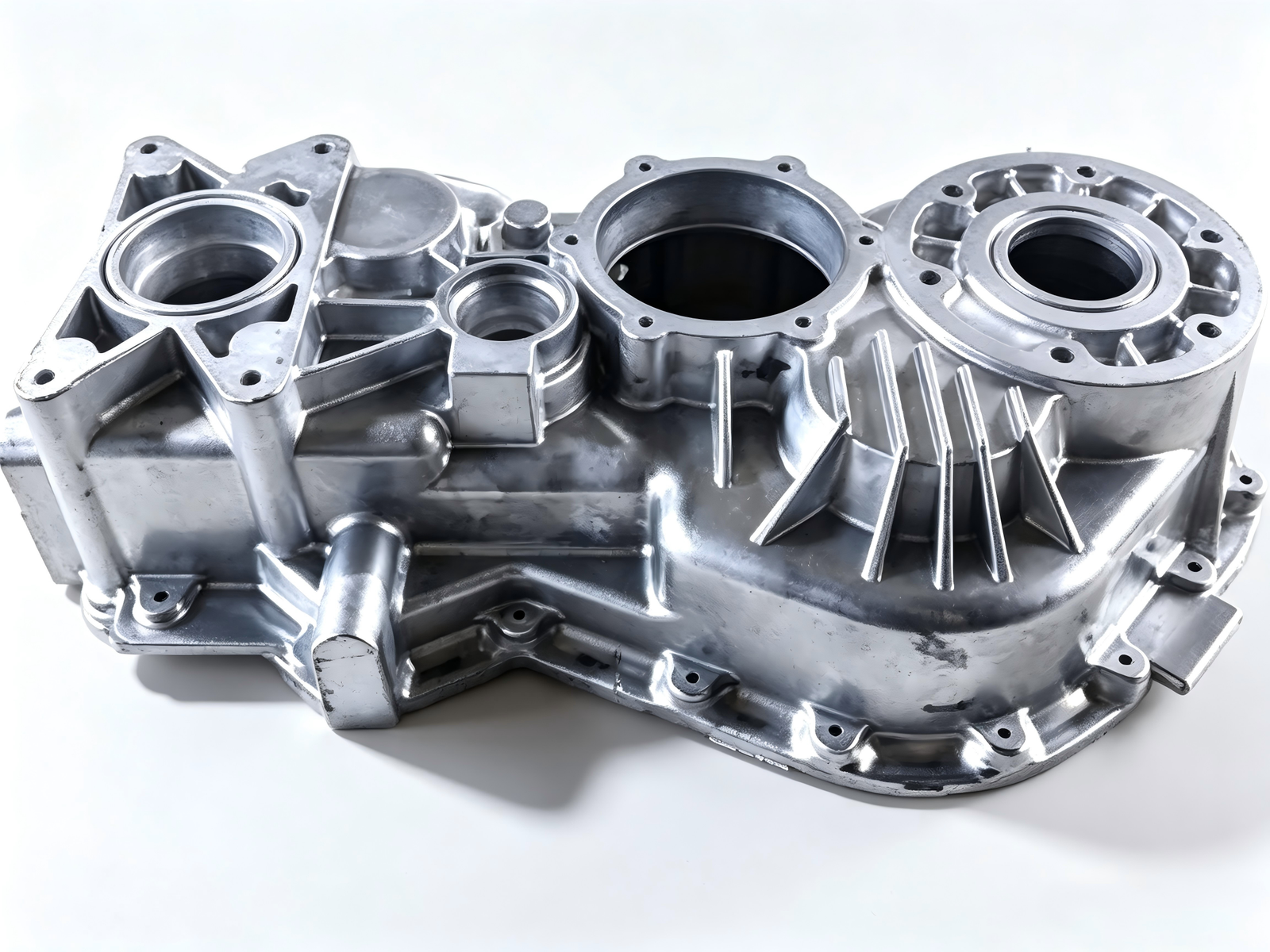
يمكن استخدام العديد من طرق الصب اعتمادًا على حجم الإنتاج ومتطلبات المكونات.
صب القالب بالضغط العالي (HPDC)
هذه هي طريقة التصنيع الأكثر شيوعًا لـ A413.
يتم حقن الألومنيوم المنصهر في قوالب الفولاذ المتصلب بسرعة وضغط عاليين.
مزايا
دقة الأبعاد ممتازة
سرعة إنتاج عالية
الانتهاء من سطح أملس
تكلفة إنتاج منخفضة للكميات الكبيرة
التكرار ممتازة
وتشمل الصناعات النموذجية:
السيارات
الالكترونيات الاستهلاكية
معدات صناعية
الأجهزة المنزلية
فراغ يموت الصب
تعمل عملية الصب بالقالب بمساعدة الفراغ على إزالة الهواء المحبوس قبل دخول الألومنيوم المنصهر إلى التجويف.
وتشمل الفوائد:
انخفاض المسامية
ضيق الضغط أفضل
خصائص ميكانيكية محسنة
الانتهاء من السطح الأفضل
يتم استخدام صب القوالب الفراغية بشكل شائع لمكونات سلامة السيارات وقطع غيار المركبات الكهربائية.
صب القالب الدائم
يعتبر صب القالب الدائم مناسبًا لأحجام الإنتاج المتوسطة.
بالمقارنة مع الصب يموت, يقدم:
انخفاض تكلفة الأدوات
خصائص ميكانيكية جيدة
مرونة أفضل
الجاذبية يموت الصب
يعتمد صب الجاذبية على الجاذبية بدلاً من ضغط الحقن.
على الرغم من أنه أبطأ من HPDC, إنه مفيد ل:
مكونات أكبر
انخفاض كميات الإنتاج
أدوات أبسط
التصنيع باستخدام الحاسب الآلي من الألومنيوم A413
على الرغم من أن الأجزاء المصبوبة غالبًا ما يتم إنتاجها بشكل قريب من الشبكة, الآلات الثانوية مطلوبة في كثير من الأحيان.
تشمل عمليات التصنيع الشائعة:
حفر
التوسيع
التنصت
طحن الموضوع
تشمل الميزات الآلية النموذجية:
فتحات دقيقة
تحمل المسام
ثقوب مترابطة
أسطح الختم
وجوه التركيب
بفضل مصفوفة الألومنيوم الناعمة نسبيًا, يوفر A413 إمكانية تصنيع جيدة مع الحفاظ على دقة الأبعاد.
أدوات القطع الموصى بها
للحصول على أفضل أداء بالقطع:
مطاحن نهاية كربيد
PCD (Polycrystalline Diamond) أدوات
إدراجات مطلية بالماس
تدريبات فولاذية عالية السرعة للعمليات الخفيفة
يساعد تطبيق سائل التبريد المناسب على تحسين تشطيب السطح وإطالة عمر الأداة.
خيارات الانتهاء من السطح
المعالجة السطحية تعزز المظهر, المقاومة للتآكل, وارتداء الأداء.
مسحوق الطلاء
يوفر:
مقاومة ممتازة للتآكل
مظهر جذاب
اختيار لون واسع
مقاومة جيدة للطقس
مثالية للمنتجات الخارجية ومكونات السيارات.
طلاء تحويل الكرومات
غالبا ما يستخدم قبل الطلاء أو مسحوق الطلاء.
وتشمل الفوائد:
تحسين الحماية من التآكل
التصاق أفضل للطلاء
الاحتفاظ بالتوصيل الكهربائي
الطلقة الناسفة
يخلق لمسة نهائية غير لامعة موحدة مع إزالة الفلاش وعيوب الصب البسيطة.
تستخدم عادة قبل الطلاء.
تفجير الخرزة
يخلق تفجير الخرز الزجاجي مظهرًا ناعمًا من الساتان دون إزالة المواد الزائدة.
شعبية ل:
الالكترونيات الاستهلاكية
المعدات الطبية
المكونات الزخرفية
تلوين
تعمل الدهانات الصناعية على تحسين المظهر الجمالي وتوفير حماية بيئية إضافية.
طلاء النيكل اللاكهربائي
للمكونات التي تتطلب:
تحسين مقاومة التآكل
حماية أفضل من التآكل
تعزيز صلابة
مظهر معدني جذاب
صقل السطح باستخدام الحاسب الآلي
قد تخضع أسطح الختم الحرجة لتصنيع دقيق بعد الصب لتحقيق متطلبات التسطيح المحكم وخشونة السطح.
اختيار النهاية الصحيحة
| صقل الأسطح | المنفعة الأساسية | التطبيقات النموذجية |
| مسحوق الطلاء | المقاومة للتآكل | السيارات, المعدات في الهواء الطلق |
| تحويل الكرومات | التصاق الطلاء | المكونات الصناعية |
| الطلقة الناسفة | تنظيف السطح | الأجزاء العامة المصبوبة |
| تفجير الخرزة | الانتهاء من الديكور | إلكترونيات, منتجات المستهلك |
| طلاء النيكل | ارتداء المقاومة | الآلات الصناعية |
| الآلات الدقيقة | التحمل الضيق | المكونات الهيدروليكية والختم |
التطبيقات الشائعة لسبائك الألومنيوم A413
بفضل قدرتها الممتازة, ضيقة الضغط, المقاومة للتآكل, والتوصيل الحراري, يتم استخدام سبائك الألومنيوم A413 على نطاق واسع في العديد من الصناعات. إنها مناسبة بشكل خاص للمتوسطة- لإنتاج كميات كبيرة من المكونات الدقيقة المصبوبة.
صناعة السيارات
يعد قطاع السيارات أحد أكبر مستخدمي سبائك الألومنيوم A413. كما تسعى شركات تصنيع السيارات أخف وزنا, أكثر كفاءة في استهلاك الوقود, والسيارات الكهربائية بشكل متزايد, تستمر مصبوبات الألومنيوم في استبدال المكونات الثقيلة من الفولاذ والحديد.
تشمل تطبيقات السيارات الشائعة:
علب النقل
مساكن مضخة الزيت
أجسام مضخات المياه
مكونات ضاغط الهواء
أغطية المحرك
يغطي التوقيت
المساكن التفاضلية
مكونات نظام الوقود
علب نظام الفرامل
مساكن محرك السيارة الكهربائية
مقاومة التسرب الممتازة لـ A413 تجعلها مناسبة بشكل خاص لمكونات معالجة السوائل التي تتطلب أداء إغلاق طويل الأمد.
المركبات الكهربائية (المركبات الكهربائية)
تتطلب السيارات الكهربائية مواد خفيفة الوزن مع تبديد ممتاز للحرارة.
يستخدم A413 بشكل متزايد ل:
لوحات تبريد البطارية
المساكن العاكس
حاويات إلكترونيات الطاقة
مكونات نظام الشحن
أغطية نهاية المحرك الكهربائي
مجمعات نظام التبريد
يساعد مزيجها من التوصيل الحراري ودقة الأبعاد على تحسين كفاءة البطارية والموثوقية الإلكترونية.
صناعة الإلكترونيات
الأجهزة الإلكترونية الحديثة تولد حرارة كبيرة. تؤثر الإدارة الحرارية الفعالة بشكل مباشر على عمر المنتج وأدائه.
وتشمل التطبيقات الإلكترونية النموذجية:
بالوعة الحرارة
العلب مصباح LED
حاويات إمدادات الطاقة
مساكن معدات الاتصالات
حاويات التحكم الصناعية
مكونات تبريد الخادم
مساكن معدات الشبكة
لأن A413 ينقل الحرارة بكفاءة مع الحفاظ على ثبات الأبعاد, ويستخدم على نطاق واسع في تطبيقات التبريد الإلكترونية.
صناعة الطيران
على الرغم من أن تطبيقات الفضاء الجوي غالبًا ما تتطلب سبائك عالية القوة, يتم اختيار A413 بشكل شائع للمكونات الهيكلية غير الحرجة حيث يكون البناء خفيف الوزن والصب الدقيق من الأولويات.
ومن الأمثلة:
مساكن المعدات
بين قوسين الاستشعار
مرفقات الصك
تصاعد بين قوسين
الأغطية الهيدروليكية
مكونات معدات المقصورة
كما تساعد مقاومتها الممتازة للتآكل على تحسين المتانة على المدى الطويل في بيئات التشغيل الصعبة.
الآلات الصناعية
يعتمد مصنعو المعدات الصناعية على A413 للمكونات التي تجمع بين الهندسة المعقدة وكفاءة الإنتاج العالية.
وتشمل التطبيقات الصناعية الشائعة:
مساكن المضخة
أجسام الصمامات
اسطوانات هوائية
مساكن الضاغط
أغطية علبة التروس
المجمعات الهيدروليكية
مكونات الأدوات الآلية
مساكن معدات الأتمتة
تتيح قابلية الصب الفائقة للسبائك للمصنعين دمج مكونات متعددة مُشكَّلة في جزء واحد مصبوب, تقليل وقت التجميع وتكاليف الإنتاج.
معدات طبية
تتطلب الأجهزة الطبية وزنًا خفيفًا, مقاومة للتآكل, ومكونات مستقرة الأبعاد.
وتشمل التطبيقات النموذجية:
مساكن معدات التصوير
مرفقات جهاز التشخيص
مكونات المضخة الطبية
إطارات الأدوات المخبرية
غالبًا ما يتم تطبيق المعالجات السطحية مثل طلاء المسحوق أو طلاء النيكل لتحسين المتانة والمظهر.
المنتجات الاستهلاكية
تتضمن العديد من المنتجات اليومية مصبوبات الألومنيوم A413 لأنها تجمع بين التشطيبات السطحية الجذابة والأداء الميكانيكي الممتاز.
ومن الأمثلة:
أدوات الطاقة
معدات الحدائق والحدائق
أجهزة المطبخ
آلات القهوة
ضواغط الهواء
تجهيزات الإضاءة الخارجية
معدات اللياقة البدنية
أجهزة التشغيل الآلي للمنزل
Fأسئلة وأجوبة
1. ما هي سبائك الألومنيوم A413 المستخدمة في المقام الأول؟?
يتم استخدام A413 بشكل أساسي لمكونات الصب ذات الضغط العالي التي تتطلب قابلية صب ممتازة, مقاومة التسرب, والتوصيل الحراري. وتشمل التطبيقات الشائعة علب السيارات, حاويات إلكترونية, مضخات, الضواغط, والآلات الصناعية.
2. هل A413 مناسب لصب القوالب بالضغط العالي?
نعم. تم تطوير A413 خصيصًا للصب بالقالب عالي الضغط وهو معروف على نطاق واسع بقدرته المتميزة على ملء القالب ودقة الأبعاد.
3. كيف يمكن مقارنة A413 مع الألومنيوم A380?
يوفر A413 سيولة أفضل, ضيقة الضغط, والتوصيل الحراري, مما يجعلها مثالية للمعقدة, مكونات حساسة للتسرب. يوفر A380 بشكل عام قوة ميكانيكية أعلى وهو خيار شائع للمسبوكات ذات الأغراض العامة.
4. هل يمكن تصنيع الألومنيوم A413 باستخدام الحاسب الآلي?
نعم. يمكن تشكيل A413 باستخدام الطحن القياسي باستخدام الحاسب الآلي, تحول, حفر, وعمليات التنصت. يتم استخدام الآلات الثانوية بشكل شائع لتحقيق أبعاد دقيقة, أسطح الختم, والميزات مترابطة.
5. مقاوم للتآكل A413?
نعم. يتمتع A413 بمقاومة طبيعية جيدة للتآكل بسبب طبقة الأكسيد الواقية. معالجات سطحية إضافية مثل طلاء المسحوق, طلاء تحويل الكرومات, أو طلاء النيكل اللاكهربائي يمكن أن يزيد من تحسين الأداء في البيئات القاسية.
6. هل يمكن أن يكون A413 بأكسيد?
لا يُنصح عمومًا باستخدام الأنودة الزخرفية التقليدية لأن المحتوى العالي من السيليكون في السبائك يمكن أن يؤدي إلى لون أغمق, الانتهاء غير المستوي. إذا كان المظهر هو المهم, طلاء مسحوق, تلوين, أو طلاءات التحويل الكيميائي غالبًا ما تكون بدائل أفضل.
7. ما هي الميزة الرئيسية لـ A413 مقارنة بسبائك الصب الأخرى?
أعظم ميزة لها هي القدرة الاستثنائية على الصب. يسمح المحتوى العالي من السيليكون للمعادن المنصهرة بملء القوالب المعقدة بأقل قدر من العيوب, مما يجعل A413 مثاليًا للجدران الرقيقة, محكم الضغط, ومكونات مفصلة للغاية.
8. هل A413 مناسب لمكونات المركبات الكهربائية?
نعم. هيكلها خفيف الوزن وموصليتها الحرارية الممتازة تجعل A413 مناسبًا تمامًا لأغطية بطاريات السيارات الكهربائية, مرفقات العاكس, مكونات المحرك, و cooling system parts.
9. ما هي التشطيبات السطحية المستخدمة بشكل شائع في مصبوبات A413?
تشمل خيارات التشطيب الشائعة:
طلاء مسحوق
تلوين
طلاء تحويل الكرومات
الخرزة الزجاجية تفجير
التفجير بالرصاص
طلاء النيكل بالكهرباء
التصنيع باستخدام الحاسب الآلي الدقيق لإغلاق الأسطح
يعتمد التشطيب المناسب على المتطلبات الوظيفية والجمالية للمكون.
10. كيف يمكنني تحسين جودة الأجزاء المصبوبة A413?
تعتمد مصبوبات A413 عالية الجودة على عدة عوامل:
تصميم الجزء الأمثل
تصميم القالب المناسب والتهوية
معلمات الصب التي تسيطر عليها
مادة سبائك عالية الجودة
صب الفراغ (عندما يكون ذلك مناسبا)
شركاء الأدوات والتصنيع ذوي الخبرة
فحص الجودة الشامل في جميع أنحاء الإنتاج
إن العمل بشكل وثيق مع شركة تصنيع قوالب صب ذات خبرة أثناء مرحلة التصميم يمكن أن يقلل بشكل كبير من العيوب ويحسن الأداء العام للمنتج.
خاتمة
مقارنة مع سبائك الصب يموت للأغراض العامة, يتفوق A413 في التطبيقات التي تتطلب أشكالًا هندسية معقدة, أقسام رقيقة الجدران, وأداء الختم موثوق. في حين أنها قد لا تقدم أعلى قوة ميكانيكية بين سبائك الألومنيوم المسبوكة, إن قدرتها الفائقة على الصب وكفاءة التصنيع غالبًا ما تجعلها الحل الأكثر فعالية من حيث التكلفة للوسائط- والإنتاج بكميات كبيرة.
إن اختيار السبيكة المناسبة ليس سوى جزء من المعادلة. يعتمد النجاح أيضًا على التصميم الأمثل للمنتج, الأدوات الدقيقة, عمليات الصب يموت المتقدمة, ومراقبة الجودة الصارمة.
شريك مع TOPS Precision لصب قوالب الألومنيوم المخصصة A413
في دقة القمم, نحن متخصصون في الجودة العالية صب الألومنيوم حلول مصممة خصيصًا لمتطلباتك الدقيقة. من التصميم إلى التصنيع (سوق دبي المالي) دعم وتطوير القالب الدقيق للتصنيع باستخدام الحاسب الآلي, تشطيبات السطح, والتجمع الكامل, يقدم فريقنا الهندسي ذو الخبرة خدمة موثوقة, مكونات فعالة من حيث التكلفة للصناعات الصعبة في جميع أنحاء العالم.
سواء كنت بحاجة إلى تطوير نموذج أولي أو إنتاج بكميات كبيرة, نحن ملتزمون بتوفير جودة متسقة, التسعير التنافسي, وأوقات تسليم سريعة.
اتصل بـ TOPS Precision اليوم لمناقشة مشروع صب قوالب الألومنيوم A413 الخاص بك والحصول على موافقة سريعة, عرض أسعار بدون التزام من فريقنا الهندسي.


